Top 12 Castles around Dünserberg
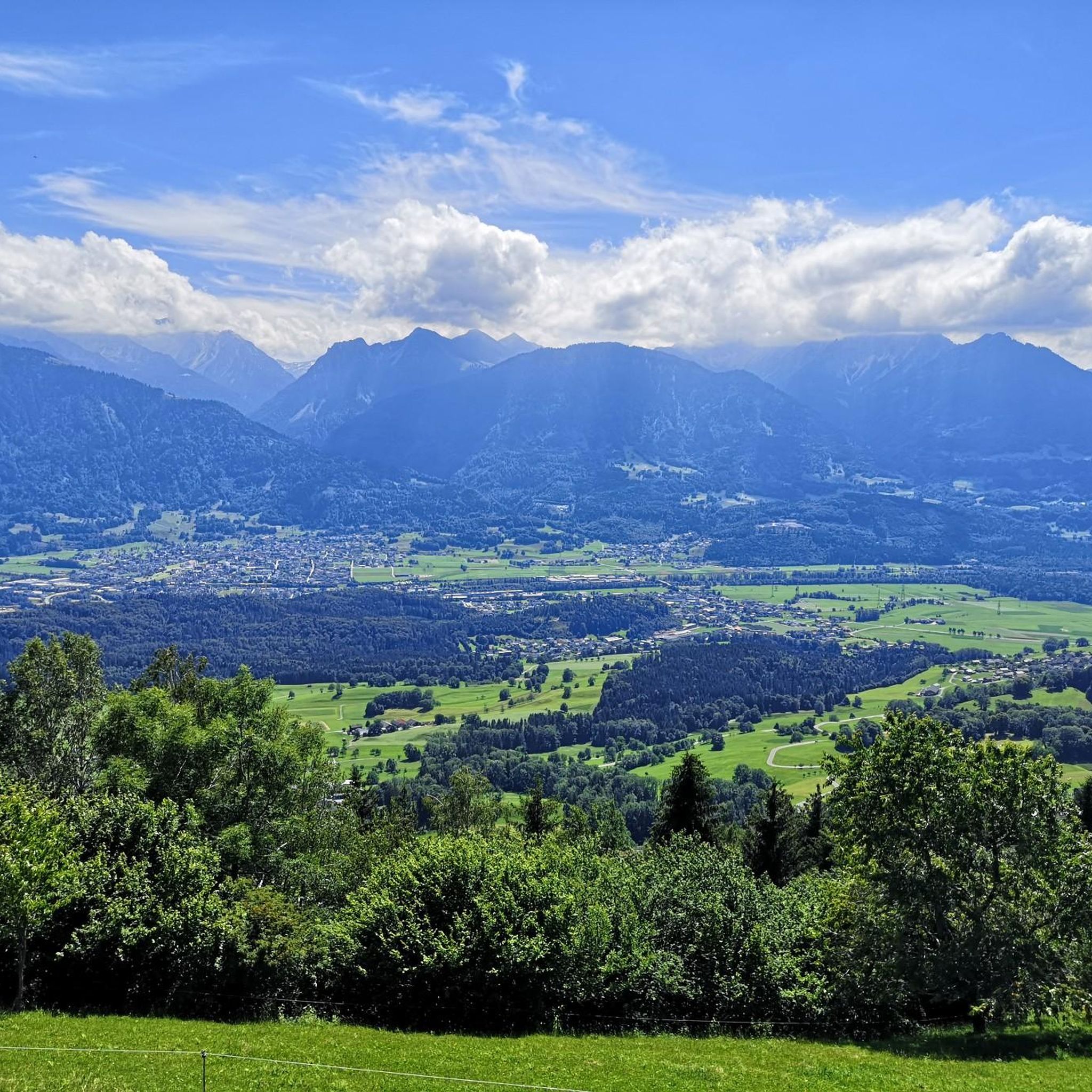
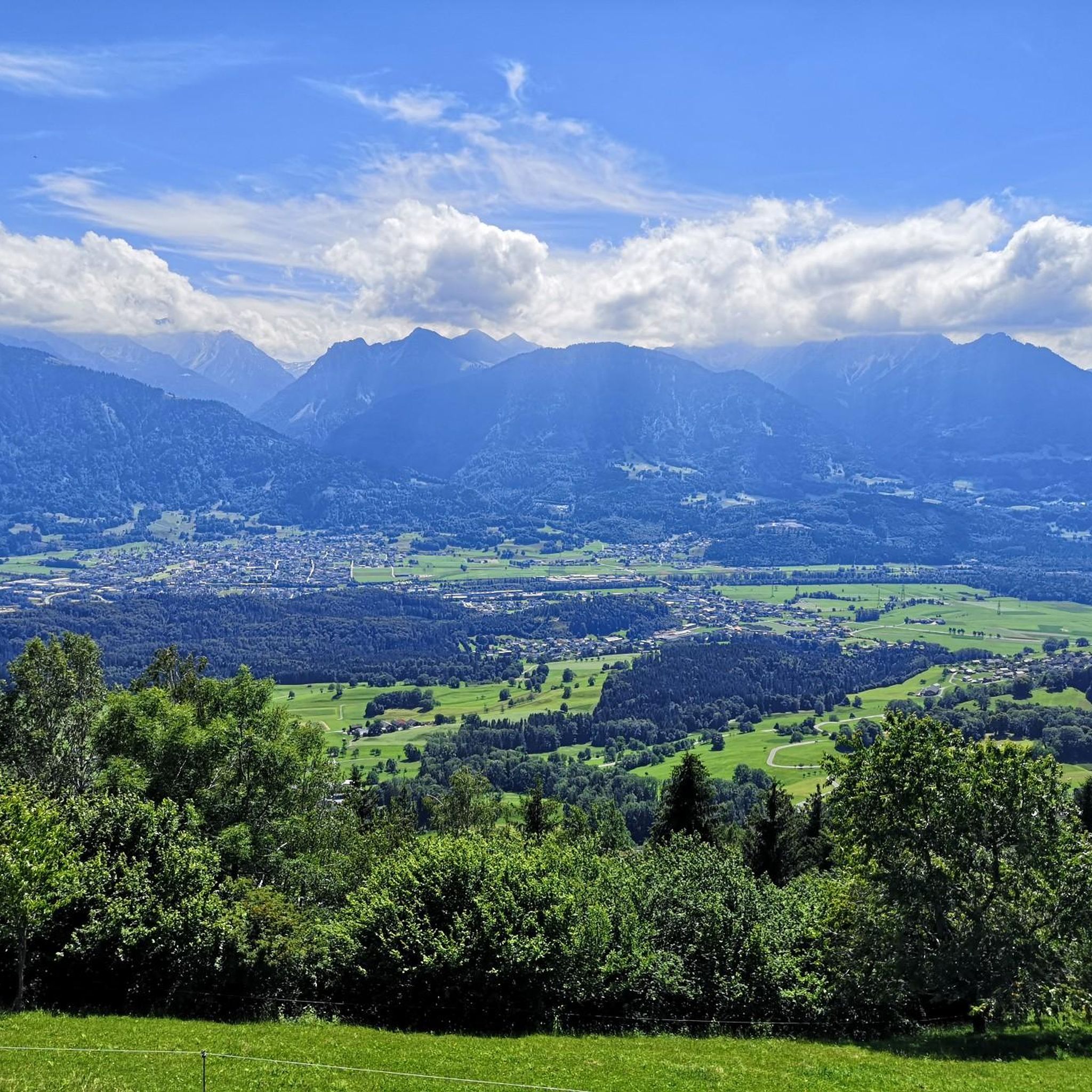
Castles around Dünserberg are situated in a municipality in Vorarlberg, known for its picturesque mountain scenery and as a Walser settlement dating back to around 1300. The area offers a quiet, sunny location at an elevation of 1,000 to 1,300 meters, providing panoramic views of the Rätikon, Silvretta, and Verwall mountain ranges. Dünserberg is appreciated by nature lovers, with opportunities for hiking and enjoying the alpine environment. Historically, its significance lies in its settlement patterns and natural landscape.
Best castles…
Last updated: August 6, 2026
Schattenburg Castle
Highlight • Castle
The Schattenburg towers over the city and was the seat of the Counts of Montfort until the end of the 14th century. The keep, the highest part …
Translated by Google •
Tip by

Oberes Tor (Upper Gate) and Bludenz City Museum
Highlight • Historical Site
City fortification Oberes Tor
The Oberes Tor was built in the 15th century. The three-story gate building with a hipped roof protrudes slightly beyond …
Showing Translation
Tip by
Sign up now to discover places like this
Get recommendations on the best single tracks, peaks, & plenty of other exciting outdoor places.
Sign up for free
Welsch-Ramschwag Castle Ruins
Highlight • Castle
Welsch-Ramschwag Castle was built between 1270 and 1290 by the Knights of Ramschwag, a noble family from the canton of St. Gallen (CH). Their family castle …
Translated by Google •
Tip by
Sigberg Castle Ruins
Highlight • Castle
From the initially few remains of the wall, which were hardly to be found hidden by trees and bushes, a mighty castle complex developed through four renovations …
Translated by Google •
Tip by
Margarethen Chapel (Blasenberg), Feldkirch
Highlight • Religious Site
Until 1897/98 the Margarethenkapf on the Blendenberg belonged to Tisis in terms of community politics and parish; only with the incorporation of the Heilig-Kreuz parcel did …
Translated by Google •
Tip by
Sign up for free to discover even more castles around Dünserberg.
Sign up for free
Already have an account?
Start today with a free account
Your next adventure awaits.
Login or Signup


Tips from the Community

Friedrich walked through this gate.
0
0


Archduke Friedrich IV of Tyrol fled to Bludenz through this gate after his condemnation at the Council of Constance in 1416
0
0

The Margarethenkapf on the Blasenberg belonged to Tisis in terms of local politics and parish until 1897/98; it only became part of Feldkirch when the Heilig-Kreuz parcel was incorporated. It has a number of peculiarities and highlights: right at the top, as a lookout point, is the popular Feldkirch "Rädle", below it to the northeast is the stately summer villa of the former Feldkirch mayor Josef Andreas Ritter v. Tschavoll, to the northwest is the residential tower of the so-called Tschitscherschlößchen and, exposed on the steep rock face of the Kapf, the Margarethen Chapel.
2
3

The Milka production surrounds everything with a light cocoa/chocolate smell 😋
0
1
Characteristic of the city for the place worth visiting🤩
1
0

Tschitscher Castle with chapel (Margarethenkapf) Above the Ill breakthrough, on a narrow rocky hilltop, residential tower with chapel, three storeys, with steep gable and gable roof; the chapel, consecrated in 1522, with wall paintings and roof turrets. The name "Kapf" comes from the Latin caput and means "rock head". The castle was built in 1620 by the foreman Paul Tschitscher, later came into the possession of the Clessin family (in 1799, during the French era, various battles took place here), and from 1860 into the property of the Tschavoll family. Around 1870, Ritter von Tschavoll (mayor of Feldkirch) built a villa with a park on the upper terrace of the "Kapf". Owner: Frieda Vogt Text / Source: Austria Forum https://austria-forum.org/af/Wissenssammlungen/Burgen_und_Schl%C3%B6sser/Vorarlberg/Tschitscher-Schloss
16
1
Castle ruins (Welsch-)Ramschwag, Nenzing Welsch-Ramschwag Castle was built between 1270 and 1290 by the Knights of Ramschwag, a noble family from the canton of St. Gallen (CH). Their family castle is in Häggenschwil, Canton St. Gallen. Before 1352 the castle came into the possession of the lords of Landenberg-Greifensee. In 1352 it was sold to Count Rudolf von Montfort-Feldkirch. When the Werdenbergs attacked the castle in 1360 as a result of a feud with the Montfort family, Hartmann von Prasberg from an Allgäu noble family was castellan. He defended the keep for many hours until help came from Feldkirch and the attackers were successfully driven away. In the same year, Welsch-Ramschwag Castle came to the Habsburgs. The castle did not last long, because angry Walgau farmers destroyed it on the evening of September 28, 1405 during the Appenzell War and it has been a ruin ever since. At the same time, other castles in the Walgau (Jagdberg, Blumenegg and Rosenegg) also went up in flames. The almost square complex had an elevated, central residential tower with simple light slits and a surrounding curtain wall. This was 1.20 meters thick and included the courtyard with an area of about 42 x 38 meters. In the west, two artificial wall-ditch systems were built as obstacles to the approach. As is the case today, the entrance to the main gate was in the east. The first attempts at restoration date back to 1912. Another attempt failed in 1925/26 due to a lack of funds. In 1947, parts of the ring wall were destroyed by the construction of a ski jump, which is now closed again. From 1997 to 2000 the ruins were restored in several stages by the market town of Nenzing in cooperation with the Federal Monuments Office and volunteers. The Castle Committee of the State Museum Association carried out the graphic reconstruction of the keep and the floor plan. Text / source: Vorarlberg Tourismus GmbH, Poststraße 11, 6850 Dornbirn https://www.vorarlberg.travel/poi/nenzing-burgruine-welsch-ramschwag/
15
0
Frequently Asked Questions
Are there any castles directly in Dünserberg?
Dünserberg itself is known for its picturesque mountain scenery and historical Walser settlement, but it does not have any castles or castle ruins within its immediate municipality. The castles mentioned in this guide are located in the surrounding region of Vorarlberg and nearby areas.
What are some of the most popular castles to visit near Dünserberg?
Among the most popular castles in the region are the Welsch-Ramschwag Castle Ruins, a significant historical site from the 13th century, and Schattenburg Castle, which overlooks Feldkirch and houses a museum and an inn. Visitors also appreciate the historical fortifications of Oberes Tor (Upper Gate) and Bludenz City Museum.
Which castles near Dünserberg are family-friendly?
Schattenburg Castle in Feldkirch is considered family-friendly, offering a museum and an inn. The Oberes Tor (Upper Gate) and Bludenz City Museum also falls under the family-friendly category, providing an engaging historical experience.
What kind of historical insights do these castles offer?
The castles and historical sites around Dünserberg provide a deep dive into the region's medieval past. For example, Schattenburg Castle was the seat of the Counts of Montfort, while the Welsch-Ramschwag Castle Ruins tell the story of a 13th-century fortification destroyed during the Appenzell War. The Oberes Tor in Bludenz showcases 15th-century city fortifications and frescoes related to Duke Friedrich V of Austria.
Are there hiking opportunities around the castles near Dünserberg?
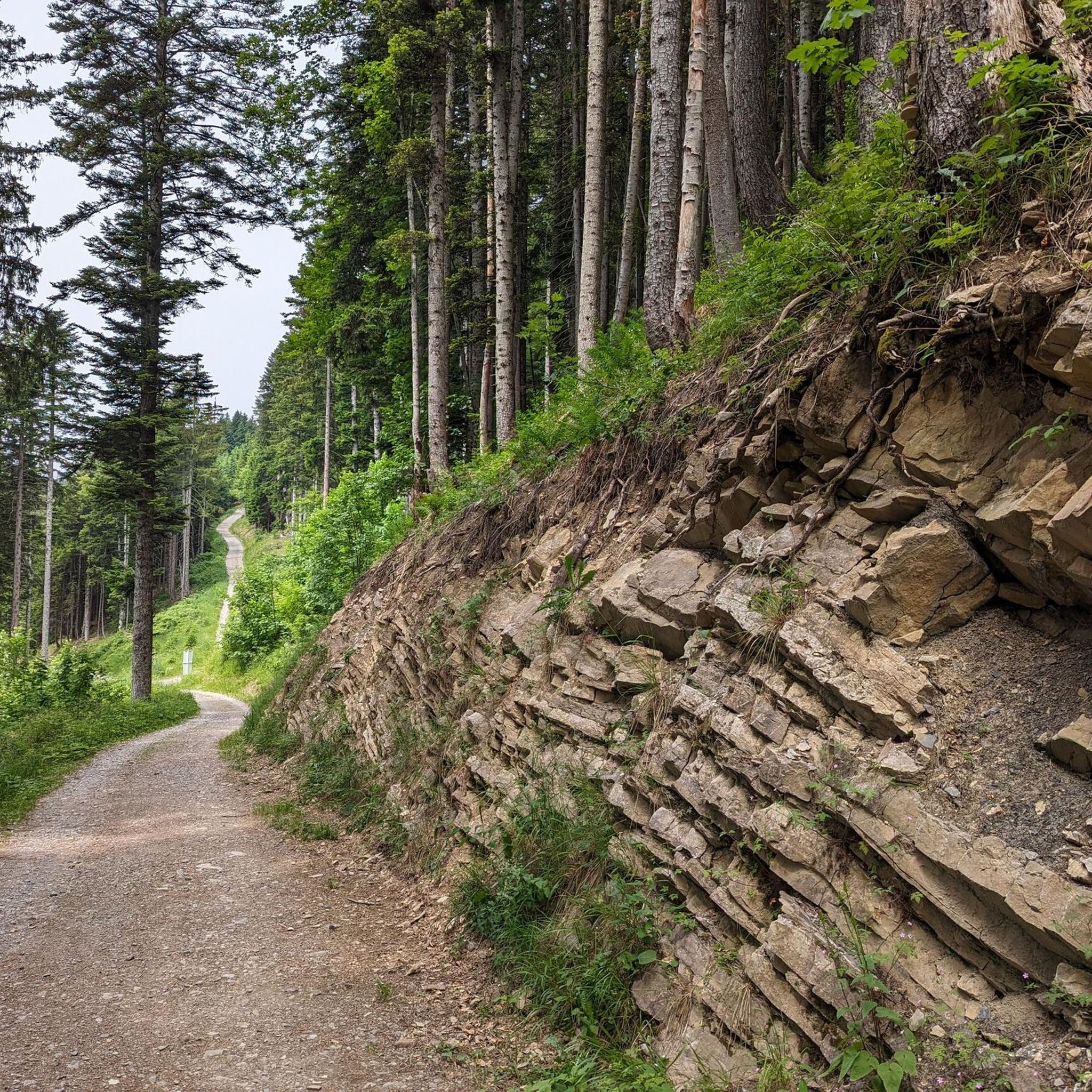
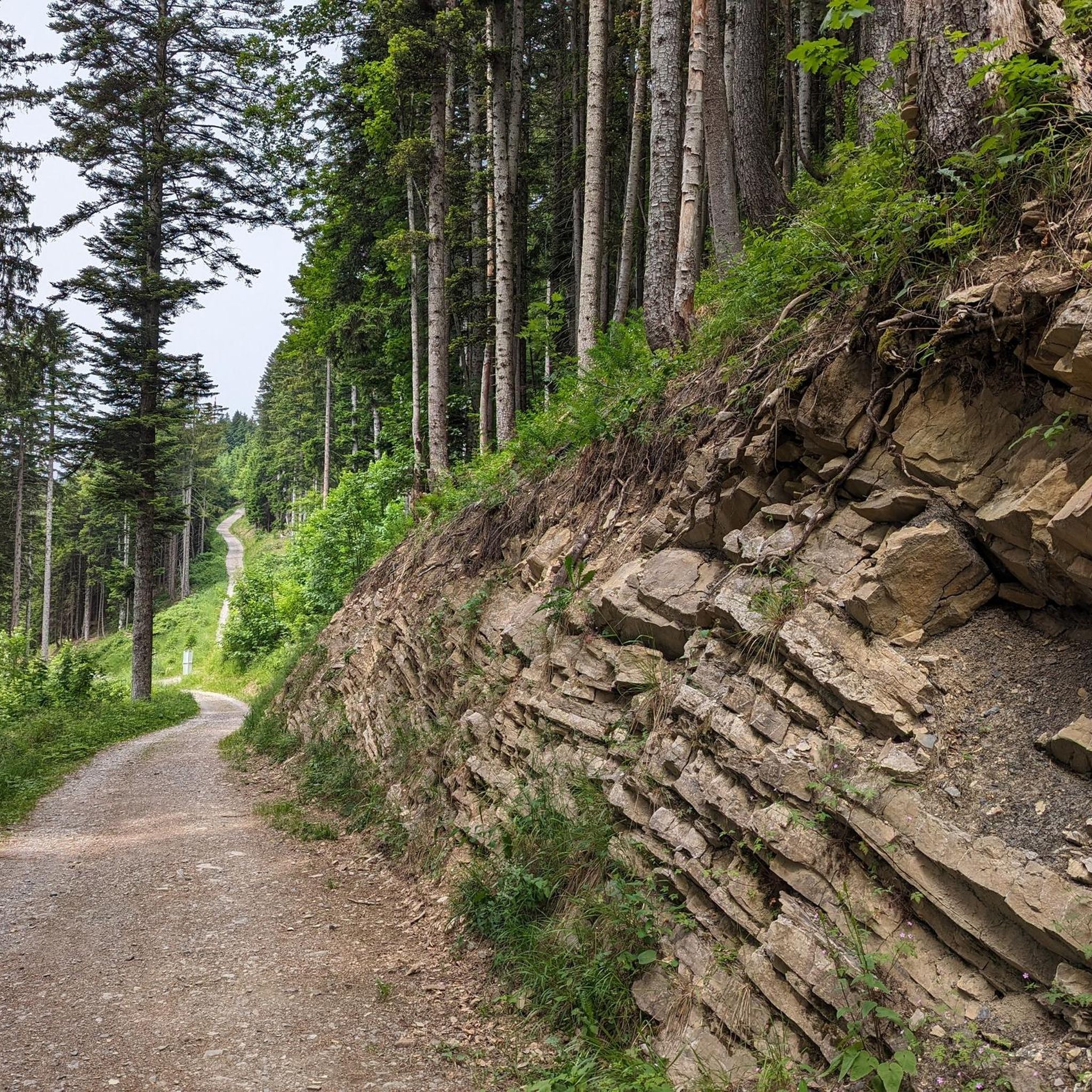
Yes, many of the castles are situated in areas with hiking opportunities. For instance, the Welsch-Ramschwag Castle Ruins and Sigberg Castle Ruins are accessible via trails. You can find various mountain hikes and running trails in the broader Dünserberg region that might incorporate or pass near these historical sites.
What are the accessibility options for castles near Dünserberg?
Accessibility varies by castle. Schattenburg Castle in Feldkirch is generally well-accessible, being a popular attraction with a museum and inn. Castle ruins like Welsch-Ramschwag and Sigberg often require walking on trails, which can range from easy to intermediate difficulty.
Can I bring my dog to the castles or surrounding trails?
While Dünserberg and the surrounding Vorarlberg region offer many dog-friendly hiking trails, specific rules for dogs within castle grounds or museums can vary. It's advisable to check the individual castle's regulations before your visit. Generally, dogs on a leash are often permitted on outdoor trails leading to castle ruins.
What is the best time of year to visit the castles around Dünserberg?
The best time to visit is typically during the spring, summer, and early autumn months (May to October) when the weather is mild and suitable for exploring both the castles and the surrounding hiking trails. Winter visits can be picturesque, but some trails might be challenging due to snow and ice, and certain attractions may have reduced opening hours.
Are there any viewpoints or natural features near these castles?
Yes, the region is rich in natural beauty. Welsch-Ramschwag Castle Ruins offer a viewpoint, and Schattenburg Castle provides views over Feldkirch. Dünserberg itself is known for impressive panoramic views of the Rätikon, Silvretta, and Verwall mountain ranges, which can often be enjoyed from trails leading to or from these historical sites.
What other outdoor activities can I do in the Dünserberg area besides visiting castles?
Dünserberg is a haven for nature lovers. You can explore numerous mountain hikes, enjoy running trails, or embark on road cycling routes through the scenic alpine environment. The area offers a quiet, sunny location perfect for recreation.
Is there a castle that also has a museum or restaurant?
Yes, Schattenburg Castle in Feldkirch is a great option. It not only houses a museum detailing its history but also features an inn famous for its giant schnitzel, making it a perfect spot to combine history with a meal.
What is the history behind the Sigberg Castle Ruins?
The Sigberg Castle Ruins in Frastanz-Göfis date back to the Lords of Sigberg, first appearing in 1255. The castle was destroyed in 1358 and again in 1435. Extensive renovations between 2001 and 2008 have transformed the site into a popular leisure area, showcasing the remains of a once mighty complex.
Most popular routes around Dünserberg
Most popular attractions around Dünserberg

Get inspired with the komoot mobile app


Explore more
Looking for the best castles somewhere else? Discover other guides around Dünserberg:
