Top 4 Caves around Übersaxen
Caves around Übersaxen offer opportunities for exploration within the broader Alpine region, known for its scenic hiking trails and mountain peaks like Hohe Kugel. While Übersaxen itself is primarily recognized for its outdoor activities, the surrounding areas feature notable geological formations. These natural features provide varied experiences for those interested in subterranean environments. The region's landscape is characterized by its mountainous terrain, offering diverse natural attractions.
Best caves around Übersaxen
- The most popular caves is Kalkofenhöhle Cave, a natural…
Last updated: May 29, 2026
Witeleloch Cave
Highlight • Cave
Translated by Google •
Tip by

Kalkofenhöhle Cave
Highlight • Cave
Translated by Google •
Tip by

Sign up now to discover places like this
Get recommendations on the best single tracks, peaks, & plenty of other exciting outdoor places.
Sign up for free
Caves at the Luchsfalle
Highlight • Cave
Translated by Google •
Tip by

Öffa Gorge
Highlight • Gorge
Translated by Google •
Tip by

Start today with a free account
Your next adventure awaits.
Login or Signup
Popular around Übersaxen
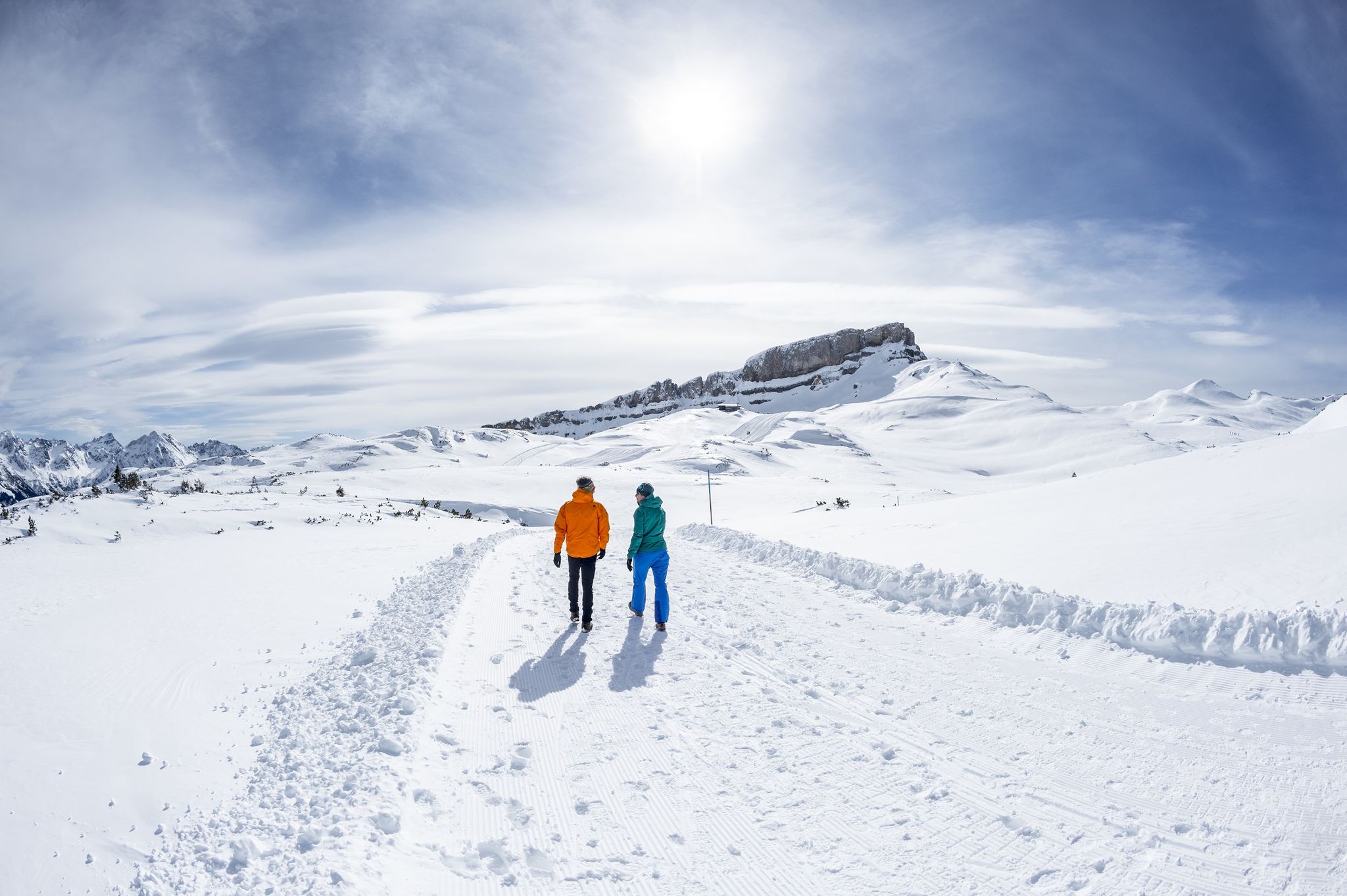
On white paths – winter hikes in Vorarlberg
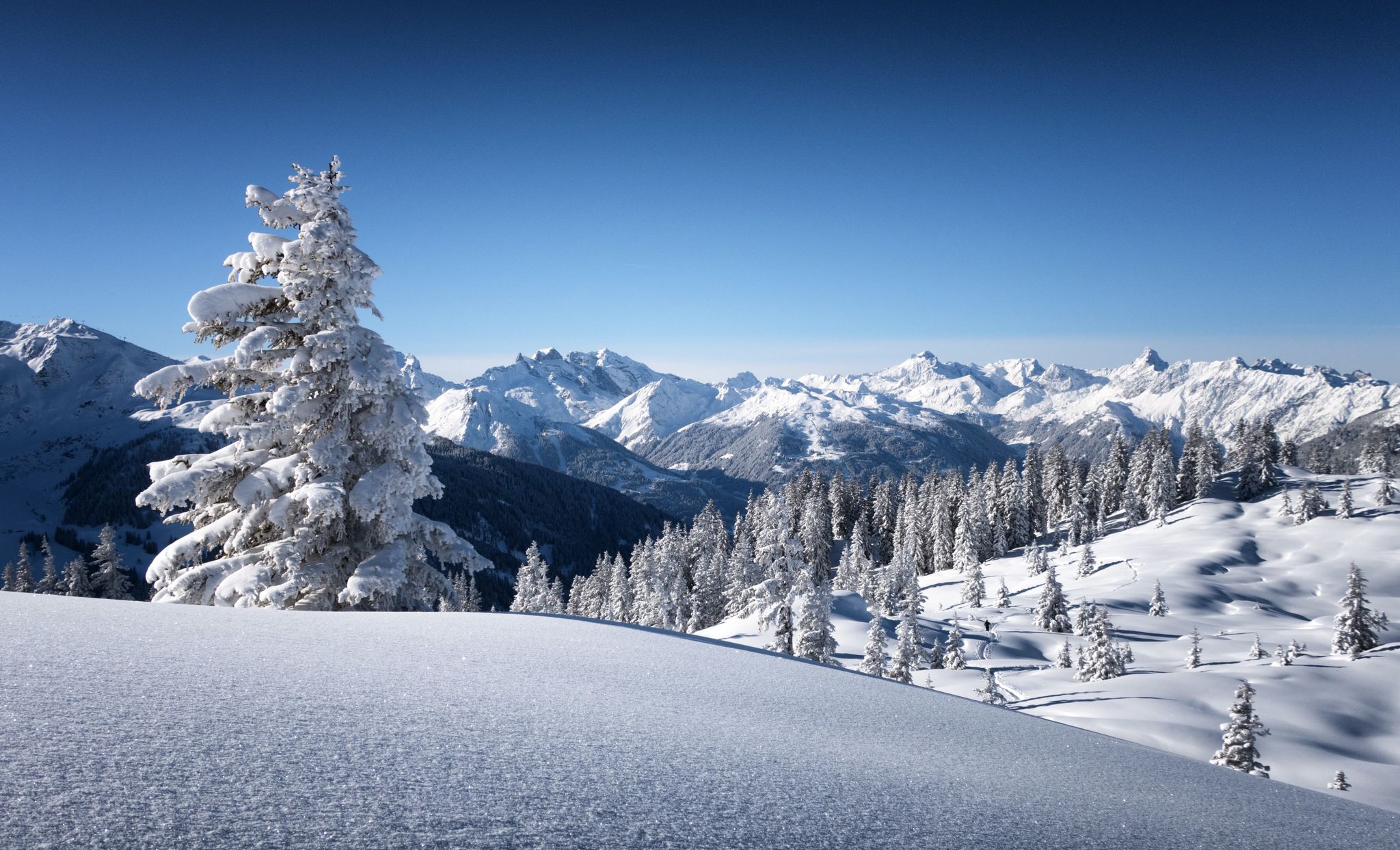
Following snow-covered trails – winter hiking in Vorarlberg
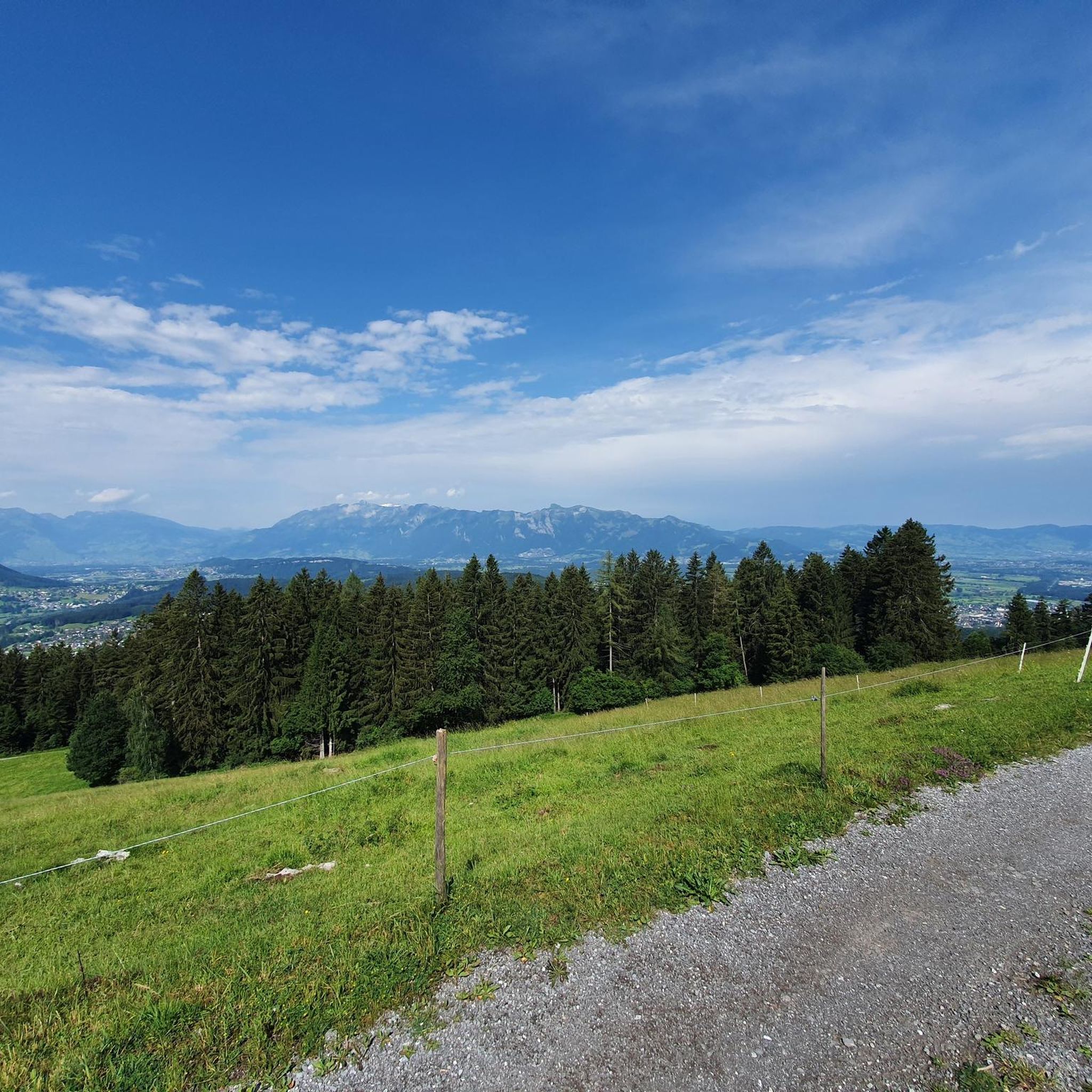
Road Cycling Routes around Übersaxen
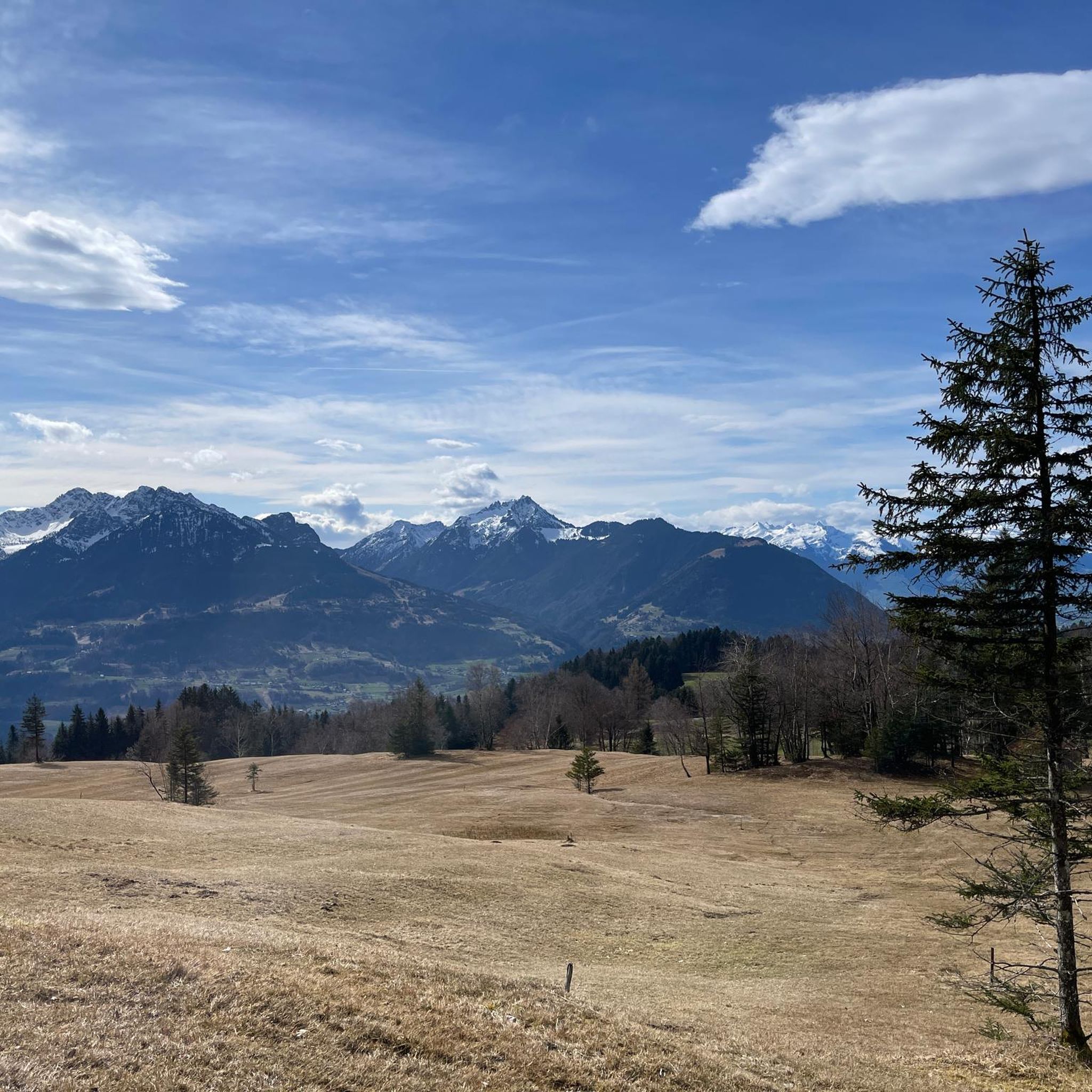
Cycling around Übersaxen
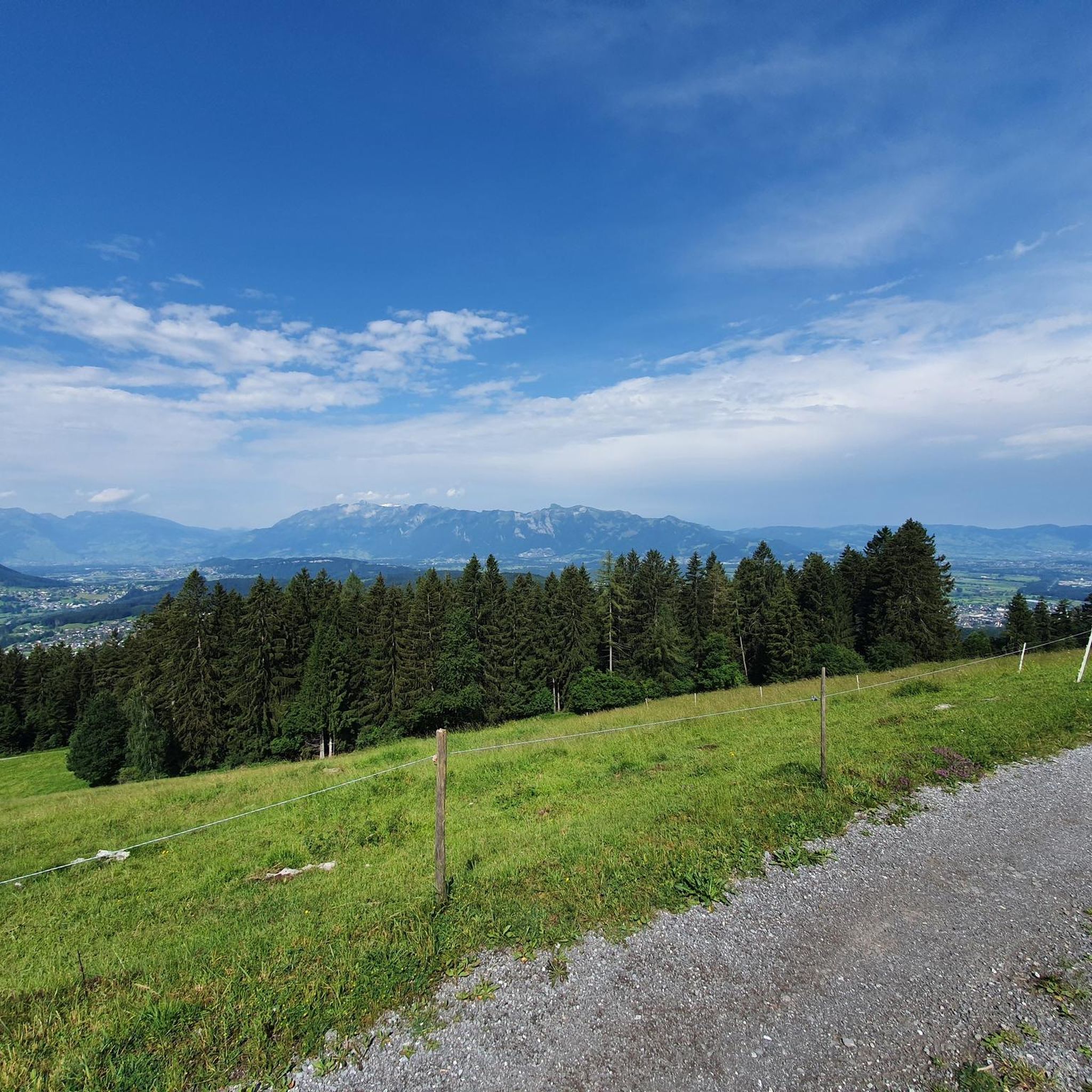
Hiking around Übersaxen

Gravel biking around Übersaxen
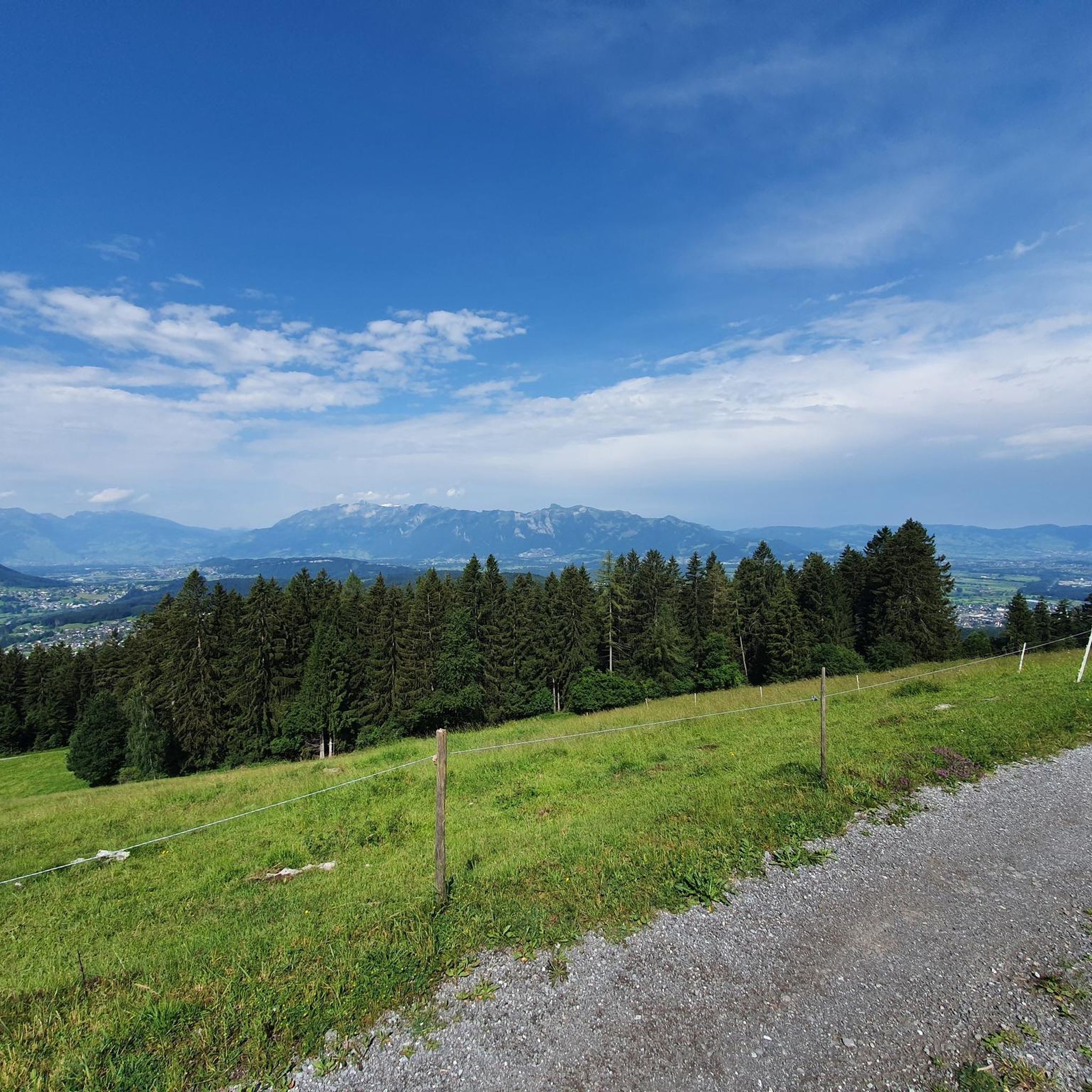
Mountain Hikes around Übersaxen
MTB Trails around Übersaxen
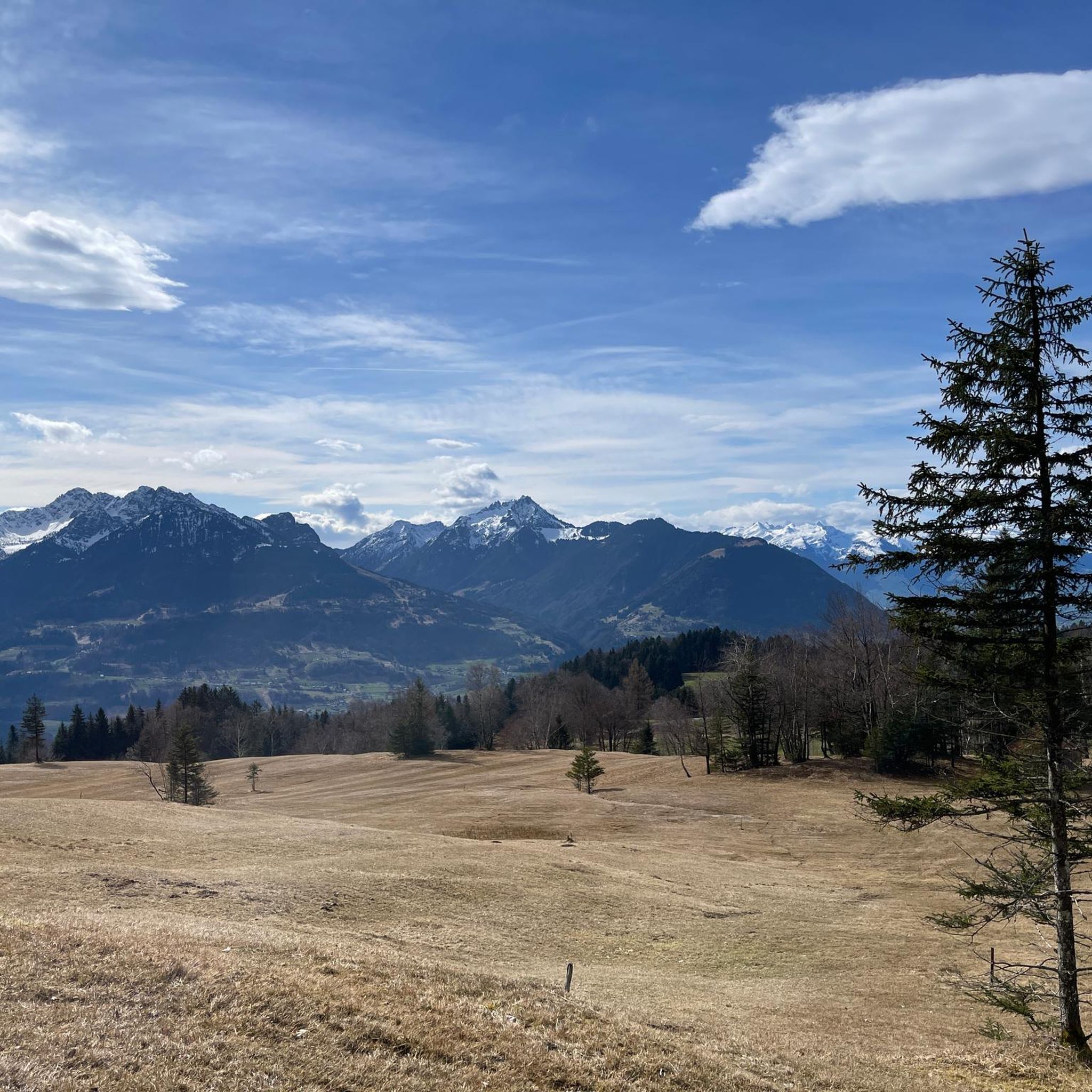
Running Trails around Übersaxen


Tips from the Community

The Witeleloch was first described in a newspaper article around 1907 by archaeologist and amateur geologist Gero von Merhart, who used the name Elisabethhöhle. In 1922, the cave was described by Josef Blumrich, a teacher from Bregenz. The cave has been designated a geological natural monument since April 1979. Source: https://de.m.wikipedia.org/wiki/Witeleloch
8
0

Difficult to find from St. Arbogast if you don't get the right direction straight away, which can easily happen as there is no sign pointing to the cave. I ended up in the Örfla Gorge, it was nice too. You probably have to walk back along the road from St. Arbogast along Kalkofenweg, the name should actually be clue enough. Will try that soon too. Anyone who wants to can accompany me, whether young or old ;-)
1
0

The lime kiln cave was exposed in the course of the construction work for the Rhine Valley motorway. The bottom of the cave is two meters below the current valley floor. It was created around 10,000 years ago by the water of the original Lake Constance and later closed by the gravel of the Rhine. Stalactites and sintered tubes formed inside. The cave was opened on February 3rd, 1971 and in the next few days all stalactites were destroyed and stolen. Today the entrance to the cave is hidden behind a small pile of gravel - but can be visited. In the meantime, the first very small stalactites have formed again. (Source: Natur z'Koblach)
1
0

The first meters behind the impressive triangular portal are still accessible in daylight, the inner parts of the karst cave only with artificial lighting. At the entrance to the cave there is a small information board with an overview drawing. The hiking trail (Kapfweg) to the Witeleloch is partly steep, exposed, but easy to walk on. The cave itself should only be visited with good caving equipment.
3
0


The path that leads past the impressive Witeleloch natural monument is a blue and white marked alpine path that requires surefootedness and a head for heights. It is a super nice, narrow, partly quite exposed path along the rock. The view of these rocks is just super beautiful and impressive, I love such views and the way is just cool!
4
0
If you stand directly in front of the signpost for the lynx trap, you first go a bit to the left, i.e. towards the bottom and then immediately right about 3 to 4 meters up the slope, there is a cave with a barbecue in front of it. Respectively it is more a cave passage, on the other hand you can get out. And there are also two / three smaller caves, one of which you can crawl into and is upright, but is too small and too dark to be comfortable in. The one on the far left with the fireplace is cozy.
1
0

Insanely beautiful little gorge, sometimes only in hip-deep water to commit. Ends in a 7 to 8 meter high and wide natural rock dome / cave fed by a waterfall 1 to 2 meters with water. Daring teens or canyoning professionals sometimes dare to jump from about 6 meters into the dark water.
1
1
Frequently Asked Questions
What types of caves and geological features can I explore around Übersaxen?
The region around Übersaxen features a variety of geological formations, including karst caves, natural monuments, and gorges with cave-like characteristics. You can find everything from accessible entrances to challenging explorations requiring specific equipment. Notable examples include Kalkofenhöhle Cave, Witeleloch Cave, and the Öffa Gorge.
Are there any easy-to-visit caves or natural monuments suitable for beginners?
While many of the features around Übersaxen are described as intermediate or challenging, the entrance to Kalkofenhöhle Cave can be visited. It was exposed during motorway construction and, though its original stalactites were destroyed, new small ones are forming. The initial parts of Witeleloch Cave, just behind its impressive triangular portal, are also accessible in daylight.
Which caves offer a more challenging exploration experience?
For a challenging experience, Witeleloch Cave is a geological natural monument requiring artificial lighting and surefootedness for its inner parts. The Öffa Gorge also presents a challenge, often involving navigating hip-deep water to reach a rock dome fed by a waterfall. The Caves at the Luchsfalle are also categorized as challenging, with some requiring crawling.
What should I know about the history of the caves around Übersaxen?
Some caves have interesting historical backgrounds. Witeleloch Cave was first described in a newspaper article around 1907 by archaeologist Gero von Merhart and later by teacher Josef Blumrich in 1922, eventually being designated a geological natural monument in 1979. Kalkofenhöhle Cave was exposed during motorway construction and formed approximately 10,000 years ago by the waters of the original Lake Constance.
Are there family-friendly activities or caves suitable for children near Übersaxen?
While specific caves are often challenging, the general area around Übersaxen is known for its hiking trails. For family-friendly outdoor activities, you can explore the broader hiking network. For example, the 'Glath Viewpoint – St. Anna Chapel loop' is an easy hiking route, and the 'Forest Ponds with Tadpoles' route offers natural exploration. You can find more options on the Hiking around Übersaxen guide.
What kind of hiking trails are available near the caves around Übersaxen?
The region offers diverse hiking trails, ranging from moderate to difficult. Paths near caves like Witeleloch Cave are blue and white marked alpine paths, requiring surefootedness and a head for heights, often exposed along rocks. Other trails, like those leading to Kalkofenhöhle Cave, might be less marked and require careful navigation. For a broader selection of trails, consult the Hiking around Übersaxen guide.
What other outdoor activities can I do in the Übersaxen area besides cave exploration?
Übersaxen is well-known for its outdoor activities. Besides hiking, you can enjoy cycling and gravel biking. There are numerous routes available, such as the 'Schwarzer See (Satteins) – Lutz near Ludesch loop' for cycling or the 'Feldkirch Gravel Tour' for gravel biking. Explore more options in the Cycling around Übersaxen and Gravel biking around Übersaxen guides.
What should I wear or bring for cave exploration in this region?
For challenging caves like Witeleloch Cave, good caving equipment, including artificial lighting, is recommended for exploring the inner parts. For gorges like Öffa Gorge, be prepared for hip-deep water. Generally, sturdy footwear, appropriate outdoor clothing, and a headlamp are advisable for any cave or gorge exploration in the area.
Is there parking available near the caves around Übersaxen?
Specific parking information for each cave is not always explicitly detailed, but as the caves are often accessed via hiking trails, parking is typically available at trailheads or designated parking areas for hikers in the vicinity of Übersaxen. It's advisable to check local signage or hiking route descriptions for the most precise parking locations.
What do visitors enjoy most about the caves and natural features near Übersaxen?
Visitors appreciate the impressive natural beauty and the sense of adventure. For instance, the path to Witeleloch Cave is described as a 'super nice, narrow, partly quite exposed path along the rock' with 'super beautiful and impressive' views. The Öffa Gorge is loved for its 'insanely beautiful little gorge' experience, culminating in a natural rock dome and waterfall.
Are there any hidden or less-known caves to discover?
The Caves at the Luchsfalle offer a more secluded experience, with multiple smaller caves, one of which has a barbecue area. Finding them requires a bit of navigation from a signpost, suggesting a less trodden path compared to more prominent natural monuments. One of these caves is described as 'cozy' with a fireplace.
What is the best time of year to visit the caves and gorges near Übersaxen?
The best time to visit largely depends on the specific cave or gorge. For features involving water, like Öffa Gorge, warmer months might be more comfortable due to hip-deep water navigation. For hiking access to caves, spring through autumn generally offers the most favorable weather conditions. Winter visits might be possible for some, but could involve snow and ice, increasing difficulty and requiring specialized gear.
Most popular routes around Übersaxen
Most popular attractions around Übersaxen

Get inspired with the komoot mobile app


Explore more
Extend your search for the best caves by checking out these guides of the top ones around Übersaxen:
