Top 20 Gorges in Ireland
Best canyons in Ireland include deep, narrow valleys and glens, often carved by ancient glaciers and rivers. These geological formations are found across the country, from the mountainous regions of Kerry to the coastal cliffs of Clare and Donegal. Ireland's landscape features dramatic passes, sea cliffs, and river gorges, offering diverse natural environments. The country's geology provides a range of canyon-like experiences for outdoor exploration.
Best canyons in Ireland
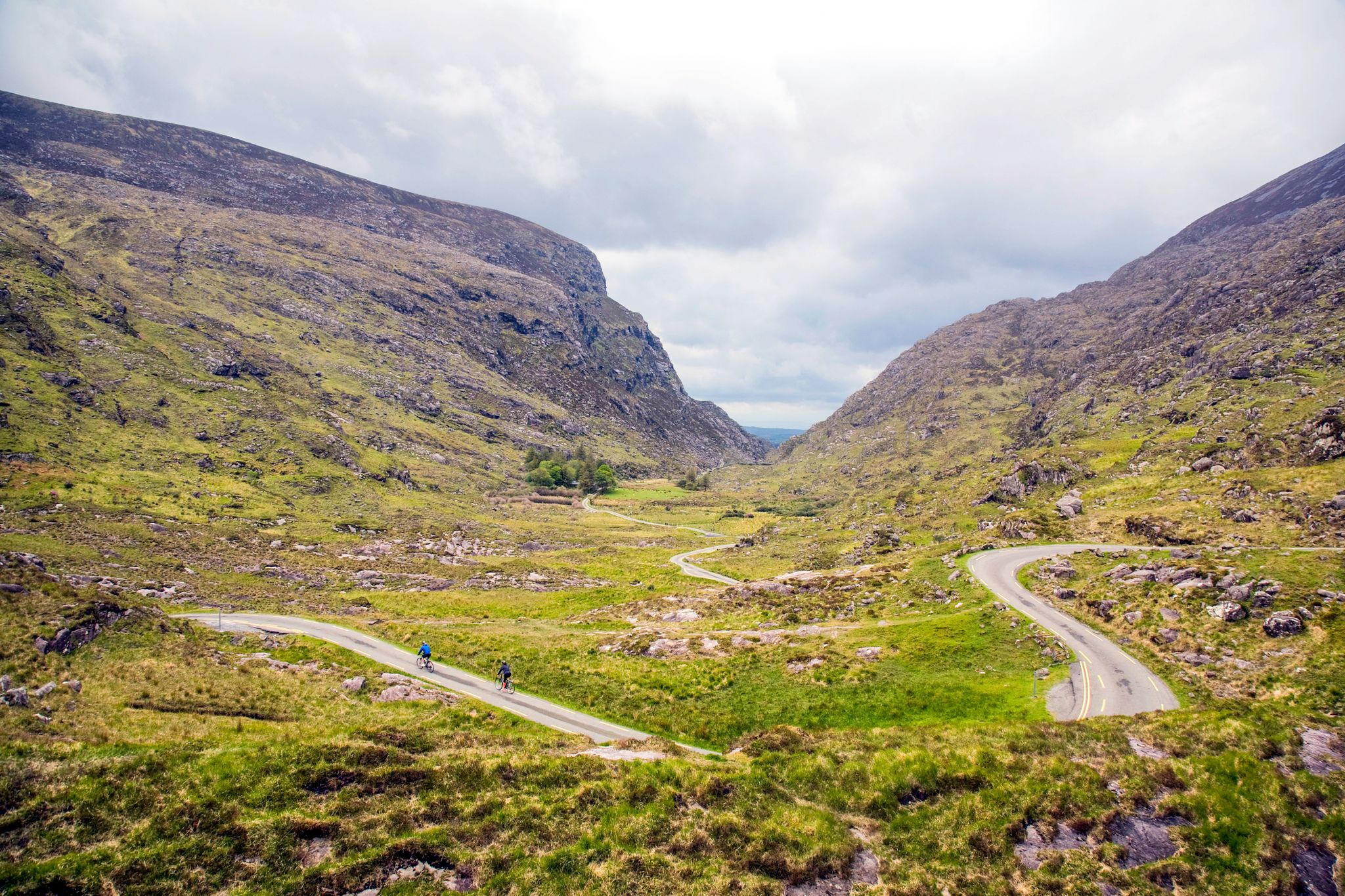
- The most popular canyons is Gap of Dunloe & Augher Lake, a gorge that features a narrow mountain pass shaped by glacial flows. This area offers views of towering mountains and lakes.
- Another must-see spot is Kilkee Cliff Walk, a trail with cliff and sea views. This route provides opportunities for outdoor activity along the coast.
- Visitors also love Horn Head Cliffs, a gorge that rises directly from the water to a height of about 180 meters. It is an internationally important colony for breeding seabirds.
- Ireland is known for its sea cliffs, glacial valleys, and river gorges. These features provide a variety of canyon-like landscapes to see and explore.
- The canyons in Ireland are appreciated by the komoot community. With more than 220 upvotes and over 270 photos, the community highlights the diverse natural features.
Last updated: September 2, 2026
Cliffs of Moher Coastal Walk
Highlight (Segment) • Trail
Translated by Google •
Tip by

Glendalough Round Tower
Highlight • Historical Site
Translated by Google •
Tip by

Sign up now to discover places like this
Get recommendations on the best single tracks, peaks, & plenty of other exciting outdoor places.
Sign up for free
Gap of Dunloe & Augher Lake
Highlight • Gorge
Translated by Google •
Tip by
Kilkee Cliff Walk
Highlight (Segment) • Trail
Translated by Google •
Tip by

Horn Head Cliffs
Highlight • Gorge
(en.wikipedia.org/wiki/Horn_Head)
Tip by

Nine Daughters' Hole
Highlight • Natural Monument
The local Chieftain O' Connor, had nine daughters who, depending on which version of the tale you believe, either fell in love with the Vikings or the Vikings planned to kidnap them. On hearing this, O'Connor lured his daughters into this clifftop hole then threw the beheaded bodies of the Vikings in after them. It has ever since been known as Nine Daughter's Hole.
Tip by

Bridges of Ross Sea Arches
Highlight • Natural Monument
The unbelievable powers that become visible here make my humility towards nature grow.
Ireland Snap - West Coast #shorts
Translated by Google •
Tip by

Ailladie Cliffs
Highlight • Gorge
Showing Translation
Tip by

Bridges of Ross
Highlight • Natural Monument
An absolute must-see on the Loop Head peninsula! Although the name 'Bridges' suggests there are more than one, the brute force of the Atlantic Ocean has left only one natural arch. This impressive limestone formation is a beautiful example of how erosion shapes the Irish landscape.
The bridge is not visible from the car park.
Showing Translation
Tip by
Hell's Hole
Highlight • Cave
Hell's Hole is a huge cavern which thunders with noise as the waves crash into it. You can follow a path to a ledge which is a great place for both seeing the spectacle as well as spotting seals.
Tip by
Sign up for free to discover even more gorges in Ireland.
Sign up for free
Already have an account?
Start today with a free account
Your next adventure awaits.
Login or Signup
Popular around Ireland
Incomparable Ireland Challenge: Reeks District Big Five
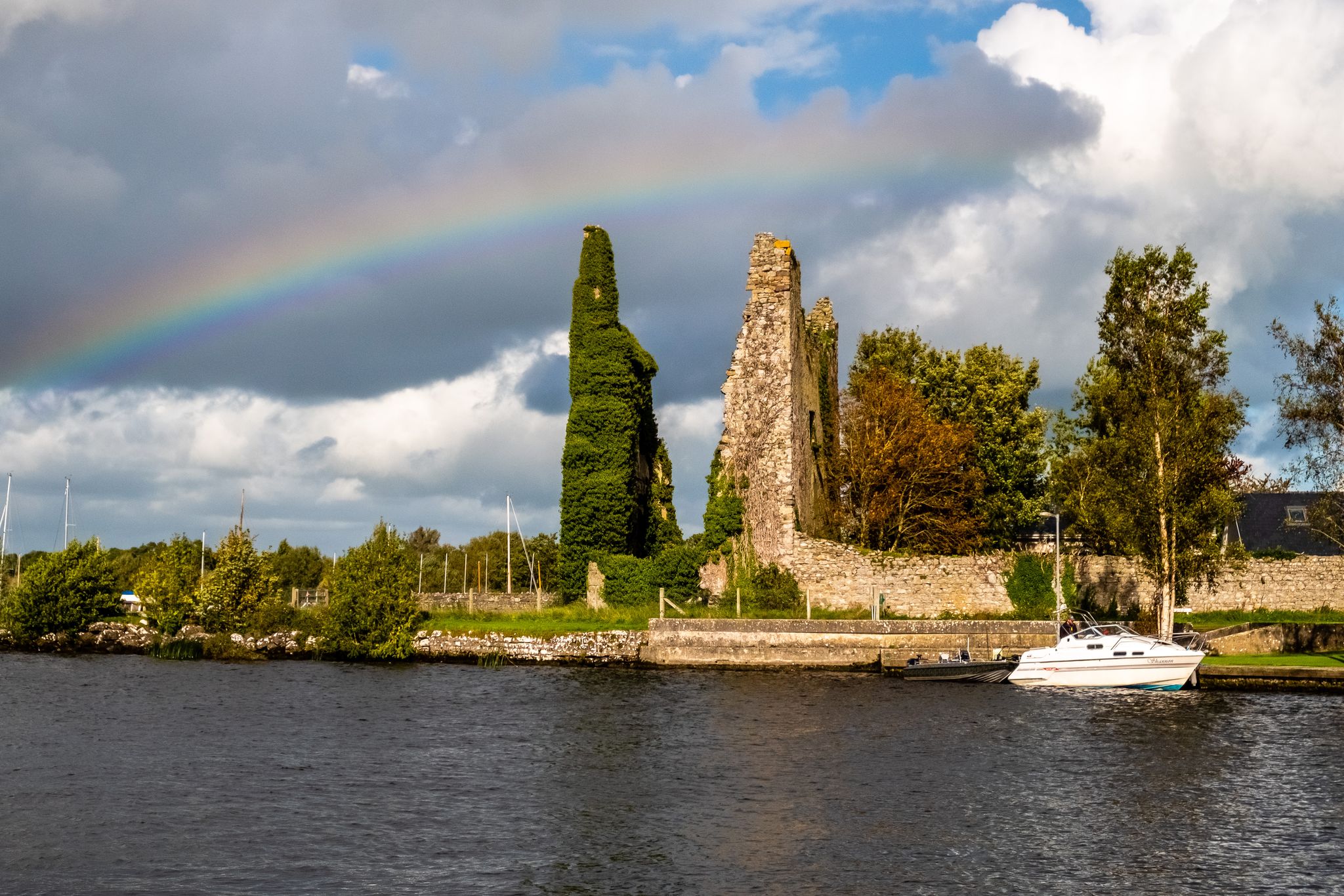
Lough Derg Way
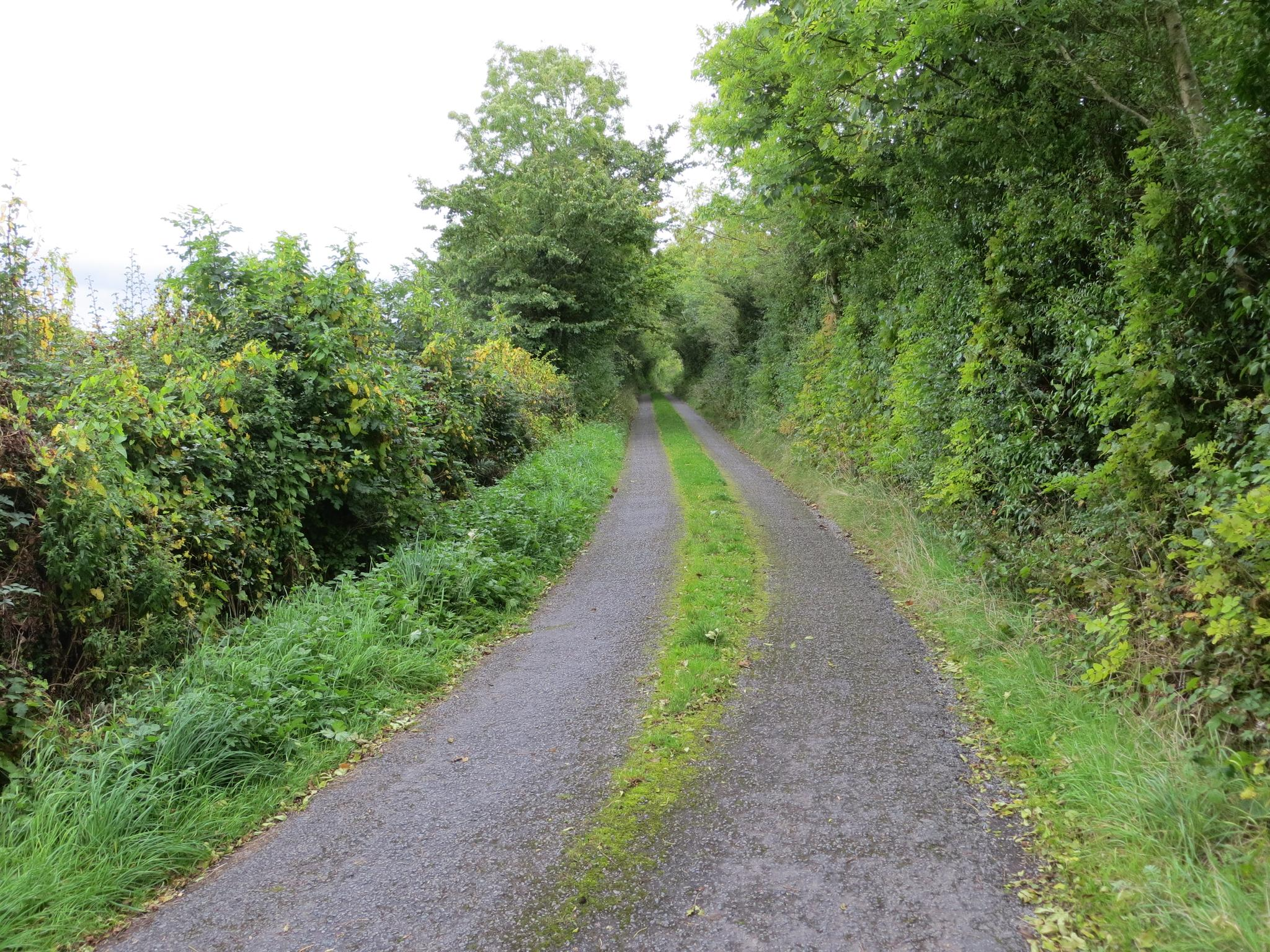
Suck Valley Way — Castles, Rivers & Rural Ireland
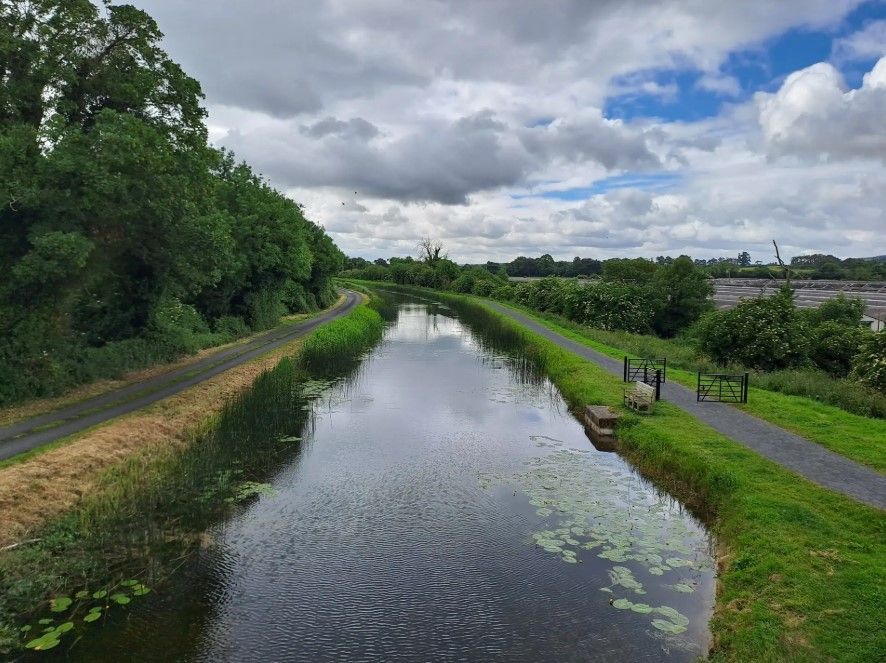
The Barrow Way — Walking Beside Quiet Waters
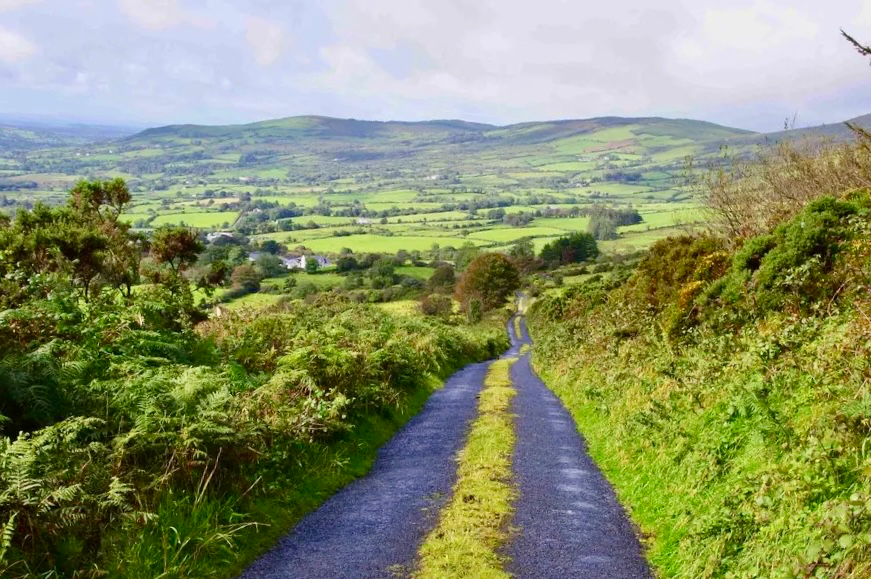
East Clare Way – exploring Ireland’s hidden heart
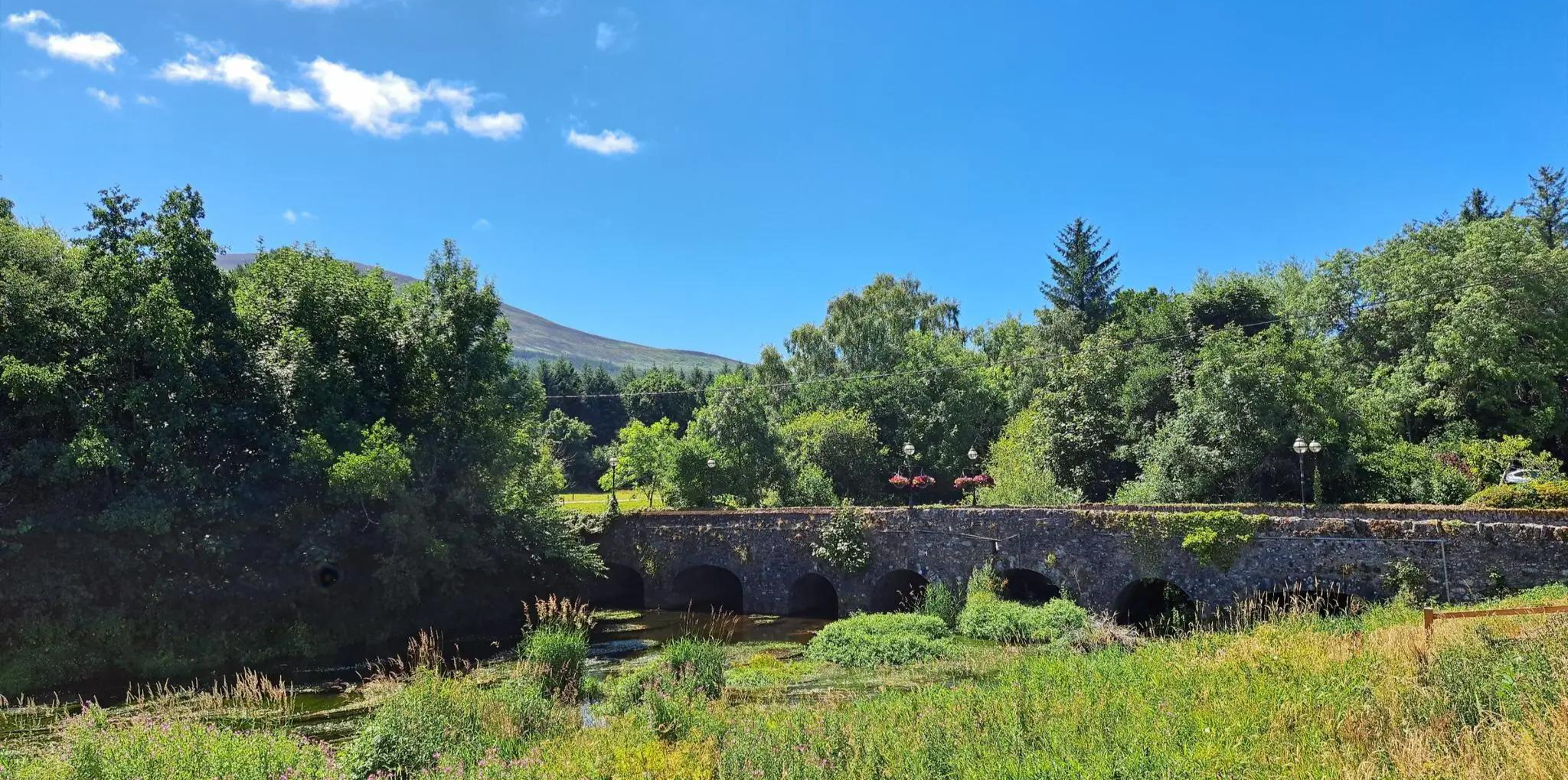
East Munster Way – Hiking the beautiful Suir, woodland and historic foothills
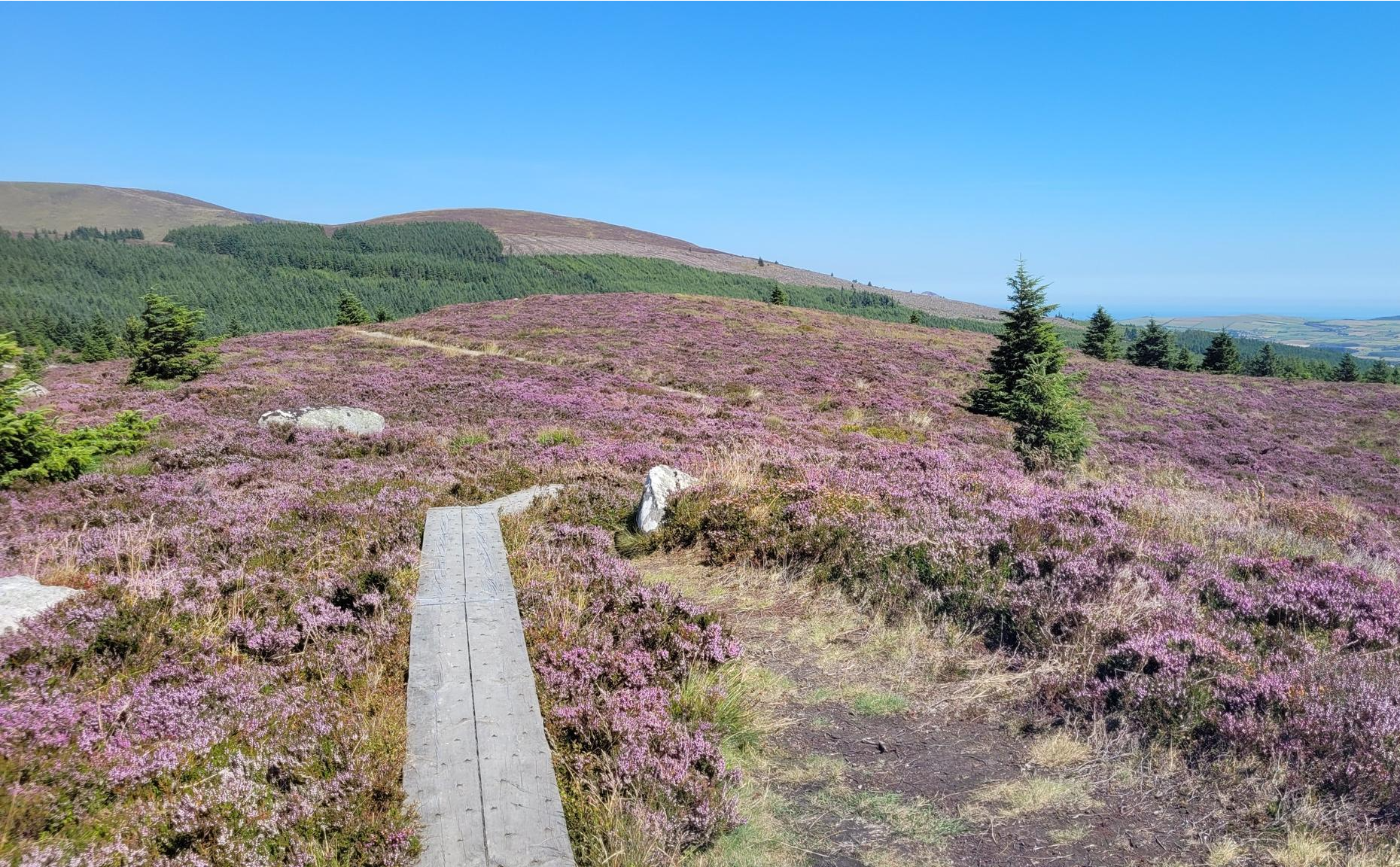
Running the Wicklow Way – From the city to the mountains
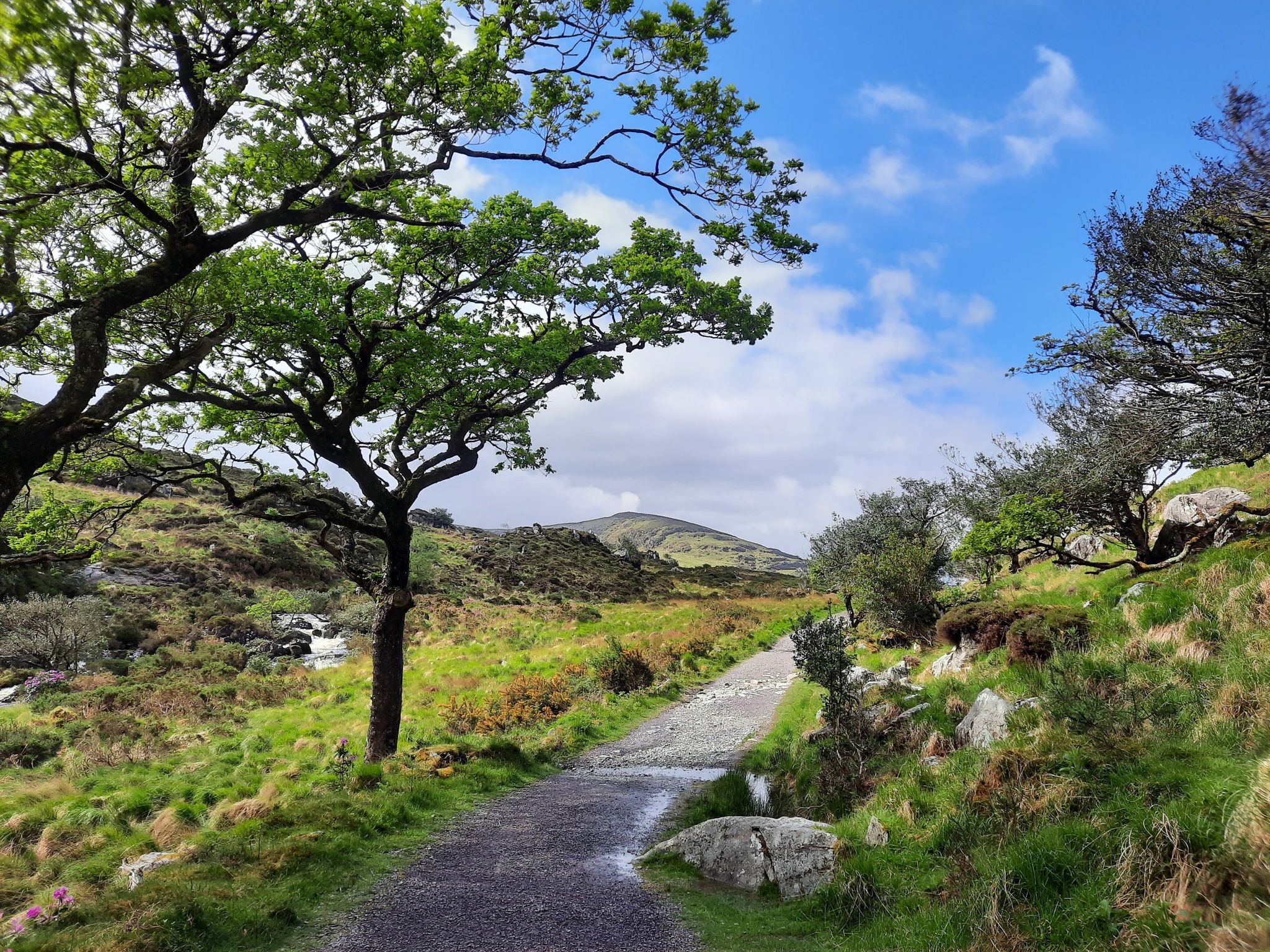
Run the Kerry Way – Around the rugged west coast of Ireland
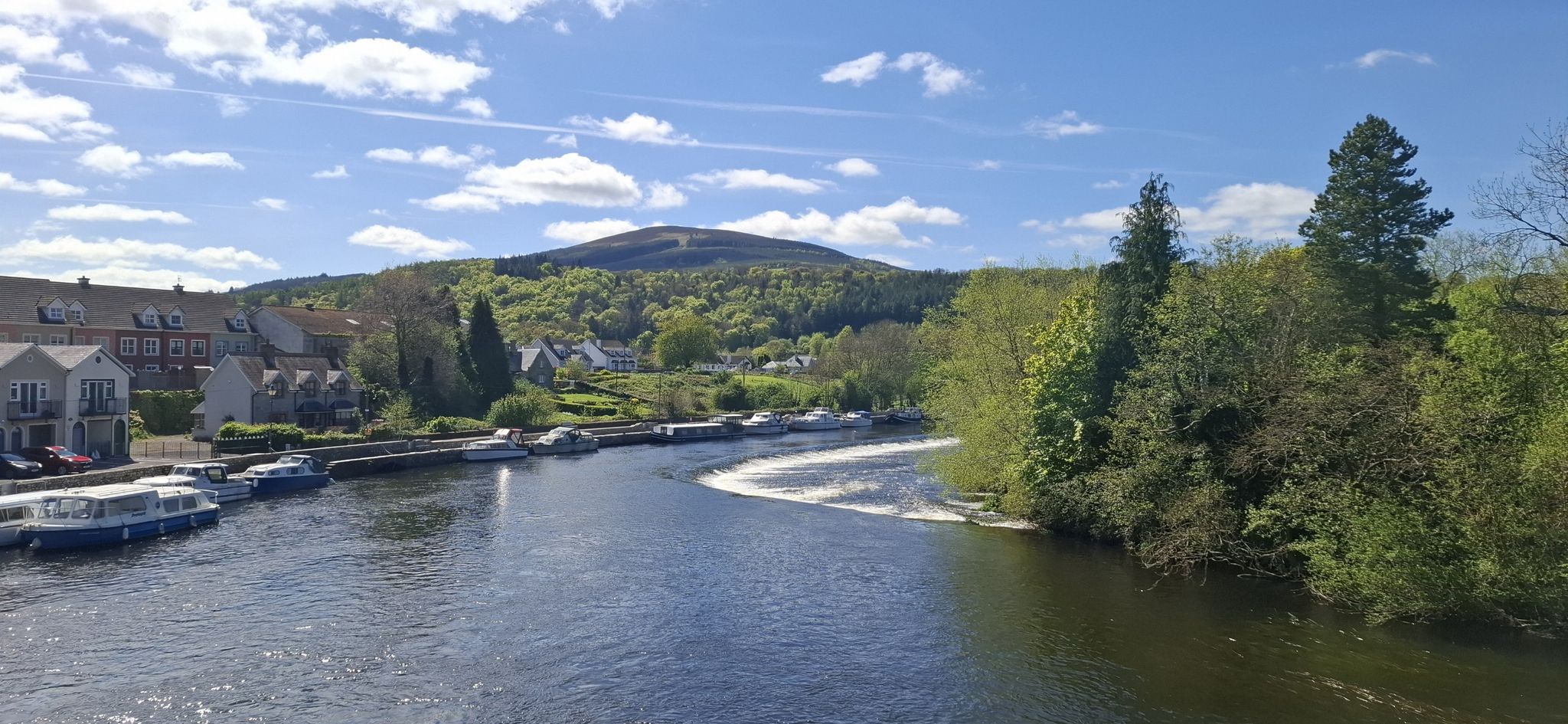
South Leinster Way – It's a long way to Tipperary
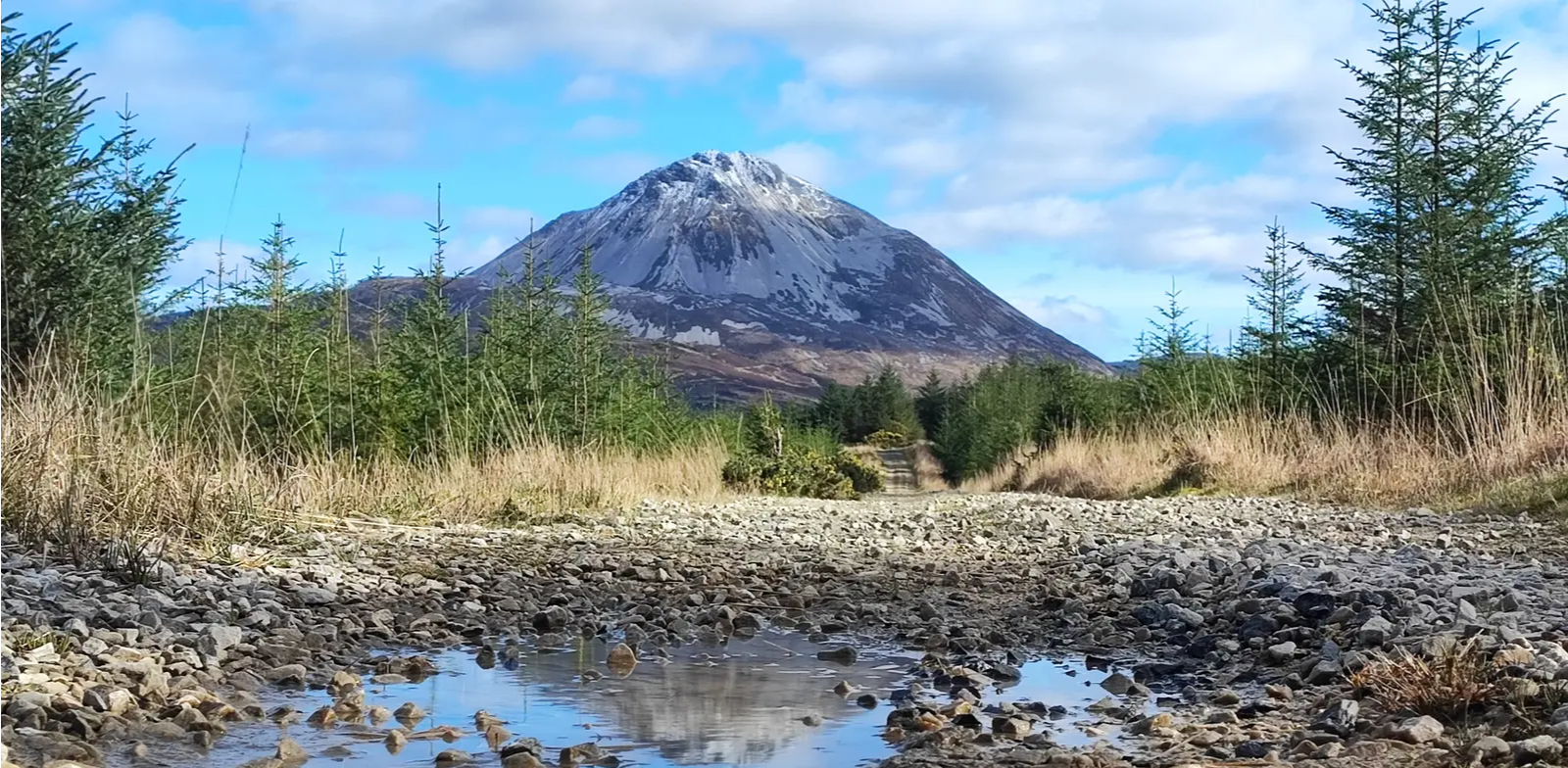
Slí An Earagail – An adventure between the Atlantic and Errigal
Other adventures in Ireland


Tips from the Community

This is a beautiful hike with great views, despite heavy road use mostly by tourist cars. If your physical condition allows, then hike this little stretch.
0
0

Very beautiful cliffs, few tourists on site.
0
0

Ailladie is an impressive, 800-meter-long limestone sea cliff along the famous Wild Atlantic Way, hidden between the coastal road and the ocean. This vertical rock face in the heart of the Burren is internationally renowned as one of Ireland's premier traditional rock climbing locations, with iconic sectors such as the mirror-smooth Mirror Wall. While climbers tackle the steep faces, walkers from the top enjoy spectacular panoramic views over the Atlantic Ocean and the nearby Aran Islands.
6
0
Linear coastal path along the cliff edge, with continuous views of the entire cliff face. The route follows the natural contours of the coast and runs close to the edge, keeping the elevation changes and the vertical structure of the Cliffs of Moher clearly visible. The route forms the main connection between the southern tip at Hag’s Head and the northern part at Doolin.
5
0
And yet... I discovered another arch further on, but not yet exploited for tourism.
5
0

Very special place with old graves standing askew. The whole area breathes a distant mystical history.
0
0
Follow the coastal path (approx. 15-20 min. walk) for the best view. An absolute must-see on the Loop Head peninsula! Although the name 'Bridges' suggests there are more than one, the brute force of the Atlantic Ocean has left only one natural arch. This impressive limestone formation is a beautiful example of how erosion shapes the Irish landscape. The bridge is not visible from the car park.
5
0

The Irish saint St. Kevin (c. 498–618 AD), from a noble family in Leinster, was trained as a monk and then sought solitude – here in Glendalough as a hermit. Around 540, he withdrew to this remote valley to live in seclusion, asceticism, and prayer. Legends tell that he had deer, otters, and birds as friends. But as it sometimes happens: disciples soon followed him, and a monastic community was established (545 AD), which developed into one of the most important monasteries in Ireland (heyday: 10th–12th centuries). A 30-meter-high round tower (10th–11th centuries), the ruins of the cathedral (1214), a stone church (St. Kevin's Kitchen), and a house still remain. – Very pretty and mystical, the whole thing in the middle of the cemetery.
1
0
Frequently Asked Questions
What are some of the most popular canyon-like locations in Ireland?
Ireland offers several stunning gorge-like locations. Among the most popular are the Gap of Dunloe & Augher Lake, known for its narrow mountain pass and glacial features. The Cliffs of Moher Coastal Walk and Kilkee Cliff Walk also offer dramatic cliff and sea views, providing a unique canyon-like experience along the coast.
What kind of natural features and wildlife can I expect to see in Ireland's gorges?
Ireland's gorges, glens, and valleys are rich in natural beauty. You can expect to see towering mountains, deep valleys carved by glaciers, flowing rivers, and serene lakes. Locations like Horn Head Cliffs are internationally important colonies for breeding seabirds such as the European shag and razorbill. The rugged landscapes often feature mossy green pastures, ancient rock formations, and diverse plant life.
What outdoor activities can I do in and around Ireland's gorges?
Many of Ireland's gorges and glens are perfect for outdoor activities. Hiking is a primary activity, with trails ranging from leisurely strolls to strenuous climbs. For example, the Cliffs of Moher Coastal Walk offers a moderate to difficult hike. Canyoning or gorge walking is also popular in areas like Connemara, involving scrambling, jumping, and sliding through river gorges. Cycling is another great option, with routes like the 'Moll's Gap, Lough Leane & the Gap of Dunloe loop' available for both road and touring bikes. You can find more cycling routes in the Cycling in Ireland guide.
Are there family-friendly gorges or canyon-like walks in Ireland?
Yes, several locations offer accessible and rewarding experiences for families. The Glenevin Waterfall Walk in County Donegal, for instance, is an accessible and peaceful retreat into nature with picnic areas. While specific 'family_friendly' categories aren't always listed for gorges, many walks offer shorter, less strenuous options. Always check the difficulty rating and tips for specific trails, such as the Kilkee Cliff Walk, which is described as suitable for most abilities.
When is the best time of year to visit Ireland's gorges and glens?
The best time to visit Ireland's gorges and glens is generally during the warmer, drier months from late spring to early autumn (May to September). During this period, the weather is more favorable for hiking and outdoor activities, and the landscapes are lush and vibrant. However, some locations, like the Gap of Dunloe, can be stunning in any season, offering dramatic, wild, and peaceful scenery. Always be prepared for changeable weather, regardless of the season.
What are the typical difficulty levels for exploring Ireland's canyons and gorges?
The difficulty levels vary significantly. Many trails, such as the Cliffs of Moher Coastal Walk, are rated as intermediate, requiring a moderate level of fitness. Some experiences, like exploring Annach Re Mhor in County Sligo, involve scrambling and abseiling, making them suitable for adventurers seeking a challenging experience. Other walks, like the Glenevin Waterfall Walk, are more accessible and suitable for a wider range of abilities. Always check the specific trail details and tips for the most accurate difficulty assessment.
How accessible are Ireland's gorges, and what are the parking options?
Accessibility varies by location. Popular spots like the Gap of Dunloe can be experienced on foot, by bicycle, or via traditional horse-drawn carriages. For the Cliffs of Moher Coastal Walk, there's a visitor center with parking, though a smaller, quieter private lot is also available at the south end. The Kilkee Cliff Walk offers free parking at the beginning of the trail. For more remote areas like the Bridia Valley, access might be more limited, often requiring hiking. Public transport options are generally less common for these natural sites, so driving is often the most convenient way to reach them.
Are there any lesser-known or unique canyon-like spots to explore in Ireland?
Beyond the well-known sites, Ireland holds several unique and less-traveled canyon-like locations. Annach Re Mhor in County Sligo is described as a 'huge cave-like canyon,' an enormous fissure that literally splits the hillside, offering a truly unique geological feature for adventurous exploration. The Bridia Valley in County Kerry, part of the Kerry Way, provides a remote and wild escape with a sense of being 'alone in the world' amidst breathtaking open spaces. Hell's Hole is another intriguing natural monument.
What do visitors enjoy most about exploring Ireland's gorges and glens?
Visitors consistently praise the breathtaking scenery, the sense of wildness, and the unique adventure opportunities. Many highlight the dramatic views, the peaceful atmosphere, and the chance to immerse themselves in nature. The Gap of Dunloe is noted for its 'great photo spots' and being 'more than just a great view.' The Cliffs of Moher Coastal Walk is described as 'stunningly beautiful' and a 'must-see.' The opportunity to get 'off the beaten track' and experience the country in a deeper way is also a common sentiment.
Are there places to eat or stay near Ireland's gorges?
Yes, depending on the location, you can find amenities nearby. For instance, the Kilkee Cliff Walk has parking available at the Daimond Rock Cafe. While the remote Black Valley might require you to bring your own food and drink, more developed areas often have cafes, pubs, and accommodation options. The Bridia Valley highlight even lists a cafe as one of its categories. For popular tourist areas like the Gap of Dunloe, you'll find various services in nearby towns.
Can I find historical or cultural sites within or near Ireland's gorges?
Yes, many of Ireland's natural landscapes are intertwined with its rich history. The Bridia Valley, for example, shows evidence of human habitation dating back to the Bronze Age and is part of the ancient Kerry Way walking trail. The Ballinafunshoge - Miner's Path in Glenmalure valley is an old donkey trail that connected historical lead mines, offering a blend of natural beauty and historical interest. These sites provide a glimpse into Ireland's past, from ancient settlements to industrial heritage.
Are there specific regulations or permits required to visit gorges in Ireland?
Generally, no specific permits are required for visiting most natural gorges and glens in Ireland, especially for public access areas and walking trails. However, certain activities like organized canyoning tours might have their own booking requirements. For popular sites like the Cliffs of Moher, there might be an 'entry fee' for visitor centers or parking fees. It's always advisable to check the official websites or local information for any specific site you plan to visit, especially for private lands or protected areas, to ensure you are aware of any local rules or fees.
Most popular routes in Ireland
Most popular attractions in Ireland

Get inspired with the komoot mobile app


Didn’t find what you were looking for?
Want to see even more gorges? See the best ones in Ireland region by region:
Explore more
Already discovered everything in this region? See additional gorges in Ireland for your next adventure:
