Top 20 Caves in Turkey
Best caves in Turkey offer a diverse range of underground experiences, from ancient historical sites to unique geological formations. The country is home to over 40,000 caves, featuring underground lakes, stalactites, stalagmites, and evidence of early human habitation. These prominent cave systems in Turkey provide insights into natural history and cultural heritage.
Best caves in Turkey
- The most popular caves is Ruins of the Ancient City of Syedra, a historical site that includes a natural rock cave used as…
Last updated: August 5, 2026
Ruins of the Ancient City of Syedra
Highlight • Historical Site
Tip by

Göreme Open-Air Museum
Highlight • Historical Site
Translated by Google •
Tip by

Sign up now to discover places like this
Get recommendations on the best single tracks, peaks, & plenty of other exciting outdoor places.
Sign up for free
Ancient City of Trebenna
Highlight • Historical Site
Translated by Google •
Tip by

Derinkuyu Underground City
Highlight • Historical Site
Translated by Google •
Tip by

Damlataş Cave
Highlight • Cave
Translated by Google •
Tip by

Göreme National Park and the Fairy Chimneys
Highlight • Natural Monument
Nestled in the heart of Central Anatolia, Turkey, Cappadocia is a region of breathtaking natural beauty and profound historical significance. Its otherworldly …
Tip by

Hermitage of St. Symeon
Highlight • Religious Site
Translated by Google •
Tip by

Baptismal Cave (Vafiz Cave)
Highlight • Cave
Translated by Google •
Tip by
Kirkdamaltı Church (St. George's Church)
Highlight • Religious Site
Translated by Google •
Tip by

Çavuşin Cave Village
Highlight • Cave
Translated by Google •
Tip by
Sign up for free to discover even more caves in Turkey.
Sign up for free
Already have an account?
Start today with a free account
Your next adventure awaits.
Login or Signup
Popular around Turkey

Triathlon 360 – my journey around the world
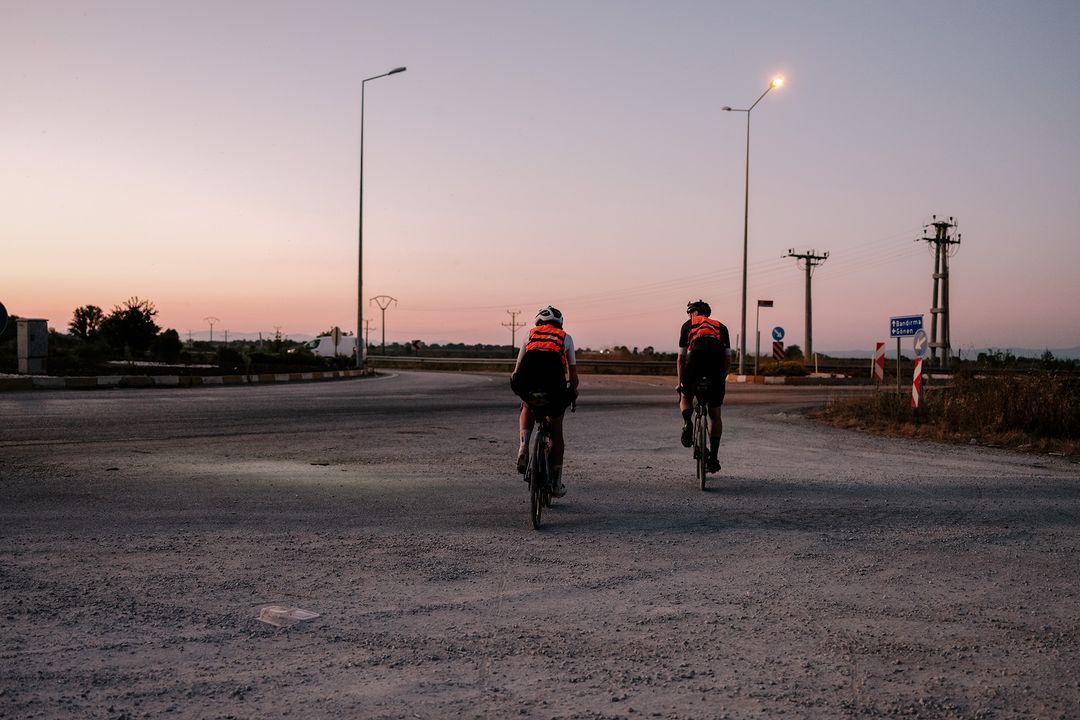
Transcontinental Race No10: crossing Europe from France to Turkey
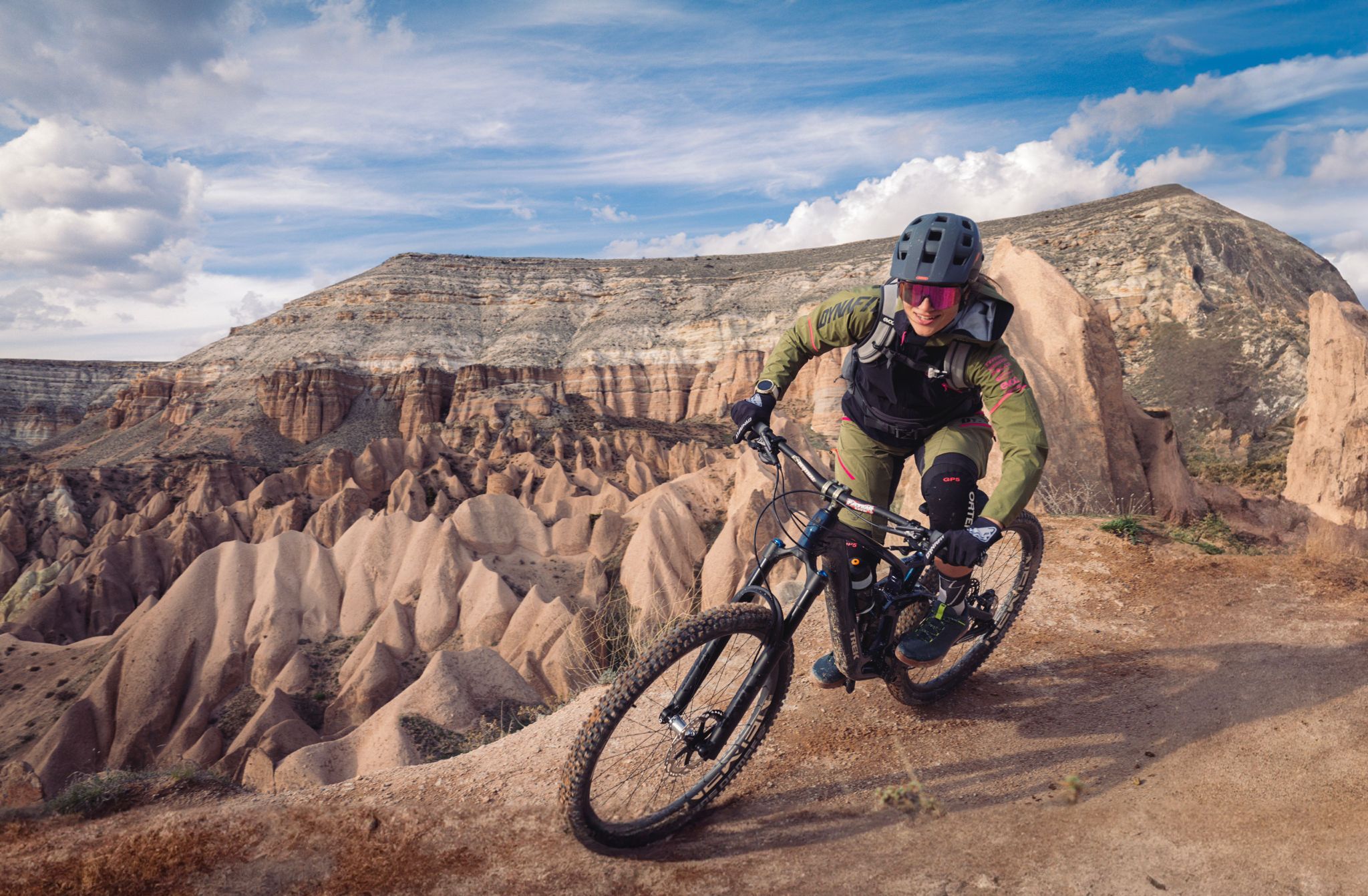
Mountain biking and gravel biking in Cappadocia
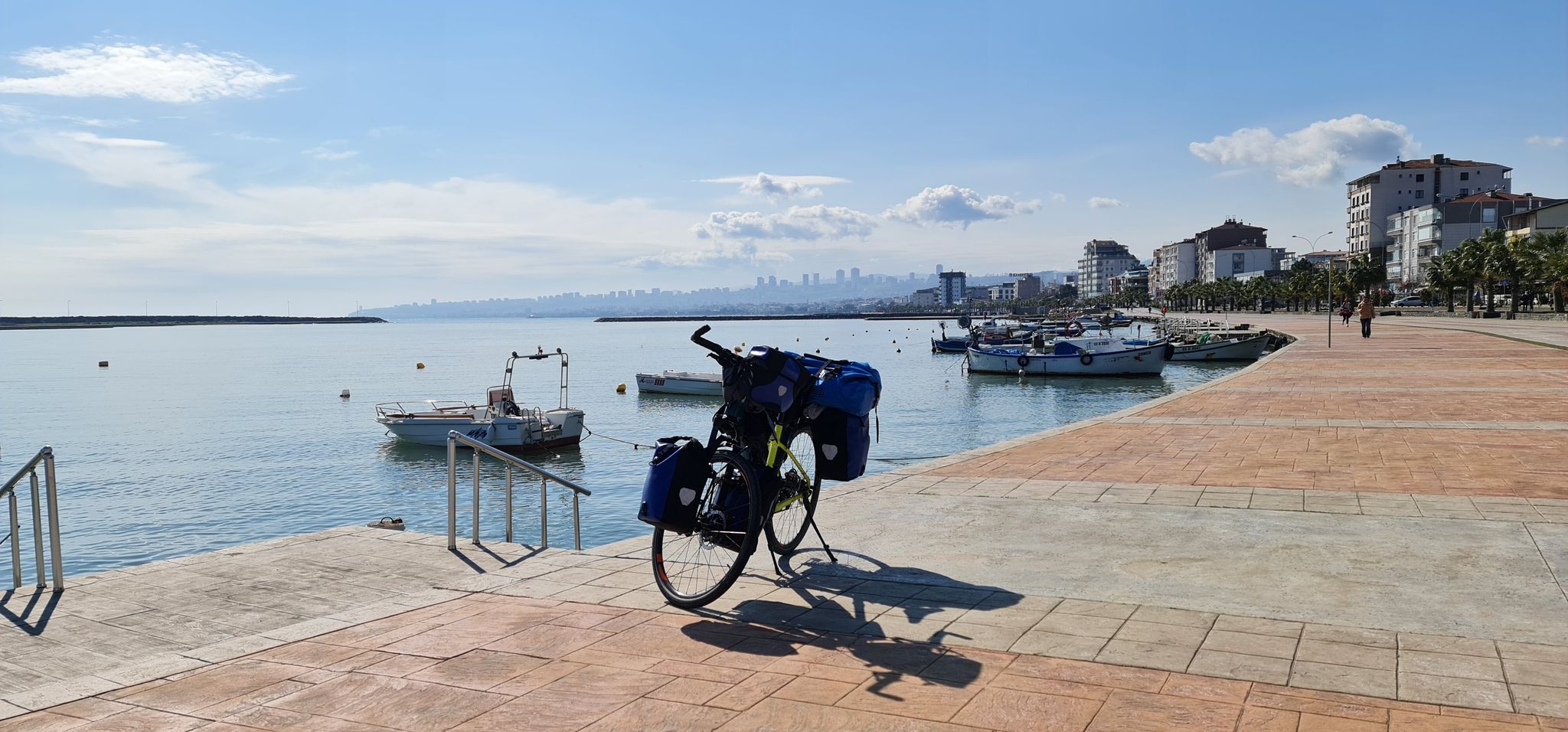
Thrace & Anatolia – long-distance cycling routes in Turkey
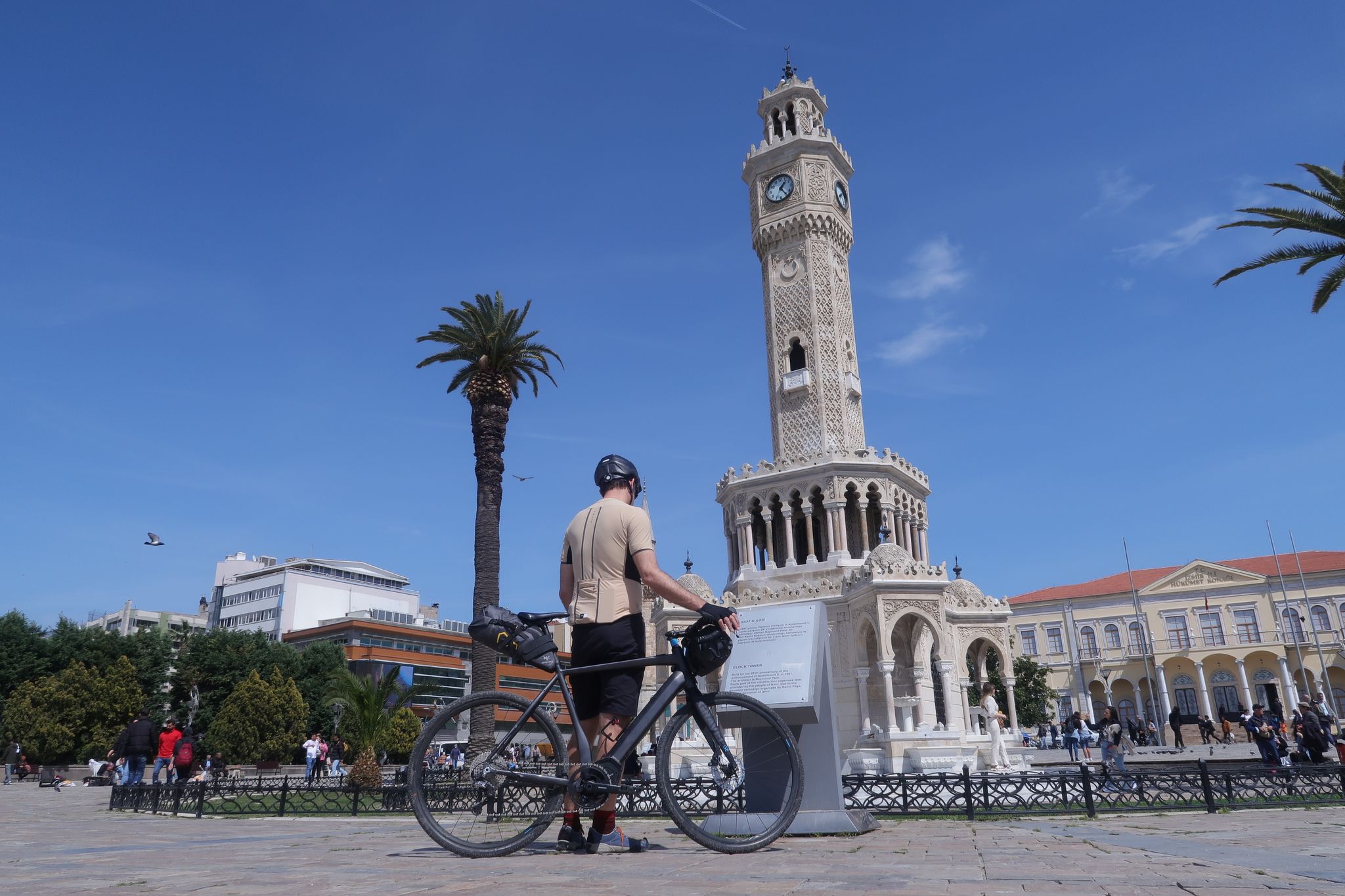
Wild and historic – bikepacking routes in Turkey
Until your calves burn – epic climbs in Turkey
Hiking in Turkey
Running Trails in Turkey
Road Cycling Routes in Turkey
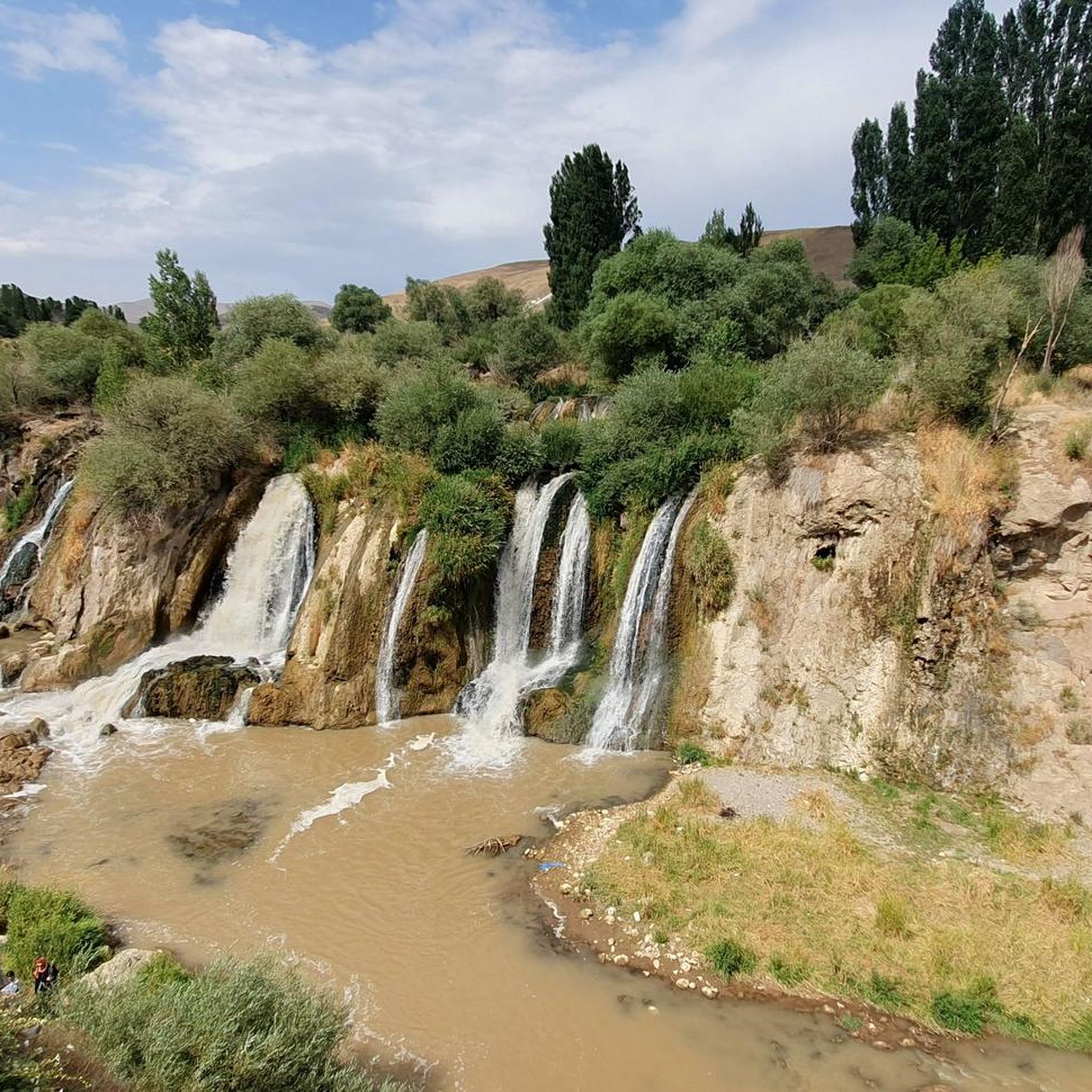
Cycling in Turkey
Other adventures in Turkey


Tips from the Community

There are lovely hiking trails leading there, but it's also easily accessible by car. It's an overgrown ruin, but truly beautiful to behold. Sturdy shoes are recommended, and you shouldn't be afraid of heights.
0
0

There is a simple trail along the ancient city, but if you want to explore the city deeper be prepared to thick bushes with thorns, so it's better to keep your body and hands protected. Hiking boots and eyes protection is strongly recommended because somewhere you will have to climb down steep walls.
0
0

A very good sight on a mountaintop. Trails should be marked for hiking.
0
0

The Goreme Open Air Museum is among the top must-see attractions in Cappadocia, Turkey, located in the valley of the same name. With its stunning hot air balloons, fairy chimneys, and underground cities, this cave site is among the main reasons travelers visit this region.
1
0

Cappadocia: A Land Forged by Volcanoes and Time Nestled in the heart of Central Anatolia, Turkey, Cappadocia is a region of breathtaking natural beauty and profound historical significance. Its otherworldly landscape, characterized by towering "fairy chimneys," intricate cave dwellings, and vast underground cities, tells a story of millions of years of geological processes and millennia of human ingenuity. The Geological Masterpiece: Fairy Chimneys The most iconic feature of Cappadocia is undoubtedly its unique rock formations, affectionately known as "fairy chimneys." These conical or mushroom-shaped pillars are the result of ancient volcanic eruptions. Millions of years ago, volcanoes like Mount Erciyes, Hasan Dağı, and Melendiz Dağı blanketed the region with soft volcanic tuff. Over time, erosion by wind and water sculpted this soft rock, leaving behind harder, more resistant basalt caps that protected the softer tuff below, forming the distinctive chimneys we see today. The valleys of Göreme, Pasabag (Monks Valley), and Devrent (Imagination Valley) offer some of the most spectacular examples of these geological wonders, with formations resembling everything from animals to abstract art. A Haven for Humanity: Cave Dwellings and Underground Cities Beyond its geological marvels, Cappadocia's soft rock proved to be an ideal medium for human habitation. Early inhabitants discovered that the tuff could be easily carved, leading to the creation of extensive cave dwellings, churches, and monasteries. These rock-cut structures provided natural insulation, keeping interiors cool in summer and warm in winter. Even more astonishing are the vast underground cities like Derinkuyu and Kaymaklı. These subterranean complexes, some reaching many levels deep, were meticulously carved to provide refuge for thousands of people during times of invasion and persecution, particularly by early Christians fleeing Roman persecution and later by Byzantines seeking protection from Arab raids. Complete with ventilation shafts, stables, kitchens, churches, and even cemeteries, these cities are a testament to the remarkable resourcefulness and resilience of ancient communities. A Tapestry of History and Culture Cappadocia's history is as rich and layered as its landscape. It has been home to numerous civilizations, including the Hittites, Persians, Romans, Byzantines, Seljuks, and Ottomans, each leaving their indelible mark. * Early Christianity: The region played a pivotal role in the early days of Christianity. Its remote valleys and readily carvable rock provided a safe haven for early Christians to practice their faith and build elaborate cave churches adorned with intricate frescoes. The Göreme Open-Air Museum is a UNESCO World Heritage site that showcases a remarkable collection of these rock-cut churches, offering a glimpse into Byzantine art and religious life. * Religious Significance: Many early Christian saints, including Saint Basil the Great, Saint Gregory of Nyssa, and Saint Gregory of Nazianzus, were from this region, solidifying Cappadocia's importance in Christian theology. * Cultural Blend: The continuous ebb and flow of empires and cultures has resulted in a fascinating blend of traditions, evident in the region's architecture, cuisine, and local customs. Cappadocia Today: A Tourist Paradise Today, Cappadocia is one of Turkey's most popular tourist destinations, attracting visitors from around the globe eager to experience its unique charm. * Hot Air Ballooning: The most iconic experience is undoubtedly a hot air balloon ride at sunrise. Drifting silently above the valleys, with the sun casting golden hues over the fairy chimneys, is an unforgettable spectacle and provides unparalleled panoramic views of the landscape. * Hiking and Trekking: The valleys offer numerous hiking trails, allowing visitors to explore the rock formations, cave churches, and hidden passages on foot. Popular routes include Rose Valley, Red Valley, and Pigeon Valley. * Cave Hotels: Many visitors choose to stay in authentic cave hotels, which are carved into the rock formations, offering a unique and atmospheric accommodation experience. * Local Crafts: The region is also known for its pottery, particularly from the town of Avanos, where visitors can witness traditional pottery making and even try their hand at the craft. In essence, Cappadocia is more than just a place; it's an experience. It's a land where geological forces have created an artistic masterpiece, and human history has carved its own remarkable story into the very fabric of the earth.
2
0


Tickets are available after a long wooden staircase directly in front of the entrance.
1
0

The famous hermitage of St. Symeon is located in the large, solitary cone with three heads in the middle of the open space. The entrance to the raised monk's cell on the southeast side is badly eroded. The present entrance area was actually a room entered via the sloping tunnel. From the ground floor a steep tunnel and vertical shaft with footholds rise up to the second floor. The top of the shaft has a wide opening for a rock cover to secure the entrance. The antechamber has an irregular shape and a collapsed southern wall. The entrance area contains a religious prayer in red and three rock crosses, common in monastic residences. The main monastic cell is located via a tunnel staircase on the "third floor" of the cave complex. The large oval room has two beds for the senior monk and his disciple. The junior monk slept on the western bed, which is 30 cm lower and is placed "at the feet" of the superior. In the church below, graffiti addresses someone named "St. Symeon", the hermit who lived in the cell.
0
0
Frequently Asked Questions
What unique geological features can I expect to see in Turkey's caves?
Turkey's caves showcase a variety of geological wonders. You can find impressive stalactites and stalagmites, such as those in Damlataş Cave, which are up to 1,500 years old. Other caves feature unique formations like the honey-colored columns in Ballıca Cave, or the diverse, colorful travertines in Karaca Cave, often described as an "underground palace." Some caves, like Kaklık Cave, even have formations that resemble snow.
Are there caves in Turkey with historical significance or ancient human habitation?
Yes, Turkey is rich in historical caves. Karain Cave is one of Turkey's oldest inhabited sites, with evidence of human presence dating back 500,000 years. The Ruins of the Ancient City of Syedra include a natural rock cave used as a spring house and a baptismal cave with preserved wall paintings. Cappadocia is famous for its ancient underground cities, like Derinkuyu Underground City, and numerous cave dwellings and churches, such as Çavuşin Cave Village and Göreme Open-Air Museum.
Can I find underground lakes or rivers in Turkish caves?
Absolutely. Altınbeşik Cave in Antalya is Turkey's largest and Europe's third-largest underground lake cave, offering boat tours on its 125-meter-long lake. Dupnisa Cave in the Thrace region features a constantly flowing underground river and deep lakes. Gilindire Cave, also known as "The Mirror Lake," is celebrated for its reflective underground lake and icy-looking formations.
Are there caves known for therapeutic properties in Turkey?
Yes, some caves in Turkey are recognized for their therapeutic microclimates. Damlataş Cave in Alanya is famous for its high carbon dioxide and humidity, believed to aid respiratory issues. Ballıca Cave in the Black Sea region is also known for its high oxygen levels, which are considered beneficial for people with breathing problems.
Are there family-friendly caves to visit in Turkey?
Many of Turkey's accessible caves are suitable for families. Damlataş Cave is a popular choice due to its easy access and proximity to Kleopatra Beach. Caves with developed tourist infrastructure, like Altınbeşik Cave with its boat tours, also offer engaging experiences for all ages.
What are some of the more challenging cave experiences in Turkey?
For those seeking a more challenging experience, some historical cave sites require more effort. Exploring the Çavuşin Cave Village involves climbing into the fortress and navigating various rooms. The Baptismal Cave (Vafiz Cave) is also categorized as challenging, often requiring sturdy footwear and a flashlight for deeper exploration, as mentioned in visitor tips for similar sites.
What can I expect from the cave dwellings and underground cities in Cappadocia?
Cappadocia offers a unique subterranean experience. You can explore ancient underground cities like Derinkuyu Underground City, which served as refuges and feature mazes of tunnels, living quarters, and churches carved into soft volcanic rock. The region also boasts numerous cave dwellings and churches, particularly in areas like Göreme Open-Air Museum, many adorned with intricate frescoes.
Are there any caves in Turkey with religious significance?
Yes, several caves hold religious importance. The Ruins of the Ancient City of Syedra contain a baptismal cave with preserved wall paintings. In the Ihlara Valley, you can find Kirkdamaltı Church (St. George's Church), a 13th-century cave church with well-preserved plaster and interior wall depictions. The Hermitage of St. Symeon is another example of a religious site integrated into a cave environment.
What kind of outdoor activities can I do near the caves in Turkey?
Beyond cave exploration, Turkey offers diverse outdoor activities. You can find various routes for easy hikes, gravel biking, and MTB trails across the country. Many cave regions are surrounded by natural landscapes perfect for exploring on foot or by bike, offering a blend of subterranean and above-ground adventures.
What should I wear or bring when exploring caves in Turkey?
When exploring caves, it's advisable to wear sturdy footwear, especially for sites with uneven terrain or many stairs like Dupnisa Cave. Bringing a flashlight or headlamp is highly recommended, as some areas, such as the caves at Syedra, can be dark. Dressing in layers is also a good idea, as cave temperatures can be cooler than outside, even in summer.
What do visitors particularly enjoy about the caves in Turkey?
Visitors often highlight the unique blend of natural beauty and historical depth. The impressive geological formations, such as the stalactites and stalagmites, are a major draw. Many are also fascinated by the ancient human history, from Paleolithic habitation in Karain Cave to the intricate cave dwellings and underground cities of Cappadocia. The sense of discovery and the stunning views from cave-adjacent sites are frequently praised.
Is there a best time of year to visit caves in Turkey?
Caves generally maintain a consistent cool temperature year-round, making them a good option regardless of the season. However, to best enjoy the surrounding regions and outdoor activities, spring (April-May) and autumn (September-October) offer pleasant weather. Summer can be hot, but caves provide a cool escape. Winter visits are also possible, though some remote access roads might be affected by snow.
Most popular routes in Turkey
Most popular attractions in Turkey

Get inspired with the komoot mobile app


Didn’t find what you were looking for?
Discover more caves in Turkey region by region:
Explore more
Extend your search for the best caves by checking out these guides of the top ones in Turkey:
