The 19 Most Amazing Peaks in Russia
Mountain peaks in Russia offer a diverse array of landscapes and natural features across various regions, including the Caucasus, Altai, and Kamchatka Peninsula. The country is home to numerous significant peaks, many of which are concentrated in the Caucasus range. These mountains provide opportunities for exploration and experiencing Russia's natural environment.
Best mountain peaks in Russia
- The most popular mountain peaks is Mount Akhun, a summit that offers stunning views and outdoor activities. The region is known for its…
Last updated: August 19, 2026
Mount Akhun
Highlight (Segment) • Summit
Tip by

Parnas Hill
Highlight • Viewpoint
Tip by

Sign up now to discover places like this
Get recommendations on the best single tracks, peaks, & plenty of other exciting outdoor places.
Sign up for free
Koth Ridge
Highlight • Viewpoint
View of the "Valley of Enchantment" and the beginning of the Caucasus Range.
Translated by Google •
Tip by

View of Lake Zyuratkul from Zyuratkul Ridge
Highlight • Viewpoint
Translated by Google •
Tip by

Bald Mountain
Highlight • Viewpoint
Translated by Google •
Tip by

Glyadenovskaya Mountain and Holy Spring
Highlight (Segment) • Natural Monument
Translated by Google •
Tip by

Oshten Peak
Highlight • Summit
Oshten, Pshekha-Su and Fisht form one mountain range, with a wide peak broken into several parts …
Translated by Google •
Tip by
Croix de la Montagne Summit
Highlight • Summit
Translated by Google •
Tip by

Ascent to Oshten
Highlight • Climb
Translated by Google •
Tip by
Mount Pupyry Ezha
Highlight • Summit
From the top of the mountain and the foothill meadow, there are picturesque views of all 360:
The Oshten massif, Mount Blyam, Mount …
Translated by Google •
Tip by
Sign up for free to discover even more peaks in Russia.
Sign up for free
Already have an account?
Start today with a free account
Your next adventure awaits.
Login or Signup



Tips from the Community

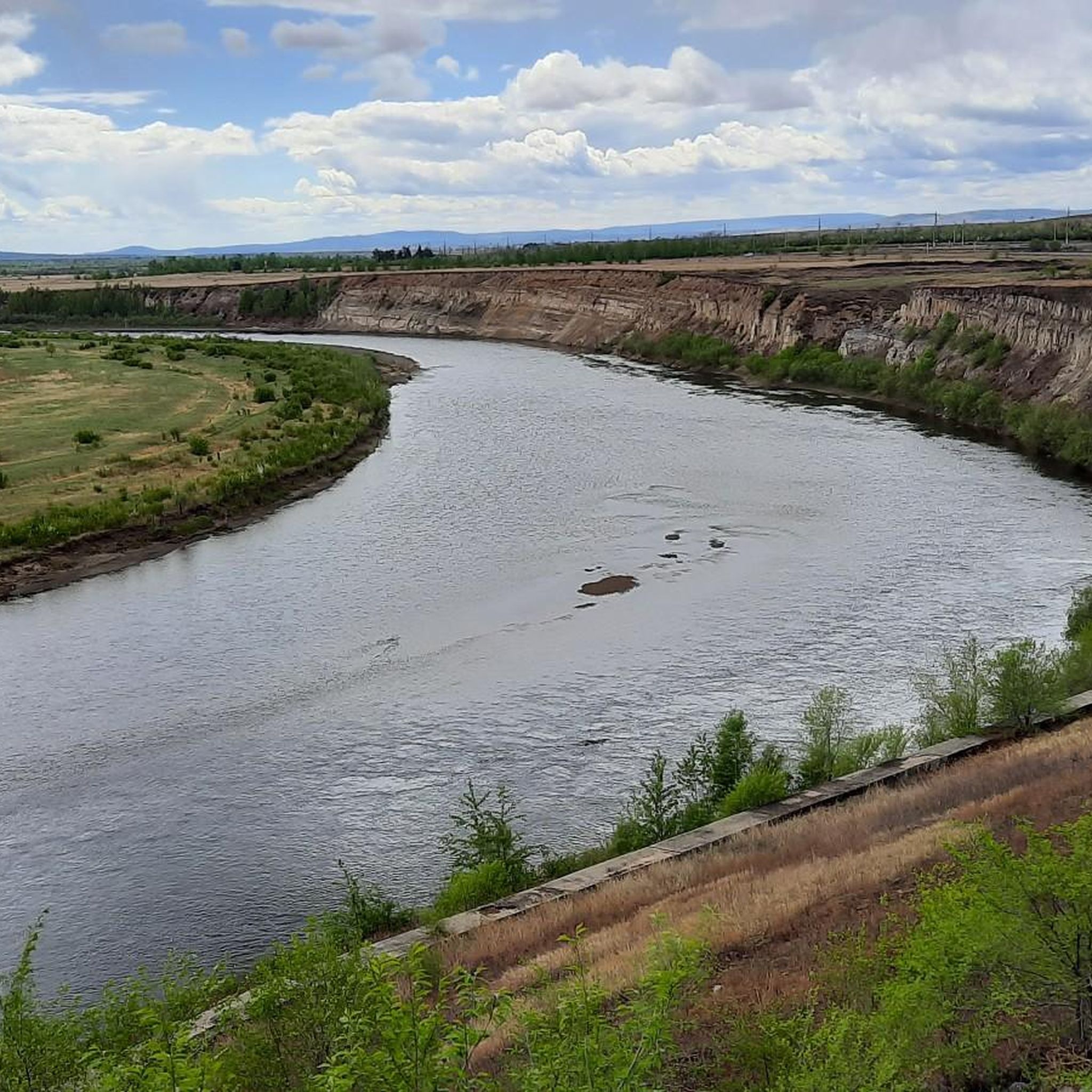
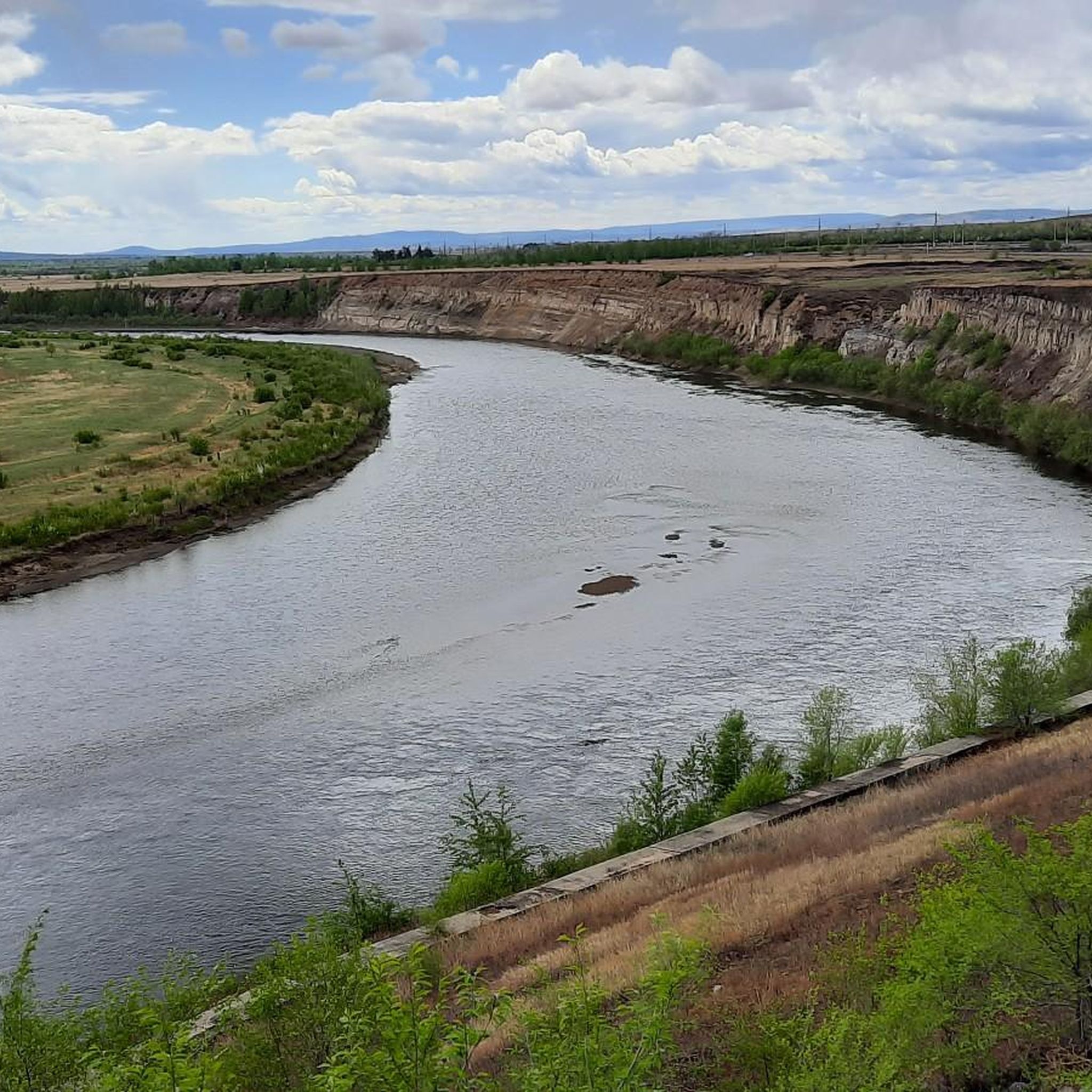
Bald Mountain is one of the most mysterious and beautiful places near Gorokhovets. It rises almost 100 meters above the Klyazma River. It offers a stunning view of the endless forests and the wide floodplain through which the river meanders, along with floodplain meadows and mirror-like lakes. Bald Mountain received its name from the almost complete absence of vegetation, unlike the neighboring hills, where forests flourish. This unusual natural phenomenon has yet to be scientifically explained, but it has given rise to legends. In 1545, the army of the Kazan Khan Amanak, who had been plundering the Nizhny Novgorod lands for several years, was defeated near Gorokhovets. According to legend, the Khan himself died here. He was buried on the banks of the Klyazma River; each soldier brought a handful of earth to his grave, forming a mound. Since then, not a single tree has grown on it. However, the mountain's artificial origin was not confirmed by archaeological excavations conducted in the late 1920s by the renowned scholar Professor O.N. Bader. Research revealed that Lysaya Gora is a natural hill, inhabited as early as the 6th-5th centuries BC by people who did not know metal and used stone and wooden tools. Pottery and bone artifacts (hairpins, awls, and amulets) found in the settlement indicate that settlement continued in this area as early as the first millennium AD. This settlement was fortified on three sides by the steep banks of the Klyazma River and on the fourth by earthen ramparts, the remains of which survive to this day. The Lysaya Gora settlement is currently designated an archaeological site of federal significance.
0
0

In clear weather, the summit offers a magnificent view of the nearby mountains and the Main Ural Range.
0
0

If you're planning to explore this area by bike, on a run, or while hiking, make sure to bring your own Merlot. The region is known for its stunning views and outdoor activities, but finding a good spot to enjoy a glass of wine can be a challenge. Packing your favorite Merlot ensures you can savor a well-deserved drink after your adventure!
0
2

Oshten is one of the mountains in the western part of the Caucasus Range. Oshten, Pshekha-Su and Fisht form one mountain range, with a wide peak broken into several parts and separated from each other by a saddle running in a south-southeast direction. Absolute height 2804 above sea level.
0
0
The mountain is 2308 above sea level. From the top of the mountain and the foothill meadow, there are picturesque views of all 360: The Oshten massif, Mount Blyam, Mount Nagoy-Chuk, the Instructor gap and the Instructor window pass, the Kamennoye More ridge, the Thach and Acheshbok mountains, and the Guzeripl pass.
0
0
The trail runs along a steep rocky ascent, which is also a descent, the visibility of the trail is very conditional, in some places the trail runs along the edge of the cliff of the ridge.
0
0
The path is not difficult in three stages, but there will be a tiring climb from the foot of the Goryachiy Klyuch sanatorium. At the beginning, the ascent along the “Path of Health” to the “Crimean Pine” location is moderately easy; you need to stick to the old winding path with curbs. In the middle of the climb, after the remains of the technical structure for the personnel, there will be 800 meters of ascent at 30 degrees, it will be difficult even if you are light. The final path, the last 300 meters along the Kokht ridge, the movement relative to sea level is horizontal. Climbing participants are required to: 1. Minimal, but physical preparation for an altitude of 400 meters above sea level. 2. Time reserve for ascent and descent, from 2 hours to 4 hours, especially when climbing in the evening. 3. First of all, do not bypass the water supply and do not forget about auxiliary nutrition. 4. As additional equipment, if an evening ascent to sunset is required, fully charged running flashlights are required. 5. It is not possible to get lost, but WE RETURN intuitively and STRICTLY to the North.
0
0
The observation deck is located on the Kotkh ridge. View of the "Valley of Enchantment" and the beginning of the Caucasus Range.
0
0
Frequently Asked Questions
What are some of the most popular mountain peaks in Russia for outdoor activities?
For stunning views and diverse outdoor activities like biking, running, and hiking, Mount Akhun is a popular choice. Another highly regarded spot is View of Lake Zyuratkul from Zyuratkul Ridge, offering expansive vistas of Lake Zyuratkul and surrounding ranges.
Which mountain peaks in Russia are considered challenging for experienced climbers?
Russia offers several formidable peaks for experienced mountaineers. Dykh-Tau, the second-highest mountain in Russia, is known for its steep slopes and extreme challenges. Koshtan-Tau in the Central Caucasus is another majestic peak renowned for its difficulty and remote wilderness. For those seeking a significant challenge within the Caucasus, Oshten Peak also presents a demanding ascent.
Are there any family-friendly mountain areas or viewpoints in Russia?
Yes, Parnas Hill offers mountain bike trails suitable for families, though it can get busy with walkers on evenings and weekends. While not explicitly listed as 'family-friendly' in all aspects, many viewpoints offer accessible experiences for families to enjoy the scenery.
What unique natural features can I expect to see in Russia's mountain ranges?
Russia's mountains boast diverse natural features. In the Caucasus, you can find twenty-three glaciers on Mount Elbrus and the dramatic 'Valley of Enchantment' visible from Koth Ridge. The Altai Mountains, home to Mount Belukha, feature picturesque landscapes including the high-mountainous Katun River, which changes color. The Kamchatka Peninsula is famous for Klyuchevskaya Sopka, Eurasia's highest active volcano, offering a unique volcanic landscape.
What outdoor activities can I do near the mountain peaks in Russia?
Beyond hiking and climbing, you can find various outdoor activities. For mountain biking, explore the trails mentioned in the MTB Trails in Russia guide. Gravel biking opportunities are also available, with routes detailed in the Gravel biking in Russia guide. For runners, there are numerous options, including those found in the Running Trails in Russia guide.
Which mountain peaks are considered sacred or have historical significance?
Mount Belukha in the Altai Mountains is considered a sacred place by the local Altai people. Additionally, Bald Mountain is noted as a historical site. Pushkin Peak was named in honor of the 100th anniversary of the poet's death, adding cultural significance to its mountaineering appeal.
What is the highest mountain in Russia and Europe?
Mount Elbrus, standing at 5,642 meters (18,510 feet), is not only the highest mountain in Russia but also the highest in Europe. It is a dormant stratovolcano with two main peaks and is part of the Caucasus Mountain Range.
Are there any active volcanoes among Russia's mountain peaks?
Yes, Klyuchevskaya Sopka on the Kamchatka Peninsula is the highest active volcano in Eurasia and Russia's highest mountain chain in the north. It is known for its frequent and dramatic eruptions, offering a unique spectacle for visitors.
What are some notable peaks in the Caucasus Mountains besides Elbrus?
Beyond Elbrus, the Caucasus Mountains host several other significant 'five-thousanders'. These include Shkhara (5,193 meters), Pushkin Peak (5,100 meters), Dzhangi-Tau (5,085 meters), Mount Kazbek (5,033 meters), and Mizhirgi (5,018 meters). These peaks are highly regarded by mountaineers for their challenging climbs.
What do visitors particularly enjoy about the mountain peaks in Russia?
Visitors appreciate the diverse landscapes, from the challenging high-altitude summits to scenic viewpoints. The komoot community has shown its appreciation for these peaks, with highlights like Mount Akhun receiving positive feedback for its stunning views and outdoor activity opportunities. The sheer variety of experiences across different regions, from the Caucasus to the Altai and Kamchatka, is a major draw.
What is the best time to visit Russia's mountains for hiking and climbing?
The best time to visit Russia's mountains largely depends on the specific region and activity. For high-altitude climbing on peaks like Elbrus, the summer months (July and August) generally offer the most favorable weather conditions. For general hiking and exploring, late spring to early autumn (May to September) provides milder temperatures and more accessible trails across many ranges, though conditions can vary significantly by altitude and latitude.
Are there any specific permits required for climbing major peaks in Russia?
Yes, climbing major peaks like Mount Elbrus often requires permits, especially if you plan to enter national park areas such as Prielbrusye National Park. It's essential to research and secure the necessary permits and registrations well in advance, as regulations can vary and may include border zone permits for certain areas in the Caucasus. Always check with local authorities or tour operators for the most current requirements.
Most popular routes in Russia
Most popular attractions in Russia

Get inspired with the komoot mobile app


Didn’t find what you were looking for?
Discover Russia’s best peaks and summits by region:
Explore more
See even more amazing summits in Russia with these guides:
