Top 9 Caves in Russia
Best caves in Russia offer a diverse range of subterranean experiences across its vast landscapes. The country features unique geological formations, from extensive ice caves to ancient archaeological sites. These natural wonders provide opportunities for exploration and insight into geological and historical significance. Russia's caves present varied environments for visitors to discover.
Best caves in Russia
- The most popular caves is Summer Permafrost Cave, a cave and natural monument. This cave maintains a consistent temperature year-round, making it warm in winter and frosty in summer.
- Another must-see spot is Syany Cave, a challenging cave. Visitors can explore its initial sections, with deeper exploration requiring specific registration.
- Visitors also love Gipsy-1 Tunnels and Yurievskaya Cave, a cave, natural monument, and historical site. This location features many kilometers of abandoned mine workings and a climbing wall.
- Russia is known for its ice caves, karst formations, and archaeological sites. These include subterranean lakes, ancient rock drawings, and evidence of early human habitation.
- The caves in Russia are appreciated by the komoot community, with 3 upvotes and 4 photos shared by users.
Last updated: August 19, 2026
Summer Permafrost Cave
Highlight • Cave
Be sure to take jackets and warm clothes with you - you'll freeze. Don't forget a good flashlight.
The cave consists of a long tunnel with branches, you can go through it all in about 30 minutes. You'll meet a lot of bats - try not to disturb them: don't make noise, don't touch them, don't shine your light on them :)
A place that's definitely worth visiting! A sea of impressions is guaranteed.
Translated by Google •
Tip by

Cave and Hermitage of St. Sabbas
Highlight • Cave
In the 19th century, the monastery's abbot, Father Galaktion, founded a skete here, built the Church of the Monk Savva, from brick and white stone "under the bells", in the traditions of ancient Russian architecture. The sketes were mainly inhabited by schema-monks who had taken upon themselves the highest monastic vows. People seeking spiritual advice came to the elders in the skete. The skete had its own economy, the monks made various products - wove rugs, carved wooden spoons.
The modern architectural ensemble of the skete was finally formed by the beginning of the 20th century, it consisted of dozens of buildings - stone and wooden. In Soviet times, many buildings were destroyed. In our time, the surviving buildings have been restored, skete life has been revived, the spring of St. Savva has been renewed, and a bathhouse has been built.
Translated by Google •
Tip by

Sign up now to discover places like this
Get recommendations on the best single tracks, peaks, & plenty of other exciting outdoor places.
Sign up for free
Syany Cave
Highlight • Cave
Translated by Google •
Tip by

Gipsy-1 Tunnels and Yurievskaya Cave
Highlight • Cave
Translated by Google •
Tip by

Mukhinskaya Cave
Highlight • Cave
Translated by Google •
Tip by

Shchuchye Hillfort
Highlight • Historical Site
Translated by Google •
Tip by

Tserkovny Grotto
Highlight • Cave
The rise is 15 meters from below, 5 meters from above
What's inside - Unknown...
Translated by Google •
Tip by

Abatskie Caves
Highlight • Cave
Translated by Google •
Tip by
The Great Azish Cave
Highlight • Cave
The length is 690 meters, of which 220 meters are available for excursion inspection.
The cave belongs to karst caves, rocks: gypsum and quartz.
A stream flows under the lower karst hall.
The cave consists of voluminous multi-tiered galleries and large halls, surpassing many of similar underground complexes in beauty and grandeur.
The cave is equipped with walking paths, stairs and fences, illuminated, convenient and safe for inspection.
It has a “double bottom” and many mysteries.
Translated by Google •
Tip by
Start today with a free account
Your next adventure awaits.
Login or Signup






Tips from the Community

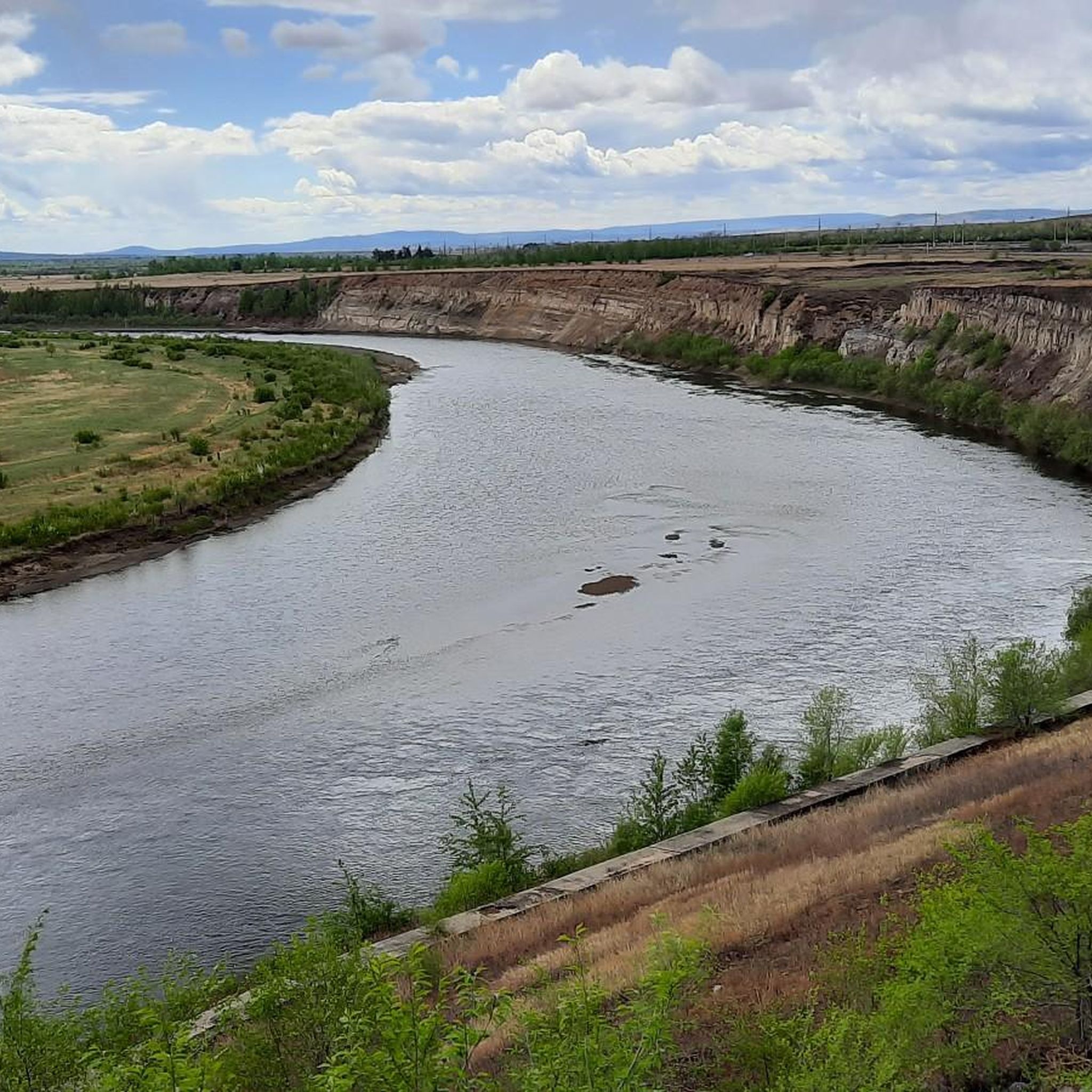
Archaeological site "Shchuchiy Gorodok". In the 12-13th centuries there was a settlement, or rather a fortified settlement with a watchtower, ditches and strong walls. It fell during the Tatar raid on Moscow. There was a cave below, or rather it was an underground passage to the river from the settlement. The underground passage is now filled in.
0
0

Savva Storozhevsky - the founder and first abbot of the Savvino-Storozhevsky Monastery in Zvenigorod; Zvenigorod miracle worker. Saint Savva spent most of his life in the Trinity Monastery with Sergius of Radonezh. After the death of Sergius of Radonezh (1392), he became the abbot of the Trinity Monastery in his place, and was the spiritual father of the widow of Prince Dmitry Donskoy - Evdokia and their third son, Yuri Zvenigorodsky. Saint Savva spent his life in strict abstinence and constant vigil, loved silence and avoided conversations with others. At the request of the Zvenigorod Prince Yuri Dmitrievich, who wished to build a monastery in his patrimony - on Mount Storozhevskaya, one and a half miles from Zvenigorod, he founded the Savvino-Storozhevsky Monastery and became its abbot. Monks flocked to the Storozhevsky monastery from all sides, seeking spiritual life. Laymen came, asking for instructions and guidance. Fearing earthly glory, the Monk Savva went a mile away from the monastery and there, in a deep ravine, under the canopy of a dense forest, he built himself a narrow cave, where he prayed to God in solitude and silence. With his own hands he dug a well, which to this day supplies excellent water for the monastery. In the 19th century, the monastery's abbot, Father Galaktion, founded a skete here, built the Church of the Monk Savva, from brick and white stone "under the bells", in the traditions of ancient Russian architecture. The sketes were mainly inhabited by schema-monks who had taken upon themselves the highest monastic vows. People seeking spiritual advice came to the elders in the skete. The skete had its own economy, the monks made various products - wove rugs, carved wooden spoons. The modern architectural ensemble of the skete was finally formed by the beginning of the 20th century, it consisted of dozens of buildings - stone and wooden. In Soviet times, many buildings were destroyed. In our time, the surviving buildings have been restored, skete life has been revived, the spring of St. Savva has been renewed, and a bathhouse has been built.
0
0

A cave with the same temperature all year round. It's warm in winter and frosty in summer. Be sure to take jackets and warm clothes with you - you'll freeze. Don't forget a good flashlight. The cave consists of a long tunnel with branches, you can go through it all in about 30 minutes. You'll meet a lot of bats - try not to disturb them: don't make noise, don't touch them, don't shine your light on them :) A place that's definitely worth visiting! A sea of impressions is guaranteed.
0
0

The cave has been known since at least 1882 and is a cavity 11 meters deep, up to 1.6 meters high and 2-2.5 meters wide. You can only enter it on all fours, but the main chamber is wider and higher, you can move in single file or bent over.
0
0

The Great Azish Cave is one of the 5 most beautiful caves in Europe. The length is 690 meters, of which 220 meters are available for excursion inspection. The cave belongs to karst caves, rocks: gypsum and quartz. A stream flows under the lower karst hall. The cave consists of voluminous multi-tiered galleries and large halls, surpassing many of similar underground complexes in beauty and grandeur. The cave is equipped with walking paths, stairs and fences, illuminated, convenient and safe for inspection. It has a “double bottom” and many mysteries.
0
0
To get into the grotto you need climbing equipment. The rise is 15 meters from below, 5 meters from above What's inside - Unknown...
0
0

This is the most famous and vacation spot in Tatarstan! Many kilometers of abandoned mine workings. Climbing wall. And the most famous cave, but small. Now there are improvements here - slopes and free parking spaces.
0
0

You can go down and look around. Go deeper only by signing up for a journal. But you can't do it with a kandachka, of course.
0
0
Frequently Asked Questions
What are some of the most unique geological features found in Russia's caves?
Russia's caves offer a wide array of unique geological features. For instance, the Kungur Ice Cave is famous for its impressive ice stalactites, stalagmites, and subterranean lakes, with ice formations up to 12,000 years old. The Great Azish Cave showcases voluminous multi-tiered galleries and grand halls within its karst formations. Additionally, the Orda Cave is notable as the world's largest underwater gypsum cave, known for its exceptional water clarity.
Are there any caves in Russia with significant historical or archaeological importance?
Yes, several caves in Russia hold immense historical and archaeological value. The Gipsy-1 Tunnels and Yurievskaya Cave is a historical site featuring abandoned mine workings. The Kapova Cave (Shulgan-Tash) is a monument of the Upper Paleolithic era, internationally recognized for its 14,000-year-old rock drawings of ancient animals. The Denisova Cave in the Altai Mountains is crucial for paleoarchaeological research, having yielded bone fragments of the Denisova hominin and artifacts dating back around 40,000 years. The Vorontsovskaya Caves also reveal ancient human settlements and marine life traces.
Which caves are suitable for families or beginners?
For families and beginners, the Great Azish Cave is a great option, as it is equipped with walking paths, stairs, and lighting, making 220 meters of its length safely accessible for tours. The Kungur Ice Cave also offers a well-equipped 1.3 km route for visitors to explore its wonders.
What is the best time of year to visit caves in Russia?
The best time to visit depends on the specific cave and what you wish to experience. For the Kungur Ice Cave, spring is ideal to witness the ice formations at their maximum size. Generally, many show caves are accessible year-round, but conditions outside the caves can vary greatly with Russia's seasons.
Are there any caves in Russia that offer unique adventure activities like diving?
Yes, the Orda Cave in Perm Krai is a prime location for cave diving and underwater photography. It is the largest underwater gypsum cave in the world, with approximately 4.8 kilometers of its length submerged, offering exceptional water clarity for divers.
What should I wear when exploring caves in Russia?
Cave temperatures can be consistently cool, even in summer. For instance, the Kungur Ice Cave maintains temperatures between -2°C and +5°C. The Summer Permafrost Cave is described as 'frosty in summer.' It is highly recommended to bring warm clothing, such as jackets, and sturdy footwear. A good flashlight is also essential for exploring.
Are there any caves in Russia known for their unique natural phenomena, like permafrost?
Yes, the Summer Permafrost Cave is a notable example. It maintains a consistent temperature year-round, making it warm in winter and frosty in summer, a unique permafrost phenomenon. Visitors often encounter bats inside, so it's advised not to disturb them.
What kind of challenges can I expect in more difficult caves?
Some caves in Russia present significant challenges. For example, Syany Cave is considered challenging, with deeper exploration requiring specific registration. Mukhinskaya Cave requires visitors to enter on all fours due to its narrow opening, though the main chamber is wider. The Tserkovny Grotto even requires climbing equipment to access.
Are there any cave systems in Russia that are exceptionally long or extensive?
Yes, Russia is home to some remarkably extensive cave systems. The Botovskaya Cave is recognized as the longest cave in Russia, with corridors stretching over 66 kilometers, and speleologists believe even more remains unexplored. The Vorontsovskaya Caves system spans 11 kilometers, connecting four large caves with 14 exits. The Red Cave (Kizil-Koba) in Crimea is the longest cave on the peninsula, extending over 27 kilometers.
Can I find cave monasteries or religious sites within Russia's cave systems?
Yes, some caves in Russia have religious significance. The Cave and Hermitage of St. Sabbas is a notable religious building within a cave. Additionally, the Divnogorie complex in the Voronezh Region features cave churches carved into chalk columns, including ancient underground temples and chapels at the Kostomarovsky Spassky Monastery.
What outdoor activities can I do near these caves?
Near many of Russia's caves, you can find various outdoor activities. For instance, there are numerous hiking trails, including routes like the 'Cave – Wooden Suspension Bridge loop from Khosta.' You can also find waterfall hikes and running trails throughout the region.
What do visitors enjoy most about exploring caves in Russia?
Visitors often highlight the unique experiences offered by Russia's caves. Many appreciate the consistent cool temperatures inside caves like the Summer Permafrost Cave, which provides a refreshing contrast to outside weather. The opportunity to see bats, explore long tunnels, and witness impressive natural formations like those in the Kungur Ice Cave leaves a lasting impression. The historical and archaeological significance of sites like Kapova Cave and Denisova Cave also draws considerable interest.
Most popular routes in Russia
Most popular attractions in Russia

Get inspired with the komoot mobile app


Didn’t find what you were looking for?
Discover more caves in Russia region by region:
Explore more
Extend your search for the best caves by checking out these guides of the top ones in Russia:
