Top 10 Caves in Georgia
Best caves in Georgia are often ancient rock-hewn complexes and monasteries, showcasing a rich historical and cultural landscape. The country's geology has allowed for the creation of extensive cave systems, many of which have been adapted by humans over centuries. These sites are frequently found in mountainous regions, offering unique insights into early Christian and historical settlements. Georgia's cave sites combine natural formations with significant architectural and religious heritage.
Best caves in Georgia
- The most popular caves is David Gareja…
Last updated: July 23, 2026
David Gareja Lavra Monastery
Highlight • Religious Site
The journey from Tbilisi is relatively relaxed by bus and tour guides.
Translated by Google •
Tip by

Vardzia Cave Monastery
Highlight (Segment) • Cave
Translated by Google •
Tip by

Sign up now to discover places like this
Get recommendations on the best single tracks, peaks, & plenty of other exciting outdoor places.
Sign up for free
Uplistsikhe Historical-Architectural Museum-Reserve
Highlight • Historical Site
The Uplistsikhe cave …
Tip by

Cave city of Uplistsikhe
Highlight • Historical Site
Translated by Google •
Tip by

Double-Eyed Cave Sign
Highlight • Structure
Tip by

Dodo Rka Monastery
Highlight • Religious Site
Translated by Google •
Tip by

Uplistsikhe
Highlight • Historical Site
Translated by Google •
Tip by

Natlismtsemeli Monastery (Davit Gareja Monasteries Complex)
Highlight • Religious Site
Translated by Google •
Tip by

Vardzia
Highlight • Historical Site
Translated by Google •
Tip by
Secret Waterfall
Highlight • Waterfall
Tip by

Sign up for free to discover even more caves in Georgia.
Sign up for free
Already have an account?
Start today with a free account
Your next adventure awaits.
Login or Signup
Popular around Georgia
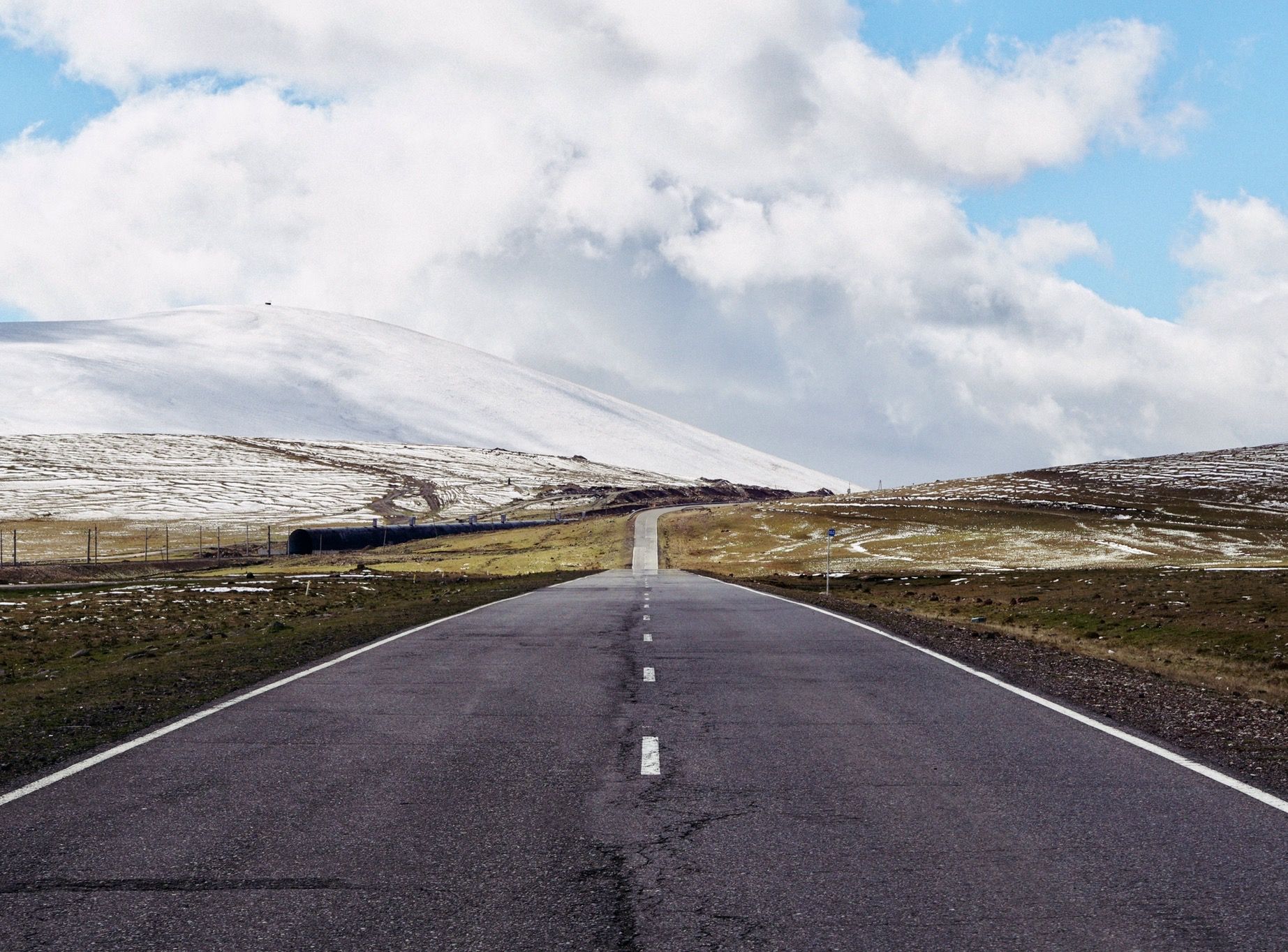
On the crossroads of civilisation – Georgia, mountains to coast
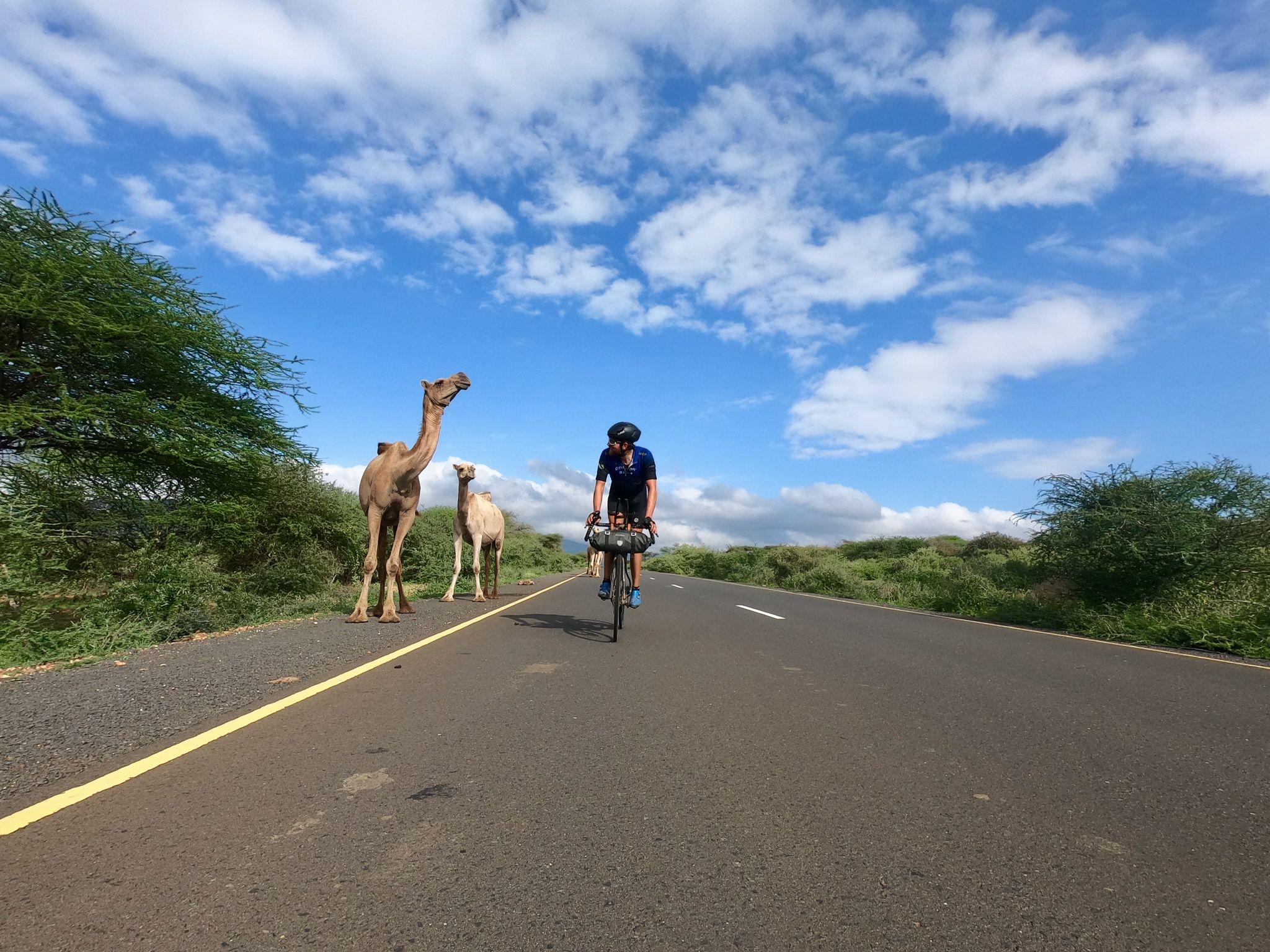
Cape to Cape Challenge – 18,000km in 73 days
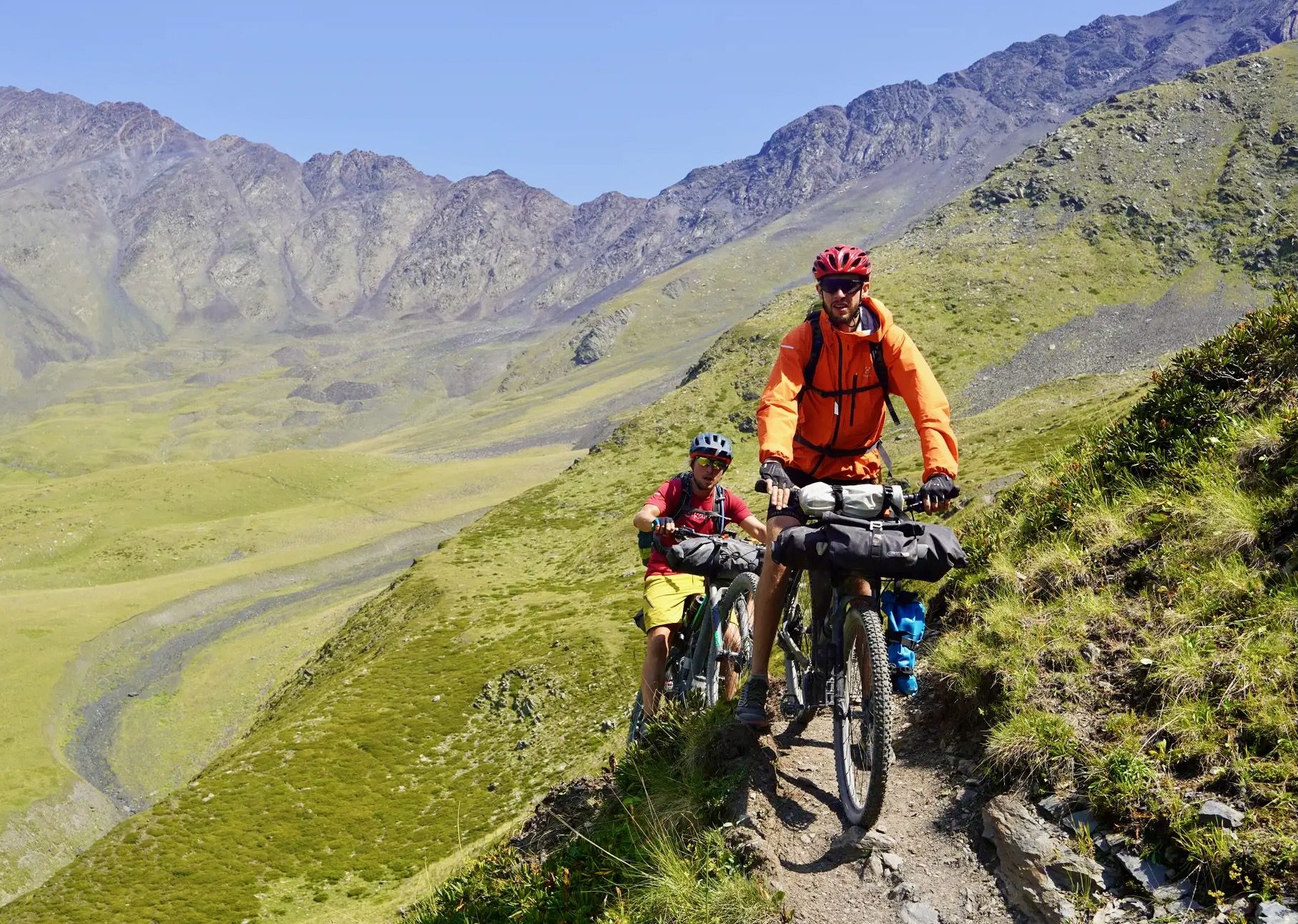
Georgia’s Caucasus Crossing
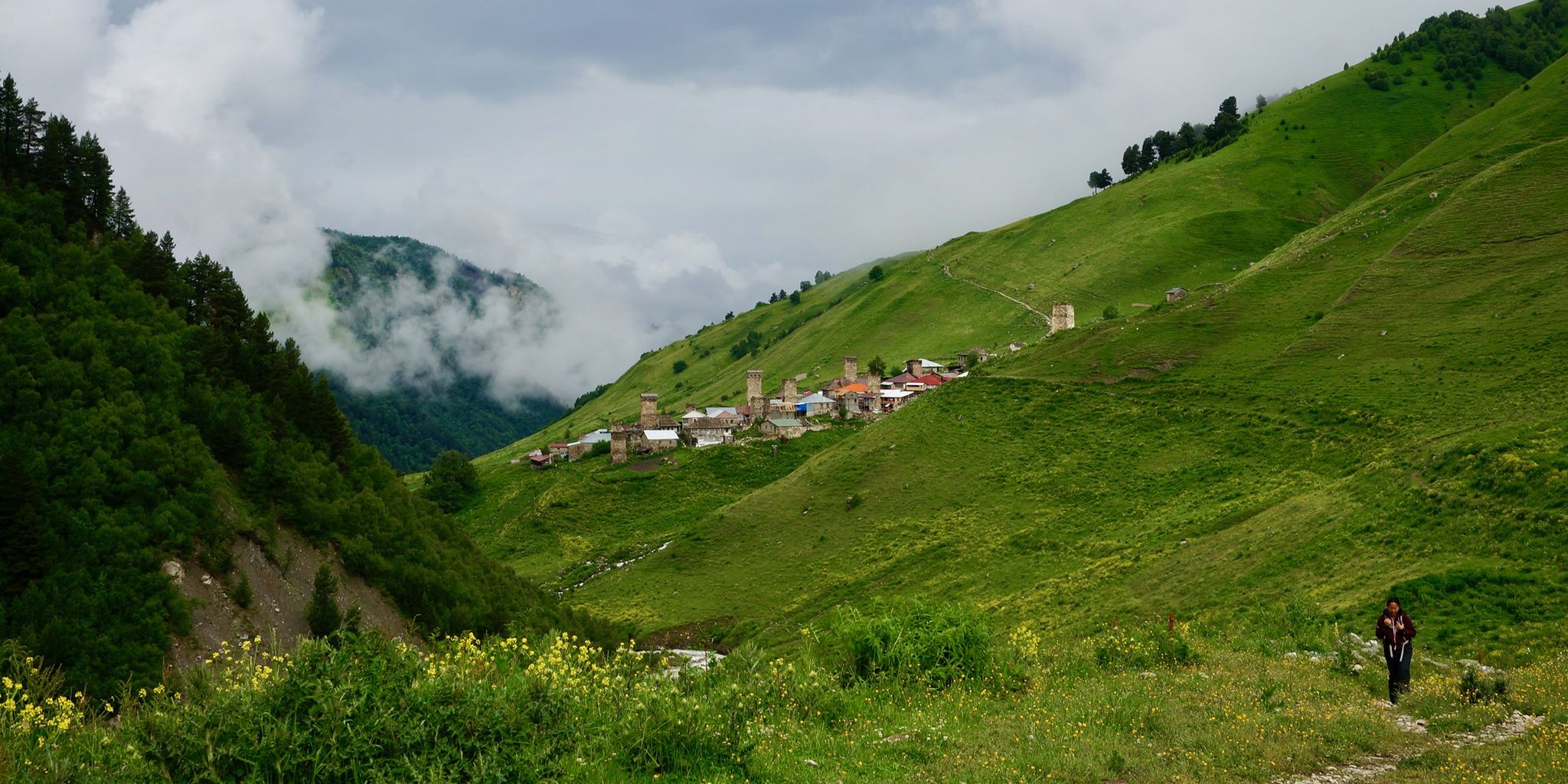
The mighty Caucasus Mountains – 4-day trek in Georgia
Hiking in Georgia
Running Trails in Georgia
Road Cycling Routes in Georgia
Cycling in Georgia

Mountain Hikes in Georgia
MTB Trails in Georgia
Other adventures in Georgia


Tips from the Community

Under main waterfall 40-50 meters bellow by river it's another one waterfall, hidden from sights. There are also cave under giant stone where river is flowing aside and view on deep gorge below.
1
0

Today, monks repeatedly asked us to leave the area. We only took photos from a distance. Based on their gestures, I suspect my wife wasn't welcome there, or perhaps visitors weren't allowed at all. They gestured that we should go to the main monastery, Lavra Monastery of Davit Gareja, but no!
0
0

We asked at the restaurant and were allowed to pitch our tent in the garden. The trout for dinner was delicious.
0
0

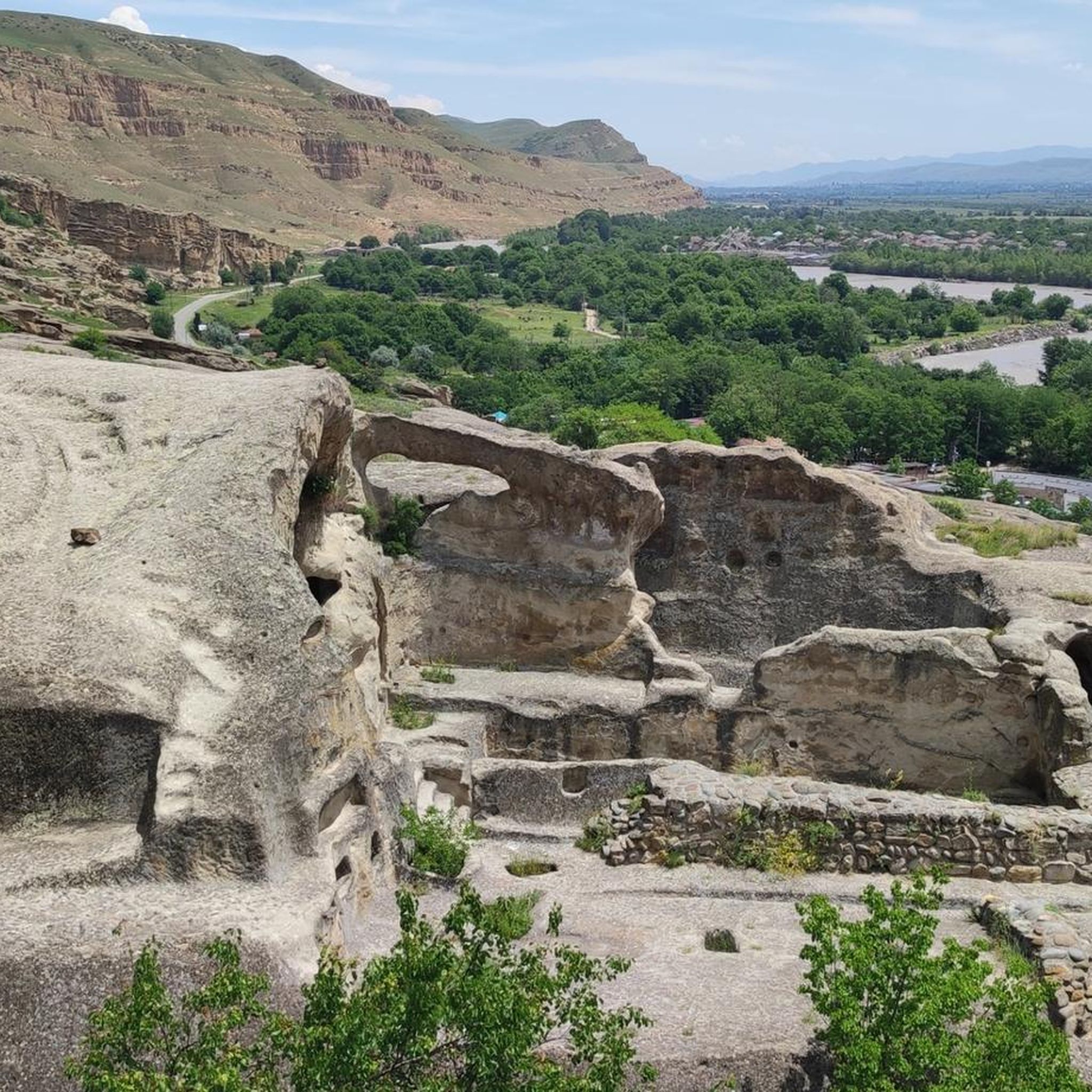
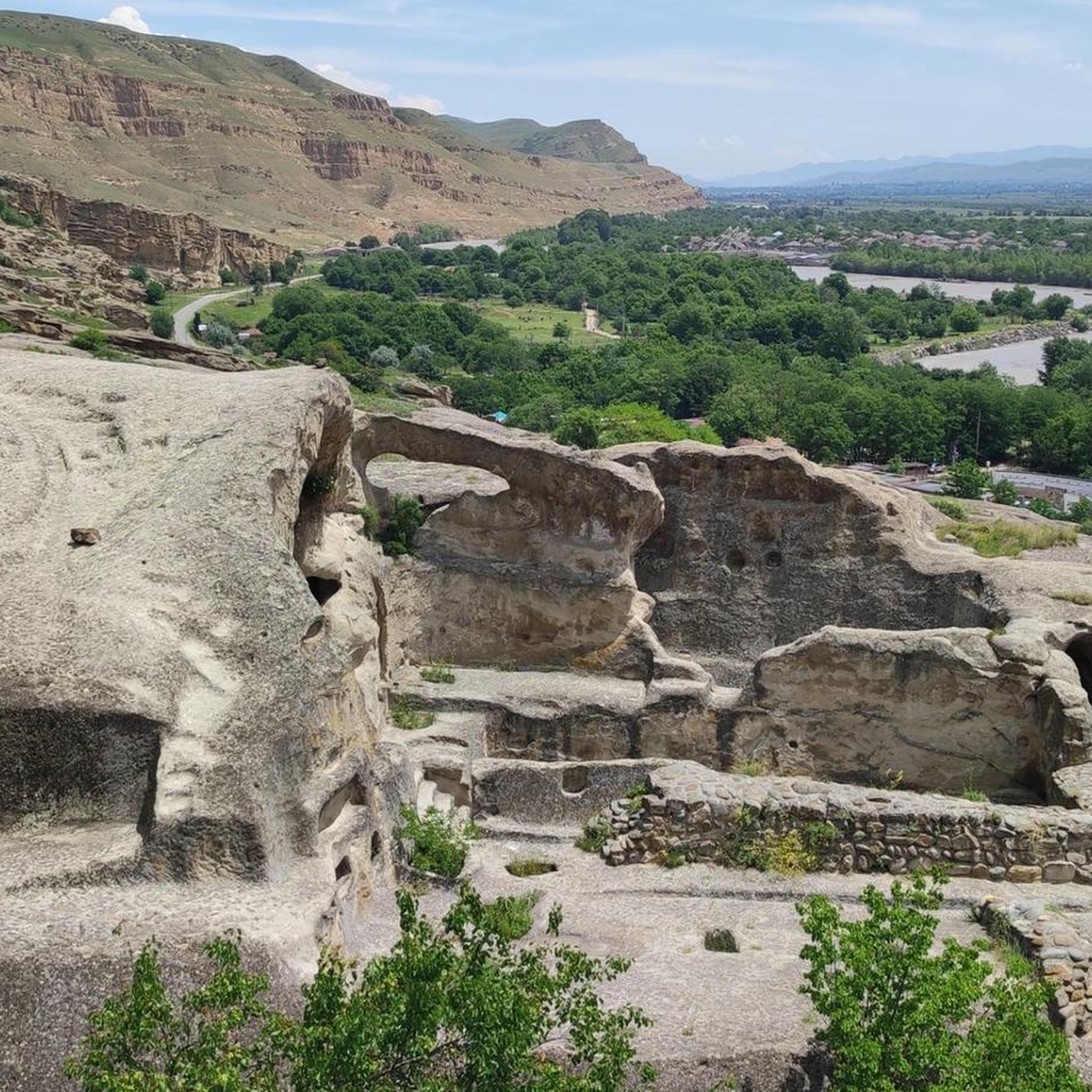
Not far from Gori lies the ancient cave city of Uplistsikhe. People settled on the plateau as early as the Bronze Age. The fortress city was founded in the 6th century BC and developed into a trading center on the Silk Road with approximately 5,000 inhabitants. The oldest surviving written reference dates back to the 1st century. Attempts to conquer Uplistsikhe repeatedly failed; it wasn't until the 13th century that the Mongol ruler Ögedei Khan succeeded in capturing and destroying the city (Wikipedia).
8
0

Entrance fee: €5 per person. Open from 10 a.m. to 6 p.m. Campsite available at the nearby campsite or at the top of the hill before the park entrance.
0
0

I've found the sign but no sinkhole or cave. Maybe someone else can give a hint
0
0

One of the 13 Syrian Fathers (nice to have 13 here! 😅) who brought Christianity to Georgia was David. It is clear that this was not an easy or peaceful process; one of them put out the eternal fire in a Zoroastrian temple and was stoned by the governor for it. After being accused in Tbilisi, where he preached, David went to the Gareja wasteland (here) and founded this monastery (Lavra Monastery, 6th century). The idea seemed to become fashionable, and his students founded a total of twelve cave monasteries nearby. And the conditions were not easy! The water problem was solved by using extremely long gutters across the entire sandstone rock slanted towards the southwest (like gutters on a roof! Except that the "rock roof" is 50x100m - so even when it rarely rains, a lot of water accumulates!) into the cisterns. Gardens were laid out in the shade of the rocks, etc. In the 9th century, the caves were expanded and decorated with frescoes.
0
0
This is also a monastery founded by a student of Davit Garejali. A watchtower (with azure blue stones - Persian??) stands guard on the mountain ridge, visible from afar. Below it, caves have been dug into the edge of the sandstone rock. The church, with its rather damaged paintings from the 18th century (the communists had detonated a bomb inside to destroy everything, the monk said), has an enormously high interior. I didn't see any icons from the 12th century. You can only get to the monastery with a four-wheel drive jeep. Or walk from the road...
0
0
Frequently Asked Questions
What are the most significant cave sites to visit in Georgia?
Georgia is renowned for its ancient rock-hewn complexes and monasteries. Key sites include the impressive David Gareja Lavra Monastery, a 6th-century religious building with unique water collection systems, and the Vardzia Cave Monastery, a 12th-century cave town carved into a 500m high rock face that once housed 50,000 people. Another must-see is the Uplistsikhe Historical-Architectural Museum-Reserve, an ancient rock-hewn town dating from the Early Iron Age to the Late Middle Ages.
What kind of historical and cultural experiences do Georgia's caves offer?
Georgia's caves are deeply intertwined with its history and culture. Many are ancient rock-hewn monasteries and towns, offering insights into early Christian settlements and medieval life. You can explore religious buildings, see unique frescoes, and witness the ingenuity of ancient civilizations in sites like David Gareja Lavra Monastery and Vardzia Cave Monastery.
Are there any cave sites in Georgia that are particularly well-preserved or extensive?
Yes, the Vardzia Cave Monastery is an exceptionally well-preserved and extensive site. Carved into a cliff face, it features around 6,000 rooms spread over 13 floors, including tunnels, stairs, galleries, and a significant monastery church with valuable frescoes. The Uplistsikhe Historical-Architectural Museum-Reserve also showcases a vast ancient rock-hewn town with structures spanning centuries.
What unique architectural features can be found in Georgia's cave complexes?
Many cave complexes in Georgia feature remarkable rock-cut architecture. For example, David Gareja Lavra Monastery is known for its unique water collection systems. Vardzia Cave Monastery boasts a complex network of tunnels, stairs, and galleries connecting thousands of rooms, including a magnificent columned hall in its monastery church. Uplistsikhe combines various styles of rock-cut cultures from Anatolia and Iran, alongside pagan and Christian architecture.
What kind of activities can I do near the cave sites in Georgia?
Beyond exploring the caves themselves, Georgia offers diverse outdoor activities. You can find challenging mountain hikes, such as those near Kazbegi National Park or Mestia. There are also extensive MTB trails and road cycling routes across the country, allowing you to combine cultural exploration with active adventures.
Are there specific religious cave sites in Georgia?
Yes, Georgia is particularly known for its religious cave sites. The David Gareja Lavra Monastery and Natlismtsemeli Monastery are part of a larger complex of cave monasteries. The Vardzia Cave Monastery also functions as a significant religious site with a monastery church. These sites offer a unique blend of natural cave formations and spiritual heritage.
What should I know about visiting the Uplistsikhe Historical-Architectural Museum-Reserve?
The Uplistsikhe Historical-Architectural Museum-Reserve is an ancient rock-hewn town located near Gori. It's an extensive site with structures dating from the Early Iron Age to the Late Middle Ages. Visitors should plan enough time to explore the various rock-cut dwellings, temples, and public buildings. An entrance fee is typically required, and it's advisable to bring water and wear comfortable shoes for walking on uneven terrain.
Can I find accommodation or dining options near Georgia's cave sites?
While specific accommodations and restaurants vary by location, many popular cave sites like Vardzia and Uplistsikhe are accessible from nearby towns or cities that offer visitor services. For instance, near Vardzia, some visitors have found local restaurants offering delicious meals and even options for pitching a tent in gardens. It's always recommended to check local listings for the most current information.
What is the best time of year to visit the caves in Georgia?
The best time to visit Georgia's cave sites generally depends on personal preference and the specific site. Spring (April-May) and autumn (September-October) often offer pleasant weather for exploring outdoor historical sites. Summers can be hot, especially in open-air complexes like Uplistsikhe, so bringing water and sun protection is advisable. Winters can be cold, but some cave interiors maintain a more stable temperature.
Are there any specific tips for exploring the Vardzia Cave Monastery?
When visiting the Vardzia Cave Monastery, plan for at least two hours to fully explore the extensive complex. Wear good, sturdy shoes as you'll be navigating stairs, tunnels, and uneven surfaces. During summer, bring water, a hat, and sunscreen, as much of the exploration is exposed to the sun. The site is truly impressive and worth the time investment.
What makes the David Gareja Lavra Monastery unique?
The David Gareja Lavra Monastery, founded in the 6th century, stands out for its historical significance as one of the first monastic foundations in Georgia. It's also notable for its ingenious ancient water collection systems, designed to sustain the monastery in its arid border region location. The complex features impressive frescoes within its cave churches, offering a glimpse into early Georgian Christian art.
Most popular routes in Georgia
Most popular attractions in Georgia

Get inspired with the komoot mobile app


Explore more
Extend your search for the best caves by checking out these guides of the top ones in Georgia:
