The 5 Most Amazing Peaks in Armenia
Best mountain peaks in Armenia are found within a landlocked nation characterized by its rugged terrain and diverse natural features. The country's landscape is dominated by mountains, including volcanic massifs and parts of the Lesser Caucasus range. These peaks offer varied experiences, from high-altitude climbs to panoramic viewpoints. Armenia's mountain terrain provides opportunities for exploration of its natural beauty and historical sites.
Best mountain peaks in Armenia
- The most popular mountain peaks is Mount Aragats — South Peak panorama, a summit that is part of an isolated four-peaked volcanic massif. Its northern summit is the highest point in Armenia, reaching over 4000 meters above sea level.
- Another must-see spot is View of Mount Ararat, a viewpoint from which Mount Ararat is visible on clear days. This location offers a perspective of the iconic mountain, which is located in Turkey.
- Visitors also love Mount Khustup Summit, a summit reaching over 3200 meters. From this peak, it is possible to see the Zangezur mountain range, and on clear days, views extend to Azerbaijan and Iran.
- Armenia is known for its volcanic massifs, peaks with crater lakes, and sacred mountains. The region offers a variety of mountain peaks to see and explore, from high-altitude challenges to more accessible viewpoints.
- The mountain peaks in Armenia are appreciated by the komoot community, with 32 upvotes and 17 photos shared across various highlights.
Last updated: July 23, 2026
Mount Aragats — South Peak panorama
Highlight • Summit
Tip by

Mount Khustup Summit
Highlight • Summit
Tip by

Sign up now to discover places like this
Get recommendations on the best single tracks, peaks, & plenty of other exciting outdoor places.
Sign up for free
View of Mount Ararat
Highlight • Viewpoint
Translated by Google •
Tip by

Beautiful ridge
Highlight (Segment) • Viewpoint
Translated by Google •
Tip by

View from the North Summit – Mount Aragats
Highlight • Summit
Translated by Google •
Tip by

View of the valley and mountains near Stepanavan
Highlight (Segment) • Viewpoint
Tip by
Start today with a free account
Your next adventure awaits.
Login or Signup
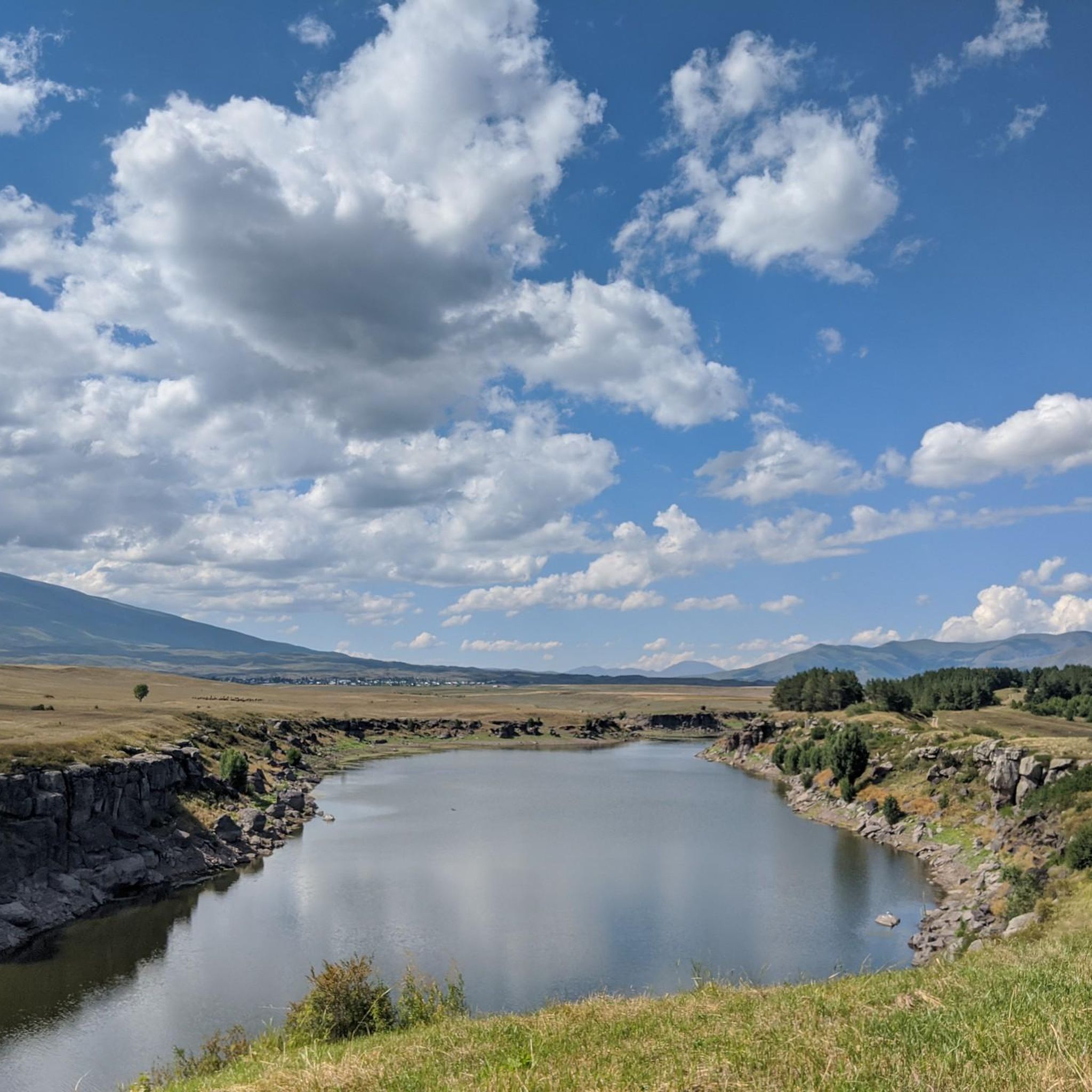
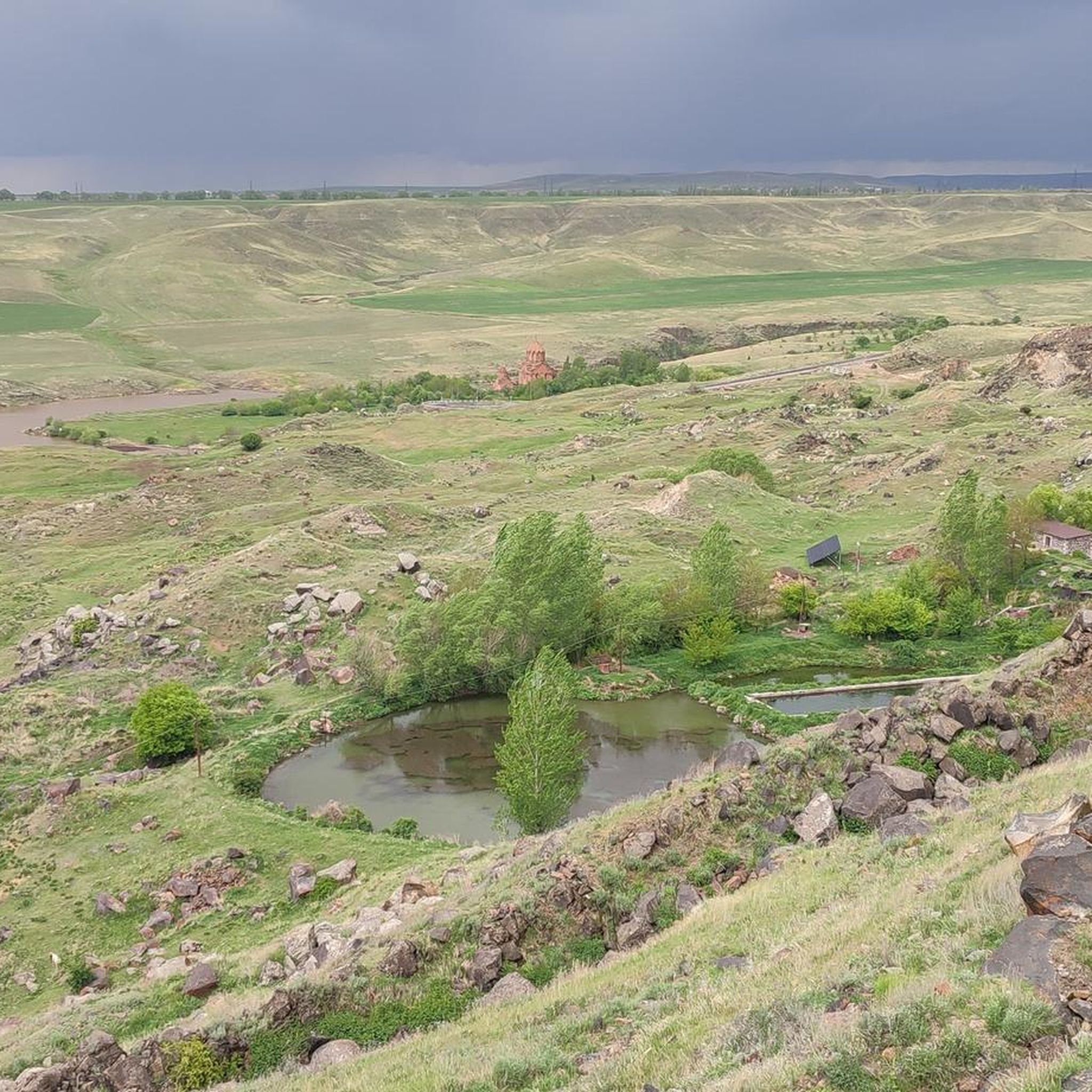
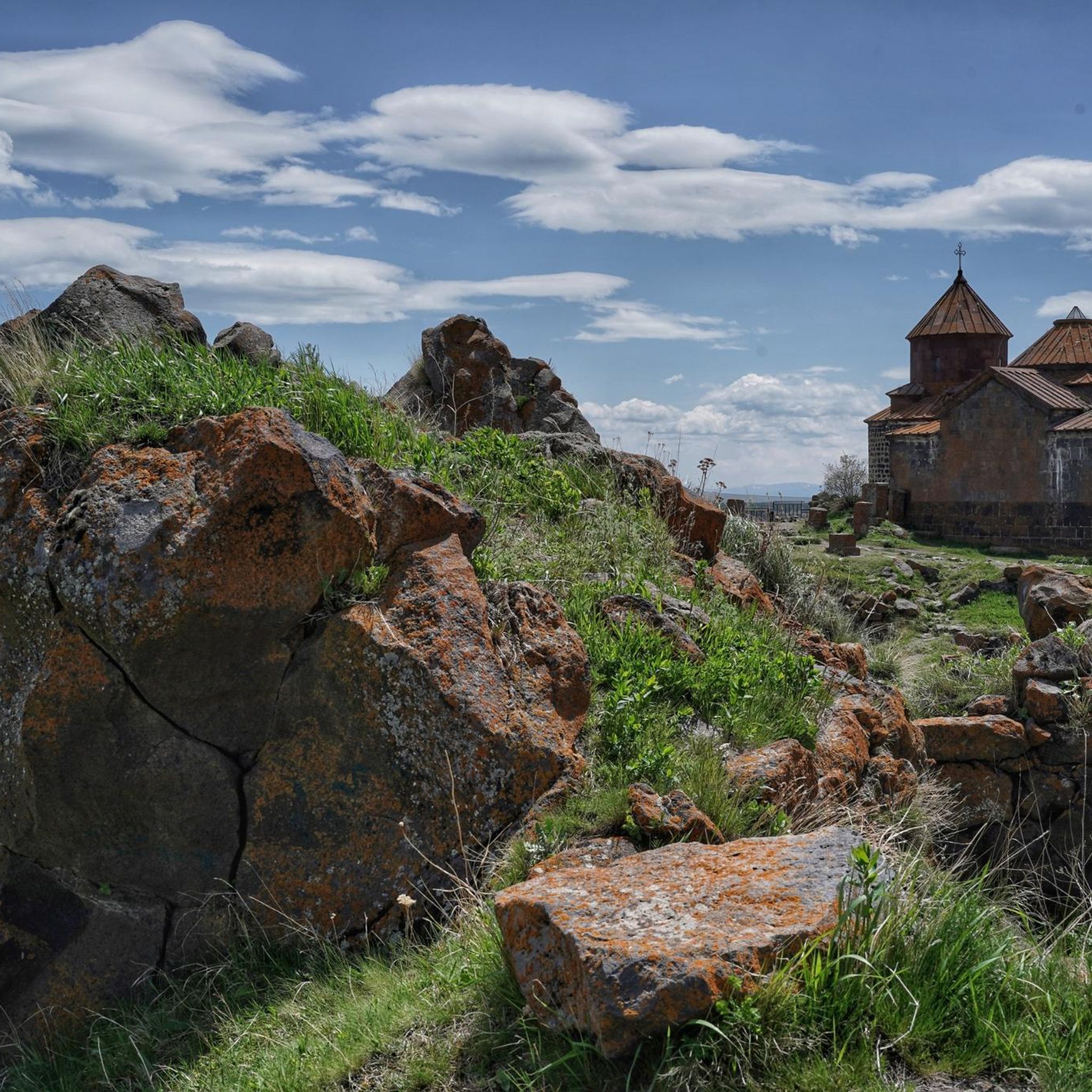
Tips from the Community

When the weather is nice, you can see Mount Ararat from Wirap Monastery. Ararat is then within reach, but it is already in Turkey and is therefore not accessible from Armenia.
0
0

It's just the "false summit" because the real need is Alpine experience and rope safety. Only very few hikers do the real northern peak of Aragats.
1
0

It is possible to sleep in tents or with the local peasant Nomads. Beware of dogs. Get off the bike and shield yourself with the bike. The route is quite easy to pedal, at times a bit steep. The bottom is good.
0
0

Mount Aragats is an isolated four-peaked volcano massif in Armenia. Its northern summit, at 4,090m above sea level, is the highest point of the Lesser Caucasus and Armenia. The south peak is 3887m above sea level. Source: https://en.wikipedia.org/wiki/Mount_Aragats
2
0

At 3201 meters you can see the beautiful mountain range of Zangezur from the summit of Mount Khustup. On clear day you can also seeAzerbaijan and Iran.
1
0
The road is in a very bad condition with lots of rocks and sand patches. but if you manage to climb to the top you'll be rewarded with incredible views
0
0
Frequently Asked Questions
What are some of the most notable mountain peaks in Armenia?
Armenia is home to several majestic mountain peaks, each offering unique experiences. Among the most prominent are Mount Aragats, the highest peak in Armenia and the Lesser Caucasus, known for its four summits and volcanic features. Mount Azhdahak, in the Geghama range, is famous for its stunning crater lake. In the south, Mount Khustup is a sacred mountain with rich vegetation and panoramic views. Lastly, Mount Artanish provides the only complete panoramic view of Lake Sevan.
Which mountain peaks in Armenia offer the best panoramic views?
For breathtaking panoramic views, several peaks stand out. From the slopes of Mount Aragats — South Peak panorama, you can often catch glimpses of Mount Ararat on clear days. The summit of Mount Azhdahak rewards hikers with sweeping views of Mount Ararat, Mount Ara, Lake Sevan, and the entire Kotayk province. Mount Khustup Summit offers indescribable views of the Zangezur mountain range, and on clear days, even Azerbaijan and Iran. Uniquely, Mount Artanish provides a complete panoramic view of Lake Sevan.
When is the best time to hike Armenia's mountain peaks?
The optimal time for hiking Armenia's mountain peaks generally varies by mountain but typically falls within the warmer months. For Mount Aragats, the best time for climbing is usually from July to August when snow has melted and trails are dry. Mount Azhdahak is best visited in June and July when alpine flowers are in full bloom. The climbing season for Mount Khustup extends from June to September. These periods offer the most favorable weather conditions and accessibility.
Are there historical or cultural sites near Armenia's mountain peaks?
Yes, Armenia's mountains are rich in history and culture. On the slopes of Mount Aragats, you can find the ruins of the 6th-century Amberd Fortress and the 11th-century Vahramashen Church, along with prehistoric rock carvings and 'dragon stones' (vishaps). The Geghama Mountains surrounding Mount Azhdahak are renowned for ancient petroglyphs dating back to the 12th century BCE. Mount Khustup is considered a sacred mountain and is the burial site of Armenian national hero Garegin Nzhdeh. The area around Mount Artanish also features ancient monasteries, churches, and archaeological sites.
What unique natural features can I expect to see on Armenia's mountain peaks?
Armenia's mountain peaks boast diverse natural features. Mount Aragats is a dormant volcanic massif with a large plateau and crater at its summit. Mount Azhdahak features a stunning crater lake formed from melting snow near its summit, and the surrounding area is rich in volcanic rock and hot springs. Mount Khustup is characterized by rugged relief, high cliffs, and dense forests on its northeastern slopes, with numerous springs feeding the Vachagan River. Mount Artanish, a volcanic mountain on Lake Sevan, offers a distinct microclimate, wild beaches, quiet coves, and abundant birdlife, along with diverse flora.
What outdoor activities can I do near Armenia's mountain peaks?
Beyond peak bagging, the regions around Armenia's mountains offer a variety of outdoor activities. You can find numerous hiking trails, including challenging routes like the South Summit – Mount Aragats – View of the Northern Summit loop from Lake Kari. Cycling is also popular, with routes such as the Lake Sevan – Semyonovka Pass loop from Սևան. For runners, there are trails like the Soviet Children's Railway loop from Հանրապետության Հրապարակ. The diverse terrain supports activities from leisurely walks to challenging treks.
Are there family-friendly mountain experiences in Armenia?
Yes, there are options for families. While some peaks are challenging, viewpoints like View of Mount Ararat are generally considered family-friendly, offering accessible spots to enjoy iconic scenery. Mount Artanish offers moderately challenging hikes suitable for most, with trails starting near the lake shores, making it a good option for families looking for leisurely hikes and nature exploration around Lake Sevan.
How difficult are the hikes to Armenia's mountain peaks?
The difficulty of hikes to Armenia's mountain peaks varies significantly. Mount Aragats offers trails suitable for various skill levels, with the southern peak being the most frequently visited due to its accessibility, while the northern peak requires alpine experience. The climb to Mount Azhdahak is considered challenging but rewarding. The ascent of Mount Khustup typically takes 6-8 hours, indicating a moderate to challenging effort. Mount Artanish offers moderately challenging hikes, suitable for most visitors.
Can I spot wildlife while hiking in Armenia's mountains?
Yes, Armenia's mountains are home to diverse flora and fauna. Mount Khustup, for instance, is a haven for diverse species, including some listed in the Red Book of Armenia, and Bezoar goats can sometimes be seen during hikes. The area around Mount Artanish is known for its abundant birdlife, including migratory species and birds of prey, making it an excellent spot for birdwatching.
What is the highest mountain peak in Armenia?
The highest mountain peak in Armenia is the northern summit of Mount Aragats, reaching an elevation of 4,090 meters (13,420 feet). It is an isolated four-peaked volcanic massif and also the highest point in the Lesser Caucasus.
What makes Mount Azhdahak a unique destination for geology enthusiasts?
Mount Azhdahak is particularly fascinating for geology enthusiasts due to its volcanic origins. It is a dormant volcano with layers of volcanic rock and numerous hot springs in the surrounding Geghama mountain range. Its most striking feature is the stunning crater lake, formed from melting snow, which sits near its summit, providing a clear example of volcanic landscape transformation.
What are 'dragon stones' (vishaps) and where can I find them?
'Dragon stones,' or vishaps, are ancient megalithic monuments found in Armenia, often associated with water worship and believed to symbolize dragons or water spirits. These intriguing artifacts can be found on the slopes of Mount Aragats and are also present in the Geghama Mountains, near Mount Azhdahak, adding a mystical and historical dimension to the landscape.
Most popular attractions in Armenia

Get inspired with the komoot mobile app


Didn’t find what you were looking for?
Discover Armenia’s best peaks and summits by region:
Explore more
See even more amazing summits in Armenia with these guides:
