Top 5 Caves in Armenia
Best caves in Armenia are found within a country known for its diverse landscapes, ancient history, and significant geological formations. The region features a variety of natural and man-made cave systems, from archaeological sites to monastic complexes carved into rock. These sites offer insights into Armenia's past and its natural heritage. Many caves are located in provinces like Vayots Dzor and Tavush, providing varied exploration opportunities.
Best caves in Armenia
- The most popular caves is Geghard Rock Monastery, a religious building and cave complex. Founded in the 4th century, much of this monastery is carved directly into the surrounding mountain, featuring chapels and tombs hewn from solid rock.
- Another must-see spot is Lastiver Caves and Rock Carvings, a cave known for its intricate wall carvings. These caves are accessible via planks and ropes, and the carvings were created in the 1970s.
- Visitors also love Bears' Cave, a natural monument and cave. This cave is under protection, and entry requires contacting local authorities or conservation groups.
- Armenia is known for its historical cave dwellings, monastic cave complexes, and natural karst caves. These sites offer a range of experiences, from archaeological exploration to geological observation.
- The caves in Armenia are appreciated by the komoot community, with 20 upvotes and 176 photos shared by visitors.
Last updated: May 13, 2026
Geghard Rock Monastery
Highlight • Religious Site
Translated by Google •
Tip by

Lastiver Caves and Rock Carvings
Highlight • Cave
The carving were done by Benik Petrosyan in 1970s.
Tip by

Sign up now to discover places like this
Get recommendations on the best single tracks, peaks, & plenty of other exciting outdoor places.
Sign up for free
Areni-1 Cave
Highlight • Cave
Translated by Google •
Tip by

Chgnavor Hermitage
Highlight • Religious Site
Tip by

Start today with a free account
Your next adventure awaits.
Login or Signup
Tips from the Community

Absolutely beautiful, highly recommend. There’s a beautiful stream near the place with breathtaking nature. The church is really lovely as well.
0
0

The founding of the monastery in the 4th century AD on the site of a pagan spring is attributed to Saint Gregory, the patron saint of the Armenian Apostolic Church (Wikipedia).
5
0

Tiny chapel/hermitage, part hewn from the cliff and part built from basalt blocks. It's fun to get to as well!
1
0

The fascinating Geghard Monastery in Armenia has a special aura and is a spiritual site with a rich history and impressive architecture.
0
0

The founding of the monastery in the 4th century AD on the site of a pagan spring is attributed to Saint Gregory, patron of the Armenian Apostolic Church. It was destroyed by the Arabs in the 9th century, so no buildings from that period remain. The reconstruction began in 1215. According to an inscription in the main church, the brothers Ivane and Zakhare are considered to be the builders who founded the Zakharjan dynasty, which ruled over Armenia in the 12th century as vassals of the kings of Georgia. In the middle of the 13th century, the monastery came into the possession of the noble Proschjan family, who built their burial place there in the rock. In 1679 the monastery was badly damaged by an earthquake. It remained abandoned and was only populated again by some monks from Echmiadzin after the conquest of Armenia by Russia. It was only restored for tourism in the 20th century. Source: https://de.wikipedia.org/wiki/Kloster_Geghard The monastery has been a UNESCO World Heritage Site since 2000.
2
0
The main church of the monastery is dedicated to Our Lady. It is an east-facing cross-domed church with four corner chapels and a drum with a tent roof. Its vestibule is much larger than the church itself. Four mighty pillars support the arches that divide the Gawit into nine sections. There is a light opening above the larger central square. Source: https://de.wikipedia.org/wiki/Kloster_Geghard Gawit, also Gavit (Armenian Գավիթ), refers to a mostly square vestibule in medieval Armenian architecture, which is attached to monastery churches in the west. Source: https://de.wikipedia.org/wiki/Gawit
0
0

The monastery is good, the surrounding landscape is better! Worth a visit ;)
0
0

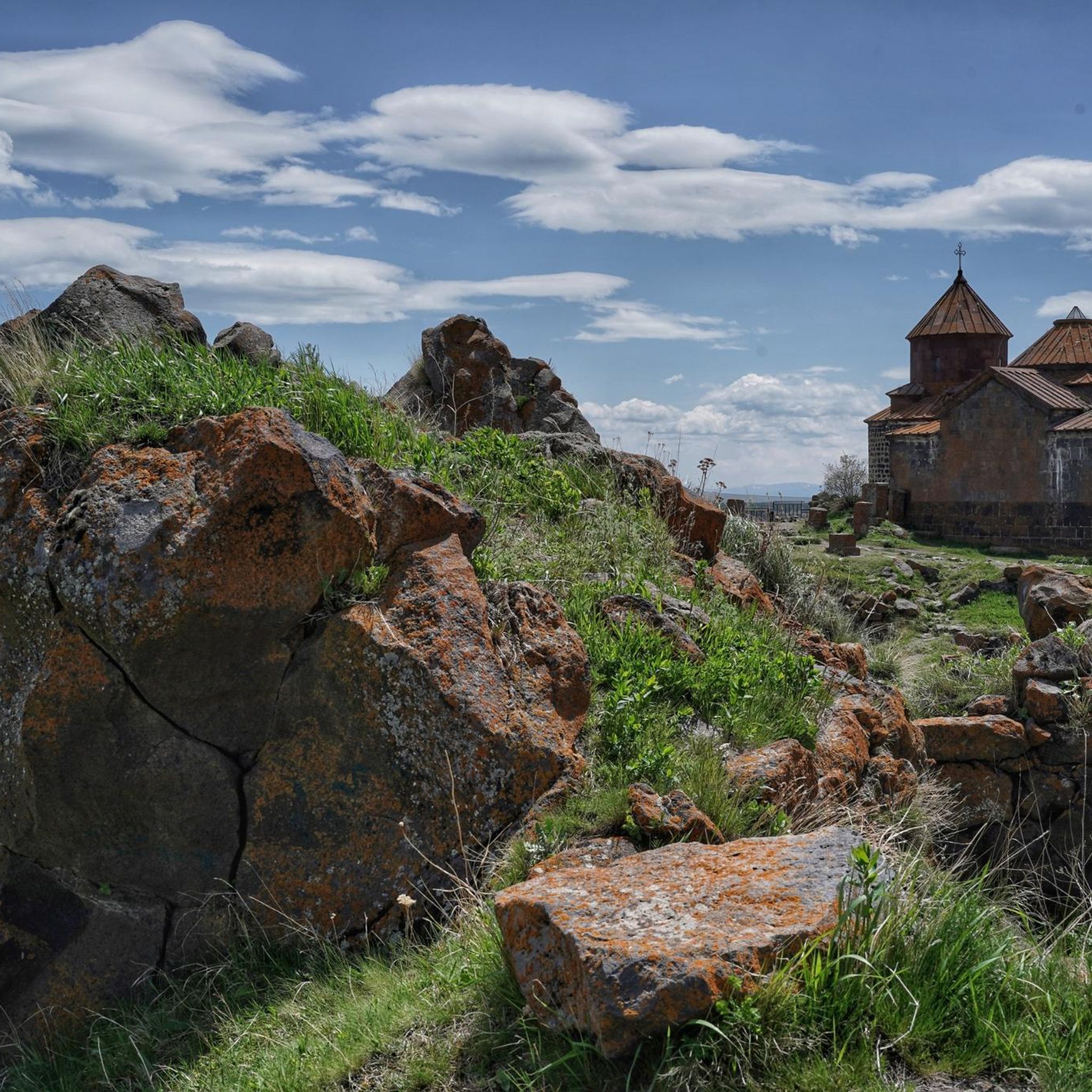
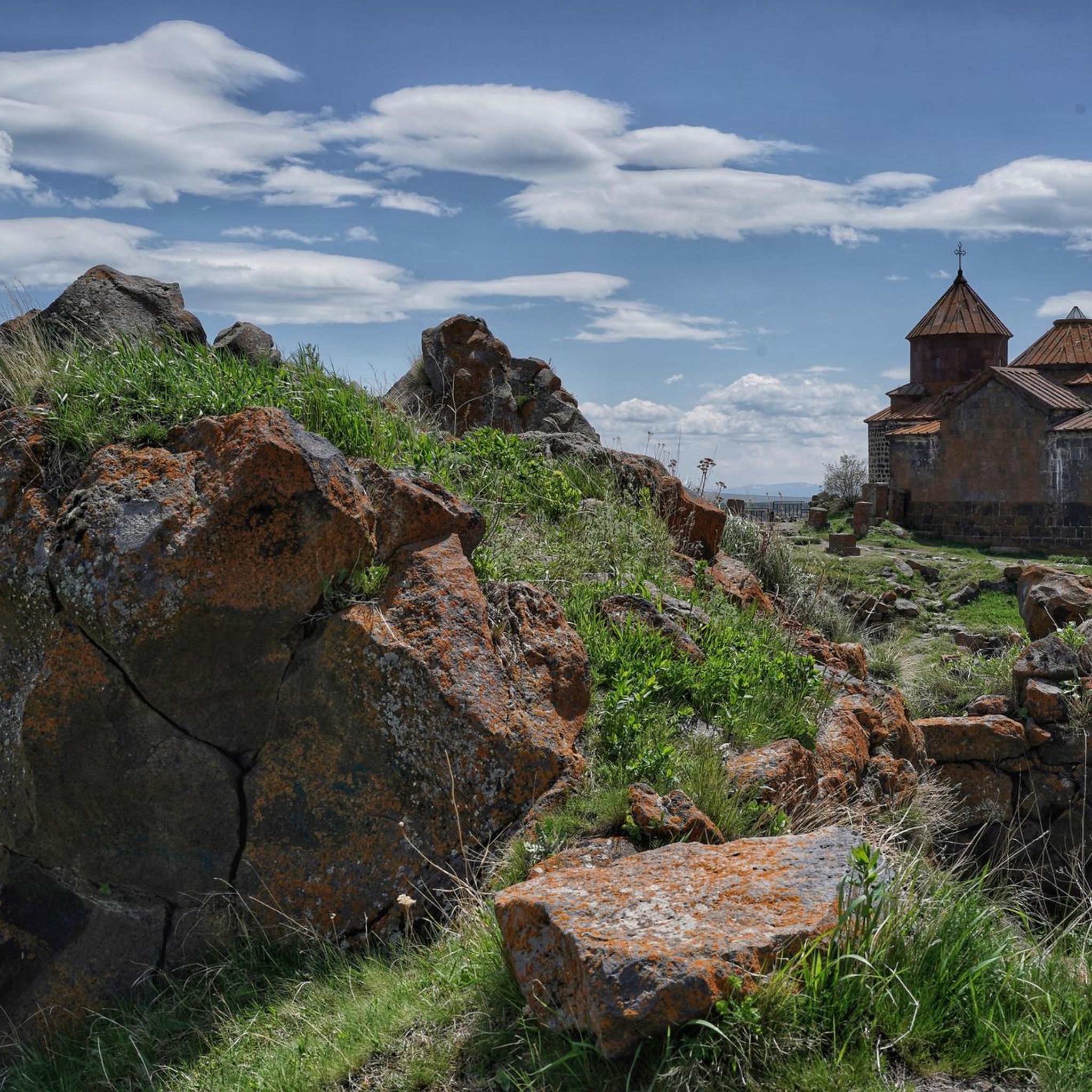
Gerhard Monastery in Armenia with the main church (Kathogike) and a magnificent room carved out of the rock (Upper Gavit)
2
0
Frequently Asked Questions
What historical or archaeological significance do Armenia's caves hold?
Armenia's caves are rich in history. For example, Geghard Rock Monastery is a UNESCO World Heritage site with much of its complex carved directly into the mountain, dating back to the 4th century. Areni-1 Cave (Bird's Cave) is globally significant for housing the world's oldest known winery (6,100 years old) and the oldest preserved leather shoe (5,500 years old). Magel Cave has also revealed animal remains and ancient tools from the Neolithic period.
Are there ancient cave dwellings or villages in Armenia?
Yes, the Khndzoresk Cave Village in the Syunik province is a unique network of caves where homes were carved directly into the cliffside. This village was inhabited until the 1950s and served as a refuge. Exploring its chambers and tunnels, accessible via a suspension bridge, offers a remarkable historical experience.
What geological features can I expect to see in Armenian caves?
Armenian caves showcase diverse geological formations. Mozrov Cave is celebrated for its intricate labyrinth chambers, dripping stalactites, and multi-colored formations. Magel Cave, one of Armenia's largest karst caves, is notable for its numerous stalactites and stalagmites. Arjeri Cave, Armenia's longest known cave system, also offers insights into geology and ecology.
Are there easily accessible caves in Armenia for general visitors?
Many caves in Armenia offer varying levels of accessibility. The Geghard Rock Monastery is a well-developed site that is generally accessible. Areni-1 Cave is also relatively accessible and popular, located near the Noravank Monastery. For other caves like Lastiver Caves or Bears' Cave, access might involve hiking or require contacting local authorities.
What is the best time of year to visit caves in Armenia?
The best time to visit most caves in Armenia is typically during the spring (April-May) and autumn (September-October) when the weather is mild and pleasant for outdoor activities and exploration. Summer (June-August) is also suitable, though it can be warmer. Winter visits might be possible for some sites, but access to more remote or natural caves could be challenging due to snow and ice.
Do I need permits or guides to visit caves in Armenia?
For some natural caves, permits or guided tours are required. For instance, to enter Bears' Cave, you need to contact local foresters, WWF Armenia, or Gnishik EcoLodge, as it is a protected site. For archaeological sites like Areni-1 Cave, there might be entrance fees. Monastic complexes like Geghard Rock Monastery are generally open to the public, though guided tours are often available.
What outdoor activities can I do near Armenia's caves?
Many caves are situated in scenic areas perfect for outdoor activities. Near the caves, you can find various routes for hiking, road cycling, and running. For example, you can explore easy hikes in Armenia, including routes like the Matosavank Monastery Ruins loop. There are also numerous road cycling routes and running trails available throughout the region.
Where can I see ancient rock carvings in Armenian caves?
The Lastiver Caves and Rock Carvings in the Tavush region are known for their intricate wall carvings. While some carvings date back to pagan times, others were created more recently in the 1970s. The caves are reached by hiking through the picturesque Lastiver Canyon.
Are there caves in Armenia known for wildlife, particularly bats?
Yes, Magel Cave in Vayots Dzor is a significant habitat for wildlife. It is home to eight species of bats, six of which are listed in the Red Book of Armenia. Bears' Cave (Arjeri Cave) is also named for the ancient bear bones discovered within, and visitors are advised to look out for bats but not disturb them.
Which caves offer a unique cultural or spiritual experience?
The Geghard Rock Monastery is a UNESCO World Heritage site and a profound spiritual destination, with chapels and tombs carved directly into the rock. Its unique acoustics and sacred springs add to its spiritual significance. The Khndzoresk Cave Village also offers a unique cultural experience, showcasing ancient human habitation carved into cliffs.
What should I wear for caving in Armenia?
For caving in Armenia, it's advisable to wear comfortable, layered clothing that you don't mind getting dirty. Sturdy, closed-toe shoes with good grip are essential. Depending on the cave, a headlamp or flashlight is often necessary, and a helmet might be recommended for more challenging explorations. Even in summer, cave interiors can be cool, so a light jacket is a good idea.
Are there any caves in Armenia that are particularly long or extensive?
Arjeri Cave, also known as Bears' Cave, near Yeghegnadzor in the Vayots Dzor region, is Armenia's longest known cave system, stretching approximately three kilometers. It offers extensive passages for exploration, often with guided tours.
Most popular attractions in Armenia

Get inspired with the komoot mobile app


Didn’t find what you were looking for?
Discover more caves in Armenia region by region:
Explore more
Extend your search for the best caves by checking out these guides of the top ones in Armenia:
