Top 11 Caves around Flums
Caves around Flums are located in a region characterized by its mountainous landscape, including the Churfirsten range, and its proximity to Lake Walen in St. Gallen, Switzerland. This area offers a variety of geological formations, from natural grottoes to historical mining sites. The subterranean environments here reflect both the natural processes and the industrial heritage of the region. Visitors can explore diverse underground spaces, providing insights into the area's geology and history.
Best caves around Flums
- The most popular caves…
Last updated: September 29, 2026
Wildenmannli’s Cave
Highlight • Cave
Translated by Google •
Tip by

Seerenbach Falls and Rinquelle
Highlight (Segment) • Waterfall
Translated by Google •
Tip by

Sign up now to discover places like this
Get recommendations on the best single tracks, peaks, & plenty of other exciting outdoor places.
Gonzen Iron Mine in Sargans
Highlight • Historical Site
Tip by

Mariengrotte Buchholz (Wangs)
Highlight • Religious Site
The Wangs Mariengrotto was created on the initiative of Pastor Künzle in 1912/1913, and the bell tower was added in 1916. A cross is located on …
Translated by Google •
Tip by
Tüfels Chuchi
Highlight • Cave
Interesting cave at an uplifting power spot
The Tüfels Chuchi is a geologically interesting miniature cave. Covered in moss, dripping and dispensing water, the rock opens up. …
Translated by Google •
Tip by
Sign up for free to discover even more caves around Flums.
Already have an account?
Start today with a free account
Your next adventure awaits.
Popular around Flums
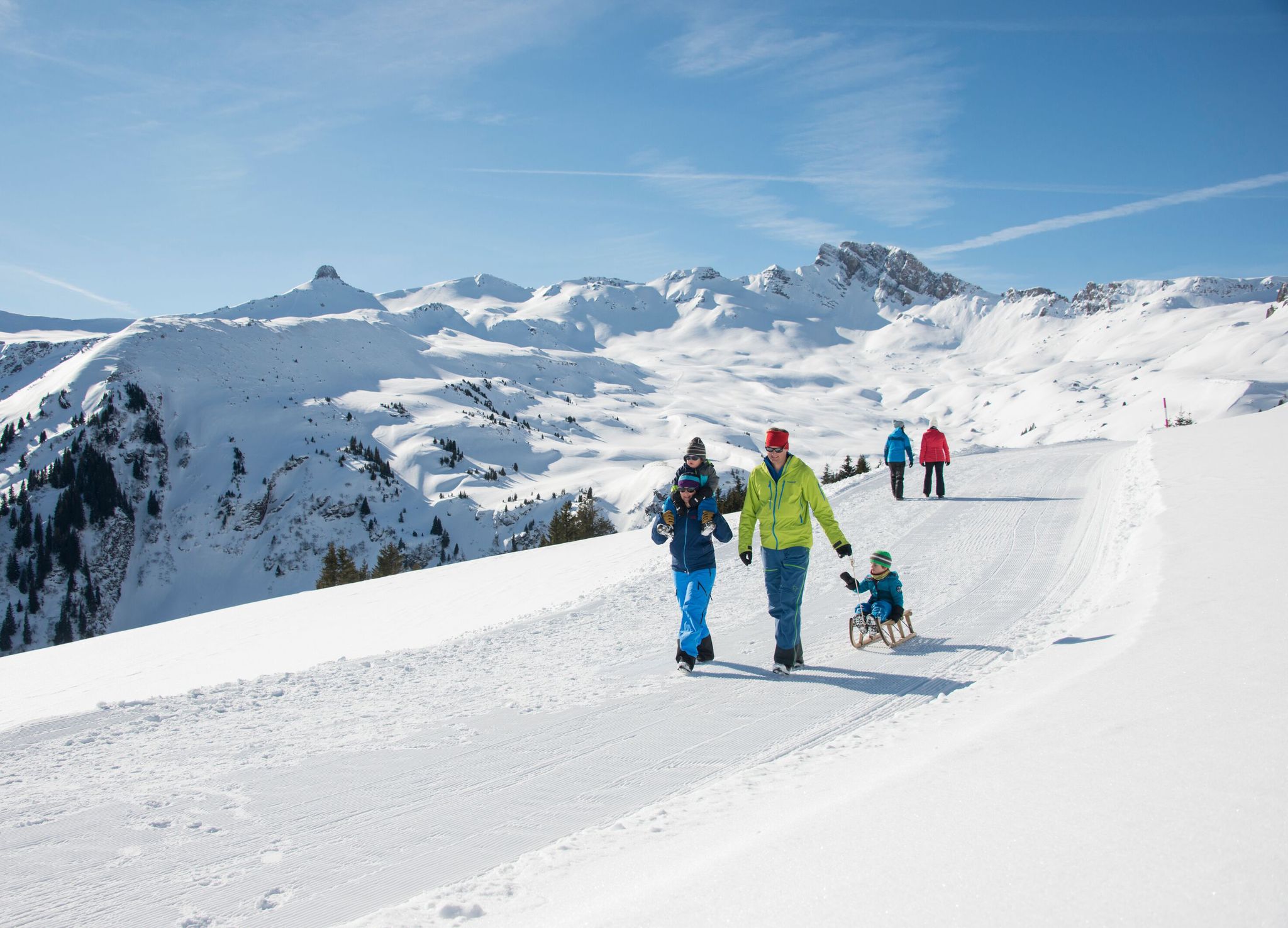
Family-friendly winter hikes in Eastern Switzerland
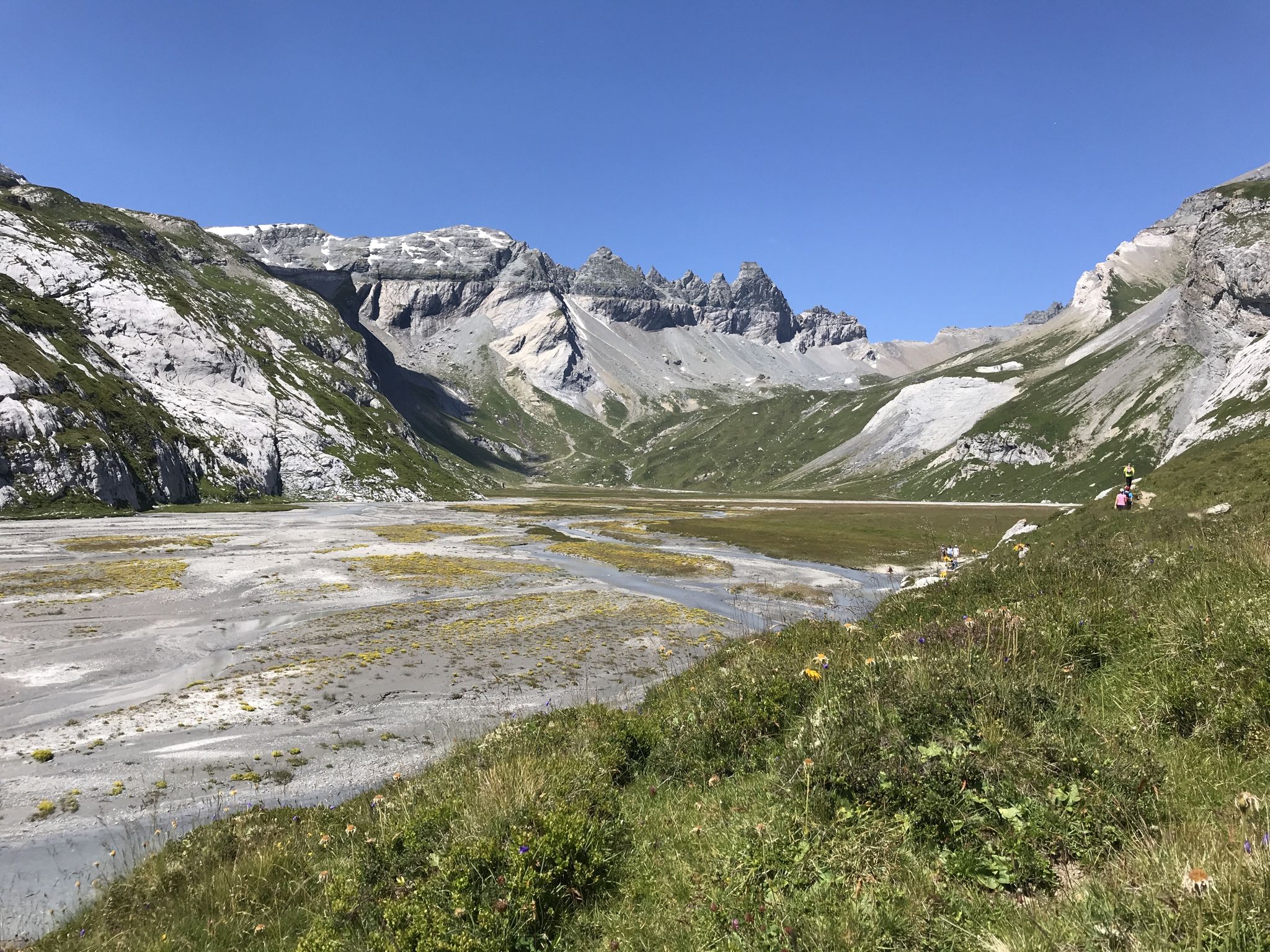
Sardona World Heritage Trail – Where the Alps once formed
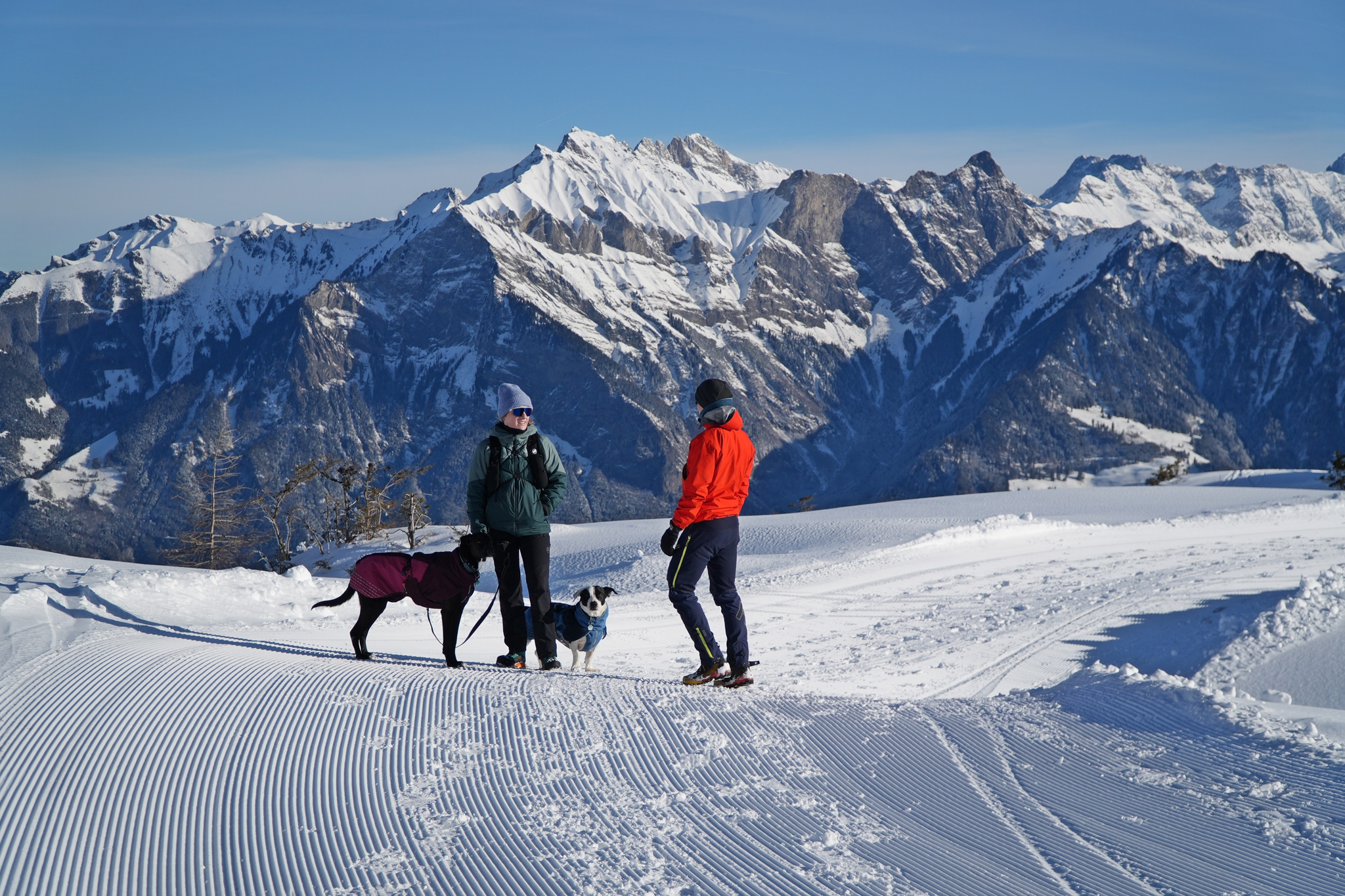
Enchanting winter hikes with dogs in Eastern Switzerland
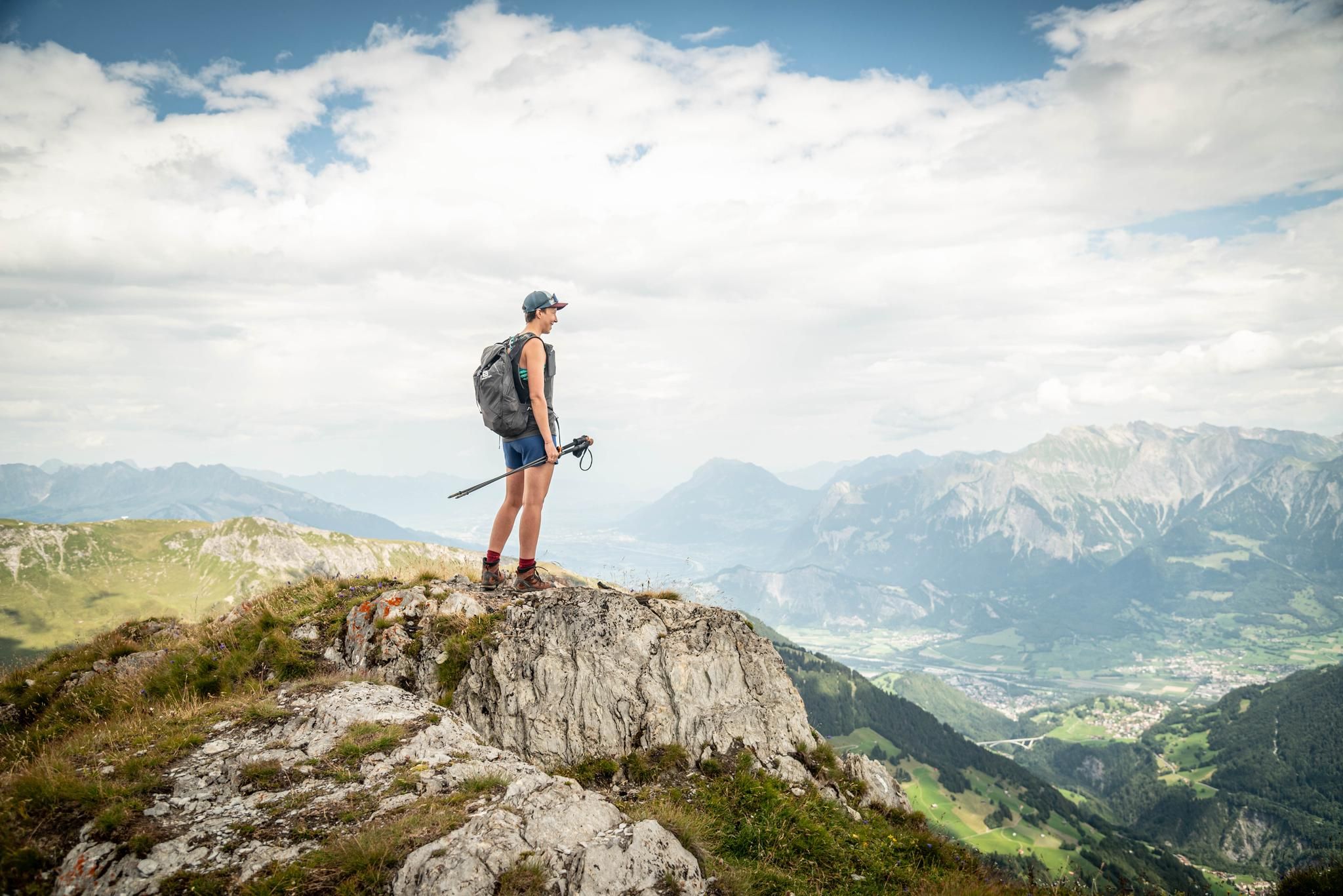
Peak bagging hikes in Heidiland
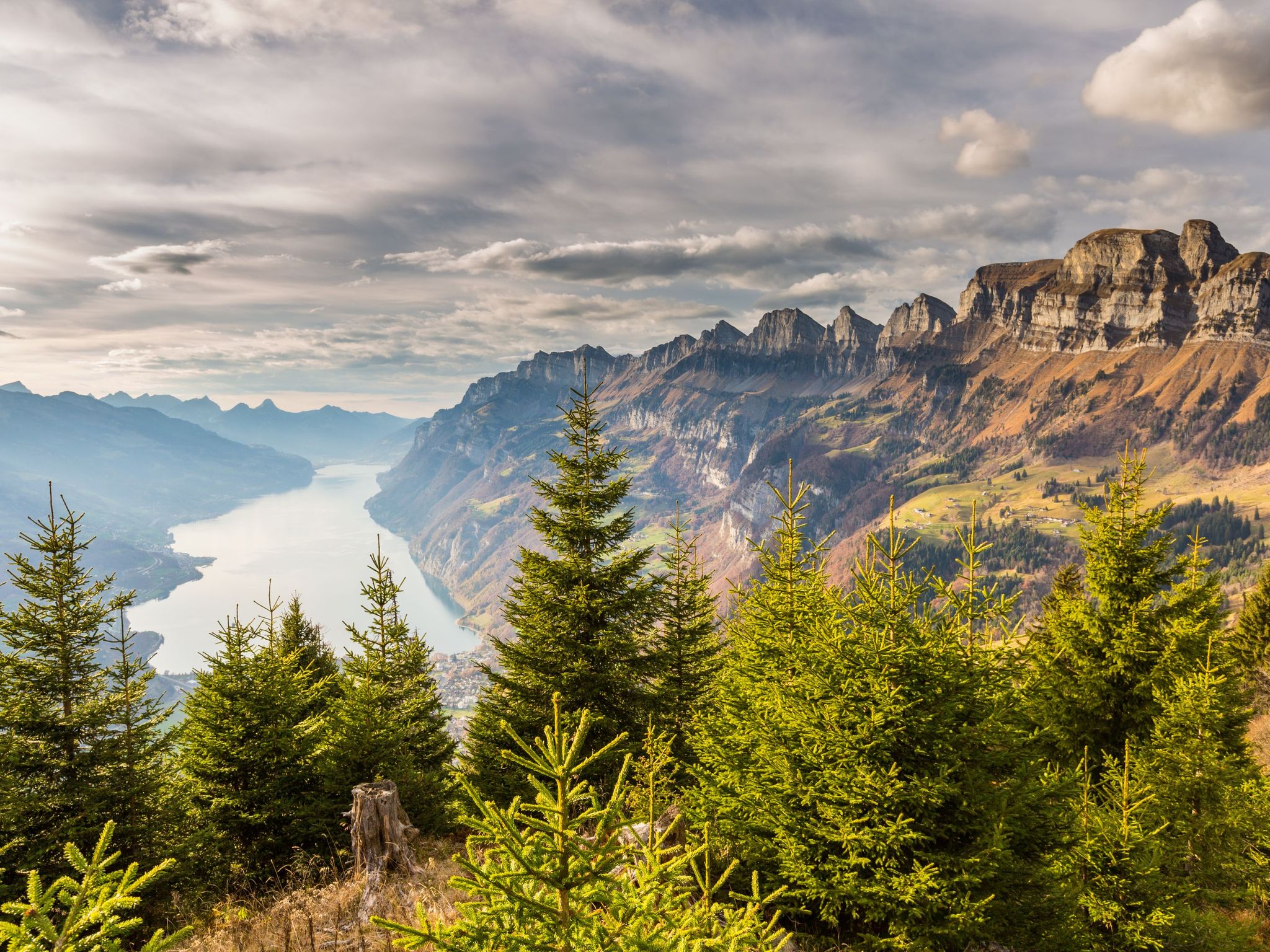
Blue lakes, wide panoramas & autumnal splendour – hiking in Heidiland
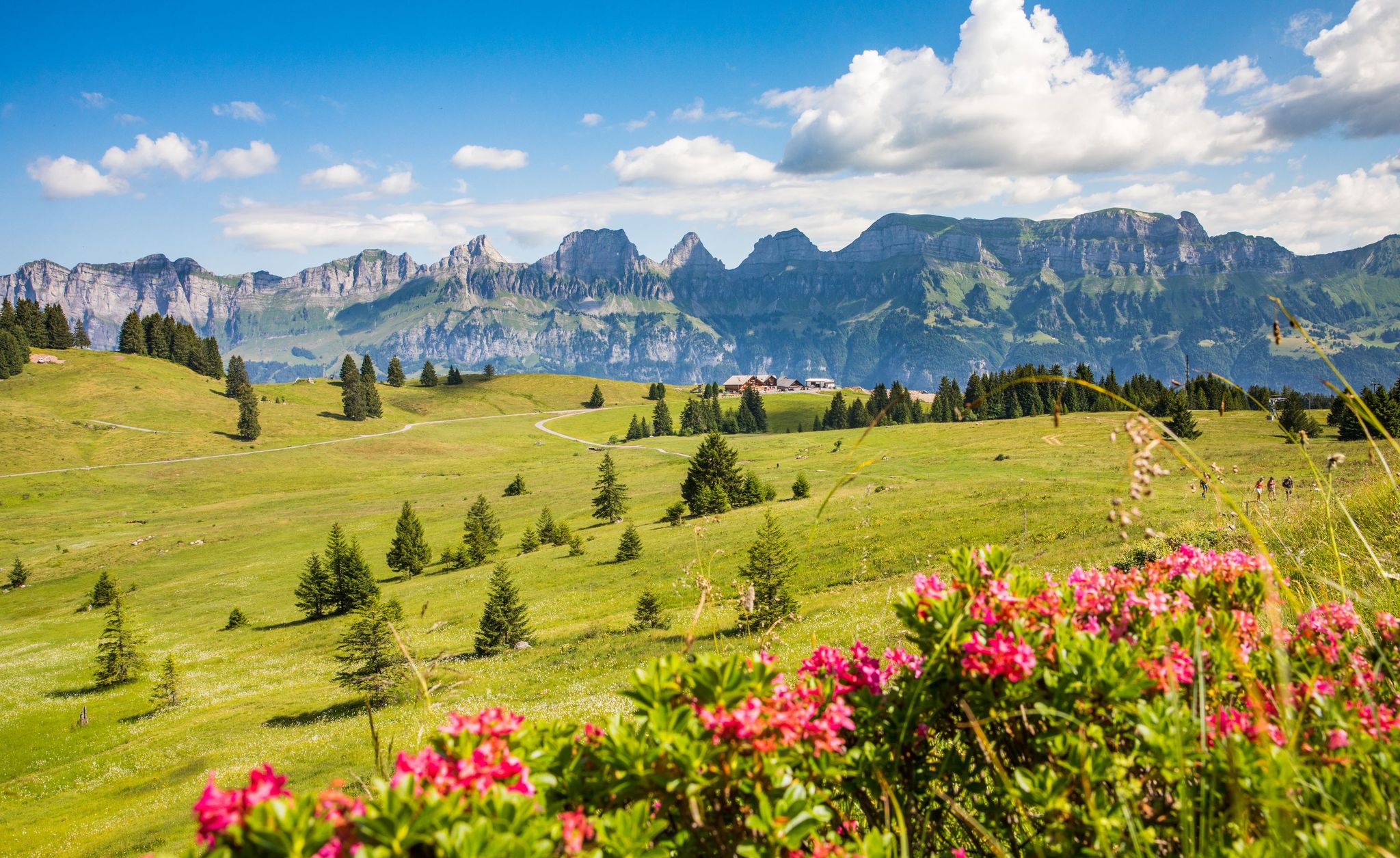
Pure Swiss mountain idyll – hikes in Heidiland
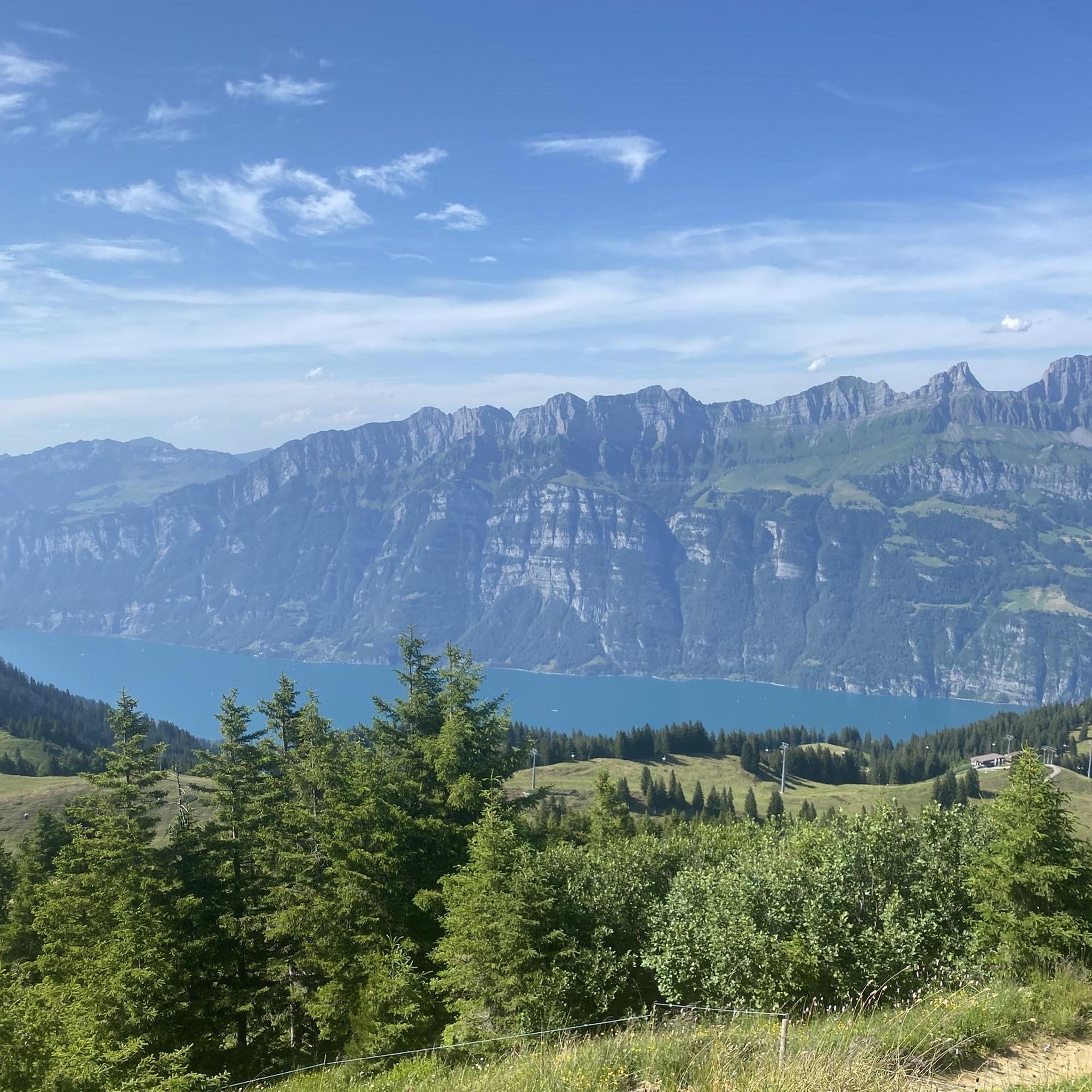
Hiking around Flums
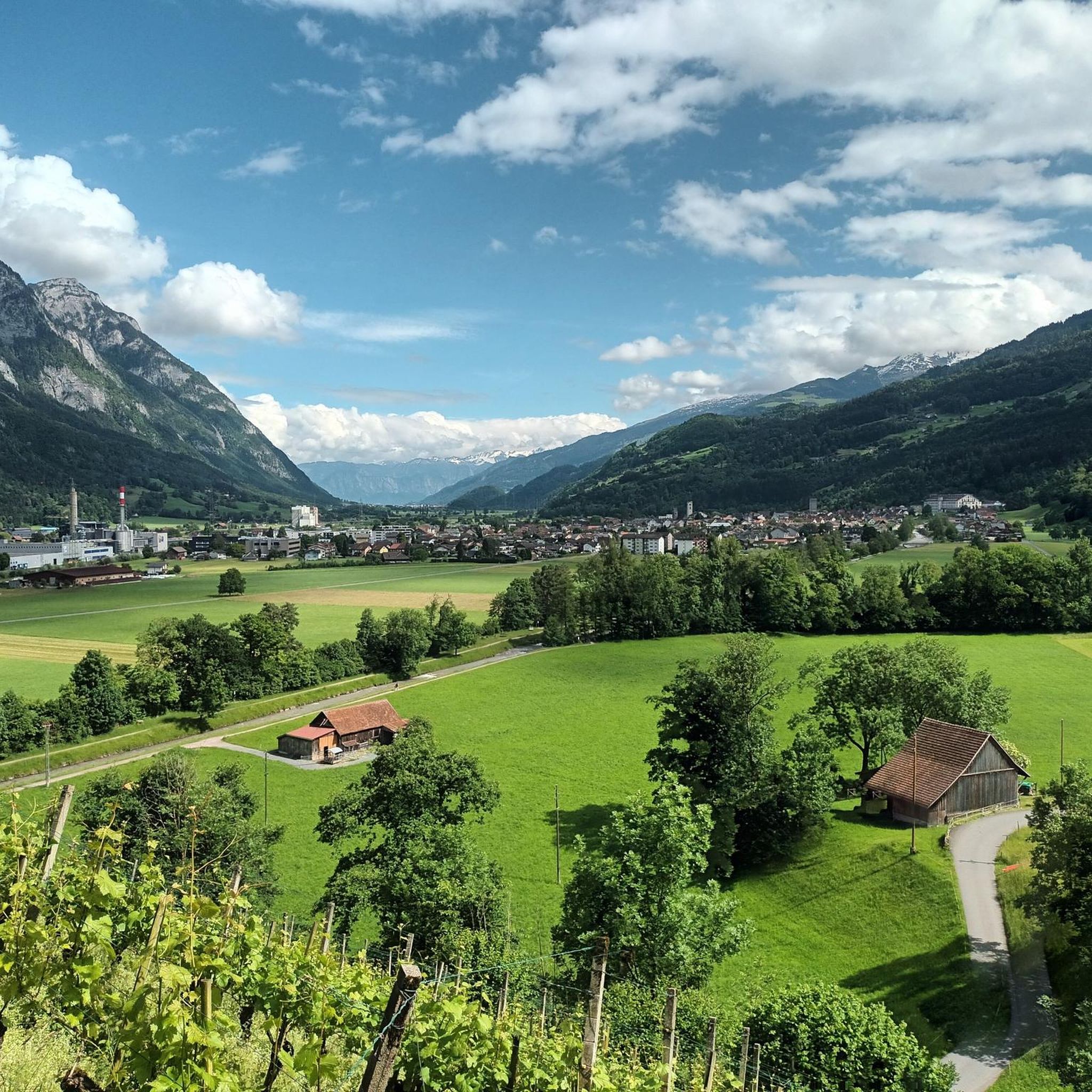
MTB Trails around Flums
Cycling around Flums
Road Cycling Routes around Flums
Other adventures around Flums


Tips from the Community

is a small cave, but it has nothing special to see. Even on hot and dry days it is cool inside and the path is "slippery". I haven't seen any standing water, however.
0
0


interesting and fresh
0
0

Guided tours are only available on certain dates or with pre-registered groups (see website). However, the restaurant and museum are always open; the restaurant in the mine is beautifully designed, with an outdoor terrace in front of the entrance.
1
0

Stations of the Cross to the Grotto, Wangs The grotto and the Stations of the Cross in Wangs are located on a section of the Pfarrer Künzle Weg in the Buchholz area. Starting from the parish church, the path leads left along Dorfstrasse uphill to the fountain with a beautiful wayside cross. Follow the green signposts of Pfarrer Künzle Weg on Fontanixstrasse. To the left, the path leads over the bridge over the "Chlibach," where the first station of the Stations of the Cross is located. Continue along the forest path to the wooden bridge, which must be crossed. The Stations of the Cross continue along the paved Buchholzstrasse to the fountain with the final station. Text / Source: Roman Catholic Pastoral Unit of Central Sarganserland https://www.kath-msl.ch/kirchgemeinde-wangs/kirchen-gebaeude-wangs/#:~:text=The parish church of St. Anthony was built in the, organ, votive candles, open during the day, bell ringing, site plan
14
0
Grotto in Buchholz, Wangs The Wangs Mariengrotto was created on the initiative of Pastor Künzle in 1912/1913, and the bell tower was added in 1916. A cross is located on the vaulted hill in front of the tower. A Pietà (Mother of God with suffering Jesus) in the Nazarene style was placed in the grotto. Text / Source: Roman Catholic Pastoral Unit of Central Sarganserland https://www.kath-msl.ch/kirchgemeinde-wangs/kirchen-gebaeude-wangs/#:~:text=The parish church of St. Anthony was built in the, organ, votive candles, open during the day, bell ringing, site plan
14
0
Tüfels Chuchi, Wangs Interesting cave at an uplifting power spot The Tüfels Chuchi is a geologically interesting miniature cave. Covered in moss, dripping and dispensing water, the rock opens up. Energetically speaking, the Tüfels Chuchi is a good, uplifting power spot. The name is quite intriguing, as it demonizes a healthy, strongly vibrating place, which suggests that the place was known and used very early on. Had it been more important, a forest chapel would probably greet us at this location. Important Celtic and pre-Celtic sites have often been Christianized, while less important ones have been demonized. Text / Source: Heidiland Tourismus AG, Graubünden Holidays, Alexanderstrasse 24, Chur https://www.graubuenden.ch/de/ausflugsziele/tuefels-chuchi
12
0

On the eastern side of the Seluner-Ruck there is a cave, the Wildmannlisloch. Its gate is so large that one can drive in with a horse and cart. It leads an hour and a half deep into the mountain, and the passages inside are so wide that several men can walk upright side by side. At the front the wild men have carved out tables and benches for themselves; a quarter of an hour further in is a small lake, surrounded by boulders; the dwarves have rolled around these to form cool resting places; even further back are the dwellings. The dwarves lived on roots and milk. They helped the neighboring herdsmen to "shear" the stables, feed the cattle, and make hay on the mountain. Once they fetched the midwife from Starkenbach, who had to assist a wild woman. As a reward she received an entire apron full of lumps of earth. On the long way out of the cave, however, she paid no attention to the worthless gift; When she came out into the daylight and looked at the last piece, it was pure gold. Rochholz, Swiss legends.
1
0
Frequently Asked Questions
What types of subterranean environments can I explore around Flums?
The region around Flums offers a diverse range of subterranean environments. You can explore natural caves, karst springs, and historical mining tunnels. These sites provide insights into both the natural geological processes and the industrial heritage of the area.
Are there any family-friendly caves or underground attractions near Flums?
Yes, several options cater to families. Tüfels Chuchi is a miniature cave with a forest educational trail, making it suitable for a family outing. While not directly in Flums, the St. Beatus Caves near Interlaken are highly accessible with illuminated paths, a cave museum, and a dragon-themed playground, offering a great family experience.
What historical sites related to caves or mining can I visit?
The Gonzen Iron Mine in Sargans is a significant historical site. This former iron mine features approximately 90 kilometers of tunnels and offers guided tours through its impressive ore deposits. Another historical site is the Landesplattenberg Slate Quarry in Engi, which was an important economic site and is now open for tours, showcasing gigantic underground halls.
What unique natural formations can be found in the caves around Flums?
You can find various impressive natural formations. The Seerenbach Falls and Rinquelle feature one of Europe's largest karst springs emerging from an extensive cave system. Wildenmannli’s Cave, located on the northern slope of the Seluns, is known for its water passages. Further afield, the Höllgrotten Caves near Baar are famous for their rich array of stalactites and stalagmites in various hues, creating a magical underground world.
What should I wear when visiting caves in the region?
Caves generally maintain a cool, constant temperature and high humidity regardless of the weather outside. For example, the Landesplattenberg Slate Quarry has temperatures between 7 and 11 degrees Celsius with 90% humidity. Therefore, it's advisable to wear warm clothing and good, sturdy shoes for traction on potentially wet or uneven surfaces.
Are there any guided caving tours available?
Yes, guided tours are available for several sites. The Gonzen Iron Mine in Sargans offers tours through its historical tunnels. The Landesplattenberg Slate Quarry in Engi also provides guided tours. For a more extensive caving experience, the Hölloch Cave system, though further away, offers a range of guided tours from short hikes to multi-day expeditions.
What outdoor activities can I combine with a visit to the caves near Flums?
The mountainous region around Flums is excellent for various outdoor activities. You can find numerous hiking trails, including difficult routes like the 7-summit tour Flumserberg. There are also running trails and challenging mountain hikes. Many cave sites, like Tüfels Chuchi, are located along scenic forest trails, perfect for combining with a walk.
How accessible are the caves around Flums by public transport?
Accessibility varies by location. Wildenmannli’s Cave can be reached on foot, with the Selunbahn, or from Alp Sellamatt. For other regional caves like the St. Beatus Caves, public transport options such as boats on Lake Thun or buses are available, often connecting to nearby train stations.
What is the best time to visit the caves in the Flums region?
Caves maintain a consistent cool temperature year-round, making them an excellent destination in any season. They are particularly popular during warmer months as a refreshing escape from the heat, or on rainy days when outdoor activities are less appealing. Spring, after snowmelt, can make waterfalls like Seerenbach Falls particularly impressive.
Are there any caves with unique geological features or records?
While not directly in Flums, the Hölloch Cave system in Muotathal is a world-renowned natural wonder. It holds the record as the second-largest cave in Europe and one of the largest globally, with over 212 kilometers of explored passages. It's known for its unique combination of depth and length, massive network of tunnels, and impressive rock formations including stalactites.
What do visitors particularly enjoy about the caves and underground sites near Flums?
Visitors appreciate the diverse experiences offered, from the natural beauty of karst springs and waterfalls at Seerenbach Falls and Rinquelle to the historical insights provided by the Gonzen Iron Mine. The unique geological formations, the cool, refreshing environment, and the opportunity for adventure and learning are frequently highlighted. The komoot community has shared over 195 photos and 188 upvotes for these sites, indicating strong visitor satisfaction.
Most popular routes around Flums
Most popular attractions around Flums

Get inspired with the komoot mobile app


Explore more
Extend your search for the best caves by checking out these guides of the top ones around Flums:
