Top 9 Castles around Bad Hall
Best castles around Bad Hall offer a blend of historical architecture and regional significance within the Austrian market town and its surroundings. The area features a diverse landscape, from the tranquil Kremstal valley to the town of Wels, providing a backdrop for these historical landmarks. Visitors can explore 9 castles, each with unique features and histories. The region's cultural heritage is reflected in these well-preserved structures, some dating back to the 12th century.
Best castles around Bad Hall
- The most…
Last updated: May 13, 2026
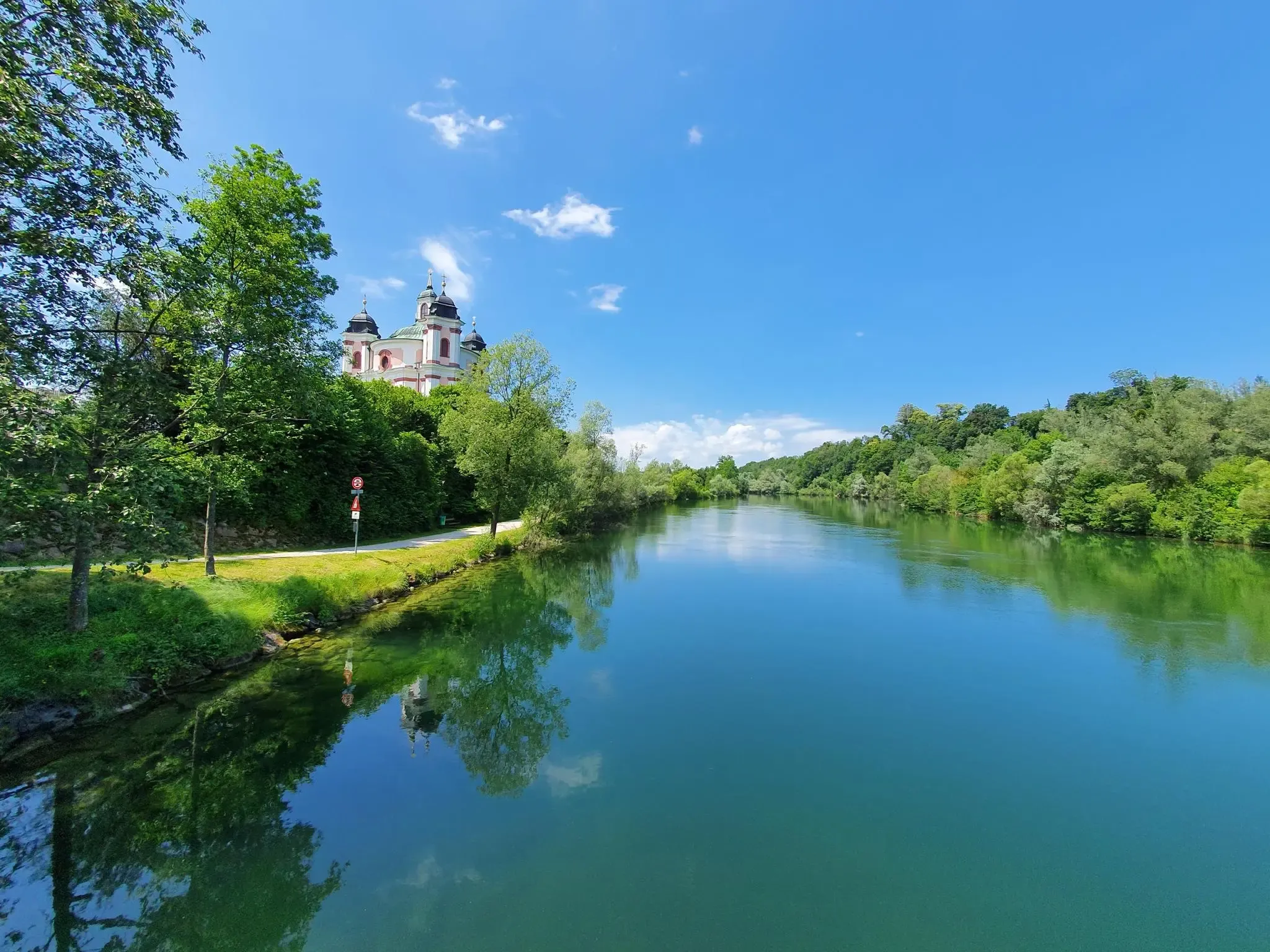
St. Stephen's Church in Sierning
Highlight • Religious Site
Translated by Google •
Tip by

Schloss Achleiten
Highlight • Castle
Translated by Google •
Tip by

Sign up now to discover places like this
Get recommendations on the best single tracks, peaks, & plenty of other exciting outdoor places.
Sign up for free
Schloss Mühlgrub
Highlight • Castle
Translated by Google •
Tip by

Feyregg Castle
Highlight • Castle
Translated by Google •
Tip by
Eggendorf Castle
Highlight • Castle
Translated by Google •
Tip by

Sign up for free to discover even more castles around Bad Hall.
Sign up for free
Already have an account?
Start today with a free account
Your next adventure awaits.
Login or Signup
Other adventures around Bad Hall

Tips from the Community

small, quiet, good for a break 😉
0
0

The two-winged Renaissance castle dates back to 1588. Further renovations were commissioned around 1670 by the canons Siegbert von Geilenkirchen and Thomas von Kandlberg. It is characterized by an arcaded walkway facing the courtyard. These arcades were enclosed by outbuildings until the renovation. The rooms on the upper floor also served as the official residence of the caretaker – and thus of the courts – for a long time. The Knights of Kast occupied the castle as a summer residence. The dilapidated castle was finally purchased by the municipality of Sierning in 1969 and renovated by the Traunviertel Cultural Association and the town of Sierning. An annex was added to the building, which houses the Sierning municipal office. Following the revitalization of the castle courtyard and the installation of state-of-the-art infrastructure, including a new castle café, it is now possible to host any event. The flagship events are the summer arts and crafts market with up to 10,000 visitors, the Sierning Advent with its Advent village in the castle courtyard, and the Guard Festival. Numerous cultural events and concerts take place throughout the year, both in the castle and in the covered courtyard.
0
0
Unfortunately, the position on Komoot is incorrect. The castle is located a good 6 km away near Rohr an der Krems, not on Linzer Straße next to Hall Castle in Bad Hall. Please correct this position, as otherwise the planning will be based on incorrect assumptions. The correct position would be 48.074749, 14.180378.
0
1
In 1279, Feyregg Castle was mentioned in a document from the Lambach Abbey. The early medieval part of the castle, including the east tower and its immediate surroundings, is still visible from the time of the Followers (until 1407). The old Gothic gate, as well as a bay window and various vaults, can still be seen in the inner courtyard. Around 1500, the Sinzendorf family built the long wing of the old castle. Around 1600, during the Peasants' War, Feyregg suffered greatly and, after the Peasants' War, was sold to the Spital am Pyhrn Abbey in 1629. It became the residence of the provosts. This was arguably Feyregg's most prosperous period. It was also at this time that the castle was extensively rebuilt and given a Baroque style by the Upper Austrian architect Prunner. In 1809, the Spital am Pyhrn Abbey was dissolved, and in 1812, the well-known wealthy merchant Franz von Plank, a native of Linz, purchased the Feyregg estate. Otto and Ruth Harmer purchased the castle and the farm in 1937. It was thoroughly renovated that year, and in 1969, the hotel "Schloss Feyregg" was established in the old castle, offering all the modern amenities.
0
0

Achleiten Castle is a private property and is not normally open to visitors. However, it attracts numerous guests every year in June when the well-known CDI Achleiten dressage tournament takes place on the grounds. During this event, the riding facility and part of the castle grounds are open to visitors, so that interested parties have access to the tournament areas.
0
1

Unfortunately, the view of the castle from the entrance area on Schlossstrasse (title photo) is now completely overgrown and no longer available 😒, on Elfenweg you drive along the house wall (not a photo opportunity).
0
0
Unfortunately, the view of the castle from the entrance area on Schlossstrasse (title photo) is now completely overgrown and no longer available 😒, on the Elfenweg you drive along the house wall (no photo opportunity). What the (in themselves pretty) photos of the group (Walter & Sonja) have to do with the castle in Eggendorf - no idea 🙄
0
0

The multi-towered castle was built around 1600. Today, among other things, the Schloss Mühlgrub cultural association is located in the historic building.
0
1
Frequently Asked Questions
What types of historical architecture can I expect to see among the castles near Bad Hall?
The castles around Bad Hall showcase a range of architectural styles. You can find beautiful Baroque castles like Feyregg Castle, which dates back to 1170. Schloss Mühlgrub is a multi-towered Renaissance castle built around 1600. Further afield, Wels Castle offers a glimpse into medieval architecture, having origins in the 10th century.
Are there any family-friendly castles to visit around Bad Hall?
Yes, Schloss Mühlgrub in Bad Hall is considered family-friendly. It houses exhibition and sales rooms for country home style decor, a cultural association, and a Mediterranean restaurant, offering diverse activities for visitors.
What outdoor activities can I do near the castles around Bad Hall?
The region offers various outdoor activities. You can explore cycling routes like the 'View of Schloss Achleiten – Kremsmünster Abbey loop' or the 'Krems River – View of the Alpine Foothills loop' from Bad Hall. For mountain biking, there's an easy route from Bad Hall to Schloss Achleiten. You can find more details on these and other routes in the Cycling around Bad Hall and MTB Trails around Bad Hall guides.
Can I visit the interiors of the castles, or are they mostly exterior views?
Access varies by castle. Feyregg Castle is privately owned, so interior visits are generally not possible, but you can admire its picturesque exterior. Schloss Achleiten is also private, but its grounds and parts of the castle are open to visitors during events like international dressage competitions. Schloss Mühlgrub houses public areas like a restaurant and exhibition rooms. Wels Castle, a bit further out, hosts the Wels City History Museum, which is fully accessible to visitors.
What is the best time of year to visit the castles and explore the Bad Hall region?
While specific seasonal events vary, spring and autumn generally offer pleasant weather for exploring the castle grounds and engaging in outdoor activities like cycling and hiking. The lush gardens of Schloss Achleiten would be particularly beautiful in spring and summer, while autumn foliage could enhance the scenic views around the castles.
Are there any castles near Bad Hall that host special events?
Schloss Achleiten is renowned for hosting international dressage competitions since 1992, drawing world-class riders and spectators. Schloss Mühlgrub, with its cultural association, also hosts various events throughout the year.
Is there public transport available to reach the castles?
Yes, Schloss Achleiten is accessible via public transport; you can take a train to Rohr-Bad Hall Bahnhof, followed by a walk or local bus. For castles directly in or very close to Bad Hall, local bus services or a short walk might be options. It's always advisable to check local schedules for the most current information.
Are there any castles that are wheelchair accessible?
Wels Castle, which houses the Wels City History Museum, is noted for being wheelchair and stroller accessible, making it a good option for visitors with mobility needs.
What can I find at <a href="https://www.komoot.com/highlight/6237670" target="_blank" rel="noopener">Schloss Mühlgrub</a> today?
Today, Schloss Mühlgrub serves multiple purposes. It houses exhibition and sales rooms for country home style decor, a cultural association, the Mediterranean restaurant Castello, and even a hairdresser. It's a vibrant hub where old and new merge.
What makes <a href="https://www.komoot.com/highlight/4924725" target="_blank" rel="noopener">Schloss Achleiten</a> a notable castle in the region?
Schloss Achleiten is highly regarded for its well-preserved structure, enchanting facade, and lush gardens. Historically, its strategic location in the Kremstal valley was vital, featuring a double moat system. It's also famous for hosting international dressage competitions, attracting world-class riders.
Are there cafes or restaurants near the castles?
Yes, Schloss Mühlgrub itself hosts the Mediterranean restaurant 'Castello'. For other castles, you'll find various cafes and restaurants in the nearby towns and villages, such as Bad Hall or Rohr im Kremstal, offering options for refreshments and meals.
What is the historical significance of Wels Castle?
Wels Castle, dating back to the 10th century, is historically significant as it once served as the residence of the emperor's stewards and is notably the place where Emperor Maximilian I died. Today, it houses the Wels City History Museum, chronicling the city's past from Roman times to the 21st century.
Most popular routes around Bad Hall
Most popular attractions around Bad Hall

Get inspired with the komoot mobile app


Explore more
Looking for the best castles somewhere else? Discover other guides around Bad Hall:
