Top 6 Caves around Bezirk Freistadt
Best caves around Bezirk Freistadt are found in the Mühlviertel region of Upper Austria, characterized by its unique granite formations and diverse subterranean attractions. This area offers a mix of natural rock shelters, historical man-made passages, and geological features. Visitors can explore various cave-like formations that provide insights into both natural processes and ancient human settlements. The district presents opportunities for outdoor exploration with a focus on its distinct geological and cultural heritage.
Best caves around Bezirk Freistadt
- The most…
Last updated: August 19, 2026
Flehlucka Cave (Erdstall)
Highlight • Cave
Translated by Google •
Tip by

Lourdes Grotto Mühlviertel
Highlight • Religious Site
Translated by Google •
Tip by

Sign up now to discover places like this
Get recommendations on the best single tracks, peaks, & plenty of other exciting outdoor places.
Sign up for free
Gypsy Wall Rock Formation
Highlight • Natural Monument
Translated by Google •
Tip by
Russian Hideout on the Mystical Trail Gutau
Highlight • Cave
Translated by Google •
Tip by

Kohlerlucka Cave
Highlight • Cave
Translated by Google •
Tip by
Hermit's Cave
Highlight • Cave
Translated by Google •
Tip by

Start today with a free account
Your next adventure awaits.
Login or Signup
Popular around Bezirk Freistadt
Austria's Mühlviertel Cycle Path — A hilly idyll
Castles & Palaces Trail – Discover the mystical Mühlviertel in Austria
North-South Trail through Austria – Small country, big paths!
Nordwaldkamm trail – Hiking between the Czech Republic and Austria
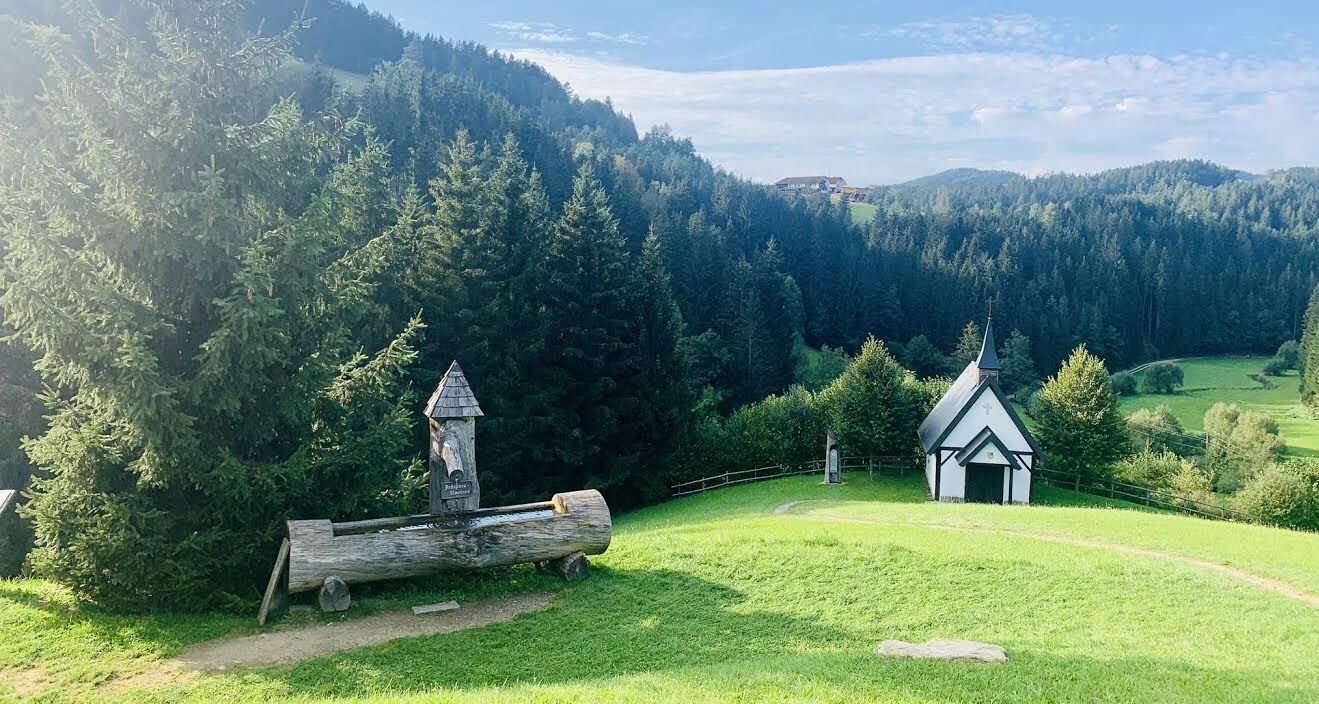
St. John's Pilgrimage Route – A spiritual path through Austria's Mühlviertel
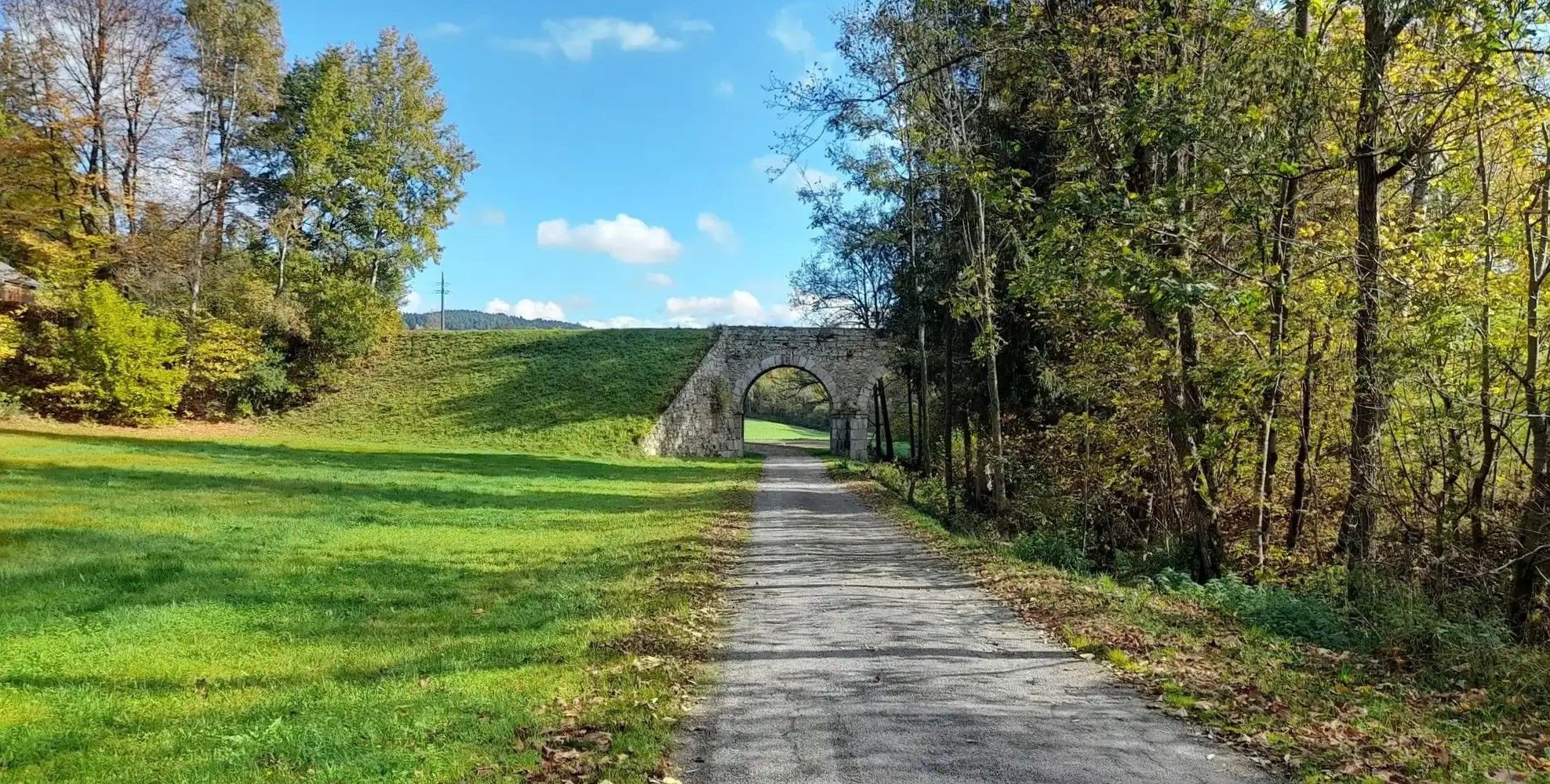
Experience history on the Pferdeeisenbahn hiking trail
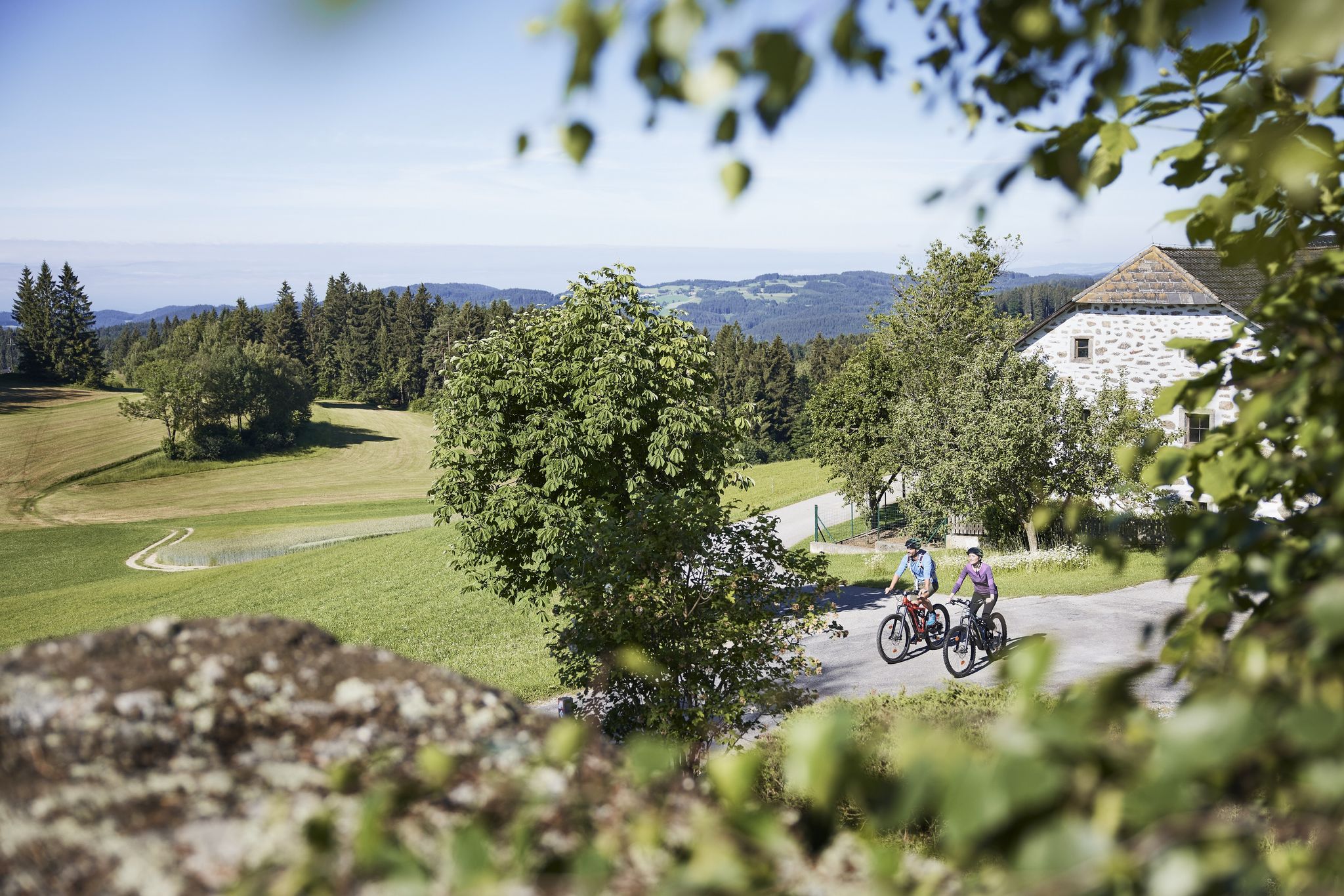
Cycling in Upper Austria's Mühlviertel hills
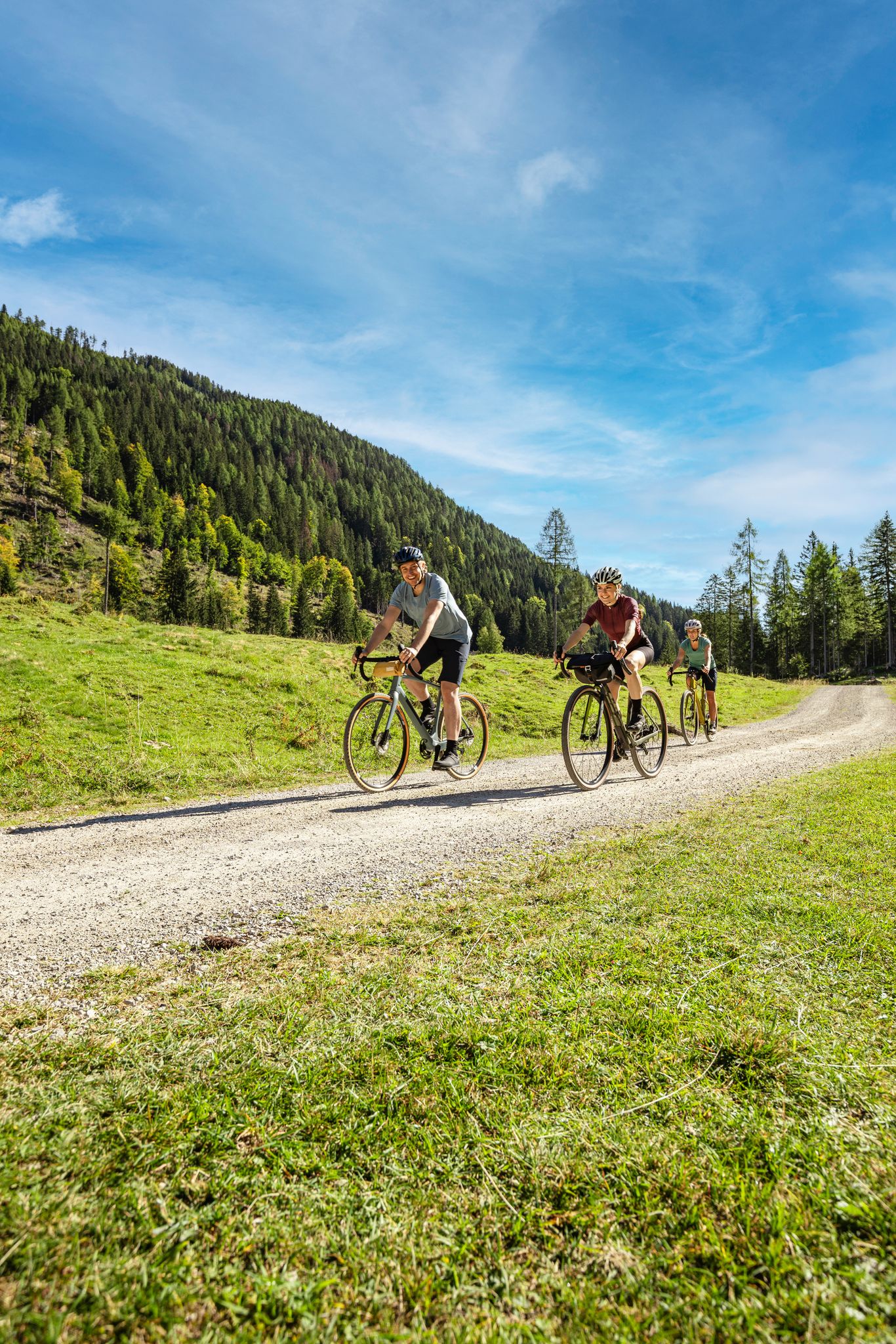
Lake Constance to Lake Neusiedl – explore Austria's federal states on gravel

The most beautiful leisurely cycling routes in Upper Austria
Fun and flow – best MTB trails in Upper Austria
Other adventures around Bezirk Freistadt


Tips from the Community

The grotto was erected in 1975 by Father Hanus. It features a replica of Mary with the message "I am the Immaculate Conception" and is located on the St. John's Pilgrimage Trail and the Cultural Trail, not far from the Bründl Chapel.
0
0

The escape hole, or Flehlucka, has been closed for 1 1/2 years due to storm damage. It's not yet known when access will be reopened. This information comes from a local.
0
1

If you come quickly from above along the panoramic path, the turn-off is hardly visible, but from the opposite side it is well signposted
0
0

After World War II, three women and two soldiers sought protection from Russian soldiers in a hiding place under the magnificent rocks. They were provided with food by a local.
1
0

Gigantic stacking of granite rocks with a walkable crack.
1
0
The Lourdes Grotto is located near the Bründl Chapel with beautiful rock formations.
1
0
A granite formation worth seeing on the slope above the Naglbach towards Mönchdorf. It is actually a hiking area, but most of the paths in the area can still be managed with an eMTB.
0
0

impressive rock formation with a small cave
0
0
Frequently Asked Questions
What kind of geological formations can I expect to see in the caves around Bezirk Freistadt?
The region is known for its unique granite formations. You'll find natural rock shelters, impressive rock formations with cave-like faults, and even gigantic stackings of granite rocks forming walkable cracks, such as at Kohlerlucka Cave.
Are there any caves with historical significance in Bezirk Freistadt?
Yes, the area features several sites with historical context. For example, the Russian Hideout on the Mystical Trail Gutau is a historical site where people sought refuge after World War II. Additionally, the 'Erdställe' at Gasthaus zum Feuchten Eck are man-made subterranean passages believed to be over 1000 years old, offering a glimpse into ancient human settlements.
Are there any family-friendly cave experiences in the region?
Many of the natural rock formations and cave-like faults are suitable for families. The Gypsy Wall Rock Formation, for instance, is categorized as family-friendly and offers impressive rock formations with small cave-like faults and seating for observation.
What are the Gypsy Walls and what makes them interesting?
The Gypsy Walls (Zigeunermauern) are fantastic rock formations featuring cave-like faults and rock chambers. Local legend suggests that the robber chief Graßl once lived in these chambers, adding a layer of historical intrigue and folklore to the natural beauty.
Can I go hiking near the caves in Bezirk Freistadt?
Absolutely. Many caves and rock formations are integrated into hiking trails. The 'Steinerne Stube' at Lohnbachfall, for example, is part of a scenic hiking trail. For more extensive hiking options, you can explore the Mountain Hikes around Bezirk Freistadt guide, which includes routes like the Sternstein loop.
Are there any caves that are easily accessible or feature unique access points?
The 'Luaga Lucka' Granite Cave is notable for its accessibility, with several small caves made accessible, some even featuring ladders. This makes it an engaging spot for exploration.
What do visitors particularly enjoy about the caves and rock formations in Bezirk Freistadt?
Visitors appreciate the impressive and magnificent granite rock formations, often noting their mossy appearance. Many highlights, like the Gypsy Wall Rock Formation, offer seating for observation and a chance to pause and take in the natural beauty.
Are there opportunities for mountain biking near the cave sites?
Yes, the region offers mountain biking trails that can include detours to interesting geological sites. The 'Luaga Lucka' Granite Cave is recommended as a detour on a mountain biking circuit. You can find more routes in the MTB Trails around Bezirk Freistadt guide.
What is the 'Hermit's Cave' and where is it located?
The Hermit's Cave is a granite formation worth seeing, situated on the slope above the Naglbach towards Mönchdorf. It's part of a hiking area, and many paths in its vicinity are also manageable with an eMTB.
What are 'Erdställe' and where can I see them in the region?
'Erdställe' are man-made subterranean passages or earth houses, distinct from natural caves. Examples of these fascinating structures, believed to be over 1000 years old, can be found at 'Gasthaus zum Feuchten Eck', offering insight into ancient human use of underground spaces.
Are there any places considered 'places of power' or spiritual sites among the natural formations?
Yes, the 'Steinerne Stube' at Lohnbachfall is considered a 'place of power'. This stone chamber or grotto offers a natural spot for reflection amidst the scenic beauty of the Lohnbach Falls, making it appealing for those seeking a tranquil experience.
What kind of rock formations are featured at the Russian Hideout on the Mystical Trail Gutau?
The Russian Hideout on the Mystical Trail Gutau features magnificent mossy granite rock formations. Beyond their natural beauty, these formations hold historical significance as a former hiding place.
Most popular routes around Bezirk Freistadt
Most popular attractions around Bezirk Freistadt

Get inspired with the komoot mobile app


Didn’t find what you were looking for?
Discover more caves around Bezirk Freistadt region by region:
Explore more
Extend your search for the best caves by checking out these guides of the top ones around Bezirk Freistadt:
