Top 9 Caves around Spalt
Caves around Spalt offer diverse natural and historical exploration opportunities within the region. While Spalt itself does not host prominent caves, the surrounding areas of Franconian Switzerland, Hersbrucker Schweiz, and the Altmühl Valley feature several notable cave systems. These regions are within reasonable driving distance, providing access to various geological formations and historical sites. The landscape around Spalt is characterized by its natural features, including forests and valleys, which contribute to the appeal of its cave systems.
Best caves around…
Last updated: September 29, 2026
Müllersloch Gorge and Waterfall
Highlight • Gorge
Translated by Google •
Tip by

The Luderloch Cave
Highlight • Cave
Translated by Google •
Tip by

Sign up now to discover places like this
Get recommendations on the best single tracks, peaks, & plenty of other exciting outdoor places.
Sommerkeller Barthelmesaurach
Highlight • Historical Site
Translated by Google •
Tip by

Zigeunerloch
Highlight • Cave
Drive carefully, next to the trail it goes pretty far down!
Translated by Google •
Tip by

Old Beer Cellar
Highlight • Cave
Showing Translation
Tip by

Sign up for free to discover even more caves around Spalt.
Already have an account?
Start today with a free account
Your next adventure awaits.
Popular around Spalt
City, country, lake – VGN leisure tips 2025
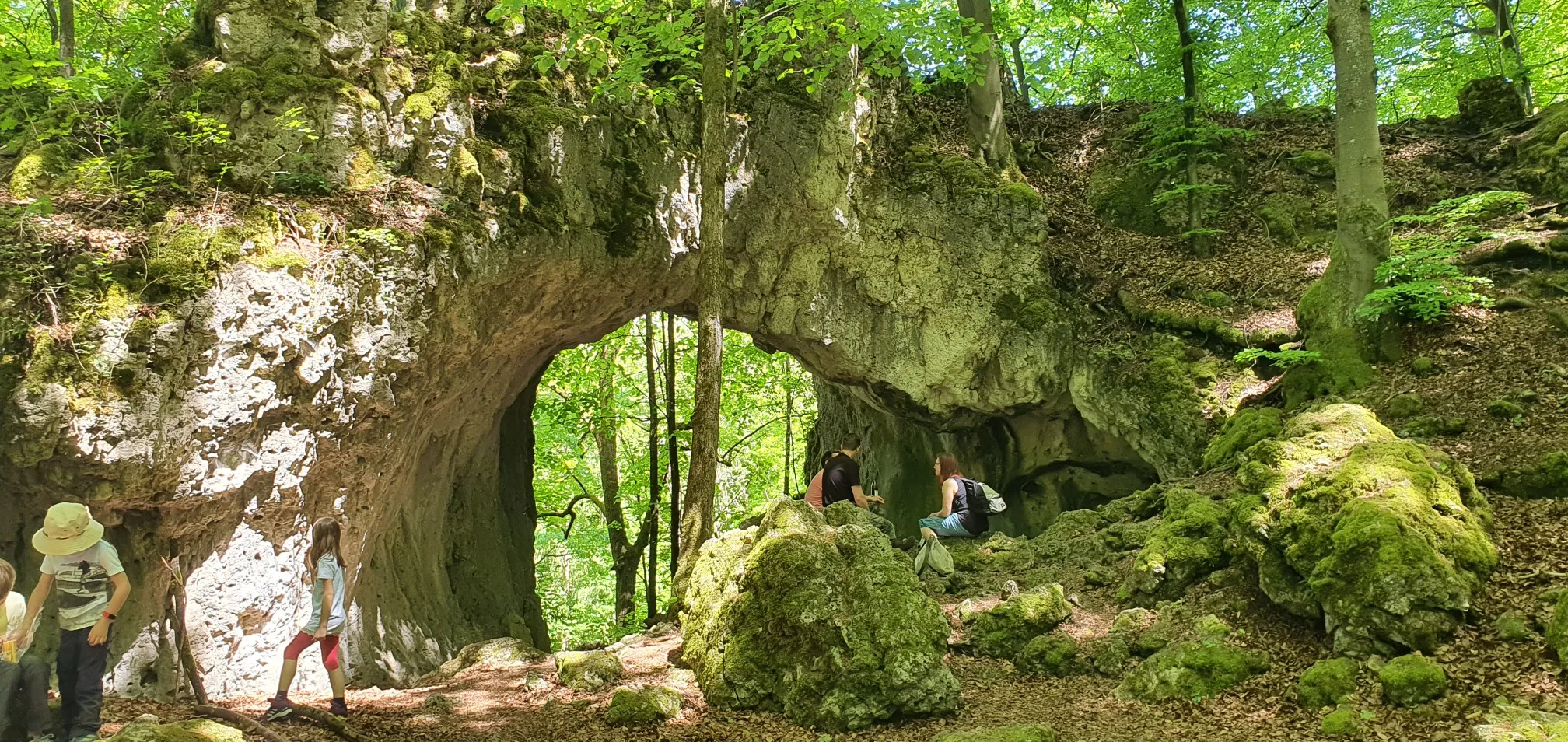
Catch the bus and train into nature – VGN Leisure Tips 2023
Wine, woods & walking trails — Best of VGN hiking tips
VGN Summer Challenge 2020 – hike with the VGN and win prizes
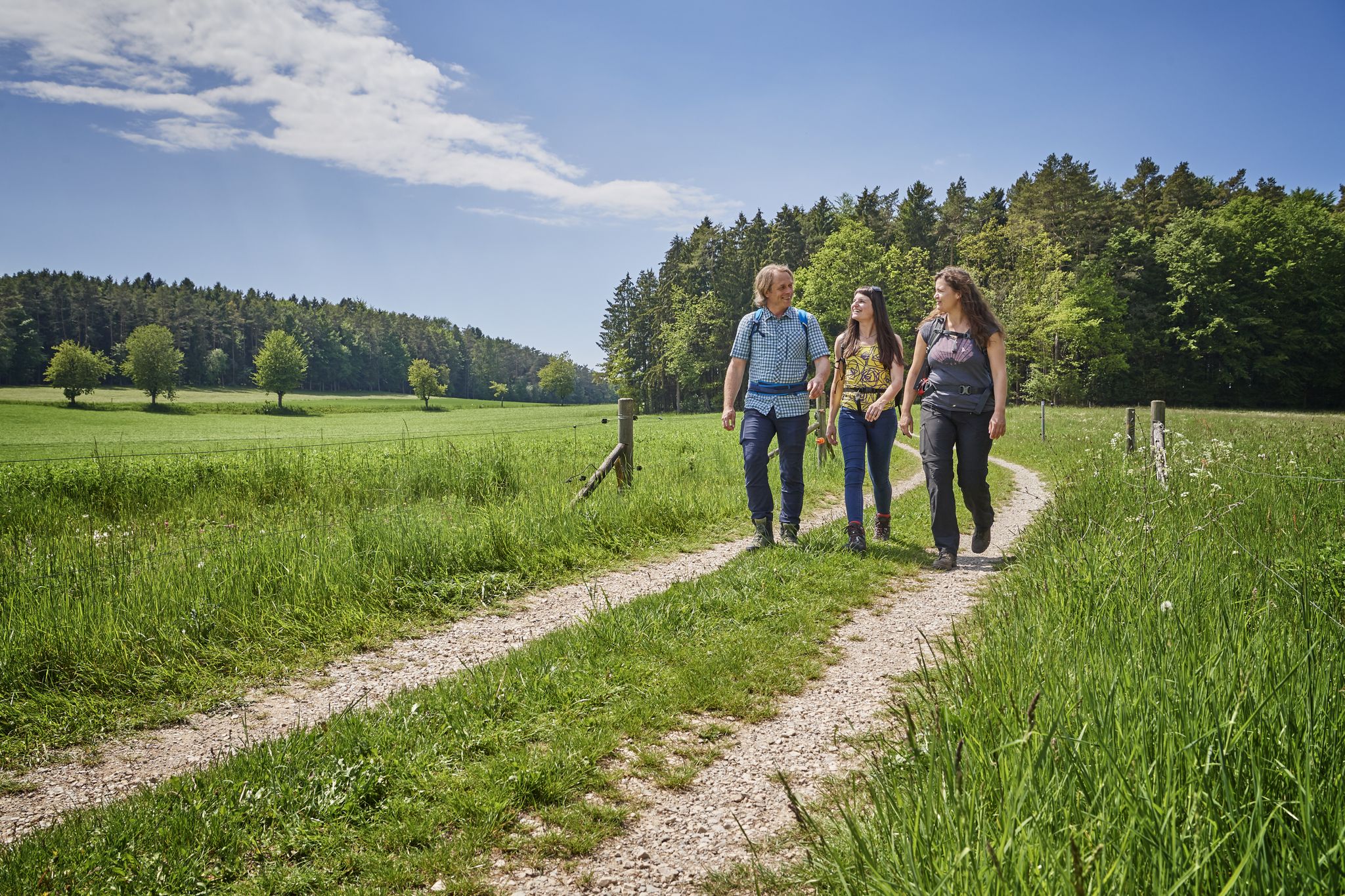
Hops, barley & beer — hiking with VGN leisure tips through Franconia
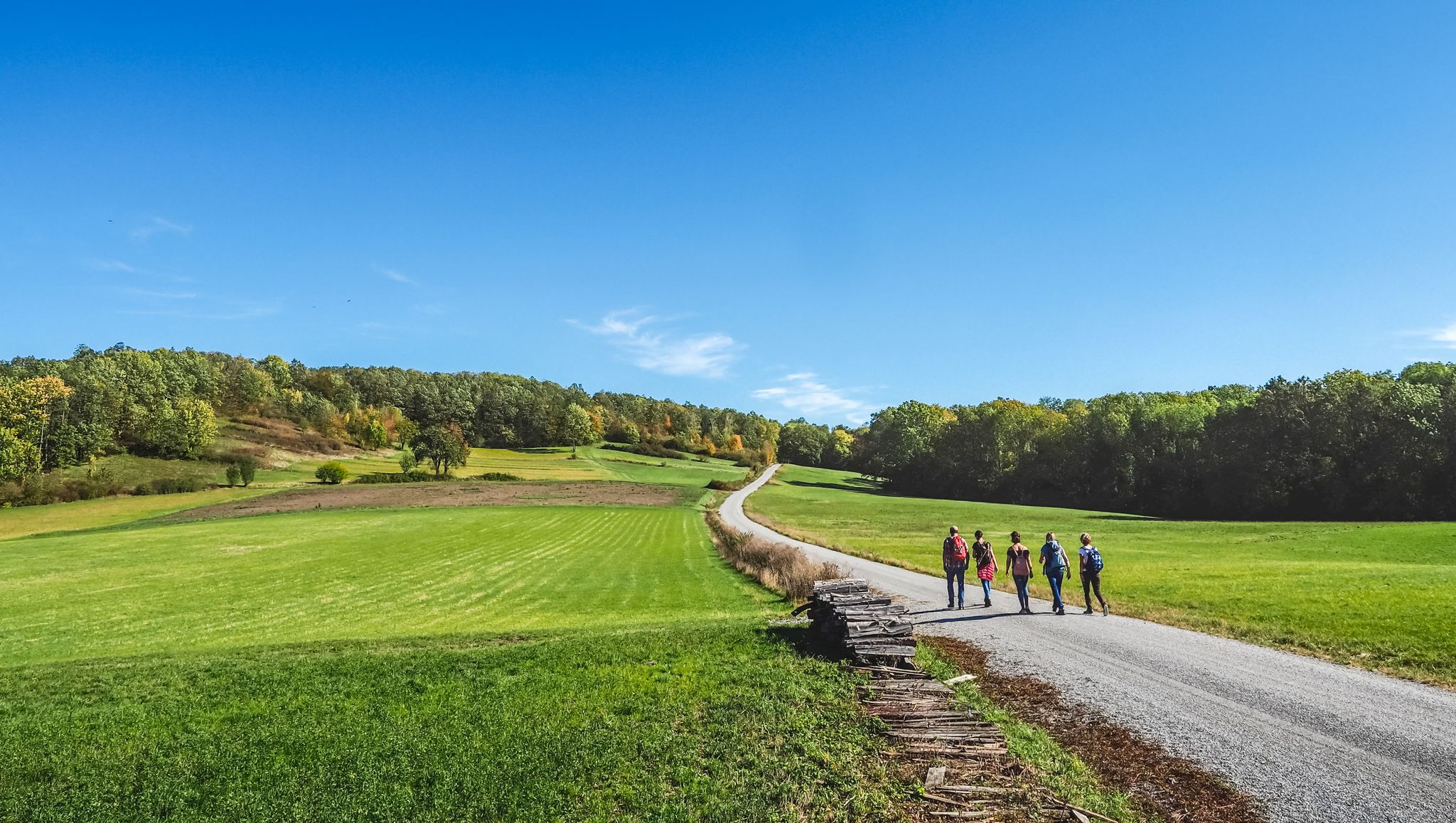
Wine, woods & walking trails — VGN hiking tips for 2020
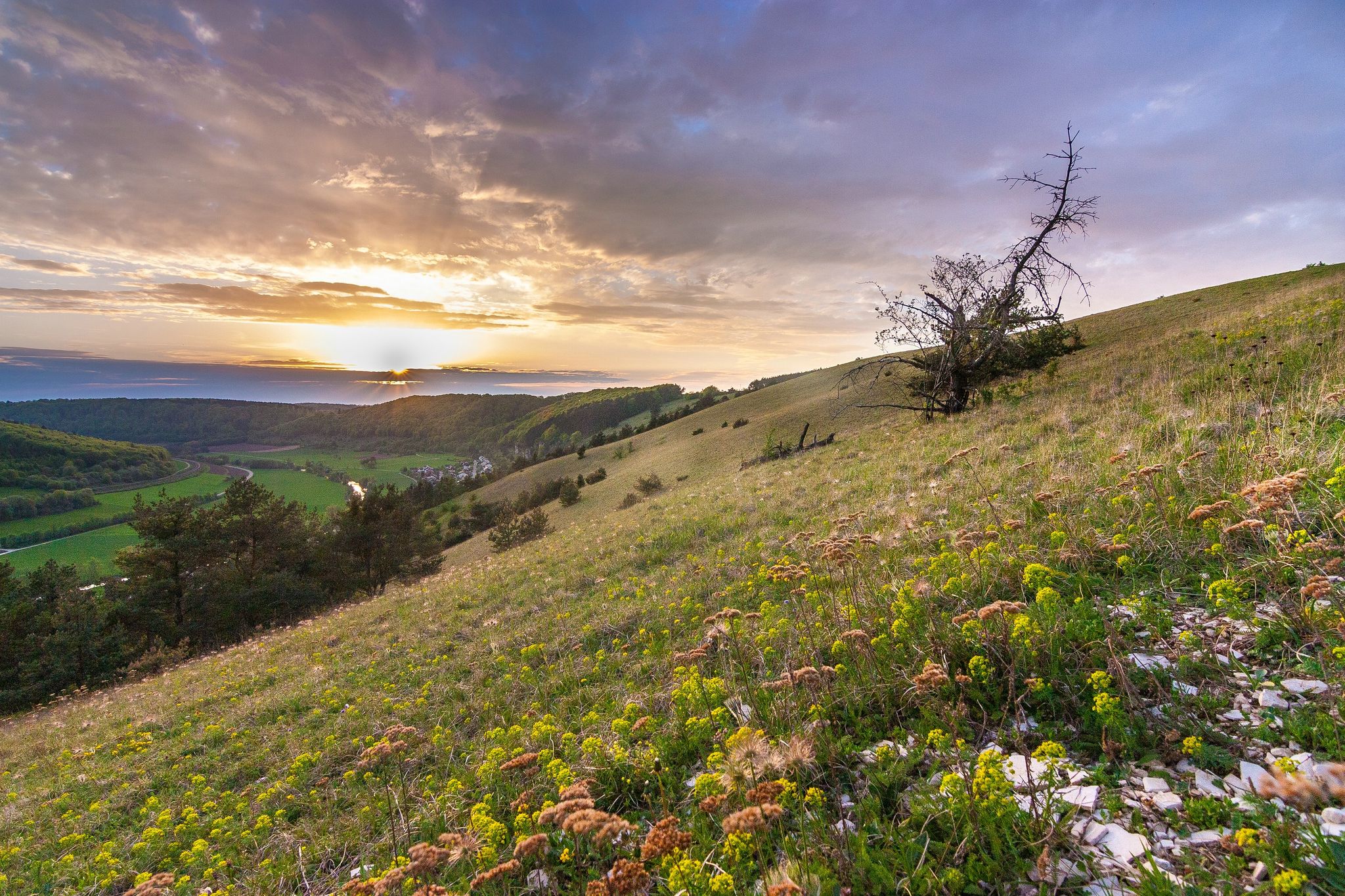
Looking for a small adventure? Your summer in the VGN
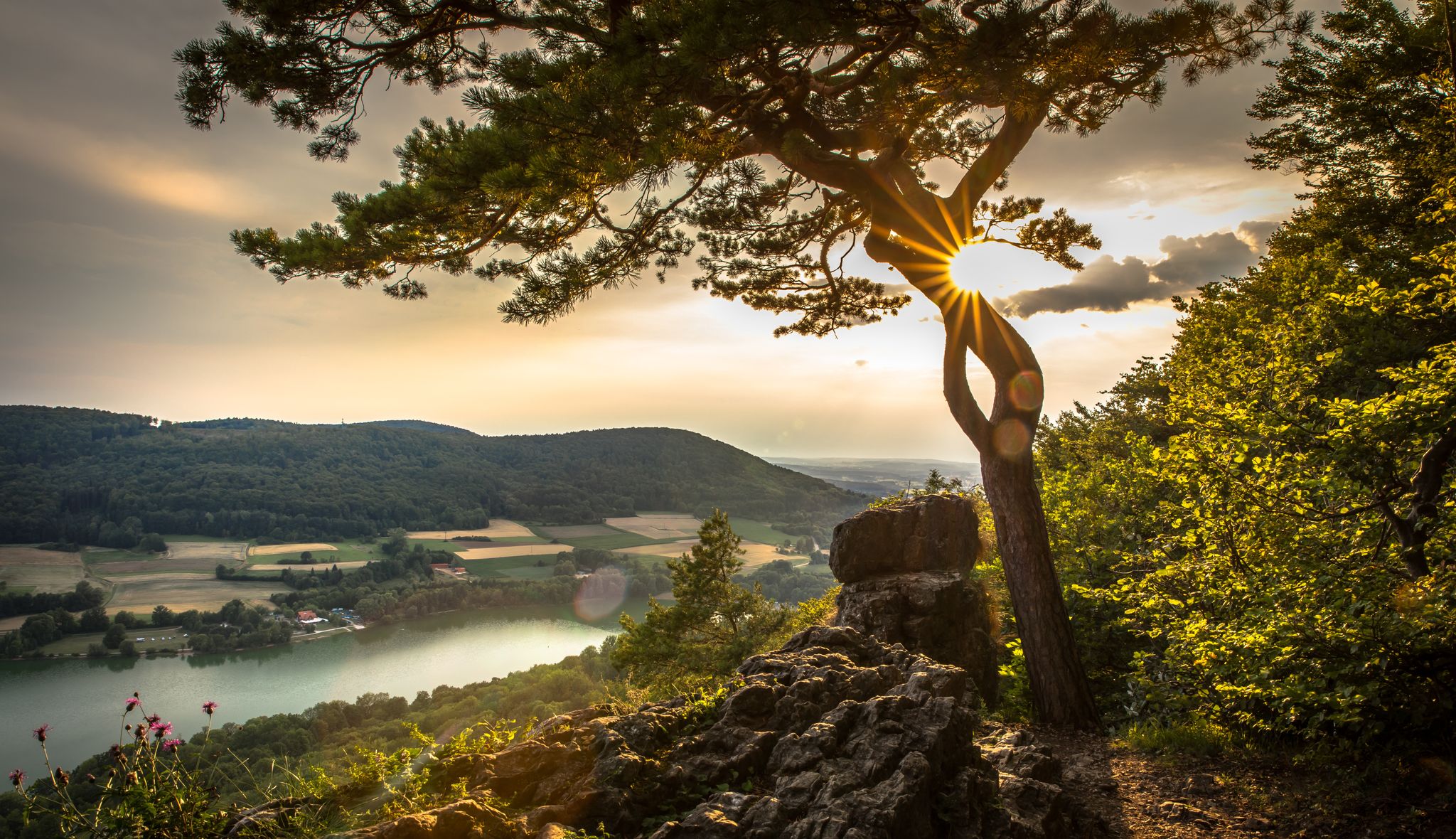
Start the adventure – your VGN summer train
Unforgettable panoramic views — the most beautiful long-distance hikes in Franconia
The most beautiful swimming lakes around Nuremberg
Other adventures around Spalt

Tips from the Community

The beer cellar can be easily overlooked, with no lamp zero visibility
1
0

Rooty trail above the gorge with two or three tricky sections;
0
0

The summer cellar (building permit issued in 1862) served for the year-round storage of beer, which was an important foodstuff for travelers on the Nuremberg-Ulm trade route. Therefore, B. had two inns and a horse-changing station. Today, guided tours of the restored rock-cut cellars are offered.
0
0


The former beer cellar is a bit off the path and can easily be overlooked.
0
0

Beer storage and bowling alley It was built in 1862 as a beer storage cellar by the innkeeper and brewer Leo Wolshofer with a habitable front building. Konrad Gundel bought it in 1883 and built a bowling alley to the east of the cellar in 1885. It was used until 1930. At that time, its function as a cold storage cellar with natural ice also ended. Towards the end of the Second World War, the cellar was a shelter for the population. From 1954 onwards, it gradually fell into disrepair. In 2001, the municipality of Kammerstein bought the ruins, including the cellar and the property.
1
0

very nice nature hiking highlight what beautiful nature
4
0

The beer cellar is slightly off hiking trail 2. The old beer cellar was carved out of natural sandstone. ⚠ If you want to visit it, you have to bow your head 😂
0
0
Frequently Asked Questions
What types of geological formations can I expect to see in the caves around Spalt?
The caves in the broader region around Spalt, particularly in Franconian Switzerland and the Altmühl Valley, are renowned for their diverse geological formations. You can expect to see impressive stalactites and stalagmites, sinter formations, and unique features like the "Giant Goliath" in Teufelshöhle or the extraordinary cup-shaped stalagmite in Schulerloch Karst Cave. Some caves, like Müllersloch Gorge and Waterfall, also feature natural monuments created by centuries of leaching.
Are there any caves with significant historical or archaeological importance near Spalt?
Yes, several caves in the vicinity offer a glimpse into history. The Schulerloch Karst Cave, for instance, was once inhabited by Neanderthals and sheltered Ice Age animals, with archaeological finds displayed nearby. The Luderloch Cave is a legendary place with historical significance, part of the Büchenbach legend hiking trail. Additionally, the Sommerkeller Barthelmesaurach is a historical beer storage cellar with a long history, also serving as a winter quarters for bats.
Which caves offer a more unique or intimate caving experience?
For a more intimate and atmospheric experience, consider the Osterhöhle near Trondorf. This cave provides visitors with flashlights for tours, emphasizing a darker, more natural exploration. Its walls and dripstones are often stained dark by high concentrations of manganese, adding to its unique character. The Sandstone Cave at Hörlberg also offers a unique perspective, having been previously used for storage.
What is the typical temperature inside the show caves in the region?
The show caves in the region, such as Teufelshöhle, Schulerloch Karst Cave, and Osterhöhle, maintain a constant temperature of approximately 9°C (48.2°F) year-round. This cool temperature makes them a refreshing escape in summer and a consistent environment in winter.
Are there family-friendly caves suitable for children near Spalt?
Many caves in the region are suitable for families. The show caves like Teufelshöhle and Schulerloch Karst Cave offer guided tours that are engaging for children, with features like reconstructed cave bear skeletons and modern projections. The Luderloch Cave is also listed as family-friendly and is part of a legend hiking trail, adding an element of storytelling to the visit.
Are any of the caves around Spalt accessible for visitors with mobility challenges or wheelchairs?
While many natural caves involve uneven terrain and stairs, the Schulerloch Karst Cave near Essing is noted for its easily passable path, which is covered with sand and electrically lit. However, it's always recommended to contact specific cave attractions directly for detailed accessibility information, especially regarding wheelchair access, as conditions can vary.
What is the best time of year to visit the caves around Spalt?
Caves maintain a constant cool temperature year-round, making them an excellent destination in any season. They offer a cool escape during hot summer months and a consistent, mild environment during colder winter periods. Some highlights like Müllersloch Gorge and Waterfall are also worth seeing in winter for potential ice formations.
What should I wear when visiting the caves in the Spalt region?
Given the constant temperature of around 9°C (48.2°F) inside most show caves, it's advisable to wear warm clothing, even in summer. A light jacket or sweater is recommended. Comfortable, sturdy shoes with good grip are also essential, as paths can sometimes be damp or uneven. For caves like Osterhöhle, where flashlights are provided, you might also consider wearing clothes that you don't mind getting a little dusty.
What outdoor activities can I do near these caves?
The region around Spalt offers numerous outdoor activities. You can find a variety of hiking trails, from easy walks to more challenging mountain hikes. For example, you can explore routes like the Massendorfer Gorge loop or the Galgenberg loop. Mountain biking is also popular, with trails such as the Great Brombach Lake loop. You can find more details on these activities in the Easy hikes around Spalt, Mountain Hikes around Spalt, and MTB Trails around Spalt guides.
Are there guided tours available for the caves?
Yes, guided tours are a common feature for many of the larger show caves. Teufelshöhle offers tours lasting about 45 minutes, while Schulerloch Karst Cave tours are typically 30 minutes. The Osterhöhle provides a unique experience with flashlight-guided tours. For the Sommerkeller Barthelmesaurach, guided tours of the restored rock-cut cellars are offered and must be agreed upon by phone.
What facilities are available near the caves, such as cafes or pubs?
Some cave locations offer facilities for visitors. For instance, the Osterhöhle has a managed hut with a beer garden at its entrance, providing refreshments. In the broader regions like Franconian Switzerland and the Altmühl Valley, you'll find various cafes, restaurants, and pubs in the towns and villages surrounding the cave attractions.
Most popular routes around Spalt
Most popular attractions around Spalt

Get inspired with the komoot mobile app


Explore more
Extend your search for the best caves by checking out these guides of the top ones around Spalt:
