Top 12 Caves around Rudolstadt
Best caves around Rudolstadt include both natural formations and historical man-made caverns. The region is characterized by its diverse landscape, including the Saale river valley and surrounding hills. Rudolstadt itself is known for its historical significance and proximity to geological features. This area offers insights into both natural cave development and historical mining activities.
Best caves around Rudolstadt
- The most popular caves is Devil's Bridge on the Gleitsch, a natural monument that serves as a hiking destination high above…
Last updated: August 5, 2026
Saalfeld Fairy Grottoes
Highlight • Cave
Translated by Google •
Tip by

Fourteen Pillars Cave
Highlight • Cave
Translated by Google •
Tip by

Sign up now to discover places like this
Get recommendations on the best single tracks, peaks, & plenty of other exciting outdoor places.
Sign up for free
Devil's Bridge on the Gleitsch
Highlight • Natural Monument
Translated by Google •
Tip by

Grill hut at Karsthöhle Dienstedt
Highlight • Mountain Hut
Translated by Google •
Tip by

Dienstedt Karst Cave
Highlight • Cave
Translated by Google •
Tip by

Sign up for free to discover even more caves around Rudolstadt.
Sign up for free
Already have an account?
Start today with a free account
Your next adventure awaits.
Login or Signup
Popular around Rudolstadt
Feengrotten Kyffhäuserweg – Hike Germany's trail
Thuringia CultureRoutes: hiking through history and nature
Long distance hiking trails in the Thuringian Forest
Durchatmen auf zwei Rädern – Mittagspausen in Thüringen
Das Rascheln der Blätter – Natur trifft Kultur zur Buchmesse
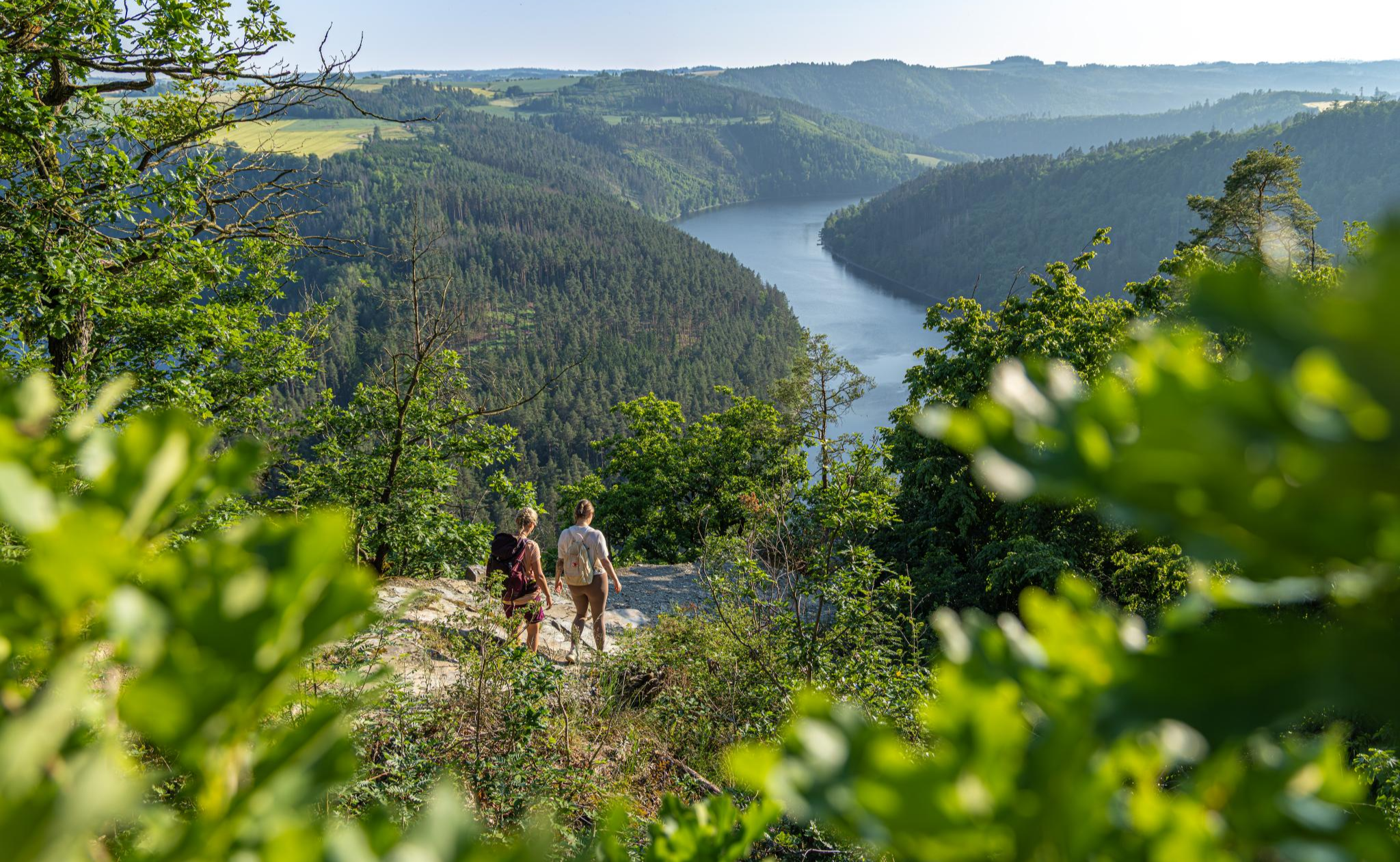
Wandern in Thüringen – unterwegs von A nach WOW
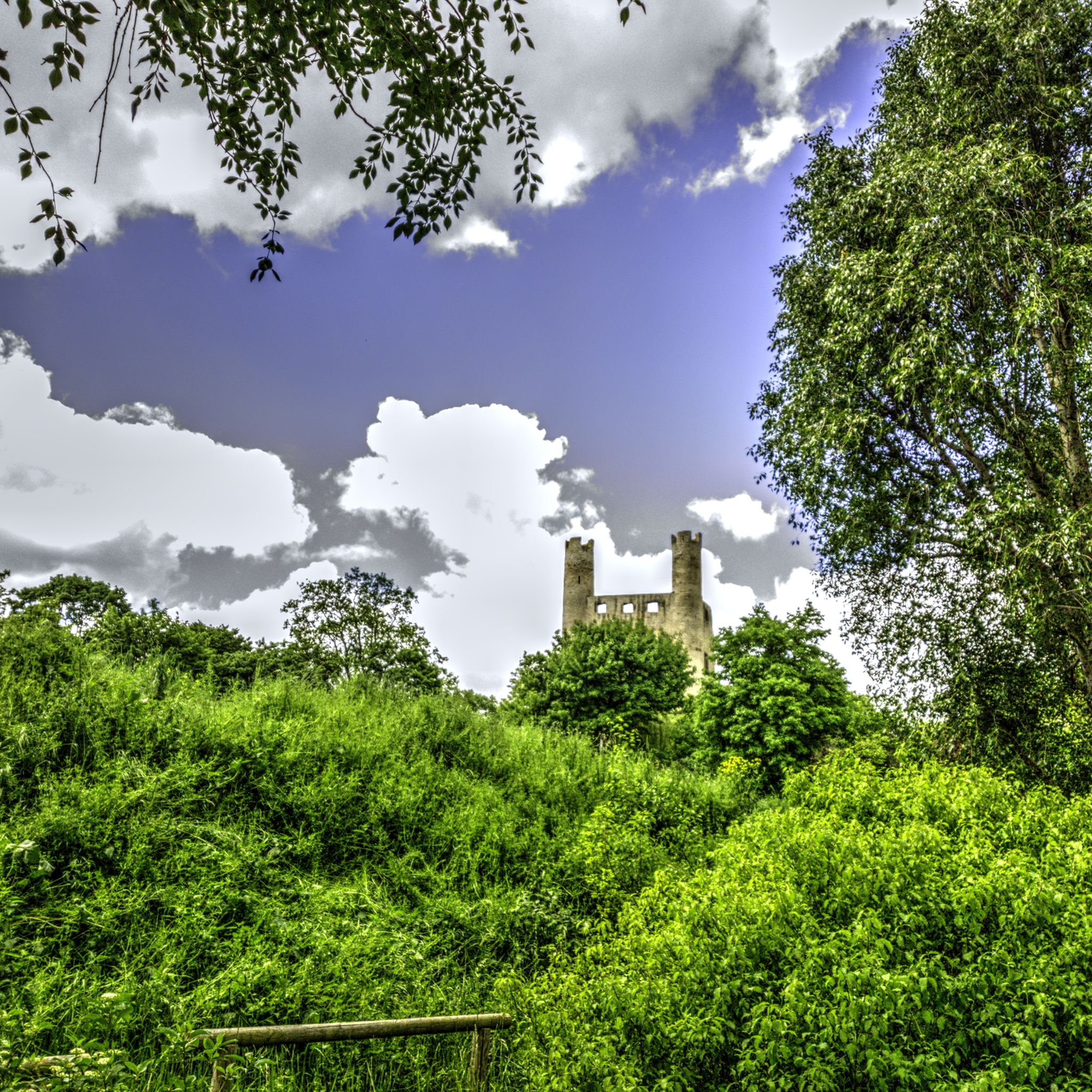
Hiking around Rudolstadt
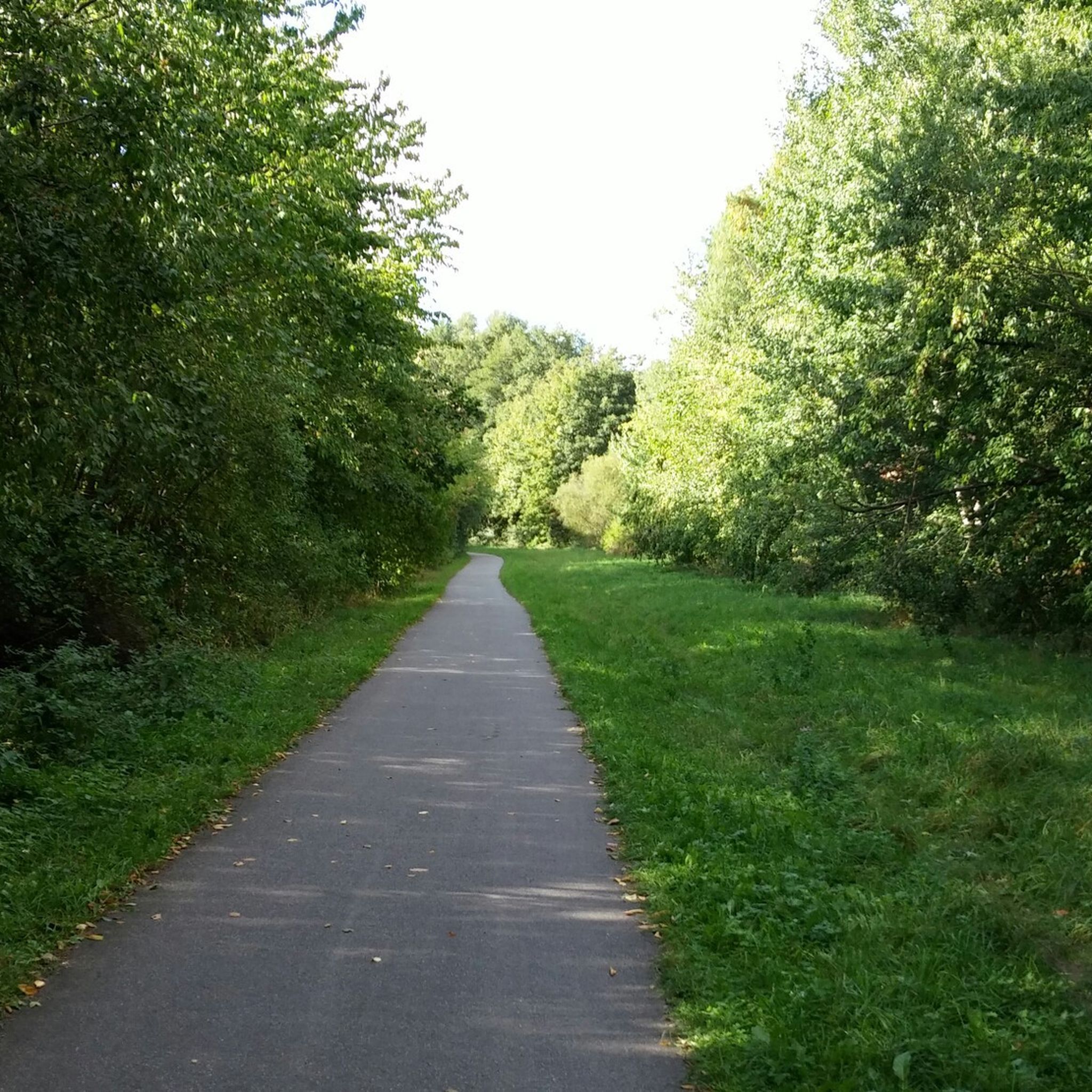
Cycling around Rudolstadt
Running Trails around Rudolstadt
MTB Trails around Rudolstadt
Other adventures around Rudolstadt


Tips from the Community

The cave is a chamber structure and houses 14 free-standing columns and 8 partially carved support columns and is about 160 square meters in size. In winter, bats, butterflies and moths hibernate in this cave.
3
0

Nice little cave, but you shouldn't be afraid of 🕷🕸 😬.
31
1

A really interesting cave. You have to walk a little bent over at the entrance, but you can stand up again in the cave. If you like caves, you should visit the Rothentaler Felsenhöhlen near Kahla. They are a little smaller, but still very worth seeing.
28
1

Because of these events, Felix Gebser and some other local friends began excavating stonewood between 1953 and 1955; Unfortunately unsuccessful. After further excavations on the Schenkhopfberg, a large cavity was found, but not the cave and the search was resignedly stopped. It was not until the spring of 1957 that another attempt was made. Felix Gebser, Lothar Großkunze, Reinhardt Erdmann, Rüdiger Pöttgen and a few young people were initially there. After the initial success was achieved again, the first two continued digging alone. This time, however, the entrance to the cave was found. After scratch marks left by cave bears were discovered on walls, a close collaboration was established with the Museum of Prehistory and Early History in Weimar. The initial enthusiasm was dampened when no archaeologically valuable finds could be made even at a depth of 20 meters. The two local researchers worked for months, alone in their free time and with the simplest tools, into the cave, which was filled almost to the ceiling with material.
14
2

Impressive, you have to see it if you are near here
2
1

We visited the cave because the border of the former principality of Schwarzburg Rudolstadt passes by it. There are still many beautiful landmarks to be found there.
8
1

Not easy to find, best to go there from above.
7
1

Interesting cave! Signage there very bad / not available. I wouldn't have gotten there without Komoot. I walked further up over the Schillerhöhe and arrived there after a while. Then everything back again because I didn't see any other way (back to the Riviera).
10
1
Frequently Asked Questions
What types of caves can I explore around Rudolstadt?
The region around Rudolstadt offers a mix of natural karst caves, former mining grottoes, and man-made historical caverns. You can find geological wonders like the Saalfeld Fairy Grottoes, historical sand mining sites such as the Fourteen Pillars Cave, and natural rock formations like the Devil's Bridge on the Gleitsch.
Are there any family-friendly caves in the Rudolstadt area?
Yes, the Saalfeld Fairy Grottoes are highly recommended for families. They are known for their colorful stalactites and offer special family tours. Additionally, the Grottoneum Adventure Museum provides interactive insights into nature, geology, and mining, making it an engaging experience for children.
What historical insights do the caves around Rudolstadt offer?
The caves provide a fascinating look into both natural history and human activity. The Saalfeld Fairy Grottoes are former alum slate mines, offering stories of their discovery and the region's mining past. The Fourteen Pillars Cave is a man-made cavern from sand extraction, showcasing local industrial history. The Dienstedt Karst Cave has archaeological significance, with findings of prehistoric human and animal remains.
What are the unique geological features of the Saalfeld Fairy Grottoes?
The Saalfeld Fairy Grottoes are renowned for their vibrant, colorful stalactites and stalagmites, earning them the title of 'the most colorful show grottoes in the world.' These formations are a result of mineral deposits in a former alum slate mine. The air inside is also recognized for its purity, being free of dust, allergens, pollen, and germs, and has been recognized as a 'state-recognized place with a healing gallery' since 2018.
Can I go hiking near the caves around Rudolstadt?
Absolutely. Many caves, including the man-made Column Caves in Rudolstadt, are integrated into scenic hiking routes, such as those exploring the Rudolstädter Riviera. For more hiking options, you can explore easy hikes around Rudolstadt, which include trails like the 'View of Heidecksburg – Schillerhöhe Memorial loop'.
Are there any cycling routes that pass by or near these caves?
Yes, the region offers various cycling opportunities. While not directly passing through caves, routes like those in the Cycling around Rudolstadt guide or Road Cycling Routes around Rudolstadt can take you through the beautiful landscapes surrounding these geological sites. For example, the 'Saale Cycle Path – Hohenwarte Dam loop' offers a scenic ride in the broader area.
What should I wear when visiting caves in the Rudolstadt area?
Caves typically maintain a cool, constant temperature regardless of the outside weather. For instance, the Dienstedt Karst Cave has an underground temperature of about 8°C. It's advisable to wear warm layers and comfortable, sturdy shoes with good grip, as surfaces can be damp or uneven.
Is it possible to visit caves in winter around Rudolstadt?
Show caves like the Saalfeld Fairy Grottoes often remain open during winter months, providing a unique experience when outdoor activities might be limited by weather. It's always best to check their official website for specific opening times and tour availability during the winter season.
How can I get to the Saalfeld Fairy Grottoes from Rudolstadt?
The Saalfeld Fairy Grottoes are located in Saalfeld, a short distance from Rudolstadt. While specific public transport details vary, local bus services or a short drive are common ways to reach them. Check local transport schedules for the most current information.
What makes the Fourteen Pillars Cave unique?
The Fourteen Pillars Cave is unique because it is a man-made cavern, not a natural formation. It resulted from the extraction of 'Stuben' and 'Scheuersand' (types of sand used for scrubbing) in the past century. The 'pillars' inside were intentionally left by the miners to support the ceiling, creating a distinctive and historically significant underground space.
Are there any viewpoints associated with the caves?
Yes, the Devil's Bridge on the Gleitsch is a natural monument that also serves as a hiking destination high above the valley. It offers excellent photo opportunities and wide views from the cliff, combining a cave-like formation with scenic vistas.
What is the 'healing gallery' aspect of the Saalfeld Fairy Grottoes?
The air within the Saalfeld Fairy Grottoes is recognized for its exceptional purity, being free of dust, allergens, pollen, and germs. This constant self-cleaning effect makes it beneficial for respiratory health, leading to its recognition as a 'state-recognized place with a healing gallery' since 2018.
Most popular routes around Rudolstadt
Most popular attractions around Rudolstadt

Get inspired with the komoot mobile app


Explore more
Extend your search for the best caves by checking out these guides of the top ones around Rudolstadt:
