Top 4 Caves around Marktheidenfeld
Best caves around Marktheidenfeld are found in the Main-Spessart district, a region characterized by its forested hills and river valleys. The area offers a variety of natural features, including several notable cave systems. These geological formations provide insights into the natural landscape and local history. Marktheidenfeld serves as a central point for exploring these underground attractions.
Best caves around Marktheidenfeld
- The most popular caves is Schächerloch Cave, a cave that is a few meters downhill and can be slippery.…
Last updated: July 9, 2026
Schächerloch Cave
Highlight • Cave
Translated by Google •
Tip by

Heidenloch Cave and Devil's Rock
Highlight • Cave
Translated by Google •
Tip by

Sign up now to discover places like this
Get recommendations on the best single tracks, peaks, & plenty of other exciting outdoor places.
Sign up for free
Marian Grotto in the Spessart
Highlight • Cave
Translated by Google •
Tip by

Burkardus Crypt and Stalactite Cave
Highlight • Cave
[tourismus-triefenstein.de]
Translated by Google •
Tip by

Start today with a free account
Your next adventure awaits.
Login or Signup
Popular around Marktheidenfeld
Germany's Main-Tauber-Franconian Radachter – two loops, one experience
The National Natural Landscapes in Bavaria
Europäische Kulturwege in Marktheidenfeld
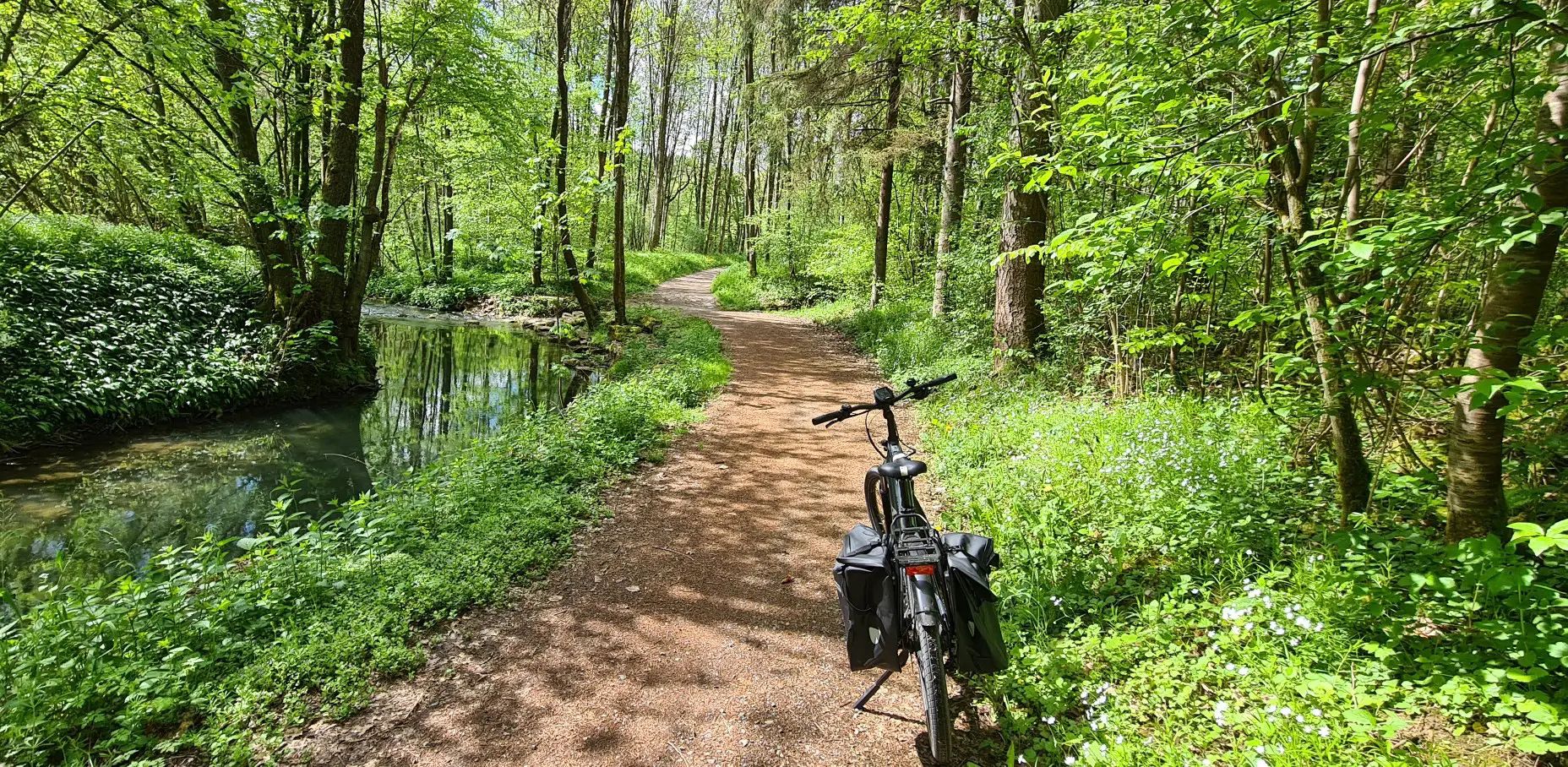
Cycling around Marktheidenfeld
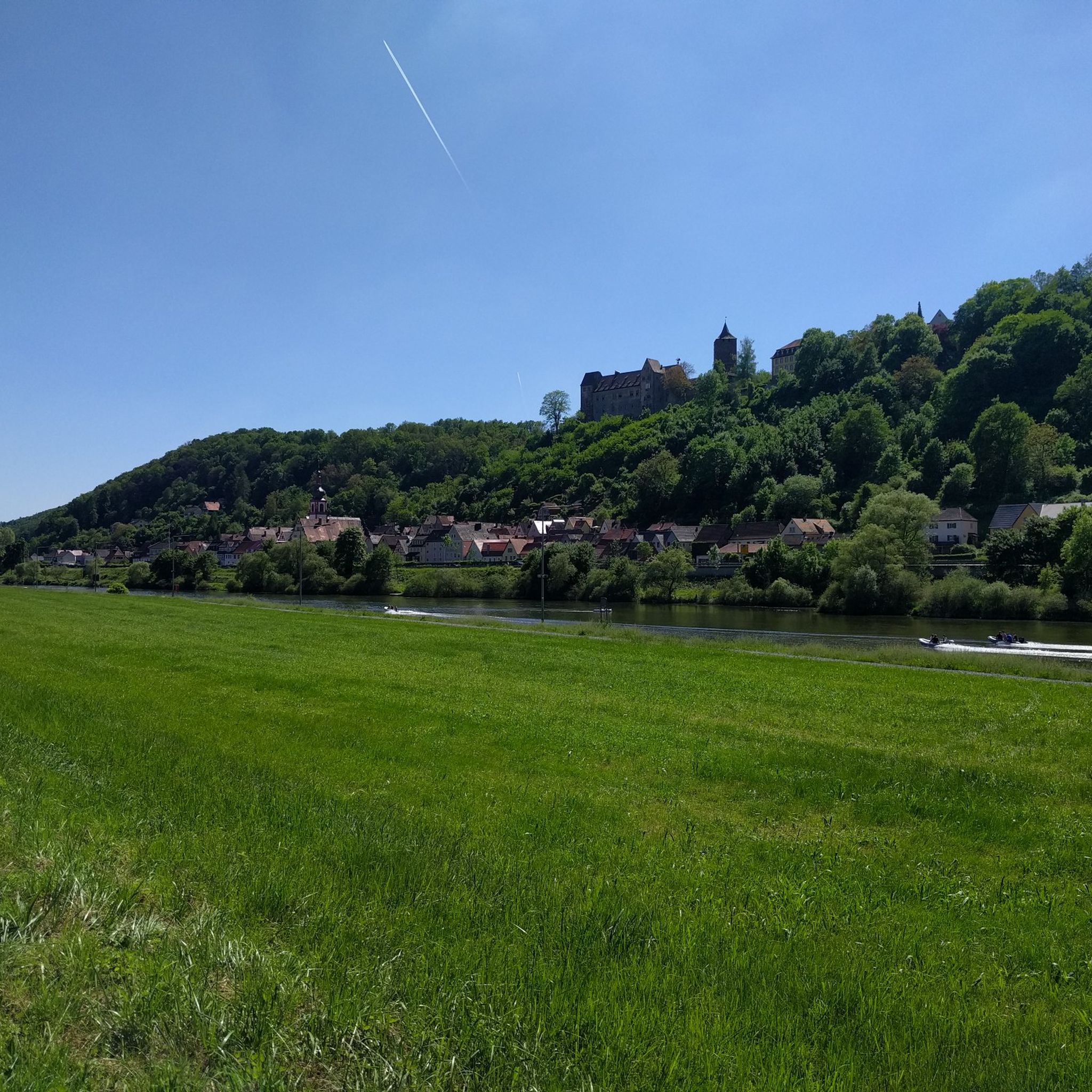
Hiking around Marktheidenfeld
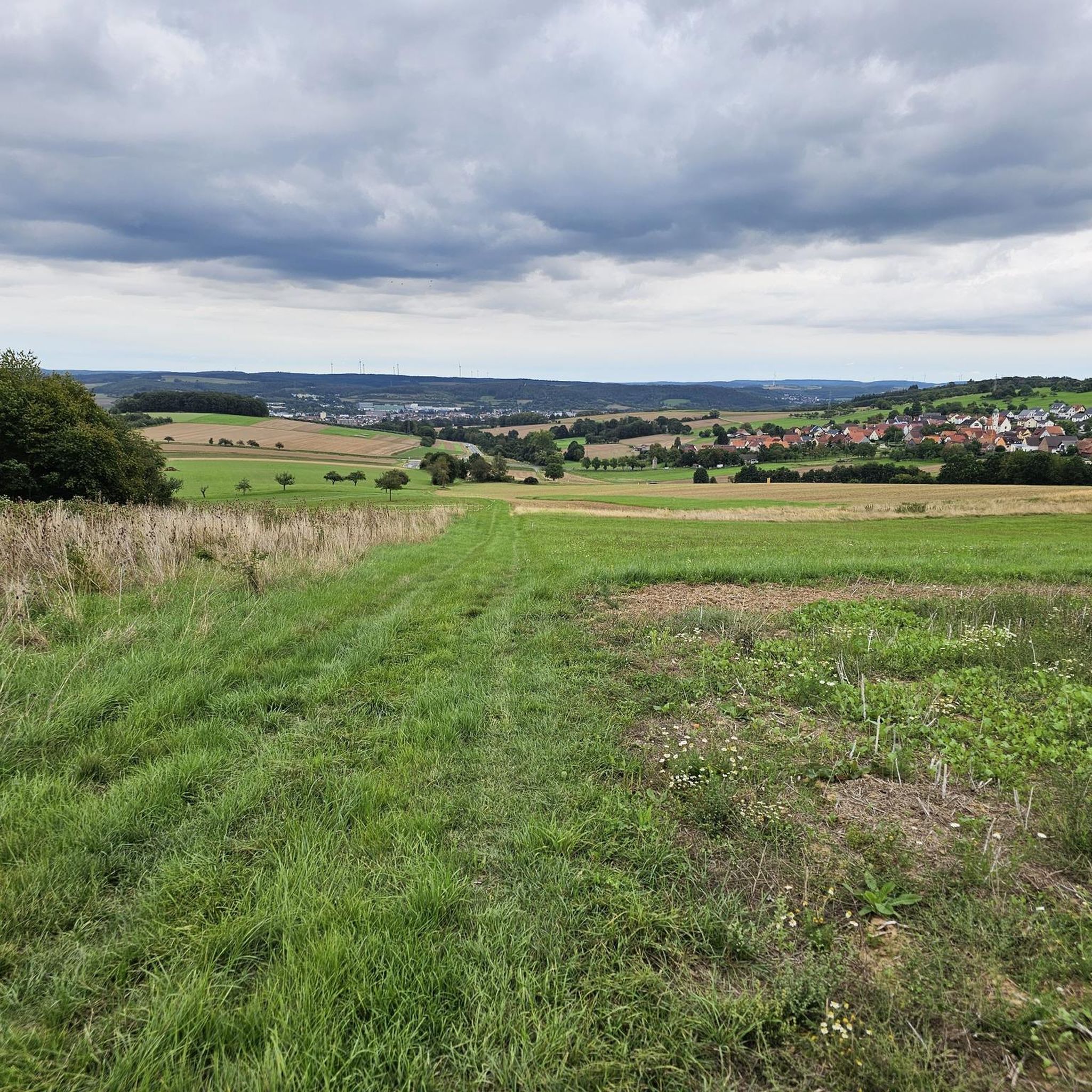
MTB Trails around Marktheidenfeld
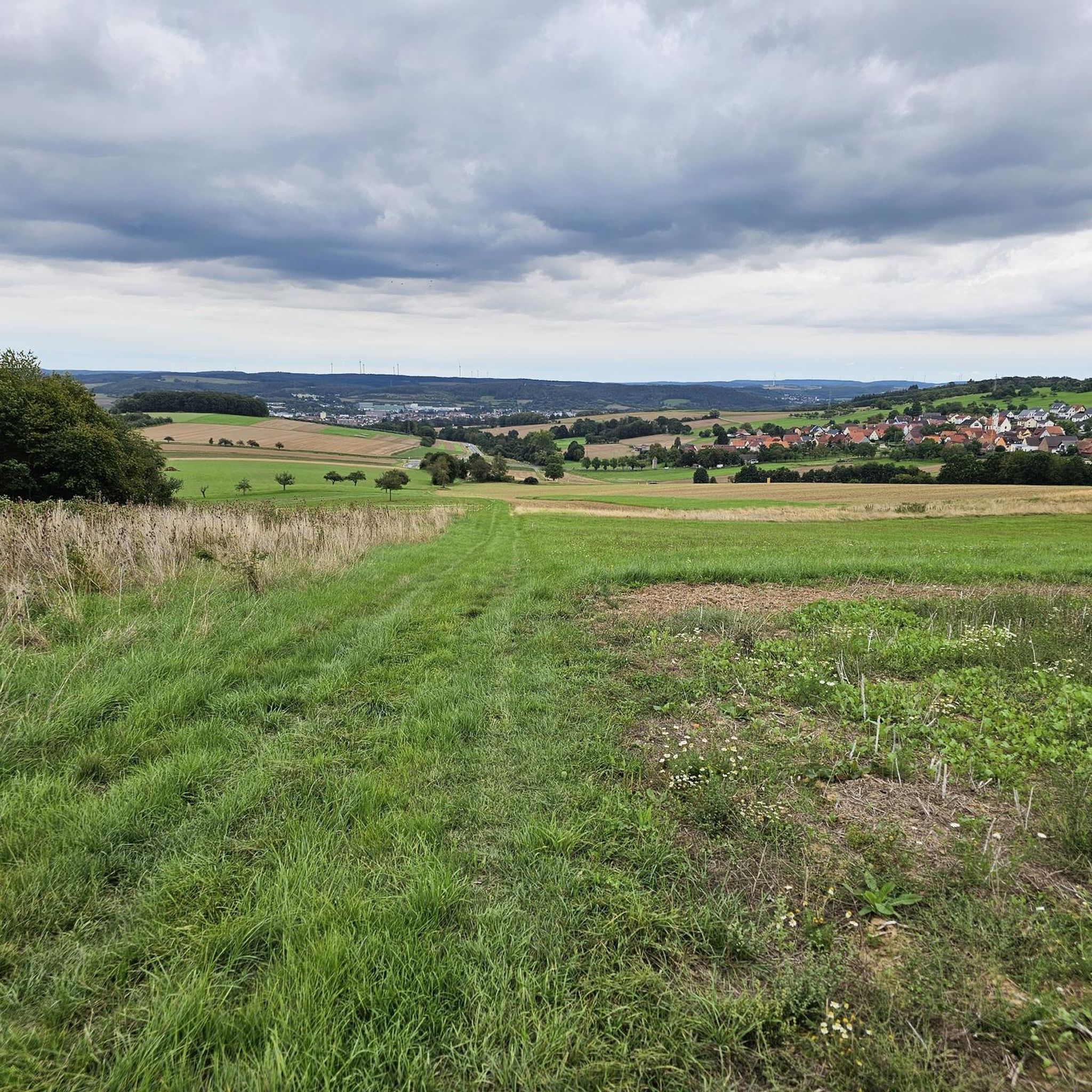
Road Cycling Routes around Marktheidenfeld
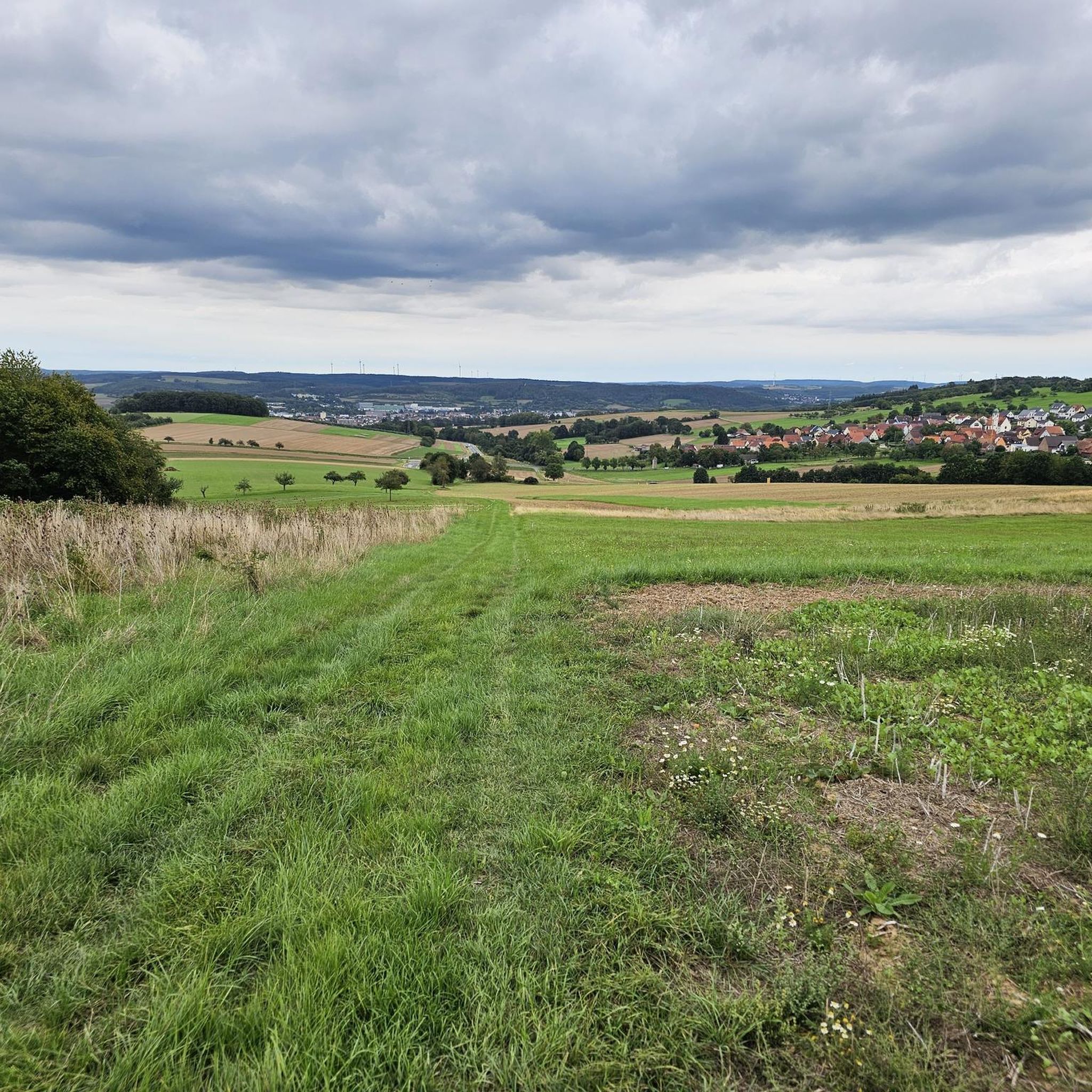
Running Trails around Marktheidenfeld
Gravel biking around Marktheidenfeld
Other adventures around Marktheidenfeld


Tips from the Community


It looks more like the entrance to "hell".
2
0

The grotto is somewhat hidden off the path, but the detour is definitely worth it.
0
0

Such places offer unique opportunities to take stunning photographs or to be creative, be it through painting, writing or other artistic expressions.
1
0

The Schächerloch (Rogue's Hole) The name of this natural crevice cave comes from "Schächer," an old term for "robber" or "murderer." It is a natural monument and belongs to the municipality of Esselbach. The entrance leads about four meters into the cave. Passages continue to the left and right, but these are now mostly filled in. According to old accounts, there used to be a large, domed chamber and a watercourse in the cave after about 70 meters. Caves made of red sandstone are rare and exert a special attraction. This is also evidenced by a vast cycle of legends surrounding the Schächerloch. The folklorist Barbara Grimm once counted 105 legends. For example, Emperor Charles IV is said to have been hidden here on his journey to Canossa, and during the Thirty Years' War, the rest of the Steinmark population is said to have survived here, while a Swedish horseman is said to have perished here (hence the name "Schwedenloch" - "Swedish Hole"). The Schächerloch (Rogue's Hole) is known as a place of treasure hunts with disastrous outcomes and as the abode of monsters, stalkers, and giants. Furthermore, a mountain spirit is said to dwell here with a yew tree and a gray bird. Using a twig from this yew as a divining rod, one can supposedly find all the treasures of the world. This extraordinary array of stories could also indicate that the Schächerloch was once a cult site. Stone axe finds certainly point to a prehistoric significance. Source: Information panel at the site
2
0


It's slippery down into the depths of the Spessart forest here... Be careful at the leafy drop-off... it's quite fluffy.
8
0

In the year 753, St. Burkardus, founder and first bishop of the diocese of Würzburg, died in this stalactite cave.
1
0
Frequently Asked Questions
What types of caves can I explore around Marktheidenfeld?
Around Marktheidenfeld, you can find a mix of natural caves, historical cave sites, and religious grottoes. These include natural formations like Schächerloch Cave, historical sites such as Heidenloch Cave and Devil's Rock, and contemplative spots like the Marian Grotto in the Spessart.
Are there any historical caves near Marktheidenfeld?
Yes, several caves in the area have historical significance. Schächerloch Cave is considered a historical site and natural monument. The Heidenloch Cave and Devil's Rock is also a natural monument with local legends and historical importance, though the cave itself has been closed to the public since 1981. Additionally, the Burkardus Crypt and Stalactite Cave is a historical site with religious significance.
What are some of the most popular caves in the wider region of Franconia and Bavaria?
While Marktheidenfeld itself doesn't host large show caves, the broader Franconian and Bavarian regions offer impressive options. Notable caves include Teufelshöhle (Devil's Cave) near Pottenstein, known for its dripstone formations; Sophienhöhle Cave near Rabenstein, featuring fantastic stalactites; König-Otto-Tropfsteinhöhle Cave, another beautiful dripstone cave; and Großes Schulerloch in the Altmühltal Nature Park, which served as a dwelling for Neanderthals.
Are the caves around Marktheidenfeld suitable for families?
The caves around Marktheidenfeld offer varying experiences. The Marian Grotto in the Spessart is a small, easily accessible grotto that can be a peaceful stop for families. Schächerloch Cave involves a short downhill path that can be slippery, so caution is advised with younger children. The Heidenloch Cave is closed to the public, but its surrounding area and legends might interest older children.
What should I know about visiting <a href="https://www.komoot.com/highlight/761571" target="_blank" rel="noopener">Schächerloch Cave</a>?
Schächerloch Cave is a natural monument and historical site. Be aware that the path leading a few meters downhill to the cave can be slippery, especially due to leaves. Visitors have noted that while the cave itself is interesting, there might not be a sign explaining its legend on site.
Can I visit the <a href="https://www.komoot.com/highlight/2928028" target="_blank" rel="noopener">Heidenloch Cave</a>?
The Heidenloch Cave has been closed to the public since 1981 due to a fatal accident. However, the area around it, including the Devil's Rock, is still accessible and holds local legends that can be explored.
What outdoor activities can I combine with a visit to the caves?
The Marktheidenfeld region offers various outdoor activities. You can find numerous cycling routes, including options for touring bicycles and gravel biking. There are also easy hiking trails available. For more details on routes, you can explore the Cycling around Marktheidenfeld guide, the Gravel biking around Marktheidenfeld guide, or the Easy hikes around Marktheidenfeld guide.
What is special about the <a href="https://www.komoot.com/highlight/2942793" target="_blank" rel="noopener">Marian Grotto in the Spessart</a>?
The Marian Grotto in the Spessart is a small, contemplative resting place located off the main trail in a small quarry. It features a beautiful grotto with a seat and a red sandstone idyll, offering a peaceful spot for reflection.
What is the significance of the <a href="https://www.komoot.com/highlight/6960350" target="_blank" rel="noopener">Burkardus Crypt and Stalactite Cave</a>?
The Burkardus Crypt and Stalactite Cave is a historical and religious site. According to legend, Saint Burkardus, the first bishop of Würzburg, once hid in this crypt. It is now a place of pilgrimage.
What do visitors enjoy most about the caves around Marktheidenfeld?
Visitors appreciate the mix of natural exploration and cultural interest offered by the caves. The unique geological features, combined with the historical and legendary aspects of sites like Schächerloch Cave and Heidenloch Cave, are often highlighted. The peaceful atmosphere of places like the Marian Grotto is also a draw.
Are there any caves in the region known for impressive geological formations?
Yes, in the wider Franconian and Bavarian region, you can find caves with stunning geological features. Teufelshöhle (Devil's Cave) near Pottenstein is renowned as one of Germany's most beautiful dripstone caves, featuring impressive stalagmites and stalactites. Sophienhöhle Cave also boasts fantastic stalactites, including the notable 'Elephant's Ear' and 'Millionaire' formations.
Is there parking available near the caves around Marktheidenfeld?
Specific parking information varies for each cave. Generally, for natural sites like Schächerloch Cave or the Marian Grotto, you would typically park at the nearest trailheads or designated parking areas for hiking routes in the Main-Spessart district. For more developed sites like the Burkardus Crypt, visitor parking is usually available nearby.
Most popular routes around Marktheidenfeld
Most popular attractions around Marktheidenfeld

Get inspired with the komoot mobile app


Explore more
Extend your search for the best caves by checking out these guides of the top ones around Marktheidenfeld:
