Top 14 Caves around Nagold
Best caves around Nagold are located in a region characterized by diverse natural features and historical significance. Nagold is situated near the Swabian Alb, an area renowned for its impressive karst landscapes and numerous underground formations. The surrounding terrain offers a variety of caves, from natural rock shelters to historical sites, providing opportunities for exploration.
Best caves around Nagold
- The most popular caves is Former Beer Cellar of the Sonnenwirt (Eutinger Valley), a cave that was carved into shell…
Last updated: May 29, 2026
View of the Teinach Valley from Beilfelsen
Highlight • Viewpoint
Translated by Google •
Tip by

Knaussen Cave
Highlight • Cave
Translated by Google •
Tip by

Sign up now to discover places like this
Get recommendations on the best single tracks, peaks, & plenty of other exciting outdoor places.
Sign up for free
Former Beer Cellar of the Sonnenwirt (Eutinger Valley)
Highlight • Cave
the starting point is the sports center at the sports field in Eutingen im Gäu
the information signs are very informative
Translated by Google •
Tip by

Cave below Beilfelsen
Highlight • Cave
Translated by Google •
Tip by

Knauss Cave in Rommel Valley
Highlight • Cave
Translated by Google •
Tip by

Sign up for free to discover even more caves around Nagold.
Sign up for free
Already have an account?
Start today with a free account
Your next adventure awaits.
Login or Signup
Popular around Nagold
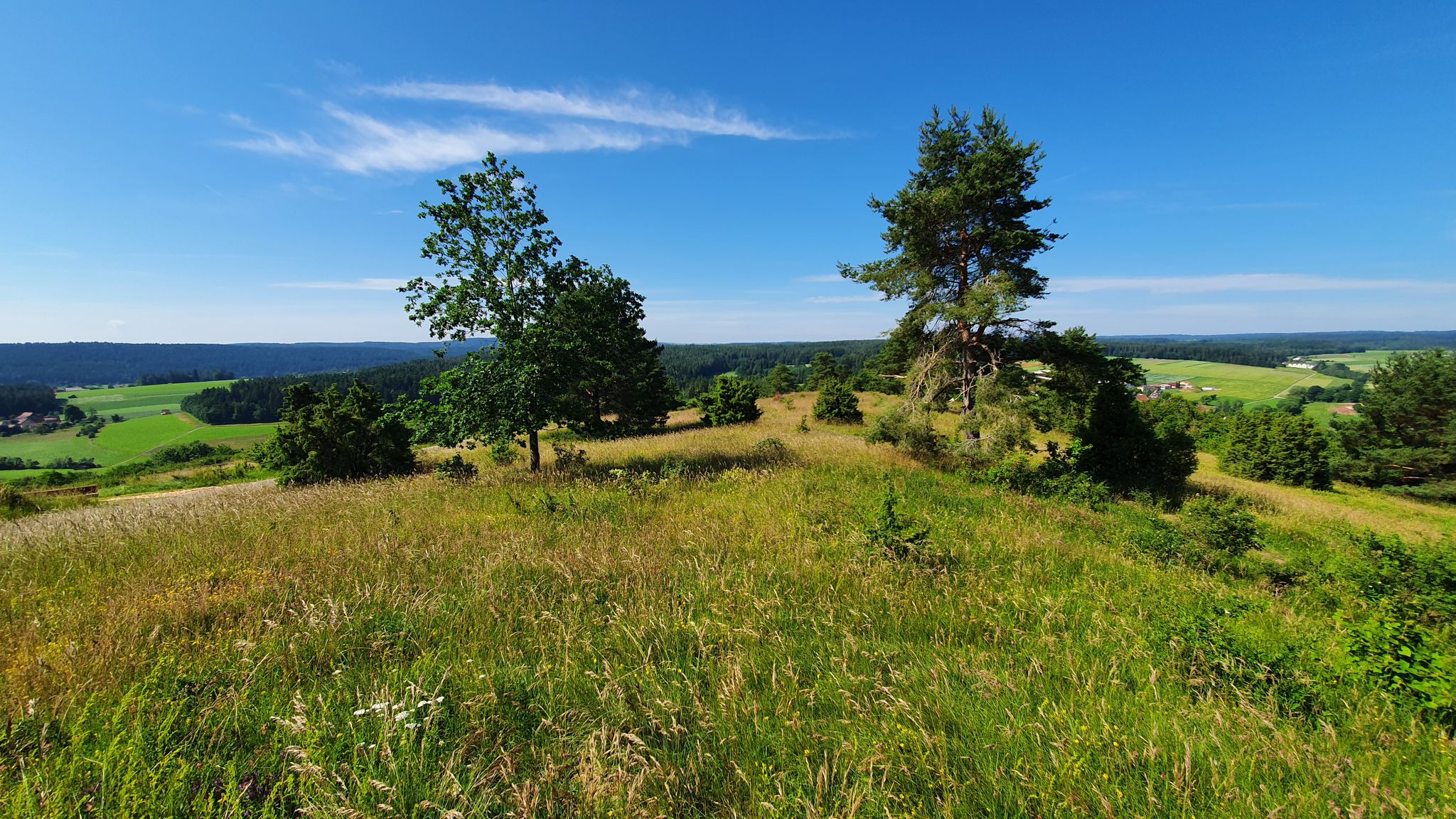
Germany's Gäurandweg – A ramble through the countryside
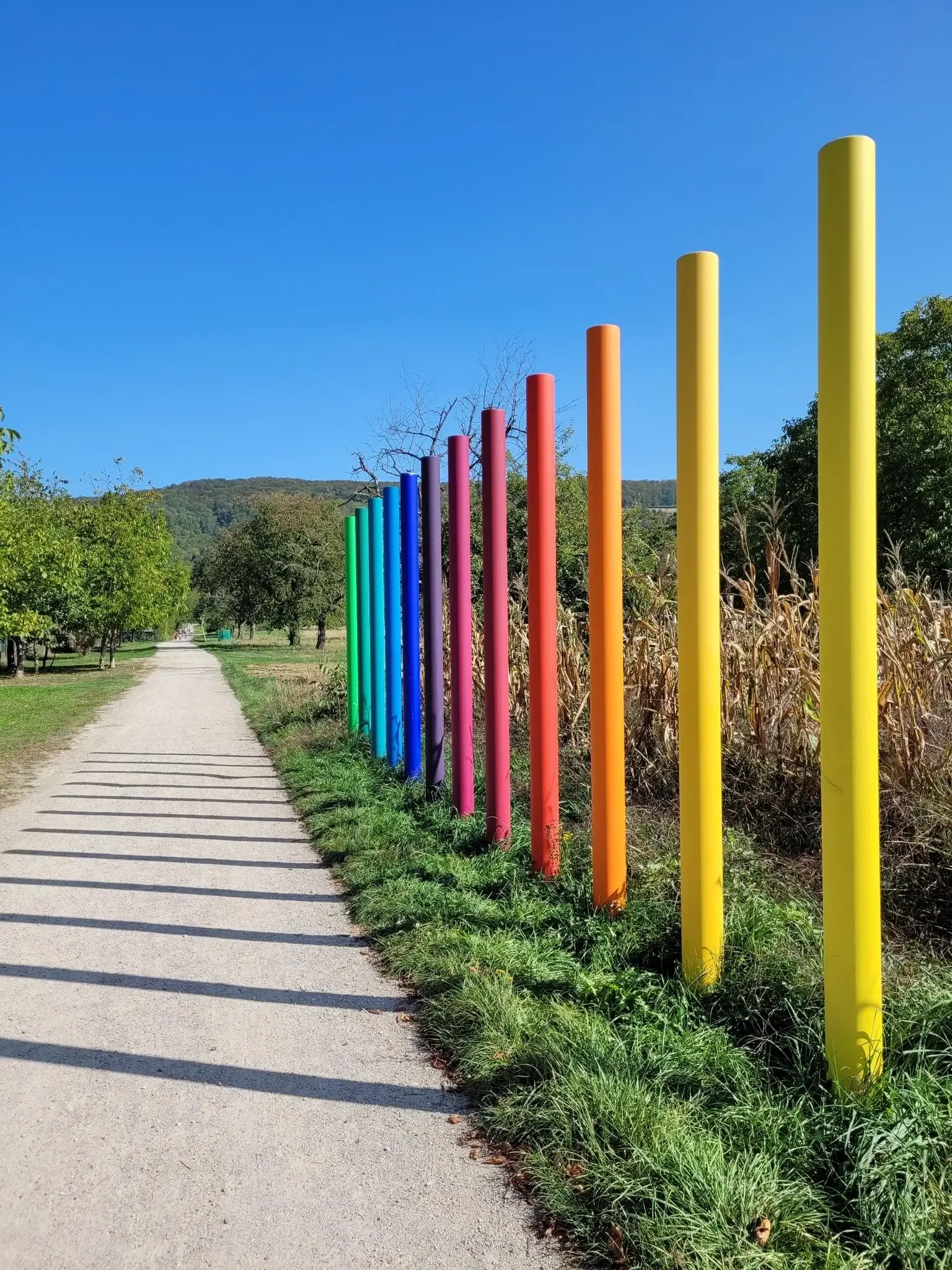
Outdoor Art – art trails in the Black Forest

Gentle cycling & fine dining – the Black Forest for connoisseurs
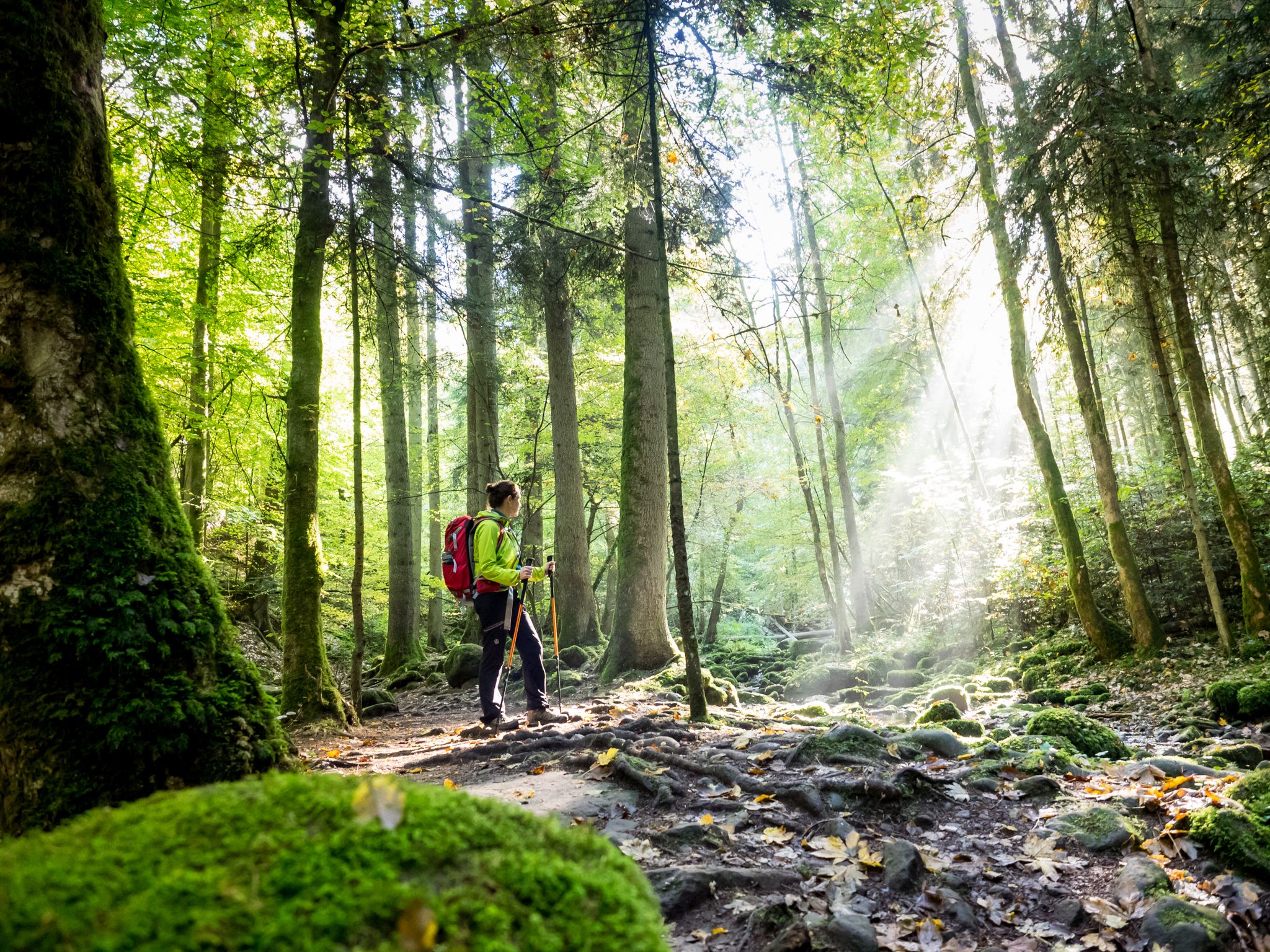
Far from the hustle and bustle – Hidden Trails in the Black Forest
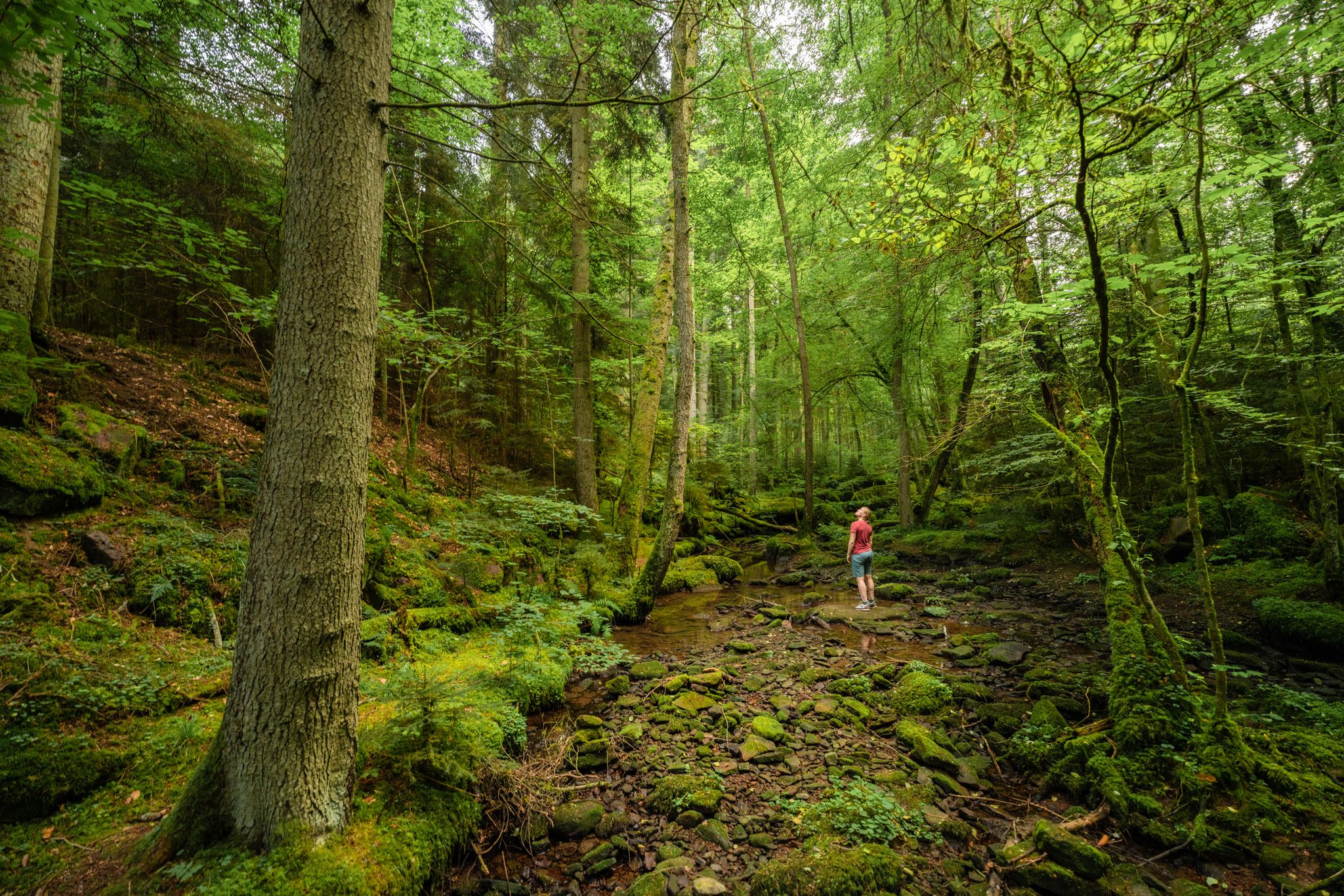
Superb adventures – the best hiking Tours in the Northern Black Forest
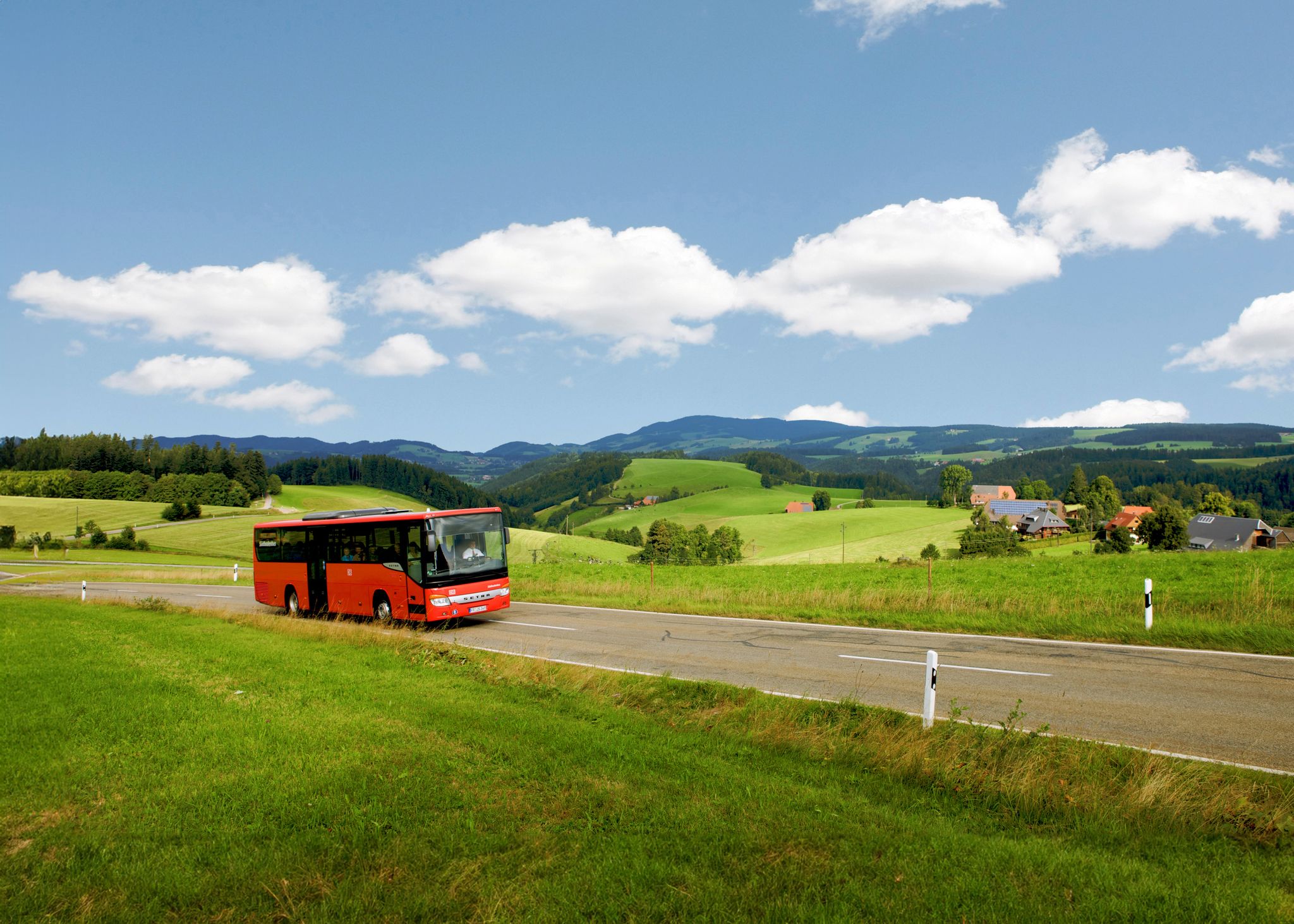
Sustainable travel – hikes that you can enjoy without a car
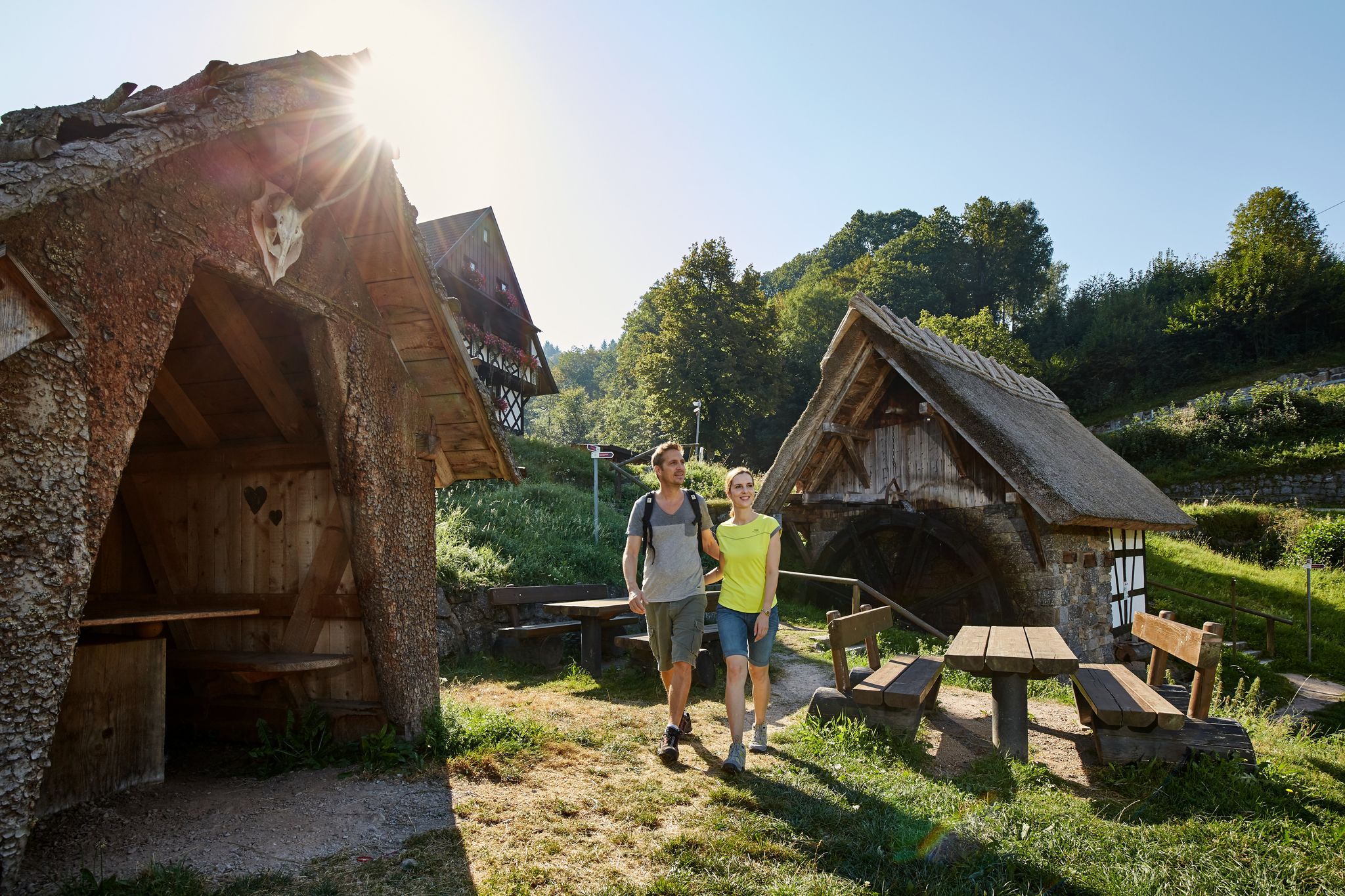
The best in the south: premium and quality hikes in Baden-Württemberg
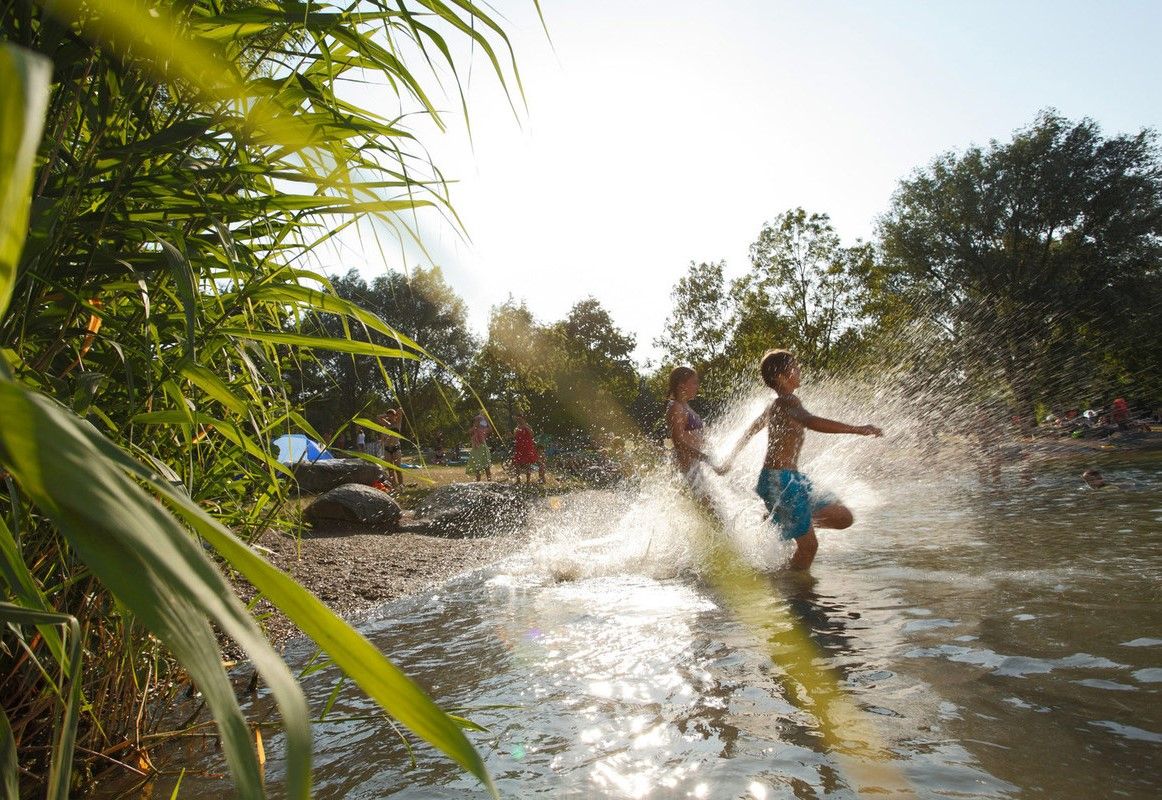
Refreshing summer hikes in Baden Wuerttemberg – bathing fun for the whole family
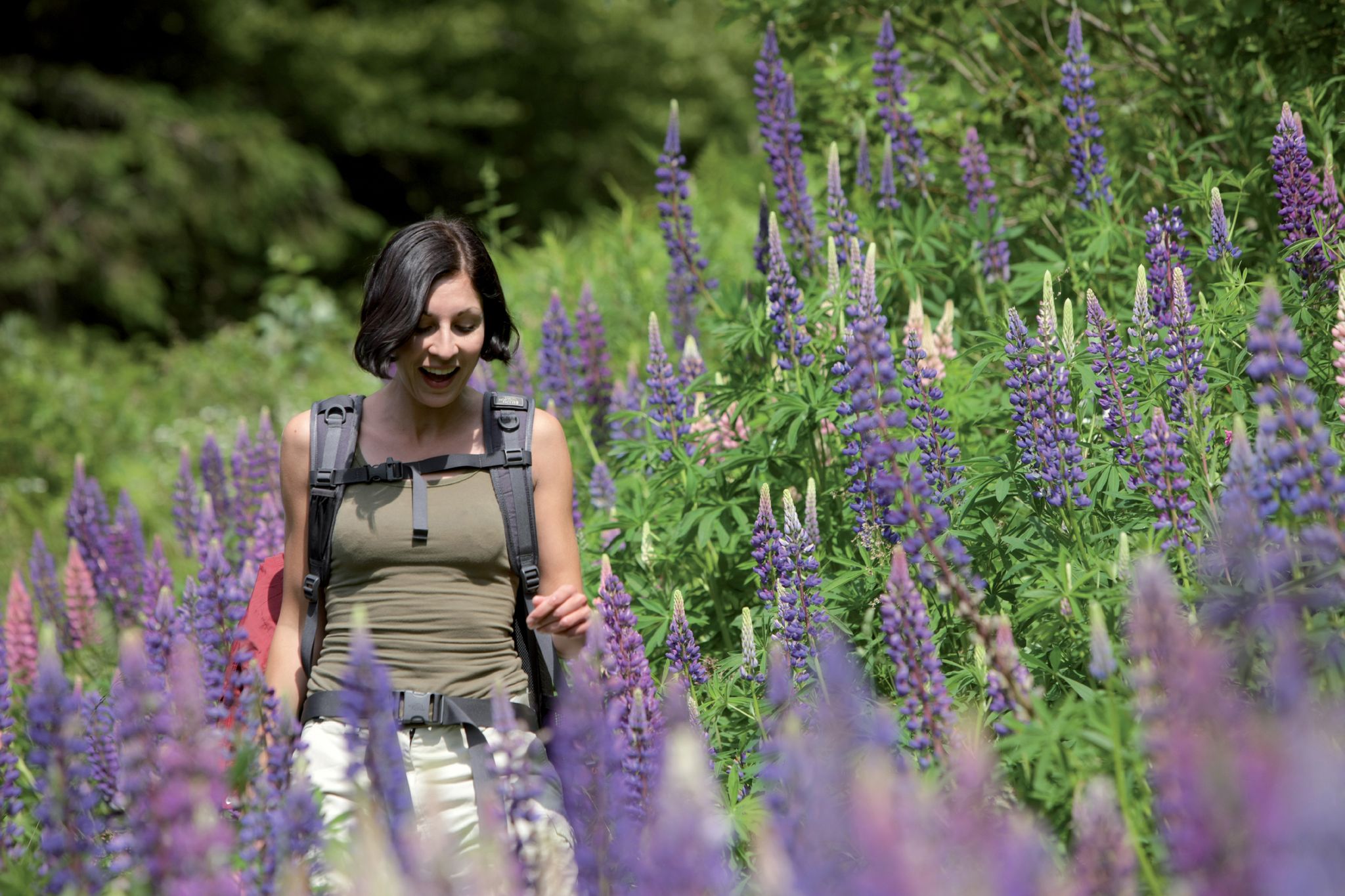
Exploring the Black Forest in Germany – fantastic trails & nature

Frühlingsgefühle im Nordschwarzwald
Other adventures around Nagold


Tips from the Community

The cave in the Rommel Valley was probably excavated between 1870 and 1880 by tree nursery teacher Wilhelm Knauss for geological research. He owned a considerable collection of rocks, which he regularly showed to Tübingen students.
8
0

Nature - historical hiking trail Eutinger Tal 3. Former beer cellar of the Sonnenwirt At the entrance to the Eutinger Tal, at least five beer cellars were carved into the shell limestone, in which the innkeepers kept their freshly brewed beer at a constant temperature. At the end of the cellars, a chimney-like shaft provided ventilation. Bat cellar Abandoned beer cellars are winter quarters for various bats (e.g. the local barbastelle bat) and amphibians (e.g. fire salamander), which depend on a frost-free and undisturbed retreat. Source: Information board at the site
2
0
Nature - historical hiking trail Eutinger Tal 3. Former beer cellar of the Sonnenwirt At the entrance to the Eutinger Tal, at least five beer cellars were carved into the shell limestone, in which the innkeepers kept their freshly brewed beer at a constant temperature. At the end of the cellars, a chimney-like shaft provided ventilation. Bat cellar Abandoned beer cellars are winter quarters for various bats (e.g. the barbastelle bat found here) and amphibians (e.g. fire salamanders), which depend on a frost-free and undisturbed retreat. Source: Information board at the site
1
0

Unfortunately no free beer😅
0
0

Tip. take a flashlight with you. So that you can really explore the cave.
7
0

the hiking trail is 6.15 km long the starting point is the sports center at the sports field in Eutingen im Gäu the information signs are very informative
10
0

You can reach the top via a ladder through a crevice in the rock
0
1

Frequently Asked Questions
Are there caves directly in Nagold, or are they located nearby?
While there are no prominent show caves directly within Nagold, the surrounding region, particularly the Swabian Alb, is renowned for its impressive karst landscapes and numerous caves. Several notable caves are located within a reasonable distance, offering diverse experiences.
What types of caves can I expect to find in the Nagold region?
The region offers a variety of cave types, from natural rock shelters and historical sites to commercially developed show caves. You can find dripstone caves with stalactites and stalagmites, caves with significant archaeological findings like cave bear skeletons, and even unique water caves accessible by boat. Some caves are also former functional sites, such as old beer cellars.
What are some of the most notable show caves near Nagold?
Two of the most visited show caves in the Swabian Alb, located about 30-40 kilometers from Nagold, are the Bärenhöhle (Bear Cave) and Nebelhöhle. Both feature impressive dripstone formations and offer guided tours. The Bärenhöhle is particularly known for its cave bear remains.
Can you tell me more about the Bärenhöhle and Karlshöhle?
The Bärenhöhle, connected with the Karlshöhle, is a popular dripstone cave system near Sonnenbühl-Erpfingen. It's famous for the many cave bear skeletons found within, including a fully restored bear skeleton on display. The cave also exhibits 'Bärenschliffe,' polished rock surfaces where bears rubbed their fur. It's well-lit and offers guided tours, with temperatures inside remaining 8-10 °C year-round. You can find more information on Wikipedia.
Is there a unique water cave experience near Nagold?
Yes, the Wimsener Höhle (Wimsen Cave / Friedrichshöhle) offers a unique experience as Germany's only water cave accessible by boat. Visitors can explore a portion of this cave by boat, offering a distinct perspective of underground waterways and rock formations. The cave is the source of the river Zwiefalter Ach.
What is the <a href="https://www.komoot.com/highlight/4490749" target="_blank" rel="noopener">Former Beer Cellar of the Sonnenwirt</a>?
This cave, located in the Eutinger Valley, was carved into shell limestone to keep beer at a constant temperature. These abandoned cellars now serve as important winter quarters for various bats, including the local barbastelle bat, and amphibians like fire salamanders, providing a frost-free and undisturbed retreat.
What can I expect at <a href="https://www.komoot.com/highlight/894690" target="_blank" rel="noopener">Knaussen Cave</a>?
The Knaussen Cave in the Rommel Valley was likely excavated for geological research between 1870 and 1880. It is part of a route with display boards detailing the valley's history, offering insights into the region's geology and past. A flashlight is beneficial for exploring inside.
Are there any caves near Nagold that offer a more adventurous experience?
For those seeking a more adventurous and less commercialized caving experience, the Schillerhöhle near Bad Urach is a 'wild' cave and natural monument. It requires appropriate gear like sturdy shoes, a helmet, and a flashlight. Additionally, the Cave below Beilfelsen is a small cave accessible by a steep climb, requiring sure-footedness to navigate a wooden ladder and a narrow rock gap.
What is the best time to visit caves in the Nagold region?
Show caves like Bärenhöhle and Nebelhöhle are generally open year-round, though it's always best to check their specific opening hours. For 'wild' caves like the Schillerhöhle, they are typically open from mid-April to mid-November but closed in winter to protect hibernating animals. The cool, constant temperatures inside caves make them a good option even on hot days.
What outdoor activities can I combine with a cave visit near Nagold?
The Nagold region offers various outdoor activities. You can find numerous hiking trails, such as the challenging Quality trail: 7-mountain trail around Nagold or the moderate Natura Trail – Spring Hiking in the Northern Black Forest. Cycling is also popular, with options like the Nagold Valley Cycle Path. Many caves are integrated into hiking routes, allowing for a combined nature and exploration experience.
Are there any caves with historical or archaeological significance?
Yes, several caves in the region hold historical and archaeological importance. The Bärenhöhle is famous for its numerous cave bear skeletons. The Schillerhöhle yielded a well-preserved human skull and bones of bears and lynx, making it the first cave in the Swabian Alb where fossil bones were found. The Former Beer Cellar of the Sonnenwirt also represents a historical functional use of caves.
What should I wear when exploring caves in the Nagold area?
Even in summer, cave temperatures remain cool, typically 8-10 °C. It's advisable to wear warm layers and sturdy, closed-toe shoes. For 'wild' or less developed caves, a helmet and a reliable flashlight are essential for safety and better visibility.
Are there any caves near Nagold that are particularly challenging to access?
The Cave below Beilfelsen requires a steep climb and sure-footedness to access via a wooden ladder and a narrow rock gap. The Pommerlesloch Shaft Cave is also noted as challenging, being a 51-meter deep shaft cave, and is not for casual visitors.
Most popular routes around Nagold
Most popular attractions around Nagold

Get inspired with the komoot mobile app


Explore more
Extend your search for the best caves by checking out these guides of the top ones around Nagold:
