Top 15 Caves around Fischbachau
Caves around Fischbachau offer a diverse natural landscape in the Bavarian Alps. This municipality is characterized by its traditional Bavarian life and natural beauty, providing a setting for various outdoor activities. The region features a mix of geological formations, historical sites, and natural monuments. Visitors can explore different types of caves, from natural rock formations to historical mining tunnels.
Best caves around Fischbachau
- The most popular caves is Arzmoos Waterfall, a waterfall that features several tunnels from 18th-century ore…
Last updated: September 29, 2026
St. Magdalena Church and Calvary on Biberhöhe
Highlight • Religious Site
Translated by Google •
Tip by

Arzmoos Waterfall
Highlight • Waterfall
The name Arzmoos has its origins in ore mining (Arz = iron ore) from the 18th century. Several tunnels can be found at the waterfall …
Translated by Google •
Tip by

Sign up now to discover places like this
Get recommendations on the best single tracks, peaks, & plenty of other exciting outdoor places.
Teufelsloch at Petersberg
Highlight • Cave
That's a hole in a rock
Translated by Google •
Tip by

Cave Bench with a View of the Wendelstein
Highlight • Cave
Translated by Google •
Tip by

Lower Cave
Highlight • Cave
Translated by Google •
Tip by

Sign up for free to discover even more caves around Fischbachau.
Already have an account?
Start today with a free account
Your next adventure awaits.
Popular around Fischbachau
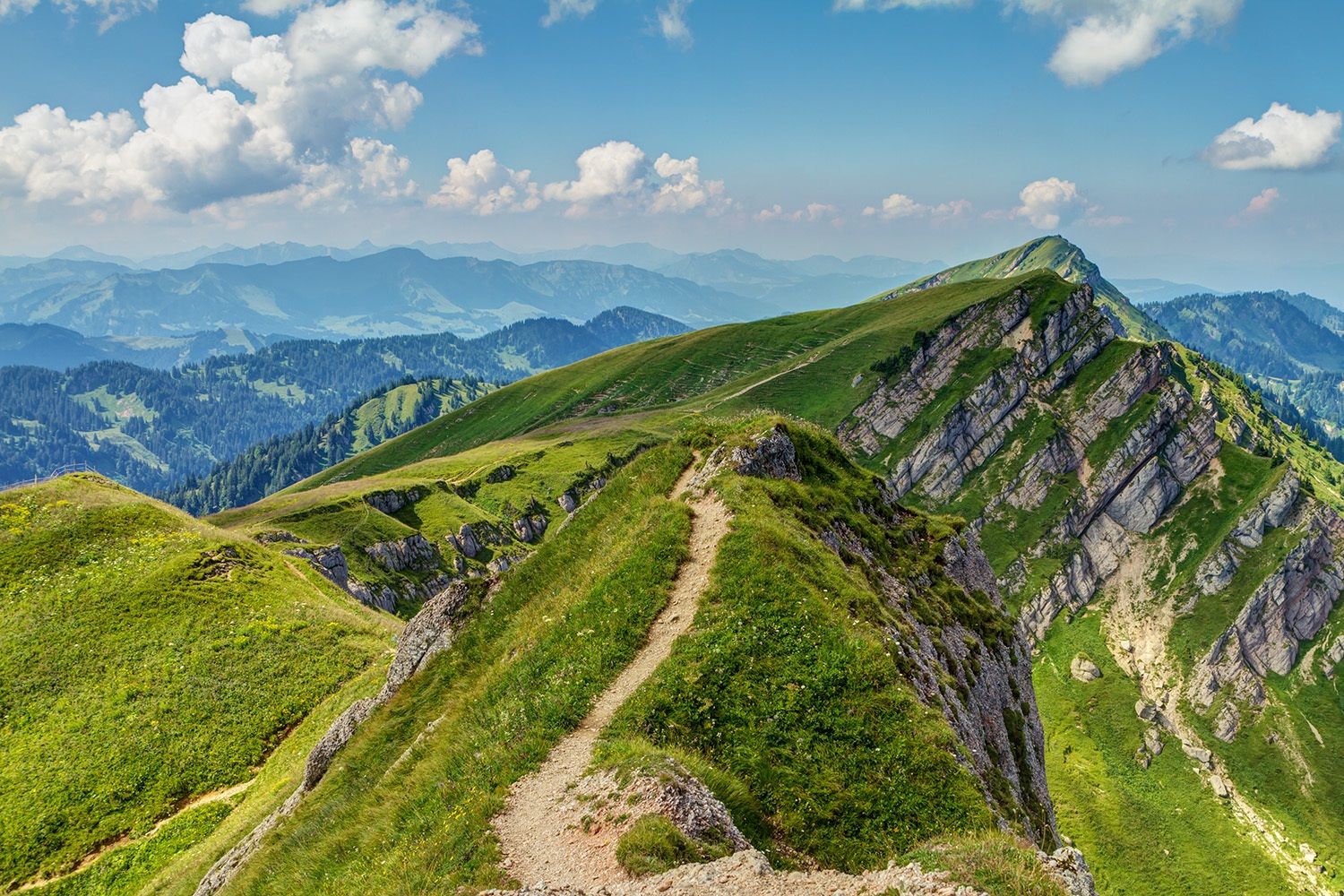
Maximilian Trail in Germany — Lake Constance to Königssee
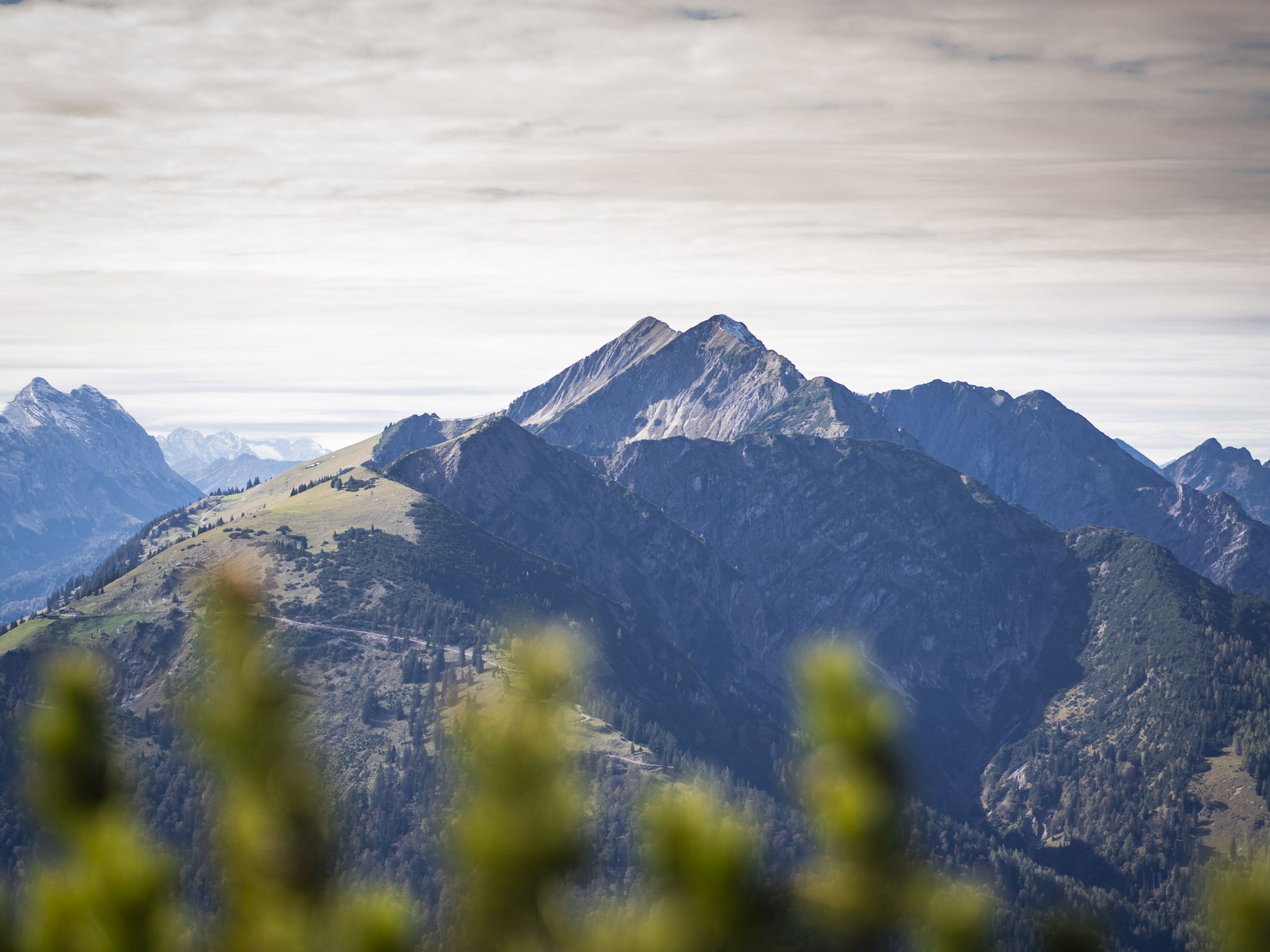
Hoch hinaus - Bergtouren in der Alpenregion Tegernsee Schliersee
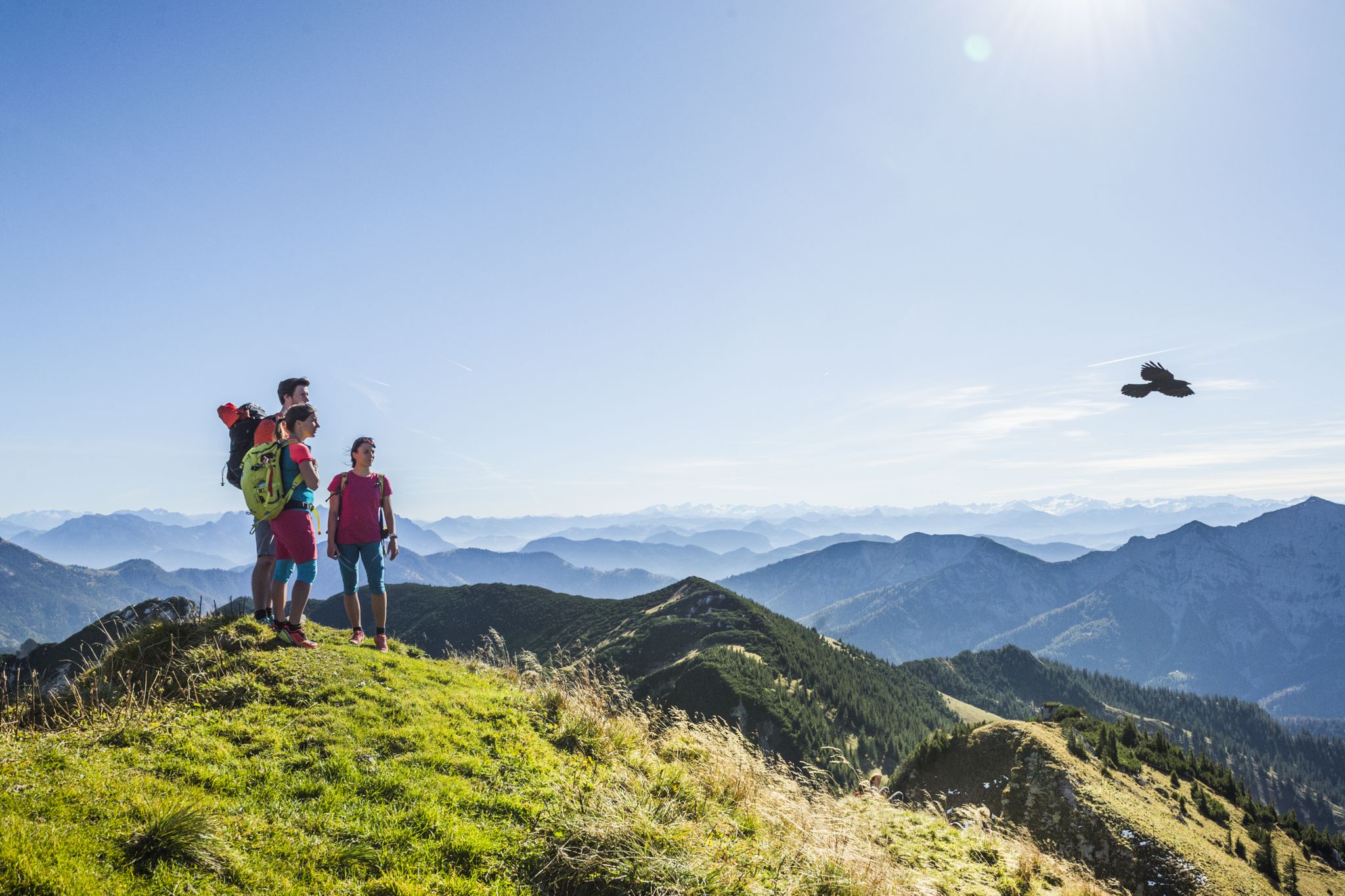
Wanderparadies Alpenregion Tegernsee Schliersee - Entdecken Sie de schönsten Touren
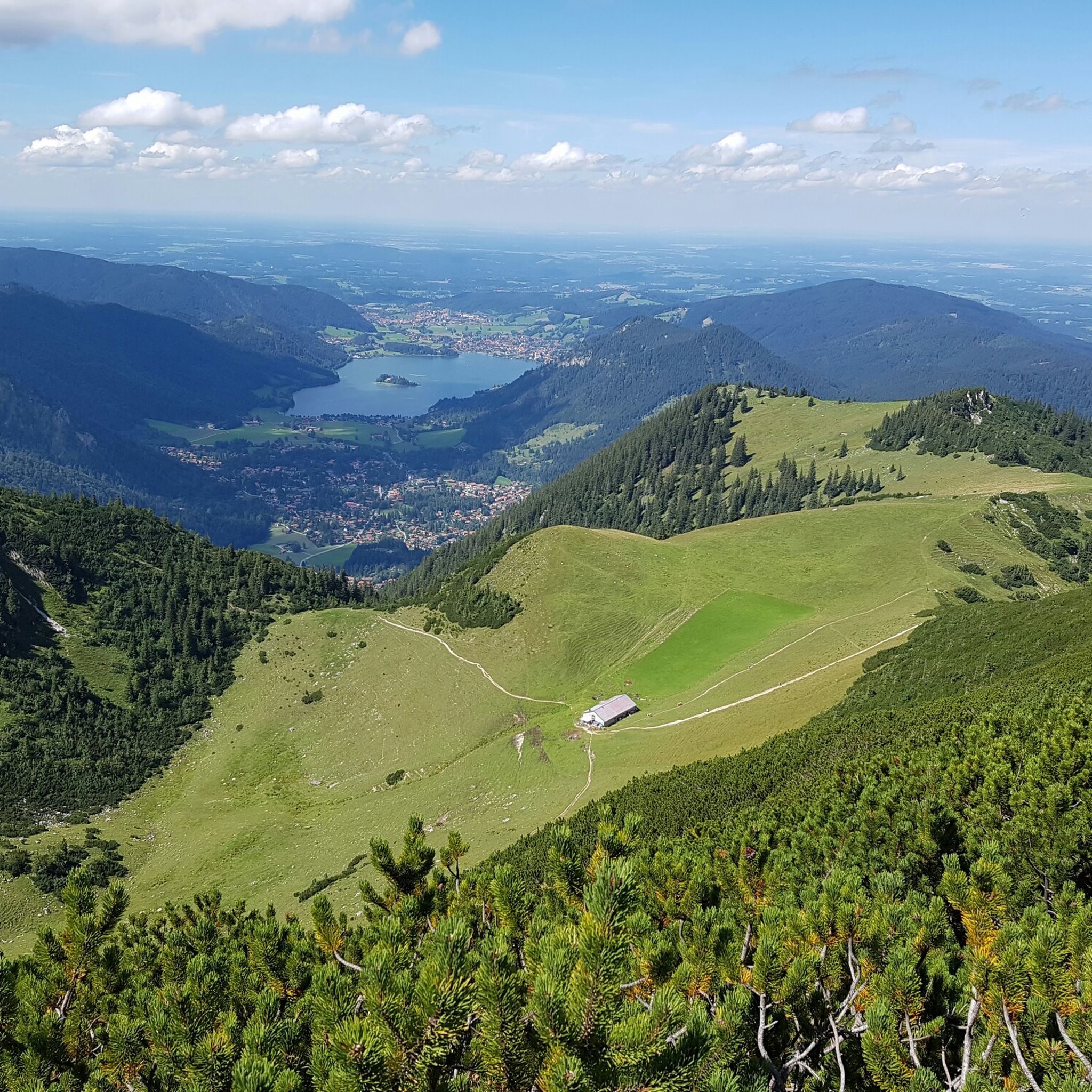
Hiking around Fischbachau
MTB Trails around Fischbachau
Mountain Hikes around Fischbachau
Running Trails around Fischbachau
Cycling around Fischbachau
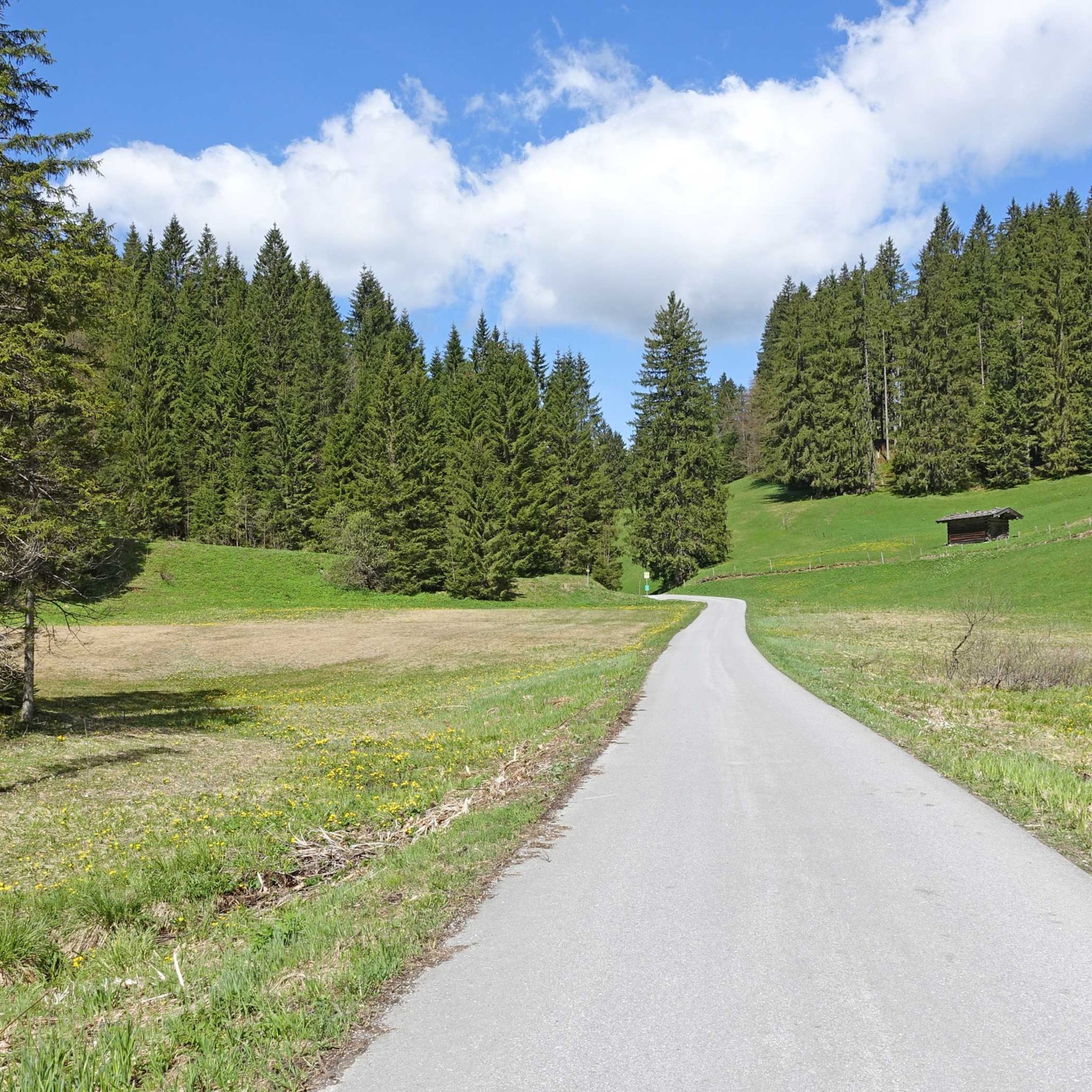
Road Cycling Routes around Fischbachau
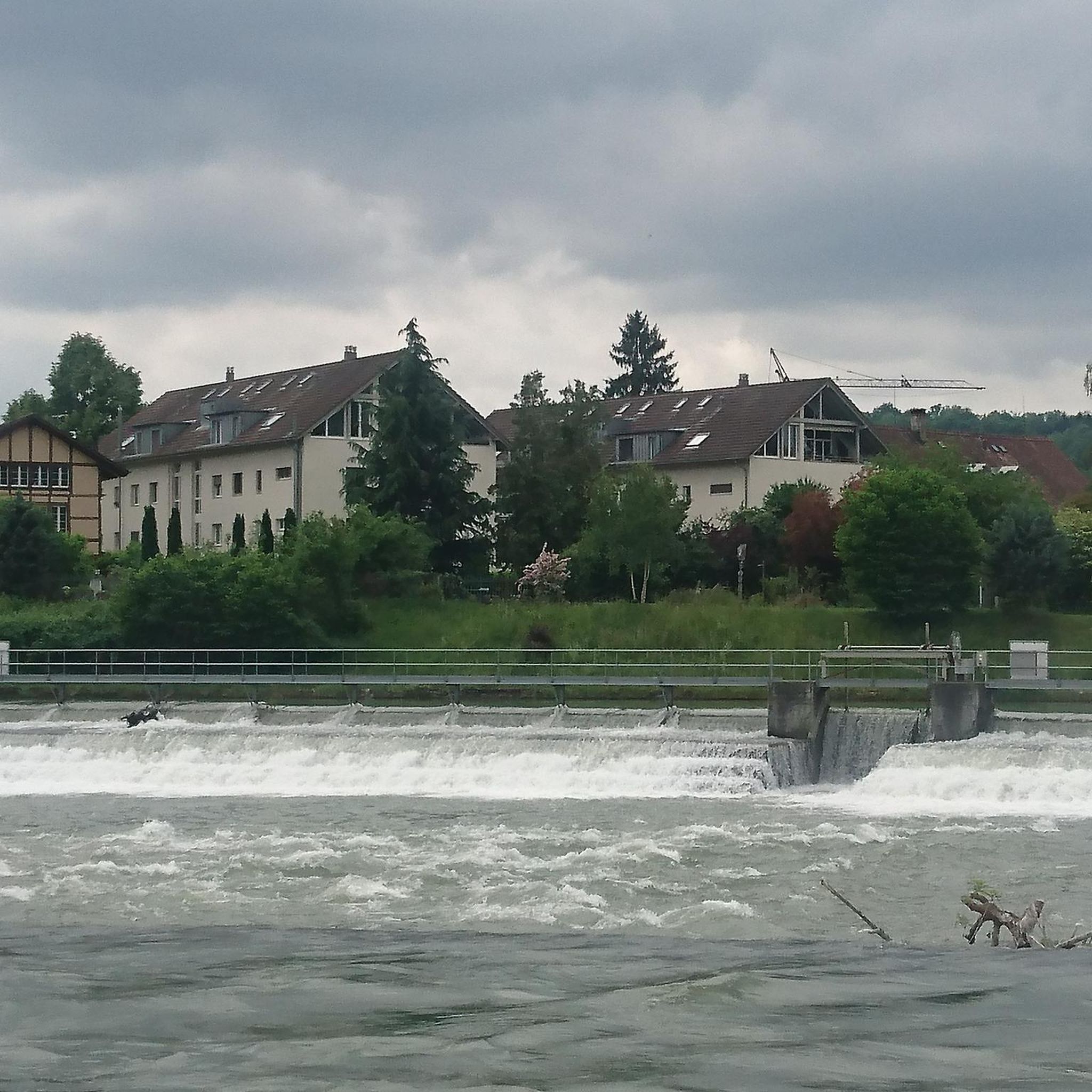
Gravel biking around Fischbachau
Other adventures around Fischbachau


Tips from the Community

The design of this Stations of the Cross alone is worth seeing. We've never seen anything like it anywhere else. A must-see to enjoy.
0
0

A cozy spot to enjoy the view, but with a snack it will be difficult as the jackdaws also want their share.😇
0
0

Unfortunately, some people use it as a toilet and don't have dog poop bags with them.
0
0

Very cool. I didn't know that you could go through such small caves. It was a nice experience 😁
0
0

Beautiful views from here over a narrow path.
0
0

...directly at the waterfall begin two short, former iron ore mining tunnels, hence the name Arzmoos from Arz= ore...
0
0

Nice to be off the main path to escape the tourist crowds of the cable car and take a little break
4
0

The bench is located 2 meters from the main path.. here you can briefly enjoy the view
2
0
Frequently Asked Questions
What are the most notable caves to visit around Fischbachau?
The region offers a mix of natural and historical cave experiences. The Arzmoos Waterfall features tunnels from 18th-century ore mining. For a unique show cave experience, the Wendelsteinhöhle, Germany's highest show cave, is nearby on the Wendelstein mountain. You can also explore the Biberhöhle and Höllenklause Hermitage Ruins, which are natural rock caves once used by hermits.
Are there any show caves near Fischbachau?
Yes, the Wendelsteinhöhle, located on the nearby Wendelstein mountain, is Germany's highest show cave. It offers an interactive, self-guided experience with fascinating geological features and educational stations.
What kind of historical significance do the caves in the Fischbachau area have?
Many caves in the area have historical connections. The Arzmoos Waterfall area contains tunnels from 18th-century ore mining. The Biberhöhle served as prayer rooms for hermits, with colonization proven up to the early 19th century. The Leonhard Pöttinger Memorial Cave is a small rock cave where historical remains were found.
Are there family-friendly caves to visit around Fischbachau?
Yes, the Lower Cave is described as a highlight for children, despite being a bit tight and dark. The Wendelsteinhöhle also offers an interactive and educational experience suitable for families.
What are the accessibility features of the Wendelsteinhöhle?
The Wendelsteinhöhle is a self-guided cave. Visitors enter through an artificial access tunnel and descend 82 steps. Inside, there are four interactive stations with touchscreens providing information in German and English. The entrance is conveniently located behind the mountain station of the cogwheel railway.
When is the best time to visit the caves, especially the Wendelsteinhöhle?
The Wendelsteinhöhle is generally open daily from May to November, depending on weather conditions. It's advisable to check current opening hours before planning your visit. The average temperature inside is around +3°C, so warm clothing is recommended regardless of the season.
What should I wear when visiting caves in the Fischbachau region?
For caves like the Wendelsteinhöhle, where the average temperature is around +3°C, warm clothing is highly recommended. Sturdy, waterproof shoes are also advisable, especially if exploring natural cave formations or areas near waterfalls like Arzmoos Waterfall.
Are there hiking trails that incorporate caves around Fischbachau?
Yes, many caves in the region are integrated into hiking routes. For example, the St. Magdalena Church and Calvary on Biberhöhe, which includes cave formations, is a site often visited during hikes. You can find various hiking options in the area by exploring Hiking around Fischbachau.
What other outdoor activities can I combine with a visit to the caves?
The Fischbachau region offers diverse outdoor activities. Besides hiking, you can explore road cycling routes like those found in Road Cycling Routes around Fischbachau, or enjoy gravel biking with options available in Gravel biking around Fischbachau. Many of these routes pass through scenic landscapes near the cave sites.
Do I need a permit to visit the caves around Fischbachau?
For publicly accessible sites like the Wendelsteinhöhle, no special permits are generally required beyond standard entrance fees if applicable. For natural formations or historical sites like Arzmoos Waterfall or Biberhöhle, access is typically open, though some mining tunnels are forbidden to enter for safety reasons.
What geological features can be observed in the caves of Fischbachau?
The caves around Fischbachau showcase various geological formations. The Wendelsteinhöhle is notable for its high altitude, suggesting its formation predates the folding of the Alps, and features a natural 'Kältefalle' (cold trap) where ice can persist. Other sites feature natural rock caves and formations integrated into the landscape.
Most popular routes around Fischbachau
Most popular attractions around Fischbachau

Get inspired with the komoot mobile app


Explore more
Extend your search for the best caves by checking out these guides of the top ones around Fischbachau:
