The 4 Most Amazing Peaks around Falkenstein
Best mountain peaks around Falkenstein offer diverse experiences, from historical sites to unique geological formations. The region features prominent summits and viewpoints, providing varied hiking opportunities. These areas are characterized by their natural landscapes and, in some cases, cultural significance, such as ancient fortifications or pilgrimage sites. Visitors can explore a range of terrain, including challenging rocky paths and forested ascents.
Best mountain peaks around Falkenstein
- The most popular mountain peaks is Großer Pfaffenstein — Summit and Boulder Formation,…
Last updated: July 23, 2026
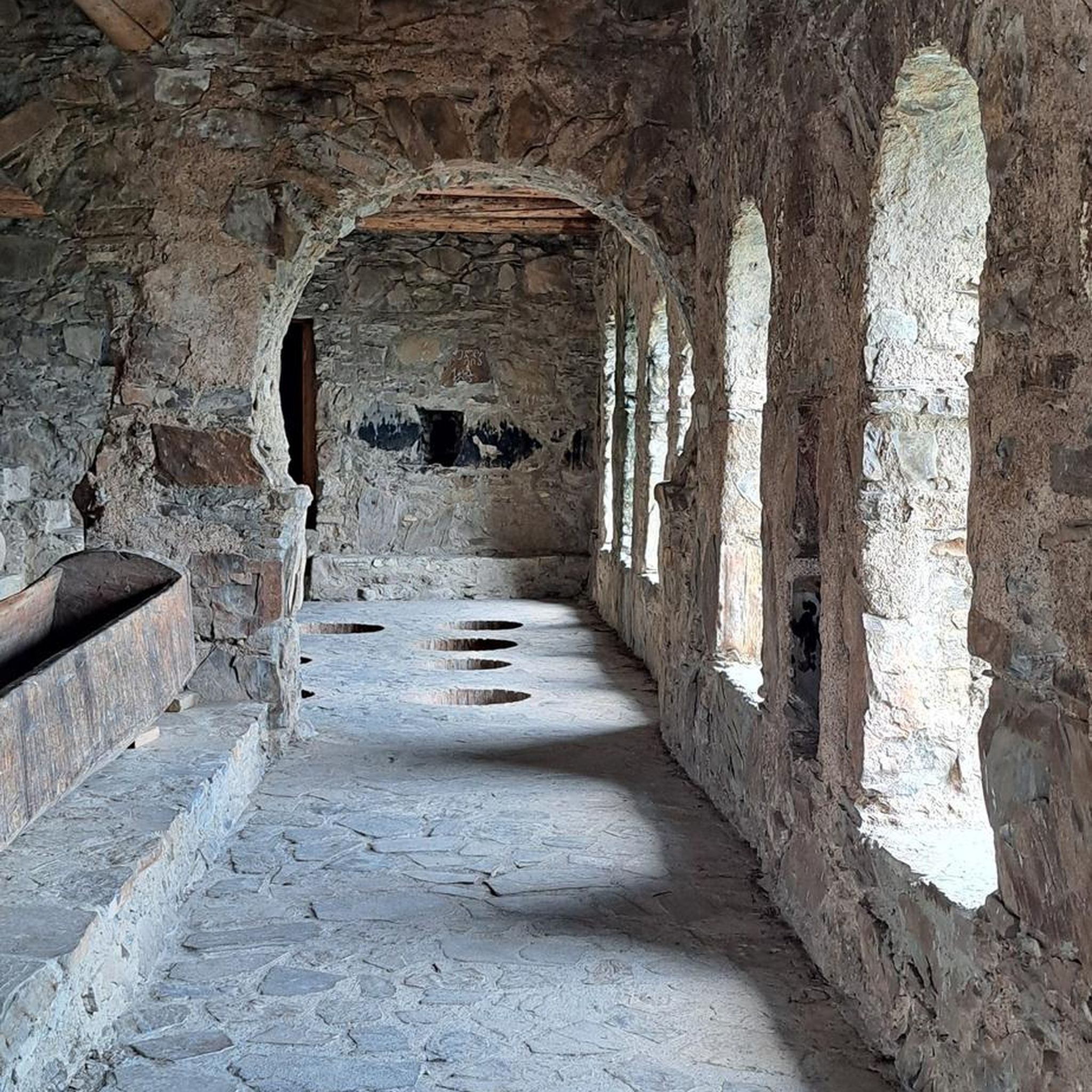
Sengersberg Castle Ruins
Highlight • Castle
Translated by Google •
Tip by

Pilgrimage Church of St. Ursula, Pilgramsberg
Highlight • Religious Site
Translated by Google •
Tip by

Sign up now to discover places like this
Get recommendations on the best single tracks, peaks, & plenty of other exciting outdoor places.
Sign up for free
Großer Pfaffenstein — Summit and Boulder Formation
Highlight • Summit
Translated by Google •
Tip by
Pfaffenstein
Highlight • Natural Monument
Translated by Google •
Tip by

Sengersberg Summit Cross
Highlight • Summit
Translated by Google •
Tip by

Sign up for free to discover even more peaks around Falkenstein.
Sign up for free
Already have an account?
Start today with a free account
Your next adventure awaits.
Login or Signup
Popular around Falkenstein
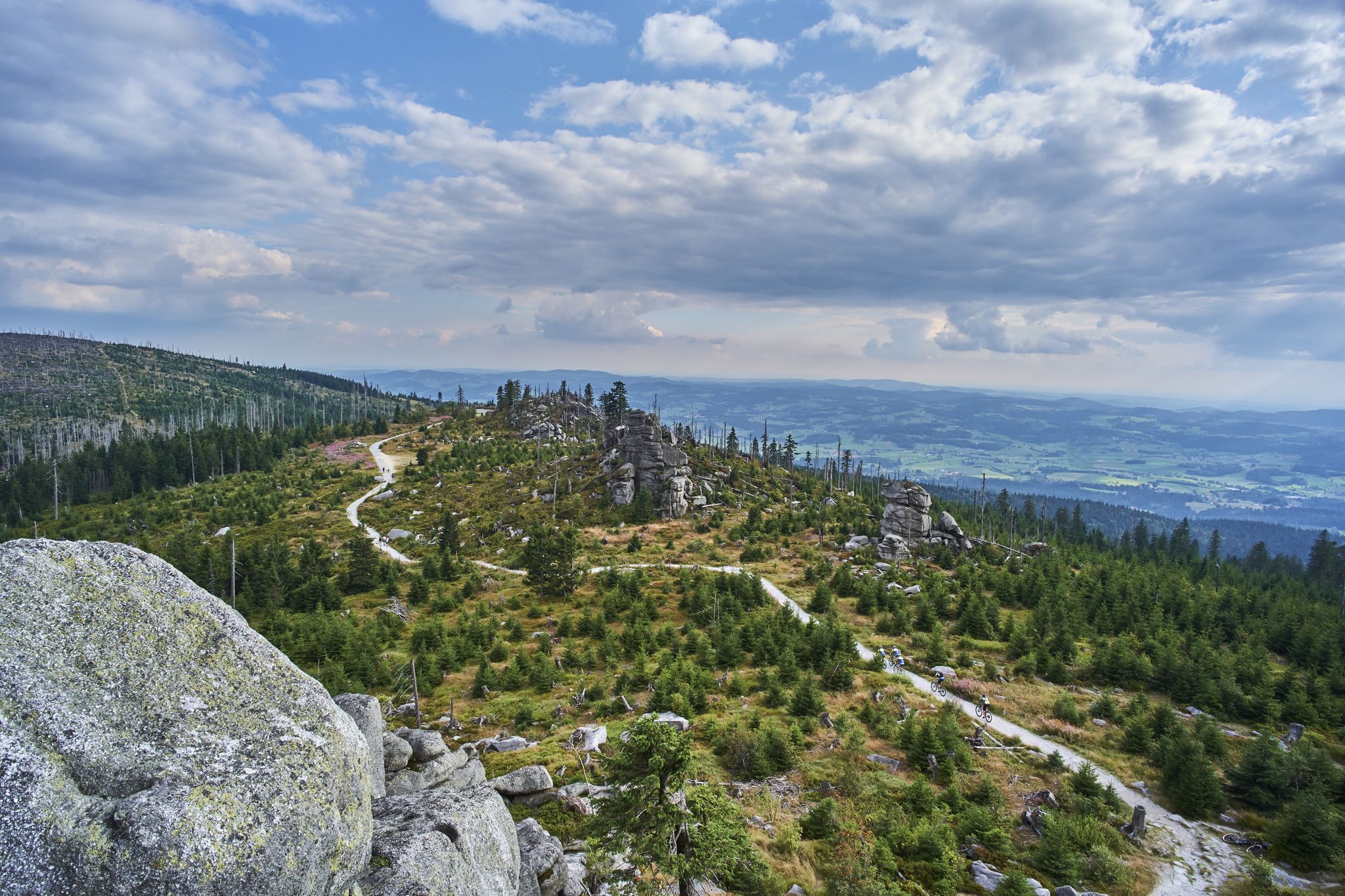
Trans Bayerwald – A mountain bike adventure through Bavaria's finest nature
The Goldsteig – 38 stages between Upper Palatinate and Passau
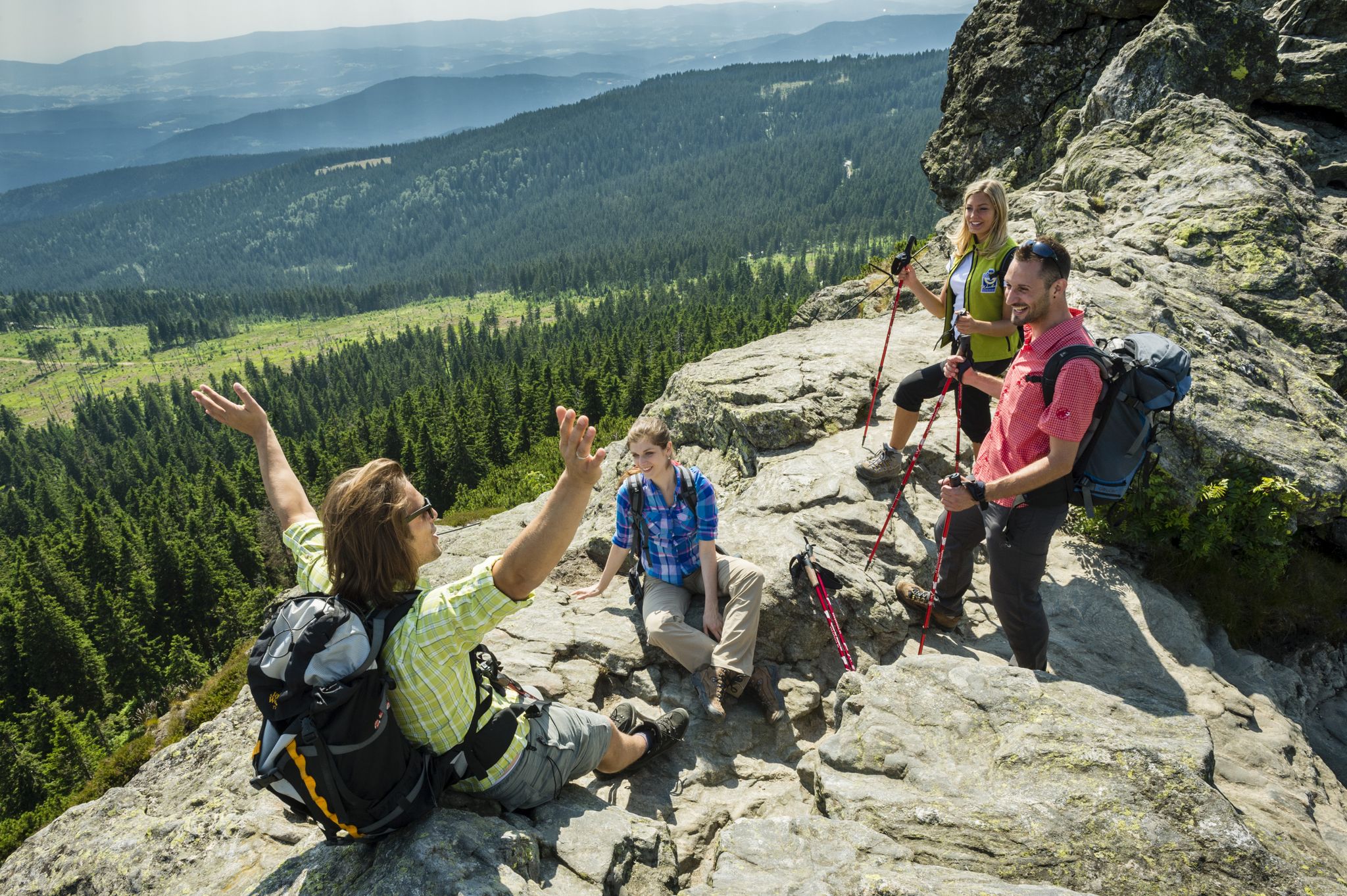
Goldsteig — The best routes for long distance hiking in Eastern Bavaria
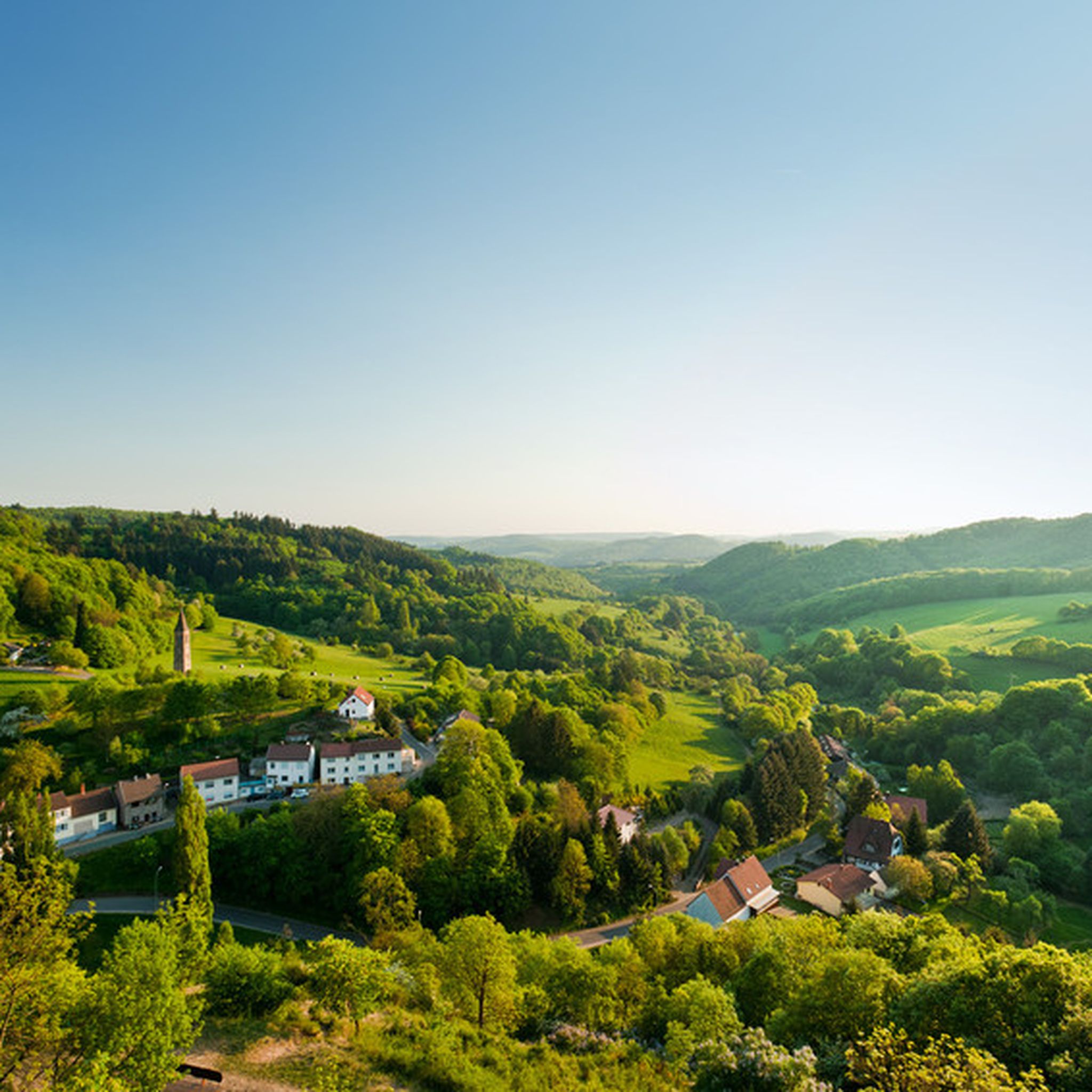
Hiking around Falkenstein
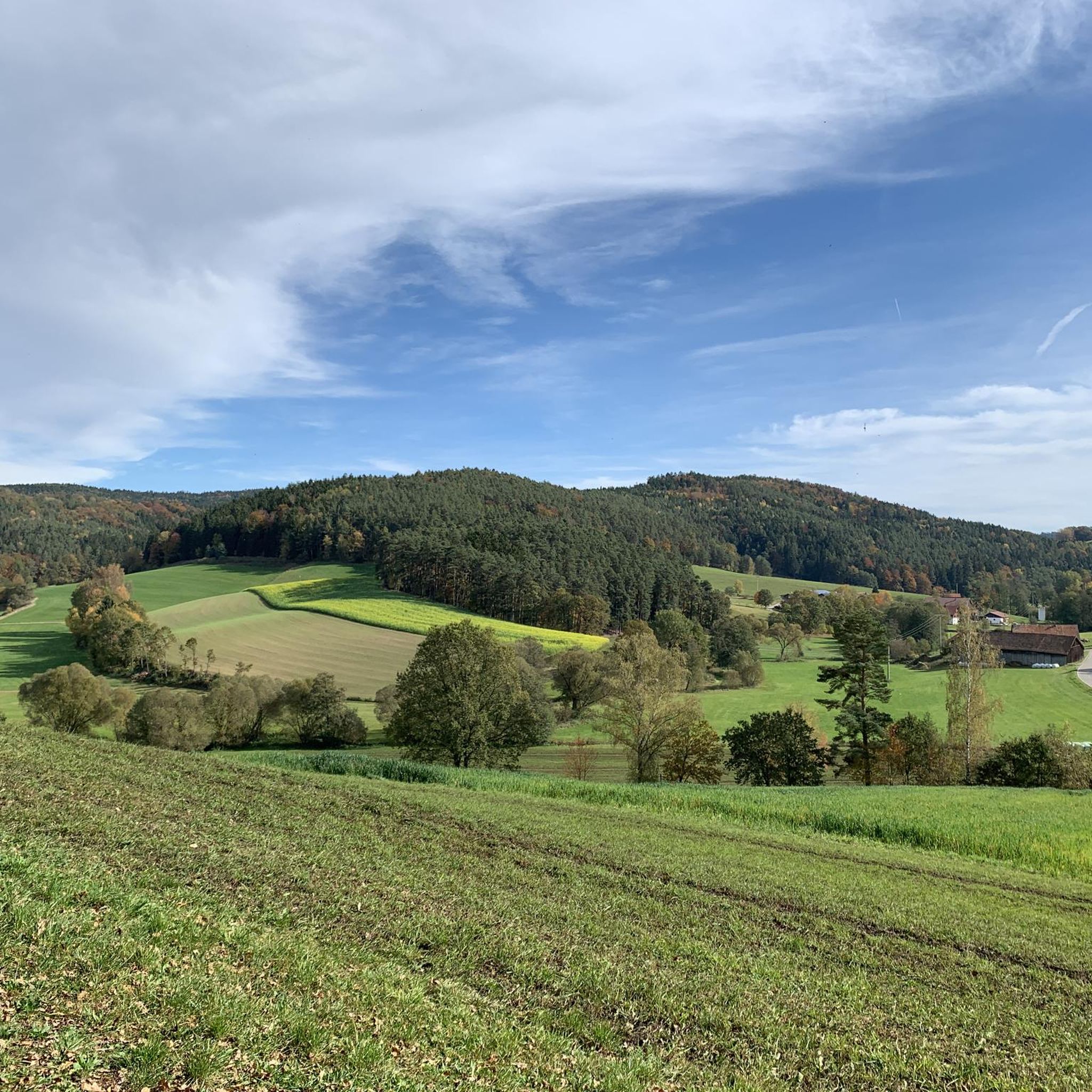
MTB Trails around Falkenstein
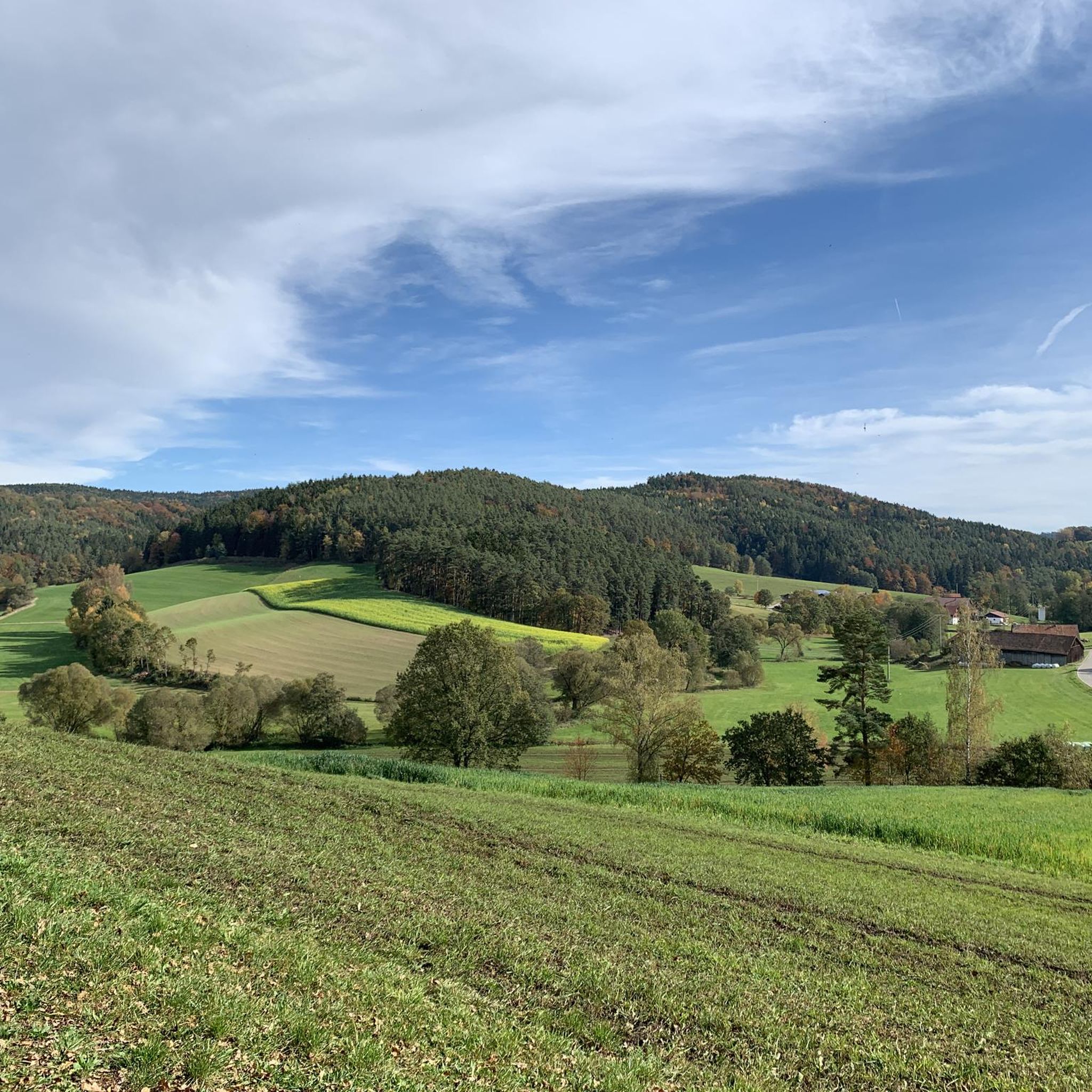
Cycling around Falkenstein
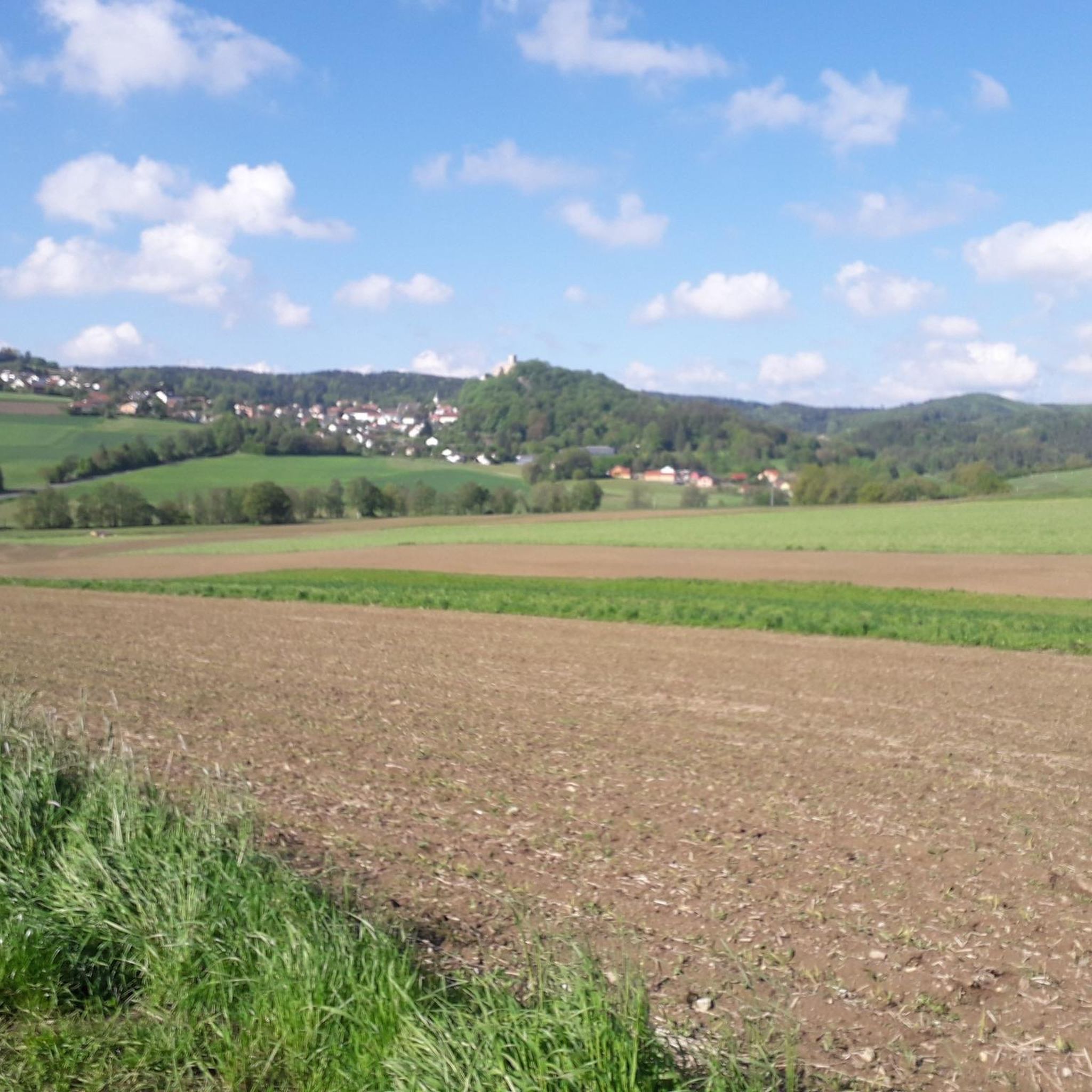
Running Trails around Falkenstein
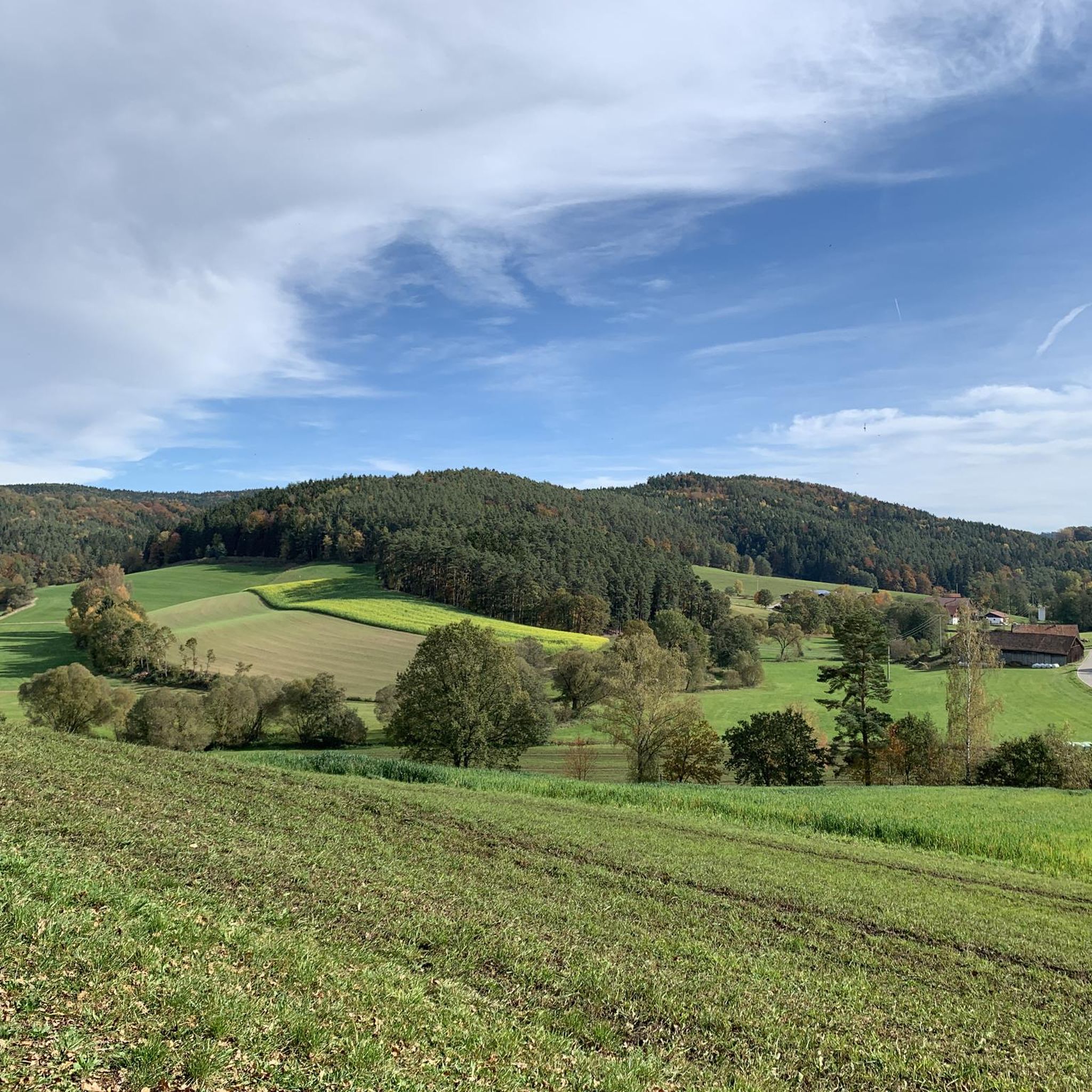
Road Cycling Routes around Falkenstein
Gravel biking around Falkenstein
Mountain Hikes around Falkenstein
Other adventures around Falkenstein


Tips from the Community

Very beautiful in autumn when the trees are golden.
0
1

Great place, in some places you can still see castle walls.
0
0


St. Ursula's Pilgrimage Church The small, simple Baroque building from the late 17th century stands on late Gothic foundations in its eastern part. The recessed choir has a single bay, a three-sided octagonal end, and a semi-dome with lunettes. The nave has four window axes, a simple west gallery, and a modern transverse room projecting to the north, dating from 1905. The tower rises in front of the south portal to the church's eaves, square in shape; on the upper floor, it is octagonal and has a pointed spire. The ceiling paintings were created in 1913, and the altars around 1910, with Gothic and Baroque elements. On the high altar is the miraculous image, a copy of the Altötting pilgrimage image. The figure originally dates back to the 17th century, but was stolen during the night of October 8-9, 1980. In the hope of being cured of a serious cancer, Mr. Josef Stöckl Jr. from Eggerszell carved a replica of the original and presented it to the Pilgramsberg residents. The Madonna was carried to the pilgrimage church by Mr. Stöckl on Easter Vigil 1982 and placed there. On consoles to the sides are the wooden figures of Joachim and Anne, the parents of the Mother of God, created around 1500. On the northern side altar is the late Gothic figural group of Anne Selbdritt, also created around 1500. In the central niche of the southern side altar is the figure of St. Wendelin from around 1680, kneeling before the Christ Child appearing in the clouds. On the choir arch to the south is the late Gothic figure of St. Ursula, created around 1460, with an arrow as an attribute. On the north wall of the transept is an early Rococo crucifix. Source: Pilgrimages in the Diocese of Regensburg by Hans J. Utz
2
0

Super beautiful, but also very strenuous uphill
0
0

Beautiful place with a summit cross, the climb is not entirely without danger, there is a fall protection secured with a chain. The ruins are very overgrown and can hardly be really seen anymore.
0
1
Great view but difficult climb, secured with chains.
0
1
Frequently Asked Questions
What are the most popular mountain peaks to visit around Falkenstein?
The most popular peaks in the Falkenstein region include Großer Pfaffenstein — Summit and Boulder Formation, known for its huge granite rocks and a summit cross. Another highly regarded spot is Sengersberg Castle Ruins, which offers historical insights and a summit cross accessible via secured chains. Visitors also appreciate the Pilgrimage Church of St. Ursula, Pilgramsberg, situated on a 600-meter-high peak with panoramic views.
Are there historical sites or castle ruins on the mountain peaks near Falkenstein?
Yes, the Falkenstein region features several historical sites on its peaks. The Sengersberg Castle Ruins are located on a summit, with only a few walls remaining, but a summit cross marks the peak. The ascent to the cross is secured by stable chains. Additionally, the Pilgrimage Church of St. Ursula, Pilgramsberg, is a religious building with a rich history dating back to the Middle Ages, offering spiritual and cultural significance.
What kind of natural features can I expect to see on the mountain peaks around Falkenstein?
The peaks around Falkenstein offer diverse natural features. At Großer Pfaffenstein — Summit and Boulder Formation, you'll find impressive granite rocks and round boulders. Lauberberg also features beautiful rock formations and forest trails. For those seeking more dramatic landscapes, the Großer Falkenstein in the Bavarian Forest (a different region) is known for its 'Höllbachgspreng,' a challenging rocky area with a gorge, stream, and waterfalls.
Are there family-friendly mountain peaks or trails in the Falkenstein area?
Yes, the Pilgrimage Church of St. Ursula, Pilgramsberg is considered family-friendly, offering an intermediate hike to a peak with panoramic views and a historical church. While some ascents to other peaks like Sengersberg require good surefootedness due to chains, many trails around the region offer varying difficulties suitable for families.
What outdoor activities can I do near the mountain peaks around Falkenstein?
Beyond hiking to the peaks, the Falkenstein region offers a variety of outdoor activities. You can explore numerous hiking routes, such as the moderate "View of Marienstein Church – Frog's Mouth Rock Formation loop from Falkenstein" or the more challenging "Sengersberg Castle Ruins – Sengersberg Summit Cross loop from Burgruine Sengersberg." For cycling enthusiasts, there are options like the "View of Falkenstein Castle – View of Falkenstein Castle loop from Falkenstein" for both touring bicycles and gravel biking. Find more details on these activities in the hiking guide, cycling guide, and gravel biking guide for the area.
What are the best viewpoints among the mountain peaks in the Falkenstein region?
Many peaks in the Falkenstein region offer excellent viewpoints. The Pilgrimage Church of St. Ursula, Pilgramsberg provides a wide panoramic view from its exposed position. The Sengersberg Summit Cross also boasts a great view, particularly towards Roding, though it requires surefootedness. Großer Pfaffenstein — Summit and Boulder Formation is another popular spot for its scenic vistas.
Are there challenging hikes to the mountain peaks around Falkenstein?
Yes, some peaks in the Falkenstein region offer challenging ascents. For instance, reaching the summit cross at Sengersberg Castle Ruins requires good surefootedness and grip, as the ascent and descent are secured by stable chains. The hike over Sengersberg itself is considered hard with significant elevation gain. The Großer Falkenstein in the Bavarian Forest (a separate region) is also known for its challenging paths, particularly through the 'Höllbachgspreng'.
What do visitors enjoy most about the mountain peaks around Falkenstein?
Visitors frequently praise the diverse experiences offered by the peaks. They enjoy the unique natural formations, such as the huge granite rocks at Großer Pfaffenstein — Summit and Boulder Formation, and the beautiful views from various summits. The historical and spiritual significance of sites like the Pilgrimage Church of St. Ursula, Pilgramsberg, also adds to the appeal, along with the sense of accomplishment from challenging climbs like those to the Sengersberg Castle Ruins.
Are there any specific rock formations to look out for on the peaks?
Absolutely. The Großer Pfaffenstein — Summit and Boulder Formation is particularly notable for its huge granite rocks and distinctive round boulders at its summit. Another peak, Lauberberg, is also known for its beautiful rock formations. In a different region, the Teufelsfelsen (Devil's Rock) near another Falkenstein location is known for its interesting rock formations.
What is the elevation and difficulty level of the peaks in the Falkenstein area?
The peaks around Falkenstein vary in elevation and difficulty. For example, the Pilgrimage Church of St. Ursula, Pilgramsberg is situated on a peak over 600 meters high and is rated as intermediate. Großer Pfaffenstein — Summit and Boulder Formation and Lauberberg are also considered intermediate. The ascent to Sengersberg Castle Ruins and its summit cross is rated as challenging, requiring good surefootedness. For context, the Großer Falkenstein in the Bavarian Forest (a separate region) stands at 1,315 meters and is ideal for experienced hikers.
Can I find forest trails and natural monuments among the peaks?
Yes, the peaks around Falkenstein are often nestled within forested areas, offering pleasant forest trails. Sengersberg Castle Ruins is located within a forest, and Lauberberg also features forest trails. Natural monuments are also present, such as the boulder formations at Großer Pfaffenstein — Summit and Boulder Formation and the Sengersberg Summit Cross, which is also considered a natural monument.
Most popular routes around Falkenstein
Most popular attractions around Falkenstein

Get inspired with the komoot mobile app


Explore more
See even more amazing summits around Falkenstein with these guides:
