Top 20 Caves in Calabria
Best caves in Calabria offer a diverse range of subterranean experiences, from ancient rock-cut settlements to natural sea caves. The region's rugged interior and extensive coastline feature numerous geological formations. These sites provide insights into prehistoric life, historical communities, and unique natural phenomena. Calabria's caves are found across various provinces, showcasing both cultural heritage and natural beauty.
Best caves in Calabria
- The most popular caves is San Ciriaco Cave, a cave that is traditionally believed to be a place…
Last updated: October 12, 2026
Chiesetta di Piedigrotta of Pizzo
Highlight • Religious Site
Around 1880, a local artist, Angelo Barone, who had a small stationery shop in the center of the village, decided to dedicate his life …
Translated by Google •
Tip by

Grotto of Our Lady of Lourdes
Highlight • Cave
Translated by Google •
Tip by

Sign up now to discover places like this
Get recommendations on the best single tracks, peaks, & plenty of other exciting outdoor places.
Descent to the Zungri Caves
Highlight (Segment) • Cave
Start of the beautiful circular hike around …
Translated by Google •
Tip by

Zungri Cave Settlement
Highlight • Cave
Translated by Google •
Tip by

San Ciriaco Cave
Highlight • Cave
Translated by Google •
Tip by

Palombaro Grotto
Highlight • Cave
Translated by Google •
Tip by
Grotta del Palombaro
Highlight • Cave
Translated by Google •
Tip by

U Vugliu Waterfall
Highlight • Waterfall
Translated by Google •
Tip by

Maierà
Highlight • Settlement
Translated by Google •
Tip by

Trail to Grotta Rosa
Highlight • Trail
Translated by Google •
Tip by
Sign up for free to discover even more caves in Calabria.
Already have an account?
Start today with a free account
Your next adventure awaits.
Popular around Calabria
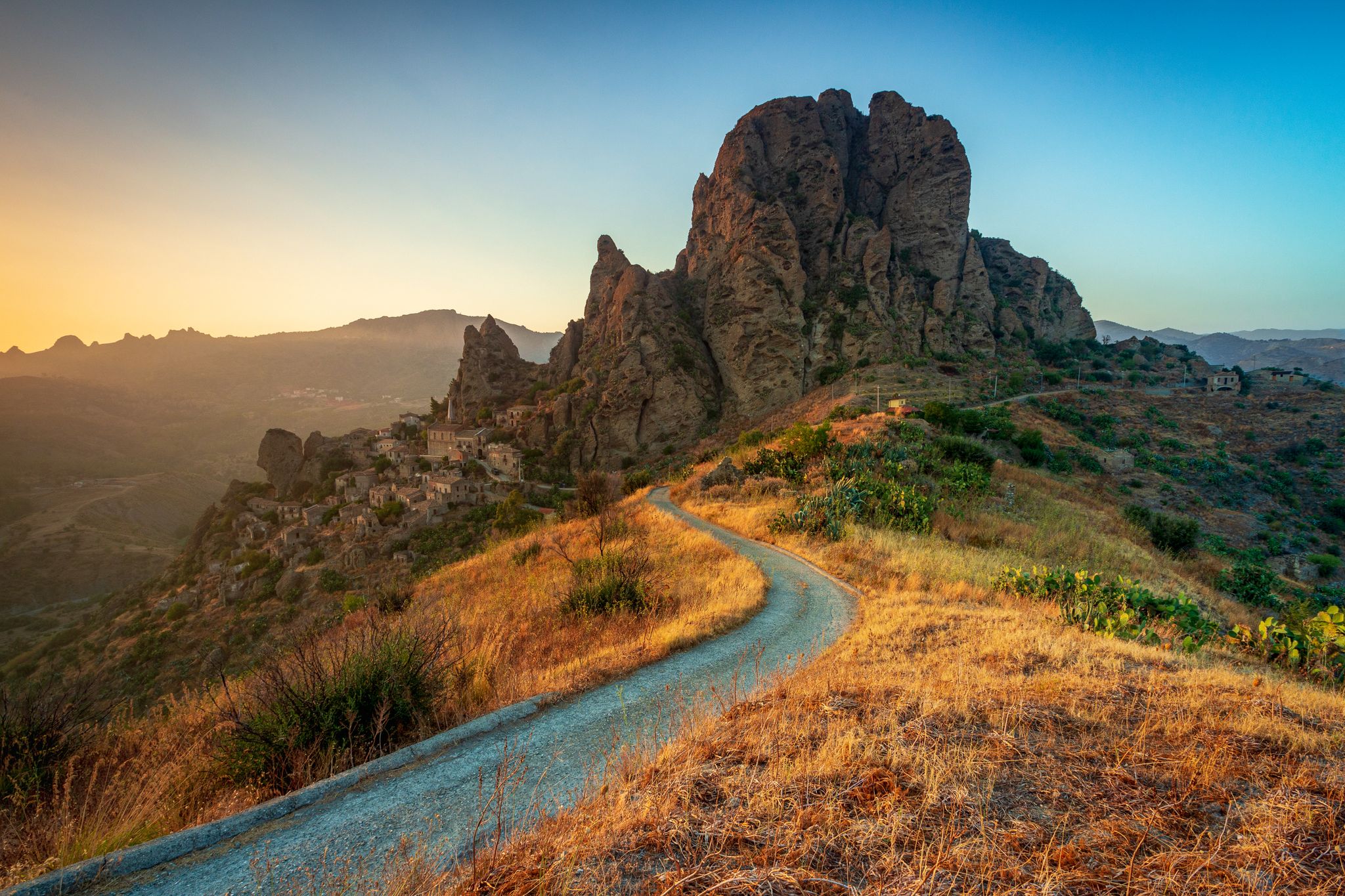
Tracing Edward Lear’s journey through Calabria – Sentiero dell'Inglese
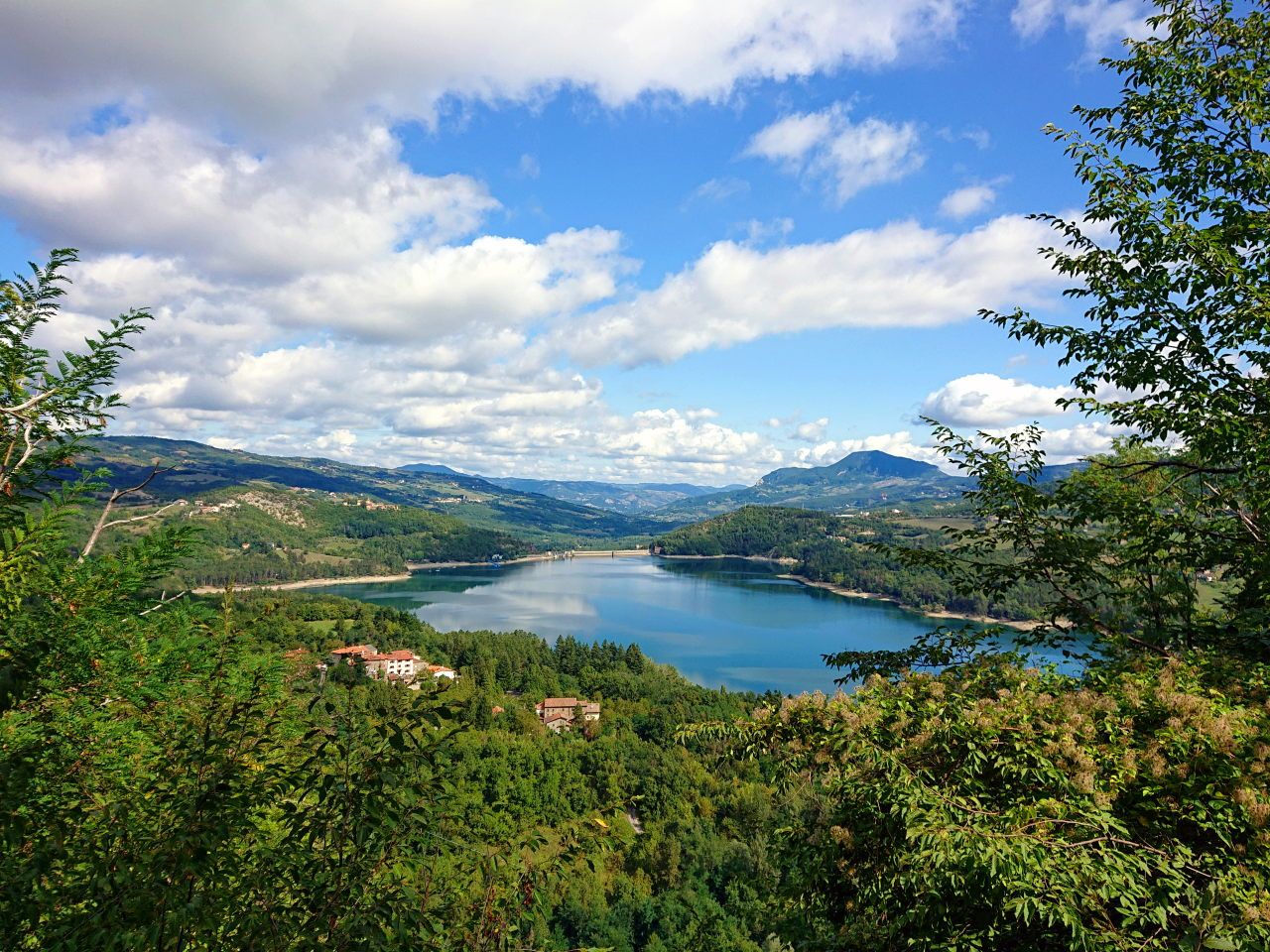
Interiora - A Journey into the Remote Areas of Italy
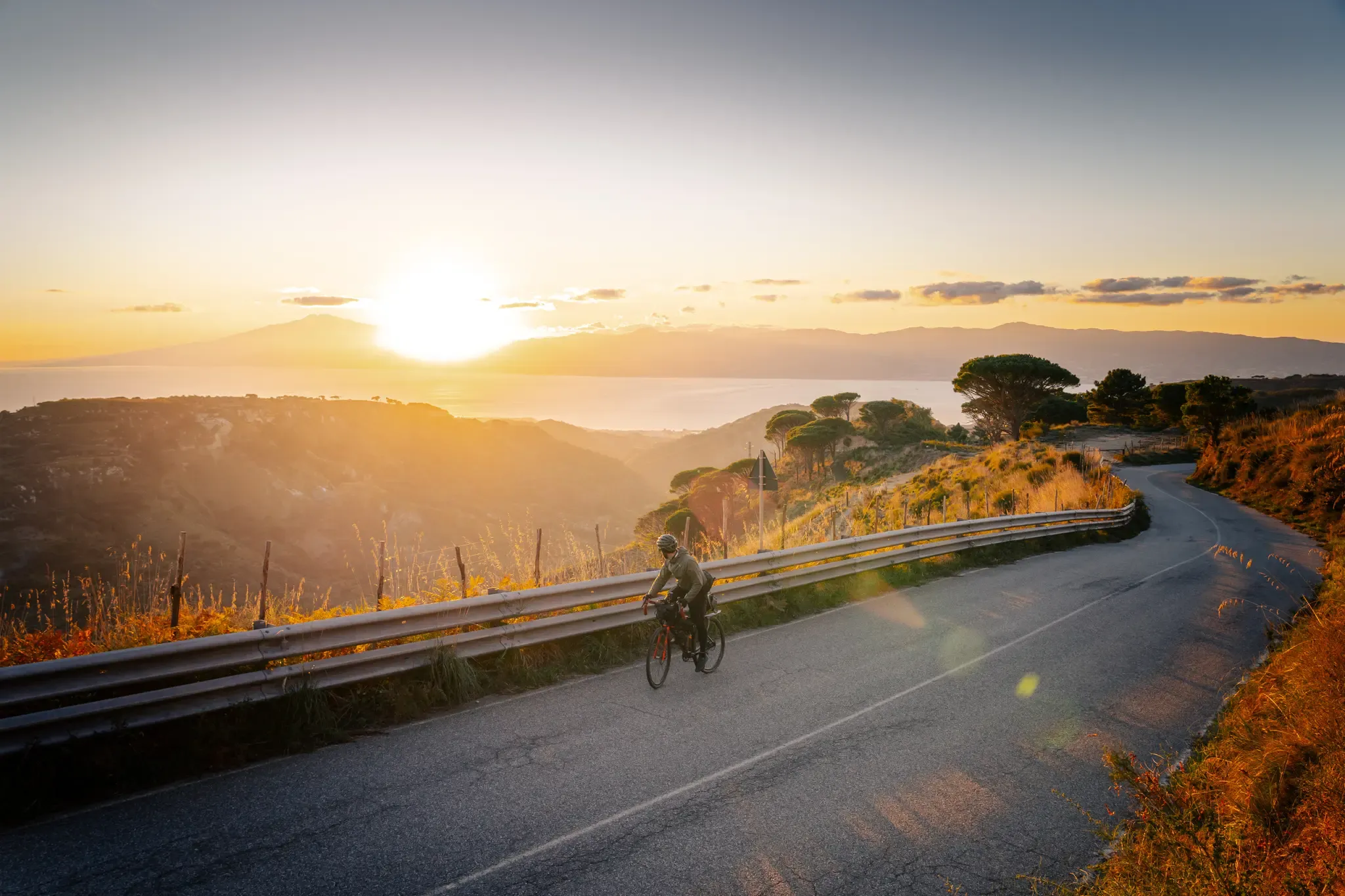
Cycle through the colourful heart of Italy’s Calabria – Ciclovia Parchi
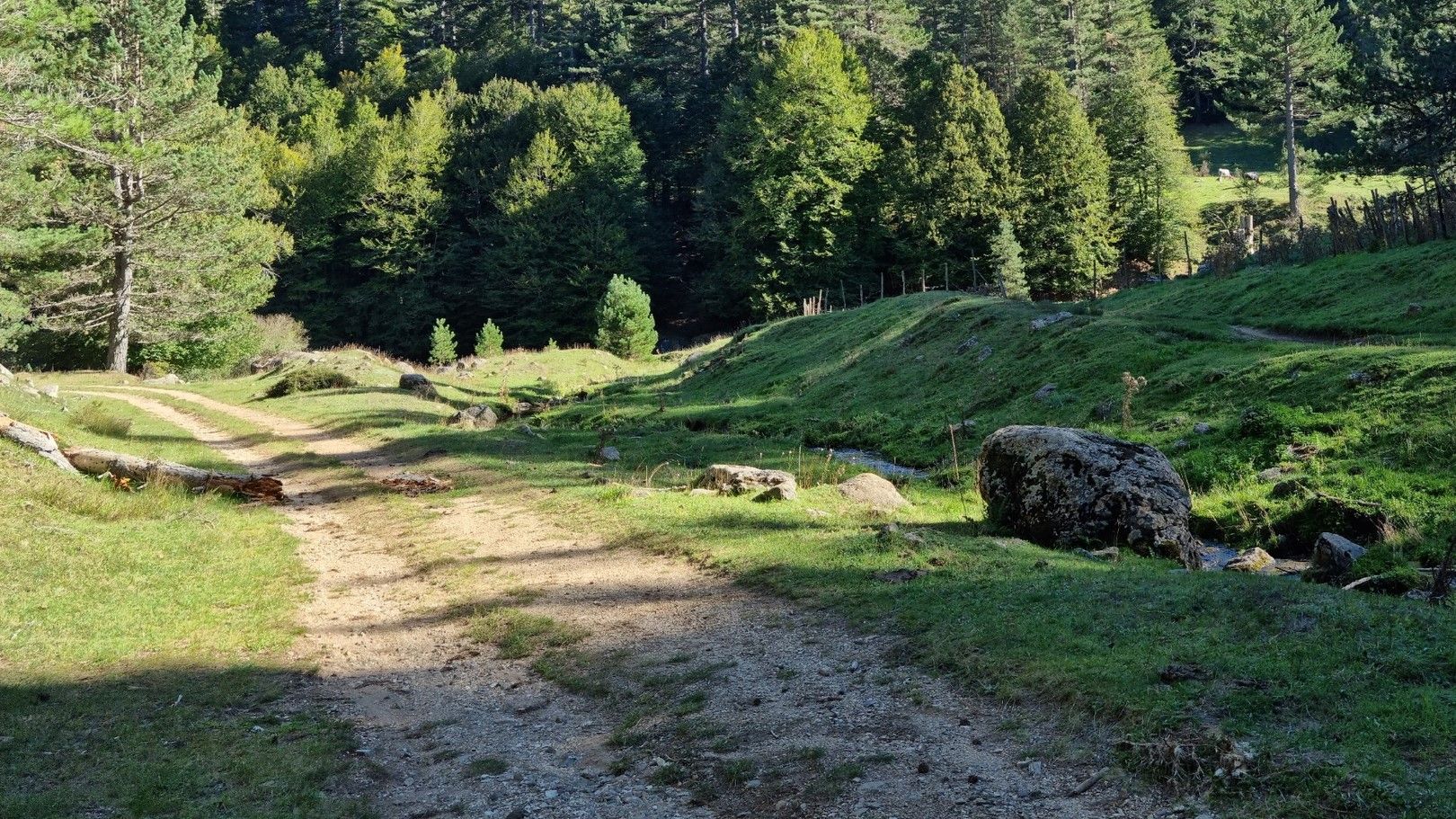
MTB in the Calabrian Apennines – Traverse of the Sila Piccola
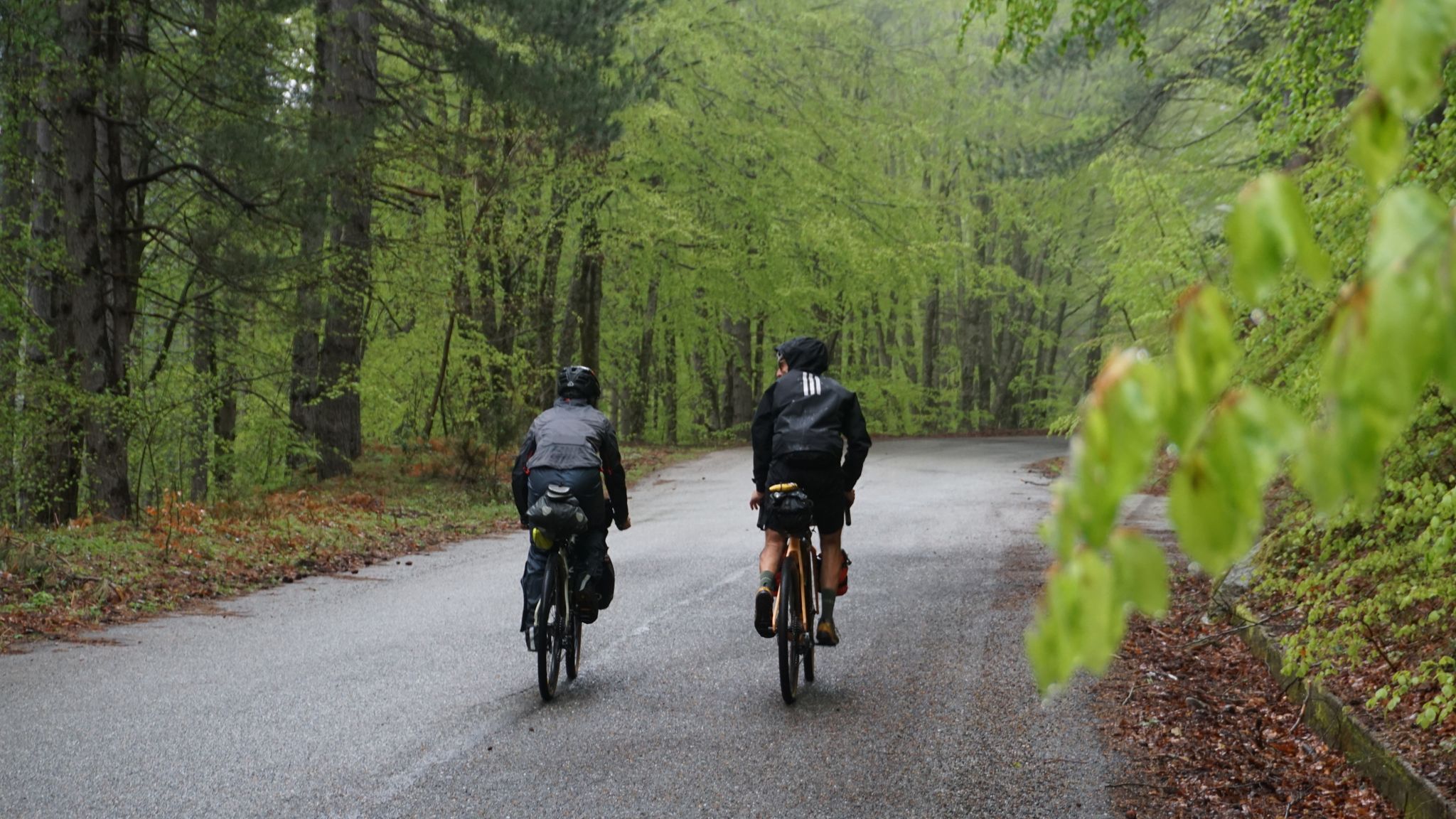
The unexpected mountain – Ciclovia Parchi Calabria
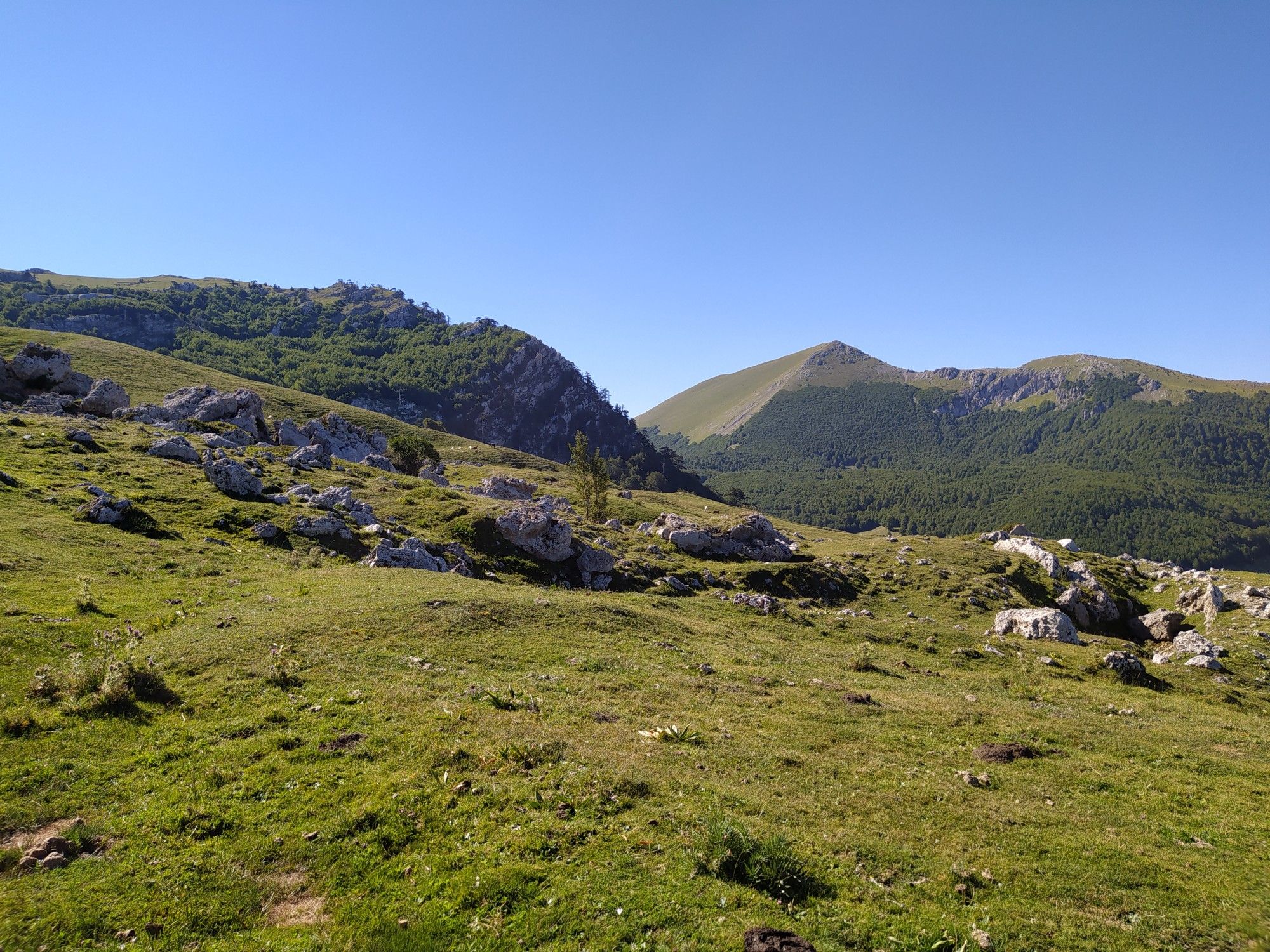
Among the ancient villages and lush forests – Sentiero Italia
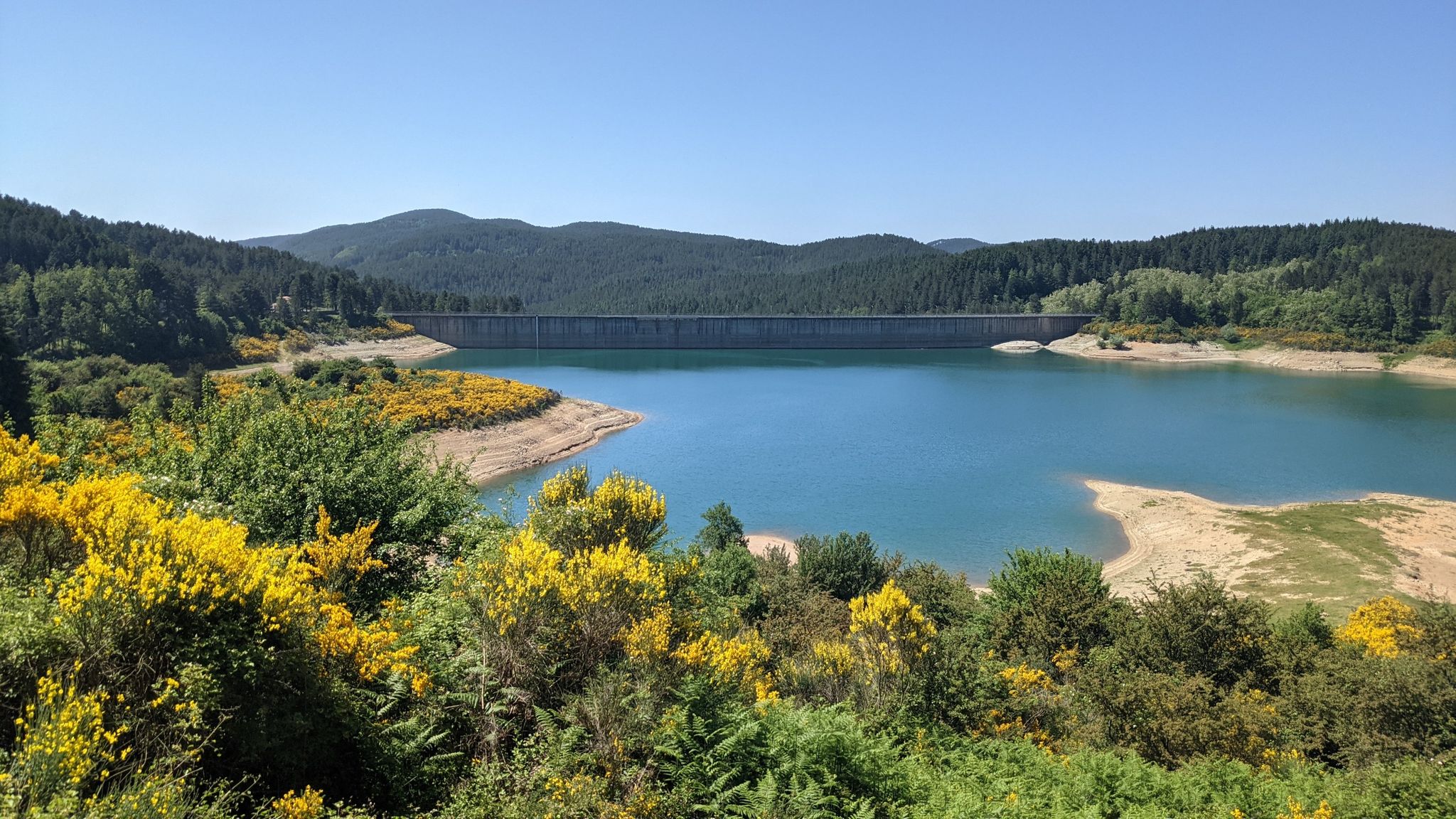
Along the backbone of Calabria – Sentiero Italia
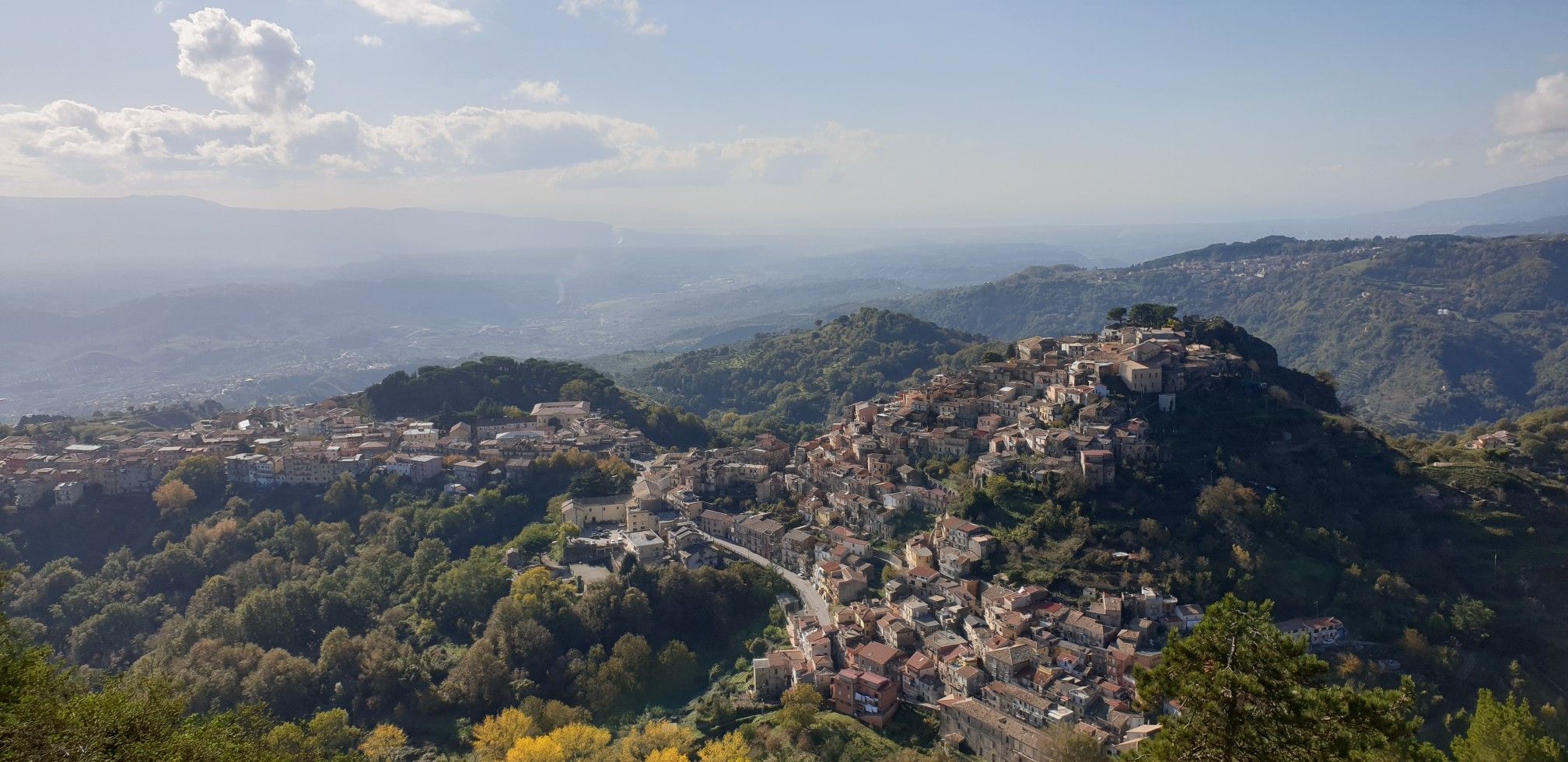
Explore art and culture in Italy – cycling Tours in Calabria's National Parks
History and faith – exploring Calabria's National Parks in southern Italy
Nature & adventure — cycling through Calabria's national parks
Other adventures in Calabria


Tips from the Community

Located a little outside of Pizzo. A well-maintained staircase leads down to the grotto.
0
0
Great sea cave. Wonderful place for sunbathing along the rocks with crystal clear water.
0
0

The trail isn't well marked, and it's unclear when you're actually in front of the "Pink Grotto." Sometimes you think you've arrived, but a closer look always reveals some poorly maintained passages. In any case, it's very beautiful and evocative.
0
0

A unique little church built directly on the beach. Legend has it that it was built by Neapolitan coral traders who survived a shipwreck. Inside, various sculptures, statues, and decorations carved directly into the rock face are featured. There's an entrance fee (and there's also a nearby parking lot if you arrive by car).
1
0

Located under the very famous Marina of the island of Tropea, a spectacular and immense cave with a very white beach can be reached from the sea
0
0

The Grotto of St. Cyriacus is the place where the saint prayed. A mystical and relaxing place where the sound of flowing water is amplified by the walls carved by the Corvino River, a natural spectacle.
0
0


The access to the waterfall is closed. The commune has installed a fence.
2
0
Frequently Asked Questions
Which caves in Calabria offer a glimpse into ancient civilizations or prehistoric life?
For a journey into the past, visit the Zungri Cave Settlement, an extensive archaeological site with over 100 dwellings carved into sandstone, dating back to the 6th or 7th century. Another significant site is the Romito Cave in Papasidero, known for its exceptional Upper Palaeolithic rock art, including an engraving of a Bos Primigenius. Verzino's Cave Dwellings also provide a captivating look into prehistoric rock civilizations, believed to date back to the early Middle Ages.
Are there any caves with religious or spiritual significance in Calabria?
Yes, the San Ciriaco Cave in Buonvicino is traditionally believed to be a place where Saint Cyriacus prayed and is a site of an annual pilgrimage. The Chiesetta di Piedigrotta of Pizzo is another unique site, an entire church carved into tuff rock, filled with sculptural groups depicting religious scenes.
Where can I find sea caves with unique natural beauty in Calabria?
The Palombaro Grotto (also known as Grotta Azzurra) near Tropea is famous for its crystal-clear turquoise waters and a mesmerizing blue light effect, accessible by sea. The Grotta dello Stazzanese on the Tyrrhenian coast is celebrated for its vibrant colors, unique rock formations, and extraordinary seabeds, ideal for snorkeling. You can also explore the sea caves around Isola di Dino.
What geological features can be observed in Calabria's caves?
Calabria's caves showcase diverse geological formations. The Tremusa Caves are known for their impressive stalactites and stalagmites, as well as ancient fossil shells embedded in the walls. The San Ciriaco Cave features unique 'cold water travertine' formations, characterized by calcareous deposits formed by the Corvino torrent. Verzino's Cave Dwellings are part of a site noted for its impressive collection of 'grotte rupestri' and are believed to house the longest karst grotto in Calabria.
Are there family-friendly caves to visit in Calabria?
Yes, the Zungri Cave Settlement is considered family-friendly, offering an immersive historical experience that can be fascinating for all ages. The Grotto of Our Lady of Lourdes is also categorized as family-friendly, providing a more accessible cave experience.
What is the best time of year to visit caves in Calabria?
The best time to visit Calabria's caves generally depends on the type of cave. For sea caves, the warmer months from late spring to early autumn (May to October) are ideal for swimming, kayaking, or boat tours. For inland archaeological or geological caves, spring and autumn offer pleasant temperatures for exploration, avoiding the peak summer heat or potential winter rainfall that could affect accessibility.
What should I wear when exploring caves in Calabria?
When exploring caves, it's advisable to wear comfortable clothing that allows for movement. Sturdy, closed-toe shoes with good grip are essential, as surfaces can be uneven or slippery. For cooler caves, even in summer, a light jacket or long-sleeved top is recommended. If visiting sea caves, swimwear and water shoes are appropriate.
What outdoor activities can be done near the caves in Calabria?
Calabria offers a wide range of outdoor activities near its caves. You can find numerous hiking trails, such as those in the Pollino National Park near Romito Cave, or explore routes like 'Monte Sant'Elia – loop tour' or 'From Orsomarso to Ficara Waterfall' for varying difficulty levels. Cycling enthusiasts can enjoy routes like 'Between Tropea and Capo Vaticano via Zungri' or 'EuroVelo 7: Sun Route'. For mountain biking, trails like 'Monte Caramolo Loop from Piano Novacco' are available. You can find more details on these activities in the Hiking in Calabria, Cycling in Calabria, and MTB Trails in Calabria guides.
Are there any easy-to-visit caves in Calabria for beginners?
The Zungri Cave Settlement is generally accessible and offers a relatively easy exploration of its rock-cut dwellings. The Grotto of Our Lady of Lourdes is also suitable for beginners. While some sea caves require swimming or kayaking, others might be accessible via boat tours, making them easier to experience. Always check specific access requirements for each cave.
What do visitors enjoy most about Calabria's caves?
Visitors frequently highlight the unique historical immersion offered by sites like the Zungri Cave Settlement, praising its magical atmosphere and insight into ancient cultures. The natural beauty of sea caves like the Palombaro Grotto, with its clear waters and blue light, is also a major draw. Many appreciate the sense of peace and mystical ambiance found in places like the San Ciriaco Cave, often noting the relaxing sound of flowing water.
Are there any caves in Calabria that are wheelchair accessible?
Due to the natural and often rugged terrain, as well as the historical nature of many cave sites in Calabria, most are not fully wheelchair accessible. Paths can be uneven, narrow, or involve stairs. It is recommended to check specific accessibility details for each cave directly before planning a visit.
Can I find food and accommodation options near Calabria's caves?
Yes, Calabria is a popular tourist region, and you will find various accommodation options, from hotels to agriturismi, as well as restaurants and cafes in towns and villages near the cave sites. For example, the Zungri Cave Settlement is about 20 km from Tropea, a well-known tourist hub with many amenities. Similarly, other caves are often located near charming towns that offer local cuisine and places to stay.
Most popular routes in Calabria
Most popular attractions in Calabria

Get inspired with the komoot mobile app


Didn’t find what you were looking for?
Discover more caves in Calabria region by region:
Explore more
Extend your search for the best caves by checking out these guides of the top ones in Calabria:
