Top 6 Caves in the Haßberge
Best caves in the Haßberge are often integrated into the region's diverse landscape of picturesque hills, forests, and historical sites. The Haßberge district is known for its natural monuments and hiking trails, offering a blend of geological features and cultural history. The area features various rock formations, grottoes, and former industrial sites that have become natural attractions. These sites provide insights into both the natural geology and past human activity in the region.
Best caves in the Haßberge
- The most…
Last updated: July 23, 2026
Thieves' Cellar Rock Labyrinth
Highlight • Natural Monument
Translated by Google •
Tip by

Raueneck Castle Ruins
Highlight • Castle
Translated by Google •
Tip by

Sign up now to discover places like this
Get recommendations on the best single tracks, peaks, & plenty of other exciting outdoor places.
Sign up for free
Zeiler Käppele (Lourdes Grotto)
Highlight • Religious Site
© Anja Legge
The Käppele chapel on Zeiler Kapellenberg (Zeiler Chapel Hill) is often referred to as the "Franconian Lourdes." The pilgrimage chapel was designed entirely in …
Translated by Google •
Tip by

Hollow Rock
Highlight • Natural Monument
Translated by Google •
Tip by

Motilly Cave
Highlight • Cave
Translated by Google •
Tip by

Schneidershöhle
Highlight • Cave
Translated by Google •
Tip by

Tränenfelsen and Cave
Highlight • Cave
Translated by Google •
Tip by

Caves at Teufelssprung
Highlight • Cave
Translated by Google •
Tip by
Moss-Covered Rock Overhang in Naturpark Haßberge
Highlight • Natural Monument
Translated by Google •
Tip by

Start today with a free account
Your next adventure awaits.
Login or Signup
Popular around Haßberge
Steigerwald panorama trail — 9 days
The National Natural Landscapes in Bavaria
Gravel meets rail – gravel rides in the greater Nuremberg area
From the metropolis to enjoyment – city hiking on the VGN
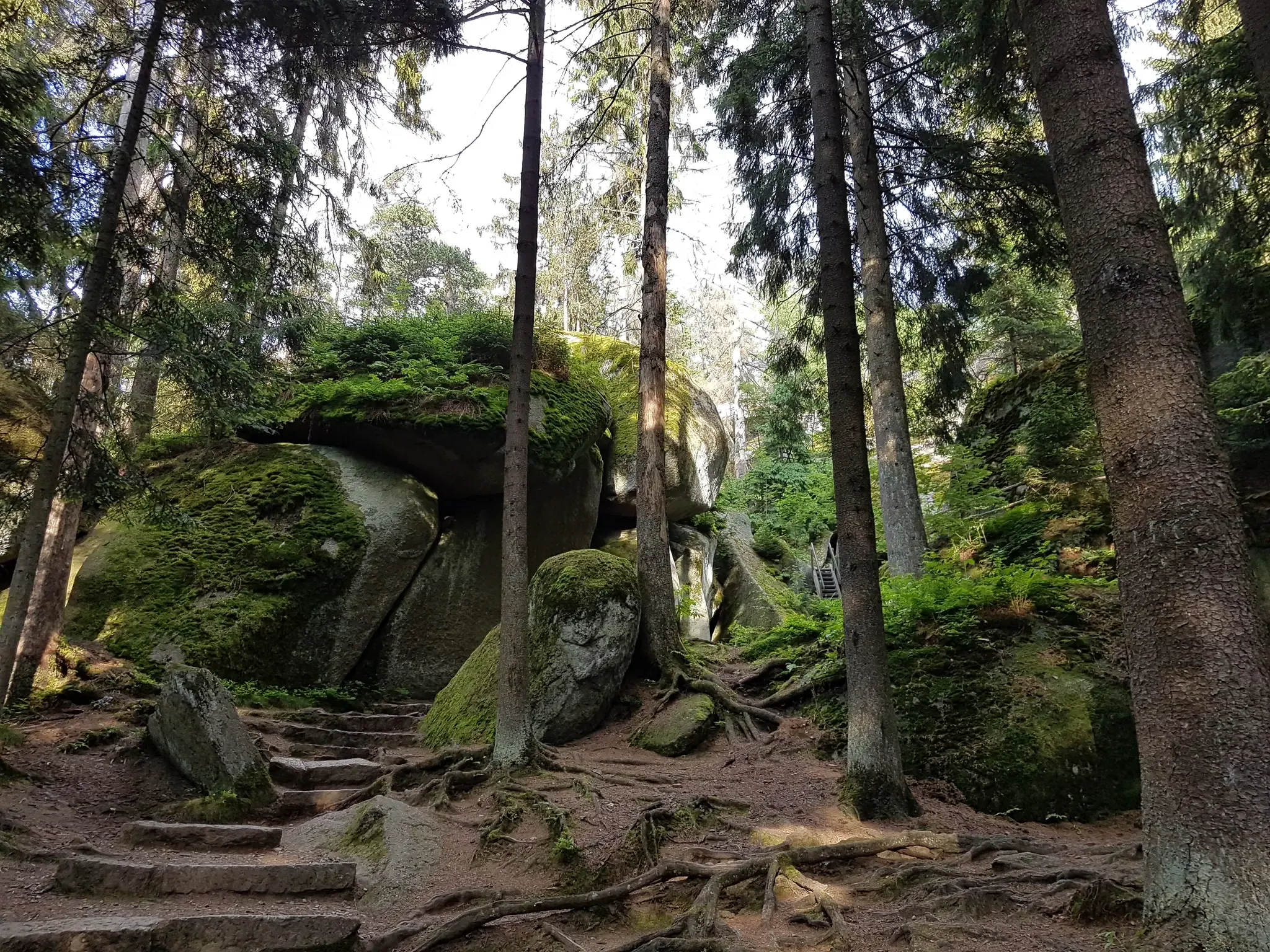
Nature, the outdoors and adventure – hiking through the VGN's nature parks
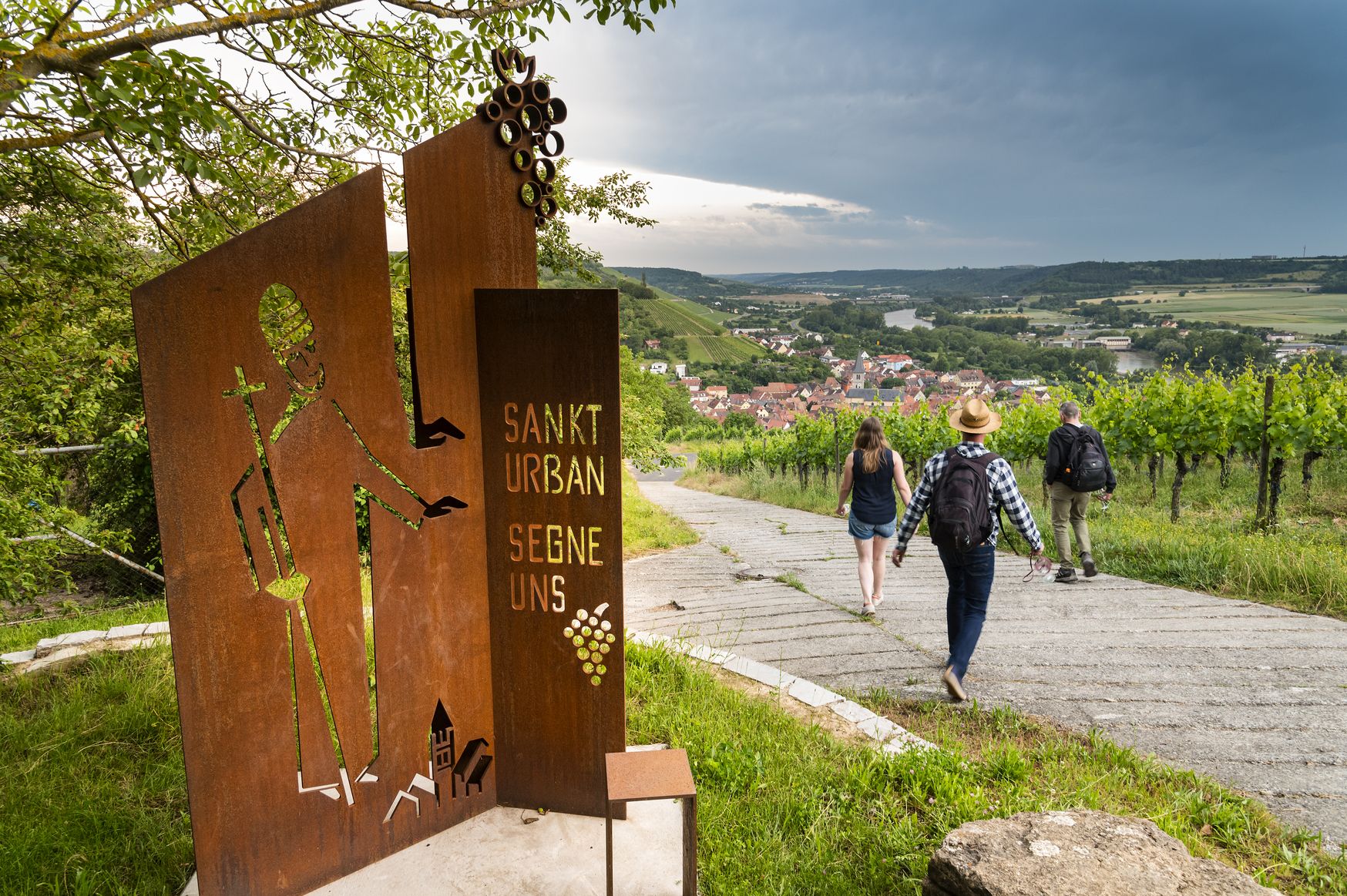
Hiking and culinary delights – walks in the Franconia wine region
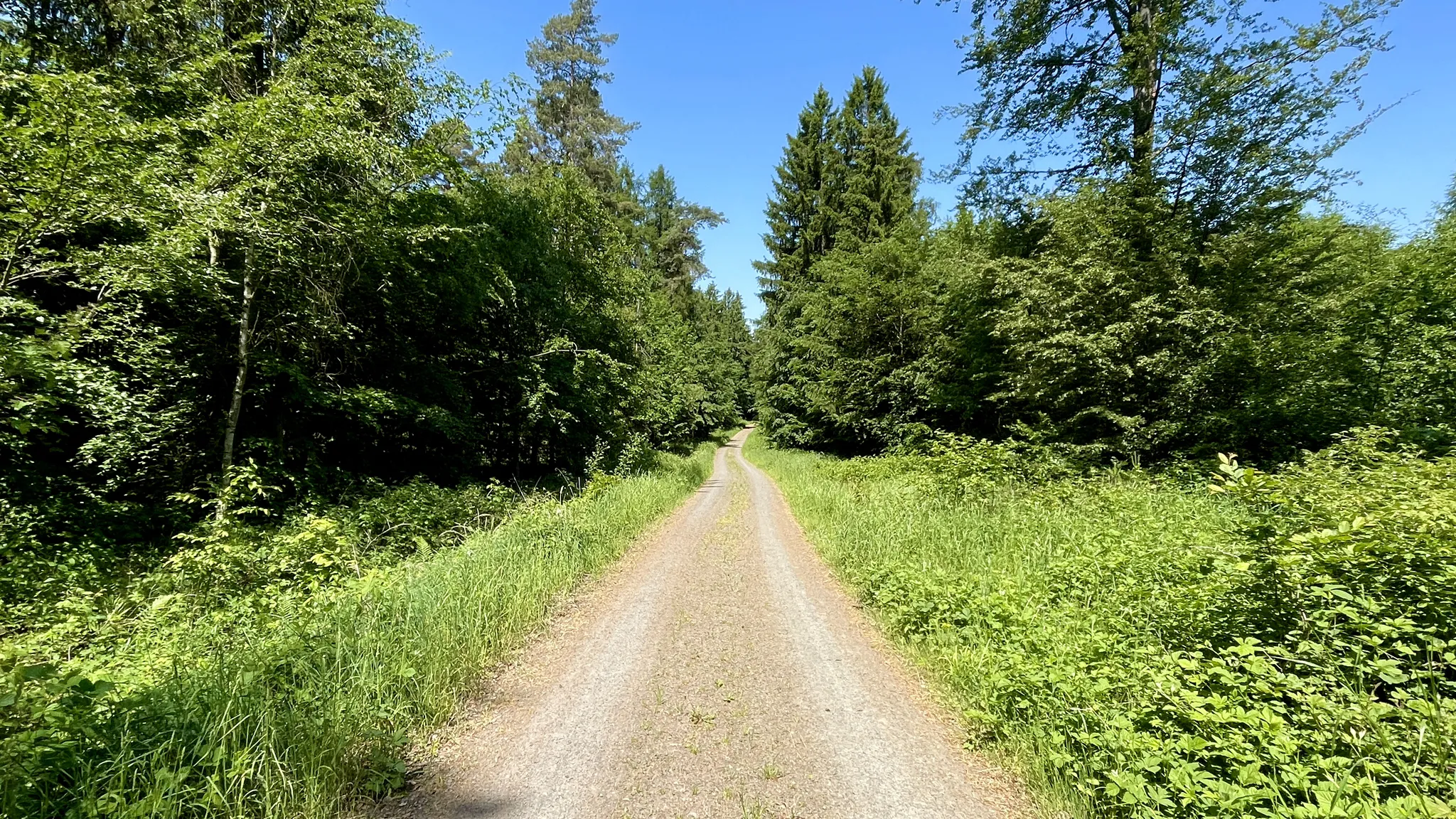
Replace stress with nature and silence – Rennweg (the Haßberge)
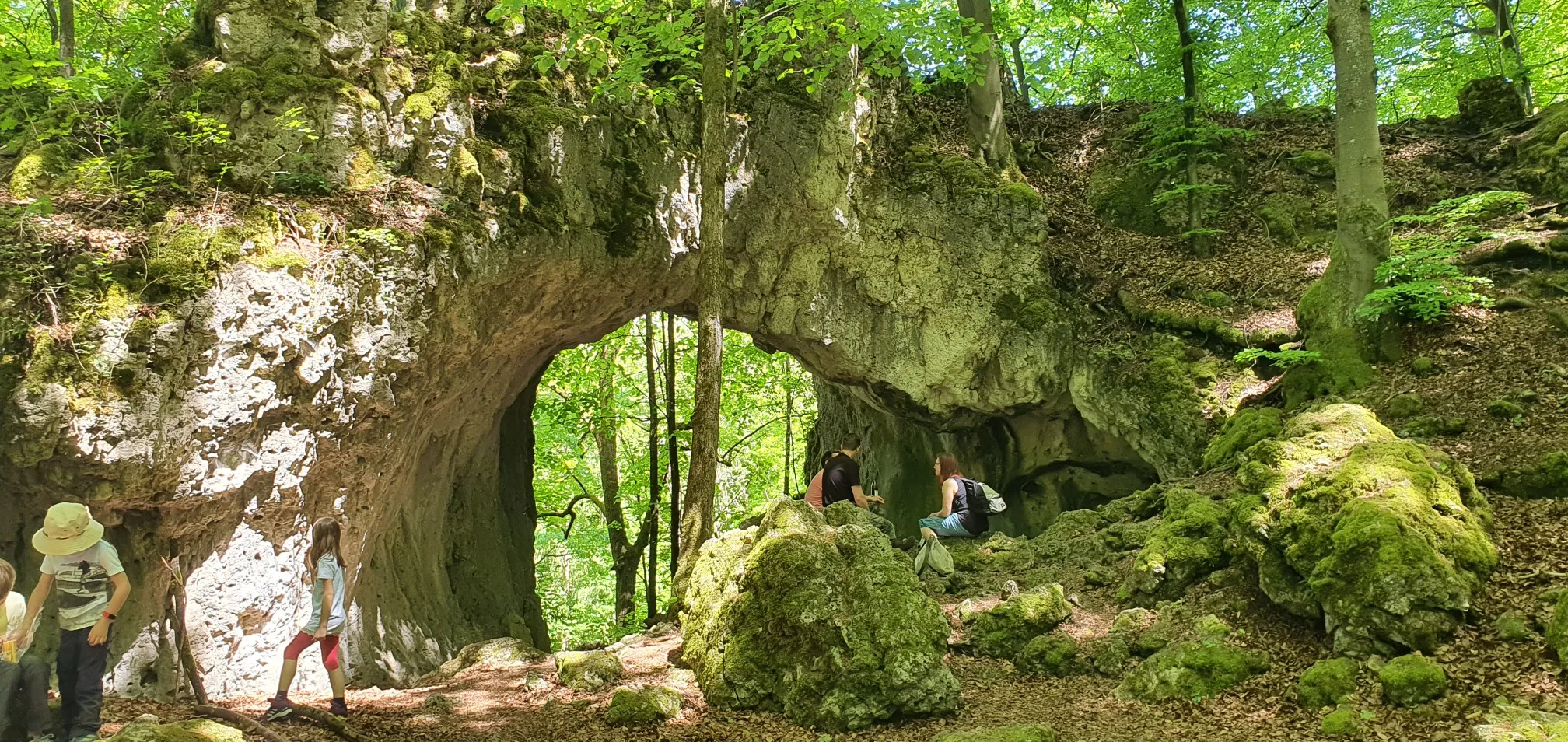
Catch the bus and train into nature – VGN Leisure Tips 2023
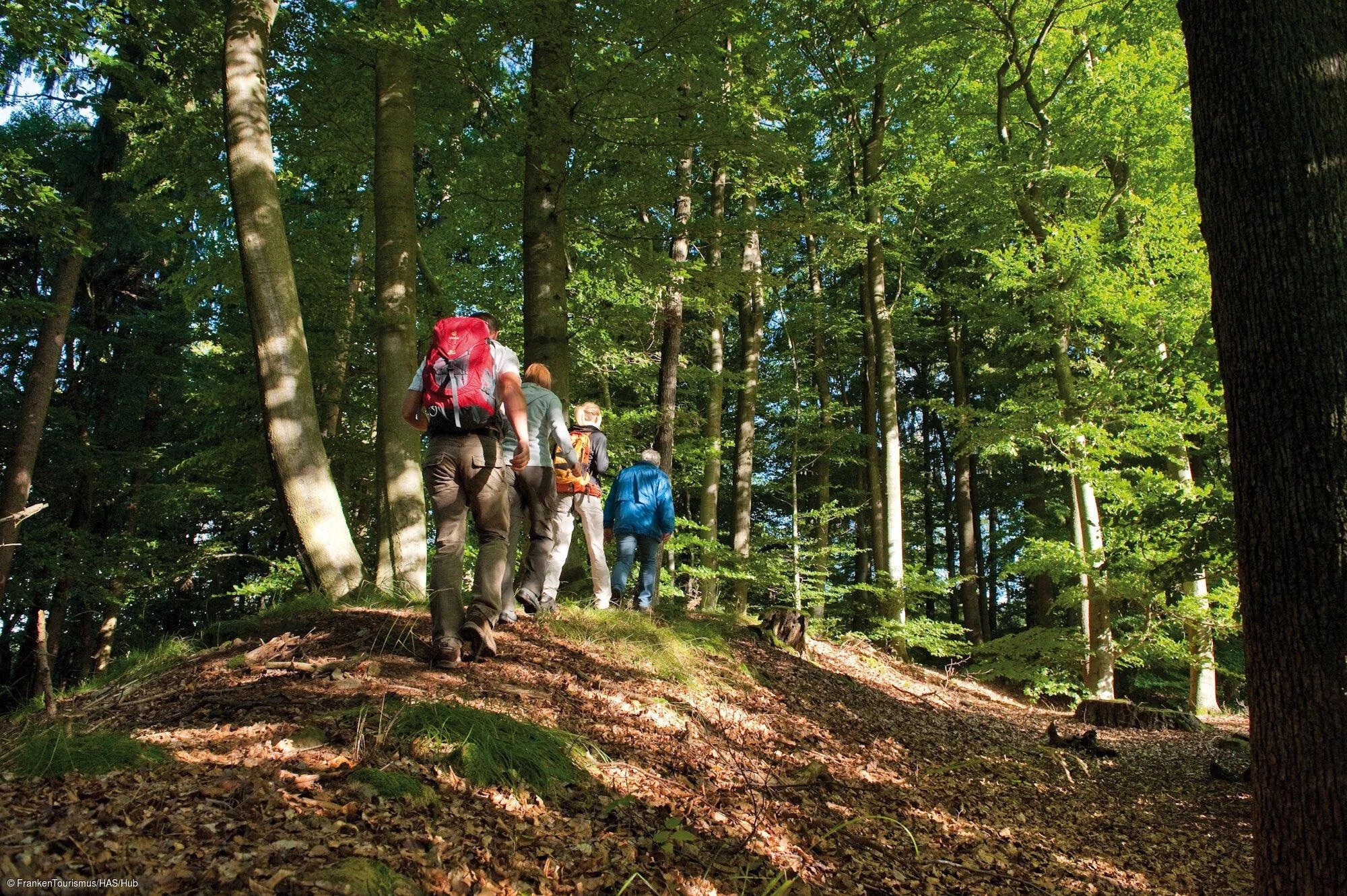
From the Celts to the modern world – Celtic Experience Trail
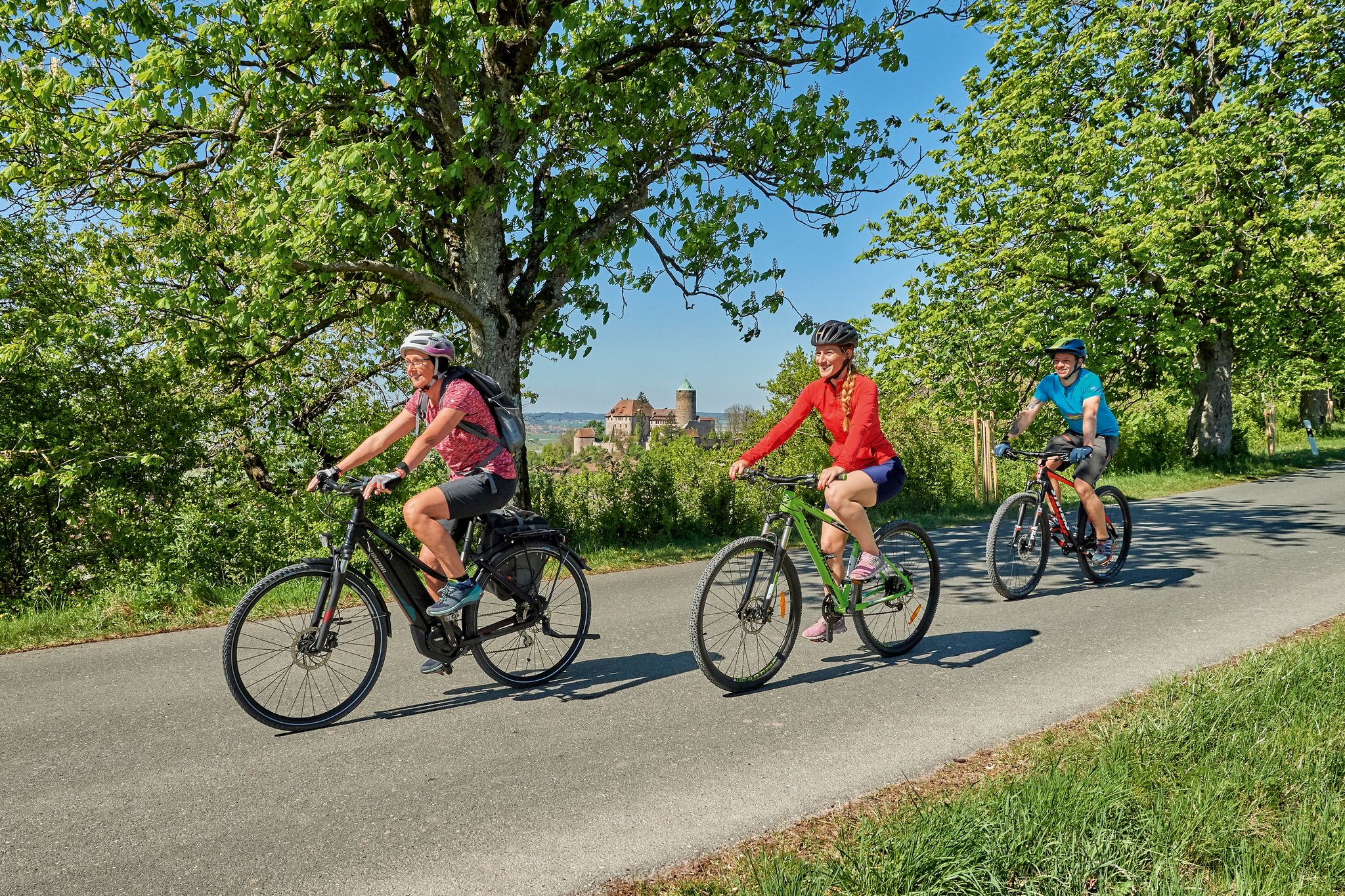
Sustainable cycling holidays — e-bike Tours through Franconia
Other adventures in the Haßberge


Tips from the Community

The Zeiler Käppele is a small mountain chapel with a beautiful view of the Main.
0
0

Addendum to Naxxos from February 20, 2021: The sand was used as writing sand (also called blotting sand or quenching sand). It was formerly used to dry wet ink. Medieval inks dried more slowly than modern inks. ... Traces of blotting sand can still be found on many handwritten historical documents. (Source: Wikipedia)
0
0

The Diebskeller is a beautiful example of how nature and history come together in the Haßbergland region – a place to marvel at and explore.
5
0

A new experience every time.
10
0
Rauheneck Castle (now commonly spelled Raueneck, bewaldetes Eck, Bergsporn) is the ruins of an official castle of the Diocese of Würzburg in the Haßberge Mountains in the Haßberge district, Lower Franconia, Bavaria (Germany). Source and further information: https://de.wikipedia.org/wiki/Burg_Rauheneck_(Ebern)
12
0

The cave radiates a special, fairytale atmosphere and invites you to linger and dream.
1
0
Impressive rock formations. Mosses, ferns, and foliage give the place a primeval appearance.
0
0

Super cool for climbing around and taking a break on the rock at the top.
2
0
Frequently Asked Questions
What types of caves can I explore in the Haßberge region?
The Haßberge region offers a unique variety of cave-like structures, including natural rock formations, grottoes, historical rock cellars, and former sand mines. Unlike typical dripstone caves, many sites here highlight geological history and past human activity, such as the Thieves' Cellar Rock Labyrinth and the Silber-Sandstein-Höhle.
Are there any historical caves or rock formations in the Haßberge?
Yes, the region is rich in historical sites integrated with natural formations. The Thieves' Cellar Rock Labyrinth is a natural monument where local legends suggest gangs of thieves once resided. Additionally, the Raueneck Castle Ruins combine historical significance with cave-like features, and the Hollow Rock is an impressive sandstone formation entwined with local legends.
Which caves are suitable for families with children?
Many cave-like sites in the Haßberge are family-friendly. The Silber-Sandstein-Höhle is highlighted as an 'insider tip' for a family-friendly nature experience, often combined with a visit to a nearby sheep farm. The Thieves' Cellar Rock Labyrinth and Hollow Rock also offer interesting terrain for exploration by all ages.
Can I enter all the caves in the Haßberge?
While many sites offer accessible rock formations and passages, some specific caves have restricted access. For example, the Silber-Sandstein-Höhle typically requires visits by appointment. The Schneidershöhle and Tränenfelsen and Cave cannot be fully visited inside, but offer small areas or passages to explore. It's always advisable to check local information or contact tour operators for specific access details.
What should I bring when exploring caves or rock formations in the Haßberge?
For sites with smaller passages or limited natural light, such as the accessible parts of Schneidershöhle or Tränenfelsen and Cave, a flashlight is recommended. Comfortable walking shoes are essential for navigating the natural terrain and trails around these sites.
Are there hiking trails that lead to or past these caves?
Yes, many cave-like formations in the Haßberge are integrated into the region's extensive hiking network. You can find numerous routes that pass by or lead directly to these natural monuments. For a comprehensive overview of hiking opportunities, explore the Hiking in the Haßberge guide, which includes trails like the Abt-Degen-Steig and the Haßberge adventure tour – castle tour.
What other outdoor activities can I do near the caves in the Haßberge?
Beyond hiking, the Haßberge region offers excellent opportunities for cycling and gravel biking. You can find routes that explore the diverse landscapes, often passing by historical sites and natural formations. Check out the Gravel biking in the Haßberge guide or the Cycling in the Haßberge guide for detailed route information.
What makes the Silber-Sandstein-Höhle unique?
The Silber-Sandstein-Höhle near Stettfeld is unique because it's not a typical natural cave but a former sand mine carved into Middle Burgsandstein. It features natural pillars, was historically used for mining fine sand, and serves as a winter refuge for bats. It offers a glimpse into both geological history and past industrial activity, providing a 'cool, wondrous world' in summer.
Are there any grottoes to visit in the Haßberge?
Yes, the region features grottoes, such as the Efeubewachsene Grotte am Mainufer (Ivy-covered Grotto on the Main Embankment), which is described as a pleasant place 'simply to enjoy.' These grottoes contribute to the diverse natural attractions of the Haßberge.
What are the Rock cellars in Roßstadt?
The Rock cellars in Roßstadt are an example of man-made historical sites in the region. These are not natural caves but rather historical rock cellars, offering insight into past human activity and storage practices, and are considered a unique historical site.
Can I find viewpoints near the cave formations?
Many of the cave-like formations and rock overhangs in the Haßberge are situated in scenic areas that also offer viewpoints. For instance, the Raueneck Castle Ruins provide good views over the forests, and the Caves at Teufelssprung and the Moss-Covered Rock Overhang in Naturpark Haßberge are also noted for their viewpoints.
What is the best time to visit the caves and rock formations in the Haßberge?
The Haßberge region is enjoyable year-round. The Silber-Sandstein-Höhle is particularly noted for offering a 'cool, wondrous world' in summer, providing a refreshing contrast to the warm hilly landscape. During winter, some caves, like the Silber-Sandstein-Höhle, serve as bat refuges, which might affect access or viewing opportunities. Generally, spring and autumn offer pleasant temperatures for exploring the outdoor trails and formations.
Most popular routes in the Haßberge
Most popular attractions in the Haßberge

Get inspired with the komoot mobile app


Didn’t find what you were looking for?
Discover more caves in the Haßberge region by region:
Explore more
Extend your search for the best caves by checking out these guides of the top ones in the Haßberge:
