Top 5 Castles in Schwyz
Best castles in Schwyz are found in a canton nestled in central Switzerland, between the Alps, Lake Lucerne, and Lake Zürich. These historic sites and ruins offer insights into the region's past. Many are situated in scenic locations, often near lakes or rivers, providing both historical context and natural beauty. The canton features a variety of castle types, from island fortresses to hill castles.
Best castles in Schwyz
- The most popular castles is Schwanau Island, a lake with castle…
Last updated: July 23, 2026
Schwanau Island
Highlight • Lake
schwanau.ch
Translated by Google •
Tip by

Schloss Grynau and country inn
Highlight • Castle
Translated by Google •
Tip by

Sign up now to discover places like this
Get recommendations on the best single tracks, peaks, & plenty of other exciting outdoor places.
Sign up for free
Pfäffikon Castle
Highlight • Castle
History of the castle complex (castle tower)
In the years 965/72 the German emperors donated the two farms Pfäffikon and Wollerau to the Einsiedeln monastery. The Benedictine monastery …
Translated by Google •
Tip by

Gesslerburg Ruins
Highlight • Castle
The "nobles of Küssnach" and the lords of Silenen as lords of the castle
Gesslerburg is the name of the medieval castle in Küssnacht. Like Hohle Gasse in …
Translated by Google •
Tip by
View of Rapperswil Castle from the Wooden Boardwalk
Highlight • Viewpoint
Tip by

Start today with a free account
Your next adventure awaits.
Login or Signup
Popular around Schwyz
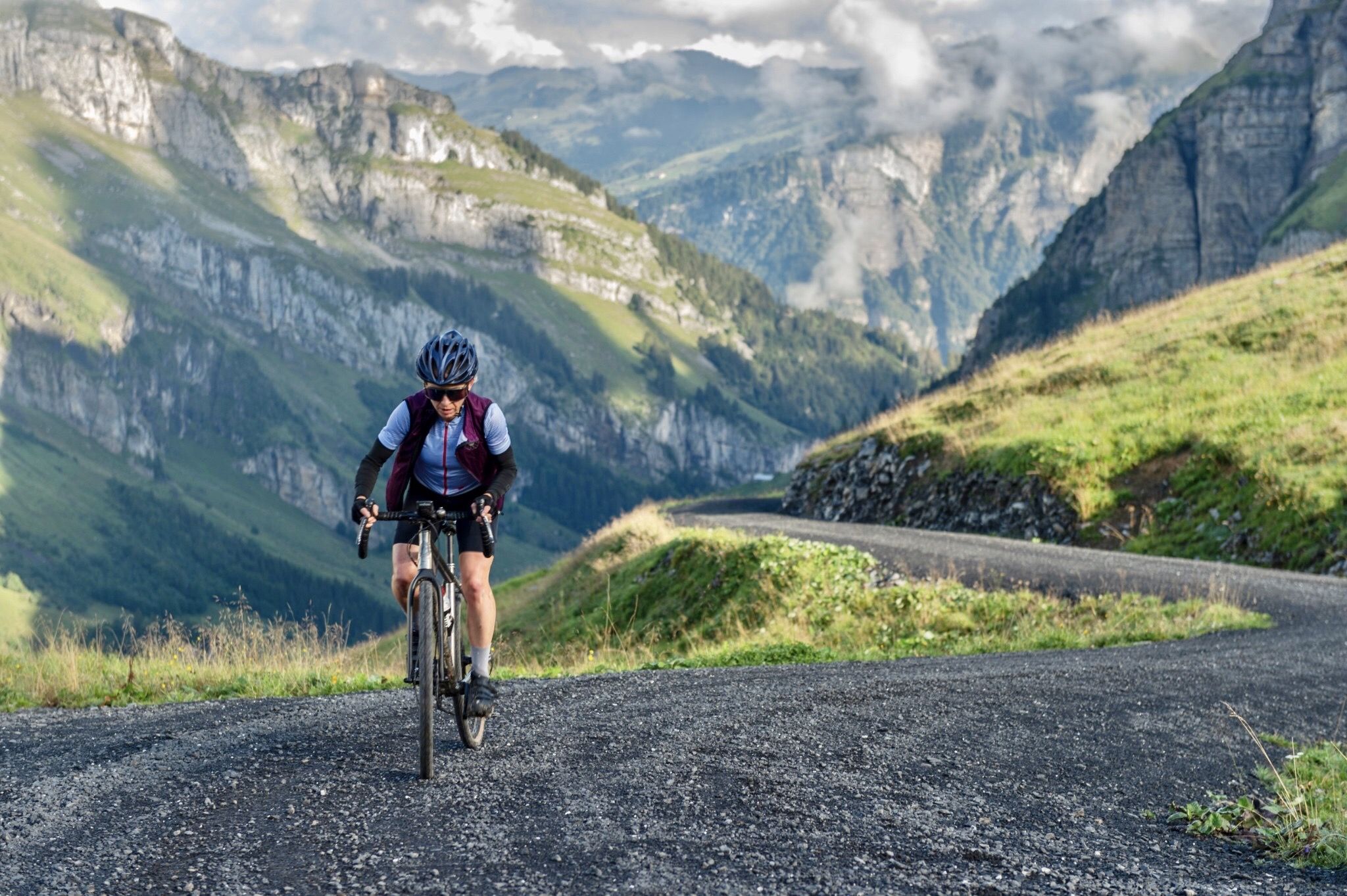
A summer of backdoor adventures in the Voralpen
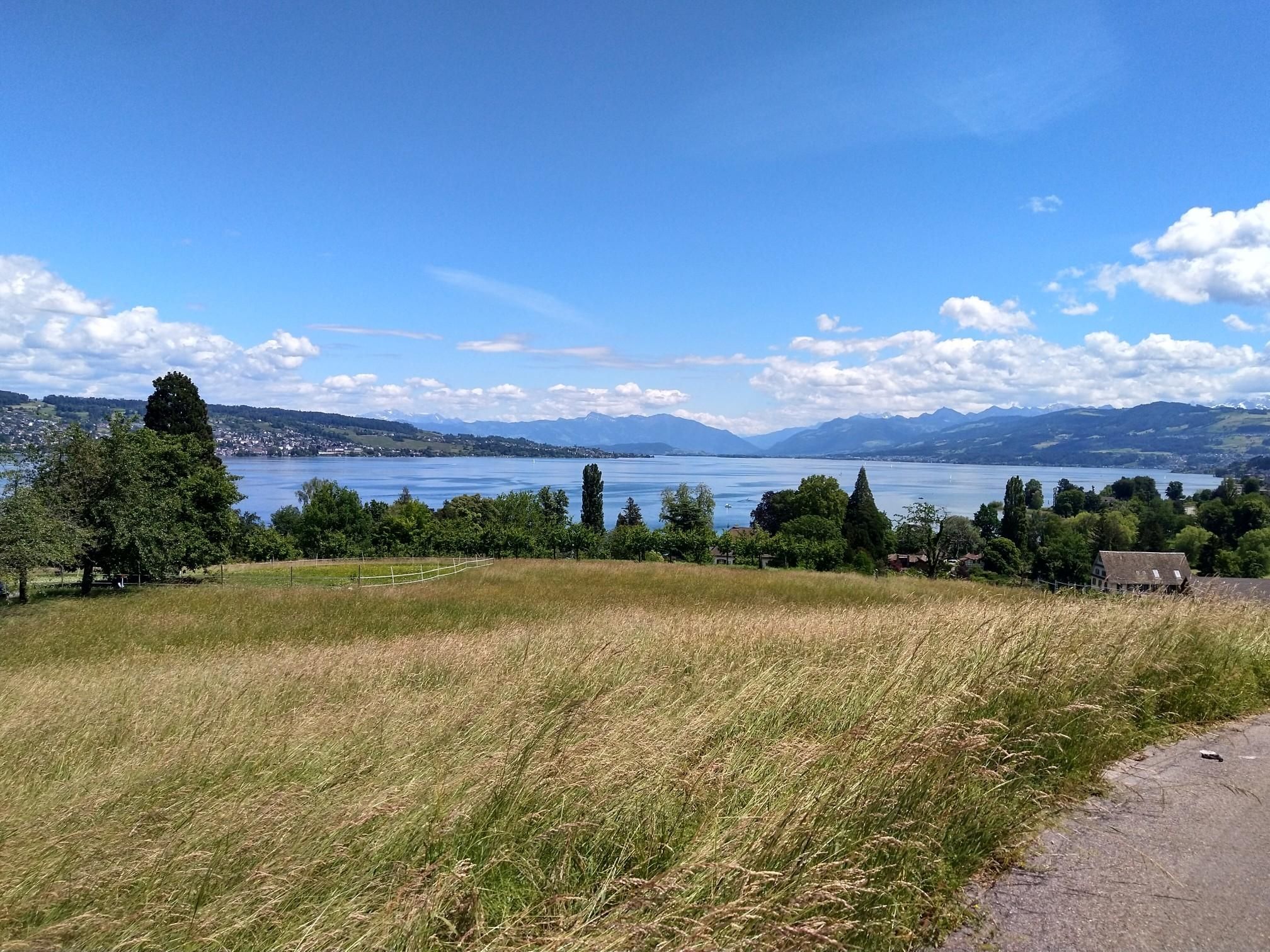
Lake Zurich loop – A land of contrasts
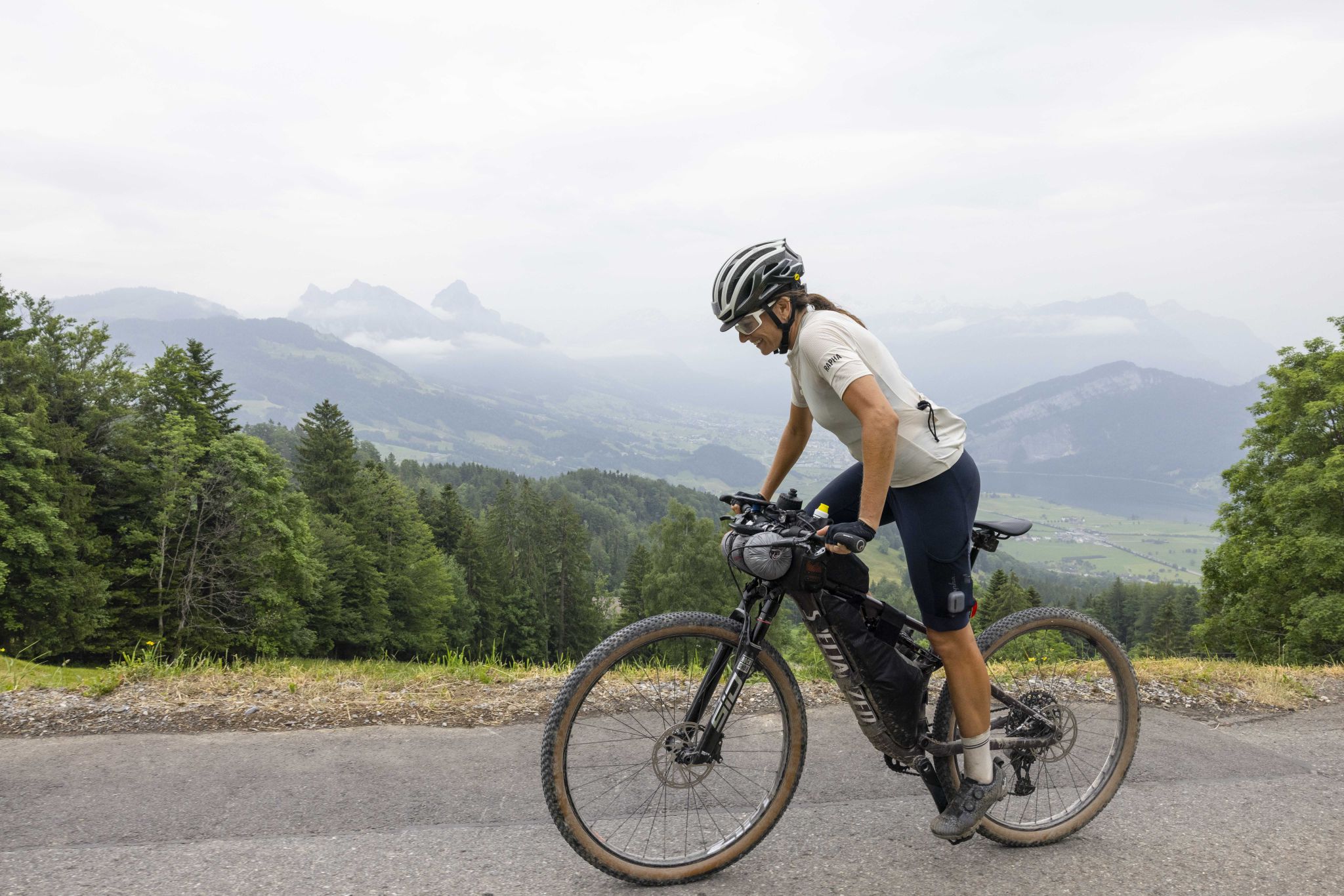
Hope 1000 – Bikepacking Switzerland in 11 stages
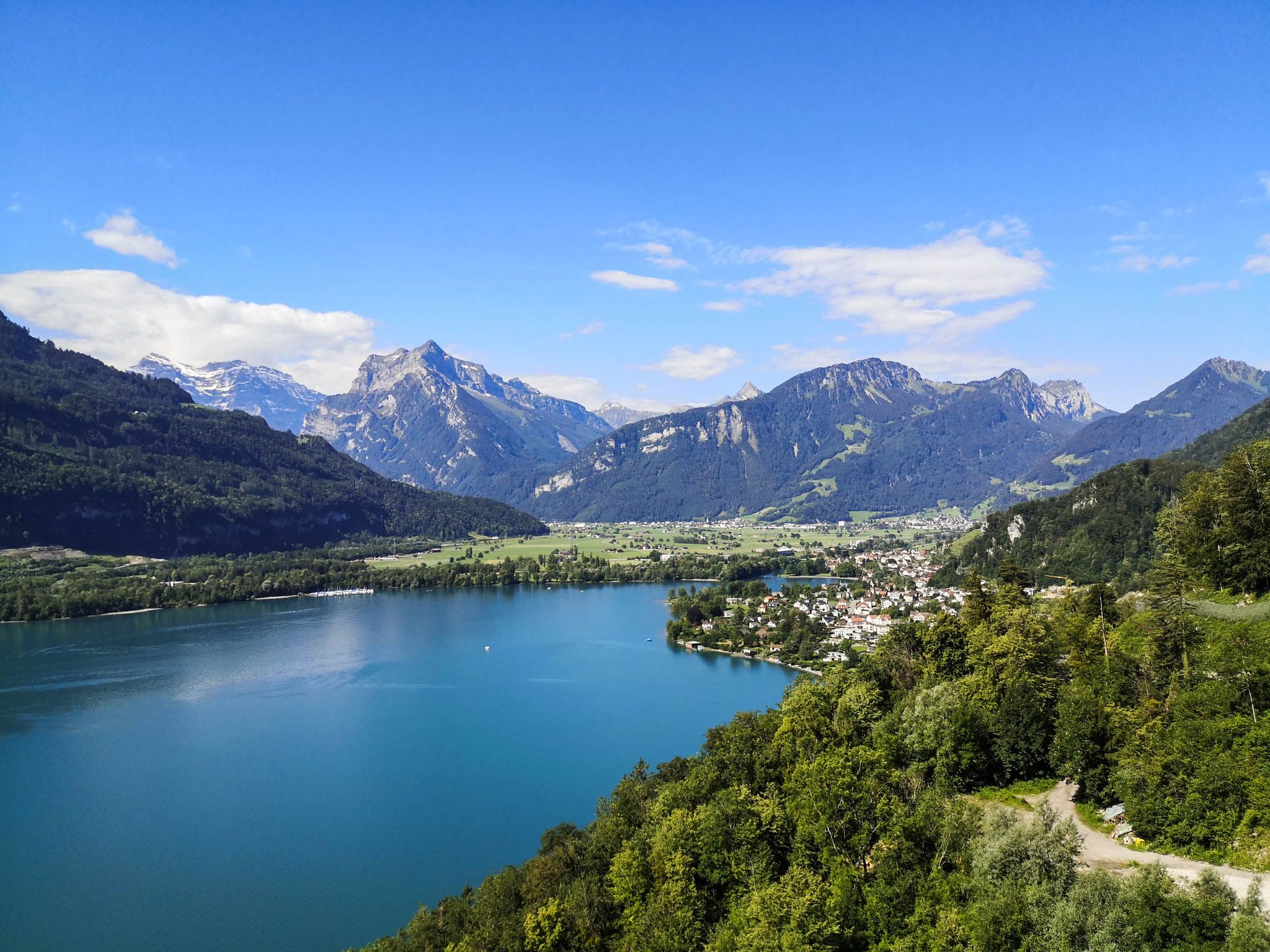
Alpine Panorama Trail in Switzerland – Keep your eyes on the mountains
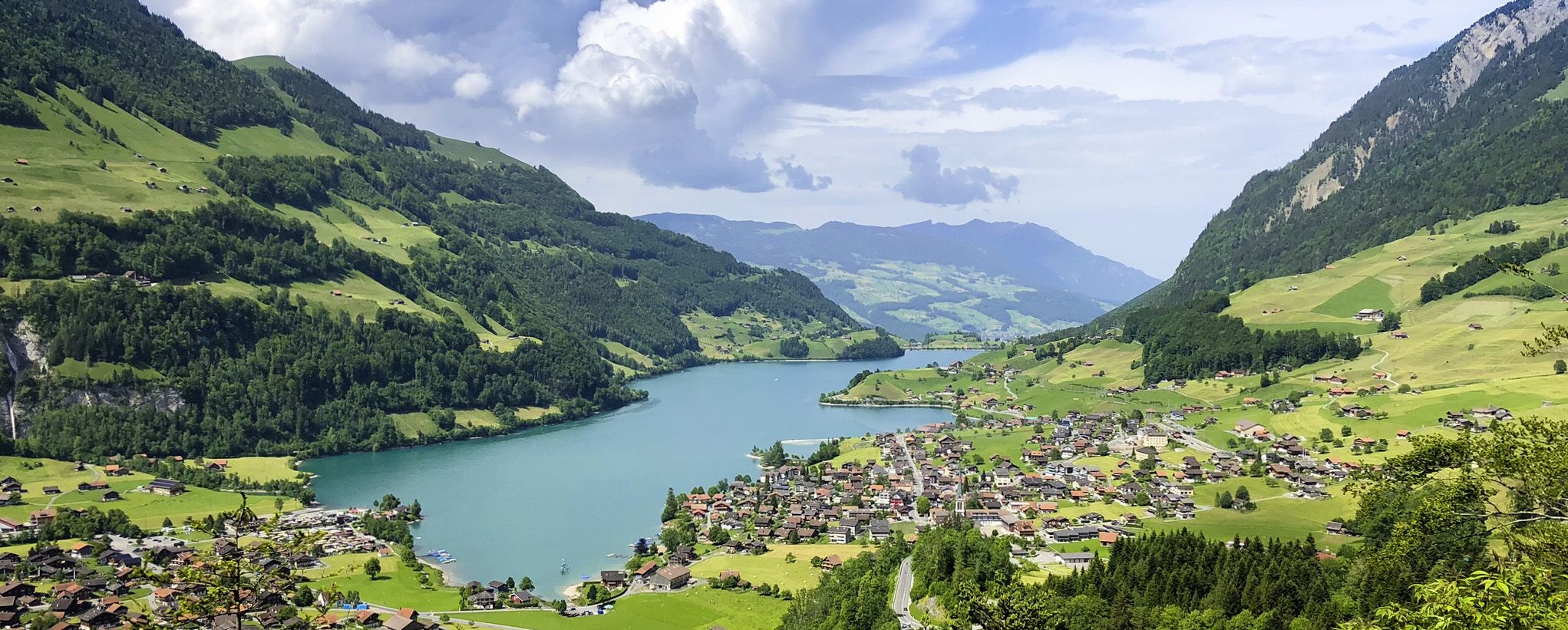
The Lakes Route – Picture-postcard views in the Swiss alpine foothills
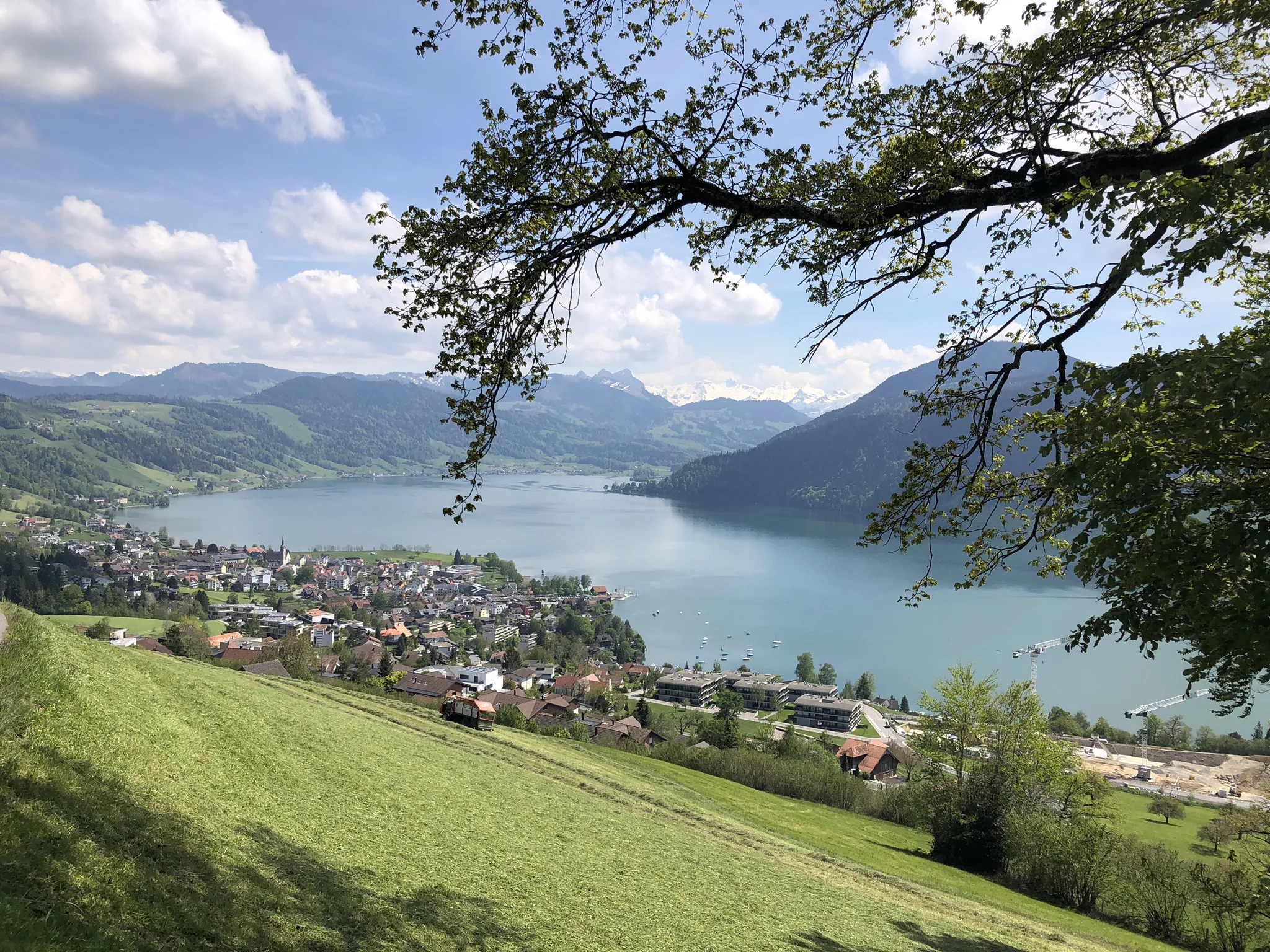
The Herzroute – Cycling through the heart of Switzerland
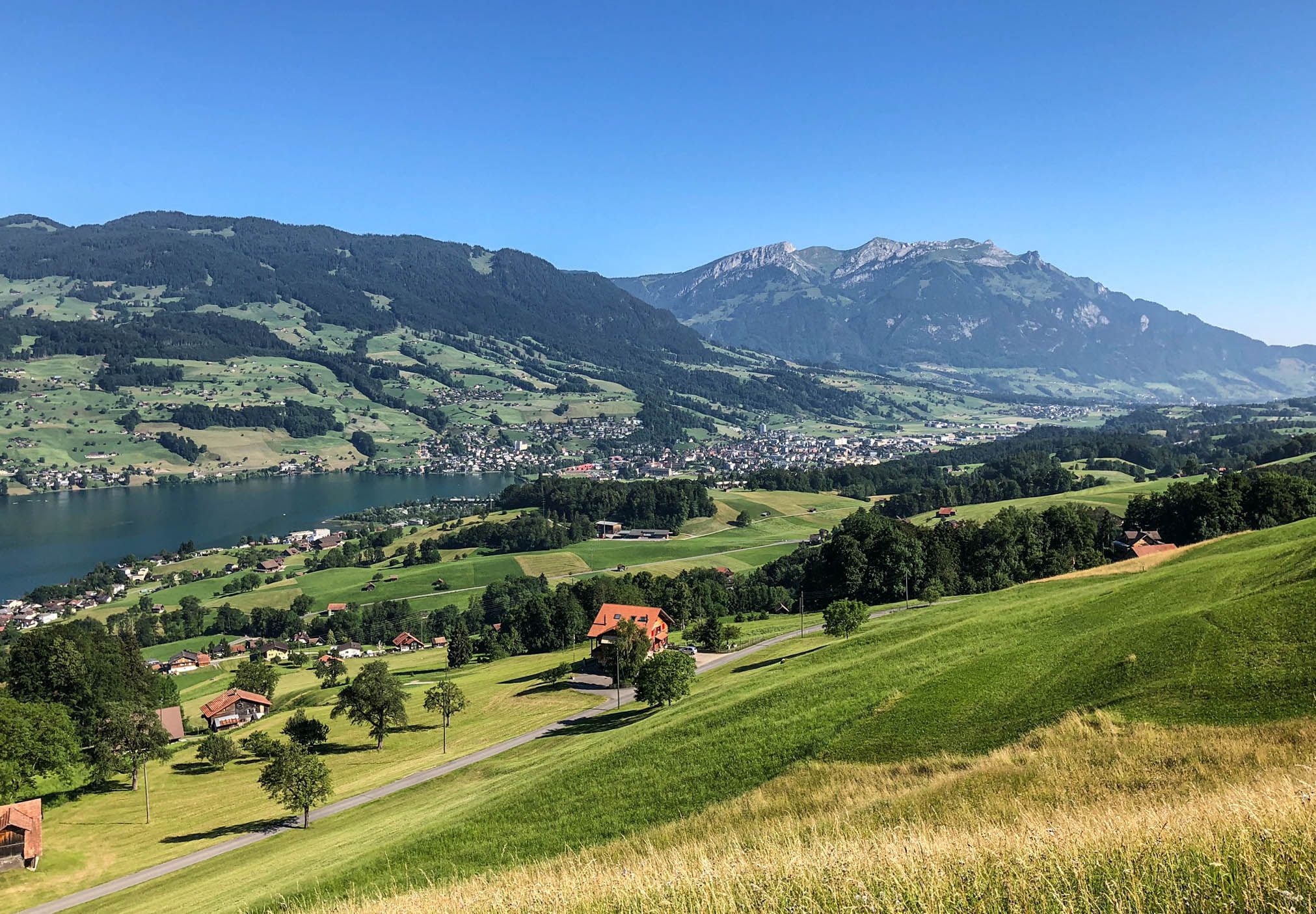
Via Jacobi – Following the Way of St James across Switzerland
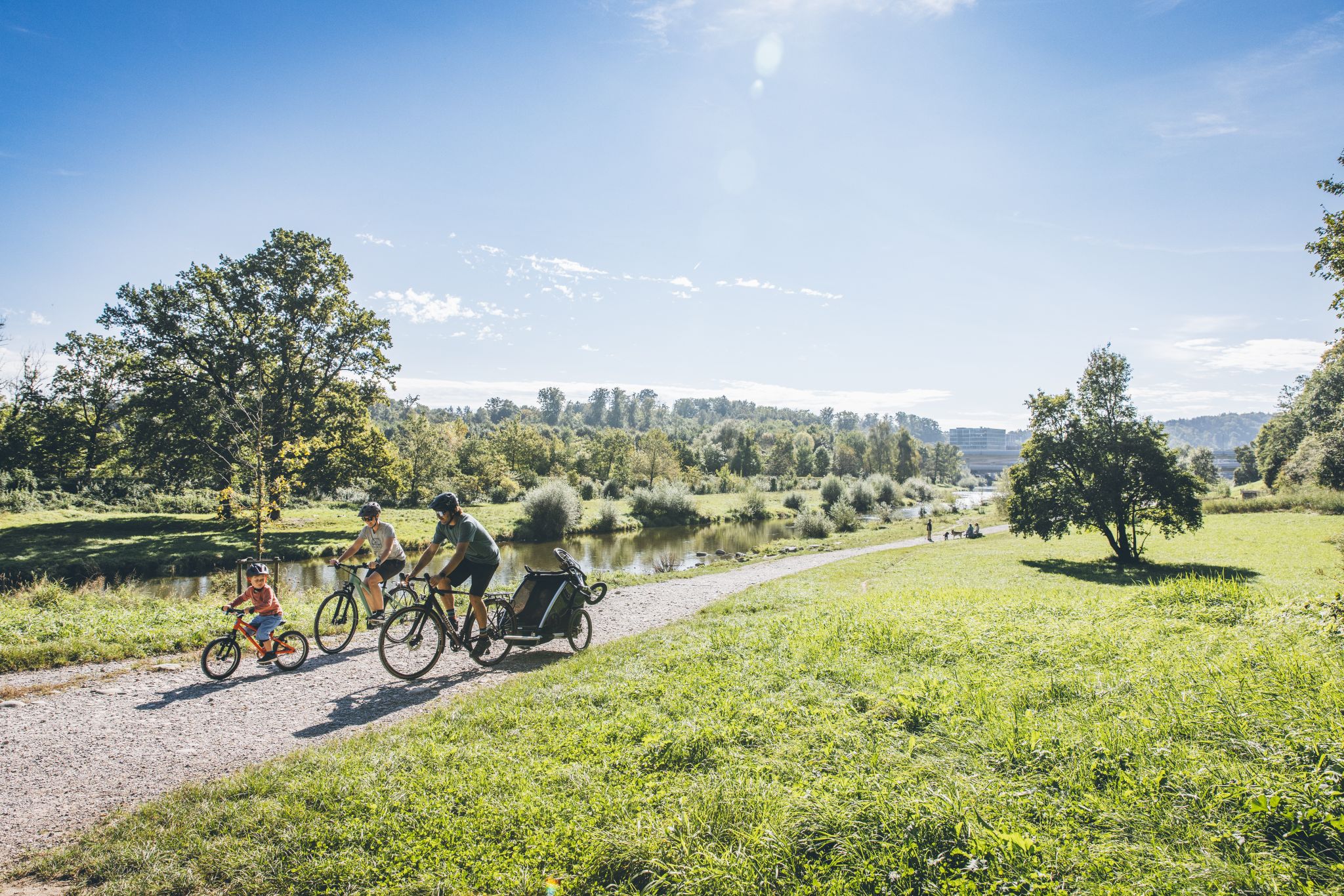
Family fun on two wheels – cycling routes with children around Zürich
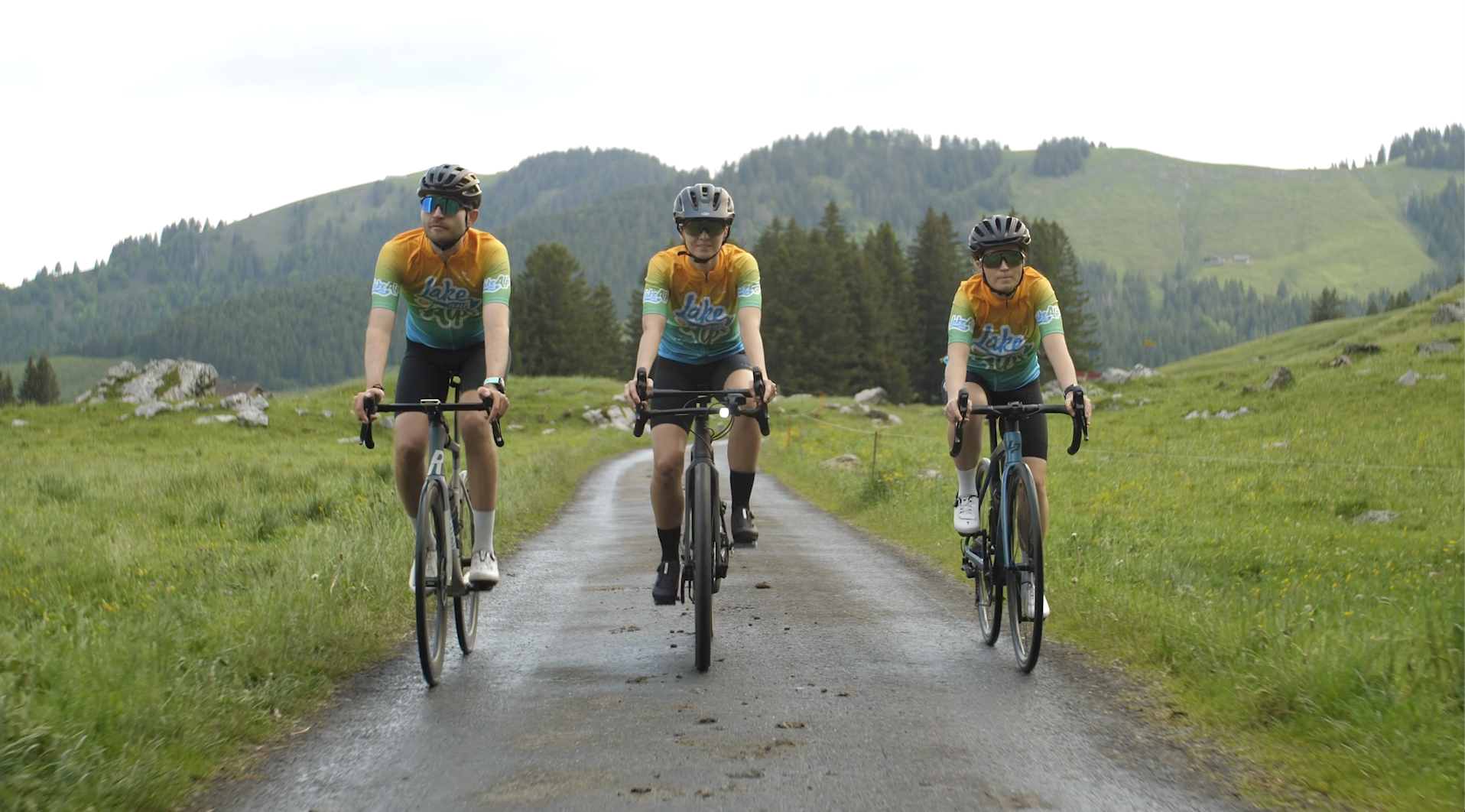
Lake and Alps Adventure – explore 100 dreamy places in our cycling region!
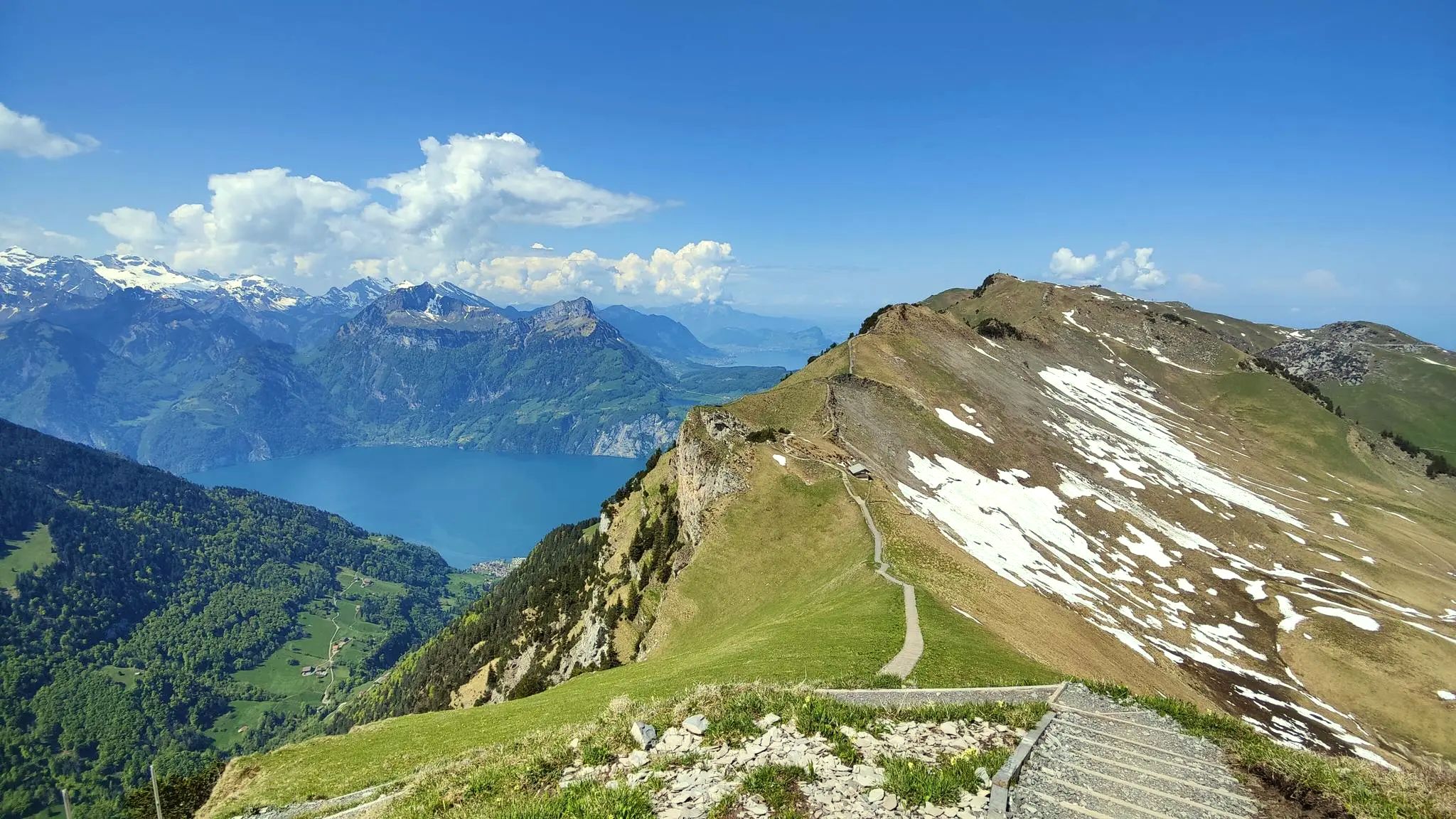
Spectacular panoramas – hiking in the Canton of Schwyz
Other adventures in Schwyz


Tips from the Community

Schwanau Island – a small island with castle ruins and a restaurant. An island boat taxi will take you to and from the island. Please note the departure times.
1
0

Very nice to bike here
0
0

Small restaurant on the island with ferry, please inform yourself in advance about opening hours or ferry times
1
0

The sunsets from the castle or the bridge are simply spectacular
0
0

Gesslerburg ruins The "nobles of Küssnach" and the lords of Silenen as lords of the castle Gesslerburg is the name of the medieval castle in Küssnacht. Like Hohle Gasse in Immensee, it is linked to the legend of Wilhelm Tell. According to the historian Aegidius Tschudi, it is said to have been the seat of Landsvogt Hermann Gessler. The ruins of the Gesslerburg have been owned by the Swiss Confederation since 1908. The ruins of the hilltop castle are located on a hilltop in the east of the village, above the village stream, which flows from the Seebodenalp into the lake. A path leads up to the Gesslerburg from the Knochenstampfe, a shed by the stream with a water wheel in which fertilizer was once produced. Despite archaeological investigations, very little is known about the origin and history of the castle complex. There is evidence of a nobleman named Recho from the second half of the 9th century, who donated his possessions in Küssnacht to the Benedictine monastery in Hof Luzern, along with other goods. An early medieval castle probably also belonged to it. The first documented mention dates back to 1263: «in castro nostro Chüssenach». In 1291, Küssnacht was bought from the monastery by Rudolf I of Habsburg. The lords of the castle, who were employed as bailiffs by the House of Habsburg, appeared as "nobles from Küssnach". Knight Eppo II (1282-1315) demanded taxes, duties and forced labor as a bailiff. In 1302 there was a dispute with the villagers of Küssnacht, Immensee and Haltikon, in which the bailiff is said to have almost died. Around the middle of the 14th century. The castle was destroyed by fire and then rebuilt much larger. Text / source: Küssnacht District, Seeplatz 2/3, Postfach 176, 6403 Küssnacht am Rigi https://www.kuessnacht.ch/district/sightseeing/ruine_gesslerburg.html/107
16
0

Absolutely no go by bike!!!
2
0

Anyone who has made it to the castle, which today only consists of a tower, should add another hour: a simple hike through the Bätzimatt der Linth nature reserve or along the Linth Canal is a real stunner! Further information: https://www.teddy-b.ch/excursions/baetzimatt-tuggen-sz-linth-ahoi/
1
0

The remains of this medieval castle are on a hill east of Küssnacht. What remains are primarily the foundations and a few remains of the wall, which are open to the public. There is also a barbecue area at the foot of the hill.
2
0
Frequently Asked Questions
What are the most historically significant castles in Schwyz?
The Canton of Schwyz boasts several castles with deep historical roots. Gesslerburg Ruins in Küssnacht is famously linked to the legend of William Tell and the tyrannical Vogt Gessler. Pfäffikon Castle, also known as "Weissenburg," has a history dating back to 965 AD and served as an important administrative center for Einsiedeln Abbey. Schwanau Island in Lake Lauerz features castle ruins with a history of settlement from 1200 BC and was built by the Kyburgs.
Which castles in Schwyz are suitable for families?
Several castles in Schwyz offer family-friendly experiences. The grounds of Pfäffikon Castle are open to the public, and its proximity to Lake Zurich, a park, and restaurants make it an appealing day trip. Schloss Grynau and country inn also offers open grounds for exploration. Schwanau Island is accessible by public ferry and features castle ruins, a rebuilt chapel, and a restaurant, providing an adventurous outing for all ages.
Can I explore castle ruins in Schwyz?
Yes, the Canton of Schwyz is home to impressive castle ruins that are open for exploration. The Gesslerburg Ruins in Küssnacht allow visitors to walk through the remains of this historic hill castle. On Schwanau Island, you can explore the restored ruins of Schwanau Castle, which includes a viewing platform on the tower.
Are there castles in Schwyz with scenic views or natural surroundings?
Many castles in Schwyz are set in picturesque locations. The Gesslerburg Ruins offer scenic views from its elevated position. Schloss Grynau provides good views of the surrounding Linth River valley. Perhaps the most scenic is Schwanau Island, located in Lake Lauerz and surrounded by the Grosser and Kleiner Mythen and the Rigi mountains, offering a romantic and beautiful setting.
What outdoor activities can I do near the castles in Schwyz?
The region around Schwyz castles offers diverse outdoor activities. You can find numerous routes for road cycling, mountain hikes, and gravel biking. For example, near Schwanau Island, you can enjoy road cycling routes like the 'Morgarten - Lake Lauerz Loop'. For more options, explore the Road Cycling Routes in Schwyz, Mountain Hikes in Schwyz, or Gravel biking in Schwyz guides.
How can I reach Schwanau Island and its castle ruins?
Schwanau Island, located in Lake Lauerz, is a historical and cultural heritage site accessible by public passenger ferry. You can also reach the island with your own boat or a boat taxi. Once there, you can explore the castle ruins, the rebuilt chapel, and enjoy the island's restaurant.
Are there dining options available at or near the castles?
Yes, several castles offer dining facilities or are located near restaurants. On Schwanau Island, there is a restaurant for visitors. Adjacent to Schloss Grynau, you'll find a country inn providing lodging and dining options. Pfäffikon Castle is also close to restaurants and a small marina by Lake Zurich.
What is the best time of year to visit the castles in Schwyz?
The castles in Schwyz can be visited throughout the year, but the best time often depends on your preferred activities. Spring and autumn offer pleasant temperatures for exploring ruins and enjoying scenic views without the peak summer crowds. Summer allows for combining castle visits with lake activities, especially around Schwanau Island and Pfäffikon Castle. Some sites may have reduced hours or closures in winter, so it's advisable to check specific opening times.
Are the castles in Schwyz accessible by public transport?
Many castles in Schwyz are accessible via public transport. For instance, Schwanau Island is reached by public passenger ferry. The towns where castles like Pfäffikon Castle and Gesslerburg Ruins are located are generally well-connected by Swiss public transport, including trains and buses. It's recommended to check local transport schedules for specific routes to each castle.
Are there any unique legends associated with the castles in Schwyz?
Yes, the castles in Schwyz are steeped in local folklore. The Gesslerburg Ruins are famously associated with the legend of William Tell and the tyrannical Vogt Gessler. Schwanau Island also has a local legend about "Gemma von Arth," adding to its mystique and historical charm.
What kind of events or uses do the castles in Schwyz have today?
Beyond historical exploration, some castles in Schwyz serve modern purposes. The tower and chapel of Pfäffikon Castle are frequently used for events, weddings, and conferences. The castle chapel, dedicated to Saint Eustace, is also a significant historical site. The grounds of Schloss Grynau are open to visitors, with an adjacent country inn.
Can I visit a water castle in Schwyz?
Yes, Pfäffikon Castle, also known as "Weissenburg," is a notable water castle in Freienbach. Its history dates back to the 10th century, and it features a prominent square tower, a Gothic chapel, and a moat. The castle grounds are open to the public, offering a unique glimpse into this type of medieval fortification.
Most popular routes in Schwyz
Most popular attractions in Schwyz

Get inspired with the komoot mobile app


Didn’t find what you were looking for?
Explore Schwyz’s best castles region by region:
Explore more
Looking for the best castles somewhere else? Discover other guides in Schwyz:
