Top 20 Caves in Regierungsbezirk Kassel
Best caves in Regierungsbezirk Kassel offer a diverse range of geological formations and historical sites. This region in Germany is characterized by its varied natural landscape, including volcanic basalt structures and ancient rock formations. Visitors can explore natural monuments and former mining areas that reveal the area's rich geological and industrial past. The caves provide insights into both natural processes and human history within a scenic environment.
Best caves in Regierungsbezirk Kassel
- The most popular caves is Hollenkammer rock formation…
Last updated: September 29, 2026
Kitzkammer Basalt Cave
Highlight • Cave
Translated by Google •
Tip by

Hollenkammer rock formation
Highlight • Natural Monument
Translated by Google •
Tip by

Sign up now to discover places like this
Get recommendations on the best single tracks, peaks, & plenty of other exciting outdoor places.
Vexier Water Grotto
Highlight • Cave
Translated by Google •
Tip by

Erlenloch Pond
Highlight • Lake
Translated by Google •
Tip by

Wichtellöcher Caves (Abterode)
Highlight • Cave
Translated by Google •
Tip by

Bergfreiheit Copper Mine
Highlight • Historical Site
Translated by Google •
Tip by

Dragon Cave at Graner Berg
Highlight • Cave
Translated by Google •
Tip by

Haus Halde and the Mining History of the Hoher Meißner
Highlight • Historical Site
Translated by Google •
Tip by

Giant Rock
Highlight • Natural Monument
Translated by Google •
Tip by

Knots-Keller Cave
Highlight • Cave
Here there is a Zechstein formation measuring approx. 4.50 m wide and an integrated hollow measuring approx. …
Translated by Google •
Tip by

Sign up for free to discover even more caves in Regierungsbezirk Kassel.
Already have an account?
Start today with a free account
Your next adventure awaits.
Popular around Regierungsbezirk Kassel
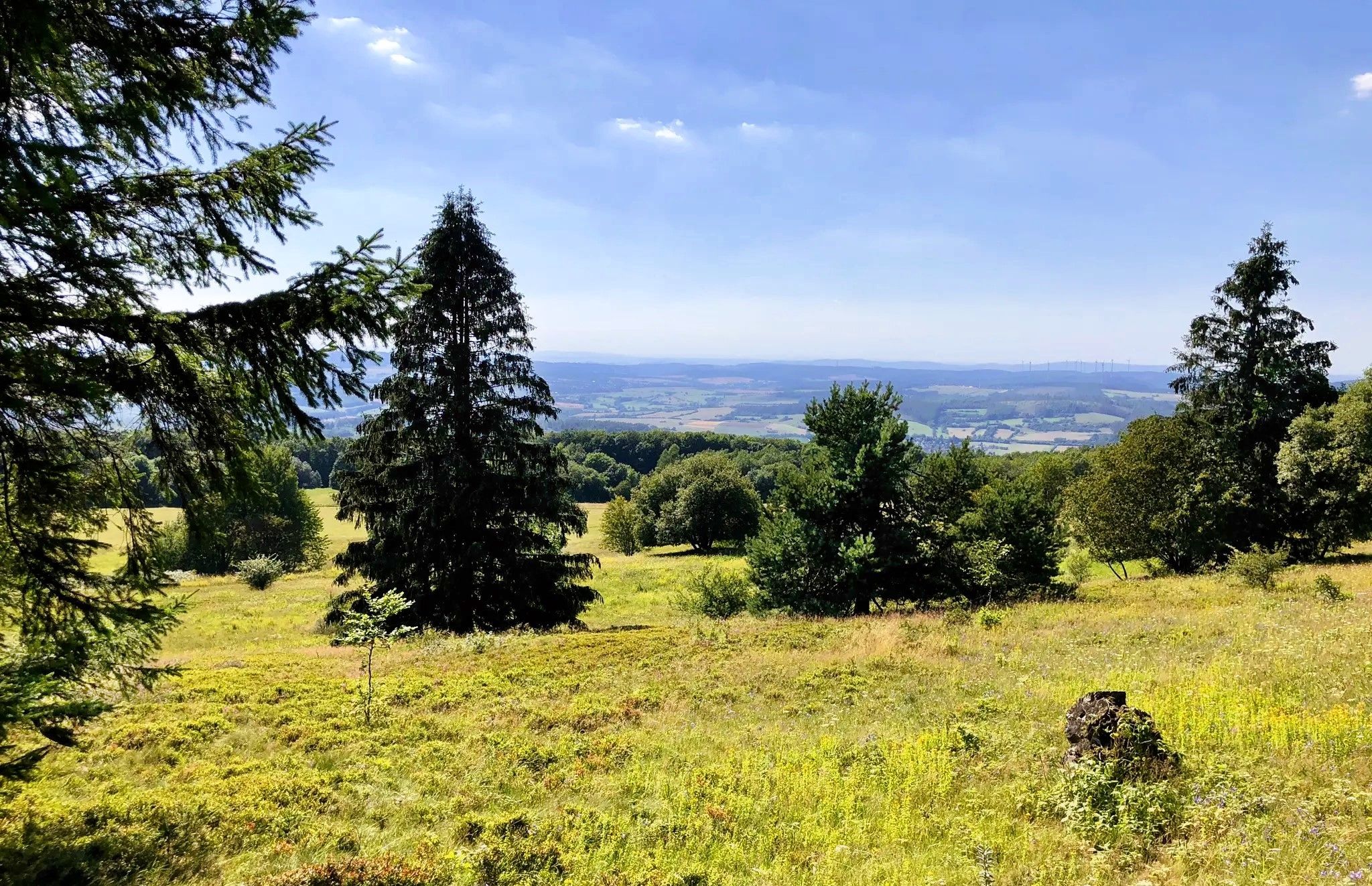
The fairytale GrimmSteig – Five-day hike in North Hesse
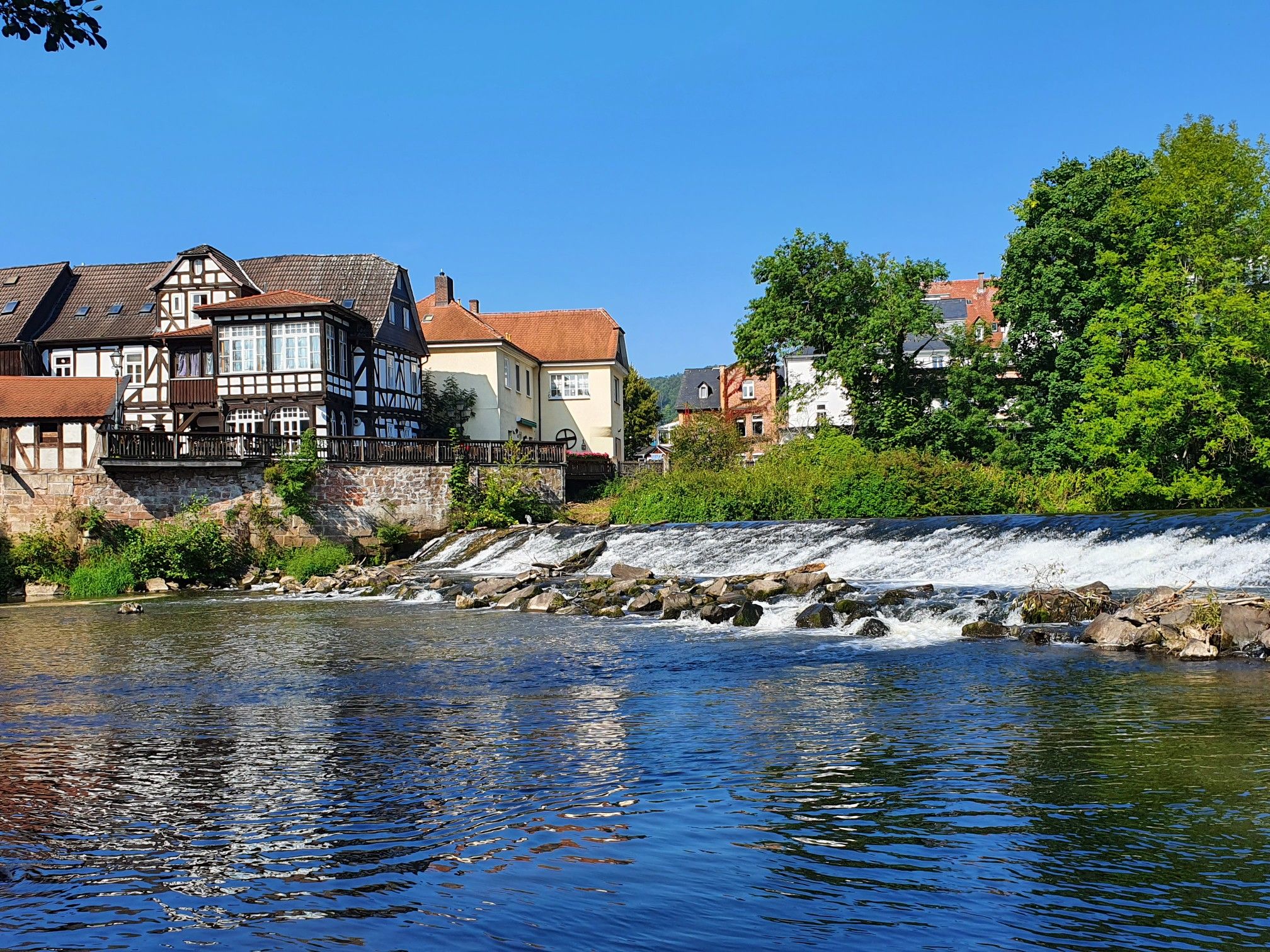
11 Hessen trails – criss-cross through the countryside
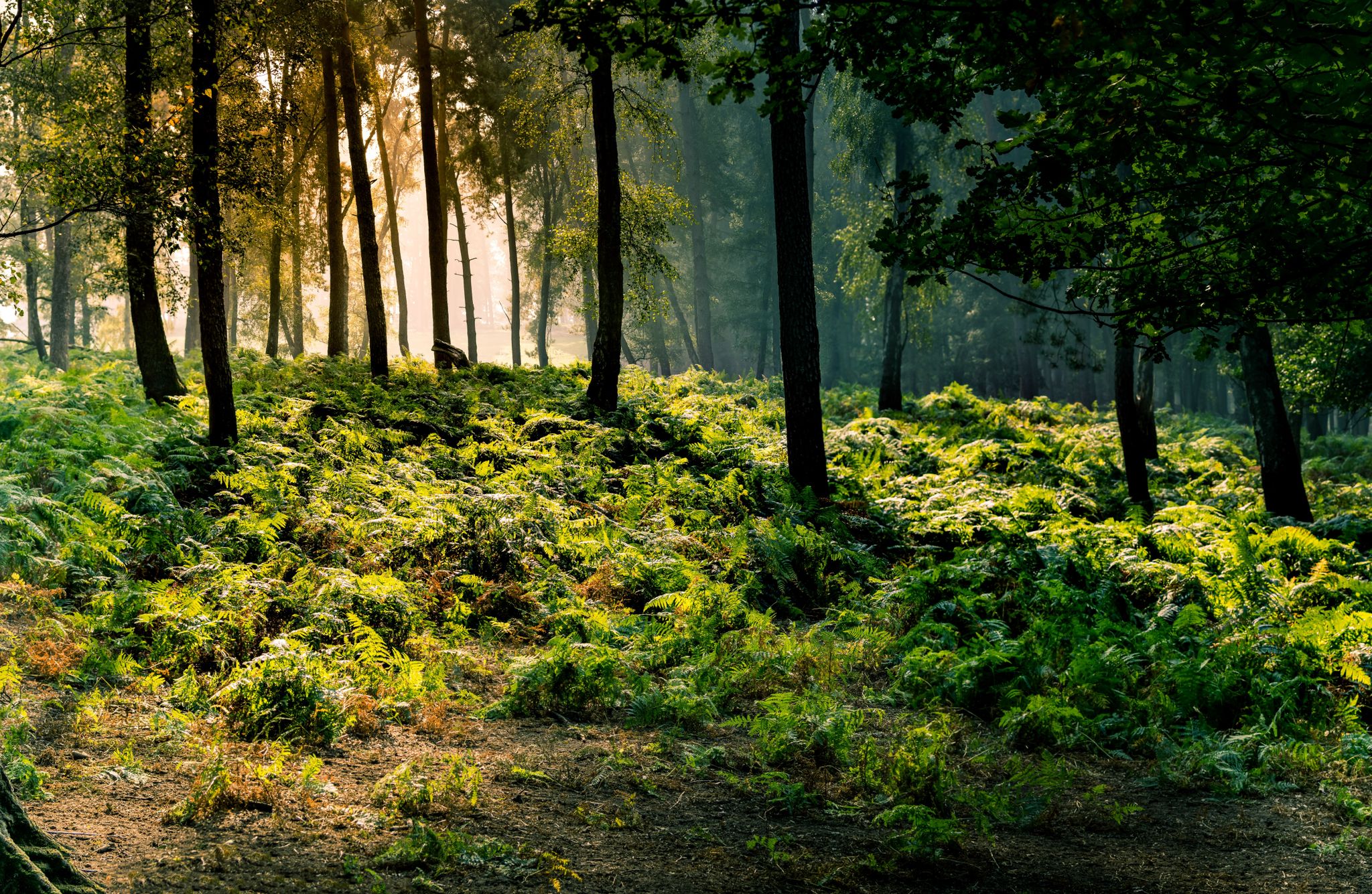
Frau Holle Trail – Nature and fairytales, eight stages
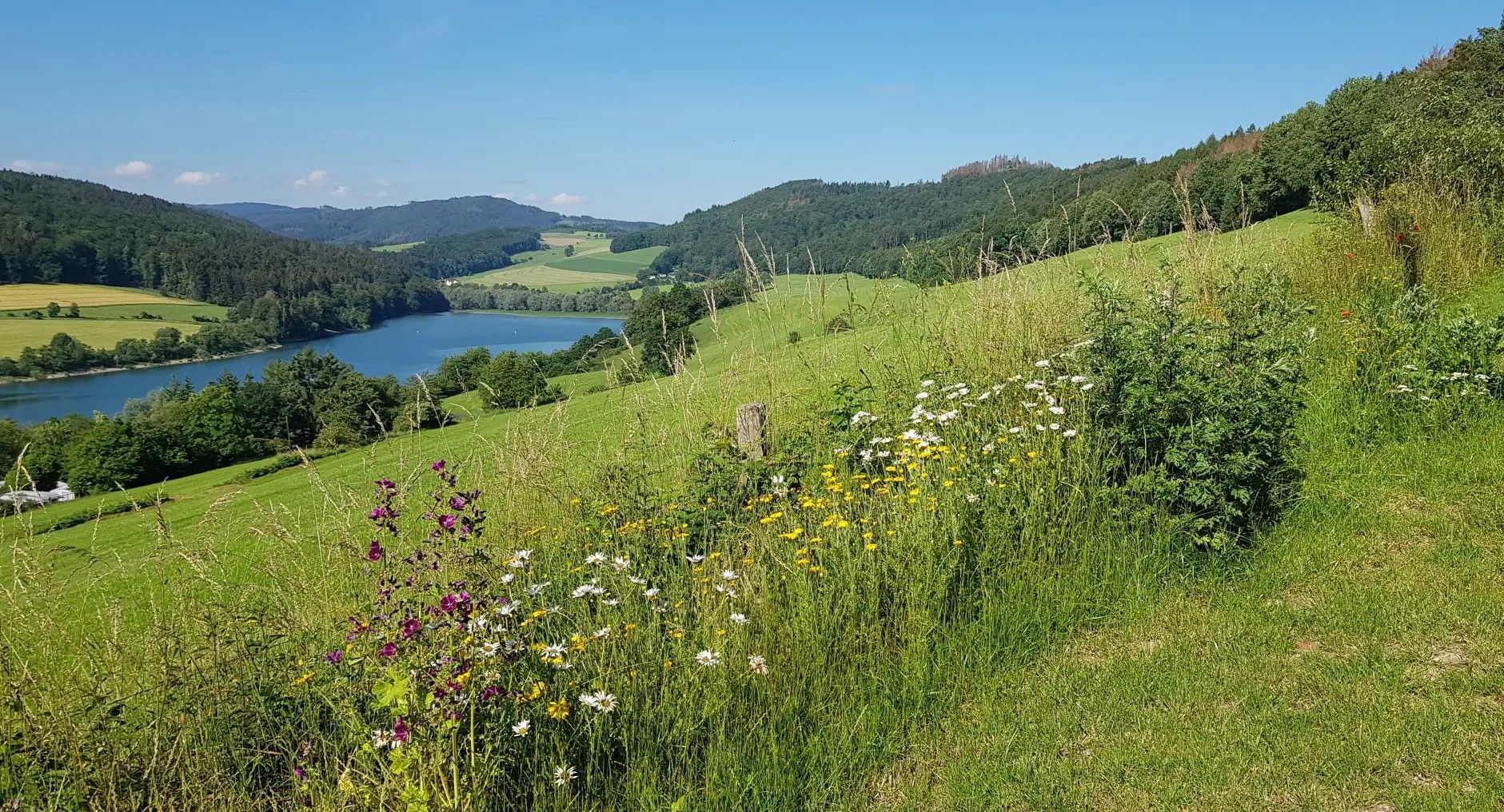
Germany's Sauerland Forest Route – Views and discoveries
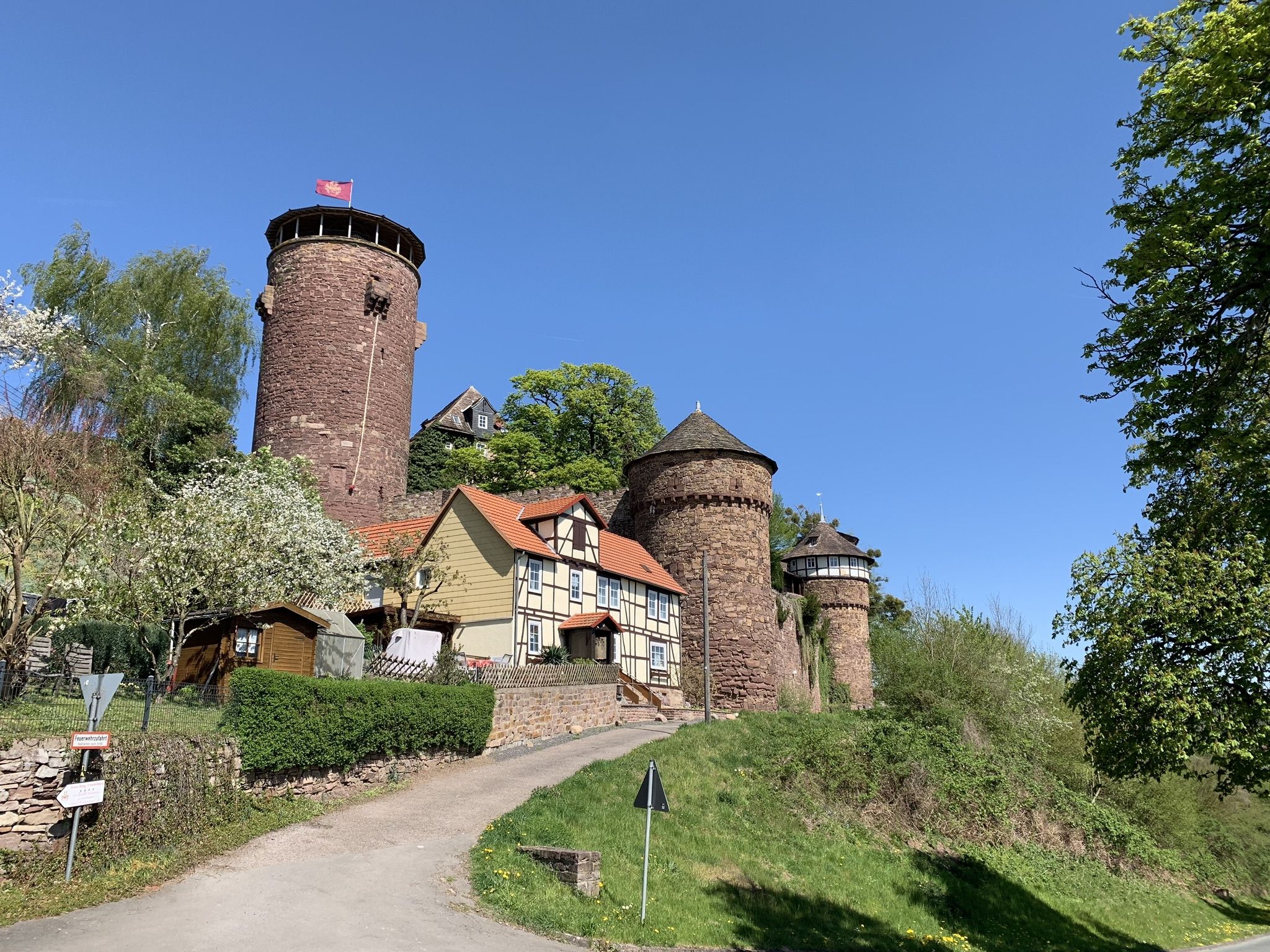
Hike the Fairy Tale Route – Enchanting days in Germany
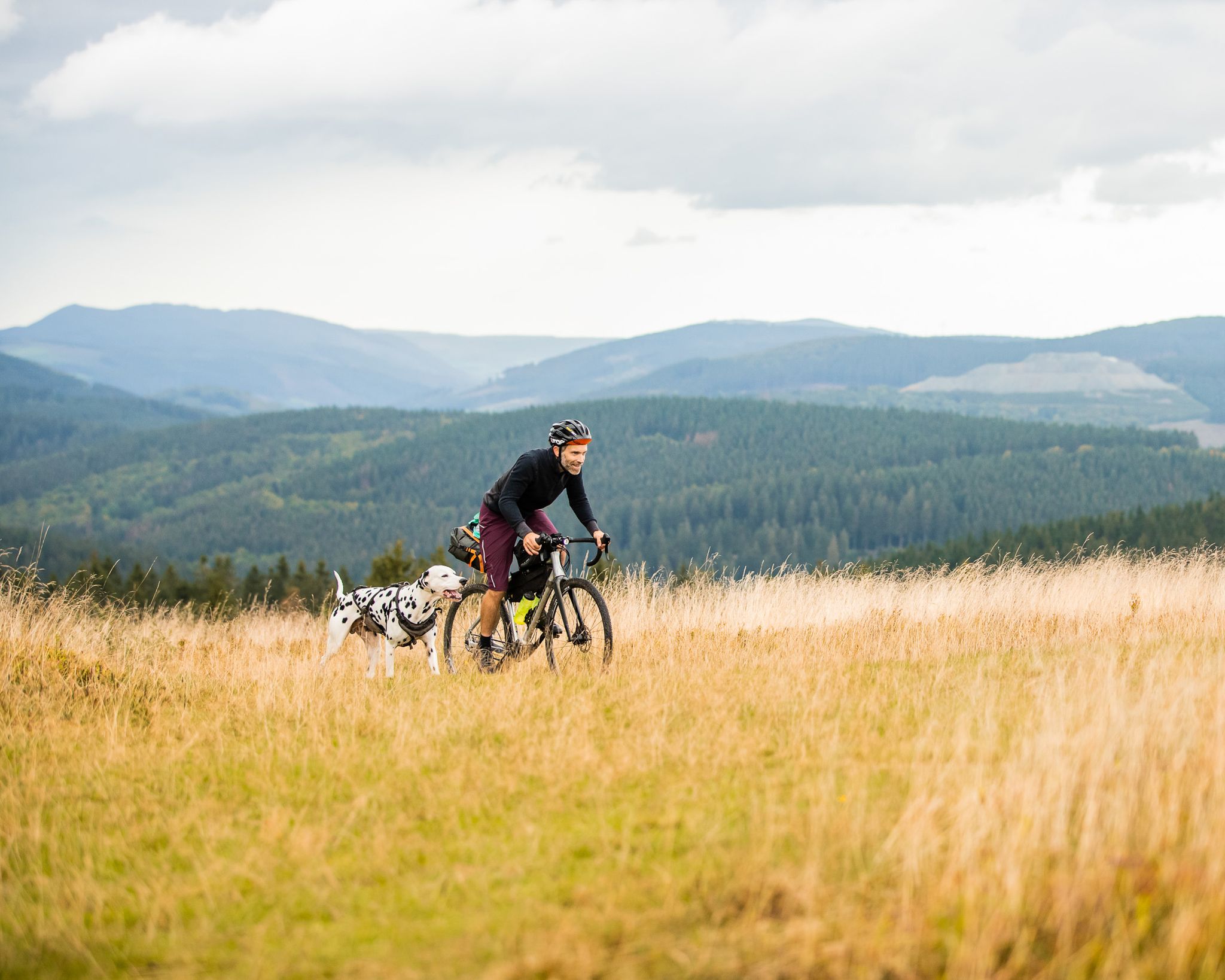
A fantastic adventure in Germany's Sauerland — bikepacking with a dog
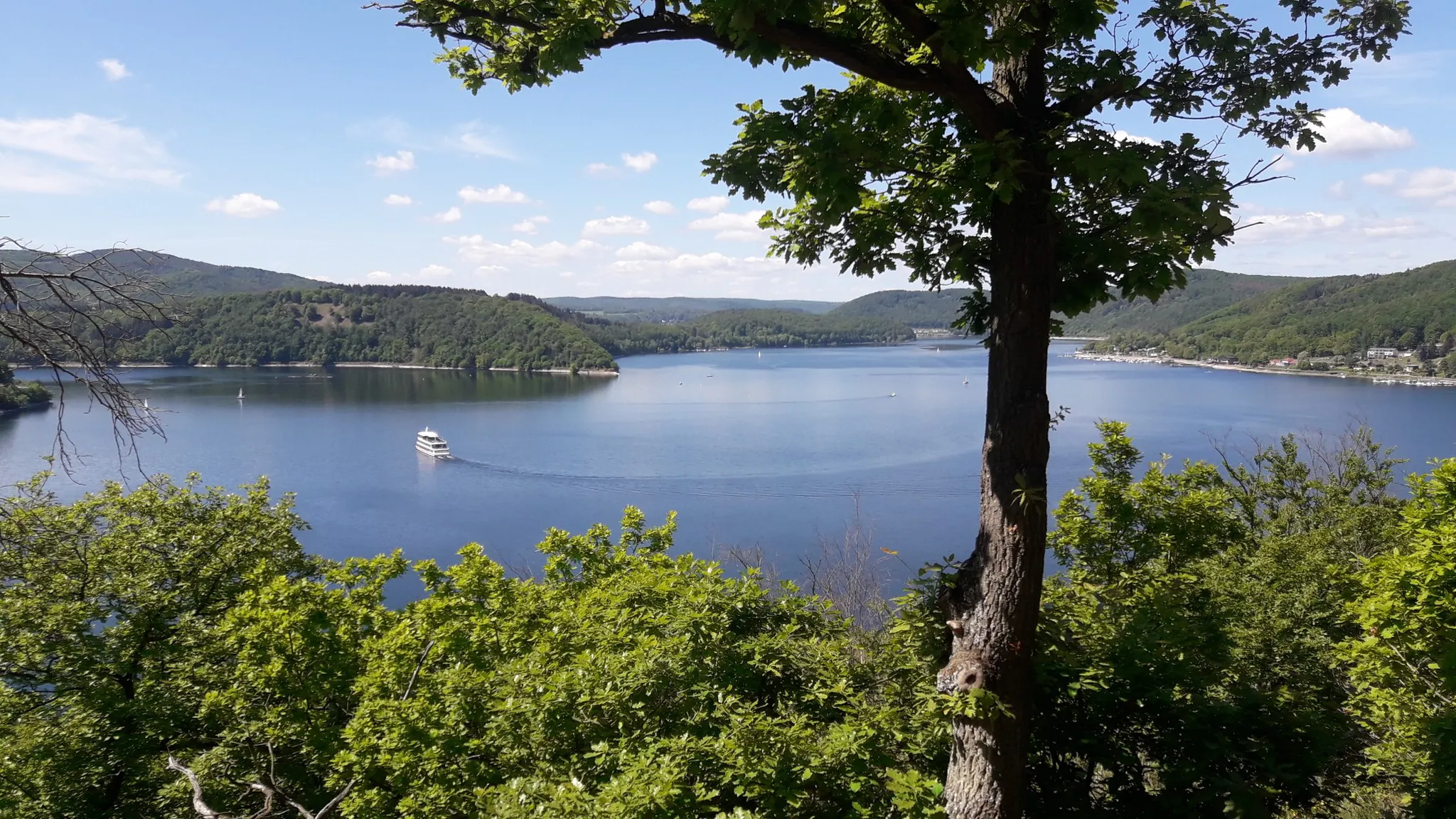
Ederseeweg trail — three stages from the city to the lake
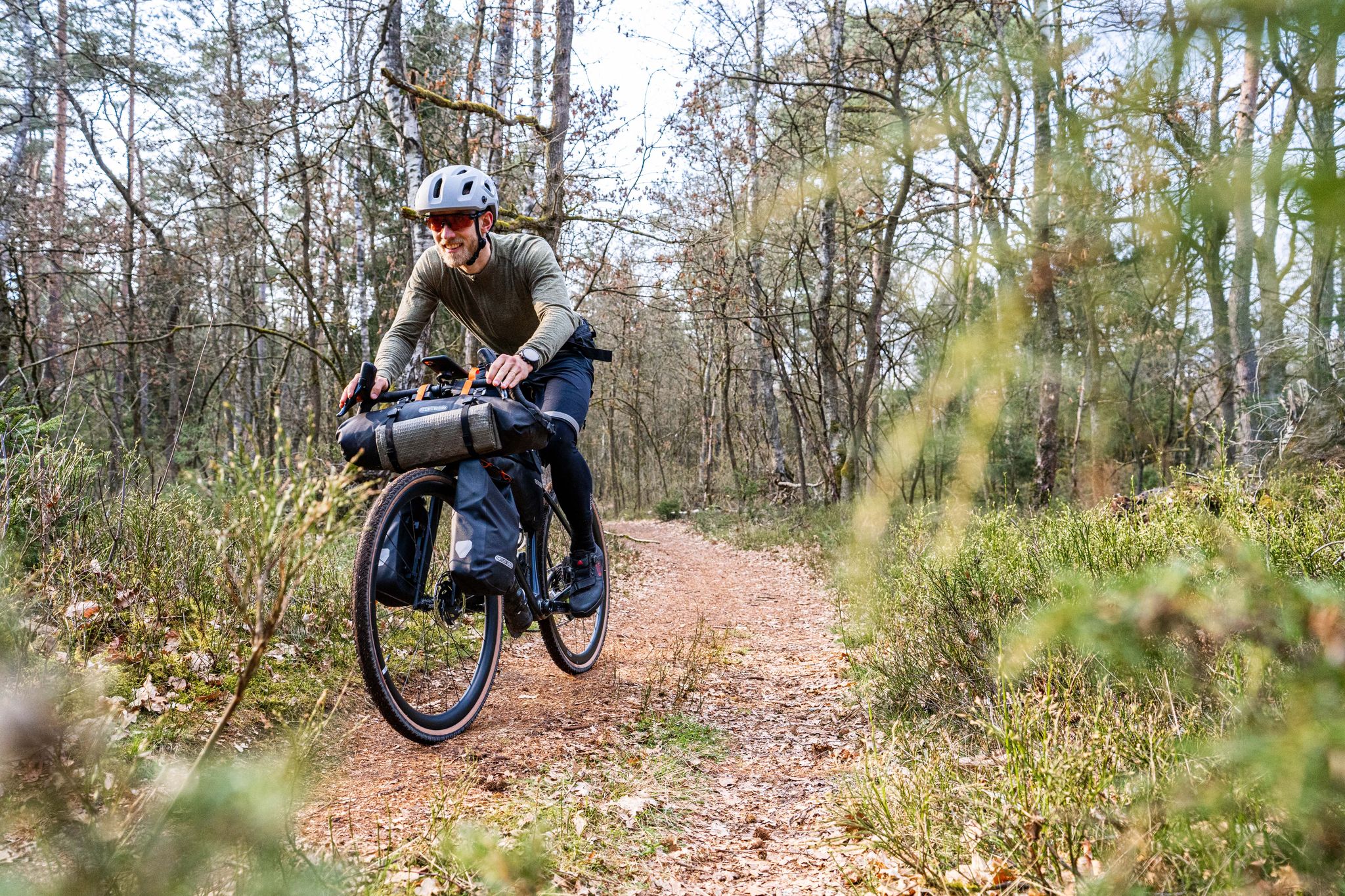
Gravel bikepacking from Hamburg to Munich
Habichtswaldsteig through Northern Hesse – Hiking where goshawks fly
Hiking the Uplandsteig in North Hesse – From lively to lonely
Other adventures in Regierungsbezirk Kassel


Tips from the Community

The rock formation of the Hollenkammer is beautiful and impressive. It's relatively easy to climb from the rear.
11
0

The slag heap originally consisted of three houses: the still-existing, vacant "Haus Halde" from 1755 (base renewed in 1905, timber framing renewed in 1978, roof insulated in 2012), a second house that was demolished in the 1960s, and a horse stable, of which relatively little is known. The foremen lived in these houses, who oversaw mining in the Schwalbenthaler Erbstollen and the Carlsstollen and accounted for the extracted coal. The foundations of the wooden log cabin of the Eschwege Scouts (Silver Foxes) and the horse stable are still in place; the tunnels were secured in 2002. Source: https://wiki.genealogy.net/Hoher_Mei%C3%9Fner
3
0
The so-called Halde, a depression, lies 1,000 meters from the Schwalbenthal valley. The house is still preserved here. The entrance to the New Erbstollen (New Heritage Tunnel) is also located there. This drainage tunnel was excavated in 1628.
1
1

According to legend, Mother Holle imprisoned young girls here and turned them into kittens.
11
1

A little off the P23 hiking trail, but the short detour is worth it. An information board explains the formation and legends surrounding the limestone caves.
0
1

There is a coin slot in the left corner. For €4 you can play the water organ.
4
1

Well signposted and moderately difficult circular route with changing terrain. Sure-footedness and sturdy shoes are advisable, the route is not wheelchair accessible. Interesting nature and rock formations with four stations and corresponding information boards - recommended.
10
1

Frequently Asked Questions
Are there family-friendly caves to visit in Regierungsbezirk Kassel?
Yes, several caves in Regierungsbezirk Kassel are suitable for families. For example, the Vexier Water Grotto and Wichtellöcher Caves (Abterode) are noted as family-friendly. The Bergfreiheit Copper Mine is also a visitor mine that appeals to families, and the Dragon Cave at Graner Berg is described as awakening a thirst for adventure in children.
What kind of geological features can I expect to see in the caves of Regierungsbezirk Kassel?
The region is known for diverse geological formations. You can see unique basalt structures, such as the pentagonal and polygonal basalt columns at Kitzkammer Basalt Cave. Other sites like Giant Rock showcase impressive erosion-formed mushroom rocks, and many caves are natural monuments revealing ancient rock formations.
What should I wear when exploring caves in Regierungsbezirk Kassel?
Wear sturdy, comfortable shoes with good grip, as surfaces can be uneven and slippery, especially in winter. Layered clothing is advisable as cave temperatures can be cooler than outside. For some caves, like the Dragon Cave at Graner Berg, a flashlight is recommended due to dark, zigzagging passages.
Are there historical mining sites among the caves in Regierungsbezirk Kassel?
Yes, Regierungsbezirk Kassel has a rich mining history. You can visit the Bergfreiheit Copper Mine, where iron and copper were once mined. Another significant historical site related to mining is Haus Halde and the Mining History of the Hoher Meißner, which offers insights into the region's industrial past.
What outdoor activities can I do near the caves in Regierungsbezirk Kassel?
The region offers various outdoor activities. You can find numerous running trails, such as those around Karlsaue Park in Kassel or the Werratalsee. For cycling, options include the Edersee riverside cycle path or the Diemelradweg. Gravel biking is also popular, with routes like the Edersee Loop Cycle Trail. Explore more options on the Running Trails, Cycling, and Gravel Biking guides for Regierungsbezirk Kassel.
What do visitors enjoy most about the caves in Regierungsbezirk Kassel?
Visitors appreciate the unique natural formations and the sense of adventure. Highlights like the Hollenkammer rock formation are described as an 'adventure playground' that's easy to climb. The historical context of sites like the Bergfreiheit Copper Mine also receives praise for its presentation and charm.
Are there any hidden gem caves in Regierungsbezirk Kassel that are less known?
While many caves are well-regarded, some offer a more secluded experience. The Knots-Keller Cave is a natural monument that provides a quiet exploration opportunity. The Dragon Cave at Graner Berg, though requiring a flashlight, offers a small, intriguing passage that feels like a discovery.
Is it possible to visit caves in Regierungsbezirk Kassel during winter?
Some caves may be accessible in winter, but caution is advised. For instance, the Kitzkammer Basalt Cave can become very slippery during winter, so every step should be taken carefully. Always check local conditions and accessibility before planning a winter visit.
Are there any caves in Regierungsbezirk Kassel with religious or legendary significance?
Yes, some caves are steeped in local legends and history. The Kitzkammer Basalt Cave is associated with a fairy tale about Mother Holle. Additionally, the Giant Rock is a legendary stone reportedly used as a sacrificial site, with archaeological finds up to 10,000 years old. St. Peter's Church and St. Lioba's Tomb (Petersberg) also includes a cave element within a significant religious and historical complex.
Are permits required for caving in Regierungsbezirk Kassel?
For most publicly accessible natural monuments and visitor mines, specific permits for general exploration are typically not required. However, if you plan to engage in advanced caving activities or explore restricted areas, it is always best to check with local authorities or the specific site management for any necessary permissions or guided tours.
Are there any caves in Regierungsbezirk Kassel that are suitable for beginners?
Many of the natural monuments and visitor mines are suitable for beginners or those new to cave exploration. The Hollenkammer rock formation is described as relatively easy to climb from the rear, offering an accessible adventure. Visitor mines like Bergfreiheit Copper Mine provide structured and safe experiences for all ages.
Most popular routes in Regierungsbezirk Kassel
Most popular attractions in Regierungsbezirk Kassel

Get inspired with the komoot mobile app


