Top 6 Waterfalls in Berlin
Waterfalls in Berlin are primarily characterized by impressive artificial cascades within urban parks, offering unique naturalistic experiences. While natural waterfalls are not a prominent feature, the city integrates water features into its green spaces. These include significant man-made waterfalls and smaller cascades found along streams and within landscaped gardens. Berlin's urban landscape provides accessible opportunities to experience the sounds and sights of flowing water.
Best waterfalls in Berlin
- The most popular waterfalls is Viktoriapark Waterfall, a waterfall that cascades…
Last updated: August 5, 2026
Viktoriapark Waterfall
Highlight • Waterfall
Translated by Google •
Tip by

Erpe stream in the Erpe Valley
Highlight • River
It is green and a …
Translated by Google •
Tip by

Sign up now to discover places like this
Get recommendations on the best single tracks, peaks, & plenty of other exciting outdoor places.
Sign up for free
Great Lietzensee Cascade
Highlight • Monument
Translated by Google •
Tip by

Water Gardens – Gärten der Welt
Highlight • Structure
Translated by Google •
Tip by

Steinbergpark Waterfall
Highlight • Waterfall
Translated by Google •
Tip by

Steinberg Park Pond
Highlight • Lake
Translated by Google •
Tip by

Friedrichsfelde-Lichtenberg Border Ditch Waterfall
Highlight • Waterfall
Translated by Google •
Tip by

Grand Cascade at Lietzensee
Highlight • Monument
Showing Translation
Tip by

Small waterfall in a park in northern Berlin
Highlight (Segment) • Waterfall
Translated by Google •
Tip by

Belle-Alliance Monument and Viewpoint, Viktoriapark
Highlight • Monument
South. It's always quite crowded here on weekends and lunchtime evenings.
Translated by Google •
Tip by

Start today with a free account
Your next adventure awaits.
Login or Signup
Popular around Berlin
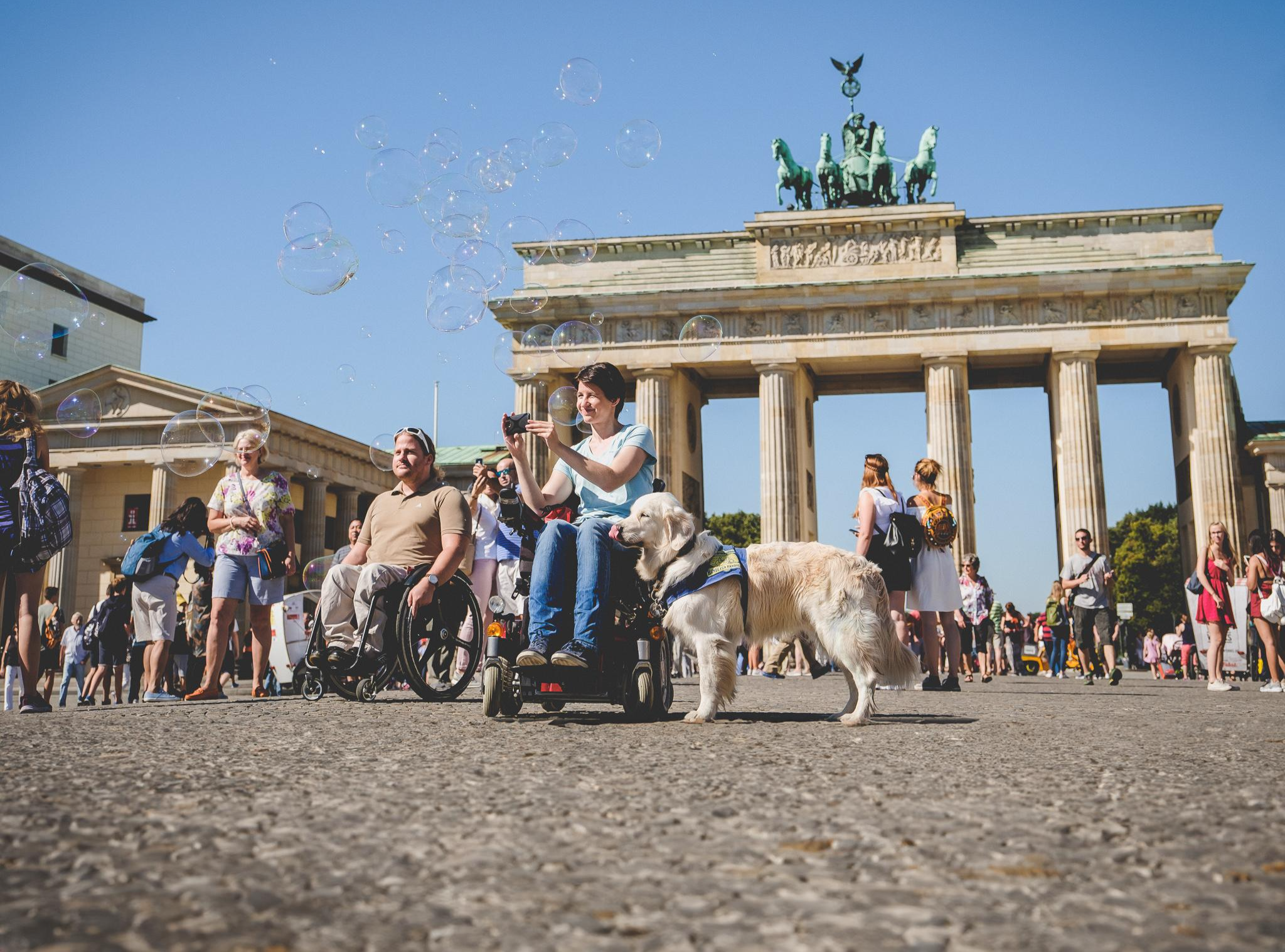
Accessible Hikes and Walks in Berlin
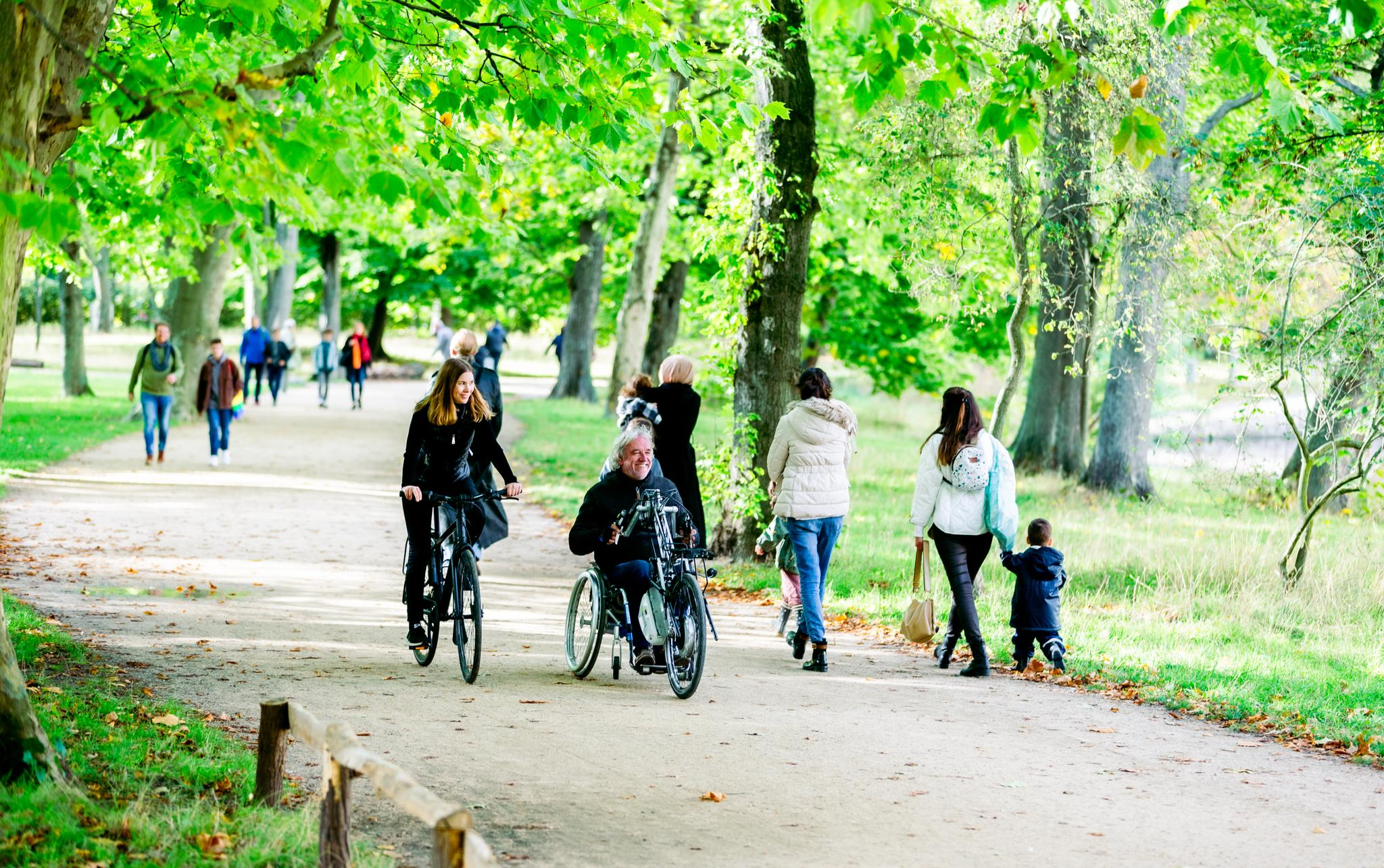
On relaxed paths through the capital – handcycling Berlin
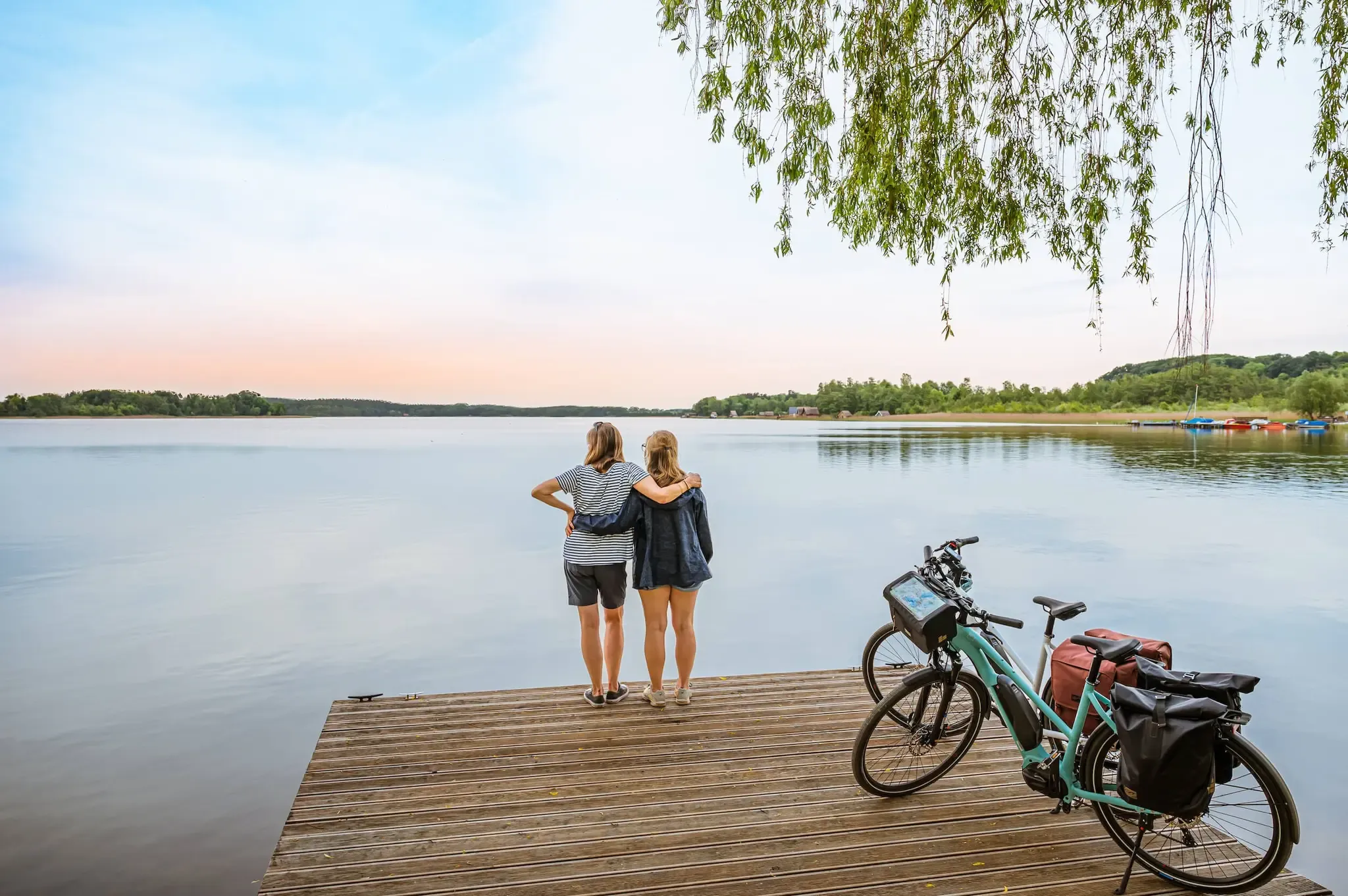
The long distance bicycle route Berlin-Copenhagen
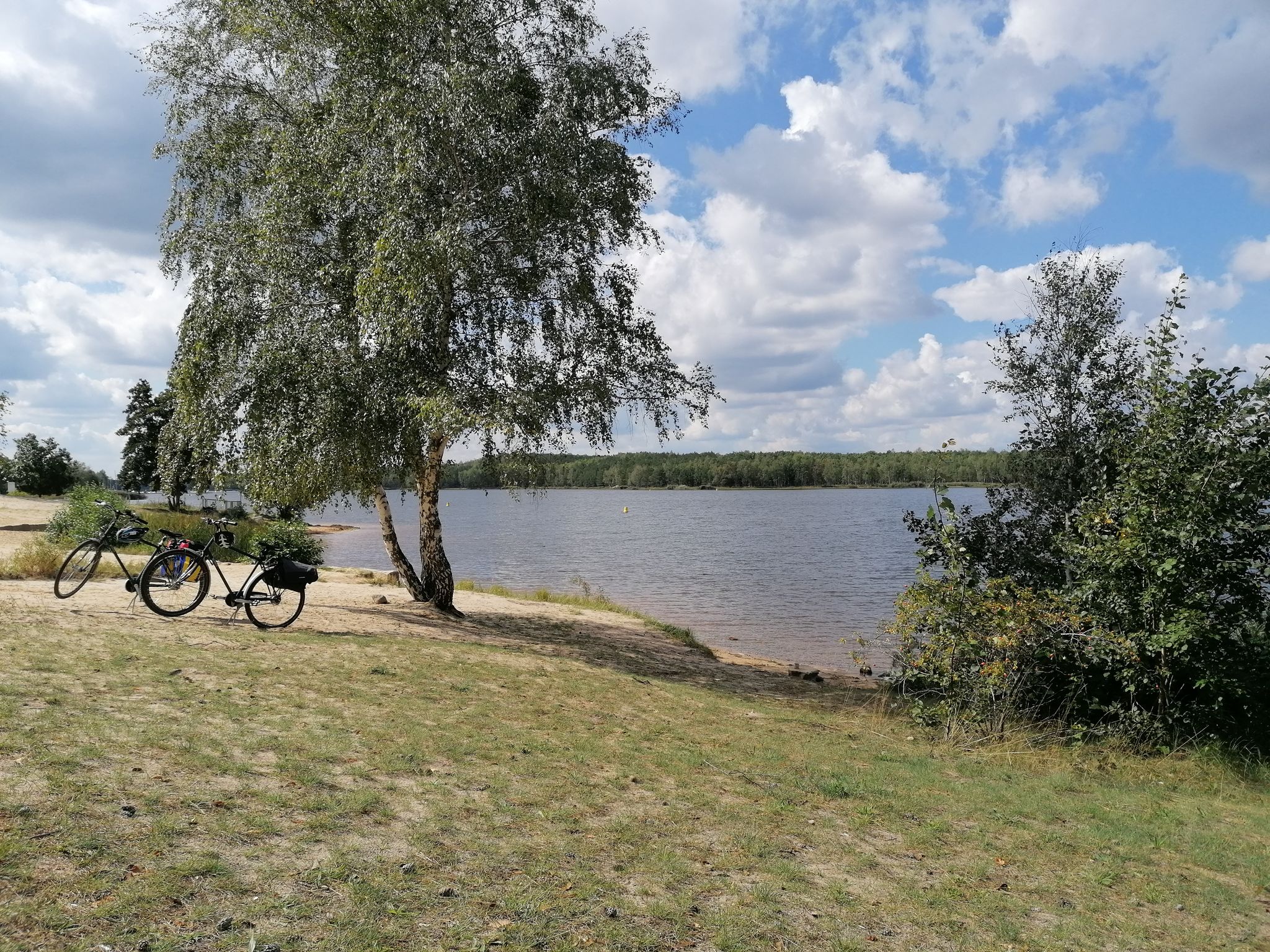
Cycling from Dresden to Berlin – lakes, nature and Sorbian culture
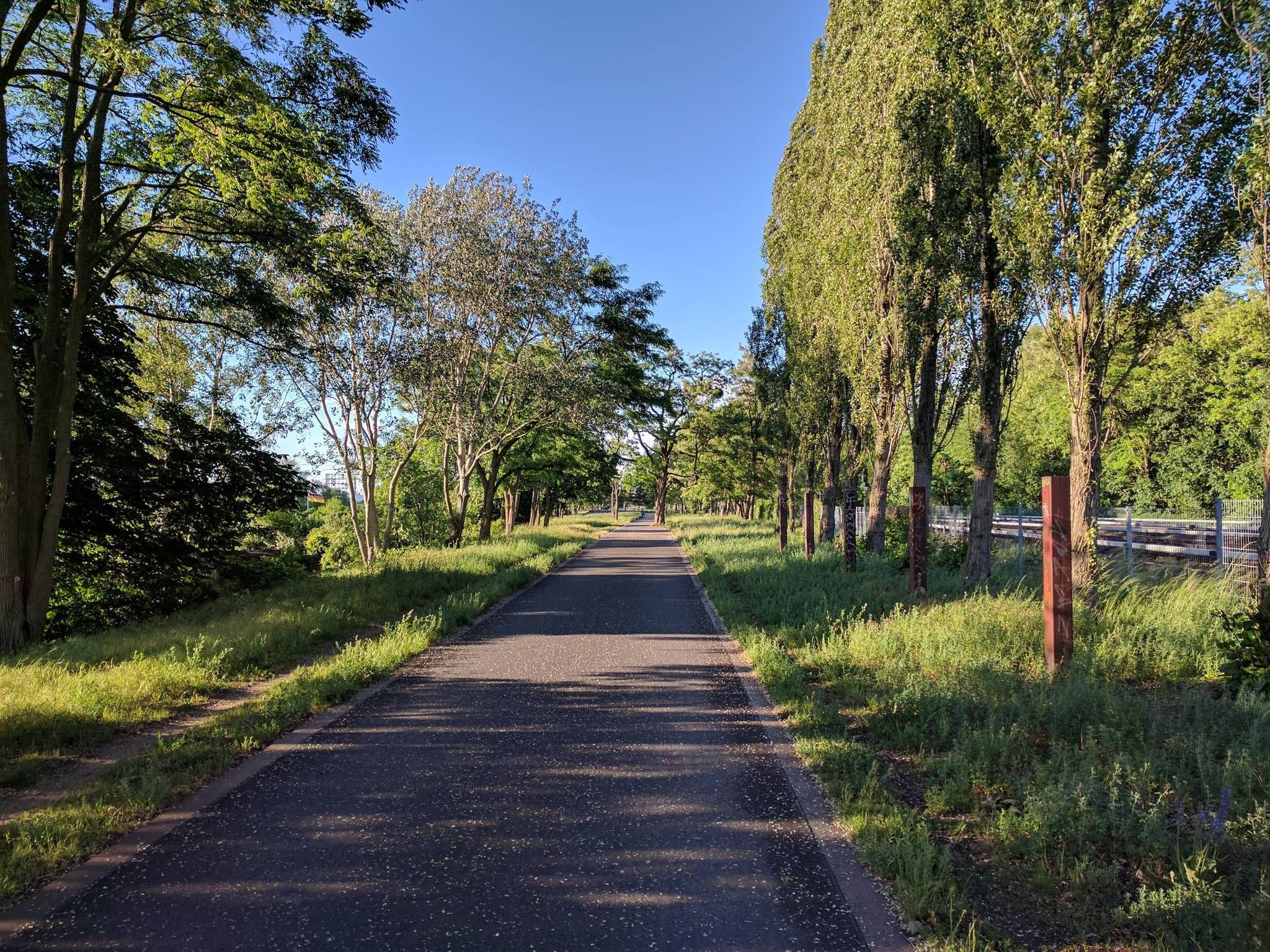
The Berlin Leipzig cycle path – Through the East in five stages
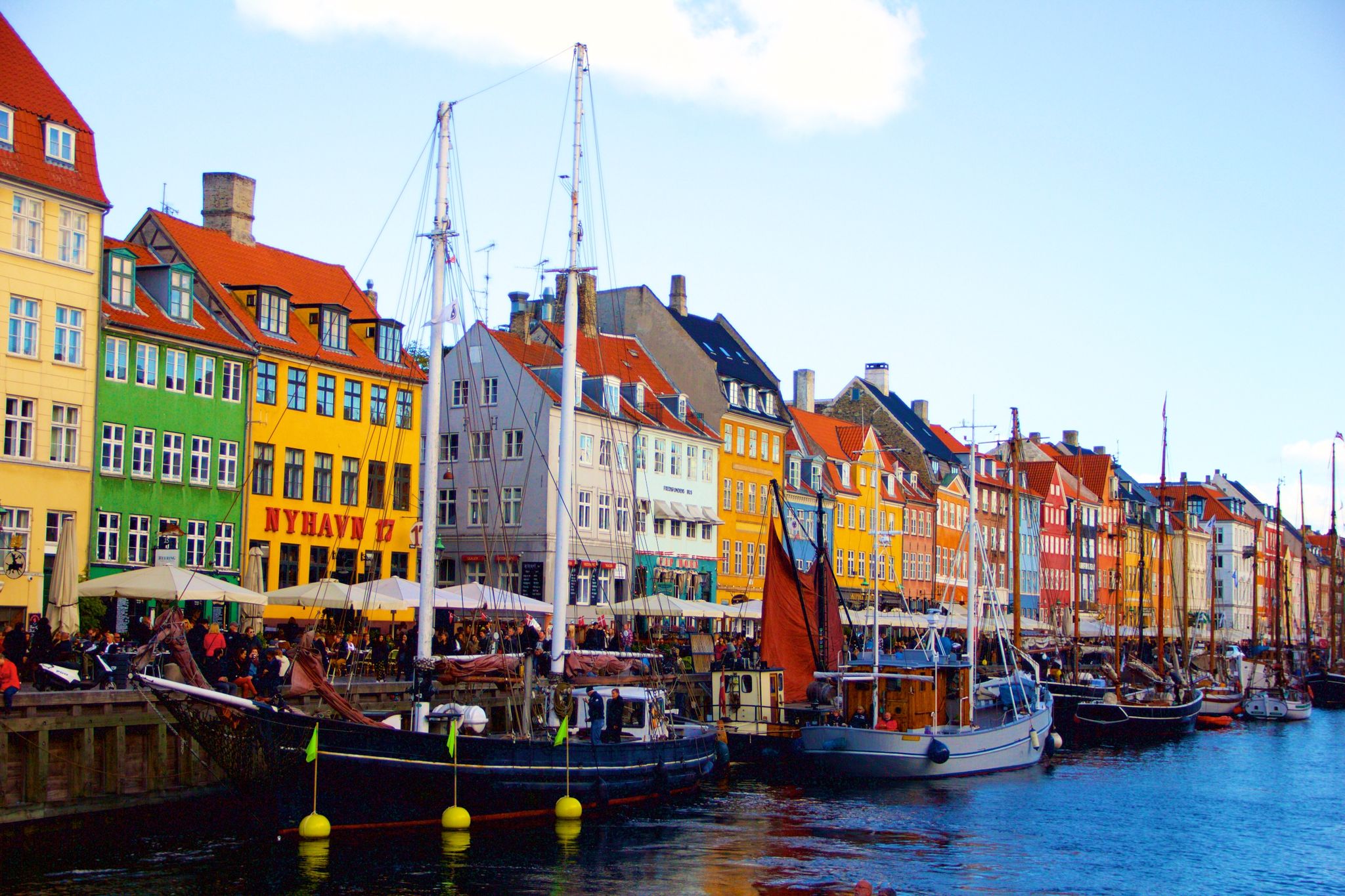
Berlin. Fehmarn. Copenhagen. An adventure on two wheels.
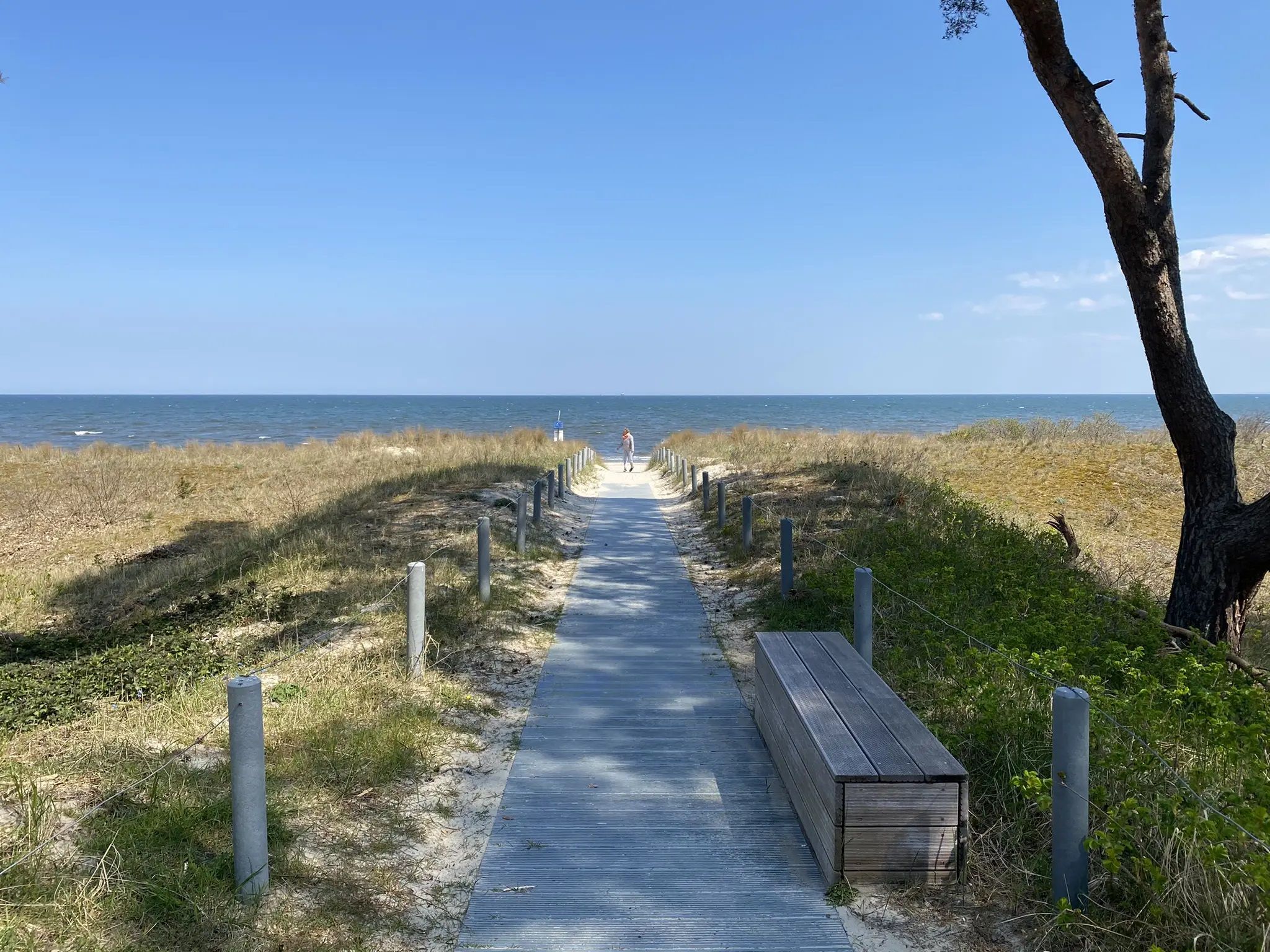
Berlin-Usedom – To the seaside in 4 days

Graffiti & Street Art Trails through Europe’s Coolest Cities
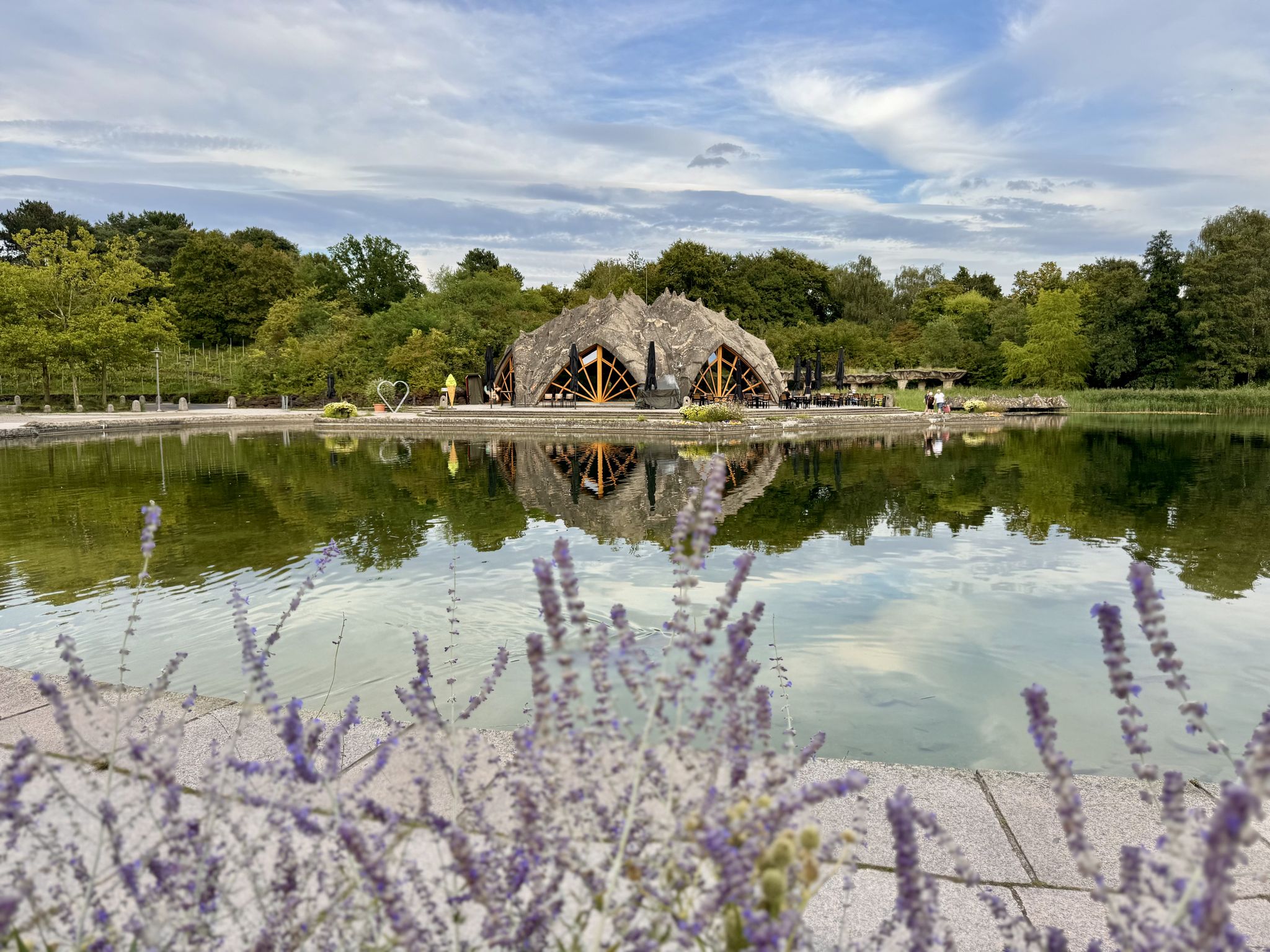
Island hopping in Berlin – exploring between water & city
Off to the trails – trail running with the S-Bahn
Other adventures in Berlin


Tips from the Community

Very nicely laid out - Invites you to linger
0
0

You often hear the water before you properly see the structure: The Große Kaskade (Great Cascade) was part of the park's concept from the very beginning. It was designed by Erwin Barth and Heinrich Seeling between 1912 and 1913. Both consciously created a counterpart to the quiet lake here. While the lake appears rather still and expansive, the cascade brings movement to the space. This also had a practical benefit: The moving, and thus oxygen-enriched water, helped to reduce the heavy algae formation in the Lietzensee. Barth designed a clearly symmetrical structure. At the top is a sandstone parapet, below which the cascade begins, made of concrete and shell limestone. From a semi-circular basin, the water flows down in several stages. It runs over small waterfalls, terraces, and a total of nine basins, until it finally reaches the lake. The forms are simple, almost severe. This is precisely typical of the period shortly before the First World War. The playful decor was abandoned in favor of clear lines and large forms. More about the history of the Große Kaskade at the Lietzensee: www.berlin.de/ba-charlottenburg-wilmersdorf/ueber-den-bezirk/spazieren-und-wandern/kiezspaziergaenge/artikel.1660129.php#Grosse-Kaskade-Lietzensee
0
0

Very interesting and beautifully designed. There are also seating areas where you can enjoy the waterfall.
0
0

The cascades (there are two, another on the north bank) were created in 1912-13 by Erwin Barth and Heinrich Seeling. They were intended to enrich the lake water with oxygen and reduce the algae growth in the lake. A great design solution to the problem. As pollution has increased over the decades, there are now additional oxygen enrichments near the shore of the lake. These can be easily recognized by the constant bubbling.
4
0
The cascades were built to enrich the lake water with oxygen and reduce the algae growth in the lake. A great design solution to the problem. As pollution has increased over the decades, there are now additional oxygen enrichments near the shore, which can be recognized by the bubbles that rise in a line.
3
1

Here all senses are stimulated simply to enjoy
0
0

The two cascades in Lietzensee Park were created in 1912-13 by Erwin Barth and Heinrich Seeling and consist of the Great Cascade at the southern end of the park, on Dernburgstrasse, and the Small Cascade with a round pool and fountain in the northern part, on Wundtstrasse. https://www.berlin.de/ba-charlottenburg-wilmersdorf/ueber-den-bezirk/gebaeude-und-anlagen/brunnen/artikel.118251.php
1
0

The two cascades in the Lietzenseepark were created in 1912-13 by Erwin Barth and Heinrich Seeling and consist of the large cascade at the southern end of the park on Dernburgstraße and the small cascade with a round pool and fountain in the northern part on Wundtstraße.
6
1
Frequently Asked Questions
What kind of waterfalls can I expect to find in Berlin?
Berlin's waterfalls are primarily artificial cascades within urban parks, designed to offer naturalistic experiences. While natural waterfalls are not common, the city integrates various water features into its green spaces, including prominent man-made waterfalls and smaller cascades along streams and within landscaped gardens.
Which waterfalls in Berlin are suitable for families?
Several waterfalls in Berlin are family-friendly. The Viktoriapark Waterfall is a great option, offering a unique urban oasis with space for picnics and easy access. The Erpe stream in the Erpe Valley also features a nature trail suitable for families to explore local wildlife. Additionally, the Water Gardens – Gärten der Welt provide an engaging experience for all ages with their diverse water features.
Can I reach Berlin's waterfalls using public transport?
Yes, the most notable waterfall, the Viktoriapark Waterfall, is easily accessible by public transport, with several bus lines serving the Kreuzberg district. Other urban waterfalls and water features are also generally well-connected within Berlin's public transport network.
What is the historical significance of Berlin's waterfalls?
The Viktoriapark Waterfall, for instance, was conceived in 1888 by Hermann Mächtig as part of an effort to give the park a mountainous character around the National Monument, which commemorates the victory over Napoleon. The Great Lietzensee Cascade is another historical example, designed in 1912-13 by Erwin Barth and Heinrich Seeling.
Are there any panoramic views near the waterfalls?
Yes, the Viktoriapark Waterfall is situated on the Kreuzberg hill, which offers excellent panoramic views of central and southern Berlin, including Potsdamer Platz and Mitte, from its summit. The Great Lietzensee Cascade also provides a magnificent view over Lietzensee lake.
What outdoor activities can I do near these waterfalls?
Many waterfalls are located within parks or nature reserves, offering opportunities for various outdoor activities. You can enjoy hiking on trails like those in the Erpe Valley, or explore the city's green spaces by gravel biking or running on routes that pass by these water features.
What is the best time to visit Berlin's waterfalls?
The artificial waterfalls, particularly the Viktoriapark Waterfall, typically operate during the warmer months, usually from spring to autumn. During this period, the parks are lush, and the water flow is active, making for a more vibrant experience. Winter visits can still be scenic, but the water features might be turned off.
Are there any lesser-known waterfalls or water features worth exploring?
Beyond the prominent ones, Berlin has several smaller, charming water features. The Steinbergpark Waterfall and the Friedrichsfelde-Lichtenberg Border Ditch Waterfall offer more subtle experiences within local parks. The Erpe stream in the Erpe Valley, while not a dramatic cascade, provides a tranquil natural setting with small falls and a nature trail.
What makes the Viktoriapark Waterfall a unique attraction?
The Viktoriapark Waterfall is unique because it's an impressive 24-meter artificial cascade in the heart of a bustling city, designed to mimic a mountain waterfall. It offers a surprising urban oasis with soothing sounds of water, panoramic views of Berlin from the Kreuzberg hill, and a rich historical context with the National Monument at its summit.
Are there any specific hiking trails that include waterfalls?
Yes, the Erpe stream in the Erpe Valley features a dedicated nature trail between Ravensteiner Mühle and Heidemühle. This circular hiking trail, approximately 3.5 km long, includes 12 stations that explain the natural features of the area, including the small falls along the stream. You can find more hiking options in the Hiking in Berlin guide.
What can visitors expect at the Water Gardens in Gärten der Welt?
The Water Gardens – Gärten der Welt offer a multi-sensory experience. Visitors can enjoy diverse water features, including cascades and fountains, within beautifully landscaped gardens. It's a place where you can relax, enjoy the acoustics of the falls, and experience different 'worlds' through its varied designs.
Are there any places to relax or picnic near the waterfalls?
Many of Berlin's waterfalls are located within parks that are ideal for relaxation and picnics. Viktoriapark is a popular spot for picnics and unwinding, with benches and green spaces near the waterfall. Similarly, the parks surrounding the Great Lietzensee Cascade and the Erpe stream offer pleasant environments for a break.
Most popular routes in Berlin
Most popular attractions in Berlin

Get inspired with the komoot mobile app


Explore more
Happy to travel a little further afield? Then browse these guides for the best waterfalls in Berlin:
