Top 5 Gorges in the Wicklow Mountains National Park
Best canyons in the Wicklow Mountains National Park are characterized by dramatic glacial valleys and river-carved gorges. The park's landscape features steep, wooded slopes, rugged mountains, and deep lakes. These geological formations showcase the powerful forces of glaciation and water erosion that shaped the region. The area offers diverse experiences, from historical exploration to challenging hikes.
Best canyons in the Wicklow Mountains National Park
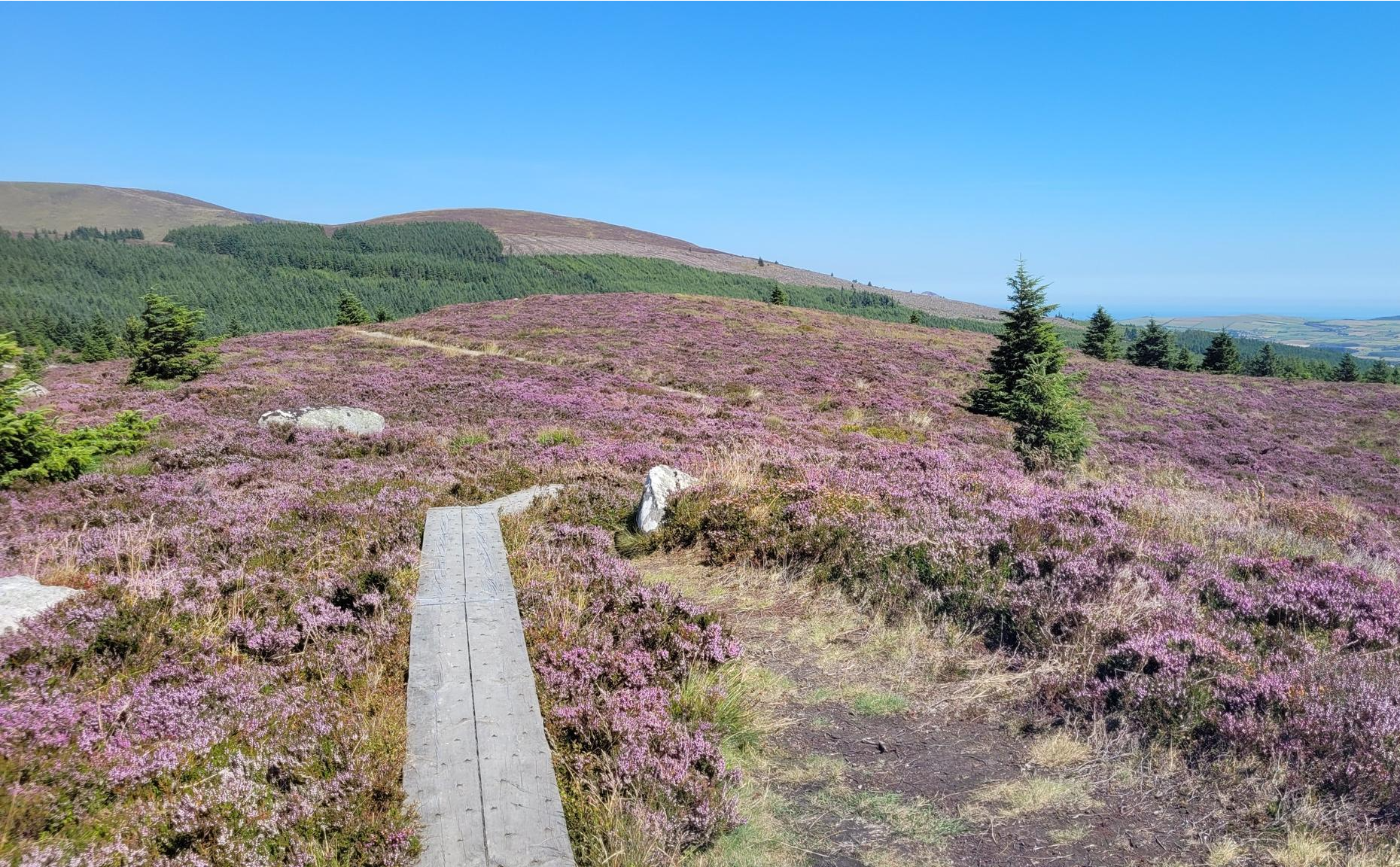
- The most popular canyons is Glencree Valley, a gorge traversed by the small, wild Glencree River. Beautiful plants bloom there, adding varied colors to the landscape. It is considered a highlight of the Wicklow Way and the Wicklow Mountains.
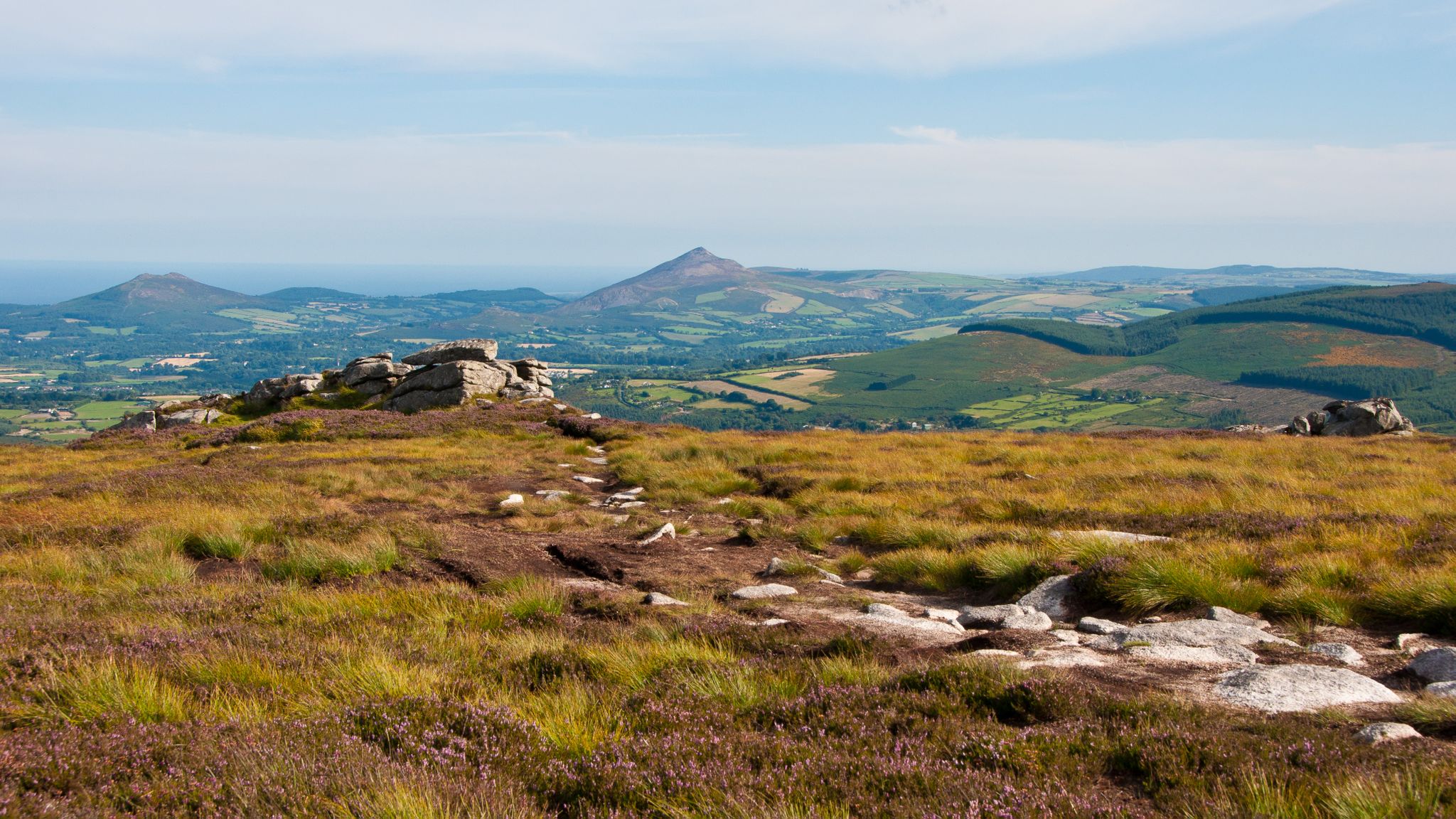
- Another must-see spot is View into the Glenmalure Valley, a viewpoint overlooking one of Ireland's longest valleys at 20 kilometers. Visitors can expect wonderful views and walking opportunities along the valley's edge.
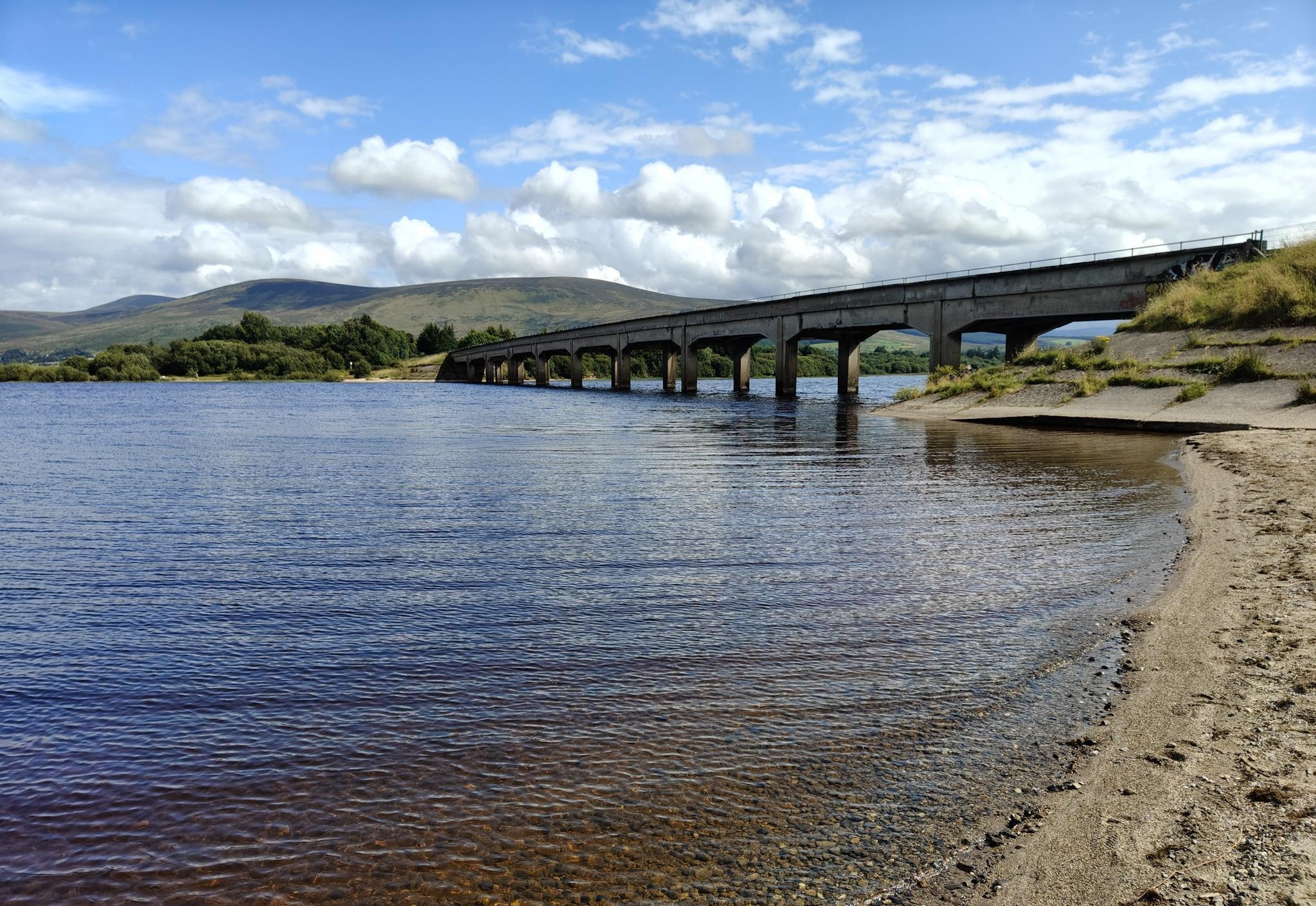
- Visitors also love Glensoulan Valley, a gorge on the River Dargle featuring green fields and dense woodland. It is a place for hiking or cycling, offering scenic routes through diverse landscapes.
- Wicklow Mountains National Park is known for its glacial valleys, river gorges, and remote glens. These include areas with deep lakes, steep sides, and dramatic rock formations.
- The canyons in the Wicklow Mountains National Park are appreciated by the komoot community, with 36 upvotes and 26 photos shared by visitors.
Last updated: May 29, 2026
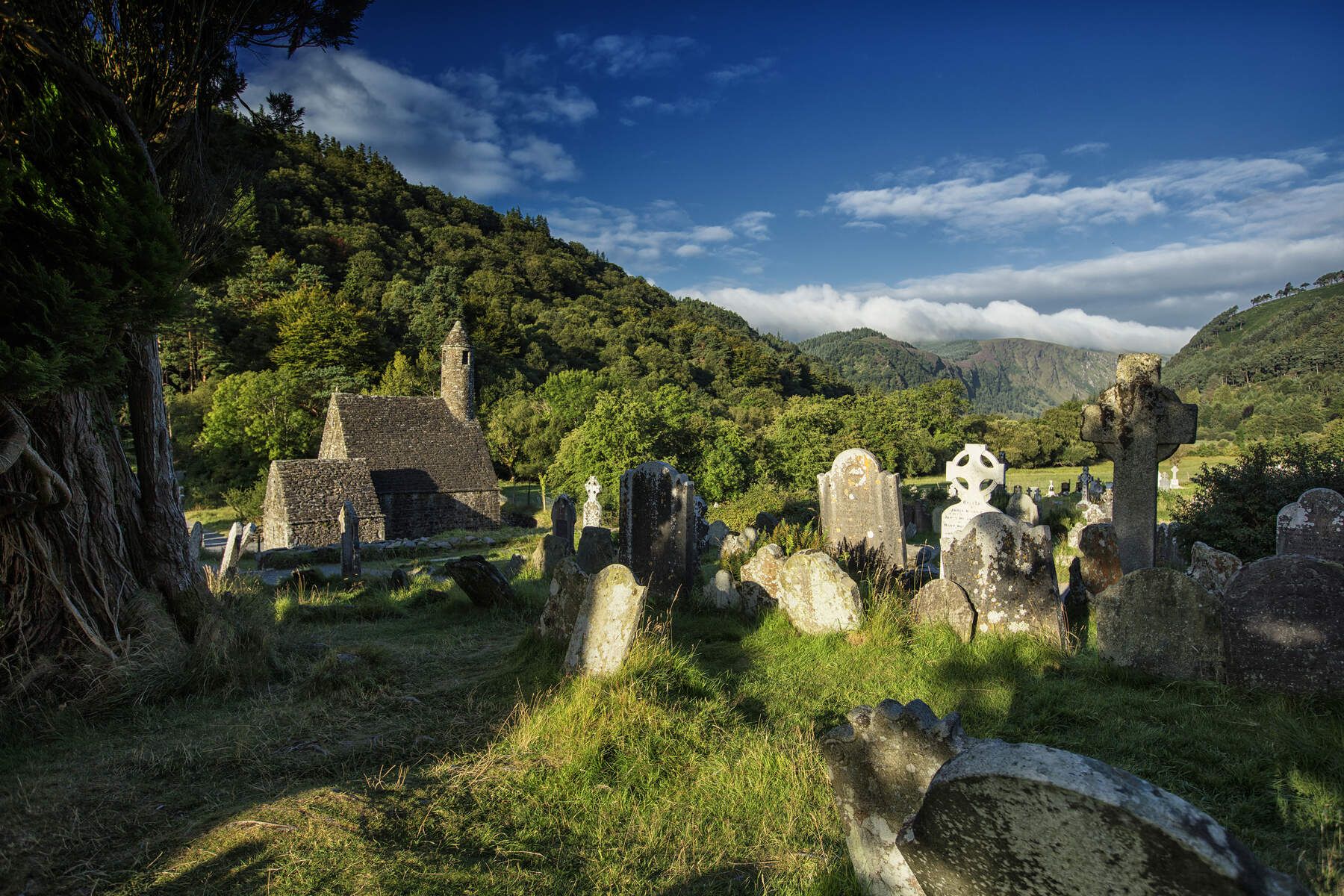
Glendalough Round Tower
Highlight • Historical Site
Translated by Google •
Tip by

Glencree Valley
Highlight (Segment) • Gorge
Translated by Google •
Tip by

Sign up now to discover places like this
Get recommendations on the best single tracks, peaks, & plenty of other exciting outdoor places.
Sign up for free
View into the Glenmalure Valley
Highlight • Viewpoint
Translated by Google •
Tip by

Glensoulan Valley
Highlight • Gorge
Tip by

Dargle Valley Trail
Highlight (Segment) • Trail
Translated by Google •
Tip by

Sign up for free to discover even more gorges in the Wicklow Mountains National Park.
Sign up for free
Already have an account?
Start today with a free account
Your next adventure awaits.
Login or Signup
Popular around Wicklow Mountains National Park
Running the Wicklow Way – From the city to the mountains
The Wicklow Way — discover Ireland's east
Dublin Mountains Way – hiking from city to summit
Lough shores and country roads – Blessington Loop
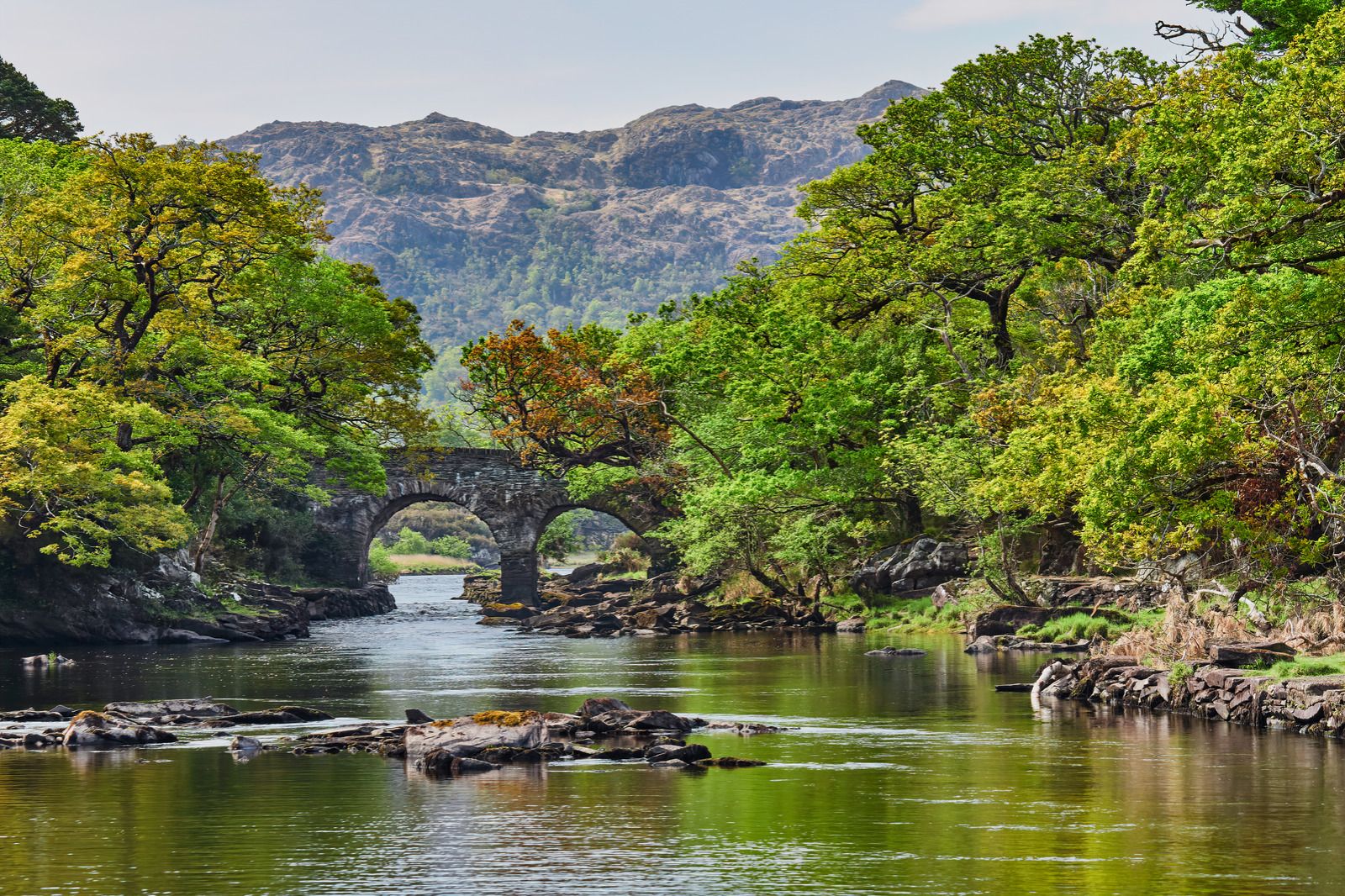
Follow the water - Along Ireland's rivers and lakes
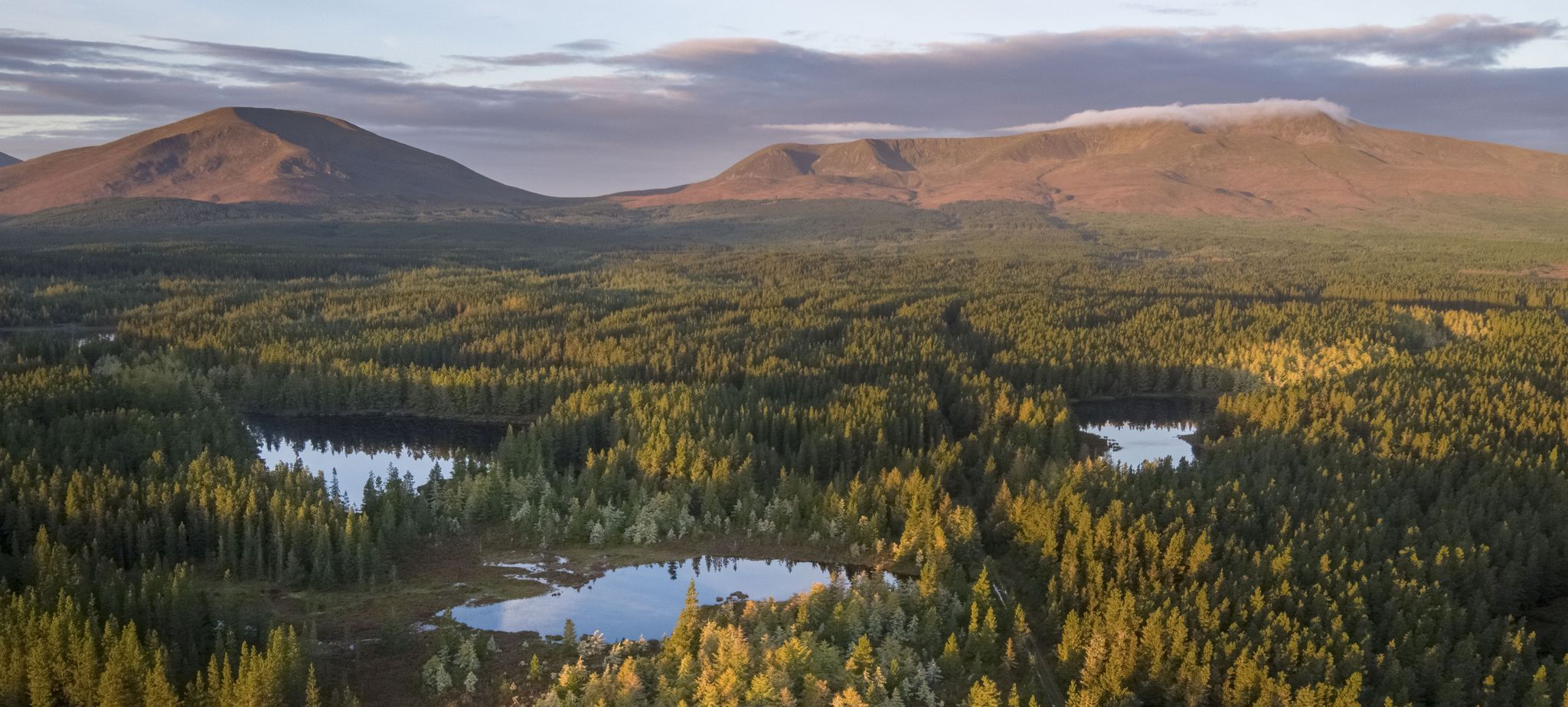
Discover Ireland's unspoilt nature in its national parks
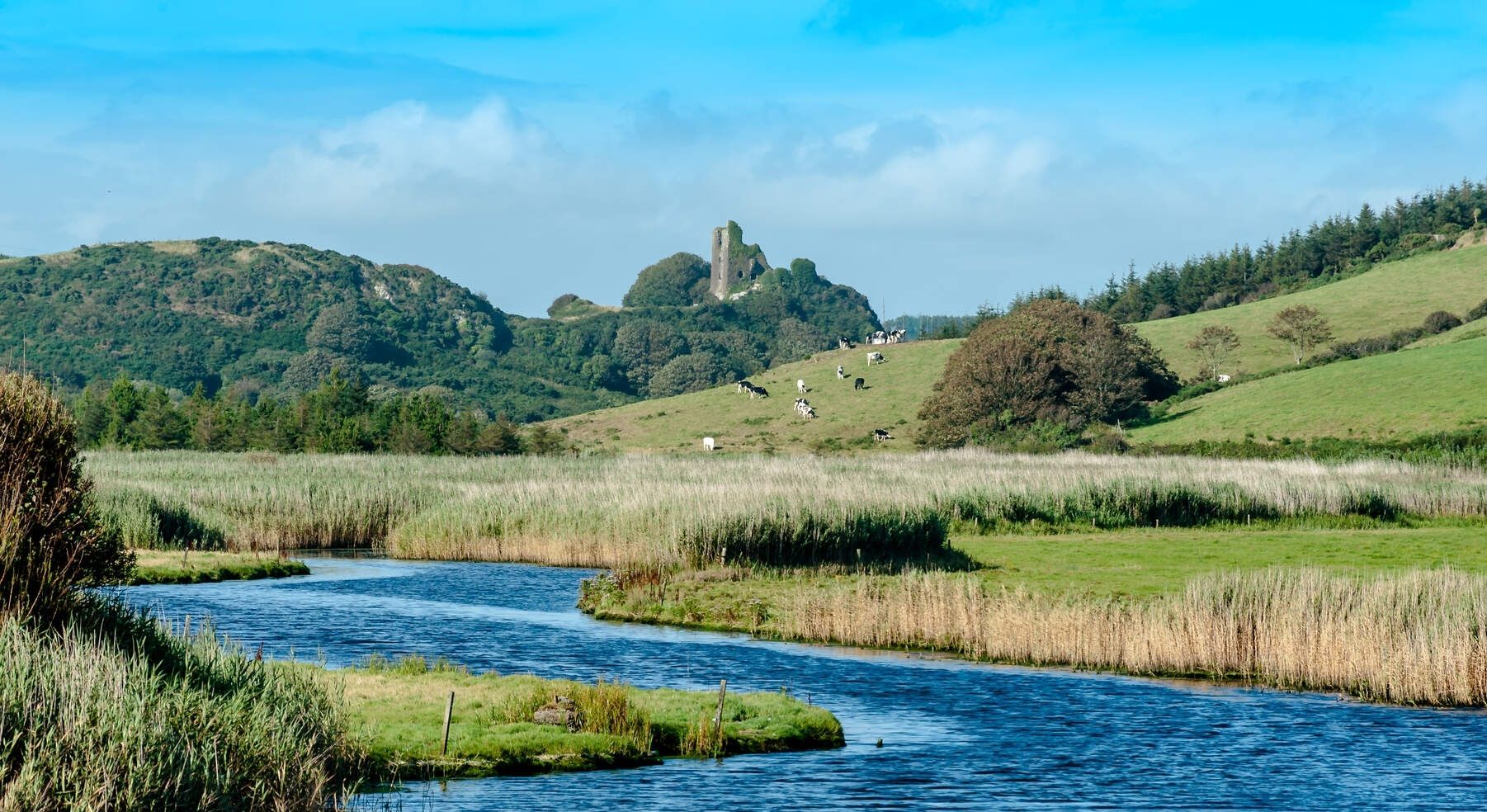
Ireland's blue rivers and lakes – walks along the water
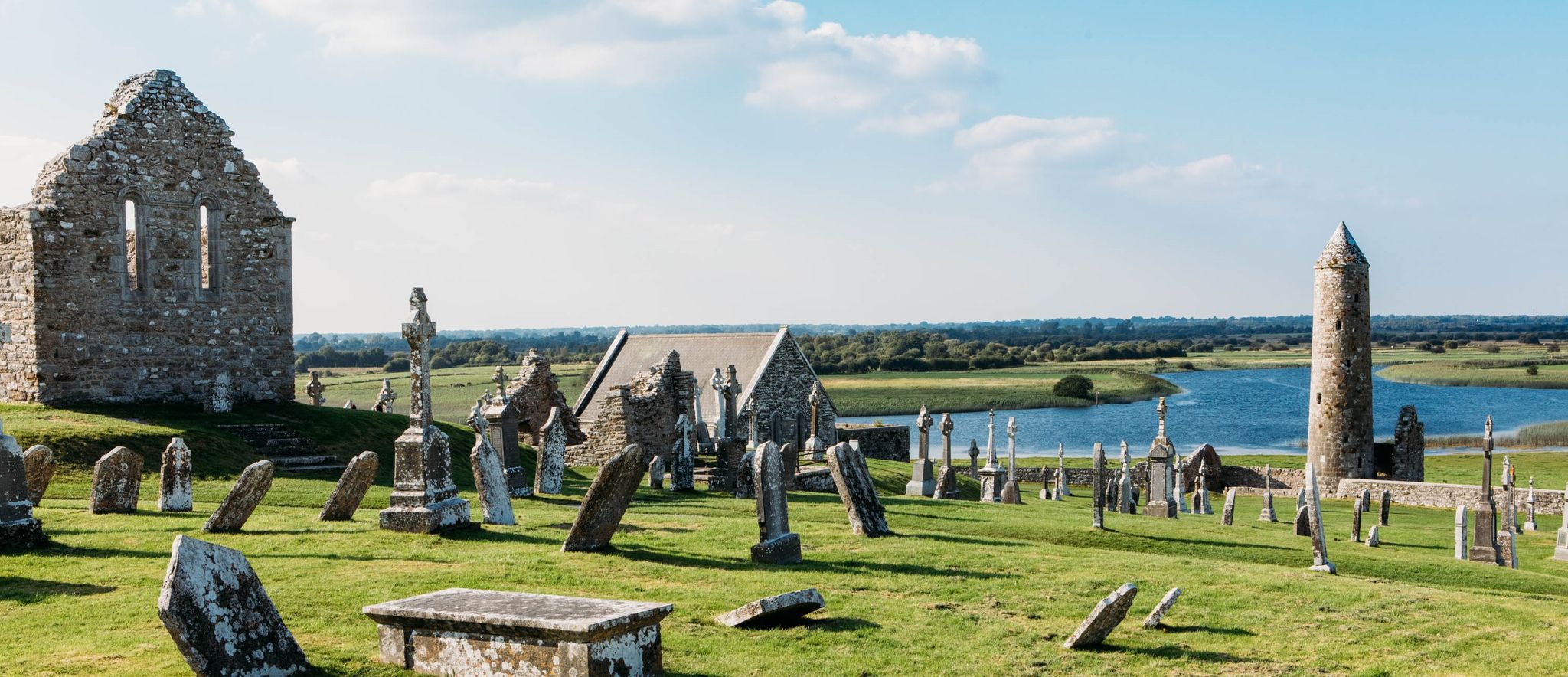
Discover Ireland's past – historical walks on the Emerald Isle
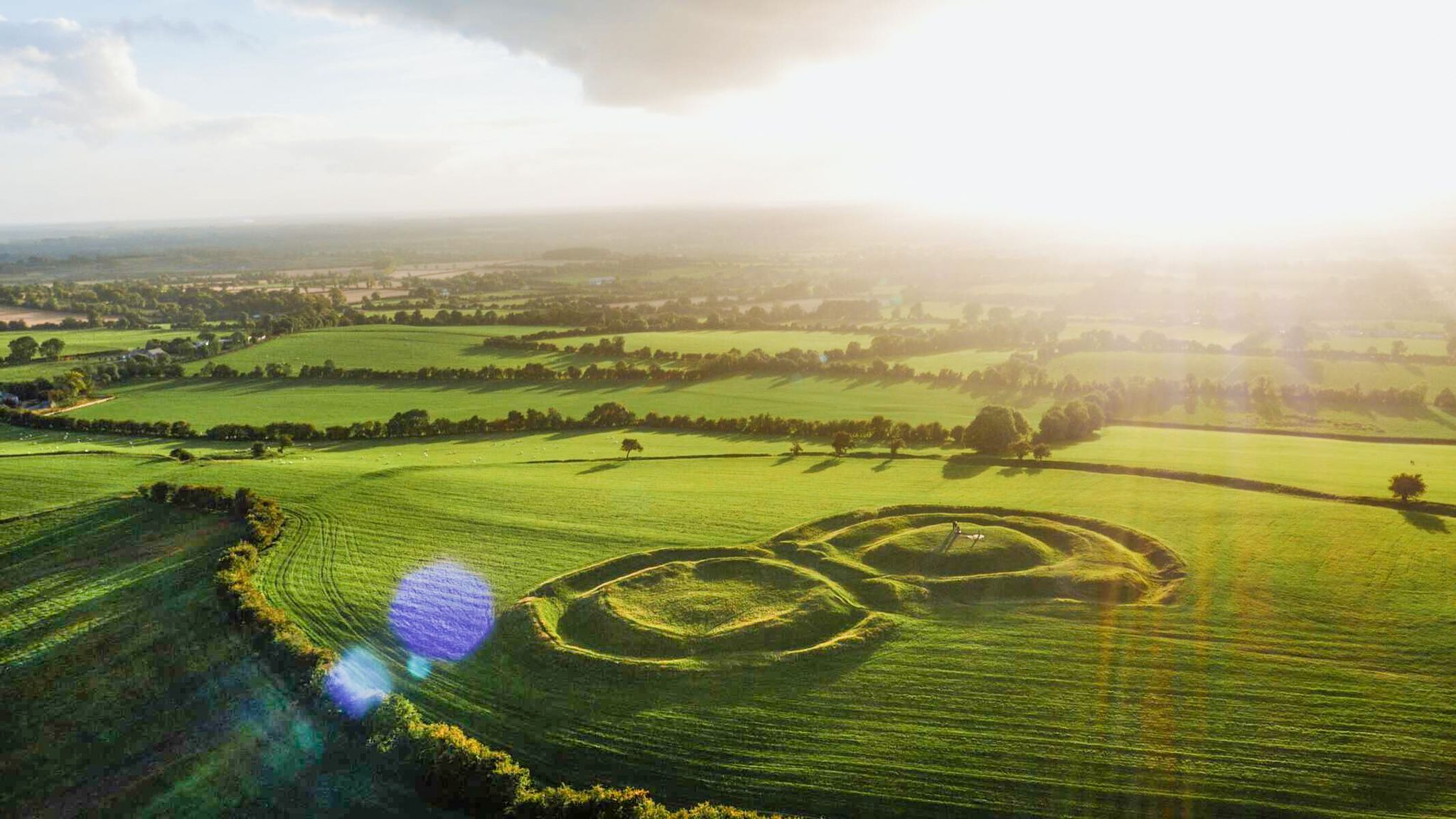
The magical east of Ireland – ancient places, scenic lakes and rocky mountains
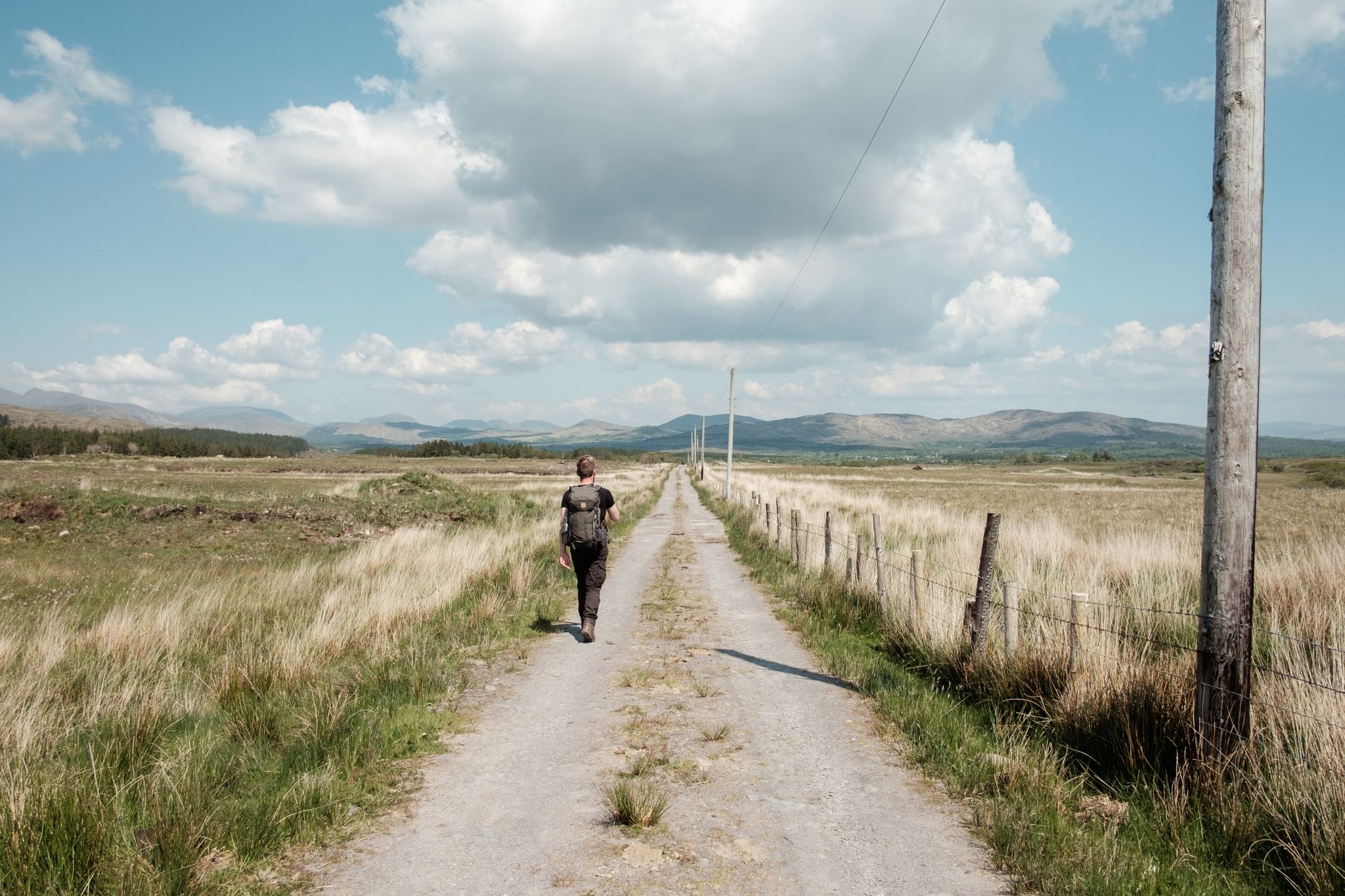
Irish wanderlust — 8 long-distance hiking trails on the Emerald Isle
Other adventures in the Wicklow Mountains National Park


Tips from the Community

Very special place with old graves standing askew. The whole area breathes a distant mystical history.
0
0

The Irish saint St. Kevin (c. 498–618 AD), from a noble family in Leinster, was trained as a monk and then sought solitude – here in Glendalough as a hermit. Around 540, he withdrew to this remote valley to live in seclusion, asceticism, and prayer. Legends tell that he had deer, otters, and birds as friends. But as it sometimes happens: disciples soon followed him, and a monastic community was established (545 AD), which developed into one of the most important monasteries in Ireland (heyday: 10th–12th centuries). A 30-meter-high round tower (10th–11th centuries), the ruins of the cathedral (1214), a stone church (St. Kevin's Kitchen), and a house still remain. – Very pretty and mystical, the whole thing in the middle of the cemetery.
1
0

Ireland is famous for its round towers, and this one in Glendalough is one of the most famous of them all. They were normally built between the 9th and 12th centuries and were used for calling people to prayer. In the late In the late 19th century, the conical top of the round tower in Glendalough was hit by lighting, destroying it. At 30 metres high, it is an imposing sight and the centrepiece of this ancient monastic centre.
1
0

This area is not only suitable for cycling, you can also go for a hike around the lakes.
2
0
This is a very nicely located hostel. We were able to see a golden pheasant there while having breakfast outside,
1
0

This round tower is about 30 meters high and has 6 floors. At a height of 3.6 m there is a door that could be reached with a ladder.
8
0

The most famous of all the landmarks in Glendalough is the Round Tower which stands 33 meters above the ground. It was built almost 1000 years ago by the monks of St. Kevin’s monastery. The conical roof had to be replaced in 1876 when it was struck by lightning. The towers were called “Cloigtheach”, meaning bell tower, suggesting their main use. The towers were sometimes used as a place of refuge for monks when the monastery was under attack. They also served as both as lookout posts and as beacons foe approaching monks and pilgrims.
5
0
Not only the monastery is worth seeing, but also the landscape around the lakes.
2
0
Frequently Asked Questions
What are the most popular glens and valleys to visit in the Wicklow Mountains National Park?
Visitors frequently enjoy the Glencree Valley, known for its vibrant plant life and as a highlight of the Wicklow Way. Another popular spot is the View into the Glenmalure Valley, offering expansive views over one of Ireland's longest valleys. The Glensoulan Valley on the River Dargle is also a favorite for its scenic hiking and cycling routes.
What kind of natural features can I expect to see in the Wicklow Mountains' glens?
The glens and valleys in the Wicklow Mountains National Park are characterized by dramatic glacial formations, river-carved gorges, steep wooded slopes, and rugged mountains. You'll find deep lakes, impressive waterfalls, and diverse flora. For example, Glencree Valley is known for its beautiful plants that bloom in various colors throughout the seasons.
Are there historical sites within or near these valleys?
Yes, the Wicklow Mountains National Park is rich in history. While not directly listed in the guide, the Glendalough Valley, a prominent glacial valley in the park, is home to a well-preserved ancient monastic settlement founded by St. Kevin in the 6th century, featuring a round tower and stone churches. The Glen of Imaal also has historical significance as a stronghold of the Uí Máil clan.
What outdoor activities can I do near the glens and valleys in Wicklow Mountains National Park?
The area offers a wide range of outdoor activities. You can find numerous hiking trails, such as the Dargle Valley Trail in Glensoulan Valley. For more options, explore the waterfall hikes, road cycling routes, or general cycling routes available throughout the Wicklow Mountains National Park.
When is the best time to visit the glens and valleys in Wicklow Mountains National Park?
The spring, summer, and autumn months are particularly beautiful for visiting, as the valleys like Glencree Valley come alive with blooming plants, adding vibrant colors to the landscape. These seasons generally offer more favorable weather for hiking and exploring.
Are there family-friendly trails or areas suitable for children in these glens?
Many areas within the Wicklow Mountains National Park offer trails suitable for families. While specific 'family-friendly' categories are not listed for these glens, areas like Glendalough Valley (mentioned in region research) offer easy lakeside strolls. The Glensoulan Valley is also a wonderful place for hiking or cycling, with scenic routes that can be adapted for various skill levels.
What is the typical terrain and difficulty level of trails in the Wicklow Mountains' glens?
The terrain varies from gentle paths along riverbanks and through woodlands, as seen in Glensoulan Valley, to more challenging routes with steep ascents and rugged paths, particularly in areas like the Glen of Imaal or the longer trails in Glenmalure. Many trails are rated as 'intermediate' difficulty, offering a good balance for most visitors.
How can I get to the glens and valleys in Wicklow Mountains National Park using public transport?
While some areas of the Wicklow Mountains National Park are accessible by public transport, many glens and valleys, especially the more remote ones like Glen of Imaal, may require a car for convenient access. For general information on reaching the park, you can check the official National Parks website: nationalparks.ie/wicklow/.
What do visitors enjoy most about exploring the glens and valleys in Wicklow Mountains National Park?
Visitors particularly appreciate the stunning natural beauty, the sense of wildness, and the diverse opportunities for outdoor activities. The Glencree Valley is loved for its vibrant plant life, while the Glenmalure Valley offers wonderful views and a sense of space. The combination of serene landscapes, historical context, and varied trails makes it a captivating destination for nature lovers and hikers.
Are there any less crowded alternatives to the main glens for a more remote experience?
For a more remote and untamed experience, consider exploring the Glen of Imaal. This wild and rugged valley is surrounded by prominent peaks and offers a sense of remoteness, appealing to those seeking a less crowded adventure away from the more frequented spots.
Can I find wild swimming spots near these glens and valleys?
While specific wild swimming spots are not detailed in the guide, the Wicklow Mountains National Park is known for its rivers and lakes. Glendalough Valley, for instance, features two deep lakes. Always exercise caution and check local regulations before attempting wild swimming.
What are the geological features that shaped the glens and valleys in Wicklow Mountains National Park?
The glens and valleys in the Wicklow Mountains National Park were primarily shaped by powerful forces of glaciation and water erosion. These processes created the dramatic glacial valleys, river-carved gorges, and distinctive rock formations seen today, such as the narrow, rocky gorge of Devil's Glen (mentioned in region research) cut by escaping meltwater.
Most popular routes in the Wicklow Mountains National Park
Most popular attractions in the Wicklow Mountains National Park

Get inspired with the komoot mobile app


