Top 4 Caves in El Hierro
Best caves in El Hierro are found on this volcanic island in the Canary Islands. The island's geological history has created a diverse underground landscape, featuring lava tubes, sea caves, and unique volcanic formations. These natural features offer various opportunities for exploration and appreciation of the island's geology. El Hierro's caves provide insight into its volcanic origins and natural processes.
Best caves in El Hierro
- The most popular caves is Tosca Arch, a natural_monument that is one of the…
Last updated: May 13, 2026
Guinea Ecomuseum and Lizardarium
Highlight • Historical Site
Translated by Google •
Tip by

Snail Cave
Highlight • Cave
Translated by Google •
Tip by

Sign up now to discover places like this
Get recommendations on the best single tracks, peaks, & plenty of other exciting outdoor places.
Sign up for free
Tosca Arch
Highlight • Natural Monument
Translated by Google •
Tip by

Cliff Cave of Punta Orchilla
Highlight • Cave
Translated by Google •
Tip by

Cueva de Las Palomas
Highlight • Cave
Translated by Google •
Tip by

Start today with a free account
Your next adventure awaits.
Login or Signup
Popular around El Hierro
La Palma, El Hierro y La Gomera – explore the Canaries’ Green Islands on foot
Canarian essence and traditional paths – El Hierro Loop
Land of secrets and volcanoes – El Hierro (GR 131)

El Hierro: Cycling at the End of the World
Discover Spain by gravel — a selection of must-see routes

GranGuanche Audax Gravel — five islands in two and a half days
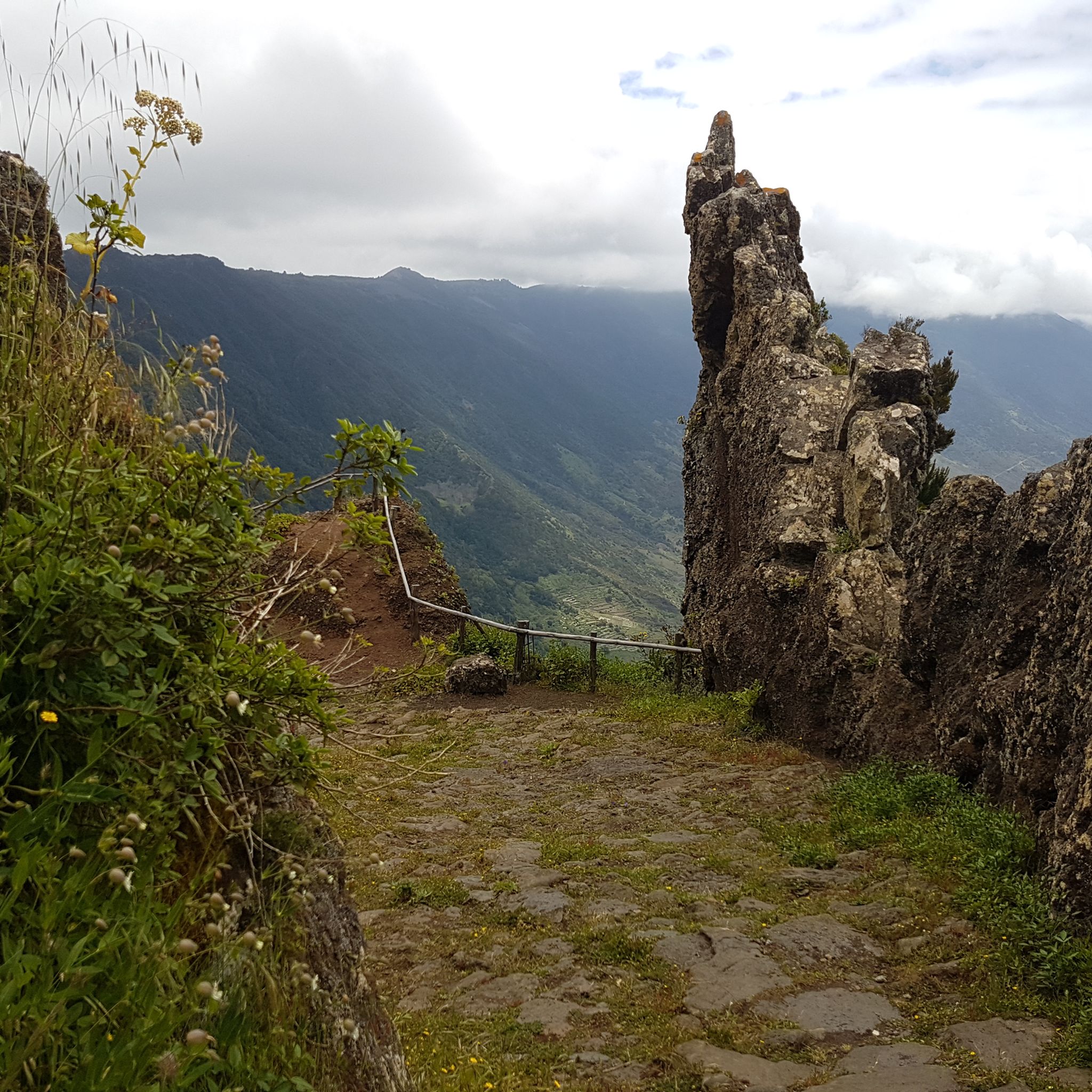
Hiking in El Hierro
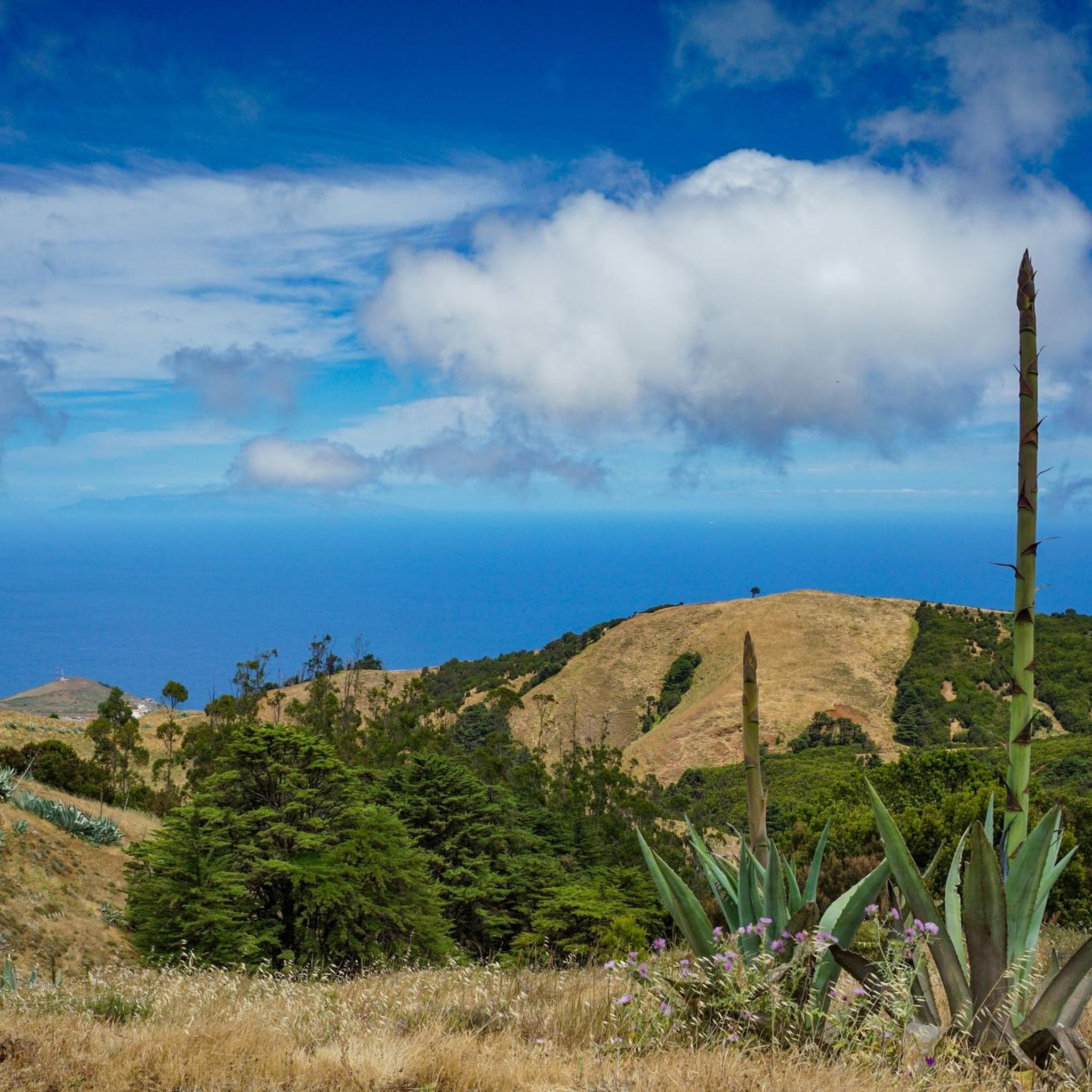
Cycling in El Hierro
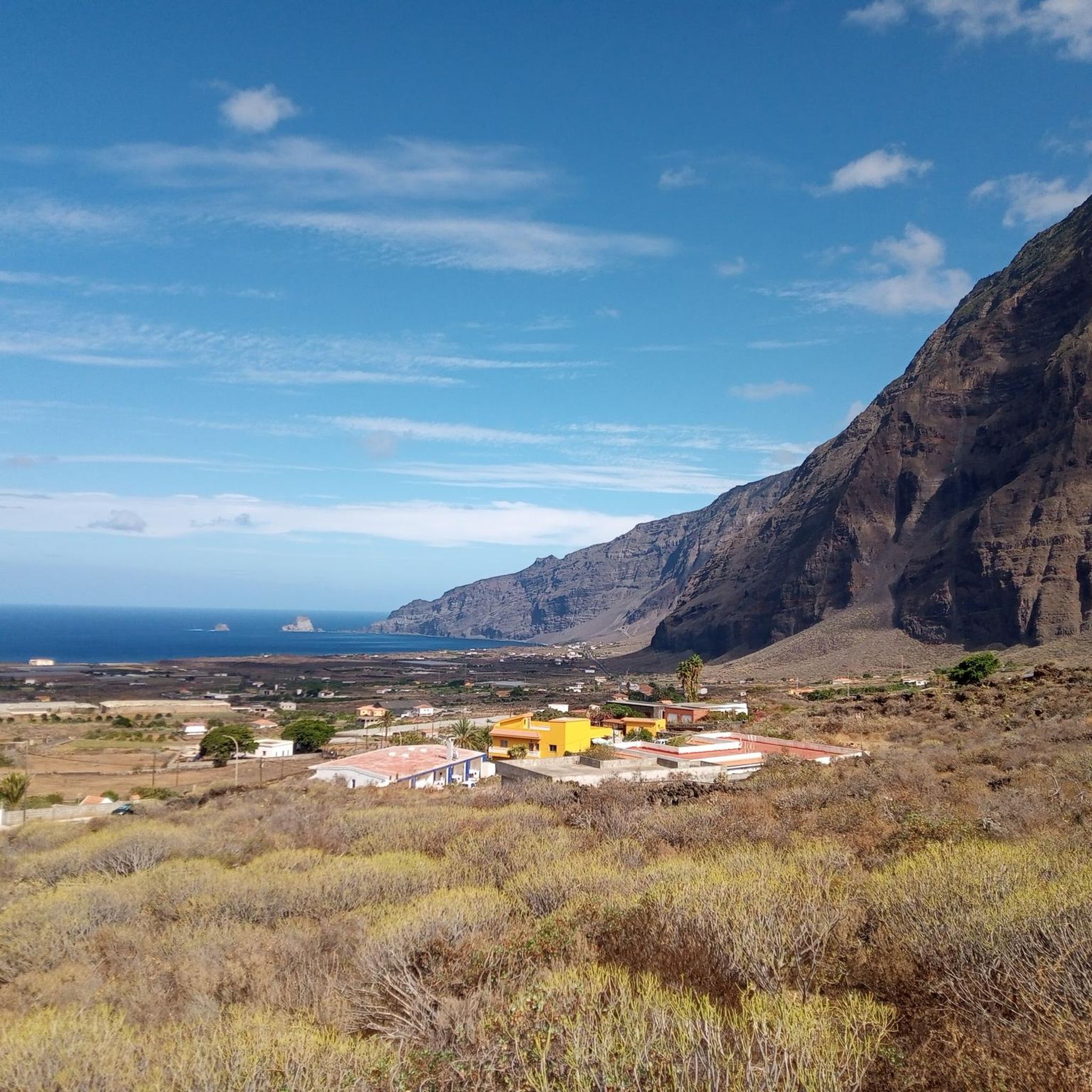
Road Cycling Routes in El Hierro
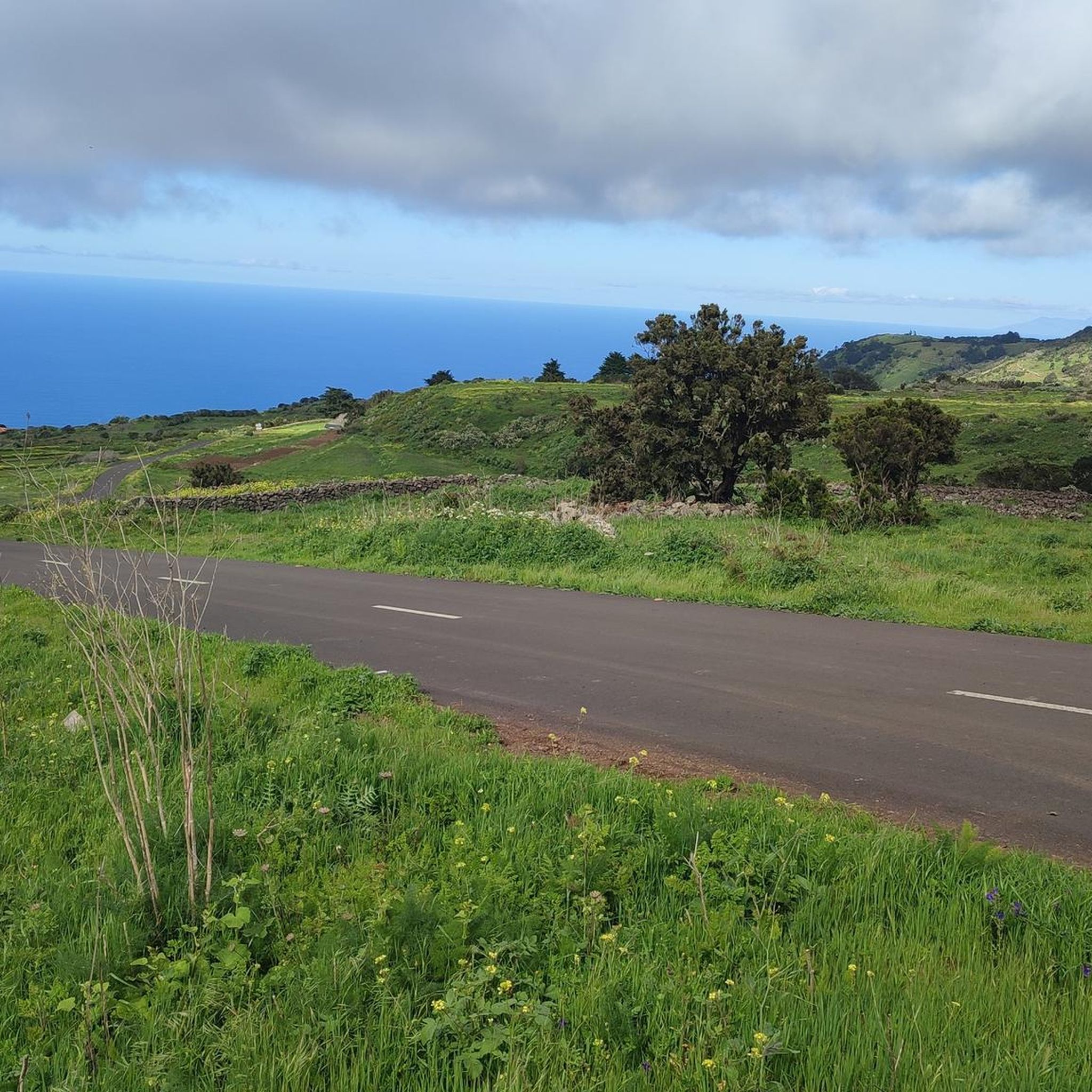
Running Trails in El Hierro
Other adventures in El Hierro


Tips from the Community

The Cueva del Caracol was once the first chapel of the Virgen de Los Reyes.
0
0

Reopened on 28.2.25 at 2:00 p.m. Construction site still exists, drive carefully. Greetings Eugen, El Chijo
0
0

Access closed due to construction work from Monday 8 a.m. to Friday 2 p.m.
1
0

In 1546 a ship heading towards America passed by Punta de la Orchilla, on the southern island of El Hierro. Later, when the sailors wanted to set course for the Americas, the ship could not leave the Sea of Calms, sailing in a circle incessantly for several days. Finally, on January 6, the food on board had run out and they had to approach land to ask for food. The shepherds of El Hierro provided them with provisions for the difficult journey. In exchange and as a thank you, the sailors gave the shepherds the "only valuable thing they kept on the ship," an image of the Virgin Mary. From this moment, a soft breeze began to blow in the Sea of Calms and the ship was able to sail away towards the New World. The shepherds guarded the Virgin, whom they called "of the Kings" in honor of the day of their arrival on the island. The carving was deposited in Caracol, in the cave that they called from that moment on "Cueva de La Virgen". There they venerated her and offered her gifts, in this way, she became the protector and patron saint of La Dehesa, of the livestock and later of the entire island.
0
0
https://www.meridianosau.es/centros/ecomuseo-de-guinea-2/ Located in the Gulf Valley, at the foot of the Risco de Tibataje, it is today an Ecomuseum. The guided route through its houses shows us the evolution since it began to be inhabited and the evolution of the homes with their belongings since the 19th century. XVII to the 20th century. Each of these homes is a sample of Popular Herreña Architecture, where stone and top notch are the basis of homes that, together with their traditional crops, today represent a monument to the History of the Island. Also in this location, but as an independent visit, you can visit the Guinea Volcanic Tube, where you will learn more about the geology of El Hierro. Visits to this cave, always guided, occur at the same time as the Ecomuseum route, and tickets are purchased at the Center's box office. https://www.youtube.com/watch?v=SX3t4xrcLbA https://www.youtube.com/watch?v=YLVwAbyBYRk
1
0
https://www.youtube.com/watch?v=2xmgfFKPkPY https://elcoleccionistadeinstantes.es/la-cueva-tubo-volcanico-de-orchilla-el-hierro https://senderoseh.blogspot.com/2018/09/la-cueva-del-acantilado_9. The 400 meters of volcanic tube are traversed without major complications. At the beginning, there is an area that flattens a little and everything seems to indicate that the cave ends there. But no, it's a false alarm. Further ahead, the path continues.
0
0

With souvenir shop and dog parking lot
0
0
Here you have to walk a little bit because the path is hardly mobile ... but the view of the south coast is great ...
0
0
Frequently Asked Questions
What unique natural features can I expect to see in El Hierro's caves?
El Hierro's volcanic origins have created a diverse underground landscape. You can find spectacular lava formations like the Tosca Arch, which produces guttural sounds from wave impact, and extensive lava tubes. Other features include natural swimming pools formed by ancient lava flows, such as Charco Azul, and sea caves with rich marine biodiversity, like Cueva de la Arena, popular for diving.
Are there any historical or cultural sites associated with the caves in El Hierro?
Yes, the Guinea Ecomuseum and Lizardarium offers a guided tour through a lava tunnel, alongside exploring old houses that showcase local life from the 17th to 20th centuries. Additionally, Snail Cave is a small village of old cave-houses with historical significance, as it was once the resting place for an image of the Virgin Mary, who became the island's patron saint.
What is the difficulty level of exploring caves in El Hierro?
The difficulty varies greatly. Some natural formations like the Tosca Arch are accessible viewpoints. However, caves like the Cliff Cave of Punta Orchilla are considered challenging, requiring careful navigation. The Cueva Volcánica de Orchilla is described as an authentic, challenging exploration lacking safety measures, ideal for adventurous visitors. Cueva de Las Palomas is also marked as challenging.
Are there family-friendly cave options in El Hierro?
While some caves are challenging, the Guinea Ecomuseum and Lizardarium is categorized as family-friendly, offering an educational experience with a guided lava tunnel tour and a chance to see the giant iron lizard. Natural pools like Charco Azul also provide a unique and safe natural bathing experience for families.
Do I need permits or special access to visit caves in El Hierro?
Access requirements vary. Cueva de Don Justo, a significant lava tube, is currently closed to the general public to protect its fragile ecosystem and endemic species, reserved for specialized speleological expeditions. For the Guinea Volcanic Tube, part of the Guinea Ecomuseum, visits are always guided and tickets are purchased at the center's box office.
What outdoor activities can I do near the caves in El Hierro?
El Hierro offers various outdoor activities near its cave formations. You can find easy hikes like the Sendero Arenas Blancas to El Verodal, or the Guinea Ecomuseum to Pozo de Los Padrones Trail. For more challenging options, consider running trails such as El Sabinar de La Dehesa. You can explore more routes in the Easy hikes in El Hierro, Running Trails in El Hierro, and Hiking in El Hierro guides.
When is the best time to visit the caves in El Hierro?
El Hierro generally enjoys a mild climate year-round, making its caves and volcanic formations accessible in most seasons. For underwater caves like Cueva de la Arena, diving conditions are typically favorable throughout the year. For surface explorations and coastal features like Charco Azul, warmer months are ideal for swimming, but the geological formations are impressive at any time.
Are there any caves in El Hierro that are suitable for diving?
Yes, Cueva de la Arena is a popular underwater cave on the eastern side of El Hierro, specifically for divers. It's about 25 meters long at a depth of only 8 meters, making it quite accessible. Divers can explore vertical walls rich with black coral, groupers, and other marine life, enjoying incredible backlights for photography.
Is parking available at the caves in El Hierro?
Parking availability varies by location. For instance, the Guinea Ecomuseum and Lizardarium has a dedicated parking lot, including options for visitors with dogs. For more remote or natural cave formations, parking might be less formal, requiring a short walk to access the site.
What should I wear or bring when exploring caves in El Hierro?
For adventurous cave explorations like the Cueva Volcánica de Orchilla or the Cliff Cave of Punta Orchilla, it is advisable to bring a jacket as temperatures inside can be cooler, and spare lights are essential due to the darkness. Sturdy footwear is recommended for navigating uneven terrain. For guided tours, specific gear might be provided or recommended by the tour operator.
Are there any hidden or less-known caves to explore in El Hierro?
While some major caves are well-documented, El Hierro's volcanic landscape is dotted with numerous smaller caves, caverns, and volcanic formations. Areas like Punta de la Sal and Charco Manso feature giant arches, sea caves, and other unique rock formations that offer opportunities for discovery beyond the main highlights. These often provide a more raw and untouched experience for those seeking less-traveled paths.
What do visitors enjoy most about El Hierro's caves?
Visitors appreciate the unique geological insights offered by El Hierro's caves, showcasing the island's volcanic origins. The contrast between the rugged volcanic rock and the ocean, as seen at the Tosca Arch, is a highlight. The historical context of places like Snail Cave and the educational aspect of the Guinea Ecomuseum are also highly valued. For adventurers, the raw, untouched experience of exploring lava tubes is a significant draw.
Most popular routes in El Hierro
Most popular attractions in El Hierro

Get inspired with the komoot mobile app


Explore more
Extend your search for the best caves by checking out these guides of the top ones in El Hierro:
