Top 5 Castles in Pegnitztal Ost
Best castles in Pegnitztal Ost offer a journey through history within a scenic natural landscape. This region, situated near Nuremberg, features a mix of historical sites and natural beauty, including the Pegnitz river. Visitors can explore various historical structures, from ruins to well-preserved estates. The area provides opportunities for outdoor activities alongside cultural exploration.
Best castles in Pegnitztal Ost
- The most popular castles is Ruins of Oberbürg Castle, a castle that showcases the history of its walls from construction…
Last updated: May 27, 2026
Ruins of Oberbürg Castle
Highlight • Castle
Translated by Google •
Tip by

Unterbürg Castle
Highlight • Castle
Translated by Google •
Tip by

Sign up now to discover places like this
Get recommendations on the best single tracks, peaks, & plenty of other exciting outdoor places.
Sign up for free
Hallerschloss and Imhofbau, Kirchenberg, Nuremberg
Highlight • Historical Site
Translated by Google •
Tip by

Schloss Oberburg and Jewish Museum Path
Highlight (Segment) • Historical Site
Translated by Google •
Tip by

Start today with a free account
Your next adventure awaits.
Login or Signup
Tips from the Community


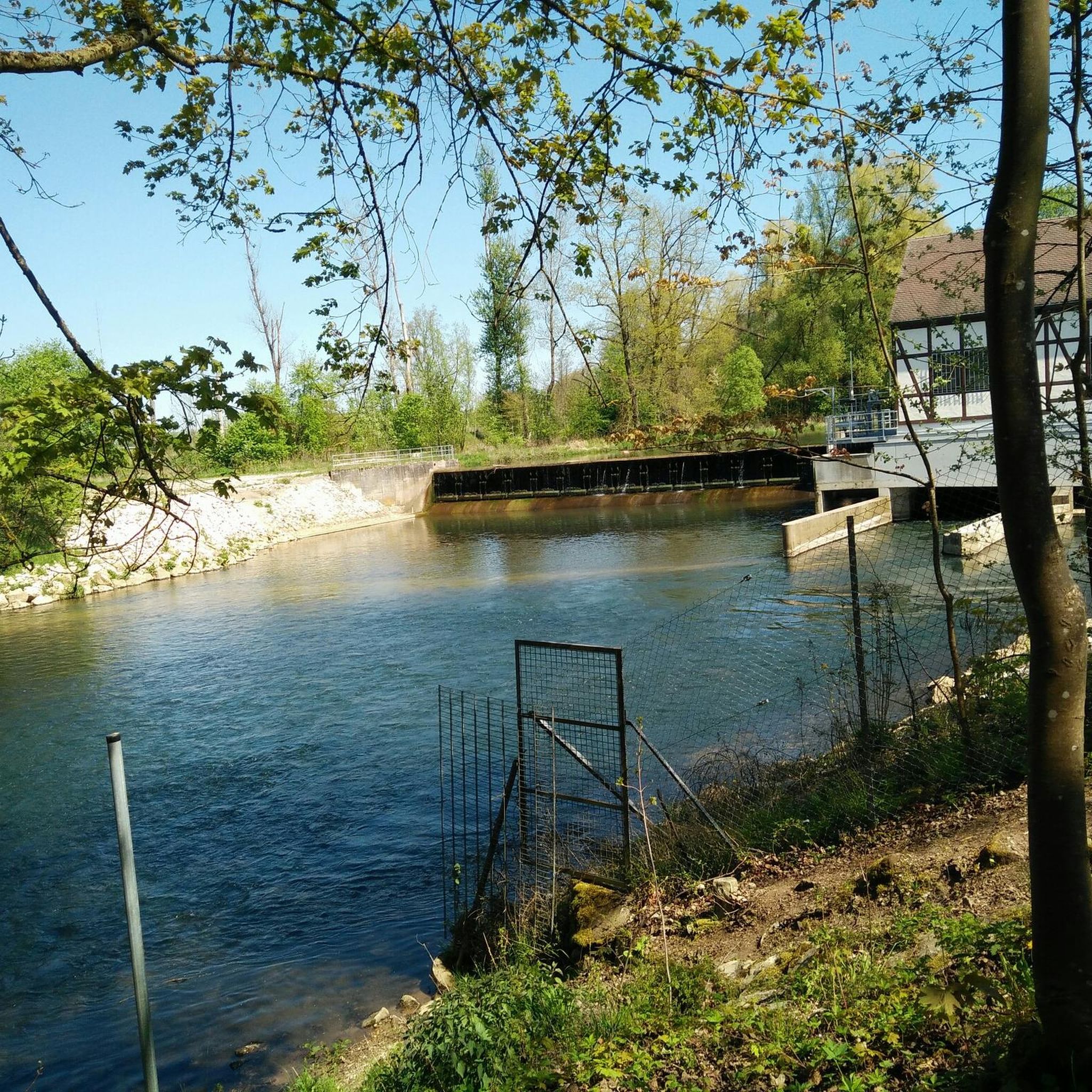
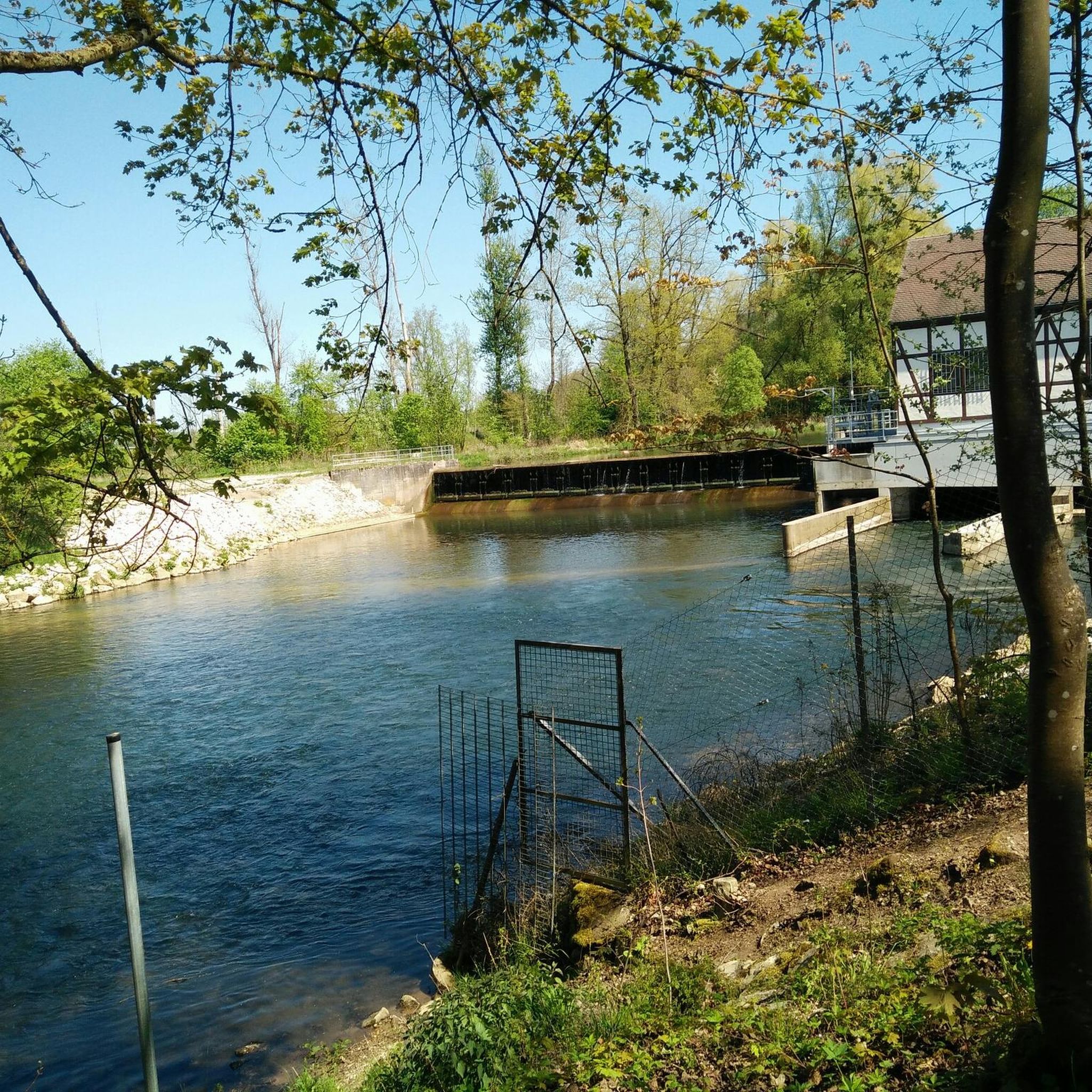
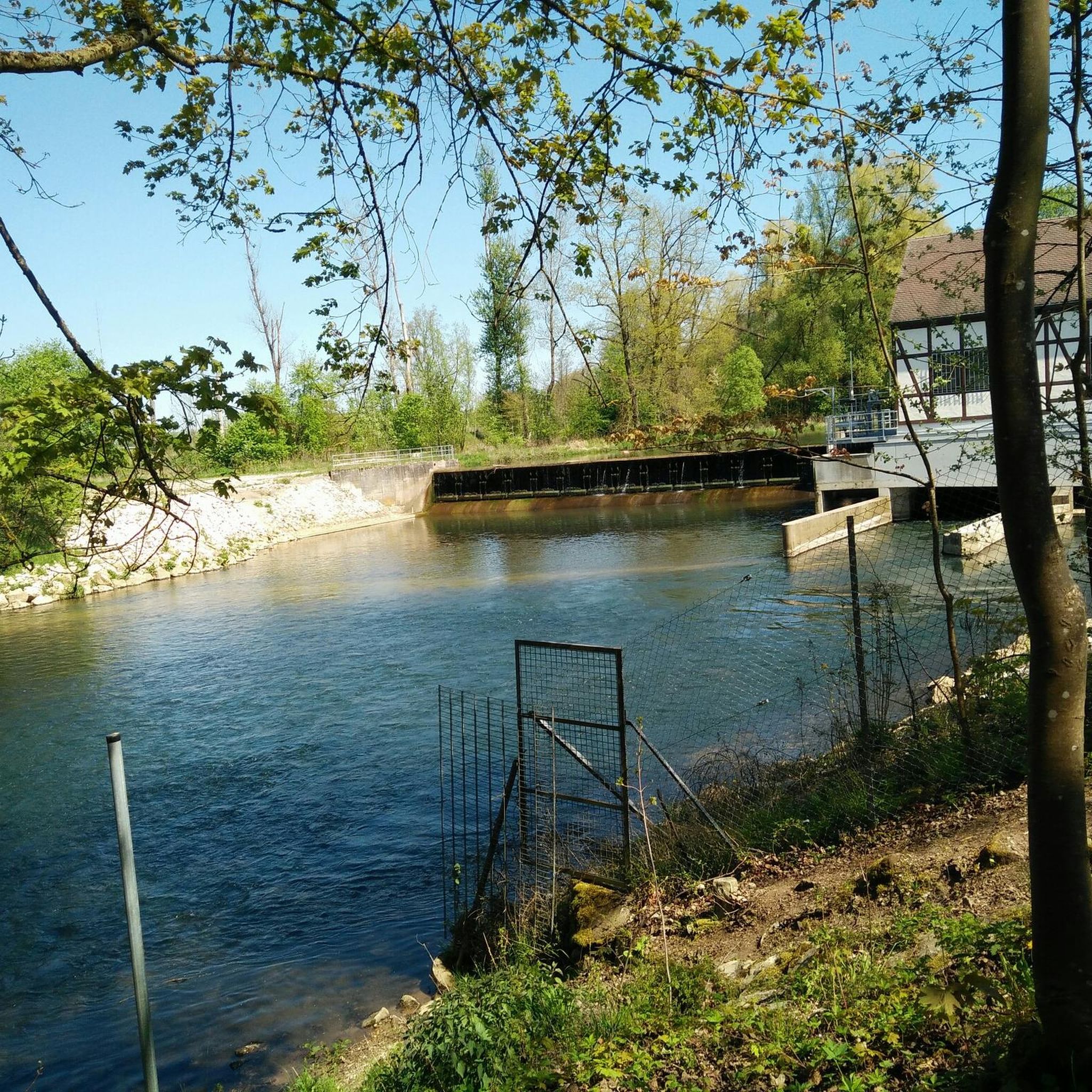
Around 1250, the imperial ministers of Lauffenholtz (Laufamholz) built a residential tower on the Pegnitz (today's Unterbürger Straße 36). It is assumed that the Unterbürg manor was the ancestral seat of the Laufamholz family. Even in the 18th century, the residence looked like a medieval moated castle, despite the early modern conversions. A drawbridge gave access to the main building. The forecourt was secured with two gates and a defensive wall. Outbuildings were grouped within the ring of walls: a habitable gatehouse at the upper gate, the castle farmhouse, a coach house, two barns, a gardener's house with attached shed, a day laborer's house, an apartment building, stables, pigsties and a bakehouse. The outer bailey was also within the pond complex, with a navigable causeway guaranteeing access.
0
0

An old moated castle which was destroyed in 1943, unfortunately very smeared but was a great building
7
0
A castle ruin, destroyed in 1943 Unfortunately very smeared, it must have been an impressive building
7
0
A beautiful castle with a residential tower and a small private lake
4
0

Around 1250 the Reichsministeriale von Lauffenholtz (Laufamholz) built a residential tower on the Pegnitz (today's Unterbürger Straße 36). It is believed that the Unterbürg manor was the ancestral home of the Laufamholz family. They also had a seat in Mögeldorf (later Hallerschloß), but avoided the expanding burgraves of Nuremberg in the Steigerwald. There they received Obermelsendorf Castle as a Würzburg fiefdom around 1333/34. Most recently they were in the service of the bishopric of Bamberg; in Mögeldorf, however, they retained fiefdoms until they died out in 1568. The lower guarantee was no longer theirs when it was first mentioned in 1363. That year, Leupolt Groß, a son of the famous Reichsschultheissen and founder of the Heilig-Geist-Spital Konrad Groß, granted the Reichsstadt the right to open in the event of war through his “stainhaus ze Lauffenholtz in dem weyer”. About nine years later he sold the imperial moated castle to the Nuremberg citizen Ulrich Groland. In 1390 Ulrich Groland and his son Hans d. Ä. the imperial city, in turn, the right to open its "vesten Lauffenholtz". After a division of property from 1407/09, Hans d. J. Groland took over the land in the area of the Oberbürg, which was built soon afterwards, where there had previously been an imperial farmstead that burned down in the First Margrave War in 1449. The patrician family stayed on the Unterbürg until 1453. (More information is available here: https://de.wikipedia.org/wiki/Unterb%C3%BCrg)
3
0

Great site with the old properties and the super beautiful half-timbered houses. It's like a small island in the middle of Nuremberg. Was probably a royal farm around the year 1000.
1
0

Frequently Asked Questions
Are there family-friendly castles to visit in Pegnitztal Ost?
Yes, several castle sites in Pegnitztal Ost are considered family-friendly. For instance, the area around Ruins of Oberbürg Castle and Schloss Oberburg and Jewish Museum Path offer suitable environments for families to explore history and nature together.
What kind of historical structures can I expect to see in Pegnitztal Ost?
Pegnitztal Ost features a diverse range of historical structures. You can explore castle ruins like the Ruins of Oberbürg Castle, which was once a magnificent mansion. There are also well-preserved estates with residential towers, such as Unterbürg Castle, and historical sites with old properties and half-timbered houses like Hallerschloss and Imhofbau, Kirchenberg, Nuremberg.
What outdoor activities can I combine with a visit to the castles?
The region around the castles in Pegnitztal Ost is excellent for outdoor activities. You can find numerous hiking and running trails. For example, there are moderate hiking routes like the 'Pegnitz Valley East Nature Reserve – Ruins of Oberbürg Castle loop' or running trails such as the 'Ruins of Oberbürg Castle – Pegnitz Valley East Nature Reserve loop'. You can find more details on these and other routes in the Hiking in Pegnitztal Ost and Running Trails in Pegnitztal Ost guides.
When is the best time to visit the castles in Pegnitztal Ost?
The castles and their surrounding natural landscapes are enjoyable year-round. Spring and autumn offer pleasant temperatures for exploring the outdoor sites and trails. Summer is ideal for combining castle visits with other outdoor activities along the Pegnitz river. Even in winter, the historical sites can offer a unique, tranquil experience, especially if you enjoy crisp walks.
What do visitors particularly enjoy about the castles in Pegnitztal Ost?
Visitors appreciate the blend of history and nature. The komoot community has shared over 367 photos and given more than 695 upvotes for the castles. Many enjoy the historical insights provided by sites like the Ruins of Oberbürg Castle and the scenic paths along the Pegnitz river, which are perfect for walks or bike tours.
Are there specific castle ruins to explore in the region?
Yes, the Ruins of Oberbürg Castle is a prominent ruin in Pegnitztal Ost. It offers a glimpse into its past as one of Nuremberg's most magnificent mansions, despite its destruction in 1943. Information boards at the site detail its history from construction to ruin.
Can I find half-timbered houses or unique architectural styles among the castles?
Absolutely. Hallerschloss and Imhofbau, Kirchenberg, Nuremberg, for example, is noted for its old properties and beautiful half-timbered houses, offering a distinct historical atmosphere that was once a royal farm. Unterbürg Castle also features a unique residential tower.
Are the castle areas in Pegnitztal Ost dog-friendly?
While specific rules for each castle may vary, the outdoor areas and surrounding trails in Pegnitztal Ost are generally dog-friendly. Many visitors enjoy walking their dogs along the river paths and through the natural landscapes near the castle sites. Always ensure your dog is on a leash and clean up after them.
How can I reach the castles in Pegnitztal Ost?
The castles in Pegnitztal Ost are situated near Nuremberg. Access is typically by car, with parking often available near the sites or trailheads. Public transport options may include regional buses or trains to nearby towns, followed by a walk or local connection. It's advisable to check specific transport links for each castle you plan to visit.
Are there good viewpoints near the castles in Pegnitztal Ost?
The Pegnitztal Ost region is known for its scenic natural landscape, including the Pegnitz river. While not explicitly designated viewpoints at every castle, the elevated positions of some castle ruins, like the Ruins of Oberbürg Castle, often provide pleasant views of the surrounding valley and nature.
Are there any circular walks that include castle visits?
Yes, many of the hiking and running routes in Pegnitztal Ost are designed as loops and can incorporate castle visits. For example, the 'Pegnitz Valley East Nature Reserve – Ruins of Oberbürg Castle loop' is a moderate 12.2 km hike that allows you to explore the castle ruins as part of a circular trail. You can find more circular routes in the Hiking in Pegnitztal Ost guide.
Can I visit the castles in Pegnitztal Ost during winter?
Yes, the castles and their surrounding areas can be visited in winter. While some facilities might have reduced hours, the outdoor sites remain accessible. Winter walks along the Pegnitz river and through the snow-dusted landscapes offer a peaceful and picturesque experience. Be sure to check local weather conditions and wear appropriate clothing and footwear.
Most popular routes in Pegnitztal Ost
Most popular attractions in Pegnitztal Ost

Get inspired with the komoot mobile app


Explore more
Looking for the best castles somewhere else? Discover other guides in Pegnitztal Ost:
