Top 10 Lakes in Siebengebirge
Lakes in Siebengebirge are primarily former quarry sites that have been reclaimed by nature, offering unique landscapes and recreational opportunities. This region, known for its volcanic origins and dense forests, features water bodies formed from basalt quarrying. These natural features contribute to the Siebengebirge Nature Park's diverse flora and fauna, making them valuable for nature observation and hiking.
Best lakes in Siebengebirge
- The most popular lakes is Three-Lakes Viewpoint, a viewpoint that offers vistas of three sections of the…
Last updated: August 4, 2026
Three-Lakes Viewpoint
Highlight • Viewpoint
Translated by Google •
Tip by

View of Dornheckensee
Highlight • Viewpoint
Translated by Google •
Tip by

Sign up now to discover places like this
Get recommendations on the best single tracks, peaks, & plenty of other exciting outdoor places.
Sign up for free
Weilberg Quarry
Highlight • Natural Monument
The highlight is on the tour "Weg der …
Translated by Google •
Tip by
View of the Rhine Valley from the Ennert cliffs
Highlight • Viewpoint
Translated by Google •
Tip by

Basalt quarry pond and cliffs on Großer Ölberg
Highlight • Natural Monument
Translated by Google •
Tip by

Sign up for free to discover even more lakes in Siebengebirge.
Sign up for free
Already have an account?
Start today with a free account
Your next adventure awaits.
Login or Signup
Popular around Siebengebirge
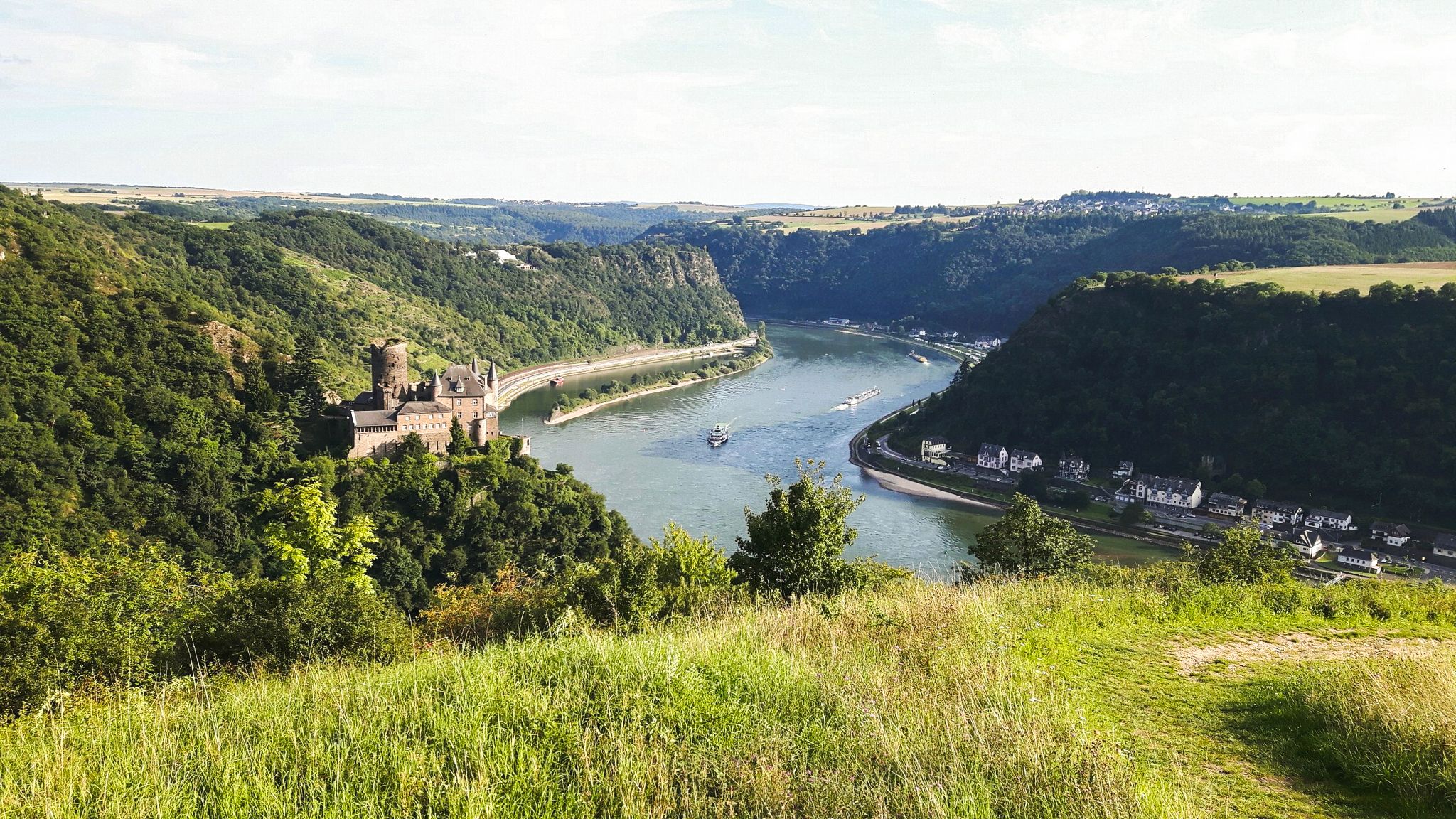
Rheinsteig Trail – The 21 stages along the Rhine
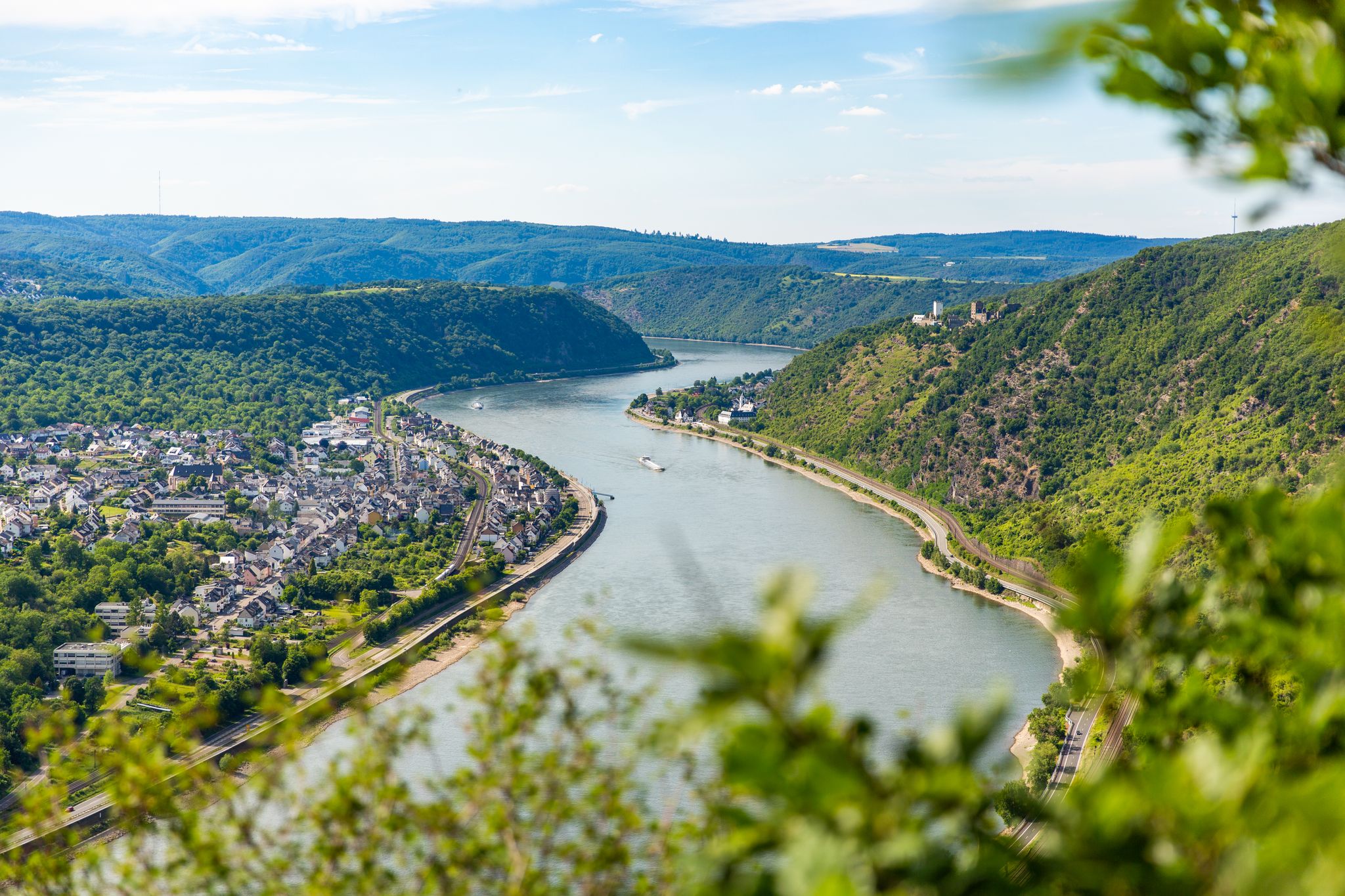
Up and down along the Rhine – adventure on the Rheinsteig
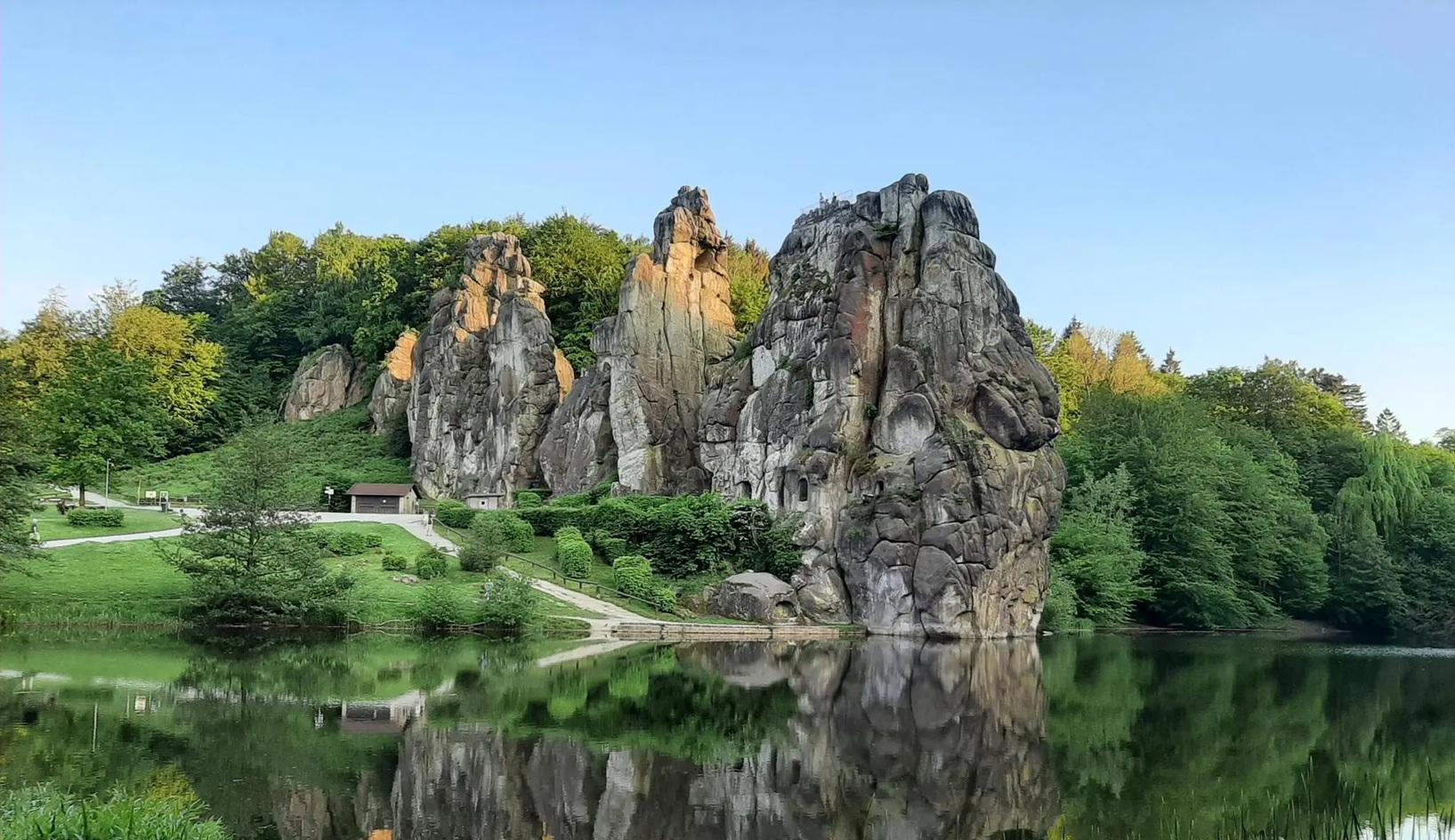
The National Natural Landscapes in Nordrhein-Westfalen
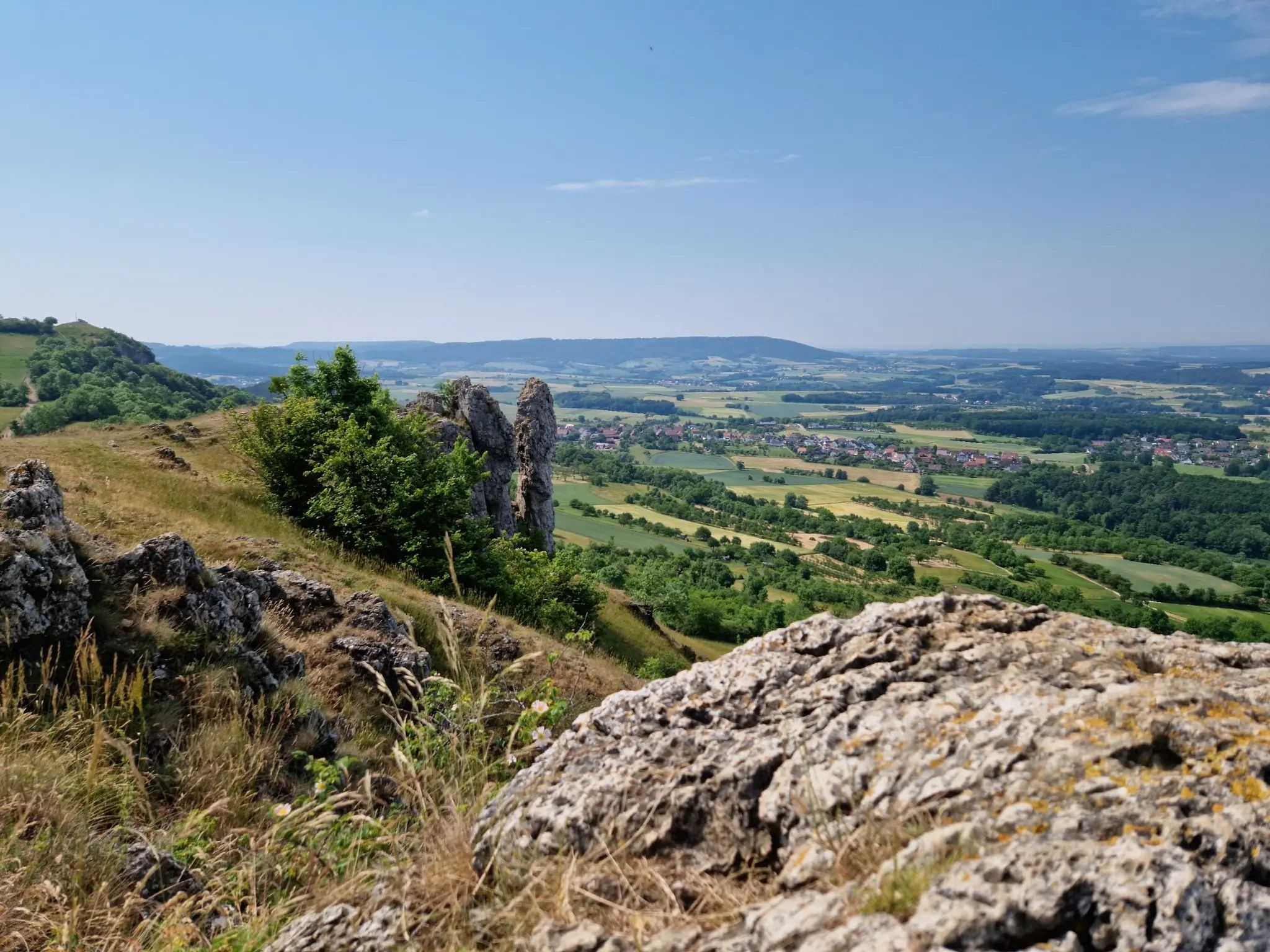
Ten fantastic hikes throughout Germany
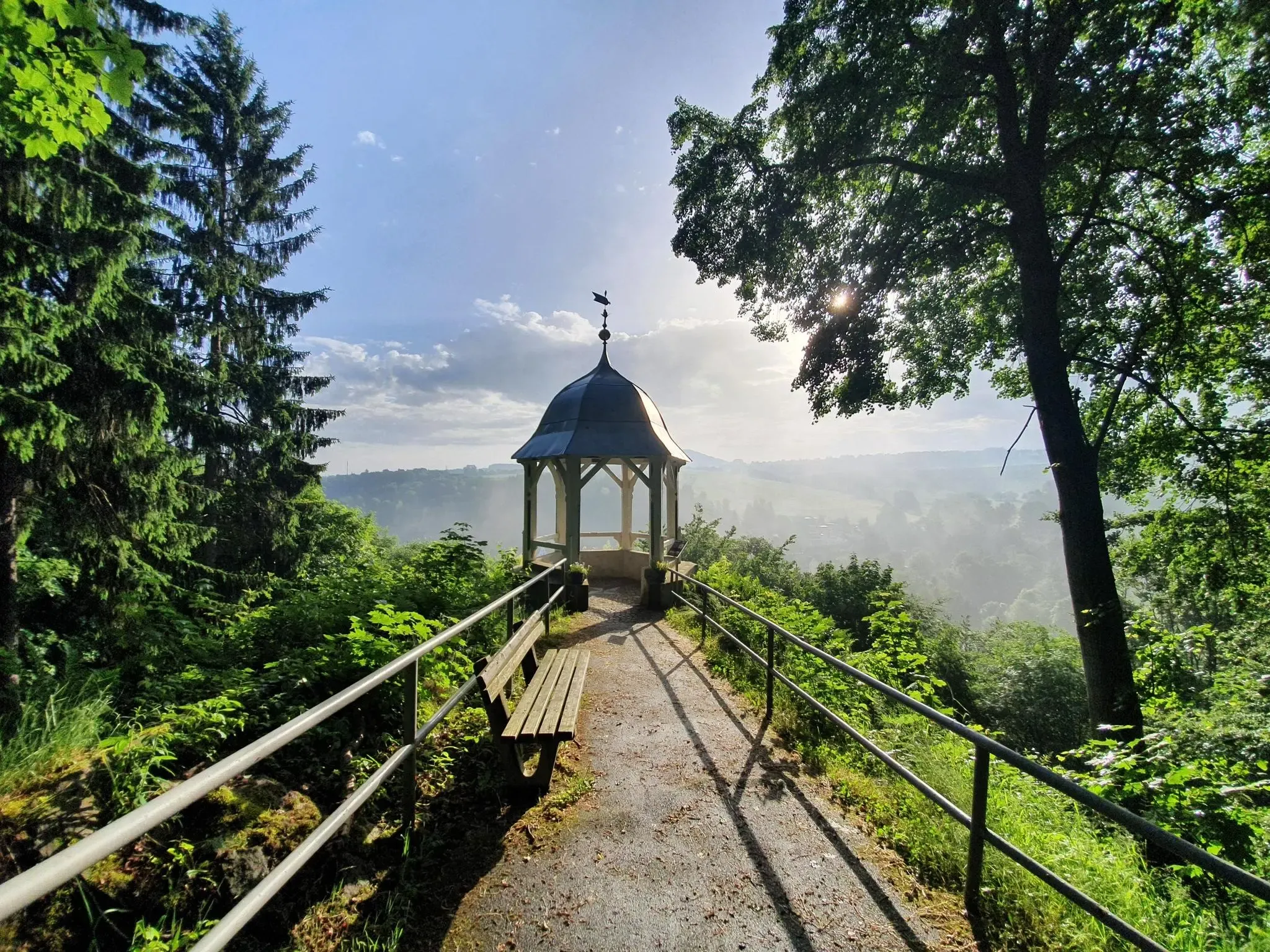
#GoFurther – discover the views of Germany!
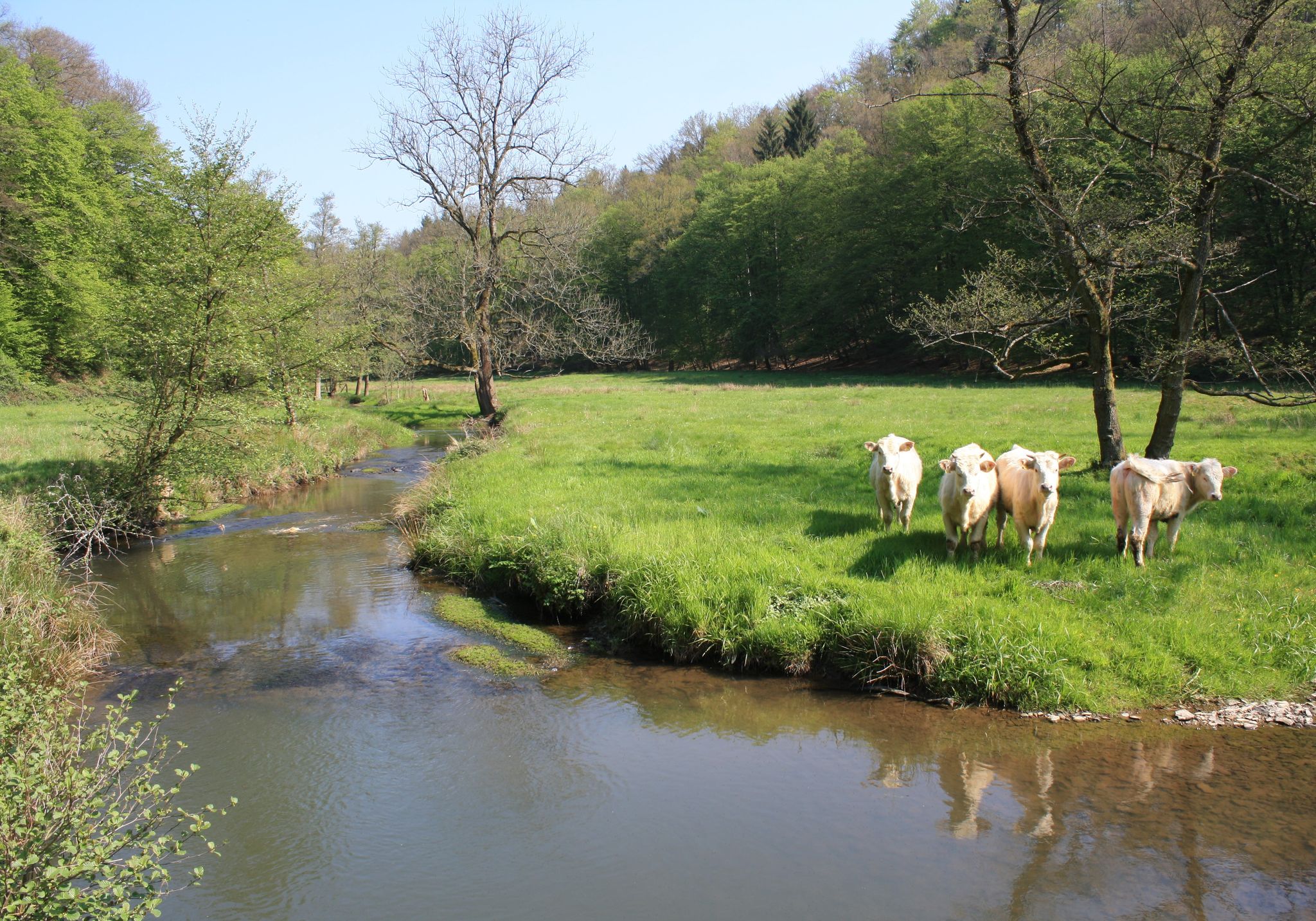
Nature and culture in beautiful landscapes – hikes on the Rhine and Sieg
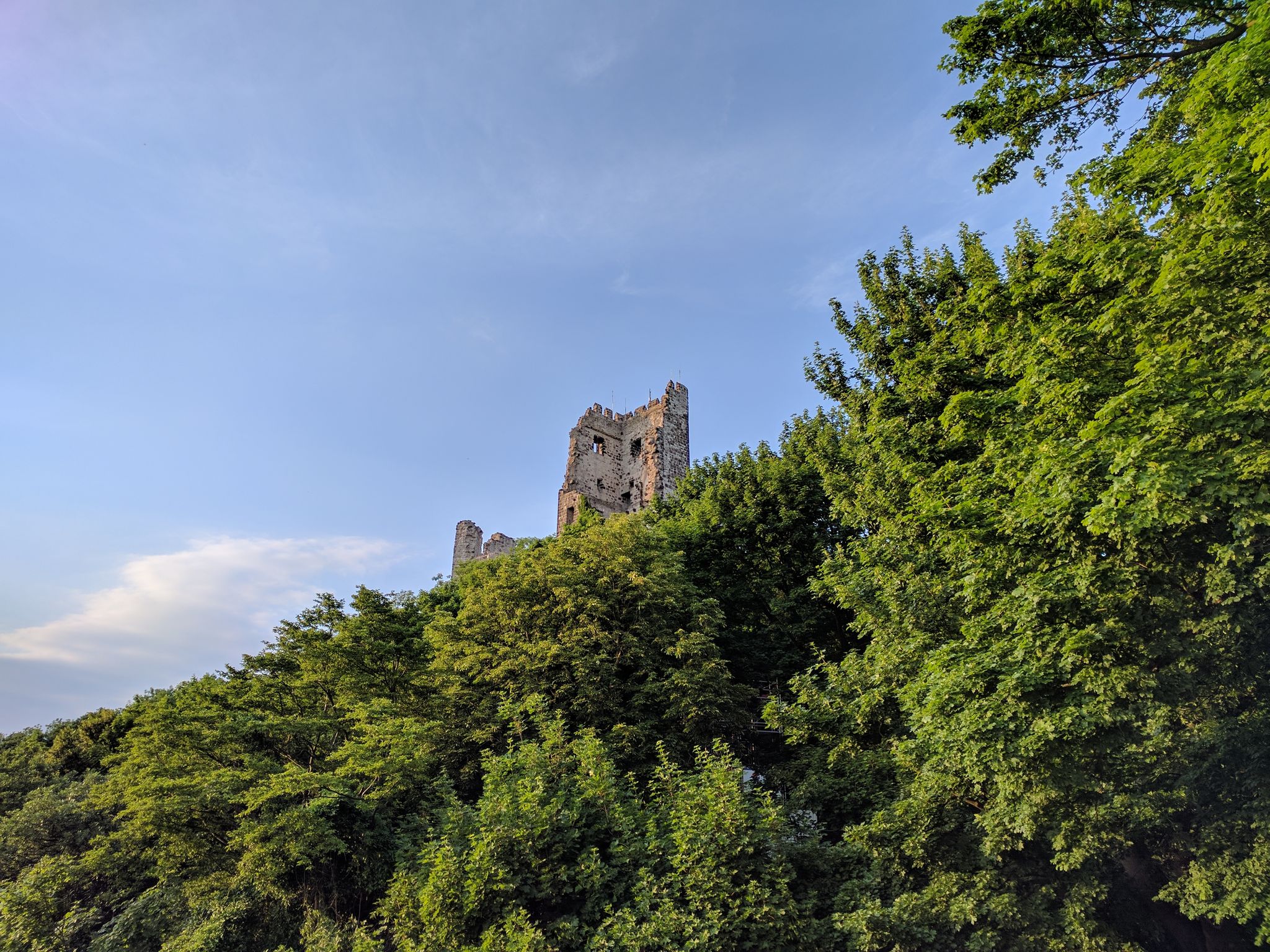
Family-friendly hikes in the Siebengebirge
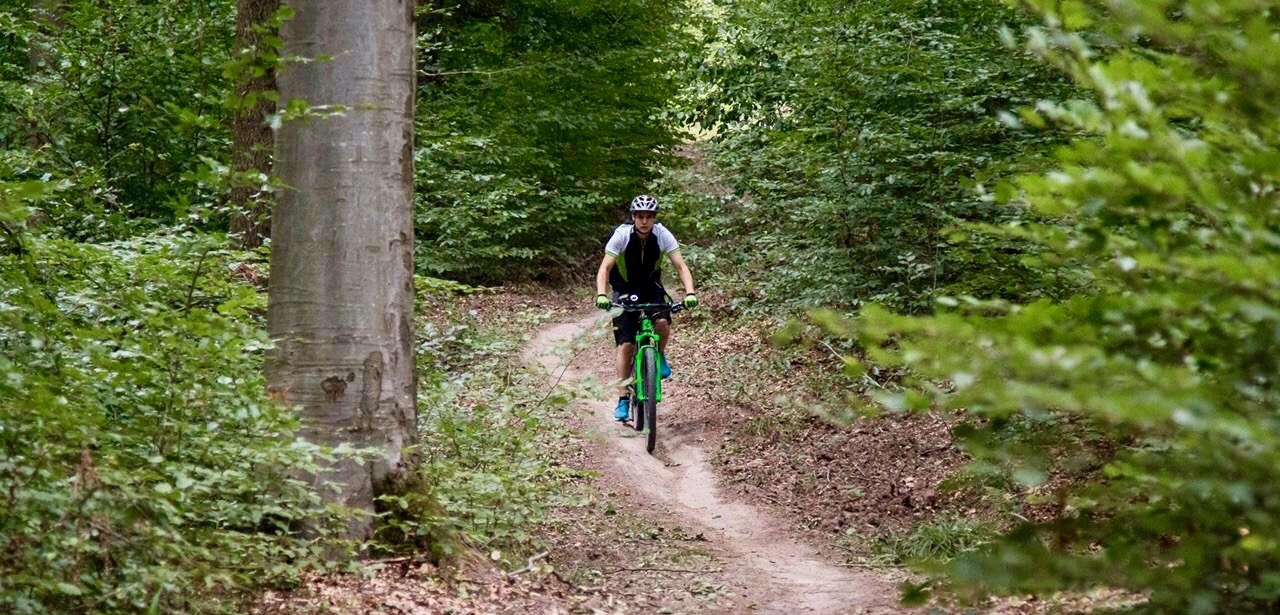
33 MTB trails through German forests
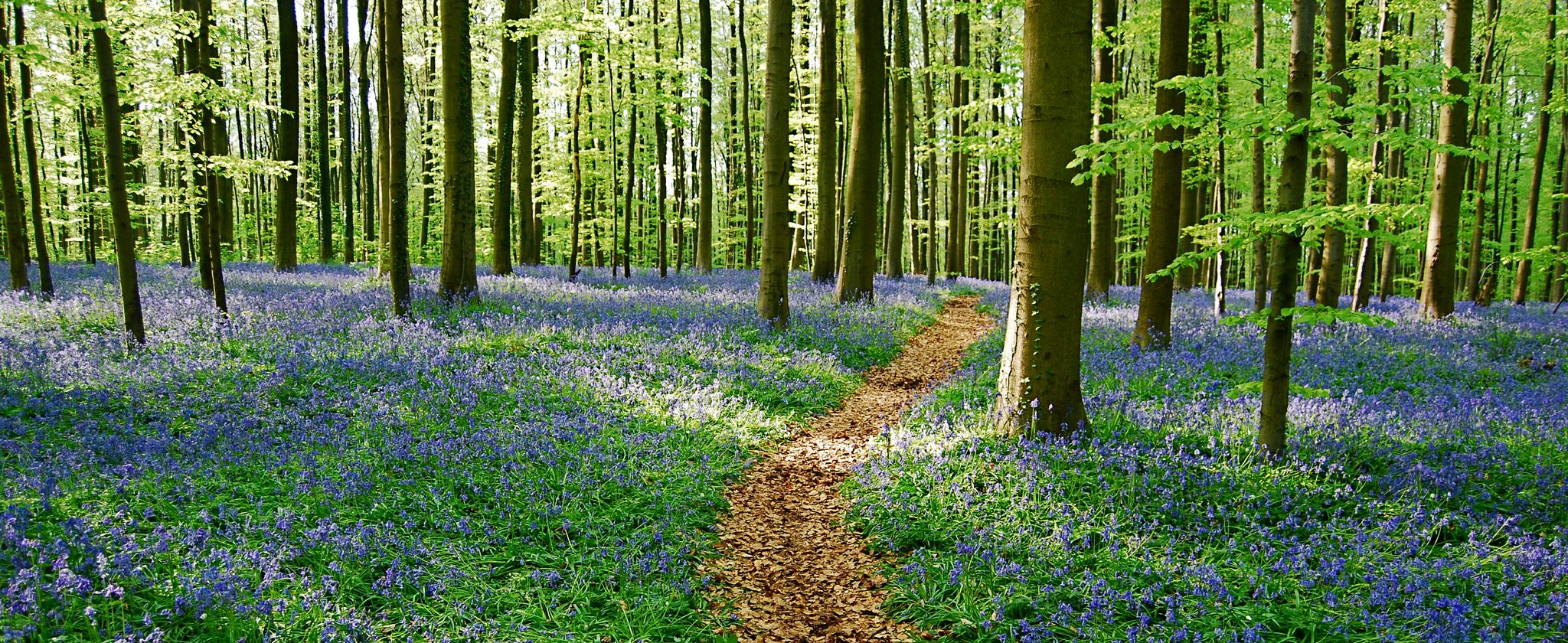
Little adventures for the whole family
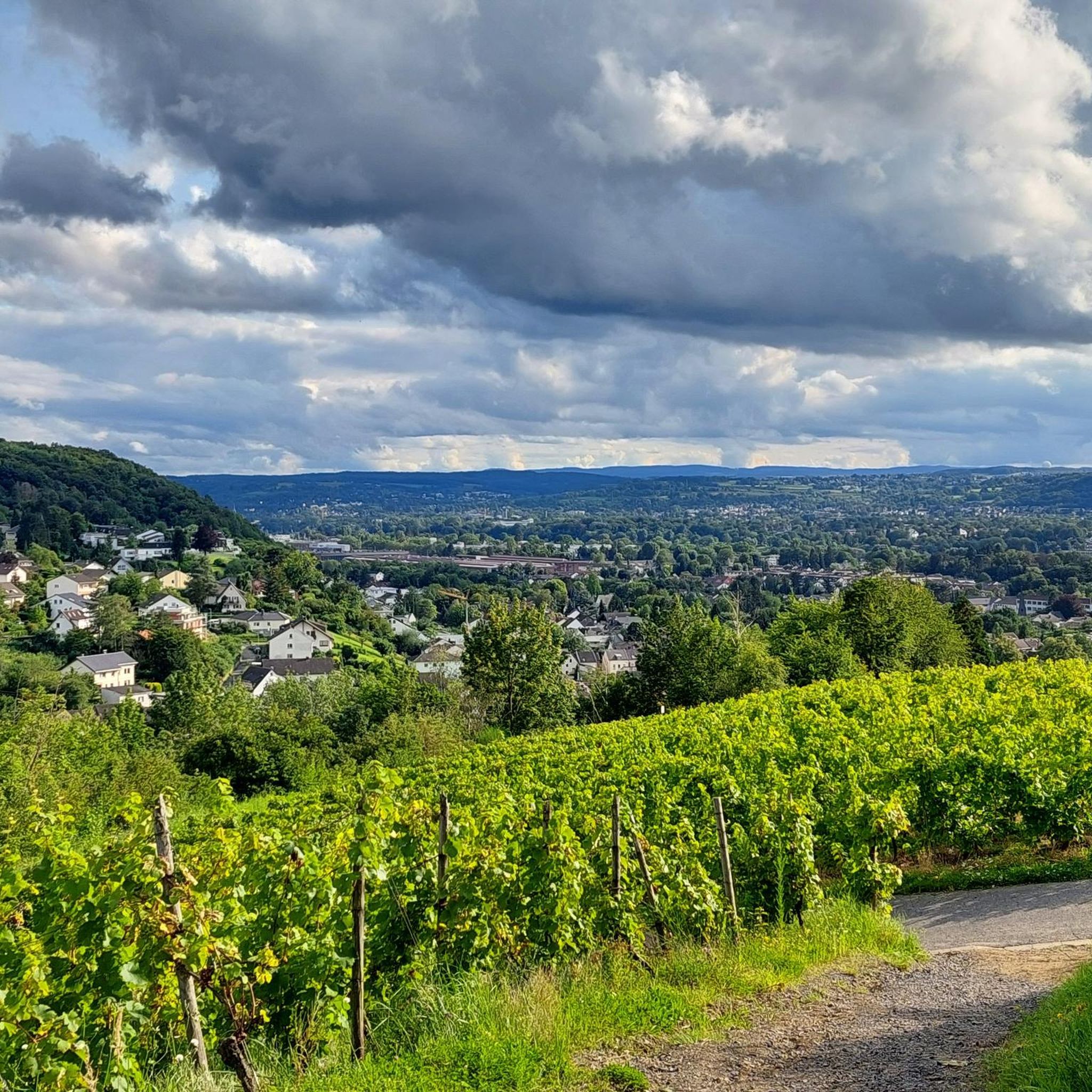
Hiking in Siebengebirge
Other adventures in Siebengebirge


Tips from the Community

Geologically interesting, enchanted, beautiful to look at.
0
0

The name is once again misleading: Of course, the local hiker knows that there are by no means several lakes visible from this spot. Rather, it is the "good old Father Rhine," which can be seen several times, seen here from above.
9
0

Beautiful little lake in the middle of large basalt columns
0
0

The Weilberg is one of the many relics of the Siebengebirge from the time of the volcanoes that formed the landscape around 30 million years ago (Tertiary period). At that time, the volcanic activity began with a huge ash rain. Inside the earth was a huge magma focus that had created eruptions in various chimneys and crevices. Loose material was thrown explosively through these eruption sites to the earth's surface. This was deposited on the earth's surface and solidified into tuff. Lava penetrated the forming trachytuff layer and colored the tuff red at the contact zone. This can still be clearly seen today. The lava solidified into hexagonal basalt columns, often into slender columns. Later, liquid basalt penetrated the old tufa layer again in one passage and formed a "basalt tulip" at the upper end. Over the course of time, the destructive power of nature eroded the soft tuff layer through erosion, weathering and erosion. The hard layers of basalt resisted these forces and are therefore so close to the surface today that they were quarried. There are three large groups of volcanic rock in the Siebengebirge: 1. Trachyte (e.g. Drachenfels, Lohrberg) - used in the construction of Cologne Cathedral 2. Latite (e.g. Stenzelberg, Wolkenburg) - used for baroque building decoration 3. Basalts (e.g. Weilberg, Ölberg, Petersberg) - use e.g. B. for coastal reinforcement or as gravel for road and railway construction In the 19th and early 20th century, basalt was mined on the Weilberg, as in many other places in the Siebengebirge. The workers toiled for ten hours to extract the valuable stone by hand with hammers, crowbars, iron wedges or stone forks. It was particularly dangerous for the workers, who were lowered to the blast site on a rope. The extracted rock was transported to the nearby stone crushing plant. The workers loaded the mined rock into wagons and brought it down to the valley. From 1889, a narrow-gauge railway was built for transport, which led down into the Rhine Valley to the loading point on the ships. At weekends, she brought the day trippers to the Siebengebirge in passenger transport. Basalt was and is very popular for building roads, paths and railways, but also for bank and dike reinforcements (also in the Netherlands!). This quarry activity, which ended in 1942, offers the visitor a fantastic insight into times long past. Information boards give the visitor important information about the history of the origins of the volcanic landscape and the Weilberg, but also about the history of quarrying.
3
0

This is the closed Weilberg basalt quarry.
4
0

"After the completion of the Oberkassel/Ramersdorf basalt quarrying in the 19th century, some of the quarrying sites, which were up to 70 meters deep, filled up with groundwater. Embedded in steep terrain, the blue lake today offers a beautiful panorama. Signs indicate that swimming is prohibited here. Rock crumbles off the steep walls of the Ennert and falls into the lake. A dangerous undercurrent can be very dangerous for the inexperienced swimmer. Today the area around the Blue Lake is part of the Siebengebirge fauna-flora-habitat area and is subject to strict supervision." https://www.seen.de/blauer-see-bonn-oberkassel/
5
0

Especially beautiful now in the spring, because everything is blooming, green and a clear view in the forest...
3
0

Frequently Asked Questions
Are there actual lakes in Siebengebirge or are they mostly Rhine views?
The Siebengebirge region features both actual lakes and stunning Rhine views that appear lake-like. Many of the 'lakes' are former basalt quarries that have filled with water, creating unique natural features. Additionally, viewpoints like the Three-Lakes Viewpoint offer scenic vistas of three sections of the Rhine River, giving the impression of distinct lakes between the mountains.
What is the largest lake in the Siebengebirge region?
The largest lake in the Siebengebirge is the Dornheckensee. It formed in a basalt quarry that operated until the 19th century. You can get a beautiful overview from the View of Dornheckensee, which overlooks this picturesque body of water embedded in cliffs.
Can I swim in the lakes of Siebengebirge?
Swimming is generally prohibited in the quarry lakes of Siebengebirge, including Dornheckensee. This is due to dangerous undercurrents, falling rock from steep walls, and the designation of these areas as fauna-flora-habitats, which are subject to strict supervision for nature conservation.
What kind of natural features can I expect to see around the lakes?
The lakes in Siebengebirge are primarily former basalt quarries, so you'll encounter dramatic cliffs, dense deciduous forests, and unique geological formations. These areas are rich in diverse flora and fauna, making them valuable for nature observation. The View of the Rhine Valley from the Ennert cliffs, for example, showcases how former quarry sites have transformed into scenic water features.
Are there family-friendly activities or walks near the lakes?
Yes, several areas around the lakes and viewpoints are considered family-friendly. For instance, the Three-Lakes Viewpoint is a popular spot for families, offering accessible views. While direct access to some quarry lakes might be restricted, many surrounding forest paths are suitable for walks with children.
What is the best time of year to visit the Siebengebirge lakes for hiking?
The Siebengebirge region is beautiful year-round. Spring offers lush greenery and blooming flowers, while autumn provides stunning foliage. Summer is ideal for longer hikes, and even winter can be magical with snow. Always check local weather conditions before your visit.
Are dogs allowed on trails around the Siebengebirge lakes?
Yes, dogs are generally allowed on the trails within the Siebengebirge Nature Park. However, it's important to keep them on a leash, especially in designated nature protection areas and near sensitive habitats, to protect wildlife and ensure safety for all visitors.
What outdoor activities can I do near these lakes?
The Siebengebirge region offers excellent opportunities for outdoor activities. You can enjoy extensive hiking, with numerous trails winding through the forests and past viewpoints. Mountain biking is also popular. For detailed routes, explore the Hiking in Siebengebirge or MTB Trails in Siebengebirge guides.
Are there any hidden or less-known lakes worth exploring?
Beyond the more prominent Dornheckensee, the region has several smaller, more secluded water bodies, often former quarry ponds. An Old Quarry Pond in Naturpark Siebengebirge near Kleiner Ölberg is one such example, though access can be difficult and secured for safety reasons. Similarly, a Basalt quarry pond and cliffs on Großer Ölberg offers a more rugged exploration.
What do visitors enjoy most about the lakes and viewpoints in Siebengebirge?
Visitors particularly appreciate the unique panoramic views, especially from spots like the Three-Lakes Viewpoint, which offers vistas of Drachenfels, Bonn, and the Rhine plain. The dramatic setting of the quarry lakes, like Dornheckensee, embedded in cliffs, also draws many. The blend of natural beauty, geological history, and diverse hiking opportunities are frequently highlighted.
How long does it take to hike around the Siebengebirge lakes?
Hiking times vary greatly depending on the specific lake or viewpoint and the chosen route. A walk around Dornheckensee, for example, can be part of a longer forest hike. Many trails in the Siebengebirge range from easy, short loops to moderate, multi-hour excursions. For specific durations, consult individual tour descriptions in the Hiking in Siebengebirge guide.
Is public transport available to reach the Siebengebirge lakes?
Yes, the Siebengebirge region is accessible by public transport. Various bus routes connect to towns and trailheads around the nature park. From there, you can often reach the lakes and viewpoints via well-marked hiking paths. Specific routes and schedules can be found through local transport providers.
Most popular routes in Siebengebirge
Most popular attractions in Siebengebirge

Get inspired with the komoot mobile app


Explore more
Still not found your perfect lake in Siebengebirge? Check out the guides of these regions to see even more beautiful places.
