Top 9 Caves in Naturpark Hirschwald
Best caves in Naturpark Hirschwald are located in the Upper Palatinate region of Bavaria, Germany. This area is characterized by diverse landscapes and subterranean formations. The park offers various points of interest, including significant archaeological sites and natural rock shelters. Its caves provide insights into historical human presence and geological features.
Best caves in Naturpark Hirschwald
- The most popular caves is Stone Age rock shelter at the Steinbergwand, a historical site. Stone Age tools were discovered here approximately a…
Last updated: May 27, 2026
Stone Age rock shelter at the Steinbergwand
Highlight • Cave
Translated by Google •
Tip by

Lourdes Grotto
Highlight • Religious Site
Pastor Schraml, who had been pastor in Utzenhofen since 1891, conceived the plan to build a Lourdes Grotto, similar to the Lourdes Grotto in France. He felt it …
Translated by Google •
Tip by

Sign up now to discover places like this
Get recommendations on the best single tracks, peaks, & plenty of other exciting outdoor places.
Sign up for free
Goaskirche (Haintal Cave)
Highlight • Cave
Translated by Google •
Tip by

Southern Kupferberg Cave
Highlight • Cave
Translated by Google •
Tip by

Prellhöhle Cave
Highlight • Cave
Translated by Google •
Tip by

Sign up for free to discover even more caves in Naturpark Hirschwald.
Sign up for free
Already have an account?
Start today with a free account
Your next adventure awaits.
Login or Signup
Popular around Naturpark Hirschwald
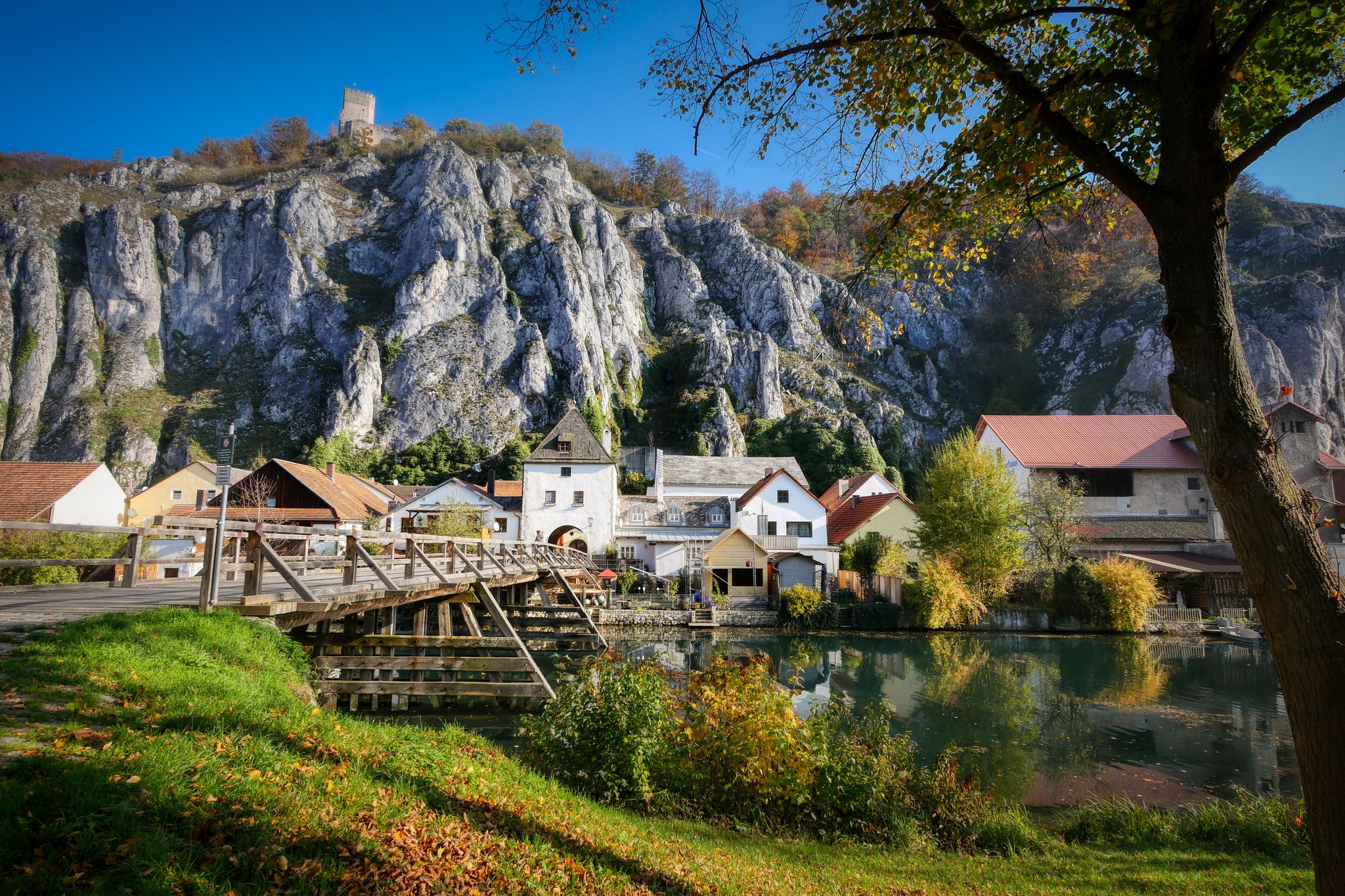
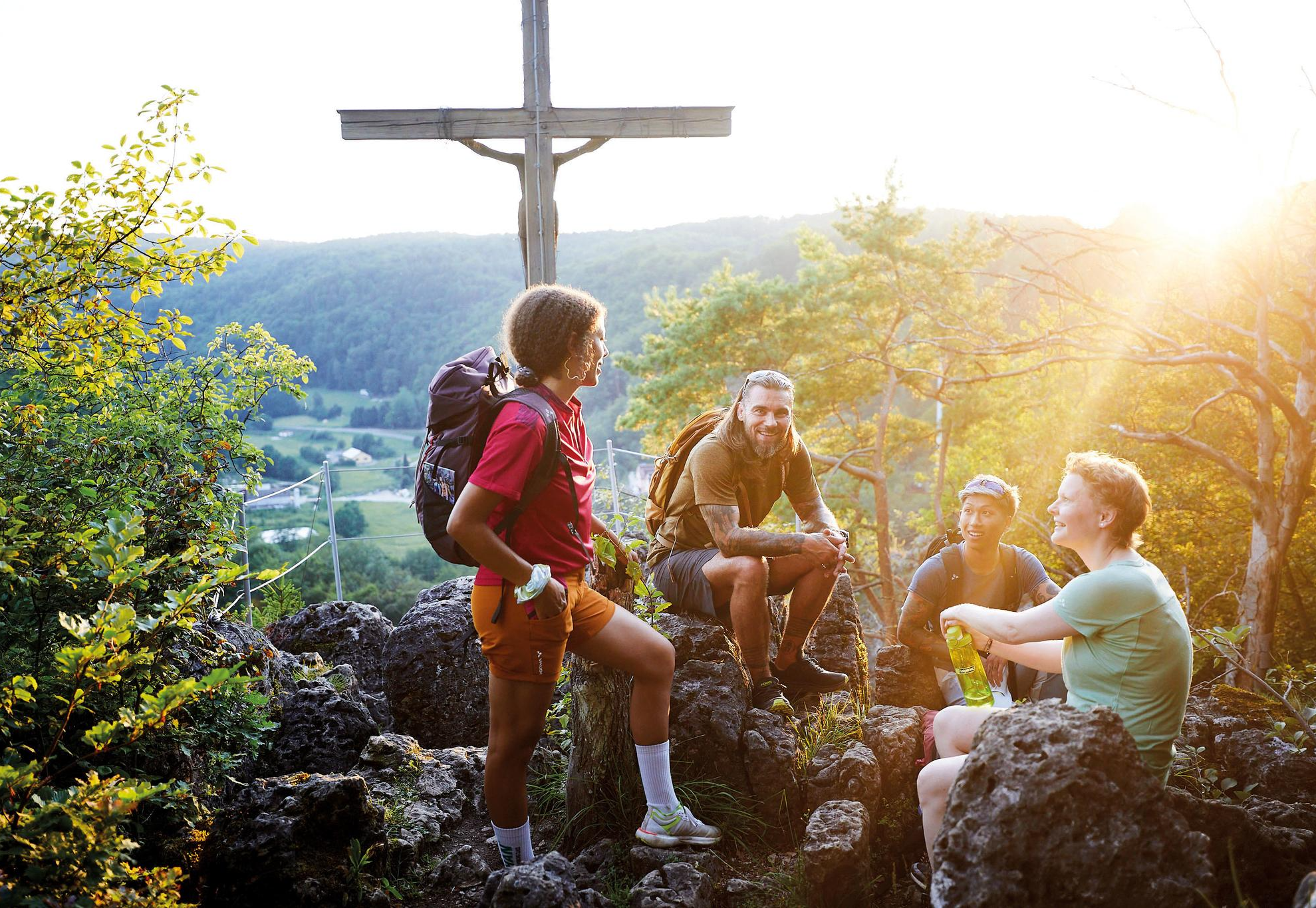
Jurasteig — hiking in the heart of Bavaria
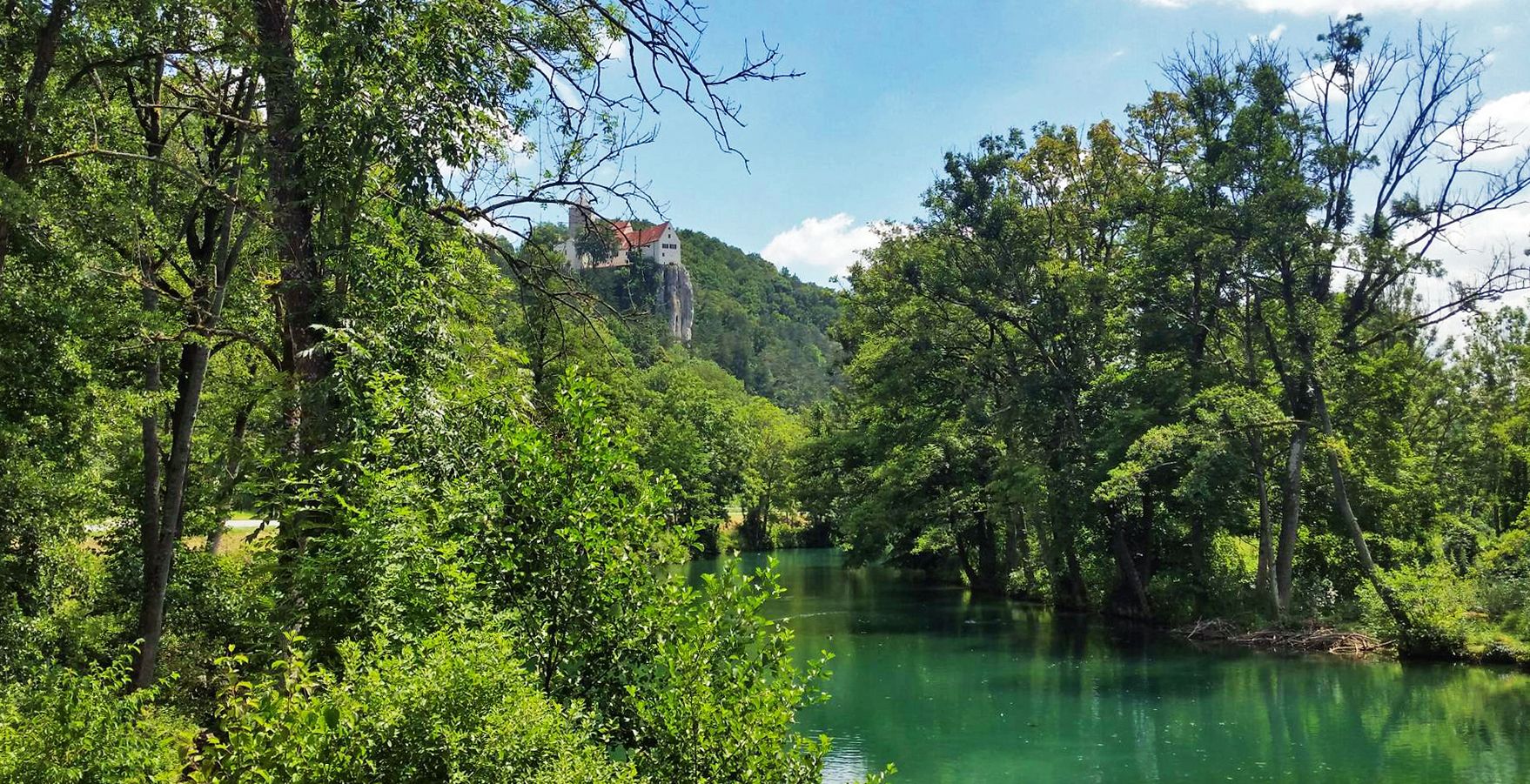
Five Rivers Cycle Path — 5 stages along Bavaria's most beautiful rivers
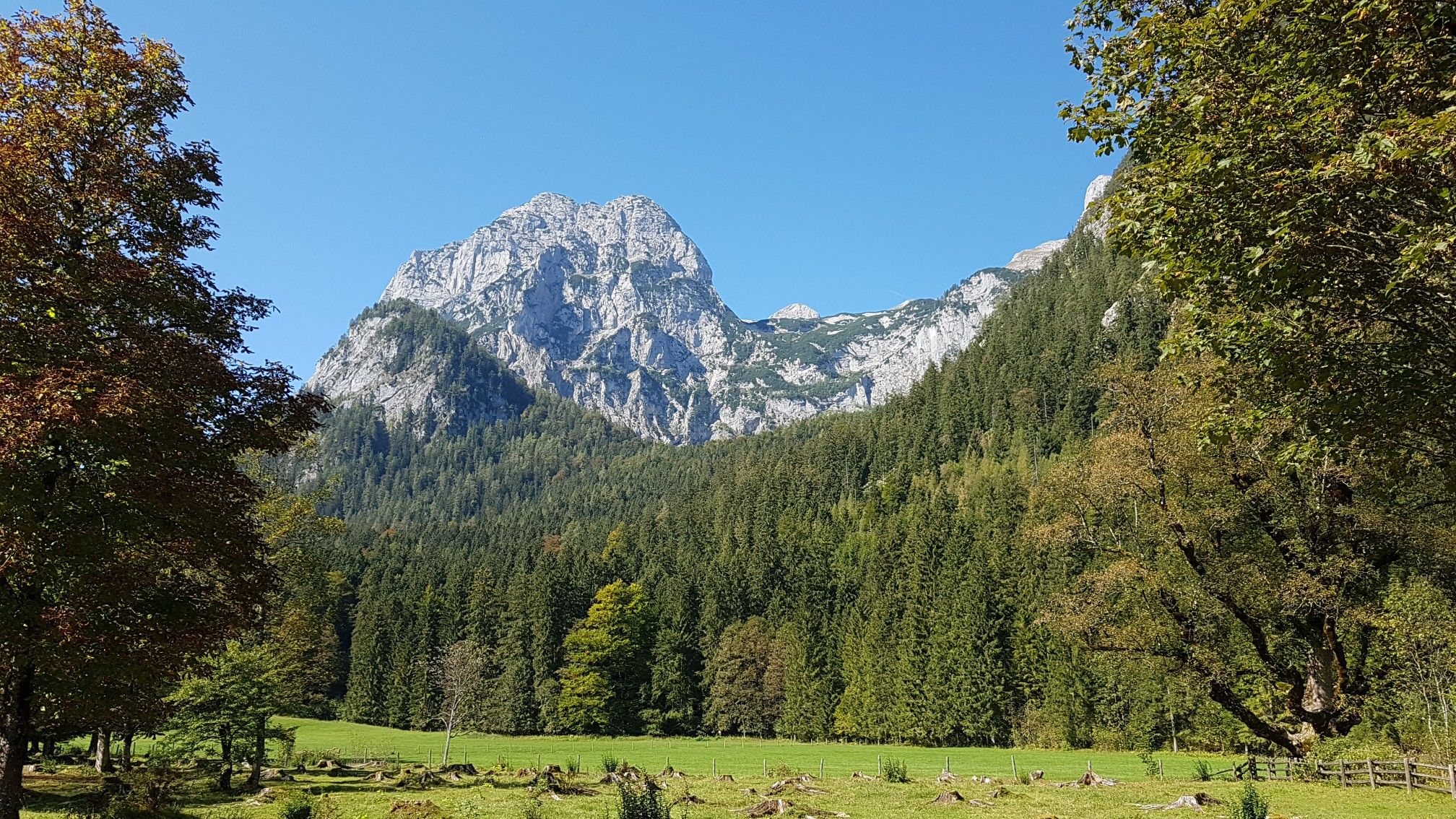
The National Natural Landscapes in Bavaria
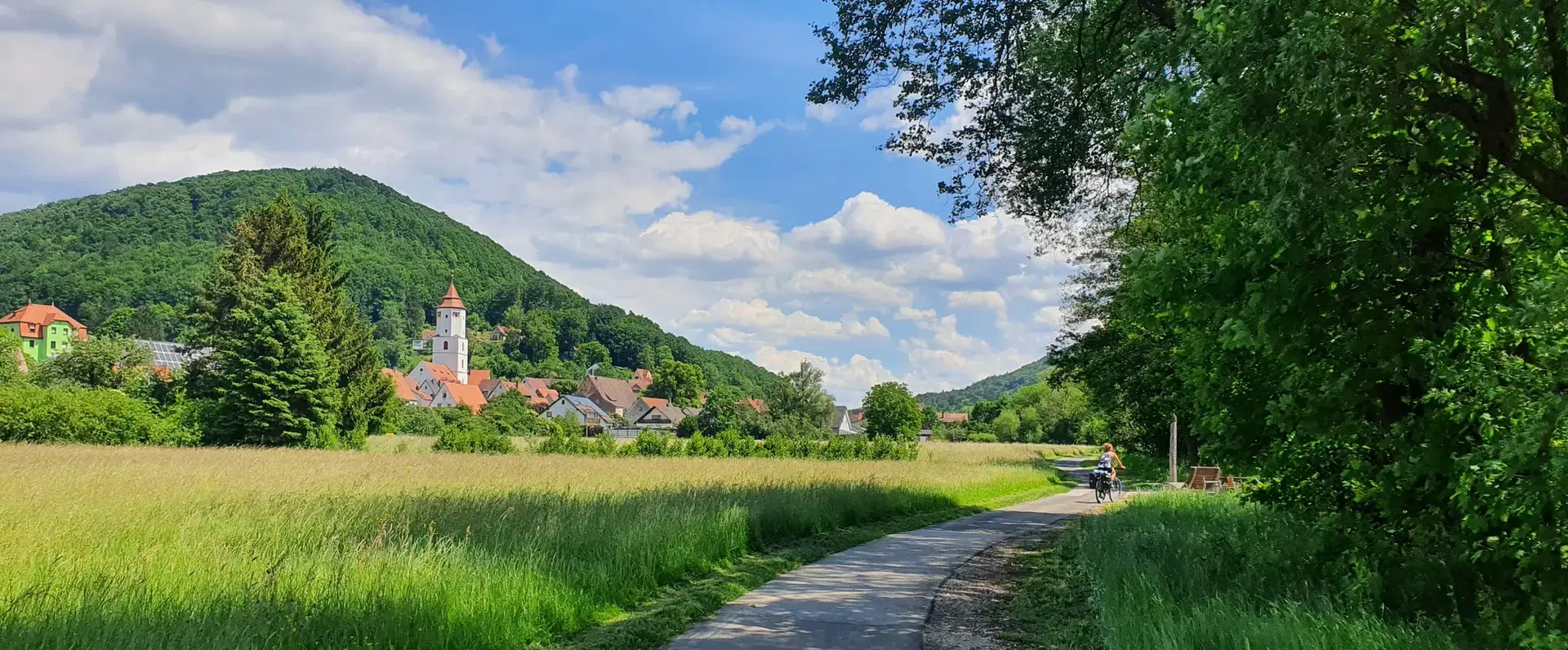
Cycling through the Nuremberg metropolitan region – nature & enjoyment
City, country, lake – VGN leisure tips 2025
11 Days on the Erzweg Quality Hiking Trail
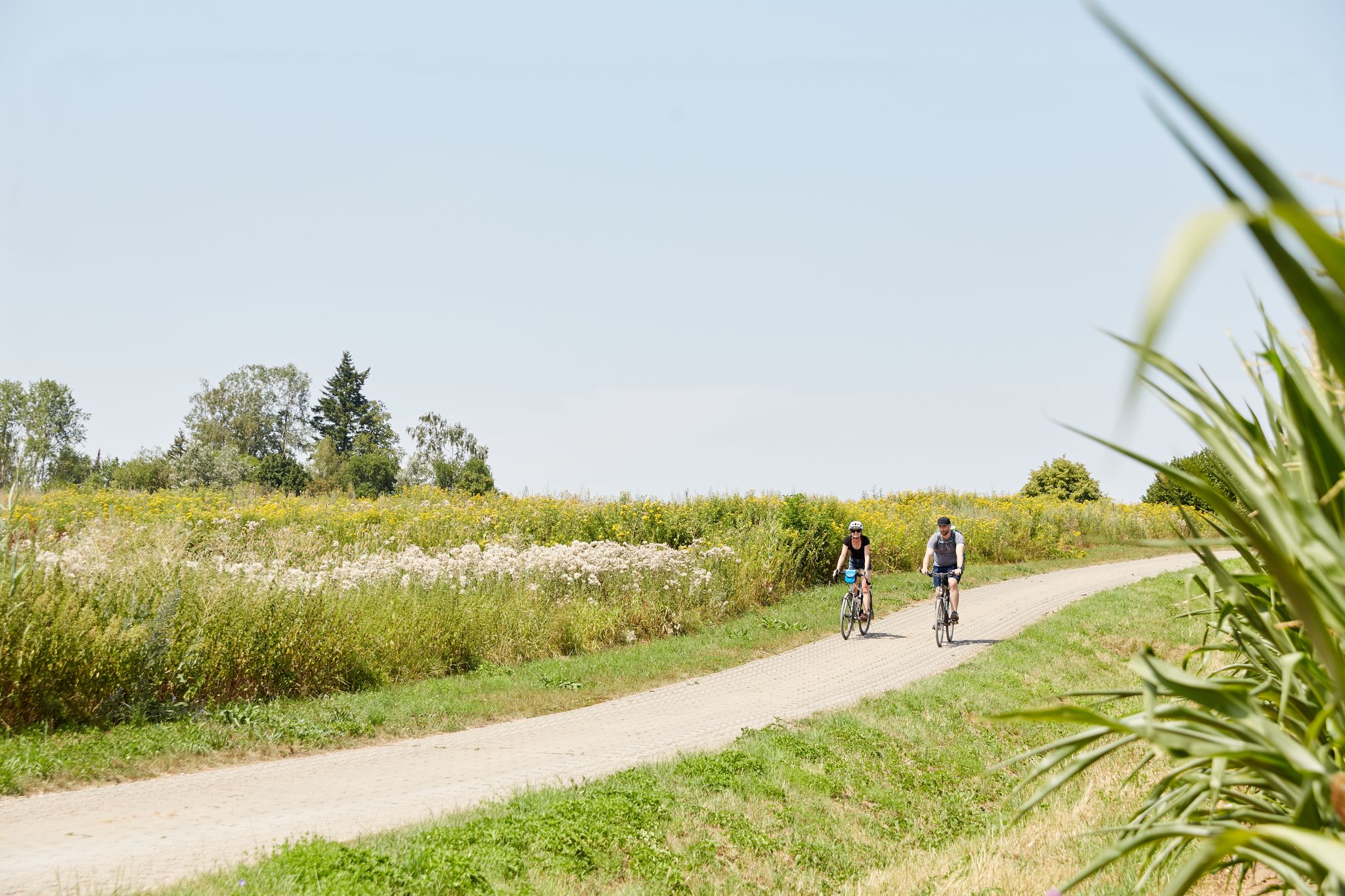
VGN presents 8 cycling day trips around Nuremberg

Culinary delights on the road – VGN Pleasure Tours
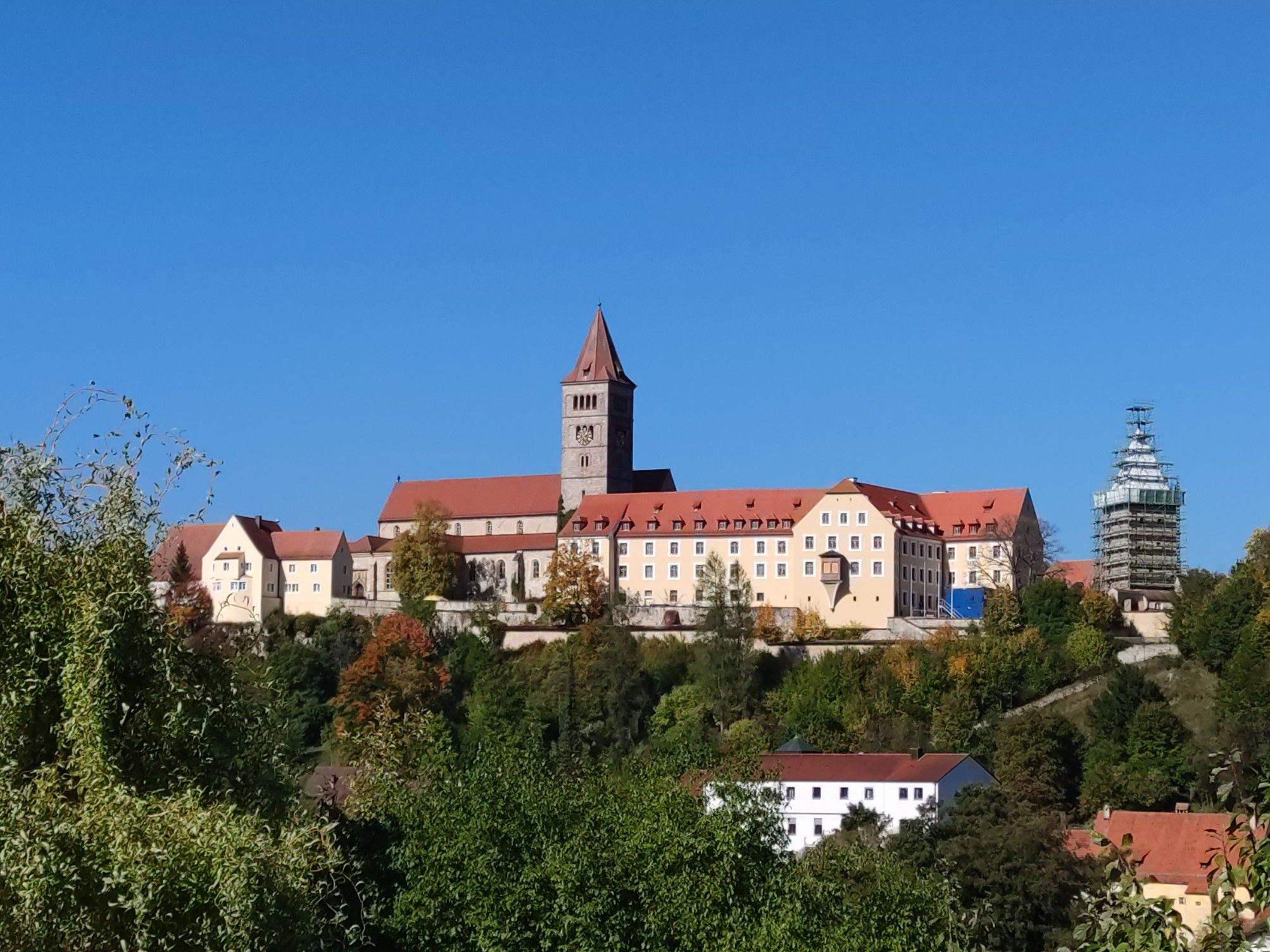
Auf dem Erzweg im Naturpark Hirschwald
Tauche in die Geschichte ein! – Stadtrundgänge in Bayern
Other adventures in Naturpark Hirschwald


Tips from the Community

Lourdes Grotto Pastor Schraml, who had been pastor in Utzenhofen since 1891, conceived the plan to build a Lourdes Grotto, similar to the Lourdes Grotto in France. He felt it was important to find many believers for this purpose. So, a suitable location had to be found. After many suggestions, a cave on the Hummelberg, about 15 minutes from Utzenhofen, was chosen. The location seemed most suitable, as it was a natural rock cave that, however, had to be prepared for its new use. It was overgrown with impenetrable undergrowth and filled with rubble, boulders, and debris. The cave, called the "Goashöhle," was probably previously used to house and shelter goats during rainy weather. A special supporter and co-founder was the then master carpenter Fink and his son Willibald, who was still present at a celebration in 1958 at the age of 74. It was thanks to them that the cave was cleared and cleared. Willibald Fink also reported that during the excavations to clean and expose the cave, a sacrificial altar was discovered at the entrance. It can therefore be assumed that it was a pre-Christian sacrificial site. In March 1895, the initiator, Pastor Schraml, died unexpectedly and was thus unable to complete his work. His successor, Rev. Clemente, continued the work he had begun. On December 8, 1895, the grotto was consecrated with "great ceremony and with numerous participation from the clergy and believers" from near and far. An artfully carved life-size wooden statue of the Virgin Mary and a figure of Bernadette were placed in the grotto. They come from the Munich studio Riesenhuber and are said to have cost a total of about 500 gold marks at the time. Source: Excerpts from information board
2
0

Creation of the Lourdes Grotto. Pastor Georg Schraml, who had been pastor in Utzenhofen since 1891, conceived the plan to build a Lourdes Grotto similar to the Lourdes Grotto in France. He felt it was important to win over many believers to this cause. Since the apparition in Lourdes held something special for ordinary people, but since hardly anyone at the end of the 19th century had the opportunity to visit the apparition site, he saw it as his duty to create a similar environment in the community. [Source: Information board at the grotto]
1
0

There are three caves up here. Here we are at the southern Kupferberg Cave. We couldn't find a proper path here, and it's already quite overgrown. It's located about 50 meters south of the large Kupferberg Cave.
2
0
There are three caves up here. Here we are at the largest of the three: "The Kupferberg Cave." A narrow trail leads directly past it. Be sure to bring a flashlight for the tour. Go in and marvel.
2
0
There are three caves up here. Here we are at the northern Kupferberg Cave. We couldn't find a proper path here. It's about 100 meters from the large Kupferberg Cave.
2
0

Several caves are located near the summit of the Kupferberg.
1
0

Very nice here
2
0

Access is best in the north of the Prellberg and a few meters up the path. Since the way up is mostly plowed up or currently blocked with branches and you have to walk up the last few meters between the rocks anyway, leave your bike down.
0
0
Frequently Asked Questions
What are some unique historical caves to visit in Naturpark Hirschwald?
For a glimpse into ancient history, visit the Stone Age rock shelter at the Steinbergwand. Archaeological findings, including Stone Age tools, indicate early human presence here. It also offers a pleasant, slightly elevated vantage point.
Are there any caves with religious significance in the region?
Yes, the Lourdes Grotto, originally known as "Goashöhle," was transformed into a place of devotion in the late 19th century. It features artfully carved life-size wooden statues and is a tranquil spot for reflection, easily accessible via a paved hiking trail near Utzenhofen.
Which caves offer a more natural, undeveloped exploration experience?
The Kupferberg Caves, including the Southern, Northern, and main Kupferberg Cave, offer a more natural experience. The main Kupferberg Cave is accessible via a narrow trail, and visitors are advised to bring a flashlight for exploration.
What is the König-Otto-Tropfsteinhöhle and where is it located?
The König-Otto-Tropfsteinhöhle is a renowned dripstone cave in the broader Upper Palatinate region, near Velburg. It's famous for its impressive stalactites, stalagmites, and sinter pools. Guided tours are available, and it also houses an exhibition of findings like cave bear skulls. You can find more information on Wikipedia.
Are there family-friendly caves or sites suitable for children?
The Stone Age rock shelter at the Steinbergwand is categorized as family-friendly and offers an educational experience about early human history. The accessible trail to the Lourdes Grotto also makes it suitable for families.
What kind of natural features can I expect to see in the caves of Naturpark Hirschwald?
The caves in Naturpark Hirschwald offer a variety of natural formations. While some are rock shelters or natural caves like Goaskirche (Haintal Cave), others, like the König-Otto-Tropfsteinhöhle in the wider region, feature impressive dripstone formations such as stalactites, stalagmites, and sinter pools.
What outdoor activities can I do near the caves in Naturpark Hirschwald?
Naturpark Hirschwald offers various outdoor activities. You can find numerous running trails, cycling routes, and mountain biking trails nearby. For detailed routes, explore the Running Trails in Naturpark Hirschwald, Cycling in Naturpark Hirschwald, or MTB Trails in Naturpark Hirschwald guides.
Are there any caves that are challenging to access?
Yes, the Prellhöhle Cave is noted for its challenging access. There isn't an official path, and visitors often need to navigate between rocks to reach the entrance.
What should I bring if I plan to explore the Kupferberg Caves?
If you plan to explore the Kupferberg Caves, it is strongly advised to bring a flashlight. These caves offer a natural, undeveloped experience, and a light source is essential for navigating their interiors.
What do visitors enjoy most about the caves in Naturpark Hirschwald?
Visitors appreciate the historical significance of sites like the Stone Age rock shelter at the Steinbergwand, the tranquil atmosphere of the Lourdes Grotto, and the natural beauty of caves like Goaskirche (Haintal Cave). The komoot community has shared over 50 photos and given more than 160 upvotes, highlighting the diverse appeal of these subterranean formations.
Is there a cave in the region that is partially accessible for wheelchair users?
Yes, the König-Otto-Tropfsteinhöhle, located near Velburg in the wider Upper Palatinate region, is partially accessible for wheelchair users. Its guided tours cover an accessible path of approximately 270 meters.
Most popular routes in Naturpark Hirschwald
Most popular attractions in Naturpark Hirschwald

Get inspired with the komoot mobile app


