Top 4 Castles around Moledo
Castles around Moledo, a coastal village at the mouth of the Minho River, provide a glimpse into the region's historical fortifications. The area is characterized by its strategic location, which led to the construction of various defensive structures over centuries. These sites offer historical context and views of the surrounding landscape.
Best castles around Moledo
- The most popular castles is Paçô Castle 🏰, a castle that served as an old fort from the medieval coastal defense system. It is…
Last updated: June 3, 2026
Paçô Castle 🏰
Highlight • Castle
Tip by

Vila Praia de Âncora
Highlight • Beach
Translated by Google •
Tip by

Sign up now to discover places like this
Get recommendations on the best single tracks, peaks, & plenty of other exciting outdoor places.
Sign up for free
Clock Tower 🏰 and information ℹ️
Highlight • Monument
Tip by
Caminha Historic Centre 🏰
Highlight • Historical Site
Santa Cruz Castle
Highlight • Castle
Translated by Google •
Tip by

Sign up for free to discover even more castles around Moledo.
Sign up for free
Already have an account?
Start today with a free account
Your next adventure awaits.
Login or Signup

Tips from the Community

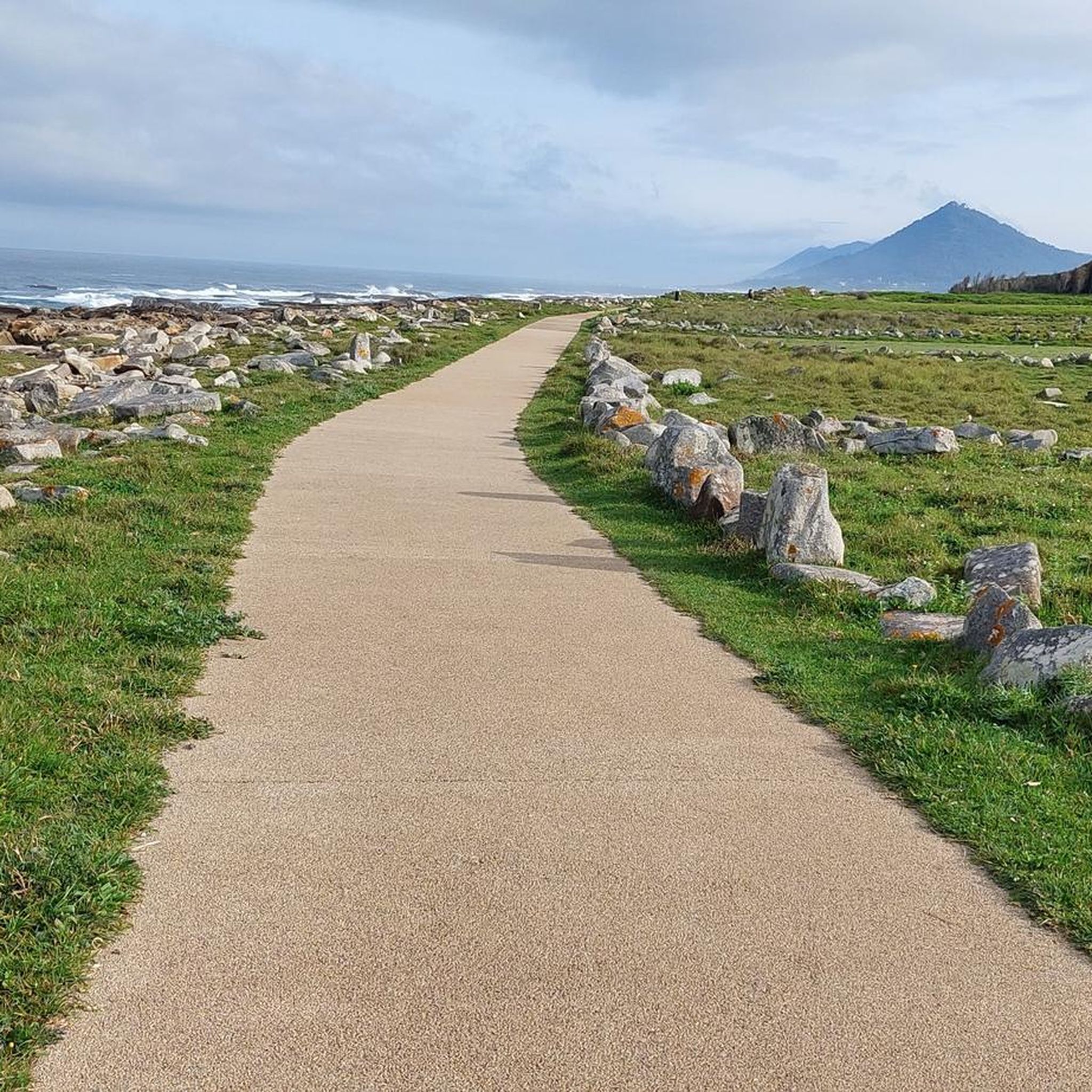
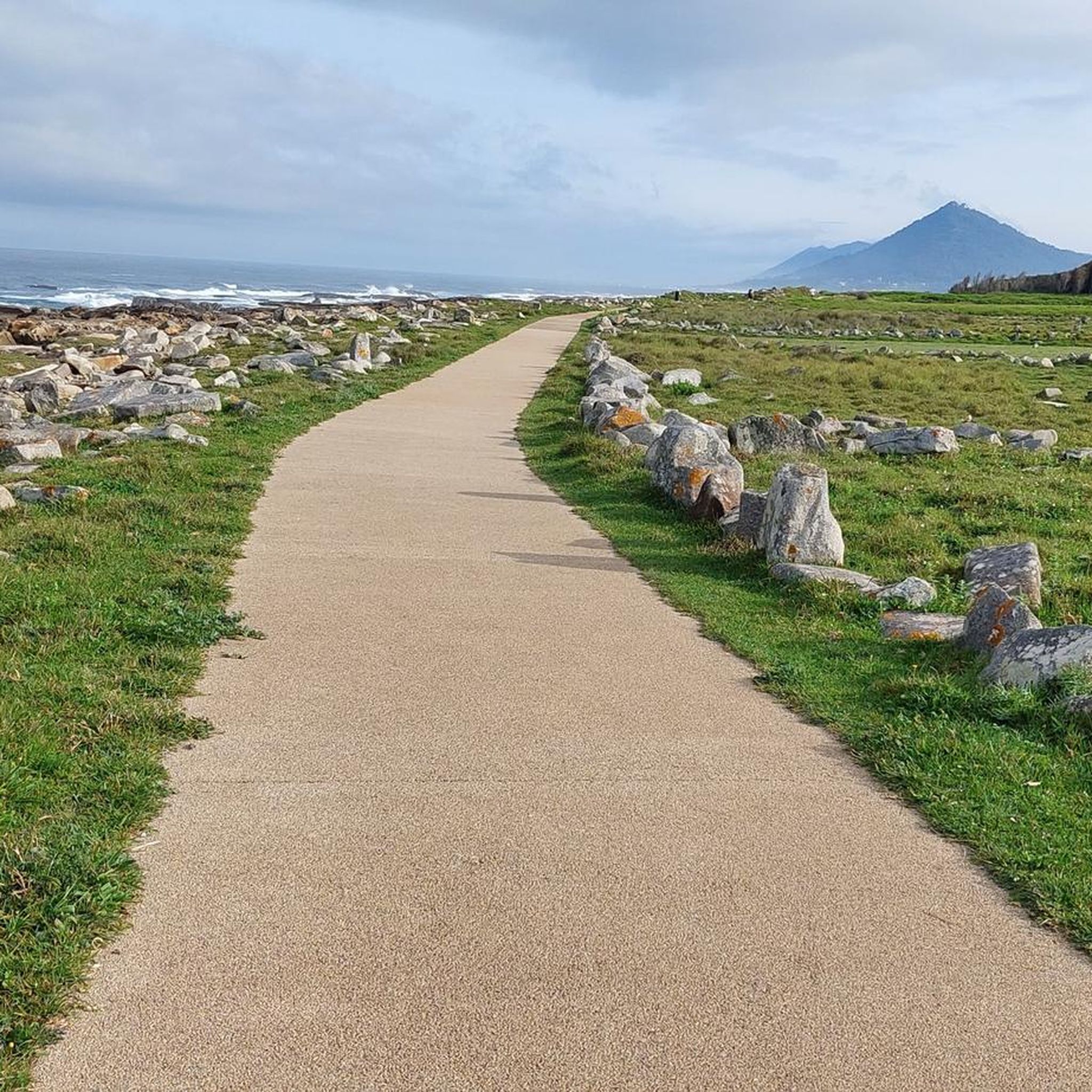
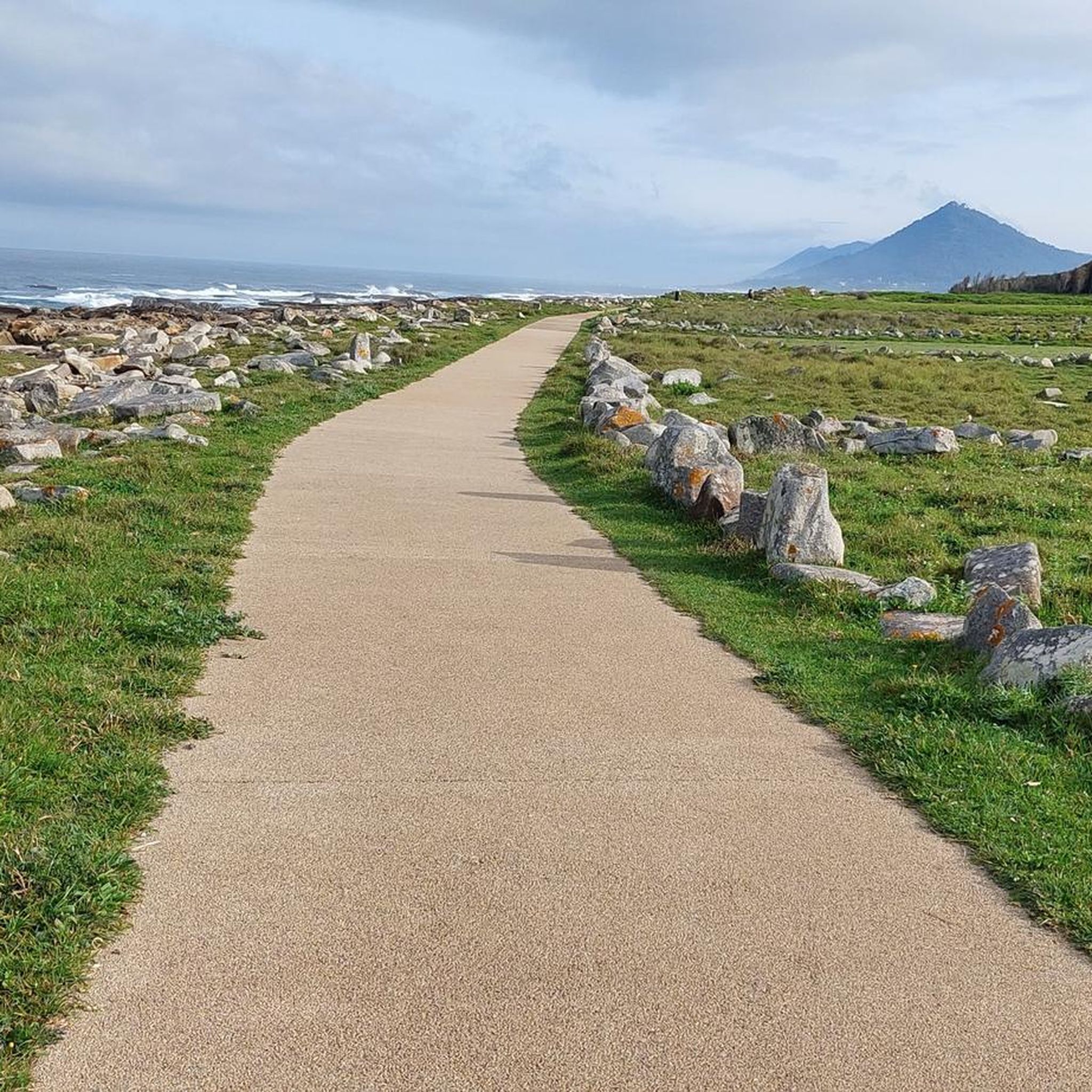
Visit and Accessibility Access: Access to the site is free and open 24 hours a day. Trails and Hiking: The fort is part of the PR7 - Paçô Fort Trail, a pedestrian route that coincides with part of the Camino de Santiago da Costa and allows you to explore the area of the Viana do Castelo Coastal Geopark, passing through landscapes of dunes and cliffs. Beach: Paçô Beach, adjacent to the fort, is a beach with a wide sandy area and rock formations that form natural pools at low tide. Accessibility: There is wheelchair accessible parking nearby.
2
0
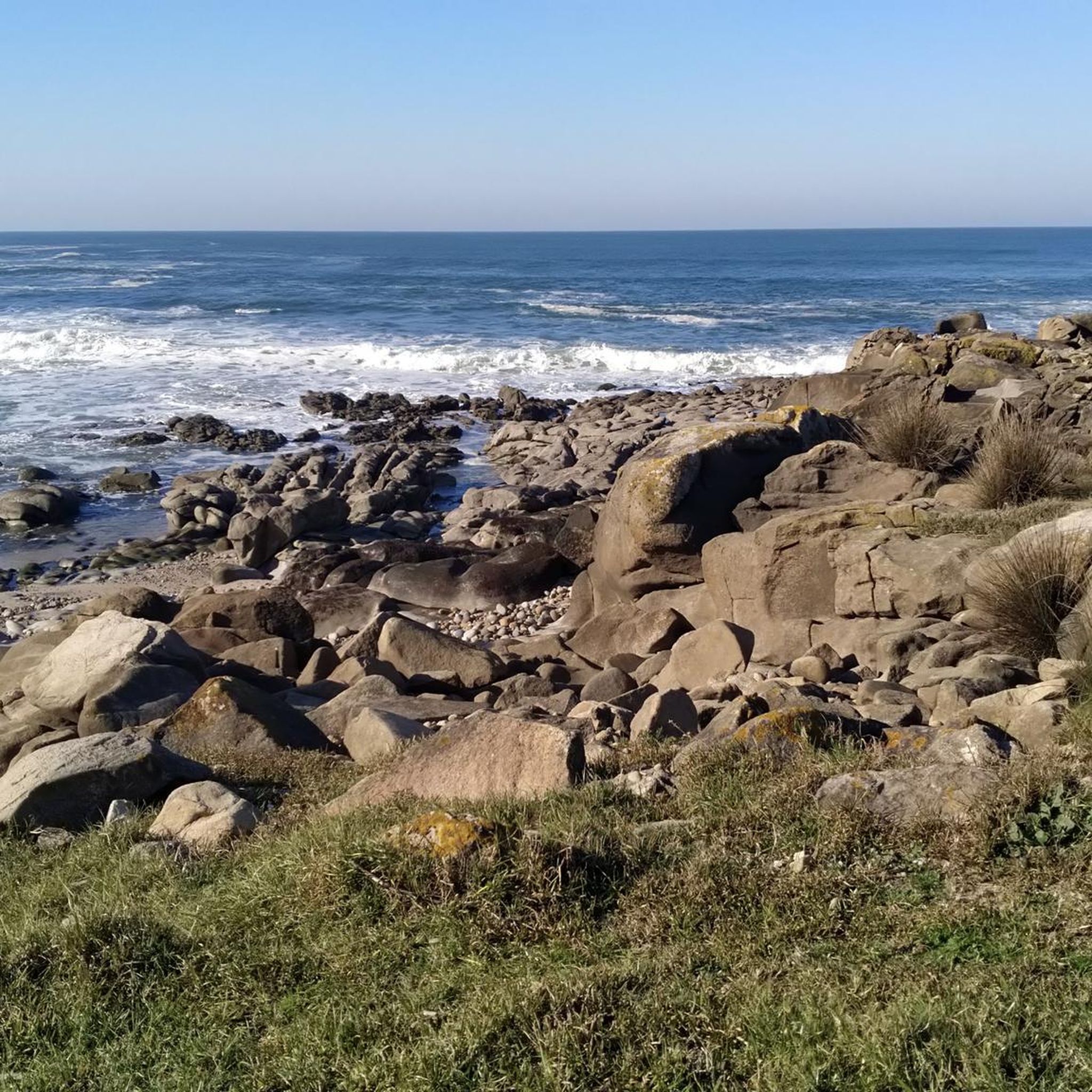
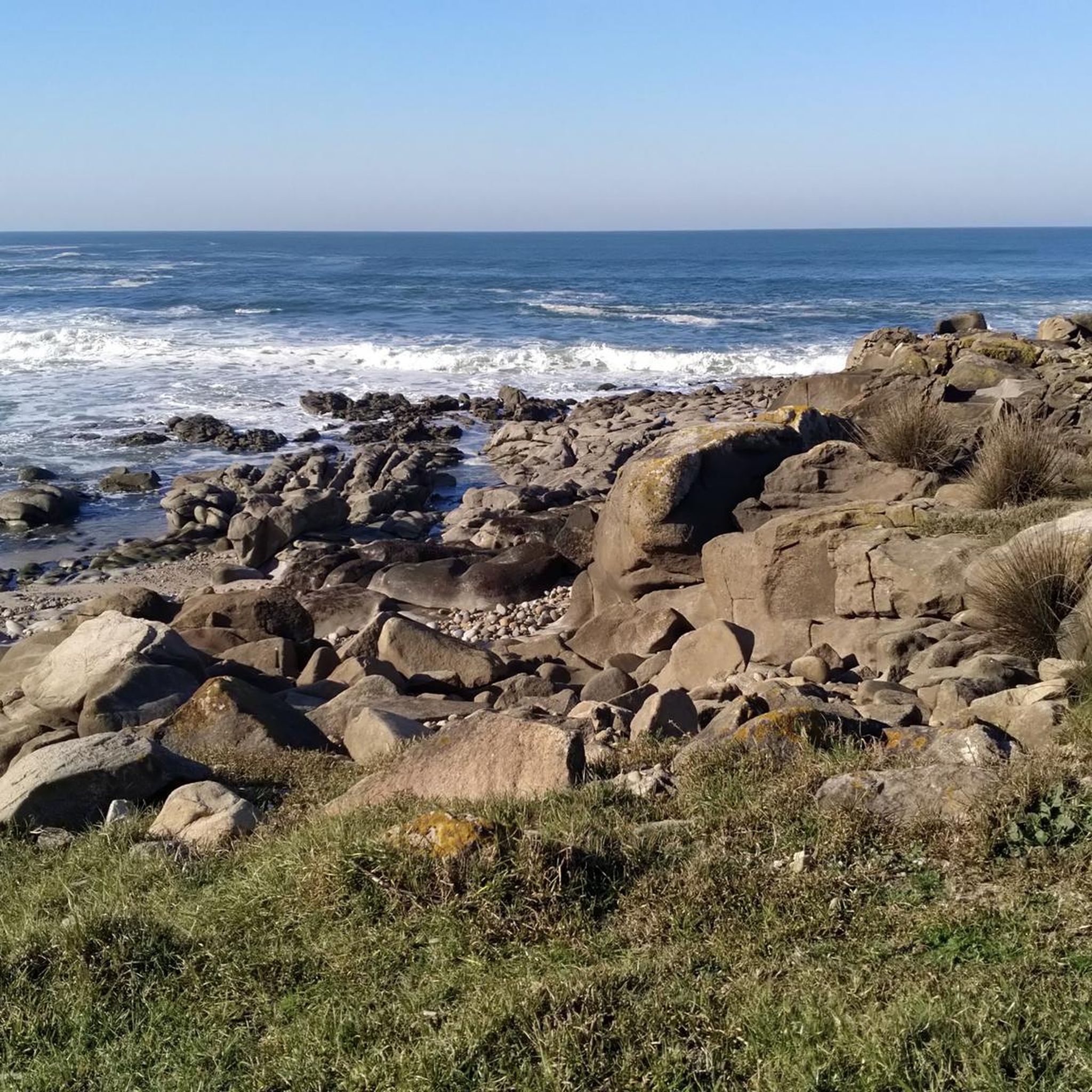
Main Characteristics Military Architecture: The fort was built for the purpose of defending the Atlantic coast against maritime attacks. It has a characteristic star-shaped plan and small dimensions. Location: It is located directly on the beach, a few meters from the sea, which can reach its walls during the winter. Its location offers scenic views of the coastline. Current State: The fort is currently in ruins, without functional rehabilitation, and it is not possible to enter the structure. However, the surrounding area is accessible for public visitation.
2
0
The Paçô Fort, also known as the Montedor Fort, is a historic 17th-century coastal fortification located in the parish of Carreço, near Paçô Beach, in the municipality of Viana do Castelo, Portugal.
2
0

A very pretty little town on the Atlantic. A worthwhile stop on the Camino Portuguese!
0
0

Vila Praia de Âncora is a Portuguese town and seat of the parish of Vila Praia de Âncora.
1
0
Vila Praia de Âncora is a Portuguese village, headquarters of the Parish of Vila Praia de Âncora in the Municipality of Caminha, a parish with an area of 8.15 km² and 4,623 inhabitants.
1
0

Fort Montedor, also known as Fort Paé de Carreo, stands on a rocky outcrop next to Ingleses Beach, just a few meters from the Atlantic Ocean. It dates back to the construction period of Fort Areosa, during the Restoration Wars (1640–1689), with which it was in direct conflict. It was completed in 1703. This exemplary example of military architecture on the Viennese coast was part of a strategically constructed defensive line along the banks of the Minho River and the Atlantic coast. https://www.geoparquelitoralviana.pt/explorar/forte-do-pa%C3%A7%C3%B4-sec-xvii/ This fortress can only be visited from the outside and is not very large. However, it is picturesquely located directly on the beach and just a few meters from the parking lot. It is very pleasant to linger here for a few minutes and observe the lizards and the sea.
2
0

The main tower of the medieval walls of Caminha, it provides access to the Medieval Historic Centre of the town. Facing south, this tower had the Portas de Viana underneath it, as it was an exit towards Viana do Castelo. It has a square floor plan, consists of two floors, and is currently the only remaining tower of the Caminha castle. In 1673, the clock that would give it its name was placed at the top of the tower. It has been a National Monument since 1951. The clock tower was renovated and enhanced in 2008, and the Museum of the Historic Centre of Caminha was created, placing the Clock Tower building at the service of culture and tourism, where the History of Caminha and its urban evolution from its origins to the present day take center stage.
0
0
Frequently Asked Questions
What kind of historical fortifications can I expect to see around Moledo?
The Moledo area features a variety of historical fortifications, including coastal forts, medieval town centers, and castle remnants. These structures reflect the region's strategic importance, particularly at the mouth of the Minho River. You'll find sites like Paçô Castle 🏰, an old fort from the medieval coastal defense system, and the fortified Caminha Historic Centre 🏰.
Is Forte da Ínsua accessible to visitors, and what makes it unique?
Yes, Forte da Ínsua is a unique historical site situated on a small island off the coast of Moledo. It's typically accessible by boat, though historically, it could be reached by foot during exceptionally low tides. What makes it special is its irregular star-shaped plan, its integration of a Franciscan convent within the fortifications, and a rare well providing drinking water at sea. It offers stunning views and a deep dive into centuries of military and religious history.
What can I expect when visiting <a href="https://www.komoot.com/highlight/412439" target="_blank" rel="noopener">Paçô Castle 🏰</a>?
Paçô Castle 🏰, also known as Fort Montedor, is an old fort picturesquely located directly on the beach, just meters from the Atlantic Ocean. While it can only be visited from the outside, its setting on a rocky outcrop next to Ingleses Beach is very scenic. It's a great spot to linger for a few minutes, observe the sea, and appreciate its role in the 17th-century coastal defense system.
What is there to see in the <a href="https://www.komoot.com/highlight/412315" target="_blank" rel="noopener">Caminha Historic Centre 🏰</a>?
The Caminha Historic Centre 🏰 is a major attraction, characterized by narrow, traffic-calmed streets and historical buildings. The entire center is under monument protection, showcasing traces of Roman presence and medieval walls. The central square, Praça Concelheiro Silva Torres, with its neo-Manueline fountain and street cafes, is particularly beautiful and a great place to experience the town's history.
Are there any family-friendly castles or historical sites in the Moledo area?
Yes, several sites are considered family-friendly. Paçô Castle 🏰, with its beachside location, is enjoyable for families. The Caminha Historic Centre 🏰 offers a pleasant environment for exploring historical buildings and enjoying cafes. Additionally, Santa Cruz Castle, with its old trees and reconstructed dependencies, provides an interesting setting for all ages.
What outdoor activities can I do near these castles?
The Moledo area offers various outdoor activities. You can find easy hikes, road cycling routes, and running trails. For example, near the castles, you can explore routes like the 'Ecovia Litoral Norte' for cycling or walking, or the 'Forte do Cão – Âncora Beach loop'. You can find more details on these activities in the easy hikes around Moledo guide, road cycling routes around Moledo guide, and running trails around Moledo guide.
Are there hiking trails near the historical sites in Moledo?
Yes, there are several hiking trails available. For instance, you can find easy hikes around Moledo, including coastal paths that might offer views of the forts. Routes like the 'Ecovia Litoral Norte' are suitable for walking. For more detailed information on hiking options, refer to the easy hikes around Moledo guide.
What is the best time of year to visit the castles and historical sites around Moledo?
The best time to visit the castles and historical sites around Moledo is generally during the spring (April to June) and early autumn (September to October). During these months, the weather is typically pleasant, with milder temperatures and less rain than winter, making it ideal for exploring outdoor sites and walking through historic centers. The summer months can also be good, but may be busier with tourists.
Are there good viewpoints to see the castles and the surrounding landscape?
Yes, the region offers several excellent viewpoints. Forte da Ínsua itself provides stunning views of the coastline and the mouth of the Minho River due to its island location. The Caminha Historic Centre 🏰, with its medieval walls, also offers picturesque perspectives of the town. Paçô Castle 🏰, situated directly on the beach, provides beautiful coastal vistas.
What is the historical significance of <a href="https://www.komoot.com/highlight/3124563" target="_blank" rel="noopener">Santa Cruz Castle</a>?
Santa Cruz Castle was originally built in the 16th century to complete the defensive system of the Coruña bay. After losing its strategic military function, it was reconstructed in the 19th century to serve as a residence, giving its central building the appearance of a country house. It's an interesting example of a fortification adapting to new purposes over time, surrounded by rustic old trees.
Are there any less crowded historical sites near Moledo?
While popular sites like Caminha Historic Centre can attract visitors, many of the smaller forts and castle remnants, such as Paçô Castle 🏰, offer a more tranquil experience, especially outside peak tourist hours. Forte da Ínsua, due to its boat-only access, also tends to be less crowded than more easily accessible attractions, providing a more intimate historical exploration.
What is the <a href="https://www.komoot.com/highlight/1992835" target="_blank" rel="noopener">Clock Tower 🏰 and information ℹ️</a> in Caminha?
The Clock Tower 🏰 and information ℹ️ is the main tower of the medieval walls of Caminha, providing access to the historic center. It's the only remaining tower of the original Caminha castle. A clock was placed at its top in 1673, giving it its name. Today, it also houses the Museum of the Historic Centre of Caminha, showcasing the town's history and urban evolution.
Most popular attractions around Moledo

Get inspired with the komoot mobile app


Explore more
Looking for the best castles somewhere else? Discover other guides around Moledo:
