Top 4 Castles around Porto Covo
Best castles around Porto Covo are primarily historical fortifications rather than traditional medieval castles. Porto Covo is a fishing village on the Alentejo coast of Portugal, recognized for its natural beauty and coastal landscapes. The region's historical sites, including forts, offer insight into its past and provide scenic views. These fortifications highlight the area's strategic importance and maritime heritage.
Best castles around Porto Covo
- The most popular castles is Fort of Pessegueiro, a historical site that was part of…
Last updated: November 14, 2026
Fort of Pessegueiro
Highlight • Historical Site
Translated by Google •
Tip by

Castle of Sines
Highlight • Castle
Translated by Google •
Tip by

Sign up now to discover places like this
Get recommendations on the best single tracks, peaks, & plenty of other exciting outdoor places.
View of Capela da Nossa Senhora das Salvas, Sines Harbor, and Castelo
Highlight • Viewpoint
Translated by Google •
Tip by

Start today with a free account
Your next adventure awaits.
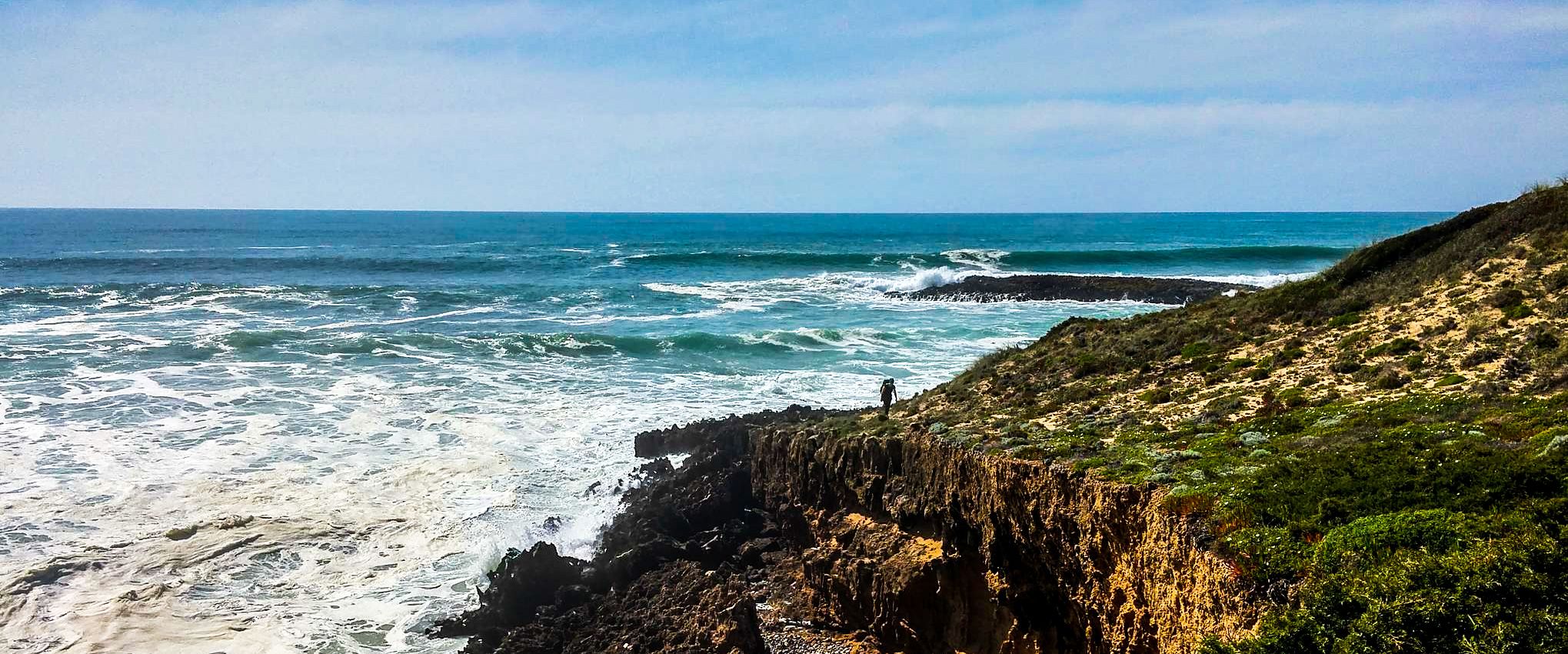
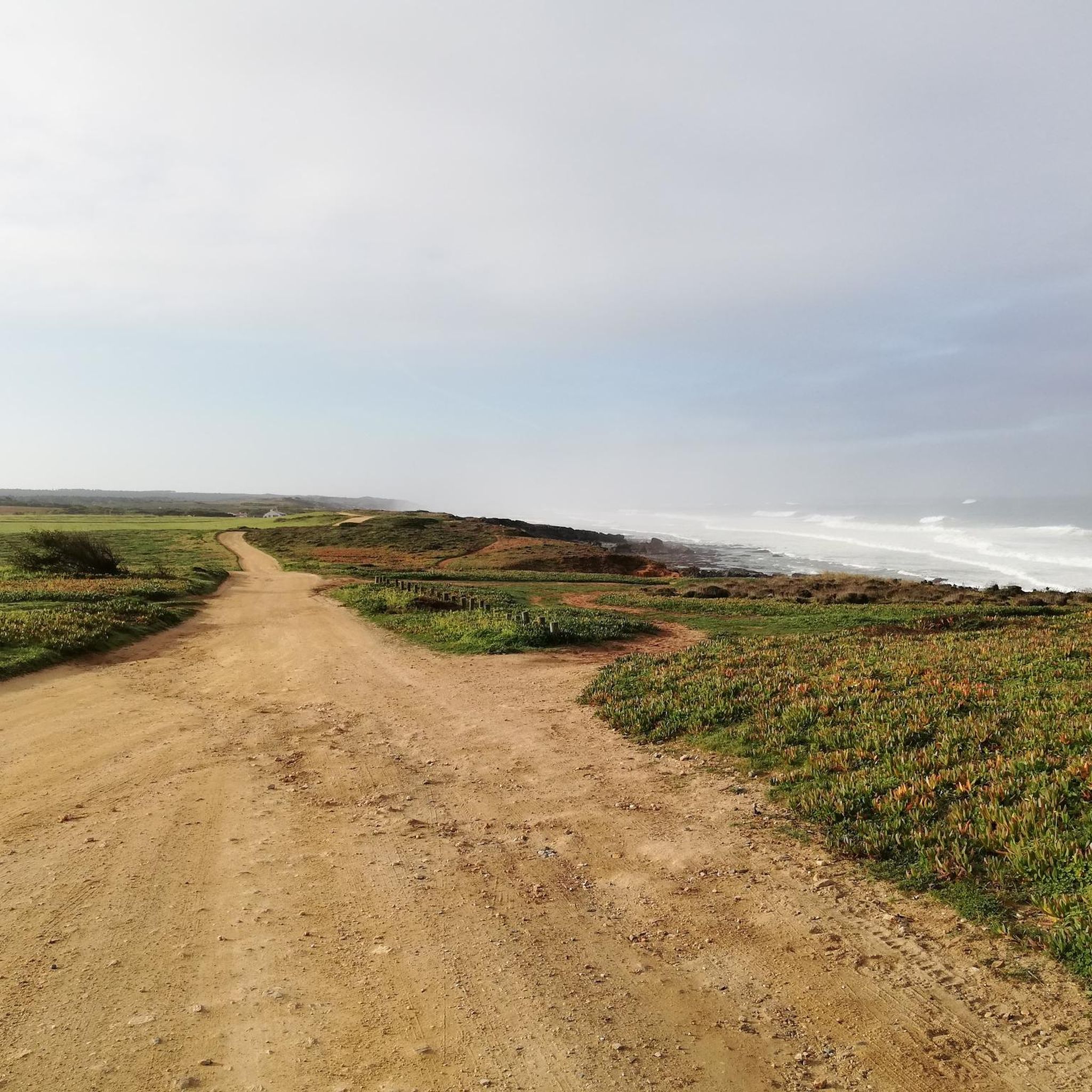
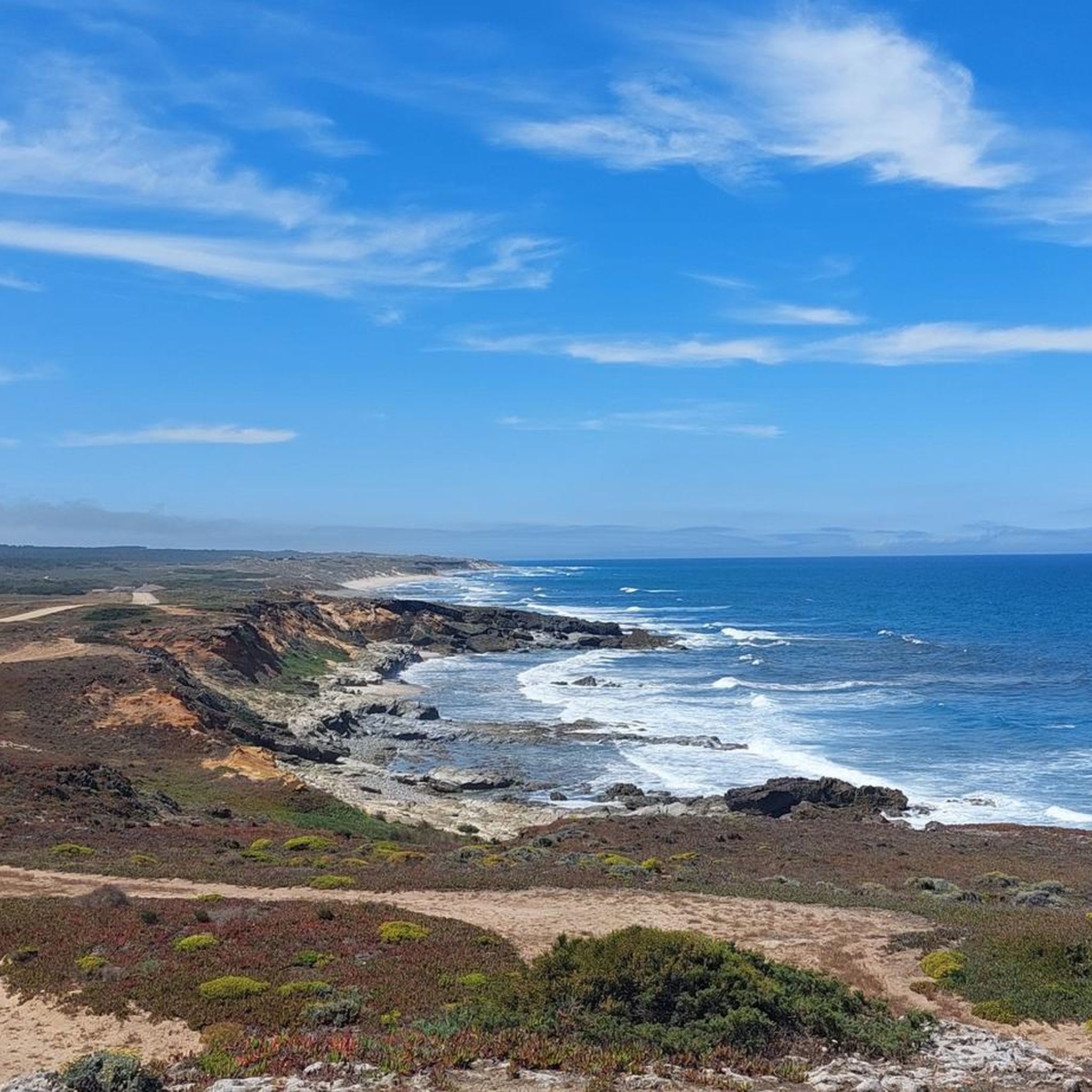

Other adventures around Porto Covo

Tips from the Community

During the summer months, it's possible to visit the island. Unfortunately, access to the Fort of Nossa Senhora da Queimada is not possible. There's a sign in front of the fortress stating its opening hours.
2
0

The Fort of Santo Alberto do Pessegueiro, also known as the Fort of Pessegueiro Island or the Fort of Ilha de Fora, is located on the Alentejo coast, on the island of Pessegueiro, in the parish of Porto Covo, municipality of Sines, district of Setúbal, in Portugal. It crossed fires, on the mainland, with another maritime fort: the Fort of Nossa Senhora da Queimada do Pessegueiro, also known as the Fort of Praia do Pessegueiro or the Fort of Ilha de Dentro, in a dominant position over Pessegueiro beach. Both were part of a larger project to defend the Costa Vicentina, which included an artificial port sheltered by a stone breakwater that would connect the island of Pessegueiro to the bordering islet of Penedo do Cavalo and this islet to the mainland. They are currently located in the area of the Southwest Alentejo and Costa Vicentina Natural Park.
4
0

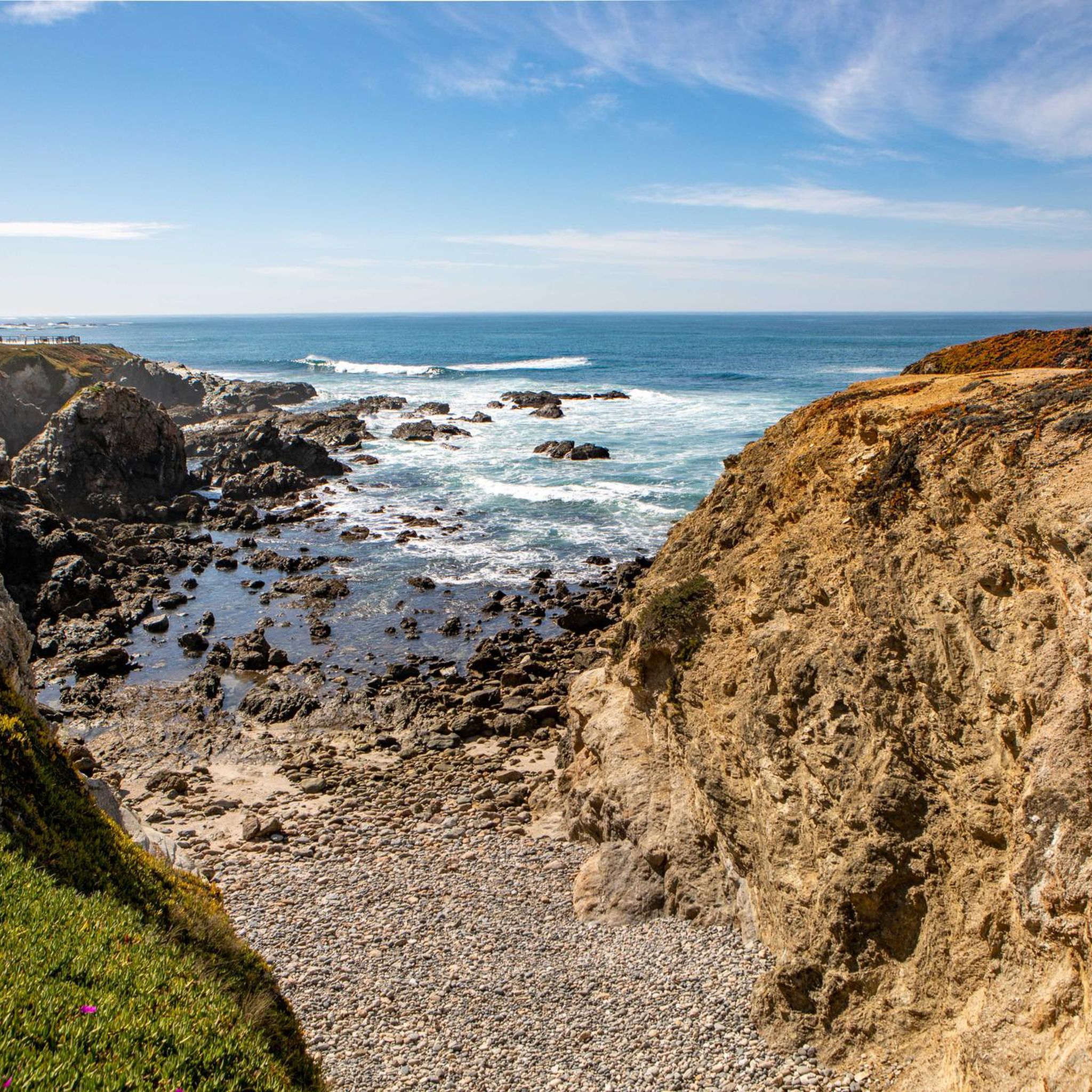
You have a beautiful view of the beach from above
7
1
As one of Portugal’s busiest fishing harbors during the middle ages, the inhabitants of Sines decided to build a castle to defend their ships and the town against enemy navies and pirates. The castle dates back to the 15th century and still stands in its entirety. Although it was built smaller than average to adapt to the landscape it was built on, the castle boasts a large history, including being home to Estêvão da Gama, father of Vasco da Gama.
8
0
Sines Castle is a medieval fortress built on a cliff that has been occupied since the Paleolithic period. It was very useful for defense and is now one of the best viewpoints over the bay. In the 14th century, the small bourgeois village of Sines demanded administrative autonomy from King Dom Pedro I in relation to Santiago do Cacém. The monarch, interested in the strategic importance of the land in protecting this coastal area from pirates, granted Sines a charter. But on one condition: the construction of a defensive fence. The castle was built during the first half of the 15th century. Its area is relatively small, half a hectare, which may be explained by the fact that at the time the castle was built, the village already occupied an area too large to be completely surrounded. The most famous mayor of Sines was Estêvão da Gama, father of Vasco da Gama, who carried out works on the fortress. Assuming that Estêvão already occupied this position in 1469, the probable year of the navigator's birth, this must be the birthplace of Vasco da Gama. The castle underwent restoration work, completed in November 2008, at the same time as the inauguration of the Sines Museum and Vasco da Gama's House. It has been a Monument of Public Interest since 1933 (decree no. 22737 of 24 June)
8
0
With good access, Sines is an excellent place to live and visit... Vasco da Gama beach is a cove protected from winds and sea currents, excellent for families with children...
12
0
Castle with spectacular views over Vasco da Gama Beach...
7
0

Beautiful castle complex above the city with a great view of the area.
5
1
Frequently Asked Questions
What kind of historical fortifications can I visit around Porto Covo?
While Porto Covo is known more for its natural beauty, the area features significant historical fortifications rather than traditional medieval castles. You can explore the 17th-century Fort of Pessegueiro on the mainland and its twin fort on Pessegueiro Island, both built for coastal defense. Further north, the medieval Castle of Sines offers a glimpse into the region's past and strategic importance.
Are there any traditional medieval castles near Porto Covo?
The most prominent medieval structure in the vicinity is the Castle of Sines. Built during the first half of the 15th century, it served as a crucial defensive point and is notable as the probable birthplace of Vasco da Gama. While the fortifications directly in Porto Covo are 17th-century coastal forts, Sines provides a true medieval castle experience.
What are the main historical sites to explore near Porto Covo?
The primary historical sites are the Fort of Pessegueiro on the mainland, and the fort on Pessegueiro Island, both part of a 17th-century dual defensive system. Additionally, the Castle of Sines offers a rich medieval history and panoramic views. Pessegueiro Island itself also holds ancient traces of Carthaginian and Roman presence.
Can I visit the fort on Pessegueiro Island?
Yes, the fort on Pessegueiro Island, also known as the Fort of Santo Alberto, is accessible. During the summer months, boat tours are typically available from Porto Covo to the island, allowing visitors to explore the ruins of the 17th-century fort and the island's ancient historical remnants.
Are the historical sites around Porto Covo suitable for families?
Yes, sites like the Castle of Sines are considered family-friendly, offering good access and historical interest. The Fort of Pessegueiro and Pessegueiro Island also provide an engaging outdoor experience for families, combining history with scenic coastal views and opportunities for exploration.
What kind of views can I expect from these fortifications?
The fortifications around Porto Covo offer spectacular sea views. From the Fort of Pessegueiro, you can enjoy fantastic sunsets over the ocean and Pessegueiro Island. The Castle of Sines, perched on a cliff, provides one of the best viewpoints over the bay and the surrounding coastline. There's also a dedicated viewing platform near Capela da Nossa Senhora das Salvas for panoramic vistas of Sines Harbor and the castle.
Are there any outdoor activities or routes near these historical sites?
Absolutely! The coastal area around Porto Covo and its fortifications is excellent for outdoor activities. You can find various cycling routes, including traffic-free bike rides and gravel biking options. For example, there are routes like the 'Porto Covo town center – Pessegueiro Island Beach loop' or the 'Castle of Sines – São Torpes Beach loop'. You can explore more options in the Traffic-free bike rides around Porto Covo guide or the Gravel biking around Porto Covo guide.
What is the best time to visit the fortifications around Porto Covo?
The summer months are ideal for visiting, especially if you plan to take a boat tour to Pessegueiro Island. The weather is generally pleasant for exploring the outdoor ruins and enjoying the coastal views. Sunsets from the Fort of Pessegueiro are particularly recommended.
Is there parking available near the Fort of Pessegueiro?
Yes, there are opportunities for parking right next to the Fort of Pessegueiro on the mainland, offering convenient access to the site and its great views of the island.
What makes the Fort of Pessegueiro unique?
The Fort of Pessegueiro is unique for its 17th-century star-shaped design and its role as part of a dual defensive system with the fort on Pessegueiro Island. Despite being damaged by the 1755 earthquake and never fully completed as originally envisioned, its ruins are classified as a national monument, offering a mysterious appeal and spectacular sea views, especially at sunset.
What is the history behind the Castle of Sines?
The Castle of Sines is a medieval fortress built in the 15th century on a site occupied since the Paleolithic period. It was constructed to defend the coastal area from pirates and was granted administrative autonomy by King Dom Pedro I. Notably, it is believed to be the birthplace of the famous navigator Vasco da Gama, whose father served as mayor. The castle underwent restoration work completed in 2008.
Are there any easy walks or trails around these forts?
While specific 'circular walks' around the forts aren't detailed, the coastal areas around the Fort of Pessegueiro and Pessegueiro Island are generally accessible for walks, offering scenic views. The Castle of Sines is also easily accessible within the town. For more structured routes, consider the various cycling and walking paths available in the region, such as those mentioned in the Traffic-free bike rides around Porto Covo guide.
What should I know before visiting the Fort of Pessegueiro?
The Fort of Pessegueiro is an abandoned national monument and does not have official opening hours to the public. You can explore its ruins from the outside. It's known for its beautiful appearance in the sunset light, with various flowers blooming around it. Remember to wear comfortable shoes suitable for uneven terrain, as it's an old ruin.
Most popular routes around Porto Covo
Most popular attractions around Porto Covo

Get inspired with the komoot mobile app


Explore more
Looking for the best castles somewhere else? Discover other guides around Porto Covo:
