Top 11 Castles around Ferragudo
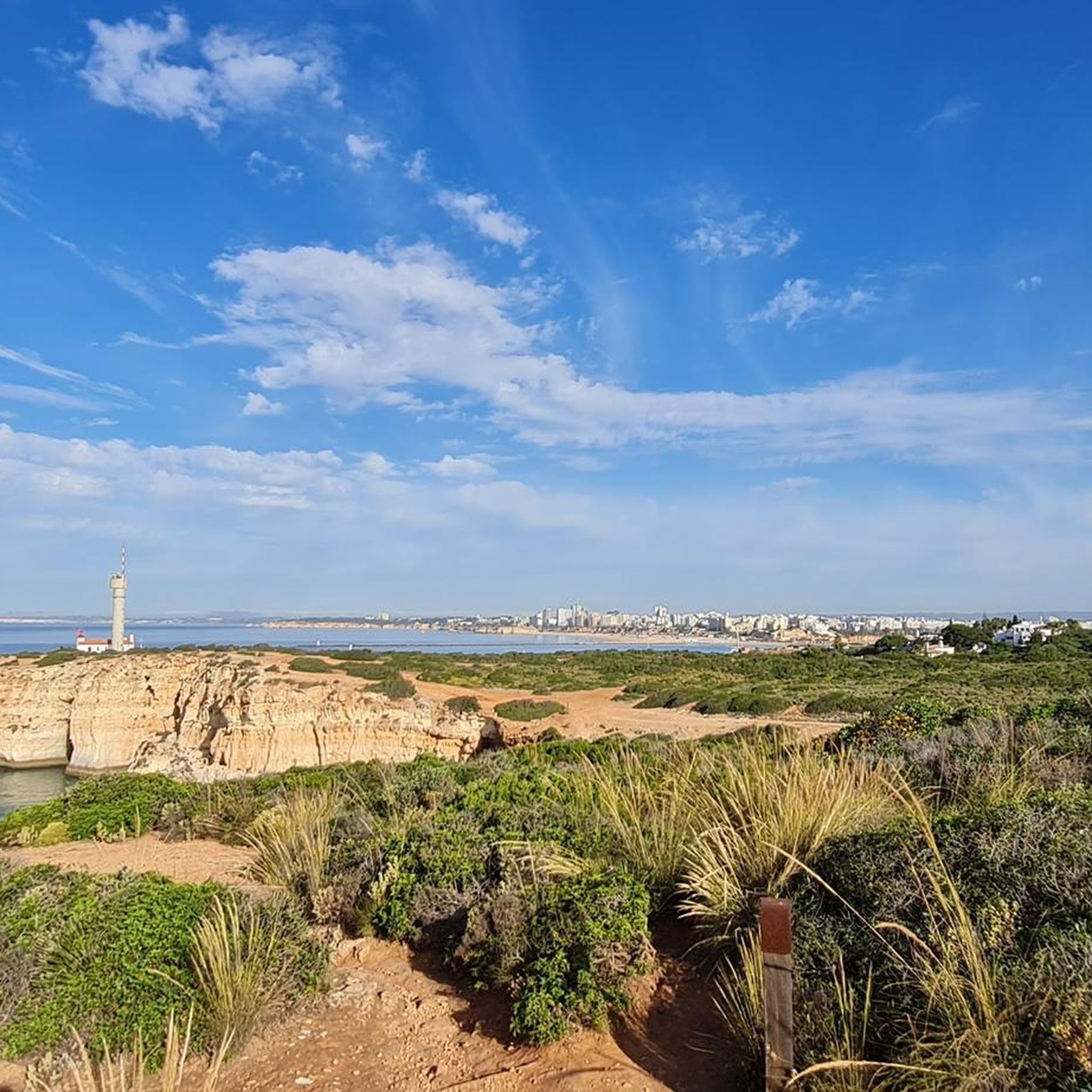
Best castles around Ferragudo are situated along the picturesque coastline of the Algarve, offering insights into the region's maritime history. This area is characterized by its strategic position at the mouth of the Arade River, featuring a blend of historical fortifications and natural landscapes. The fortifications played a crucial role in coastal defense, protecting against pirates and invaders. Visitors can explore these historical sites while enjoying views of the Atlantic Ocean and the river estuary.
Best castles around Ferragudo
- The most popular castles is Silves Castle, a castle that is an imposing, renovated castle from the 12th century. The walls and towers are completely accessible, offering views of the surrounding landscape.
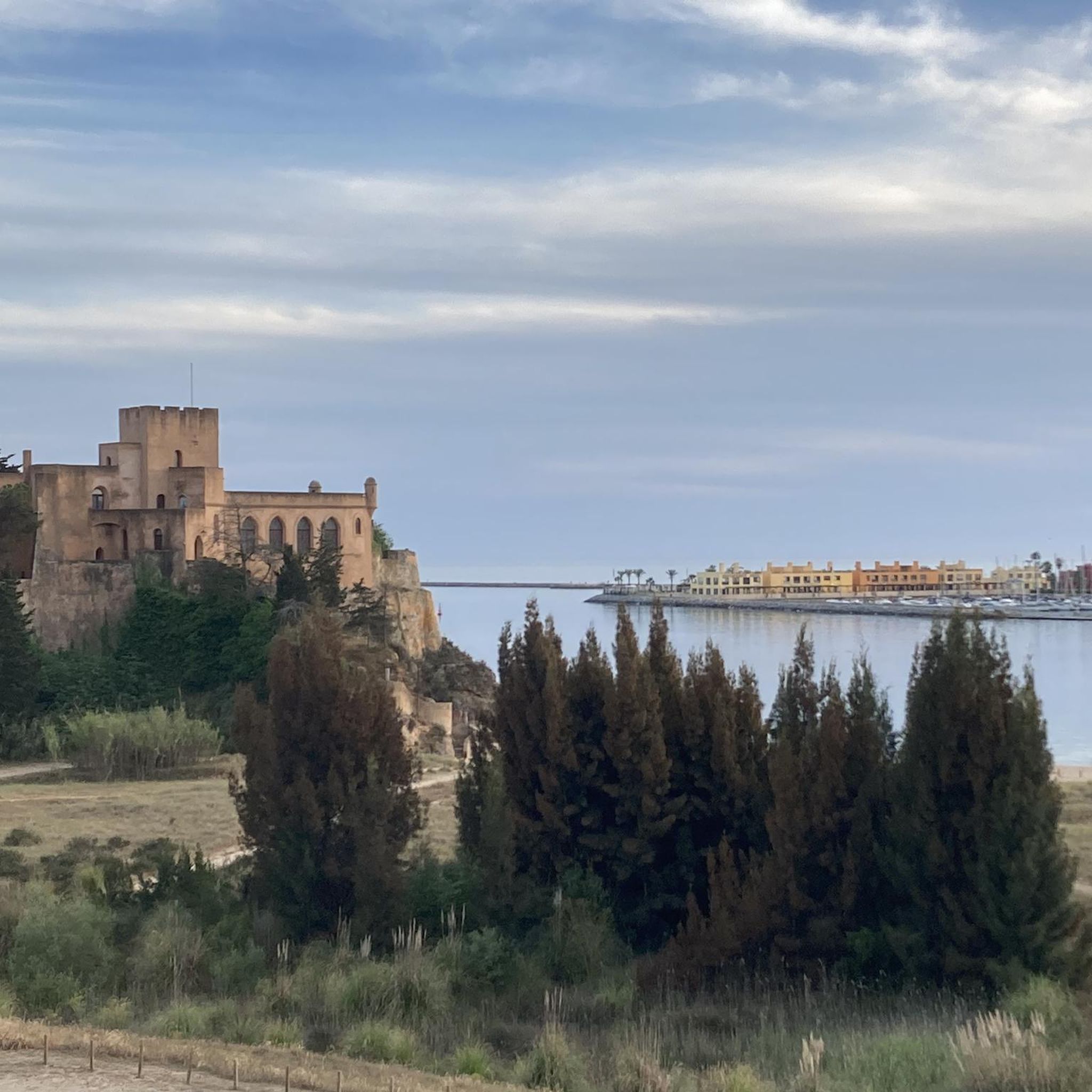
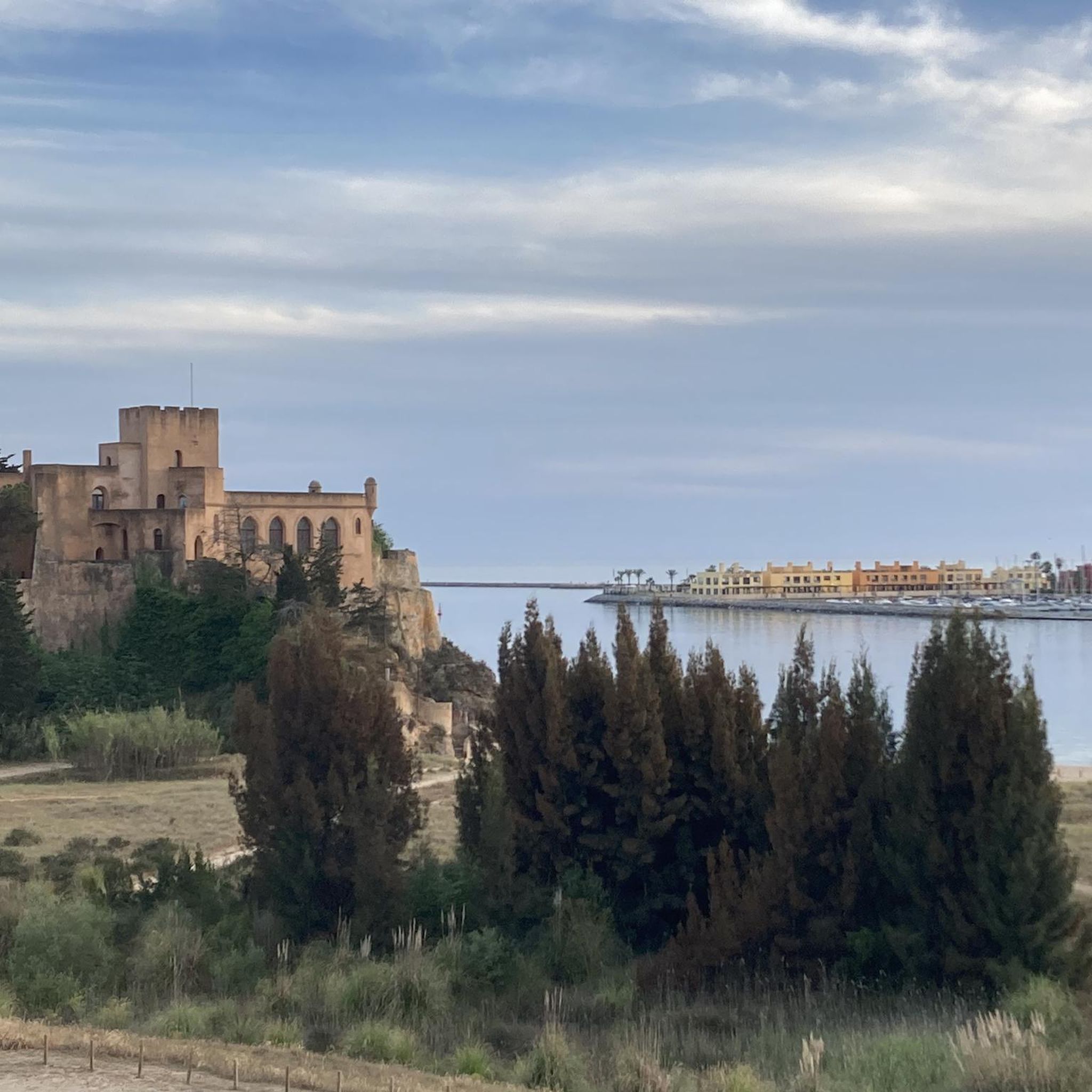
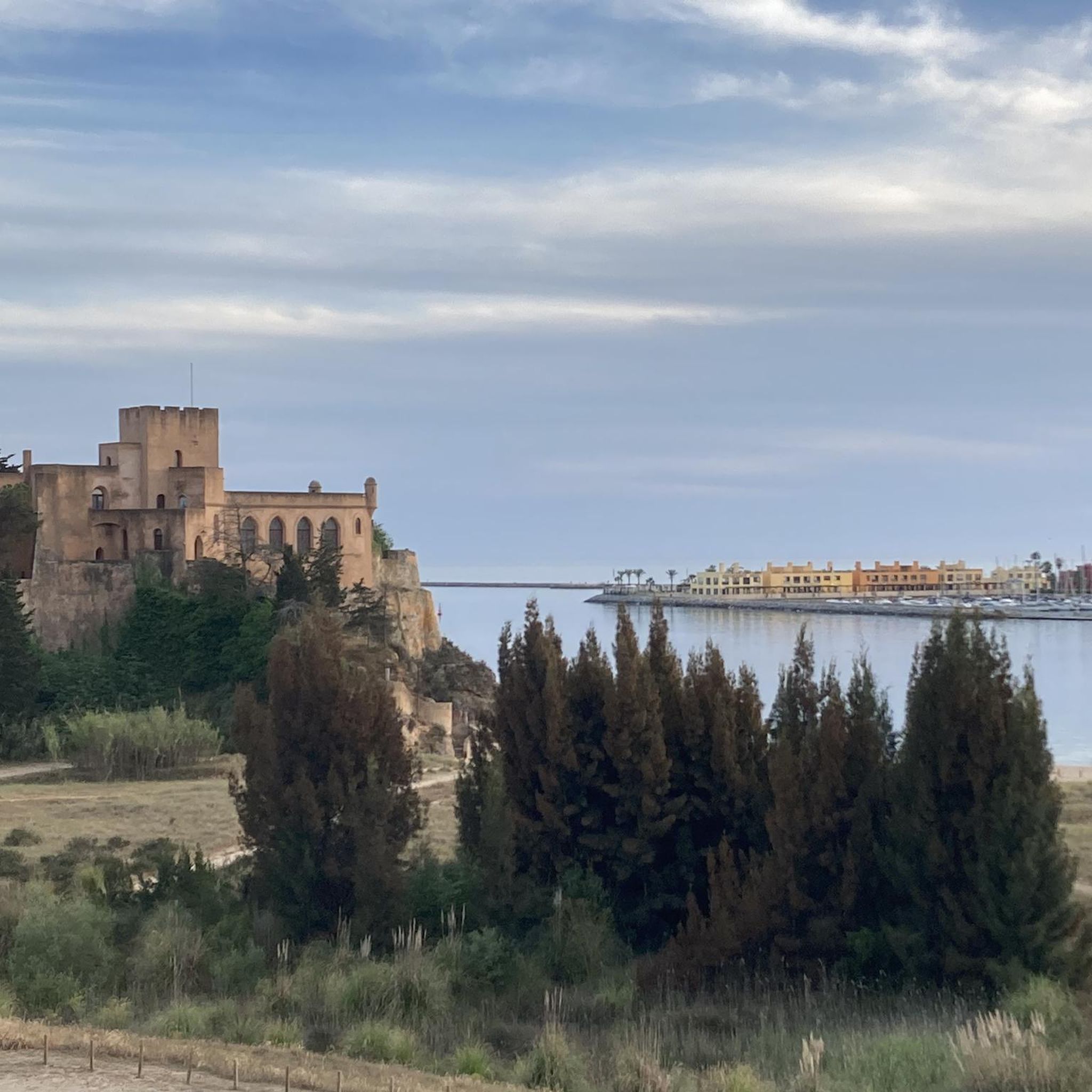
- Another must-see spot is São João do Arade Castle, a castle and historical site. This fort, built to defend the mouth of the Rio Arade River, is now privately owned but offers a striking and photogenic presence on Ferragudo's coastal landscape.
- Visitors also love Fort of Nossa Senhora da Encarnação, a man-made monument and historical site. Originally built in the 1670s to protect the coastline, only part of its wall and the chapel remain, offering a glimpse into its past.
- Ferragudo is known for historical forts and larger castles. Visitors can explore ancient defensive structures and medieval strongholds, reflecting the region's strategic importance.
- The castles around Ferragudo are appreciated by the komoot community, with over 270 upvotes and more than 500 photos shared.
Last updated: July 28, 2026
Silves Castle
Highlight • Castle
Translated by Google •
Tip by

São João do Arade Castle
Highlight • Castle
Translated by Google •
Tip by

Sign up now to discover places like this
Get recommendations on the best single tracks, peaks, & plenty of other exciting outdoor places.
Sign up for free
Castle of S. João de Arade 🏰 Angrinha Beach
Highlight • Castle
In the early 17th century, under Philippine rule, the government began a programme to build several fortresses along the coast to defend it from attacks by pirates and corsairs. A fortress was planned to be built at the mouth of the Arade River, although initially no agreement was reached on which side of the mouth it should be built. The Italian military engineer Alexandre Massai argued in favour of the left bank, where Vila Nova de Portimão could be better defended, and so the fortress was built on this side.
It was only after the restoration of independence in 1640 that plans began to be made to build the castle on the right bank, as a way of protecting the coast from Spanish attacks. The works took place between 1643 and 1644, on the site of the old watchtower, known as Ferragudo Castle, which was no longer considered strategically effective. In fact, it served not only to protect but also to control the mouth of the Arade, and was a customs registration point for ships sailing along the river to the city of Silves. In 1654, the castle underwent a process of refurbishment.
The building was gradually abandoned and was already in ruins by 1669. However, the castle was still subject to extension works in the 18th century, and was only slightly damaged by the 1755 earthquake, due to the solid rock on which it was built.
In 1821, two batteries were still in operation on the highest part of the castle, both with gun ports. By 1861 it was once again in ruins, and in 1892 it was leased to the writer and diplomat Joaquim José Coelho de Carvalho, whose family had bought the building in 1896. Joaquim de Carvalho carried out renovations at the beginning of the 20th century, which gave it the appearance of a romantic castle. Some time later, it became the property of the politician Francisco Vieira Machado. The monument did not undergo any major renovations in the 20th century. The changes that were made to its interior were mainly used to transform it into a holiday home, although much of the building remained in a state of disrepair. In 1976, the Ferragudo Parish Council asked for the fort to be ceded to it, so that a cultural centre could be set up inside.
Translated by Google •
Tip by

Silves, the oldest city in the Algarve 🇵🇹
Highlight • Settlement
The location of Silves, on the edge of the Serra de Monchique, gives the city an edge. This mountain range in the western part of the Algarve is a protected nature reserve. Rugged, fertile landscapes with fields full of orange trees surround Silves. The medieval town was the centre of the Arab occupation in this area about a thousand years ago.
No matter which way you come towards Silves, you can see the enormous castle in the distance. This iconic building of red sandstone was built by the Moors on the highest point of the city. At that time, they ruled over Silves and the surrounding area and were able to defend their valuable territory. Castelo dos Mouros means 'the castle of the Moors'.
Translated by Google •
Tip by

Fort of Nossa Senhora da Encarnação
Highlight • Monument
Translated by Google •
Tip by
Sign up for free to discover even more castles around Ferragudo.
Sign up for free
Already have an account?
Start today with a free account
Your next adventure awaits.
Login or Signup
Tips from the Community

Castelo de São João do Arade is an old fort in Ferragudo, built to defend the mouth of the Rio Arade River from pirates and invasions. It is situated on a rocky outcrop between Praia da Angrinha and Praia Grande. The fort is now privately owned and not open to the public, but it is a striking and photogenic part of Ferragudo's coastal landscape.
3
0
Castelo de Silves (Silves Castle) is an impressive medieval castle in the city of Silves, located in the Algarve region of southern Portugal. It is one of the best-preserved Moorish castles in the country and a major tourist and historical attraction.
4
1
The statue of King Dom Sancho I is located in Silves, Algarve, Portugal. This monument commemorates the second king of Portugal, known as "O Povoador" (the Populator), who reigned from 1185 to 1211. He played a crucial role in the reconquest of Silves from the Moors in 1189, which strengthened the kingdom and contributed to the establishment of Portuguese influence in the region.
4
0
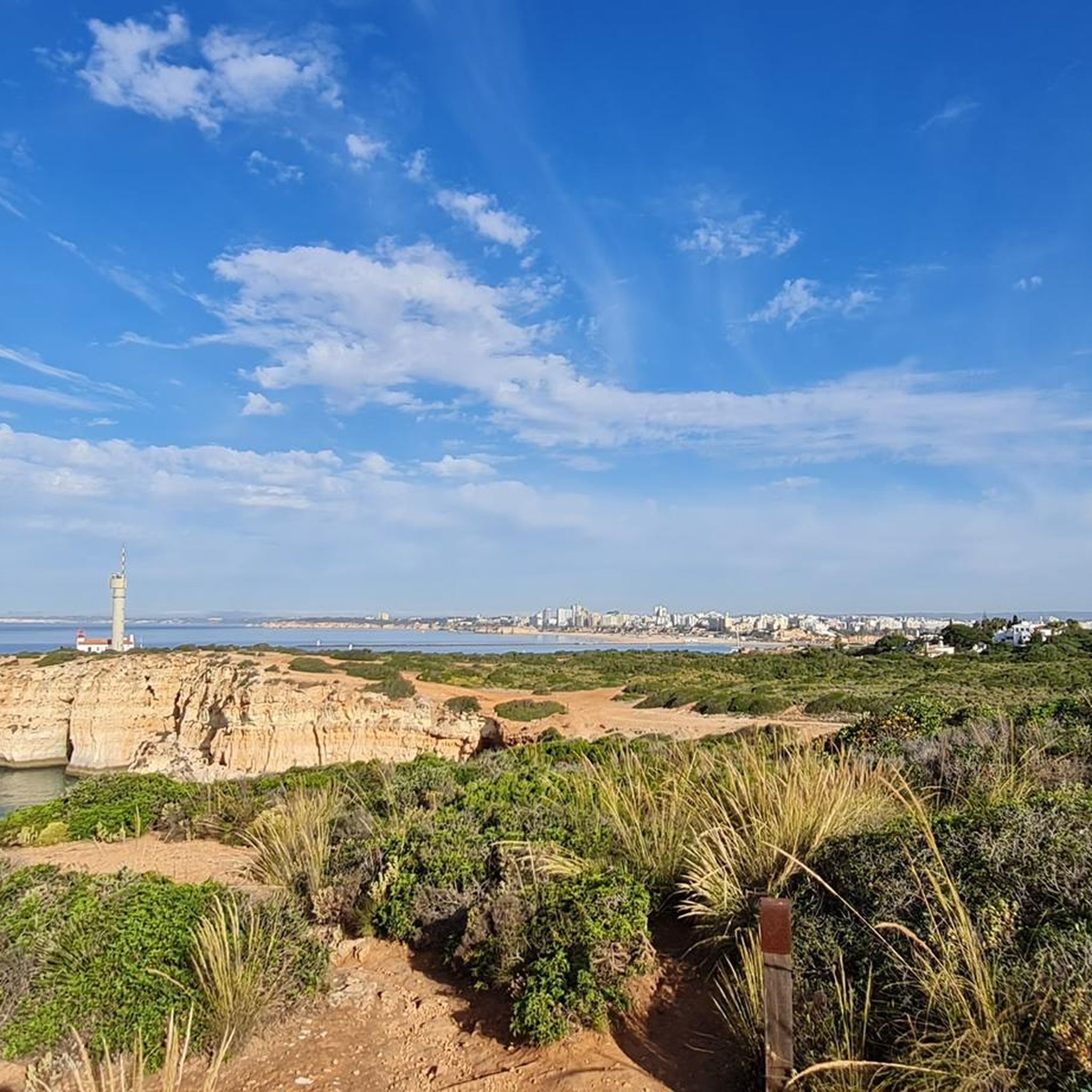
From this point you have a panoramic view
5
0

You can hardly miss them when you stroll through Silves; it is full of stork nests. On top of the high towers, on the roofs of old buildings or around the fort, the birds look for a safe place to carefully build their nest. The Algarve is a favorite place for storks to stay.
1
0
In the rolling hinterland, less than twenty kilometres from the sea, lies the former capital of the Algarve. Silves is best known for its beautiful red castle built on a hill. But there is more to discover in this charming town. The location of Silves, on the edge of the Serra de Monchique, gives the city an edge. This mountain range in the western part of the Algarve is a protected nature reserve. Rugged, fertile landscapes with fields full of orange trees surround Silves. The medieval town was the centre of the Arab occupation in this area about a thousand years ago. No matter which way you come towards Silves, you can see the enormous castle in the distance. This iconic building of red sandstone was built by the Moors on the highest point of the city. At that time, they ruled over Silves and the surrounding area and were able to defend their valuable territory. Castelo dos Mouros means 'the castle of the Moors'.
1
0

The area where the castle stands has been inhabited since at least Roman times, due to the presence of salting tanks nearby. In the 15th century, a watchtower was built. In the early 17th century, under Philippine rule, the government began a programme to build several fortresses along the coast to defend it from attacks by pirates and corsairs. A fortress was planned to be built at the mouth of the Arade River, although initially no agreement was reached on which side of the mouth it should be built. The Italian military engineer Alexandre Massai argued in favour of the left bank, where Vila Nova de Portimão could be better defended, and so the fortress was built on this side. It was only after the restoration of independence in 1640 that plans began to be made to build the castle on the right bank, as a way of protecting the coast from Spanish attacks. The works took place between 1643 and 1644, on the site of the old watchtower, known as Ferragudo Castle, which was no longer considered strategically effective. In fact, it served not only to protect but also to control the mouth of the Arade, and was a customs registration point for ships sailing along the river to the city of Silves. In 1654, the castle underwent a process of refurbishment. The building was gradually abandoned and was already in ruins by 1669. However, the castle was still subject to extension works in the 18th century, and was only slightly damaged by the 1755 earthquake, due to the solid rock on which it was built. In 1821, two batteries were still in operation on the highest part of the castle, both with gun ports. By 1861 it was once again in ruins, and in 1892 it was leased to the writer and diplomat Joaquim José Coelho de Carvalho, whose family had bought the building in 1896. Joaquim de Carvalho carried out renovations at the beginning of the 20th century, which gave it the appearance of a romantic castle. Some time later, it became the property of the politician Francisco Vieira Machado. The monument did not undergo any major renovations in the 20th century. The changes that were made to its interior were mainly used to transform it into a holiday home, although much of the building remained in a state of disrepair. In 1976, the Ferragudo Parish Council asked for the fort to be ceded to it, so that a cultural centre could be set up inside.
3
0
The Carvoeiro Fort, originally called the Forte de Nossa Senhora da Encarnação, is a military monument located next to the Carvoeiro cliff. Built in the 1670s to protect the coastline, it was severely damaged by the 1755 earthquake. It was rebuilt in 1796, but fell into decline in the 19th century and was closed by 1861. In 1871, it acquired new functions as a tax guard. Of the old fortress, only part of the wall, the chapel of Nossa Senhora da Encarnação and some buildings, which were part of the tax post, remain.
3
0
Frequently Asked Questions
What is the main historical fortification in Ferragudo?
The primary historical fortification in Ferragudo is the Fort of São João do Arade, also known as Castelo de Ferragudo. It holds a strategic position overlooking the village and the mouth of the Arade River, playing a crucial role in the region's maritime history. While its interior is generally closed to the public as it is a private residence, its exterior offers a striking and photogenic presence on Ferragudo's coastal landscape.
What historical significance does the Fort of São João do Arade hold?
Dating back to the 16th century, the fort was primarily built to defend the area against pirates and invaders. It worked in conjunction with the Fort of Santa Catarina across the river in Portimão to protect the Arade River estuary. Its history includes origins as a watchtower, a defensive wall in the 1520s, and a new fortification ordered in 1640. Later, it was converted into a private residence in the late 19th century.
What kind of views can I expect from the castles around Ferragudo?
From the castles around Ferragudo, particularly the Fort of São João do Arade, you can expect breathtaking views of the Arade River, the Atlantic Ocean, Portimão, and Praia da Rocha. These locations are excellent for capturing stunning coastal scenery and sunset photos.
Are there other notable historical sites near Ferragudo's main castle?
Yes, beyond the Fort of São João do Arade, you can visit Silves Castle, an imposing, renovated 12th-century castle with accessible walls and towers offering views of the surrounding landscape. Another site is the Fort of Nossa Senhora da Encarnação, where only part of its wall and chapel remain from its original 1670s construction.
What outdoor activities can I do near the castles in Ferragudo?
The area around Ferragudo's castles offers various outdoor activities. You can explore several hiking routes, such as the 'Cliffs of the Algarve – Three Castles Beach loop' or the 'Caneiros Beach – Pintadinho Beach loop'. For more options, check out the Hiking around Ferragudo guide. There are also running and road cycling routes available.
Is the Fort of São João do Arade accessible to the public?
The interior of the Fort of São João do Arade is generally not accessible to the public as it is a privately owned residence. However, visitors can admire its impressive exterior and enjoy the panoramic coastal views from the surrounding areas.
What is the best time of year to visit the castles in Ferragudo?
The castles in Ferragudo, being coastal, are enjoyable year-round. However, for comfortable exploration and to avoid the peak summer heat and crowds, the spring (April-May) and autumn (September-October) months offer pleasant weather for walking and sightseeing.
Are there any family-friendly castles or historical sites in the Ferragudo area?
Yes, Silves Castle is considered family-friendly, with accessible walls and towers that children can enjoy exploring. The exterior of the Fort of São João do Arade also offers a picturesque setting for family photos and walks along the coast.
Can I find cafes or amenities near the castles?
While the Fort of São João do Arade itself does not have public amenities due to being a private residence, the charming village of Ferragudo, where the fort is located, offers numerous cafes, restaurants, and shops within easy walking distance. Silves Castle also has a cafe on-site.
How much time should I allocate to visit the castles around Ferragudo?
For the exterior of the Fort of São João do Arade, you might spend 30 minutes to an hour enjoying the views and taking photos. For a more immersive experience at Silves Castle, which allows interior access, plan for 1.5 to 2 hours to explore the walls, towers, and grounds thoroughly.
What natural features are prominent near Ferragudo's castles?
The castles in Ferragudo are set amidst stunning natural landscapes. The Fort of São João do Arade is positioned between Praia da Angrinha and Praia Grande beaches, offering views of the Arade River estuary and the Atlantic Ocean. The area is characterized by picturesque coastlines, sandy beaches, and dramatic cliffs, which can be explored via nearby hiking trails.
Most popular routes around Ferragudo
Most popular attractions around Ferragudo

Get inspired with the komoot mobile app


Explore more
Looking for the best castles somewhere else? Discover other guides around Ferragudo:
