Top 8 Castles around Świnoujście
Best castles around Świnoujście primarily consist of 19th-century Prussian fortifications, offering insights into military history. Located at the mouth of the Świna River, Świnoujście's strategic position led to the development of these defensive structures. The area features three well-preserved forts that are accessible to the public. These historical sites provide a factual look into the region's past as a significant port and military outpost.
Best castles around Świnoujście
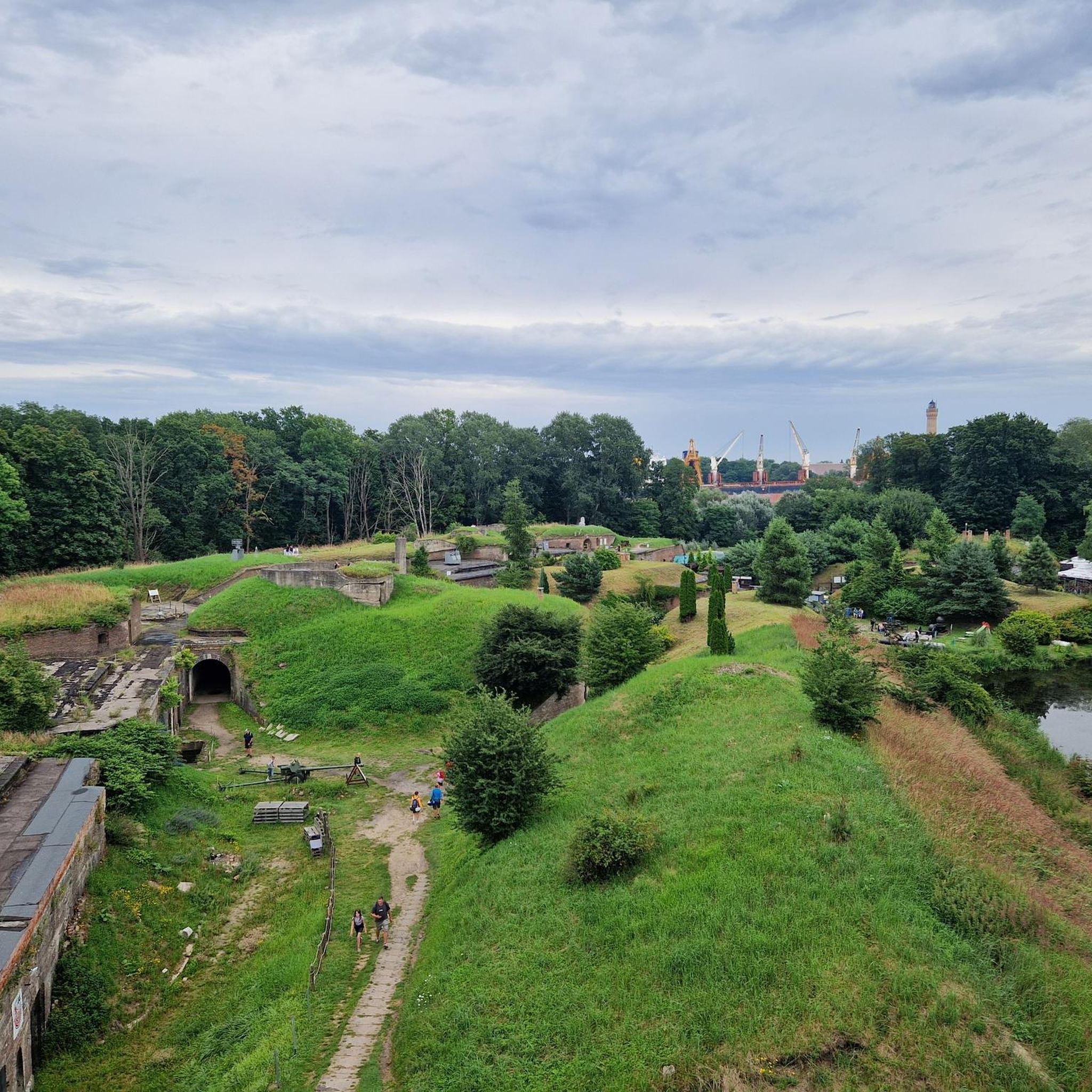
- The most popular castles is Fort Gerhard (Eastern Fort) Świnoujście, a historical site considered one of Europe's best-preserved 19th-century coastal artillery forts. It houses the Museum of Coastal Defence, featuring thousands of exhibits including weapons and uniforms.
- Another must-see spot is Fort Zachodni (West Battery) — Museum of Fortress History, a historical site built in 1861 to protect the Swine estuary. Visitors can explore its various sections, which detail the Prussian times, World War II, and the Cold War era.
- Visitors also love Fort Anioła (Angel’s Castle), a historical site built between 1854 and 1858 with a distinctive shape reminiscent of Castel Sant'Angelo. Today, it serves as a museum and cultural space, showcasing history and hosting contemporary exhibitions.
- Świnoujście is known for its well-preserved 19th-century Prussian fortifications, including coastal artillery forts and redoubts. These sites offer a variety of historical experiences, from military museums to architectural exploration.
- The castles around Świnoujście are appreciated by the komoot community, with 891 upvotes and 466 photos shared across 7 highlights.
Last updated: July 28, 2026
Fort Anioła (Angel’s Castle)
Highlight • Historical Site
Today there is a trip café with a terrace and a gallery.
travelnetto.de/Swinemuende/city-guide/fort-aniola.php
Translated by Google •
Tip by

Fort West Battery (Fort Zachodni), Świnoujście
Highlight • Historical Site
Translated by Google •
Tip by

Sign up now to discover places like this
Get recommendations on the best single tracks, peaks, & plenty of other exciting outdoor places.
Sign up for free
Fort Gerhard (Eastern Fort) Świnoujście
Highlight • Historical Site
Lots of information about securing
the Swine estuary, a small snack bar
provides refreshing drinks.
Translated by Google •
Tip by

Fort Zachodni (West Battery) — Museum of Fortress History
Highlight • Historical Site
usedom-insider.de/2019/05/12/fort-zachodni-swinemuende
Translated by Google •
Tip by

Fort Gerharda
Highlight • Historical Site
Translated by Google •
Tip by

Sign up for free to discover even more castles around Świnoujście.
Sign up for free
Already have an account?
Start today with a free account
Your next adventure awaits.
Login or Signup
Popular around Świnoujście
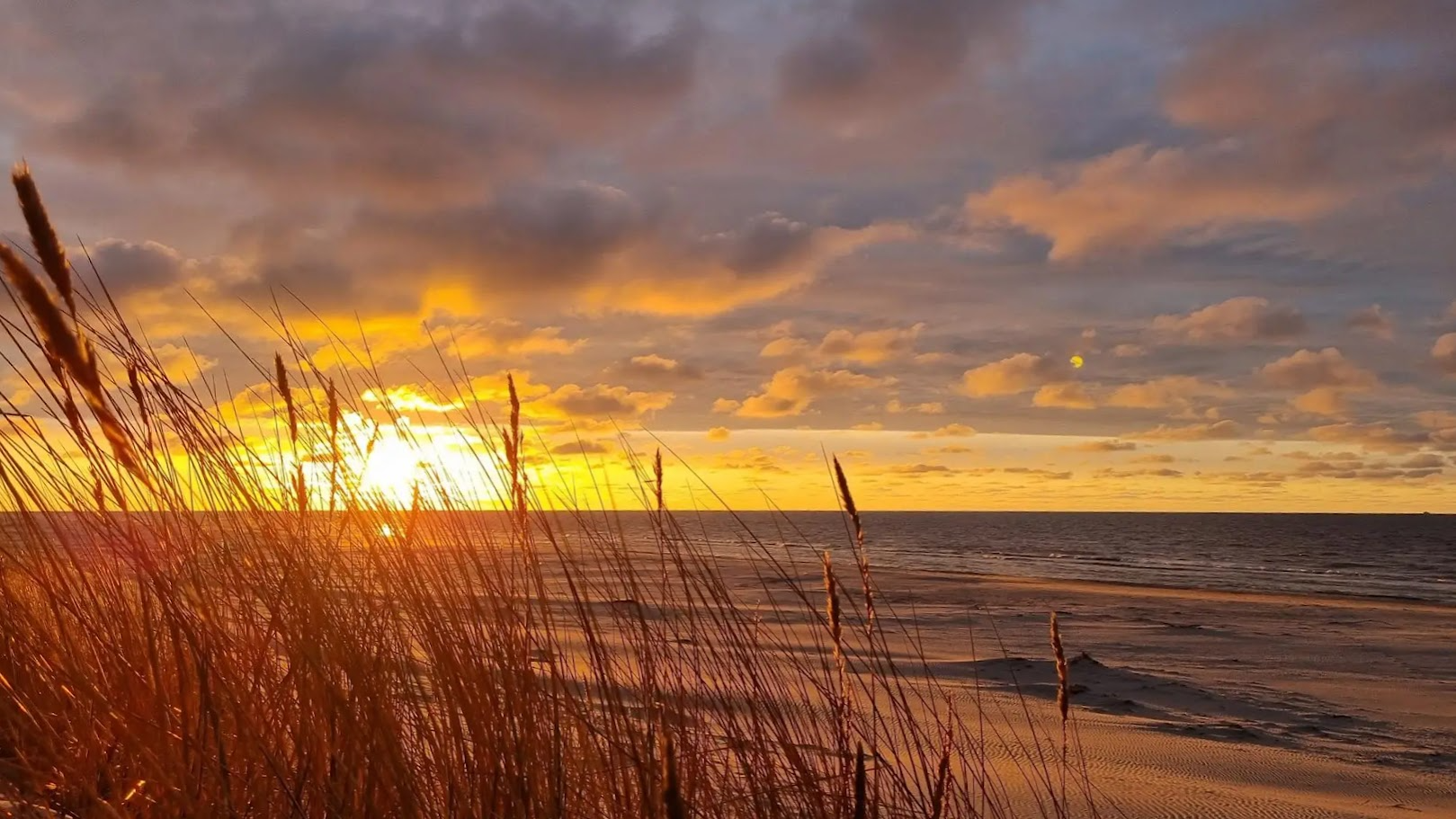
Seaside Trail – the beauty and majesty of the Baltic beaches
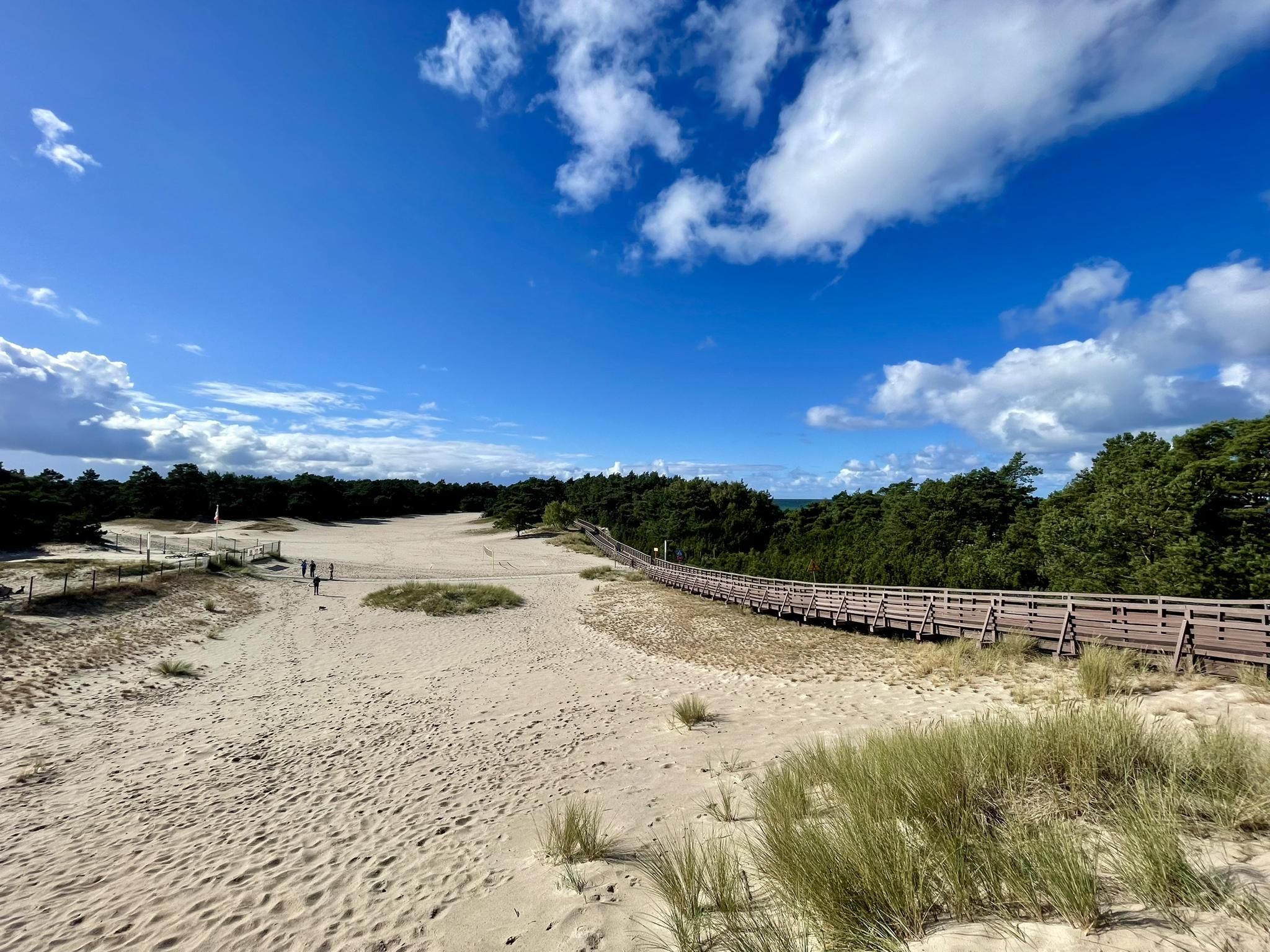
Velo Baltica – Seaside classic for the summer
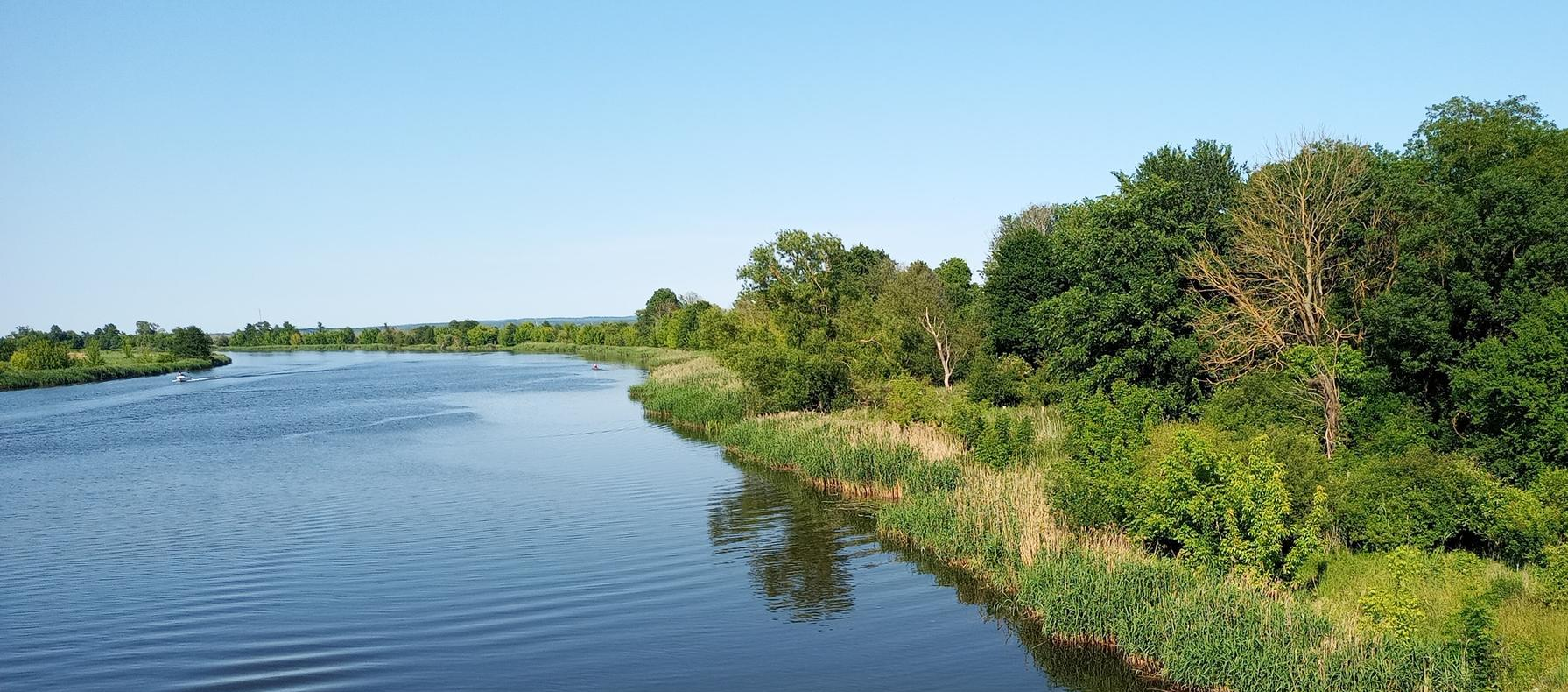
From The Baltic to The Oder River – Blue Velo
German Cycling Network – Cycling all over the country on the D-Routes
Cycling around Świnoujście
Hiking around Świnoujście
Road Cycling Routes around Świnoujście
MTB Trails around Świnoujście
Running Trails around Świnoujście

Gravel biking around Świnoujście
Other adventures around Świnoujście


Tips from the Community

HISTORICAL DEFENSIVE SYSTEM The 2.2 km long city wall illustrates the defensive strength and importance of the former Free Imperial City. Mühlhausen thus has an almost completely preserved defensive system. At the same time, it is also one of the oldest non-Roman city walls in the German-speaking world, as some of its components date back to the early 13th century. This inner fortification surrounds an area of 49 hectares, which is the second largest area monument in Thuringia after Erfurt's old town. Of the four city gates, the inner Frauentor from 1655 has survived to this day. The other entrances (the Erfurt and Felchta gates as well as the Görmartor) were demolished in the 19th century to make way for wider road access to the city center. The inner wall can currently be explored over a length of 370 meters. Some of the numerous defensive towers and rondelles were later converted into pavilions.
4
0

It's very impressive from the outside too. Unfortunately, I can't get my family to take a look inside.
3
0

The LNG terminal is cordoned off over a wide area. The lighthouse and fort are not accessible. The R10 therefore runs via a diversion south of the original route. In the direction of Swinoujscie at the level of the military museum, do not take the old route straight ahead but take the diversion to the left. The sign for this is on the left below the R10 sign.
0
0

A visit to the weirs is worthwhile. Lots of information about securing the Swine estuary, a small snack bar provides refreshing drinks.
5
0

The visit was very interesting even if you are not a military fan. A journey into the past, a detour is absolutely worth it. Recommended!
8
0
Bunker facility in Świnoujście This fort, built in the 19th century, is located on the western bank of the Swine, hence also called “Westfort” or “Westbatterie”. From 1856 to 1861, today's Fort Zachodni was built to protect the port. It was expanded by the National Socialists around 1940 and was used by the Soviet Army for a few years after the Second World War. The fort was later expanded and modernized again and again in order to be able to preserve it as a historical monument. Therefore, Fort Zachodni can be visited and you have access to many rooms in the bunker complex. In a small museum area you will find lots of interesting exhibits and explanations. In front of the entrance to the fortress there is the “Prochownia” restaurant with many delicious dishes. If you just want to treat yourself to a small snack or a fresh beer, you can stop at the small snack bar right next to the fortress.
8
0
Fort Zachodni in Świnoujście For anyone interested in history, a visit to the “Swinoujscie Fortress” should definitely be on your agenda. It is originally a Prussian fortress that was intended to protect the sea route from the Oder and Swine to the Baltic Sea. Because of the strategic importance of the Swinoujscie estuary, the so-called Swineschanze was built to protect the harbor entrance during the “Thirty Years' War”. In the following centuries it was repeatedly the target of military attacks, which is why the Prussian army finally expanded the complex into a fortress in the second half of the 19th century. This consists of three “parts”: Fort Zachodni (West Battery), Fort Gerhard and Angel Fort.
8
0

Unforgettable military training with Sergeant Bubble 🤙
3
1
Frequently Asked Questions
What kind of historical sites can I visit around Świnoujście?
Around Świnoujście, you'll find well-preserved 19th-century Prussian fortifications rather than traditional medieval castles. These include coastal artillery forts and redoubts, offering a deep dive into military history. The main attractions are Fort Gerhard (Eastern Fort) Świnoujście, Fort Zachodni (West Battery) — Museum of Fortress History, and Fort Anioła (Angel’s Castle).
Are there guided tours available at the fortifications?
Yes, Fort Gerhard (Eastern Fort) Świnoujście is known for its engaging guided tours, often led by guides in imperial-German uniforms, who provide storytelling and even cannon demonstrations. This interactive experience brings the fort's history to life.
Which fort houses a museum of coastal defense?
Fort Gerhard (Eastern Fort) Świnoujście houses the Museum of Coastal Defence. It features thousands of exhibits, including weapons, uniforms, documents, cannons, and memorabilia from both World Wars.
Is there a fort that resembles Castel Sant'Angelo in Rome?
Yes, Fort Anioła (Angel’s Castle), built between 1854 and 1858, has a distinctive shape reminiscent of the Mausoleum of Emperor Hadrian in Rome, also known as Castel Sant'Angelo. It features a three-story rotunda crowned with a terrace and an observation tower.
What kind of exhibits can I find at Fort Anioła?
Fort Anioła (Angel’s Castle) serves as a museum and cultural space. It showcases the history of three epochs: Prussian, German, and Soviet, and also hosts contemporary painting, photography, and sculpture exhibitions.
Which fort focuses on the history of the Świnoujście Fortress?
Fort Zachodni (West Battery) — Museum of Fortress History is home to the Świnoujście Fortress History Museum. It offers a comprehensive look at its military past, with indoor and outdoor exhibits featuring mannequins, original small arms, communication equipment, and artifacts from regional shipwrecks.
Are the fortifications around Świnoujście family-friendly?
Yes, all three major fortifications, Fort Gerhard (Eastern Fort) Świnoujście, Fort Anioła (Angel’s Castle), and Fort Zachodni (West Battery) — Museum of Fortress History, are categorized as family-friendly. The interactive tours at Fort Gerhard and the diverse exhibits at Fort Zachodni make them engaging for visitors of all ages.
Are there cafes or refreshments available at the forts?
Yes, Fort Anioła (Angel’s Castle) features a trip café with a terrace. Additionally, Fort Gerhard (Eastern Fort) Świnoujście has a small snack bar providing refreshing drinks.
What outdoor activities can I do near these historical sites?
The area around Świnoujście offers various outdoor activities. You can find numerous cycling routes, including road cycling, gravel biking, and MTB trails. For example, you can explore routes like the 'German-Polish Border – Fort Anioła (Angel’s Castle) loop' or the 'Fort Anioła (Angel’s Castle) – Świnoujście–Ahlbeck Promenade loop'. You can find more details on these and other routes in the Road Cycling Routes around Świnoujście, Gravel biking around Świnoujście, and MTB Trails around Świnoujście guides.
How can I get to Fort Zachodni (West Battery)?
Fort Zachodni (West Battery) — Museum of Fortress History is located on the island of Usedom. From downtown Świnoujście, you can reach it by walking down Mieszka I Street or Wybrzeże Władysława IV Street, then turning onto Jachtowa Street. This path leads directly to the fort, passing by Zdrojowy Park, Fort Anioła, and the marina.
What is the best time to visit the fortifications in Świnoujście?
The fortifications can be visited year-round, but the spring and summer months (May to September) generally offer the most pleasant weather for exploring the outdoor areas and enjoying the surrounding region. During these months, all facilities are typically fully operational.
Are there any viewpoints at the forts?
Fort Anioła (Angel’s Castle) features a three-story rotunda crowned with a terrace and an observation tower, offering views of the area. The upper floor of the rotunda originally served as a viewing platform.
Can I explore underground routes at any of the forts?
Yes, at Fort Gerhard (Eastern Fort) Świnoujście, visitors can explore underground routes through its casemates, providing an immersive historical experience.
Most popular routes around Świnoujście
Most popular attractions around Świnoujście

Get inspired with the komoot mobile app


