Top 8 Castles around gmina Zebrzydowice
Best castles around gmina Zebrzydowice include historical sites like the Palace in Zebrzydowice, which originated as a Gothic castle and transformed into a Baroque palace. This area, situated near the Piotrówka stream and surrounded by wetlands, historically served as a strategic defensive location. Today, the palace functions as a cultural hub, offering a blend of historical interest and community activities. The region provides various gmina Zebrzydowice tourist attractions, including cycling routes and water sports centers, complementing its historical sites.
Best…
Last updated: June 3, 2026
Fryštát Castle
Highlight • Castle
More info: zamek-frystat.cz
Translated by Google •
Tip by

Ultimate Defense Tower
Highlight • Historical Site
Translated by Google •
Tip by

Sign up now to discover places like this
Get recommendations on the best single tracks, peaks, & plenty of other exciting outdoor places.
Sign up for free
Piast Tower
Highlight • Historical Site
Translated by Google •
Tip by
Castle OVER PIETRÓWKA
Highlight • Castle
Translated by Google •
Tip by

Kończyce Małe Castle and Park
Highlight • Castle
Tip by

Sign up for free to discover even more castles around gmina Zebrzydowice.
Sign up for free
Already have an account?
Start today with a free account
Your next adventure awaits.
Login or Signup
Tips from the Community

Fryštát Castle in Karviná is a beautiful classicist chateau located in the Czech region of Moravia-Silesia. It once belonged to the aristocratic Larisch-Mönni family and is one of the few well-preserved residences in this mining region. The interior of the chateau features richly decorated halls with original furniture and art collections, and visitors can feel the atmosphere of the old aristocracy. The chateau is surrounded by a picturesque English park, which is a great place to walk or relax. Cyclists can take advantage of the well-developed network of cycle routes in the area, connecting Karviná with other attractions in the region.
1
0

I recommend stopping here, at least for a moment.
0
0

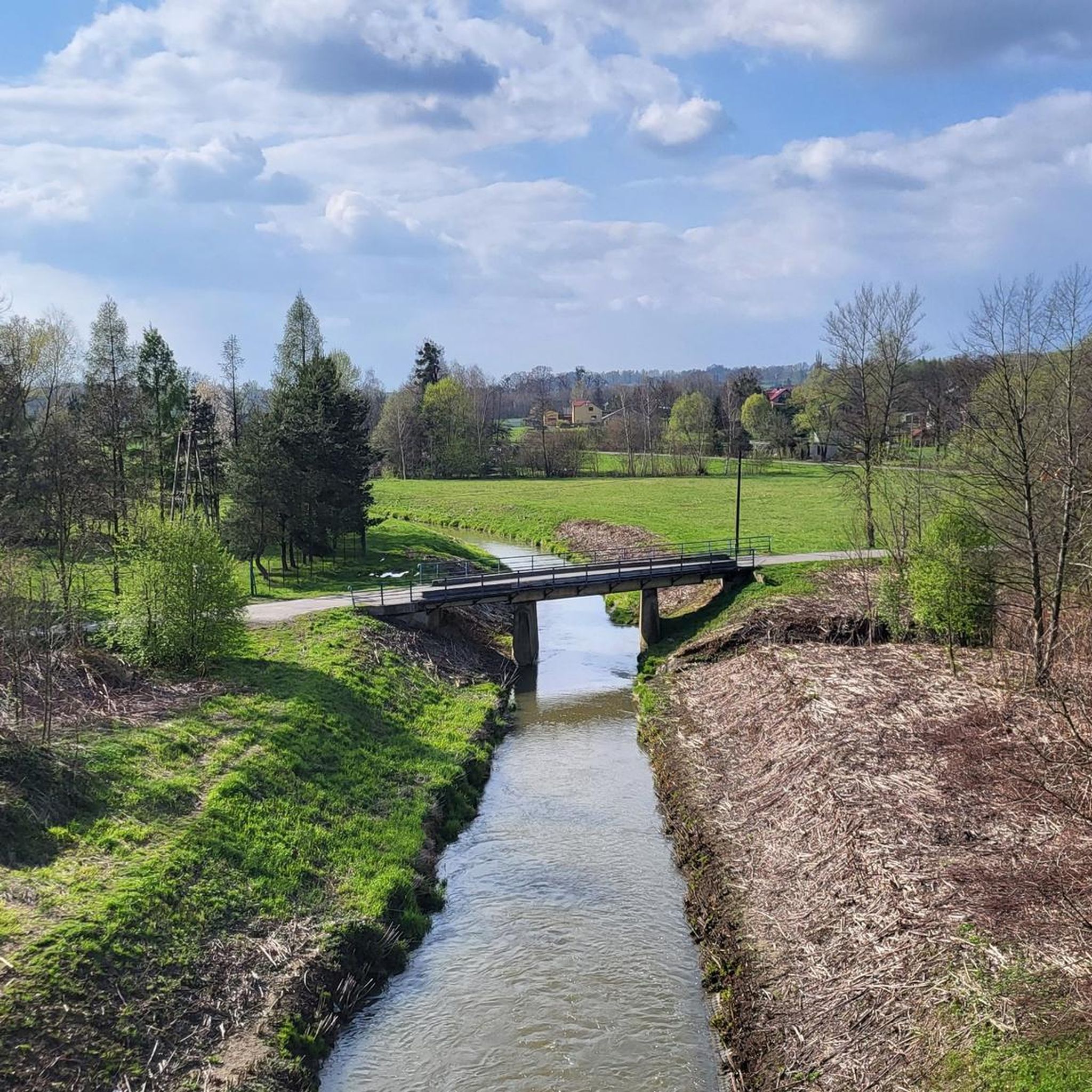
The first castle was erected at the turn of the 15th and 16th centuries. This is evidenced by the discovered fragments of walls with a Gothic origin. Also, the very location of the object suggests its defensive character. Located on the Pietrówka River, it was surrounded by a pond from the east and north, and a swampy meadow from the west. Due to later reconstructions and the lack of iconographic materials, it is not possible to reconstruct its original appearance. The oldest owners of the castle were the Mikesz family from Jedłownik (around 1467),
1
0

The Piast Tower was built in the first half of the 14th century, it was part of the upper castle and as one of the four towers it was an important element of the defense system of the Cieszyn castle during the Piast times. The tower was raised in the second half of the 14th century and decorated with corner coats of arms with the Piast eagle. At the end of the 15th century, it was added another storey with hoarding and battlements made of brick, and the whole thing was covered with a high tented roof. The tower is almost 30 meters high and 120 steps lead to its top. The tower is composed of four main parts. The underground part, about 6 meters deep, used to be a dungeon. The lower part is 9 meters wide and 10 meters high. This part of the tower housed utility rooms. The central part had residential functions and was 15 meters high and 8.5 meters wide. The highest storey, 4 meters high, had a defense function. In the Middle Ages, the top of the tower was covered with a roof, under which there was an omnidirectional defensive porch. The corners of the upper part were equipped with bay windows in the form of round turrets. https://pl.wikipedia.org/wiki/Wie%C5%BCa_Piastowska_w_Cieszynie https://www.youtube.com/watch?v=eaKalYVHhhs
2
0
The tower was erected in the second half of the 13th century and was one of the important defenses of the upper castle. It was built of stone in the form of a cylinder, the diameter of which was 12 meters, the walls were 4.2 meters thick and about 24 meters high. The highest part of the tower was topped with a girdle and a wooden conical roof. The usable area of the interior was only about 3.6 m. There was a prison in the lower floor of the tower, and above there were living quarters and guard rooms. In the 14th century, during the expansion of the castle, the tower was incorporated into the walls, becoming one of the corner towers. Later it fell into disrepair and was covered with a stone and earth embankment. In 1914, artificial ruins were erected on the embankment, thus creating a romantic spot in the park. In the years 2001-2002, during the archaeological works carried out in the park, the remains of the tower were uncovered, and then its original appearance was restored. The ruins of the castle kitchen from the 16th century are visible next to the tower. http://www.polskaniezwykla.pl/web/place/46977,cieszyn-wieza-ostatecznej-obrony.html https://www.archiwum.cieszyn.pl/?p=categoriesShow&iCategory=354
2
0
The origins of the facility date back to the Middle Ages and the beginnings of Frysztat as an independent city. From the fourteenth century, there was a wooden, gothic castle here, built by the Cieszyn Piasts, for whom it was the second, after Cieszyn, family seat. The castle served primarily as a stronghold on the border of Silesia and Moravia, guarding trade routes to Poland. When it burned down in a fire in 1511, Duke Kazimierz II rebuilt it in the early Renaissance style from stone and brick. At that time, it was the second residence of the Piast princes of Cieszyn, who granted the city numerous privileges. Despite this, they quickly left Frysztat, because in 1570 they moved to a new residence - the Raj Palace. In 1572, the so-called The Frisian state was bought from the Piasts by the Gypsies (Czech Cikán) from Słupsk. From that moment on, the events related to subsequent noble families began. The Gypsies owned the castle until 1637 - after the Thirty Years' War, as followers of Lutheranism, they had to flee Silesia. Earlier, in 1617, the castle was damaged by a fire, and later by the troops moving through Frysztat. It was bought by a Catholic nobleman Zdeněk Žampach from Potštejn, but sold it two years later. Then it was briefly ruled by Henryk Wacław Podiebradowicz (Czech Jindřich Václav of Minstrberk; a descendant of King George of Podiebrady), but the building continued to deteriorate. In 1650, the subsequent owners were the counts Gaschin (Czech Gašínové) from Gašín, who made it their family seat. They also made renovations and small reconstructions in the baroque style. In the years 1738-1749 the castle changed owners four times. The new ones who stayed longer were the counts of Taaffe, but the castle fell into decline again, as it was partially destroyed by another fire. In 1792 Frysztat and the castle were bought by Count Jan Larisch von Mönnich and completely rebuilt in the Empire style. He also added a new wing (the so-called Lottyhaus) and thus a U-shaped town palace was created, forming one of the frontages of the market square. In 1804, they established a large English-style park behind the castle. At the nearby Catholic Church of the Exaltation of St. Cross, the Larisch family also built an ancestral tomb; besides it, there are laundries and baths in the vicinity of the palace, and a Swiss-style summer house by a nearby stream. In the second half of the nineteenth century, the rank of the Larisch family (one of them, Jan, became, among others, the Austrian Minister of Finance), began to look for a larger seat. In 1873 they built a neo-Renaissance palace in Solca, and since then the palace in Frysztat fulfilled only mainly economic functions, although Georg Larisch also lived there for some time, the husband of Maria Larisch, niece of Empress Elizabeth, also lived there for some time. At the beginning of the 20th century, however, he was visited by several distinguished guests - incl. Archduke Franz Ferdinand, heir to the Austrian throne, German Emperor Wilhelm II and the Bulgarian Tsar Ferdinand I Koburg. At that time, the Larisch family were among the main owners of the mining industry (coal mines) in the Duchy of Cieszyn. https://pl.wikipedia.org/wiki/Pa%C5%82ac_we_Frysztacie https://www.youtube.com/watch?v=qJxJcufPkh4
3
0
The origins of the facility date back to the Middle Ages and the beginnings of Frysztat as an independent city. From the fourteenth century, there was a wooden, gothic castle here, built by the Cieszyn Piasts, for whom it was the second, after Cieszyn, family seat. The castle served primarily as a stronghold on the border of Silesia and Moravia, guarding trade routes to Poland. When it burned down in a fire in 1511, Duke Kazimierz II rebuilt it in the early Renaissance style from stone and brick. At that time, it was the second, after Cieszyn, residence of the Cieszyn Piast princes, who granted the city numerous privileges. https://pl.wikipedia.org/wiki/Pa%C5%82ac_we_Frysztacie https://www.youtube.com/watch?v=MXc_IUHJelg
4
0

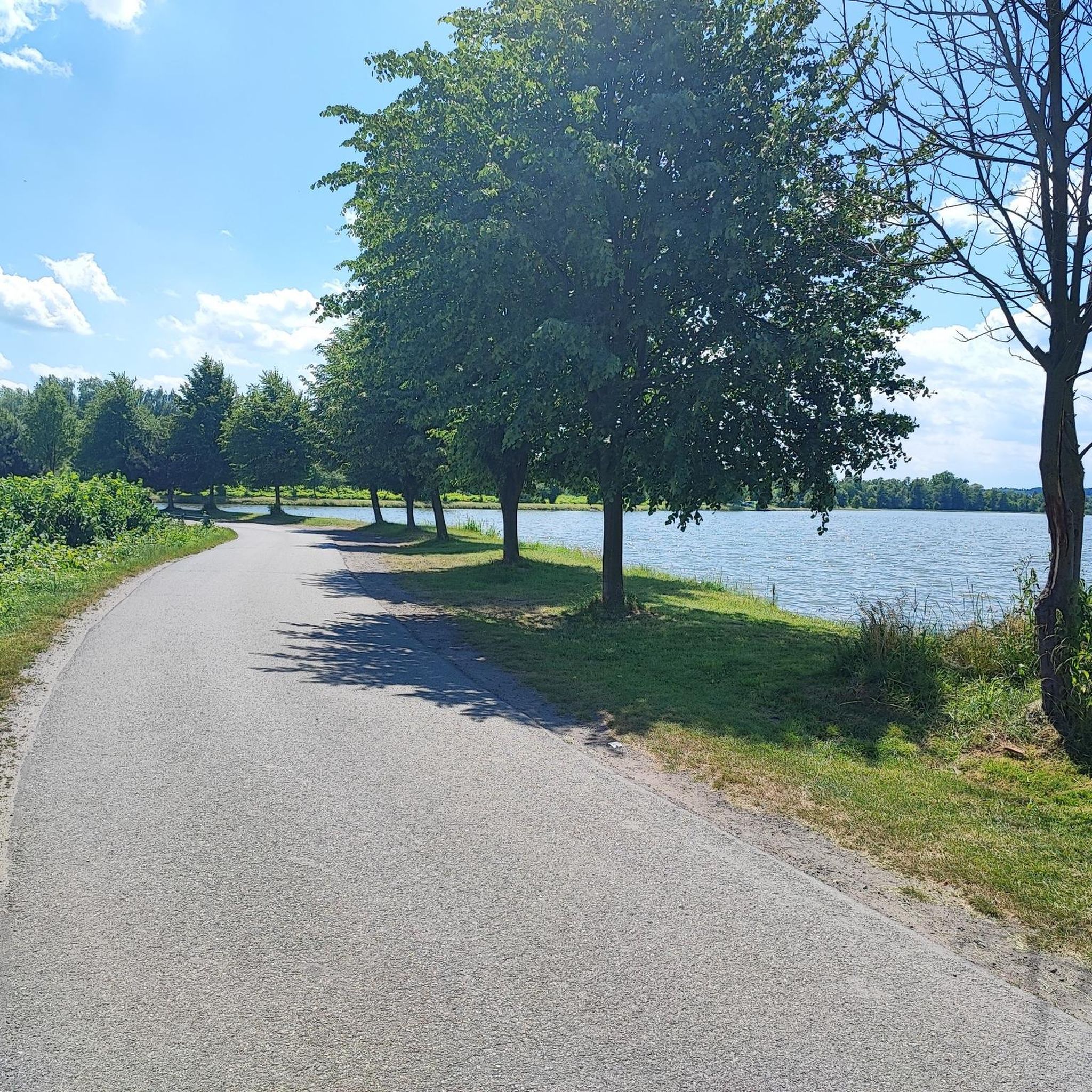
Great place to eat very good typical Polish food. Especially worth trying are their grilled meats and the "grochówka", a fantastic soup cooked in the outside military kitchen.
1
0
Frequently Asked Questions
What are the most notable castles and historical sites to visit around gmina Zebrzydowice?
The region offers a mix of historical structures. You can explore the transformed Fryštát Castle, which evolved from a Gothic castle to an Empire-style palace. Another significant site is the Ultimate Defense Tower, a 13th-century structure that once served as a key part of an upper castle's defenses. Don't miss the Piast Tower, offering historical insights and panoramic views.
Are there family-friendly castles or attractions in gmina Zebrzydowice?
Yes, several sites are suitable for families. Fryštát Castle is listed as family-friendly and functions as a museum. Kończyce Małe Castle and Park also welcomes families and includes a restaurant. The Castle OVER PIETRÓWKA (Palace in Zebrzydowice) is also considered family-friendly and offers cultural activities.
What is the history of the Palace in Zebrzydowice?
The Palace in Zebrzydowice, also referred to as the Castle OVER PIETRÓWKA, originated as a Gothic castle in the medieval period, possibly as early as the 14th or 15th century. It was strategically located near the Piotrówka stream for defense. In the mid-18th century, it was transformed into a representative late-baroque palace. After suffering damage in WWII, it was reconstructed and now serves as a cultural and tourist hub.
Can I find food and drink options near the castles?
Yes, Kończyce Małe Castle and Park features a restaurant known for traditional Polish food, including grilled meats and 'grochówka' soup. The Palace in Zebrzydowice also houses a restaurant as part of its cultural center.
What kind of outdoor activities can I do near the castles in gmina Zebrzydowice?
The area around gmina Zebrzydowice offers various outdoor activities. You can find several cycling routes, including the Euroregion Cieszyn Silesia Cycling Loop and the Iron Bicycle Trail. For more options, explore the Gravel biking around gmina Zebrzydowice, Road Cycling Routes around gmina Zebrzydowice, and Cycling around gmina Zebrzydowice guides.
Are there any viewpoints or towers with panoramic views?
Yes, the Piast Tower, nearly 30 meters high with 120 steps to the top, offers excellent views. It was originally a defensive tower and is now a historical viewpoint.
What is the best time of year to visit the castles in gmina Zebrzydowice?
The region's castles and palaces can be enjoyed throughout the year. Spring and autumn offer pleasant weather for exploring the grounds and nearby cycling routes. Summer is ideal for combining castle visits with water sports at the nearby 'Młyńszczok' Water Sports Center. Winter visits can provide a unique, serene experience, though some outdoor activities might be limited.
What architectural styles can I expect to see among the castles?
You'll encounter a range of architectural styles reflecting centuries of history. The Palace in Zebrzydowice, for instance, evolved from a Gothic castle into a late-baroque residence. Fryštát Castle showcases transformations from Gothic to early Renaissance and later Empire styles.
Is there parking available at the castles?
Parking information is specifically mentioned for Kończyce Małe Castle and Park, indicating availability for visitors. For other sites, it's advisable to check local signage or information points upon arrival, especially at the Palace in Zebrzydowice which functions as a cultural center.
What makes the Ultimate Defense Tower unique?
The Ultimate Defense Tower, erected in the second half of the 13th century, was a crucial part of the upper castle's defenses. It was built of stone with thick walls and originally housed a prison in its lower floor. Though it fell into disrepair and was covered, archaeological works in the early 2000s restored its original appearance, making it a unique historical ruin to explore.
Are there any water sports activities near the castles?
Yes, near the Palace in Zebrzydowice, you'll find the 'Młyńszczok' Water Sports Center. It features a water reservoir and two swimming pools, offering activities like sailing, windsurfing, paddle boating, and kayaking during the summer months.
How long should I plan for a visit to the castles in gmina Zebrzydowice?
The duration of your visit depends on how many sites you wish to explore. For individual castles like Fryštát Castle or the Palace in Zebrzydowice, plan for 1-2 hours to explore the grounds and any internal exhibitions. If you intend to visit multiple sites and enjoy nearby activities like cycling or water sports, a full day or even a weekend would be more suitable.
Most popular routes around gmina Zebrzydowice
Most popular attractions around gmina Zebrzydowice

Get inspired with the komoot mobile app


Explore more
Looking for the best castles somewhere else? Discover other guides around gmina Zebrzydowice:
