The best road cycling routes around Kosel
4.6
(584)
7,209
riders
17
rides
Road cycling routes around Kosel are situated within the North Palatine Uplands in Rhineland-Palatinate, Germany. The region features rolling hills, river valleys, and former railway lines, offering varied terrain for cyclists. Key natural elements include the Glan and Lauter rivers, and the Potzberg mountain, which reaches 562 meters. The landscape is characterized by a mix of paved and unpaved segments, with elevations ranging from river levels to higher points.
Best road cycling routes around Kosel
- The most popular road cycling route is Anna Mill – Old Avenue loop from Kosel, a 33.6 miles (54.1 km) trail that takes 2 hours 45 minutes to complete. This moderate route features varied terrain and passes through scenic areas.
- Another top favourite among local road cyclists is Schlei Riverside Path – View of the Schlei loop from Missunde, a moderate 50.3 miles (81.0 km) path. This route leads through riverside landscapes.
- Local road cyclists also love the View over the Schlei – Gottorf Castle loop from Weseby, a 31.1 miles (50.1 km) trail leading through varied terrain, often completed in about 2 hours 7 minutes.
- Road cycling around Kosel is defined by rolling hills, river valleys, and former railway lines. The network offers options for different ability levels, from easy rides to more challenging routes with significant elevation gains.
- The routes in Kosel are highly rated by the komoot community with an average score of 4.6 stars from over 500 reviews. More than 7000 road cyclists have used komoot to explore Kosel's varied terrain.
Last updated: August 15, 2026
5.0
(2)
35
riders
53.9km
02:44
260m
260m
Moderate road ride. Good fitness required. Some segments of this route may be unpaved and difficult to ride.
11
riders
81.0km
03:16
350m
350m
Moderate road ride. Good fitness required. Mostly well-paved surfaces and easy to ride.

Sign up for free
5.0
(1)
12
riders
Moderate road ride. Great for any fitness level. Some segments of this route may be unpaved and difficult to ride.
8
riders
50.1km
02:07
260m
260m
Moderate road ride. Good fitness required. Some segments of this route may be unpaved and difficult to ride.
10
riders
20.4km
00:50
100m
100m
Easy road ride. Great for any fitness level. Mostly well-paved surfaces and easy to ride.
Get access to more routes and recommendations from other explorers.
Sign up for free
Already have an account?
Our route recommendations are based on thousands of hikes, rides, and runs completed by other people on komoot.
Start today with a free account
Your next adventure awaits.
Login or Signup
Popular around Kosel
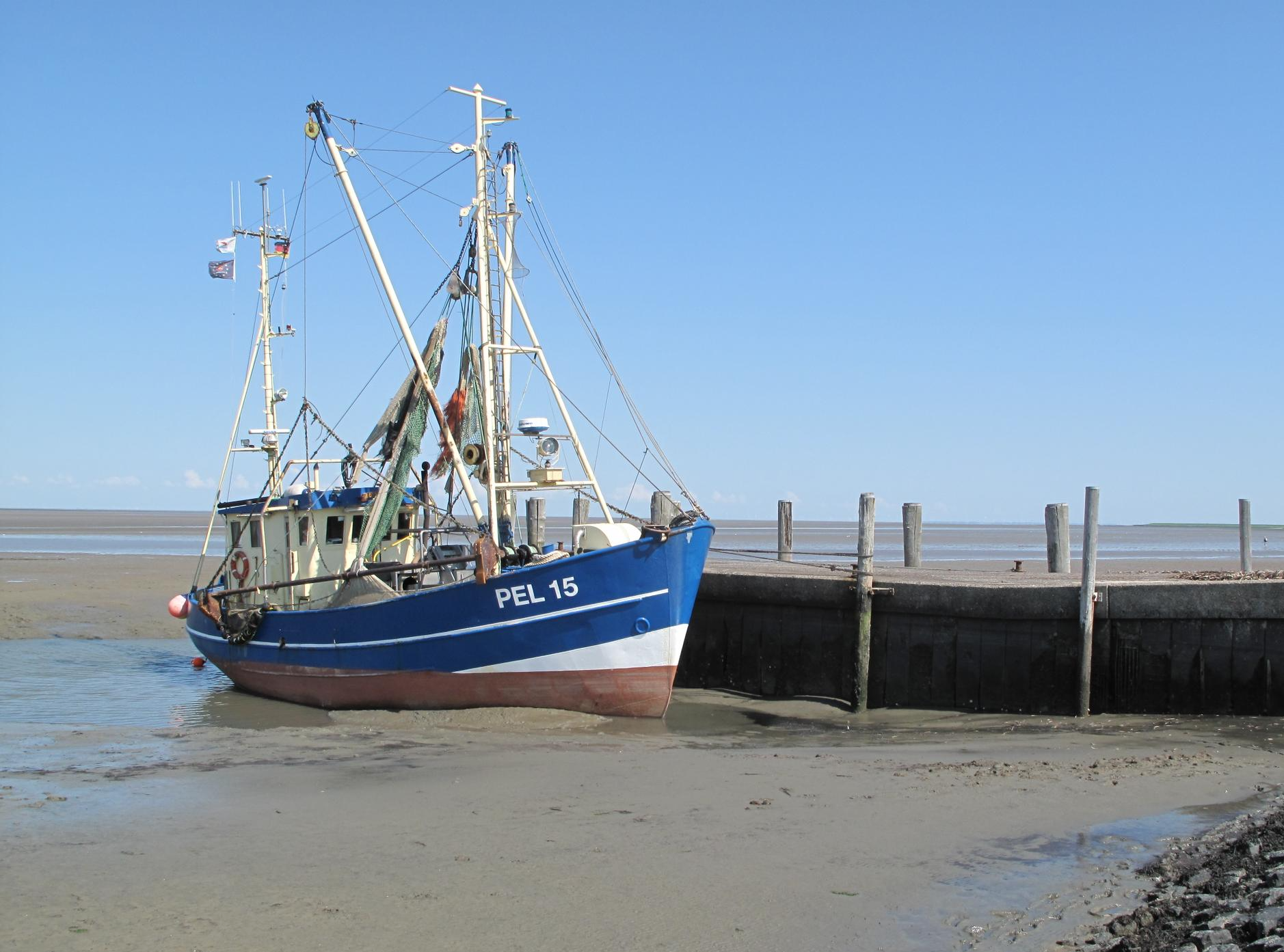
The National Natural Landscapes in Schleswig-Holstein
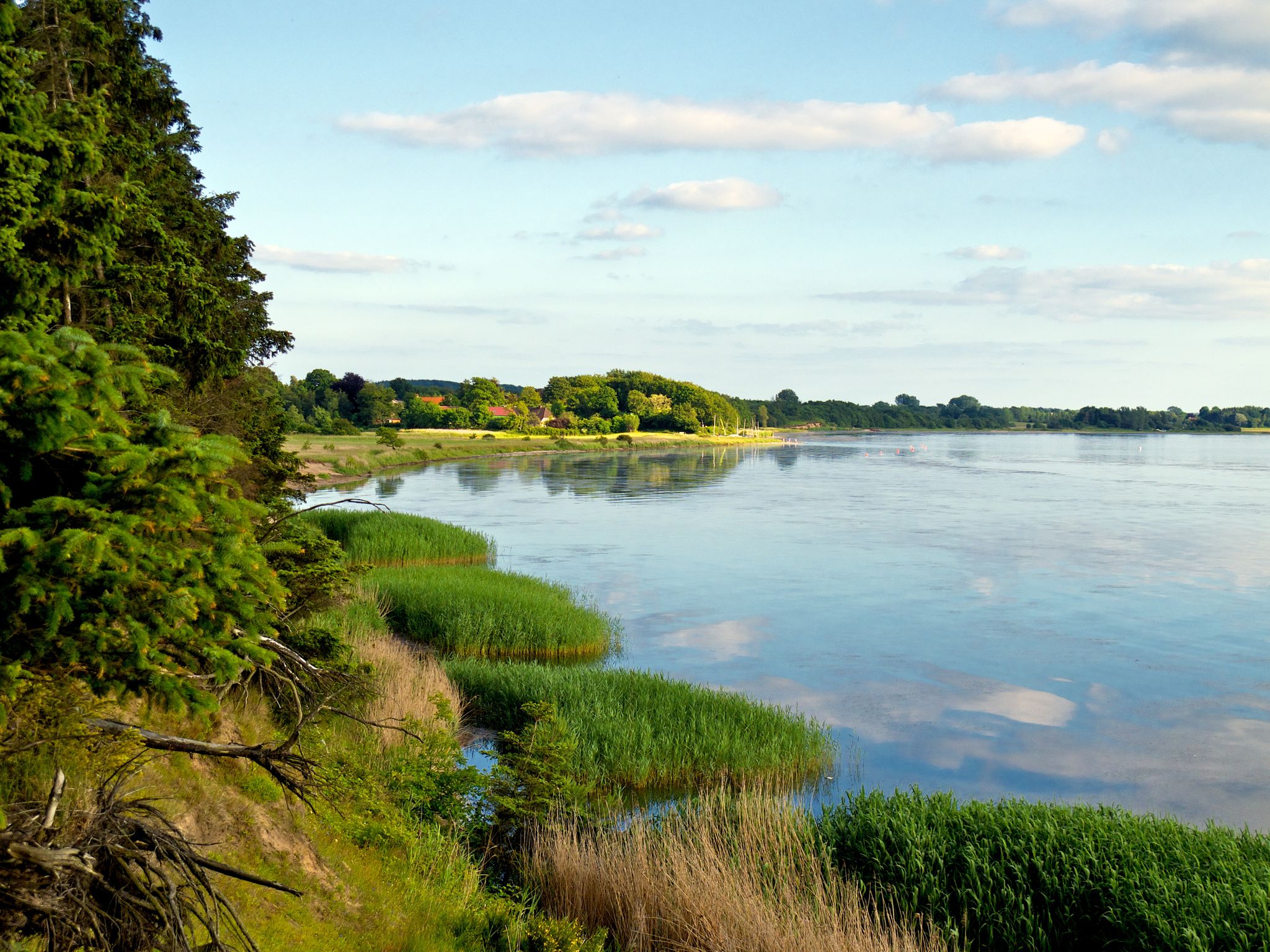
Germany’s blossoming inland — marsh, lakes and fjords in spring
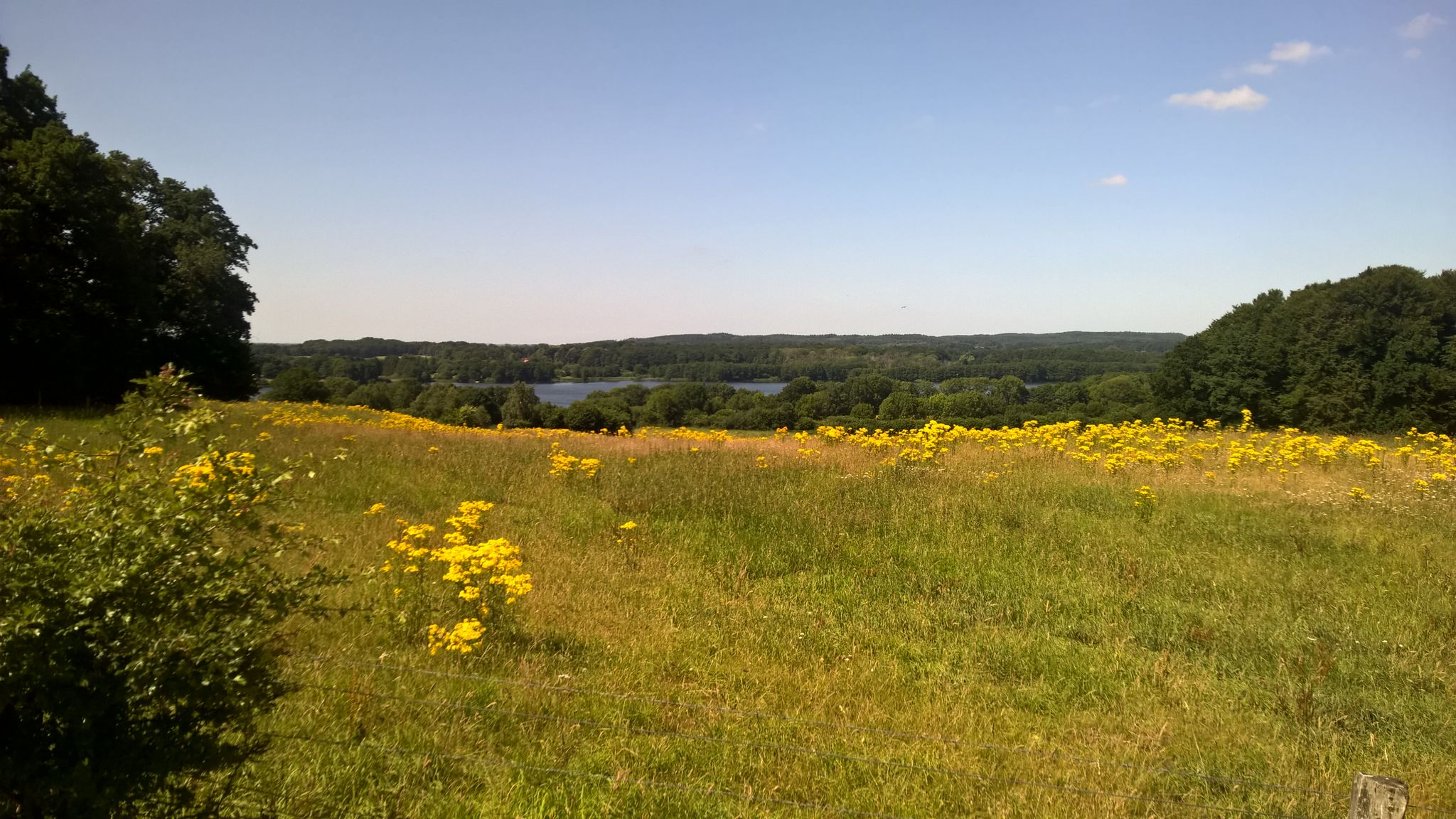
In ten days on Nature park trail through the hinterland
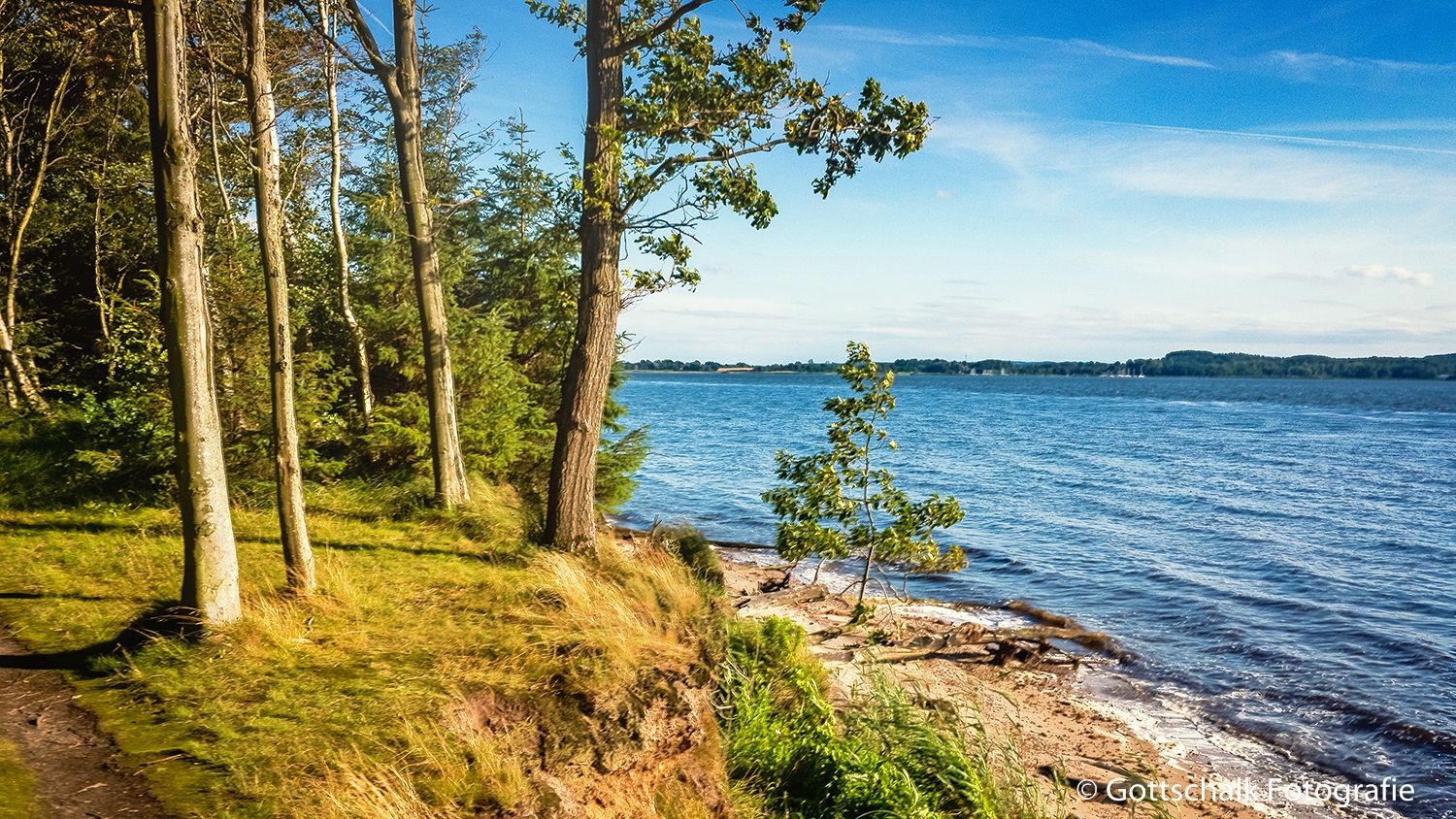
Germany’s golden inland – hike marsh, lakes and fjords in autumn
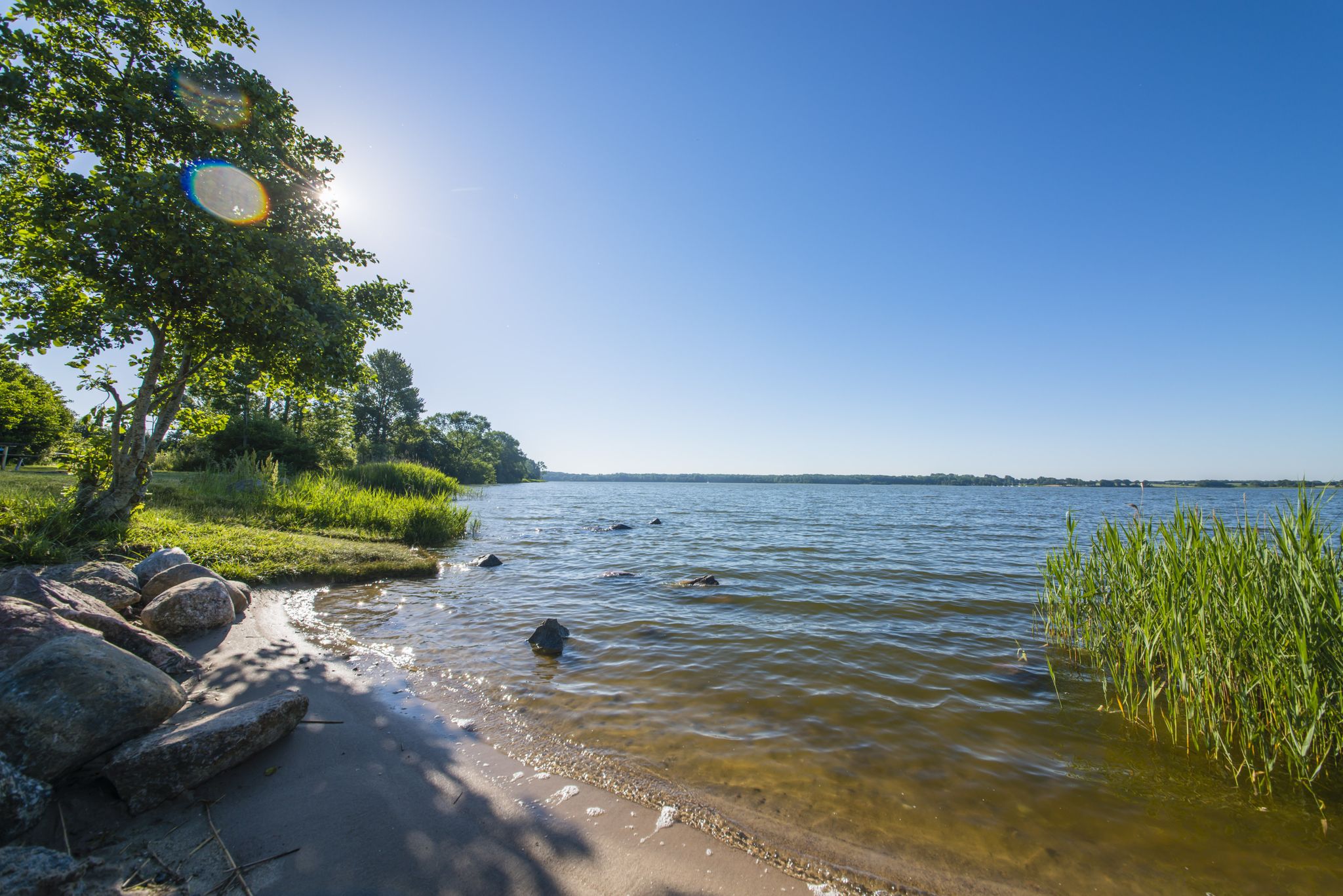
The journey is the destination – hikes along the River Schlei in Germany
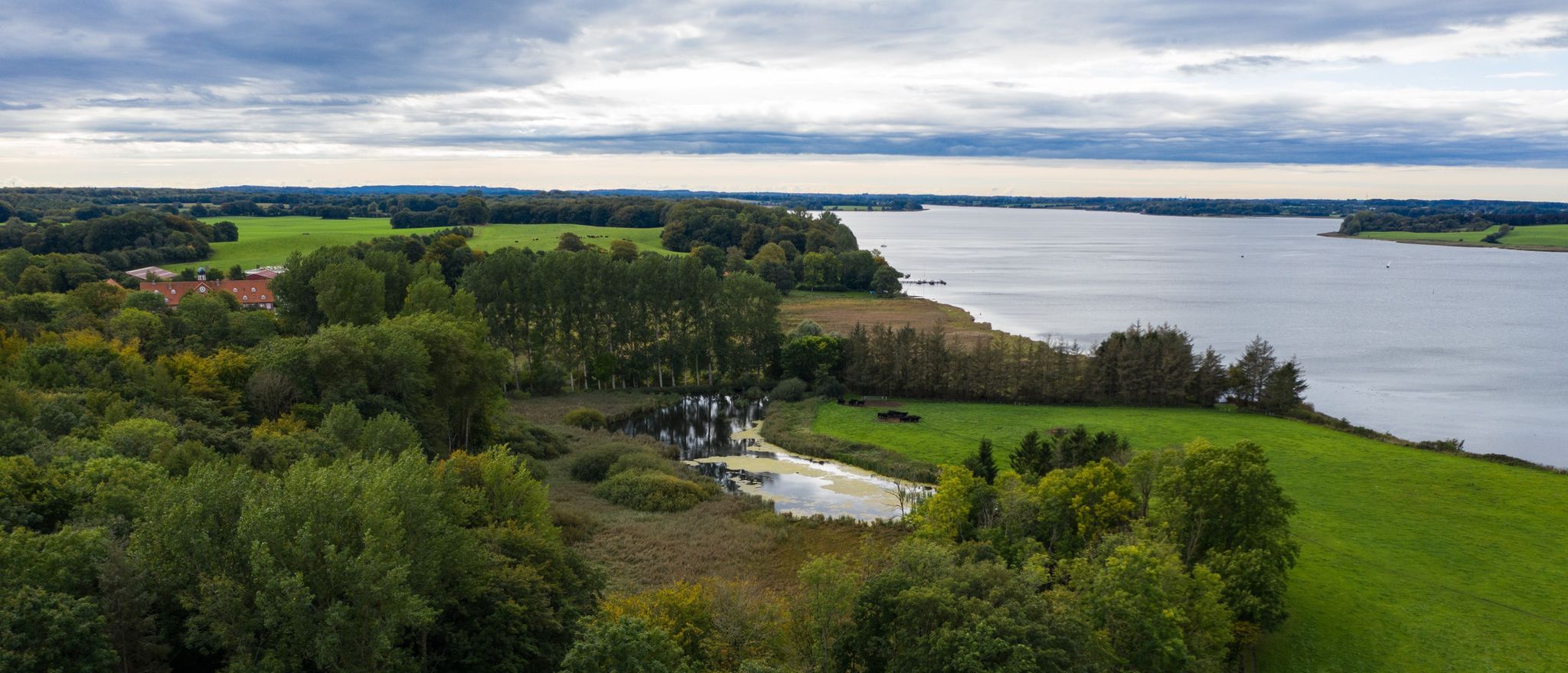
Wandern an der Schlei
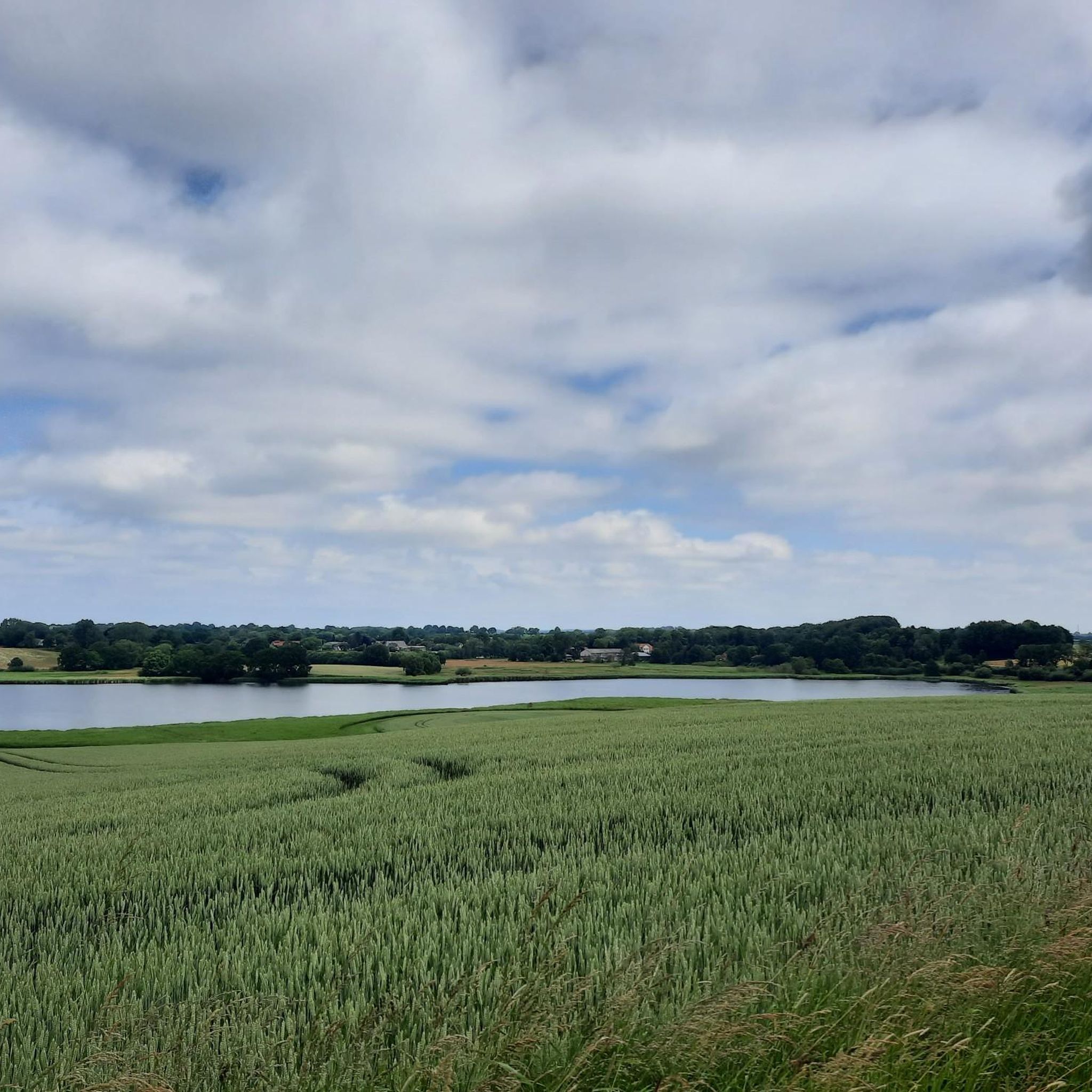
Cycling around Kosel
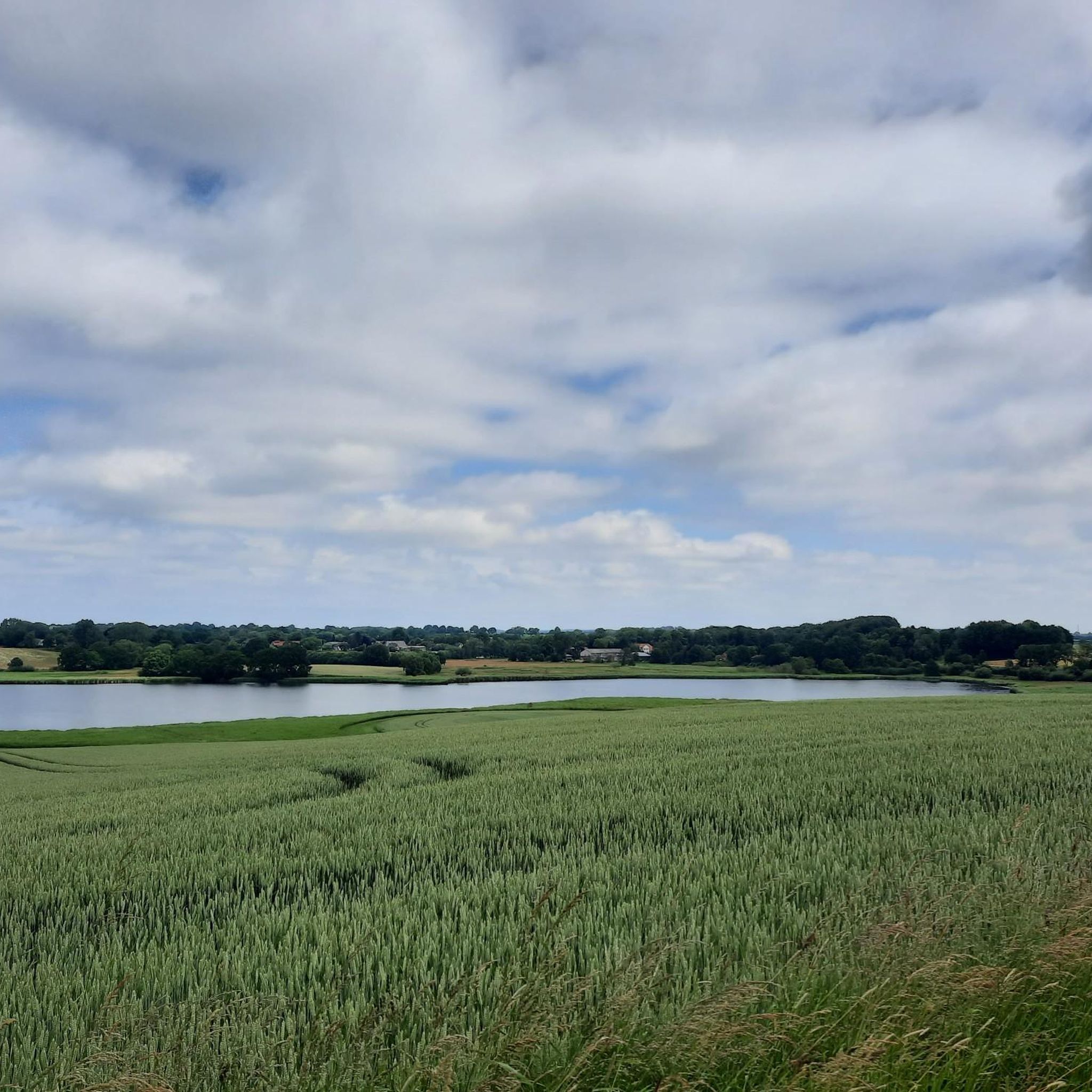
Hiking around Kosel
Running Trails around Kosel
MTB Trails around Kosel
Other adventures around Kosel


Tips from the Community

Always delicious fish sandwiches and cold drinks
0
0

By the way, the farm is called Bluschke. https://www.hof-bluschke.de/
1
0

A very beautiful path, cycling is really fun here
2
0

Unfortunately not open to the public
0
0
Beautiful section of the route near the Schlei
0
0
Beautiful route with a view of the Schlei
0
0

The castle houses Schleswig-Holstein's most important museums and is involved in a wide range of cultural events. In addition to changing exhibitions (including those by contemporary artists), theater performances in the courtyard and concerts are held at irregular intervals. The entire grounds and many of the interior rooms are open to visitors. Some of the castle's original furnishings have been preserved and can be viewed as part of the museum tours. Of particular note are the festive Hirschsaal (Stag Hall) from 1591 and the two-story Renaissance chapel. The castle is considered the most important secular building in the state of Schleswig-Holstein.
15
2
At the beginning of 1945, more and more refugees from the eastern territories of the German Reich arrived in Schleswig, their number rising to almost 18,000 by the summer. Gottorf, like many of the country's residences, was used as a temporary reception camp, and several hundred refugees were housed in the castle.[31] In the post-war period, the entire complex was made available to the Schleswig-Holstein State Museums from 1948 onwards.
15
2
Frequently Asked Questions
What kind of terrain can I expect when road cycling in Kosel?
The Kosel district, situated within the North Palatine Uplands, offers a diverse road cycling experience. You'll encounter rolling hills, picturesque river valleys, and routes that utilize former railway lines. The landscape features a mix of paved and unpaved segments, with varying elevations from river levels to higher points like the Potzberg mountain at 562 meters. This varied topography provides both challenging climbs and enjoyable descents.
Are there road cycling routes for all skill levels in Kosel?
Yes, Kosel caters to a range of fitness levels. The region offers a good mix of routes, including 7 easy and 14 moderate options, ensuring that both beginners and more experienced cyclists can find suitable tours. While there are no routes classified as difficult, the varied terrain with significant elevation gains on some paths provides a good challenge.
What natural features can I see along road cycling routes in Kosel?
Road cycling routes in Kosel often pass through scenic natural areas. You can expect to see the Glan and Lauter rivers, which carve through the landscape, and the prominent Potzberg mountain. Ohmbach Lake is another beautiful spot near cycling paths. Additionally, you might encounter highlights such as the View of the Schlei near Lindaunis, the Steep coast of the Eckernförde Bay, and the Eroded riverbank at Schlei Nature Park.
What historical landmarks or attractions can I visit while road cycling in Kosel?
The Kosel region is rich in history and culture. A notable attraction is the impressive Lichtenberg Castle, Germany's largest castle ruin. Cyclists on the Glan-Blies Cycle Path can also experience the unique Glantalbahn Tunnel, an old railway tunnel over 150 meters long. Quaint villages and historical towns like Meisenheim offer glimpses into the region's past. You might also pass by the Bismarck Monument on the Aschberg.
Are there any circular road cycling routes in Kosel?
Yes, many road cycling routes in Kosel are designed as loops, offering convenient circular tours. For example, the popular Anna Mill – Old Avenue loop from Kosel is a moderate 54.1 km route. Another option is the easier Anna Mill in Norby – Ornumer Noor loop from Missunde, which is 25.9 km long.
What do other road cyclists enjoy the most about road cycling in Kosel?
The road cycling routes in Kosel are highly rated by the komoot community, with an average score of 4.7 stars from over 10 reviews. Cyclists often praise the varied terrain, which includes rolling hills and scenic river valleys, and the well-maintained paths that offer a mix of paved and unpaved sections. The region's natural beauty and the options for different ability levels are frequently highlighted.
Are there any routes that follow old railway lines in Kosel?
Yes, the Kosel region is known for its cycling routes that utilize former railway lines. The extensive Glan-Blies Cycle Path is a prime example, frequently using old railway tracks and passing through scenic valleys. The Fritz Wunderlich Cycle Route is another path built on a former railway line, offering a unique cycling experience.
Can I find family-friendly road cycling routes in Kosel?
Absolutely. Kosel offers several easy road cycling routes that are suitable for families. These routes typically feature gentler gradients and less challenging terrain. An example is the Anna Mill in Norby – Ornumer Noor loop from Missunde, an easy 25.9 km path with gentle gradients and views of the Ornumer Noor.
Are there places to eat or drink along the road cycling routes in Kosel?
Yes, as you cycle through the Kosel district, you'll find opportunities to stop and refuel. The region features quaint villages and historical towns, such as Meisenheim and Bad Sobernheim, which are known for their brewpubs and cafes. These spots provide excellent places to take a break and enjoy local refreshments.
What are some prominent natural landmarks or peaks to look out for?
Beyond the general landscape, specific natural landmarks and peaks enhance the cycling experience. The Potzberg mountain is a prominent feature at 562 meters. You can also find the Aschberg Observation Tower, offering panoramic views, and various summits like Heidberg Summit and Scheelsberg Summit, which are often accessible via cycling paths.
How many road cycling routes are available in the Kosel region?
The Kosel region offers a comprehensive network for road cyclists, with over 20 distinct routes available. These routes vary in length and difficulty, providing numerous options for exploring the North Palatine Uplands.
Most popular attractions around Kosel

Get inspired with the komoot mobile app


Explore more
Browse the best Road cycling routes in other regions.
