Top 6 Lakes around Little Malvern
Best lakes around Little Malvern are found within the Malvern Hills area, offering diverse water bodies. This region features historic reservoirs, former quarries transformed into lakes, and expansive landscaped parklands. The natural landscape provides various walking routes and opportunities for outdoor exploration.
Best lakes around Little Malvern
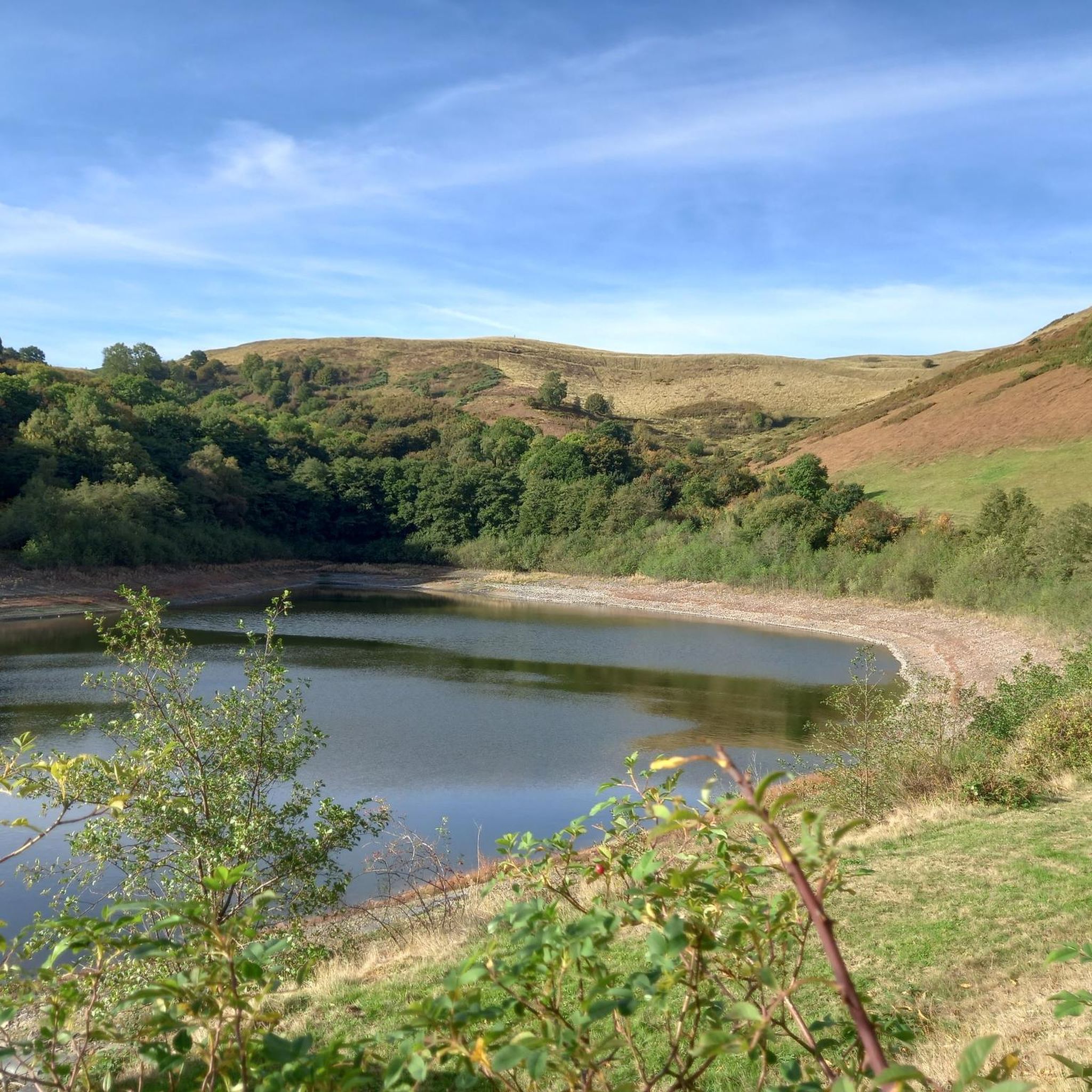
- The most popular lakes is Summer Hill, a lake that offers nice views and is an excellent spot for a picnic. This hidden lake is located at an old quarry, providing a unique natural setting.
- Another must-see spot is Gullet Quarry, a former quarry now filled with Malvern spring water. Visitors can expect to see crystal-clear turquoise waters, towering cliffs, and a cross-section of Precambrian rock formations.
- Visitors also love Earnslaw Pool, a secluded haven of wildlife and a rather deep pool. This former quarry holds historical significance, having been worked since 1836 and now forming a Site of Special Scientific Interest.
- Little Malvern is known for its variety of water bodies, including historic reservoirs, former quarry lakes, and landscaped parkland lakes. These offer diverse natural and historical settings to explore.
- The lakes around Little Malvern are appreciated by the komoot community, with over 350 upvotes and more than 70 photos shared.
Last updated: June 30, 2026
Summer Hill
Highlight • Lake
Tip by

Gullet Quarry
Highlight • Natural
Tip by

Sign up now to discover places like this
Get recommendations on the best single tracks, peaks, & plenty of other exciting outdoor places.
Sign up for free
Earnslaw Pool
Highlight • Natural
Tip by

Priory Park, Malvern
Highlight (Segment) • Rest Area
Tip by

Charlie Ballard Nature Reserve
Highlight • Forest
Tip by
Sign up for free to discover even more lakes around Little Malvern.
Sign up for free
Already have an account?
Start today with a free account
Your next adventure awaits.
Login or Signup

Tips from the Community

Lovely quarry and very to follow the route up to the top.
0
0

This is quite a spectacular place but quite rightly the Conservators and local authorities have securely fenced it off as there have been a large number of drownings here over the years. People have jumped off the low cliffs inot the freezing cold water and have also collided with old machinery and vehicles that are hidden under the water.
0
0
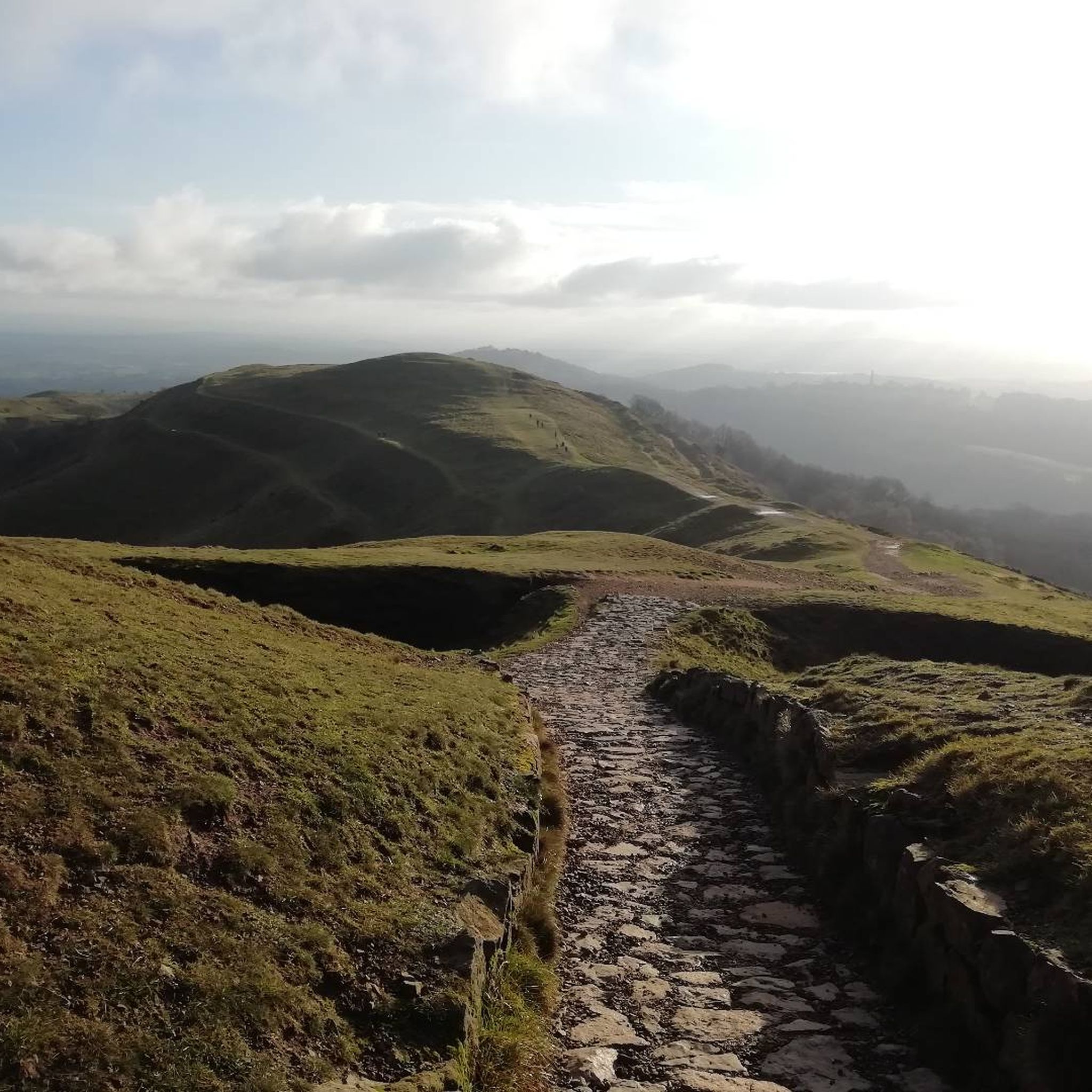
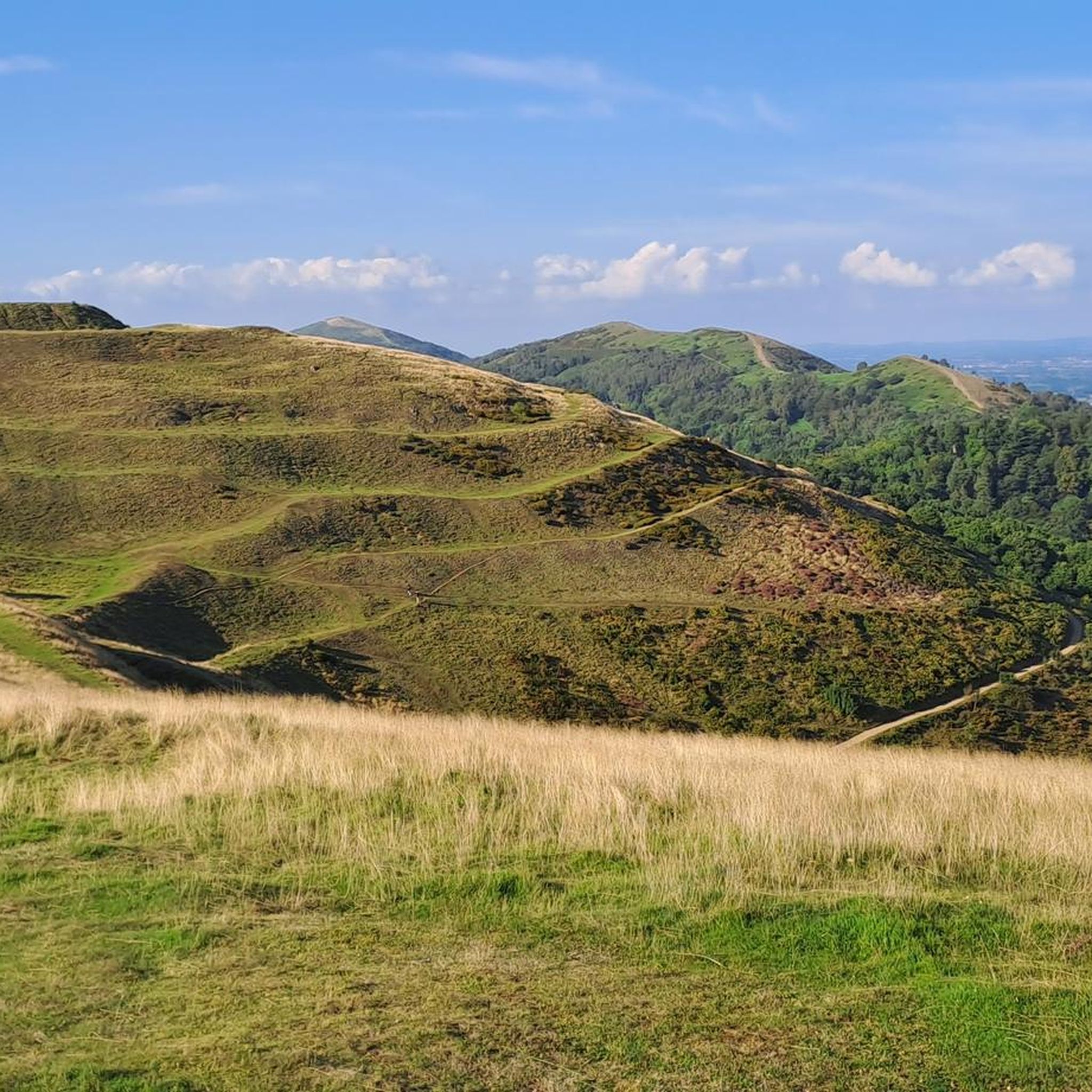
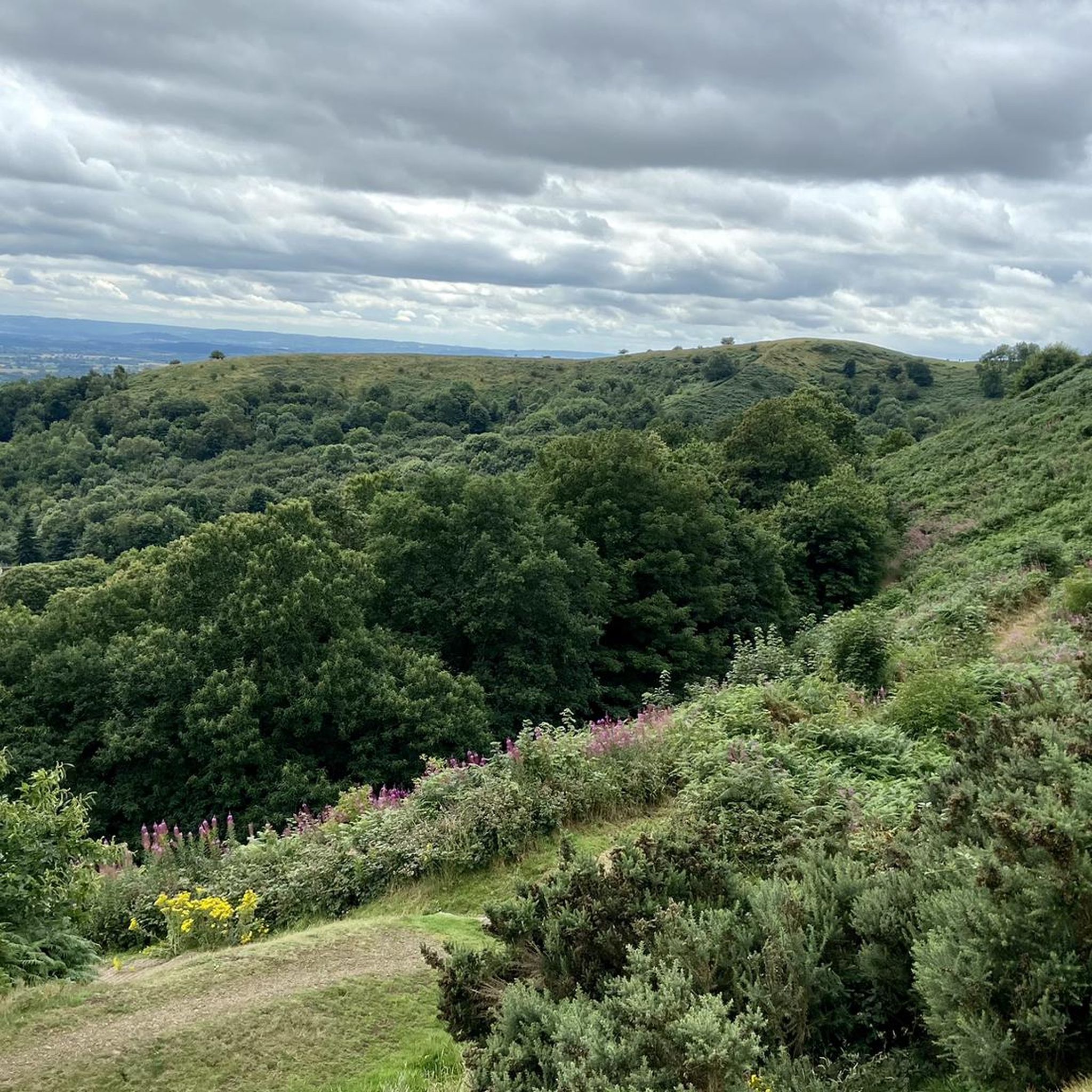
Summer Hill is a bit of a bump in between the Beacon and the Wyche Cutting, however it's steep southern aspect does afford some of the best views along the Malvern Hills ridge, particularly when there is an Inversion happening.
0
0


The hill lies to the south of the Worcestershire Beacon, which is Worcestershire's (and the Malvern Hills') highest hill, and Summer Hill's summit, though often overlooked given the grandeur of its neighbour, is a most respectable 1,253 feet above sea level. Source: Wikishire
0
0


Frequently Asked Questions
What are the best lakes for walking and scenic views around Little Malvern?
For scenic walks and beautiful views, consider the area around British Camp Reservoir, which offers panoramic vistas of the reservoir and the Malvern Hills. Summer Hill is another excellent spot, known for its nice views and as a great picnic location at an old quarry site.
Are there any lakes with historical or geological significance in the area?
Yes, several lakes have significant history and geology. Earnslaw Pool is a former quarry worked since 1836 and is now a Site of Special Scientific Interest, featuring exposed Precambrian rock. Gullet Quarry also showcases a cross-section of Precambrian rock formations, including various rock types like diorite and granite. British Camp Reservoir, while man-made, is historically significant, constructed in the late 19th century and overlooked by an Iron Age hillfort.
What outdoor activities can I do near the lakes around Little Malvern?
The area offers a variety of outdoor activities. You can find numerous running trails, including moderate and difficult loops, by exploring Running Trails around Little Malvern. For cyclists, there are routes ranging from easy to difficult, detailed in Cycling around Little Malvern. Hikers can discover easy walks and more challenging routes, such as those listed in Easy hikes around Little Malvern.
Are there any family-friendly lakes or nature reserves suitable for children?
The Charlie Ballard Nature Reserve features a small pond and serves as a valuable field study area for local schools, making it ideal for quiet observation and appreciating local flora and fauna with children. Croome's Serpentine Lake, within the National Trust property of Croome, offers expansive parkland and miles of paths for leisurely family strolls.
Can I swim in any of the lakes around Little Malvern?
While Gullet Quarry was previously a popular swimming spot, it is no longer allowed due to safety reasons. Public access directly to the quarry lake itself is now fenced off. There are no designated wild swimming spots mentioned for the other lakes in the immediate vicinity.
What kind of wildlife can I expect to see near the lakes?
The lakes and surrounding areas are rich in wildlife. At British Camp Reservoir, you might spot deer and various bird species. Earnslaw Pool is a secluded haven for wildlife, including fish. Clifton Quarry, with its disused and flooded gravel pits, is a haven for ducks, waders, and geese. Croome's Serpentine Lake is home to swans and buzzards.
Are there accessible walking routes around the lakes?
Yes, Earnslaw Pool offers accessible walking routes, and its car park is noted for being a gentle incline. All-terrain mobility scooters are also available for hire nearby, enhancing accessibility for visitors.
What is the best time to visit the lakes for clear views and walks?
For clearer views, especially at sites like Gullet Quarry, visiting in winter is recommended due to minimal foliage. Generally, spring and autumn offer pleasant temperatures for walking, while summer provides longer daylight hours for exploration.
Where can I find more information about the geological features of the quarries?
For detailed geological information, particularly regarding the Precambrian rock formations at Gullet Quarry, you can refer to resources from the Earth Heritage Trust. Specific details about the main quarry can be found at earthheritagetrust.org, and for Earnslaw Quarry, visit earthheritagetrust.org.
Are the lakes around Little Malvern dog-friendly?
Many walking routes in the Malvern Hills area, including those around the lakes, are generally dog-friendly. However, it's always advisable to keep dogs on leads, especially near wildlife, livestock, or in nature reserves like Charlie Ballard Nature Reserve, to protect the local environment and ensure safety.
What makes Croome's Serpentine Lake unique?
Croome's Serpentine Lake, located within the National Trust property of Croome, is unique for its design by the renowned landscape architect Capability Brown. It was created to echo the course of the nearby River Severn and features two small islands, a Chinese bridge, and a grotto, making it a central feature of the 700-acre historically significant parkland.
Most popular routes around Little Malvern
Most popular attractions around Little Malvern

Get inspired with the komoot mobile app


Explore more
Still not found your perfect lake around Little Malvern? Check out the guides of these regions to see even more beautiful places.
