Attractions and Places To See in the Mali i Gjerë Mountains - Top 17
Best attractions and places to see in the Mali i Gjerë Mountains are found in southern Albania, situated between the municipalities of Sarandë and Gjirokastër. This region features a diverse landscape, including rugged mountains and historical sites. It is known for its natural beauty and proximity to the UNESCO World Heritage city of Gjirokastër. The area offers a range of points of interest for visitors exploring its terrain and cultural heritage.
Best attractions and places to see in the Mali i Gjerë Mountains
- The most popular attraction is Gjirokastër Castle, a castle that is 500 meters long and up to 90 meters wide, situated on a narrow ridge. This fortified complex features a 19th-century city clock tower and once housed a prison.
- Another must-see spot is Ali Pasha Bridge, a historical site that is a former aqueduct. This structure represents a significant historical engineering feat in the region.
- Visitors also love Qafa e Pazarit (Old Bazaar Quarter, Gjirokastër), a historical site and the old bazaar district of Gjirokastër. This area contains authentic shops and showcases the city's historical architecture.
- Mali i Gjerë Mountains is known for its castles, historical sites, and viewpoints. The region offers a variety of attractions to see and explore, from ancient structures to natural vistas.
- The attractions in the Mali i Gjerë Mountains are appreciated by the komoot community, with 147 upvotes and 245 photos documenting the various highlights.
Last updated: July 20, 2026
Gjirokastër Castle
Highlight • Castle
Casemates with exhibits from the Weapons Museum
The complex can be roughly divided into four sections. The western quarter is quite narrow with vaults built after 1811 and a narrow garden with a Bektashi turbe containing the tombs of two Babas from the 16th and 17th centuries. The next third contains the central buildings with the main entrance and the former prison. The next third contains wide open spaces now used as a festival stage – and auditorium – with large cisterns beneath. To the far east of the castle is a bastion and another gateway, above which is the 19th-century city clock tower.
The castle has seven towers. It used to be possible to walk through vaults along the entire length of the castle. A third gate was on the south side, opposite the main entrance.
Translated by Google •
Tip by

Gjirokastër Old Town
Highlight • Historical Site
The old houses of wealthy merchants are particularly impressive.
Translated by Google •
Tip by

Sign up now to discover places like this
Get recommendations on the best single tracks, peaks, & plenty of other exciting outdoor places.
Sign up for free
Zekate House
Highlight • Historical Site
Tower-like buildings of this type are called kulla. However, their defensive character serves more as a decoration.[1] The lower part of the house is built of stone, on which a wooden structure was built. The lower part is divided into two towers - these two wings are connected by arches in the main facade. The house consists of four floors. Below are the former storage rooms and a cistern, above a first reception room, further storage rooms and the kitchen. On the second floor there are two living rooms that lead off the reception room on this floor and have a bathroom and toilet. On the upper floor there is the large reception room and two smaller rooms, which, unlike the heated rooms on the lower floor, were mainly used in summer. The central room where the staircase ends has a balcony. The large reception room was mainly used for important celebrations and was probably designed by Petro Korçari.
Translated by Google •
Tip by
Qafa e Pazarit (Old Bazaar Quarter, Gjirokastër)
Highlight • Historical Site
Translated by Google •
Tip by
Gjirokastra
Highlight • Settlement
Translated by Google •
Tip by

Gjirokastër Castle Clock Tower
Highlight • Castle
Translated by Google •
Tip by
Artillery and Weapons Exhibition, Gjirokastër Castle
Highlight • Castle
Translated by Google •
Tip by

Lockheed T-33 Wreck at Gjirokastër Castle
Highlight • Monument
Translated by Google •
Tip by
Ali Pasha Bridge
Highlight • Bridge
Translated by Google •
Tip by

Bazaar Mosque
Highlight • Religious Site
Translated by Google •
Tip by
Sign up for free to discover even more attractions in the Mali i Gjerë Mountains.
Sign up for free
Already have an account?
Start today with a free account
Your next adventure awaits.
Login or Signup
Popular around Mali i Gjerë Mountains
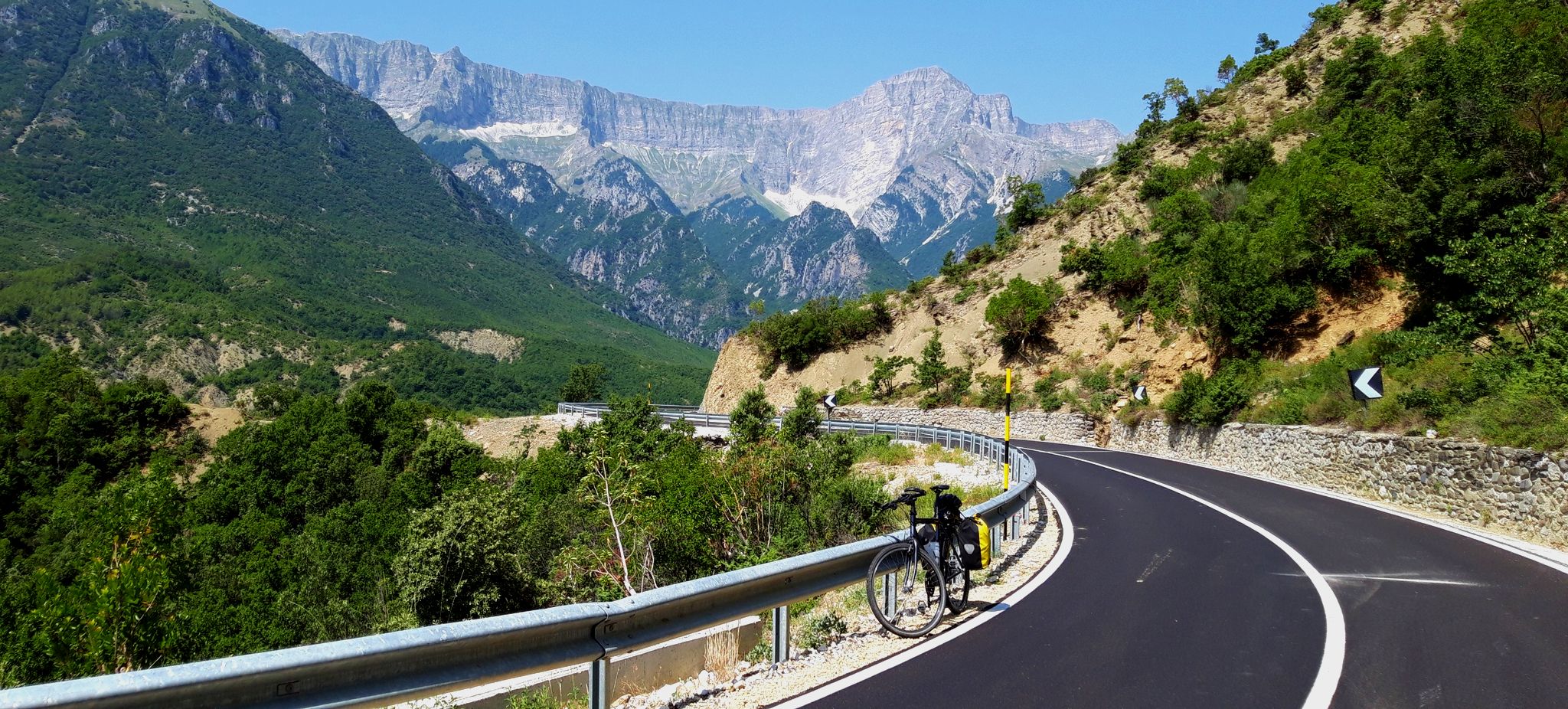
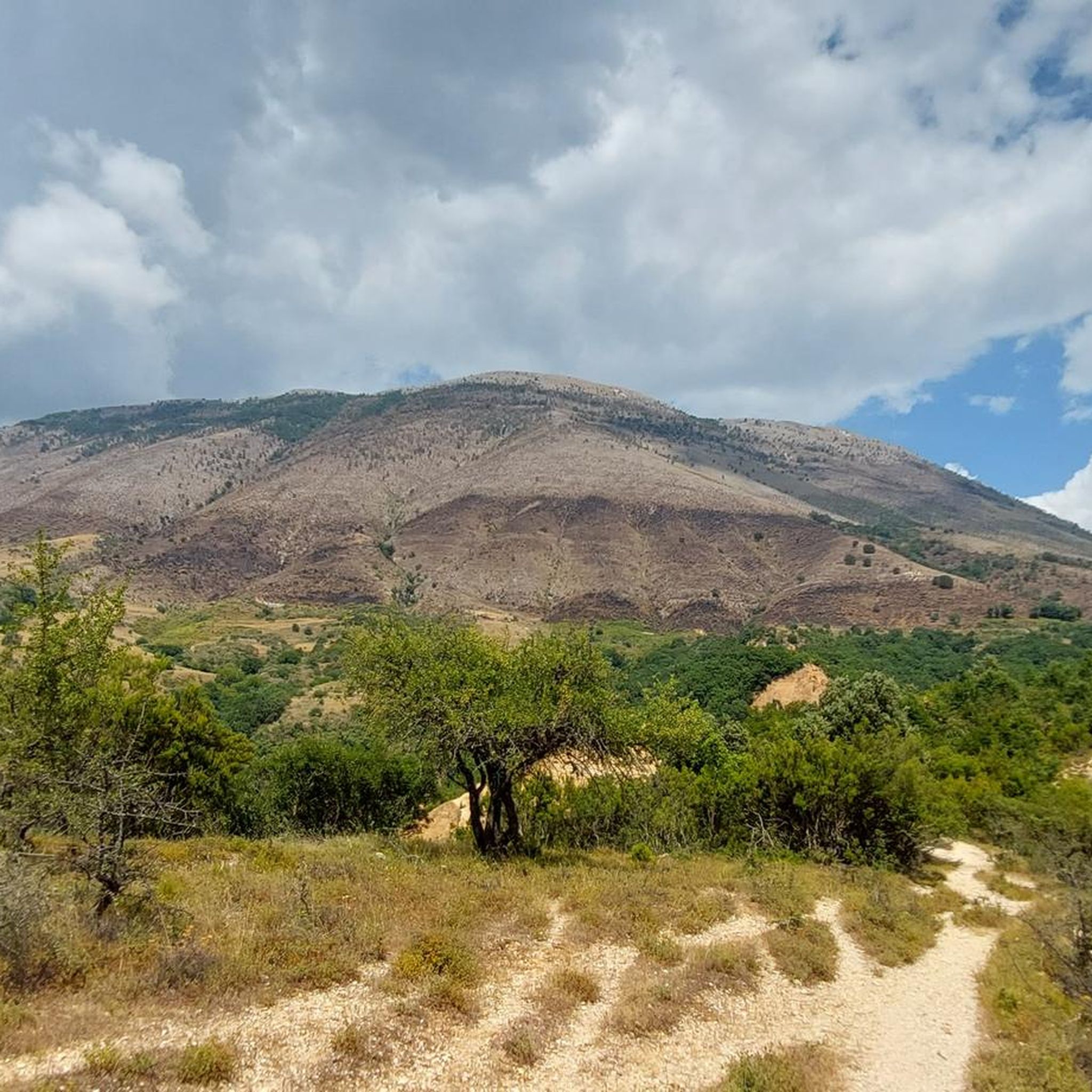
Other adventures in the Mali i Gjerë Mountains

Tips from the Community

Street dogs and cats in the city are very friendly!
0
0

delicious snacks and coffee in a traditional bar
0
0

Please keep the area clean 👍🏻
0
0
Please keep the area clean 👍🏻
0
0
Please keep the area clean 👍🏻
0
0
Frequently Asked Questions
What historical sites can I explore in the Mali i Gjerë Mountains?
The region is rich in history. You can visit the impressive Gjirokastër Castle, an expansive fortified complex with a 19th-century clock tower and former prison. Another notable site is the Zekate House, a prime example of Ottoman architecture in Gjirokastër. Don't miss the Ali Pasha Bridge, a historical aqueduct that showcases significant engineering from the past.
Are there any natural attractions to discover in the Mali i Gjerë Mountains?
Yes, the Mali i Gjerë Mountains offer several natural wonders. The most famous is the Blue Eye (Syri i Kaltër), a well-known karst spring with a scenic environment. The southwestern and northeastern foothills also feature other karst springs like Bistrica, Vërgoi, and Viroi. The region is characterized by lush green forests, panoramic mountain vistas, and diverse wildlife, making it ideal for nature lovers.
What outdoor activities can I do near these attractions?
The Mali i Gjerë Mountains are excellent for outdoor enthusiasts. You can find numerous hiking and trekking trails suitable for various fitness levels. For example, there are moderate hiking routes like the Ali Pasha Bridge – Gjirokastër Castle loop from Gjirokastra. Road cycling is also popular, with routes such as the "Blue Eye" loop from Natural Monument The Blue Eye. You can explore more options on the Hiking in the Mali i Gjerë Mountains and Road Cycling Routes in the Mali i Gjerë Mountains guide pages.
Are there family-friendly places to visit in the Mali i Gjerë Mountains?
Absolutely. The UNESCO World Heritage city of Gjirokastra itself is considered family-friendly, offering a rich cultural experience. The Qafa e Pazarit (Old Bazaar Quarter) in Gjirokastër is also a great spot for families to explore authentic shops and historical architecture. Additionally, the Lockheed T-33 Wreck at Gjirokastër Castle is an intriguing historical monument that can capture the interest of younger visitors.
Where can I find the best panoramic views in the region?
For breathtaking panoramic views, consider hiking to the Maja e Çepos Summit in the Mali i Gjerë Foothills, which offers unparalleled vistas of the surrounding mountains and valleys. The Gjirokastër Castle also provides magnificent views of the entire city and the Drino valley from its elevated position. The Muzina Pass is another viewpoint offering scenic landscapes.
What is Gjirokastër City known for?
Gjirokastër, often called the "City of Stone," is a UNESCO World Heritage site renowned for its unique Ottoman-era architecture. It features distinctive stone houses, cobbled streets, and a rich history. The city is built on the slopes of the Mali i Gjerë Mountains and is home to the impressive Gjirokastër Castle and the historic Qafa e Pazarit (Old Bazaar Quarter).
What kind of wildlife can I expect to see in the Mali i Gjerë Mountains?
The Mali i Gjerë Mountains are home to diverse wildlife, making it an excellent spot for nature watching. You might encounter various birds, deer, and wild boar. There are even reports of bears in the more remote areas. The lush forests are also rich in wildflowers and medicinal plants like tea, orchid, hawthorn, yarrow, and oregano.
What local cuisine should I try when visiting the Mali i Gjerë Mountains?
When in the Mali i Gjerë Mountains region, you should definitely sample traditional Albanian dishes. Popular choices include *pula me patate* (roast chicken with potatoes), *burek* (a savory flaky pastry), and *tave kosi* (baked lamb with yogurt sauce). Many local restaurants in Gjirokastër and surrounding areas offer these authentic flavors.
What is the highest point in the Mali i Gjerë massif?
The highest point within the Mali i Gjerë massif is Maja e Frashërit, reaching an elevation of 1,789 meters (5,869 ft). Other notable peaks in the range include Maja e Kikshajt (1,782 m), Maja e Nikollasit (1,584 m), and Maja e Pilloit (1,592 m).
Can I visit a historical bazaar in the area?
Yes, the Qafa e Pazarit (Old Bazaar Quarter) in Gjirokastër is an authentic and historical district. It's known for its unique architecture, with buildings rebuilt after a 19th-century fire, and offers numerous shops to explore. The Bazaar Mosque, originally constructed in 1757, is also located in this district.
Are there any unique exhibitions or museums in the Gjirokastër Castle?
Yes, the Gjirokastër Castle houses an Artillery and Weapons Exhibition within its casemates. This exhibition displays various militaria. Additionally, a unique attraction is the Lockheed T-33 Wreck, an old US Air Force jet with an intriguing history, also located within the castle grounds.
What is the best time to visit the Mali i Gjerë Mountains for hiking?
The Mali i Gjerë Mountains are generally best visited for hiking during the spring (April to June) and autumn (September to October) months. During these periods, the weather is typically mild, and the landscapes are vibrant with wildflowers or autumn colors, making for pleasant trekking conditions. Summers can be hot, especially at lower elevations, while winters bring colder temperatures and potential snow on higher peaks.
Most popular attractions in the Mali i Gjerë Mountains

Get inspired with the komoot mobile app


Explore more
Still not found the Highlight you’re looking for? See guides of the top attractions in other regions:
