Top 8 Lakes around Astley
Best lakes around Astley are primarily "flashes," unique wetland areas formed by land subsidence from coal mining, now significant nature reserves. These areas, located within Greater Manchester, offer rich biodiversity and recreational opportunities. The region is characterized by its rewilded industrial landscape, providing diverse habitats for wildlife and extensive trail networks.
Best lakes around Astley
- The most popular lakes is Shustoke Reservoir, a lake that was completed in 1884 to provide water for Birmingham and now supplies Nuneaton and…
Last updated: June 1, 2026
Shustoke Reservoir
Highlight • Lake
Tip by

Lea Marston Lakes
Highlight • Natural
Tip by

Sign up now to discover places like this
Get recommendations on the best single tracks, peaks, & plenty of other exciting outdoor places.
Sign up for free
UFO Installation at Heart of England Park
Highlight • Lake
Tip by

Birch Coppice Nature Reserve
Highlight • Natural
Tip by

Stoke Fields Lake
Highlight • River
Tip by

Sign up for free to discover even more lakes around Astley.
Sign up for free
Already have an account?
Start today with a free account
Your next adventure awaits.
Login or Signup
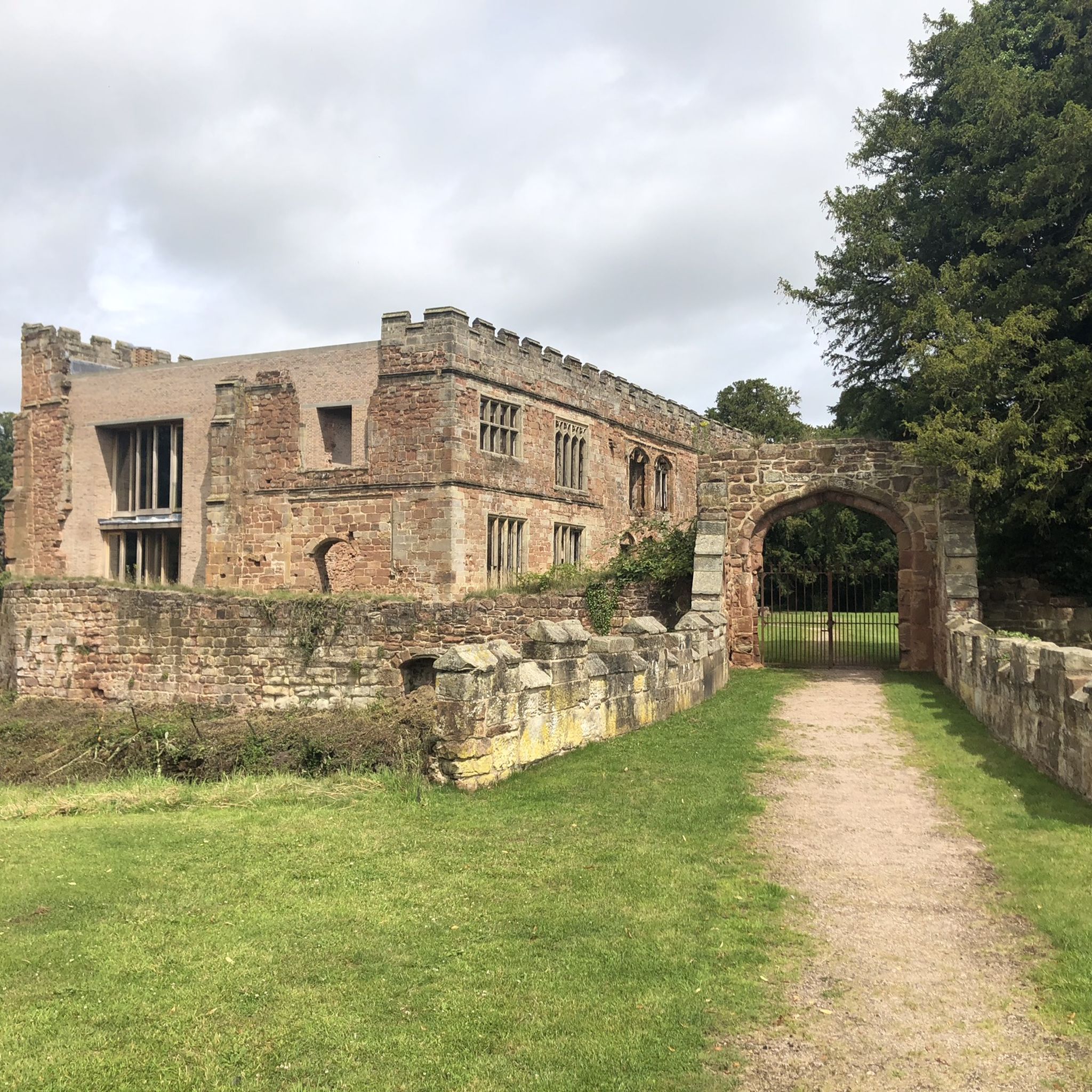
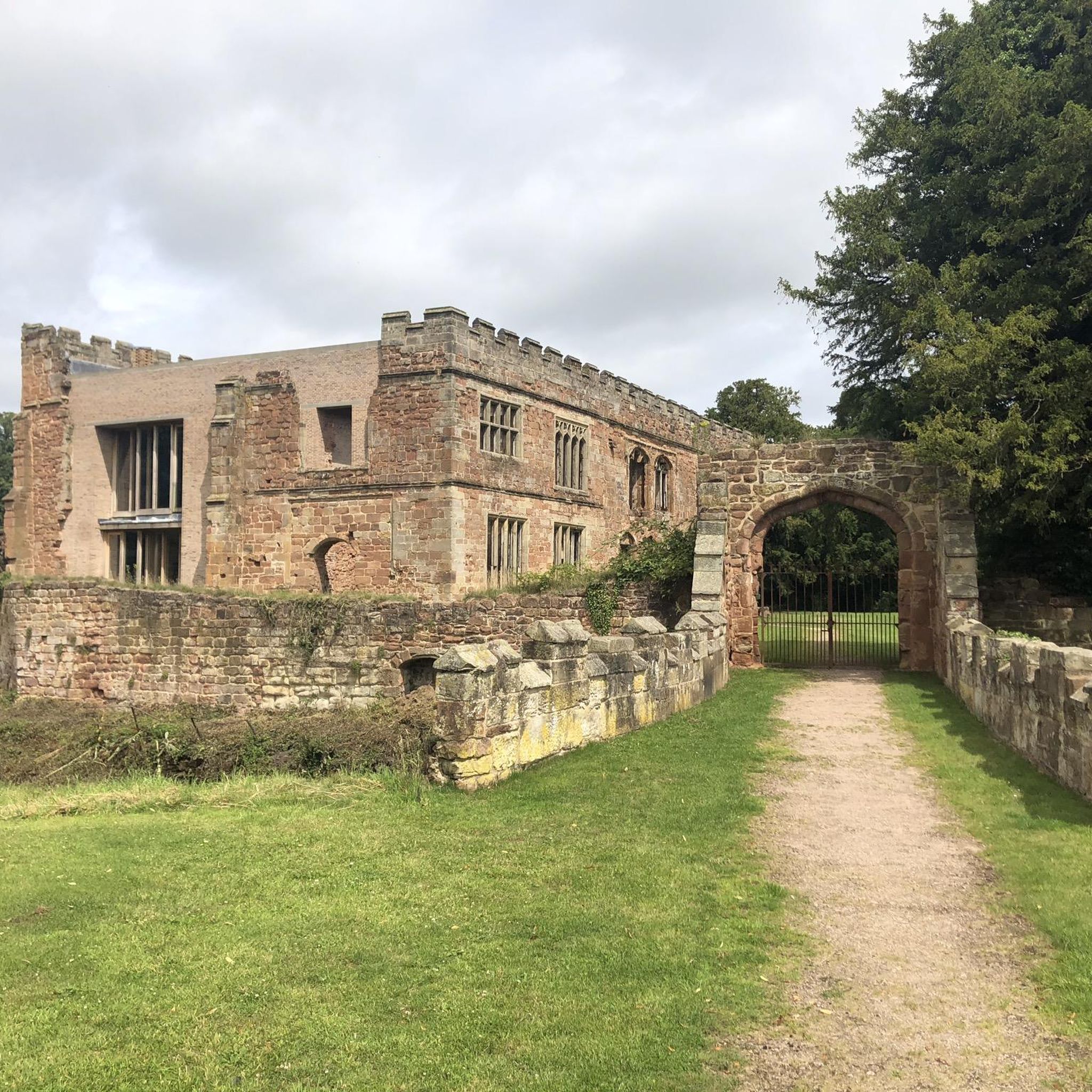
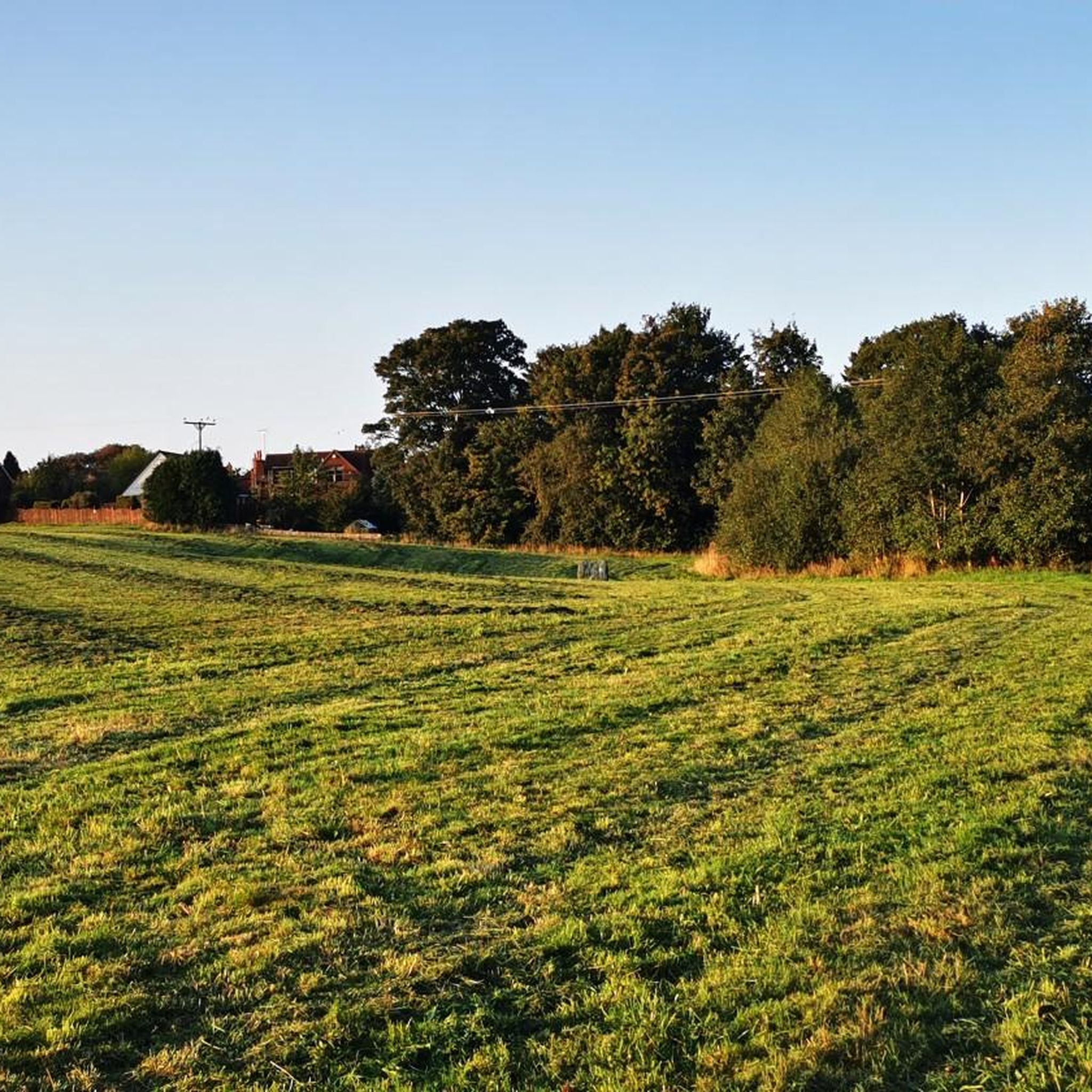
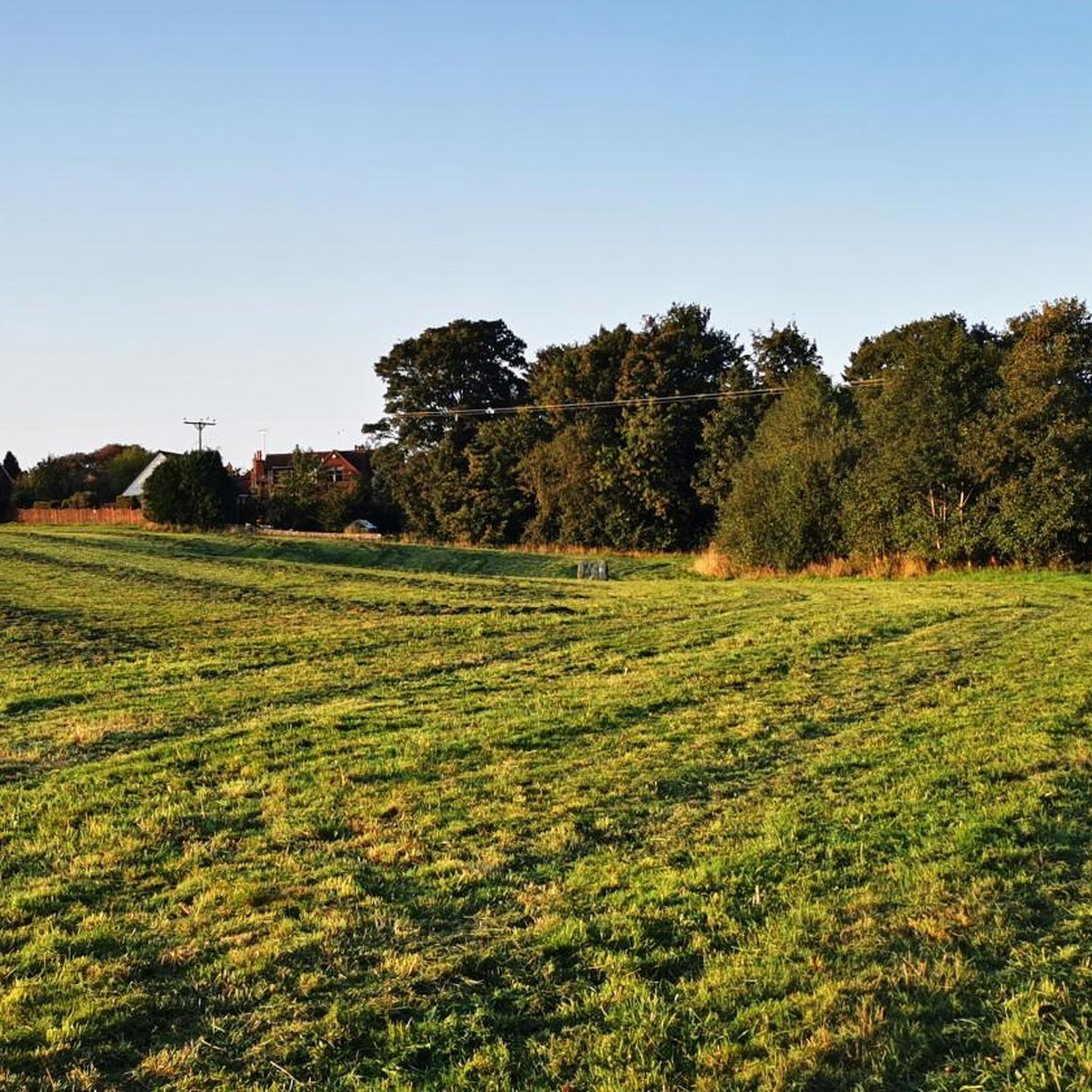

Tips from the Community

Lea Marston is a trio of purification lakes, originally formed by the Environment Agency through the reclamation of former gravel extraction sites. Established in 1980, these lakes played a vital role in cleansing pollutants from the River Tame. While no longer serving their initial purpose, these lakes hold regional importance as sanctuaries for wintering wildfowl populations. Visitors can explore the area, enjoying birdwatching from a designated bird hide and leisurely walks encircling the lakes.
1
0

Great little park in Corley Moor in Coventry that features plenty of green open space, a lake, seating areas, and a mysterious installation of a UFO.
1
1

Shustoke Reservoir is managed by Severn Trent. The reservoir was completed in 1884 to provide water for Birmingham. Nowerdays the reservoir supplies Nuneaton and the surrounding area.
1
0

The history of Shustoke Why were the reservoirs created here? In 1870 the Industrial Revolution was in full swing, as was the birthrate and the need for clean water was becoming more pressing. The Birmingham Water Works Company therefore applied to Parliament for permission for water to be taken from the Rivers Bourne and Blythe, whose gathering grounds in rural areas to the East of Birmingham were declared to be away from pollution, and to impound the water from the Bourne in a reservoir which was built at Shustoke. A pumping station, filter beds and another small reservoir was also constructed at Whitacre. What was here before? Before the reservoir was built, the land was occupied by Whitacre Lodge which was part of the Hams Estate. This was sold by Lord Norton in 1879, for the building of Shustoke Reservoir. How long did it take to build the Reservoirs? The time-scale granted for this work was 10 years and although most of the work at Whitacre was completed in the time scheduled, an extension of five years was applied for in 1879 as the reservoir at Shustoke had hardly been started; the eventual completion was around 1884. What is the Reservoirs role in the water supply network? When the reservoirs were built they were to supply water to the nearby Whitacre Treatment Works, which was to provide 28 million litres of water daily to Birmingham. As the city grew this soon became inadequate and with the completion of the Elan Valley scheme in 1904 Whitacre was relegated to standby duty. In 1908 Whitacre was recommissioned to supply water to Coventry to supplement the local borehole supplies. In the 1050’s Whitacre also started to supply Nuneaton and now about 10% of the water from Shustoke supplies Coventry with the rest going to Nuneaton and the surrounding districts of Bedworth and Atherstone. Where does the water come from? The water is gravity fed by the nearby River Bourne which runs along the north of the two reservoirs. How deep and big are the reservoirs? The reservoirs consist of a settling pool of 7.8 acres and a storage reservoir of 92 acres. Combined they have a capacity of around 460,000,000 gallons.
0
0
Lea Marston is a series of three purification lakes created by the Environment Agency (EA) from former gravel extraction pits. They were opened in 1980 and helped remove pollutants from the River Tame. As the River Tame flows in to and through the wide, shallow lakes, the water flow slows, allowing pollutants to settle. These could then be removed by dredging. At it’s height, the dredging was a constant operation, removing around 15,000 tonnes of contaminated sludge per year. Following creation of the lakes, the water quality of the River Tame downstream began to improve rapidly. Improvements in water treatment at Minworth Sewage Works, and the widespread decline in heavy industry in Birmingham, mean the lakes are no longer required for water purification. The EA is currently considering their longterm future, for people and wildlife. There is a similar lake purification system on the River Rhur in Germany. The lakes are of regional significance for winter wildfowl populations. There is a bird hide and walks around the lakes.
0
0

An amazing place of hidden secrets, paths, tracks and streams and lakes. Lots of birds including buzzards, there's roe deer, munt Jack deer, badgers, foxes, squirrels, an abundance of Dragon flies. Lake walks, track walks, field walks, hill walks, road walks. There's also a container port and railway cutting that the wild life love Parking by the allotments.
2
0

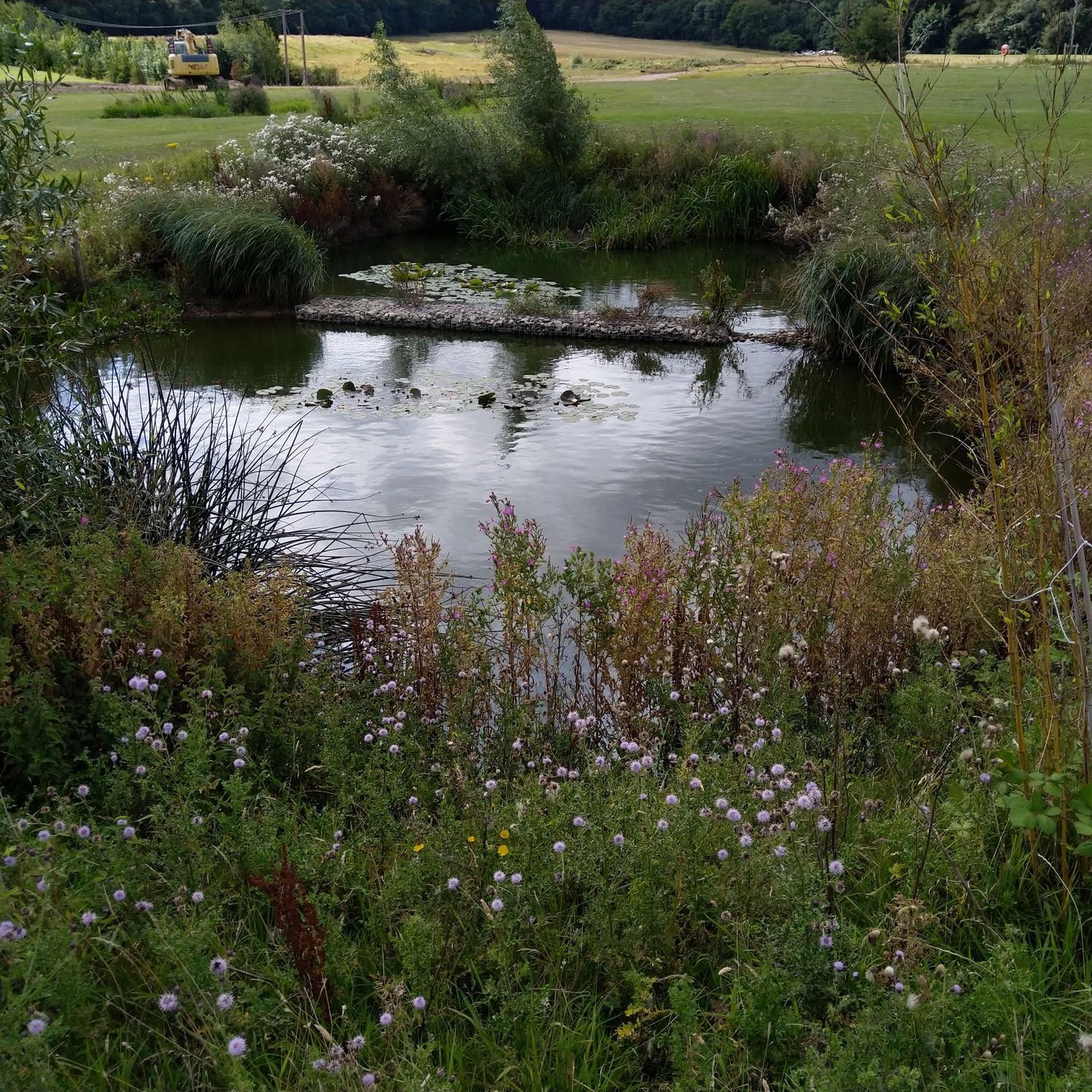
This area of the River Sowe is a natural wildlife habitat, it's interesting to walk around slowly and just look at the grasses and wild flowers which are abundant in the wet land along the river and around the lake
0
0

Seems to be the only industrial estate that contains a nature reserve.
4
0
Frequently Asked Questions
What are the main types of lakes found around Astley?
The water bodies around Astley are primarily unique wetland areas known as "flashes." These are a legacy of the region's coal mining past, formed by land subsidence that then filled with water. They have since transformed into important nature reserves, offering rich biodiversity and recreational opportunities. You'll also find man-made reservoirs and purification lakes.
Are there any significant nature reserves with lakes near Astley?
Yes, the region is home to several significant nature reserves. The most prominent are Pennington Flash Country Park and the broader Wigan Flashes Nature Reserve, both designated as National Nature Reserves. These areas are crucial for wildlife, especially birds, and offer extensive trails.
What kind of wildlife can I expect to see at the lakes around Astley?
The flashes and nature reserves are havens for wildlife. At Pennington Flash and the Wigan Flashes, you can spot over 230 bird species, including endangered willow tits, marsh harriers, and bitterns. Astley Moss is known for its diverse invertebrates, including ten species of dragonfly, and supports various bird species and mammals like water voles. Birch Coppice Nature Reserve also hosts deer, badgers, and an abundance of dragonflies.
Are there family-friendly lakes or parks with lakes in the Astley area?
Absolutely. Many of the lakes and parks are family-friendly. Shustoke Reservoir, Lea Marston Lakes, Birch Coppice Nature Reserve, and Stoke Fields Lake are all categorized as family-friendly. Pennington Flash Country Park specifically offers a children's play area and picnic spots, alongside easy walking paths.
What outdoor activities can I do near the lakes around Astley?
The area offers a variety of outdoor activities. You can enjoy walking, cycling, and horse riding on the extensive network of footpaths, cycleways, and bridle paths, particularly at Pennington Flash. Birdwatching is popular from the numerous bird hides. Water sports like sailing and windsurfing are available at Leigh and Lowton Sailing Club on Pennington Flash, and at Scotmans Flash within the Wigan Flashes network. For more active pursuits, you can explore various MTB trails, gravel biking routes, and running trails in the wider Astley area.
Are there good walking routes around the lakes near Astley?
Yes, there are many excellent walking routes. Pennington Flash Country Park has an impressive network of footpaths, suitable for various abilities, including wheelchair users. The broader Wigan Flashes Nature Reserve offers 10 km of paths for enjoying the countryside. You can also find pleasant walks around Lea Marston Lakes and Birch Coppice Nature Reserve.
What is the historical significance of the lakes in Astley?
The "flashes" are a direct result of the region's industrial past, specifically coal mining. Land subsidence from mining created depressions that filled with water, forming these unique wetland ecosystems. For example, Shustoke Reservoir was completed in 1884 to supply water to Birmingham, reflecting the growing needs of the Industrial Revolution. Lea Marston Lakes were originally purification lakes, created to cleanse pollutants from the River Tame, highlighting past environmental efforts.
Can I go birdwatching at the lakes around Astley?
Birdwatching is a major attraction. Pennington Flash is particularly renowned, with over 230 recorded bird species and eight bird hides for optimal viewing. The Wigan Flashes also provide critical habitat for numerous species, including wintering bitterns. Lea Marston Lakes also has a designated bird hide.
Are there any lakes with unique features or attractions?
Yes, beyond their natural beauty, some lakes offer unique points of interest. The UFO Installation at Heart of England Park features a mysterious art installation alongside its lake. Birch Coppice Nature Reserve is notable for being a nature reserve with a lake situated within an industrial estate, showcasing a successful integration of nature and industry.
What facilities are available at the larger lake parks?
Pennington Flash Country Park is well-equipped with a visitor centre, a café, a children's play area, picnic spots, and even a nine-hole municipal golf course. It also has extensive footpaths and cycleways, making it accessible for many visitors.
What is the best time of year to visit the lakes around Astley?
The lakes offer different experiences throughout the year. Spring and summer are ideal for enjoying the lush greenery, wildflowers, and active wildlife, including dragonflies and butterflies. Autumn brings beautiful foliage, while winter is excellent for birdwatching, especially for spotting wintering wildfowl and bitterns at sites like Pennington Flash and Wigan Flashes.
Are the lakes around Astley accessible by public transport?
While specific public transport routes vary, major sites like Pennington Flash are generally accessible via local bus services from nearby towns like Leigh and Lowton. It's advisable to check local transport schedules for the most up-to-date information when planning your visit.
Most popular attractions around Astley

Get inspired with the komoot mobile app


Explore more
Still not found your perfect lake around Astley? Check out the guides of these regions to see even more beautiful places.
