Top 6 Castles around Cocking
Best castles around Cocking are found within the South Downs National Park, a region characterized by its rolling hills and historical significance. The area, though not home to prominent castles directly within the village, offers access to several notable historical sites nearby. These include significant Tudor ruins and medieval fortifications, providing insight into centuries of English heritage. The landscape around Cocking features a mix of natural beauty and historical landmarks.
Best castles around Cocking
- The most popular castles is Cowdray…
Last updated: October 1, 2026
Midhurst Town Centre
Highlight • Monument
Tip by

Cowdray Heritage Ruins
Highlight • Historical Site
Tip by

Sign up now to discover places like this
Get recommendations on the best single tracks, peaks, & plenty of other exciting outdoor places.
Petworth House and Park
Highlight • Natural
Whilst …
Tip by

Folly Tower, South Downs National Park
Highlight • Historical Site
Tip by

Uppark House and Garden
Highlight • Monument
Tip by

Sign up for free to discover even more castles around Cocking.
Already have an account?
Start today with a free account
Your next adventure awaits.
Popular around Cocking
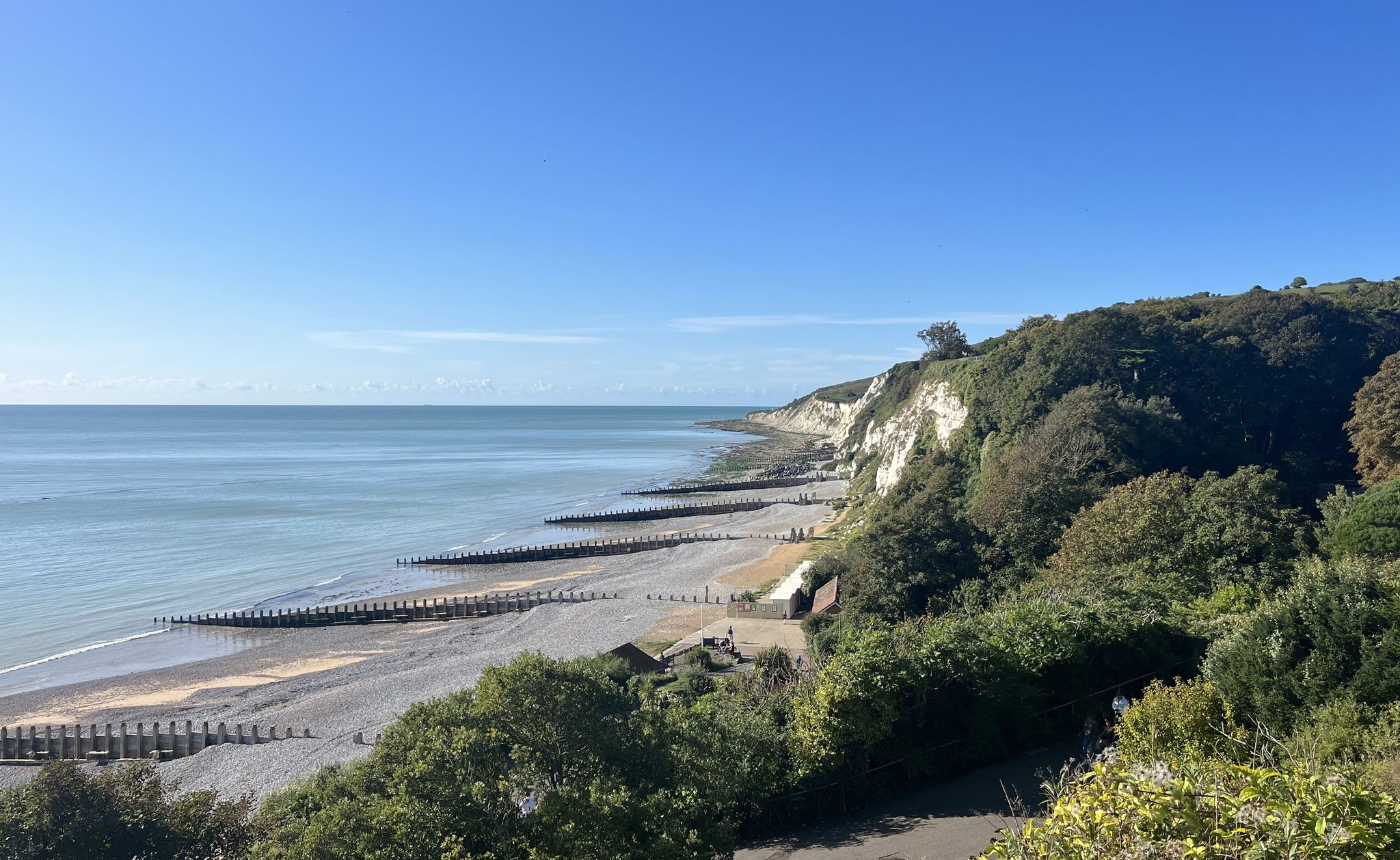
South Downs National Park – A Walk in the Parks
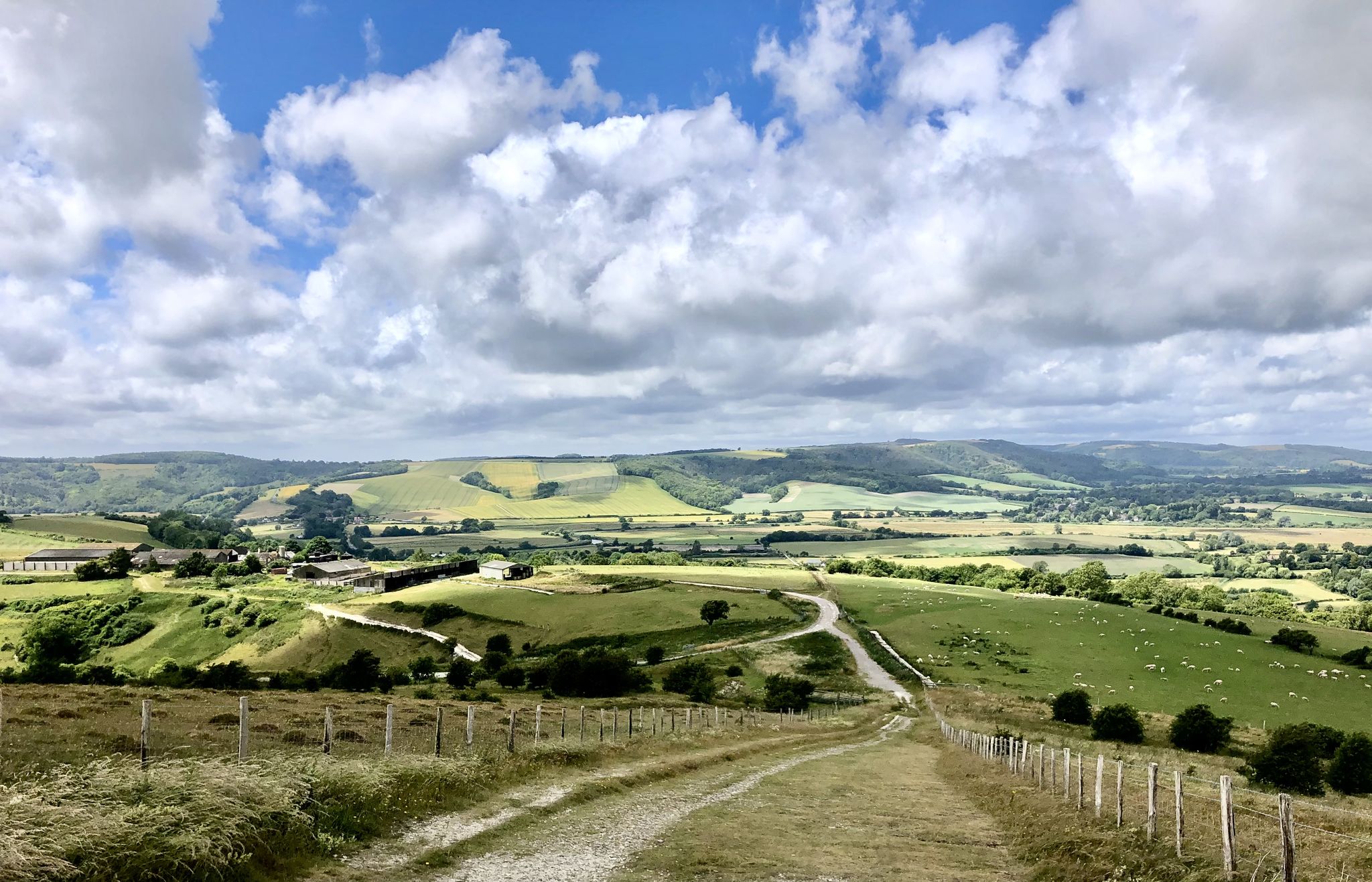
Bikepacking Brighton to Bristol — Ridges, canals and rail paths
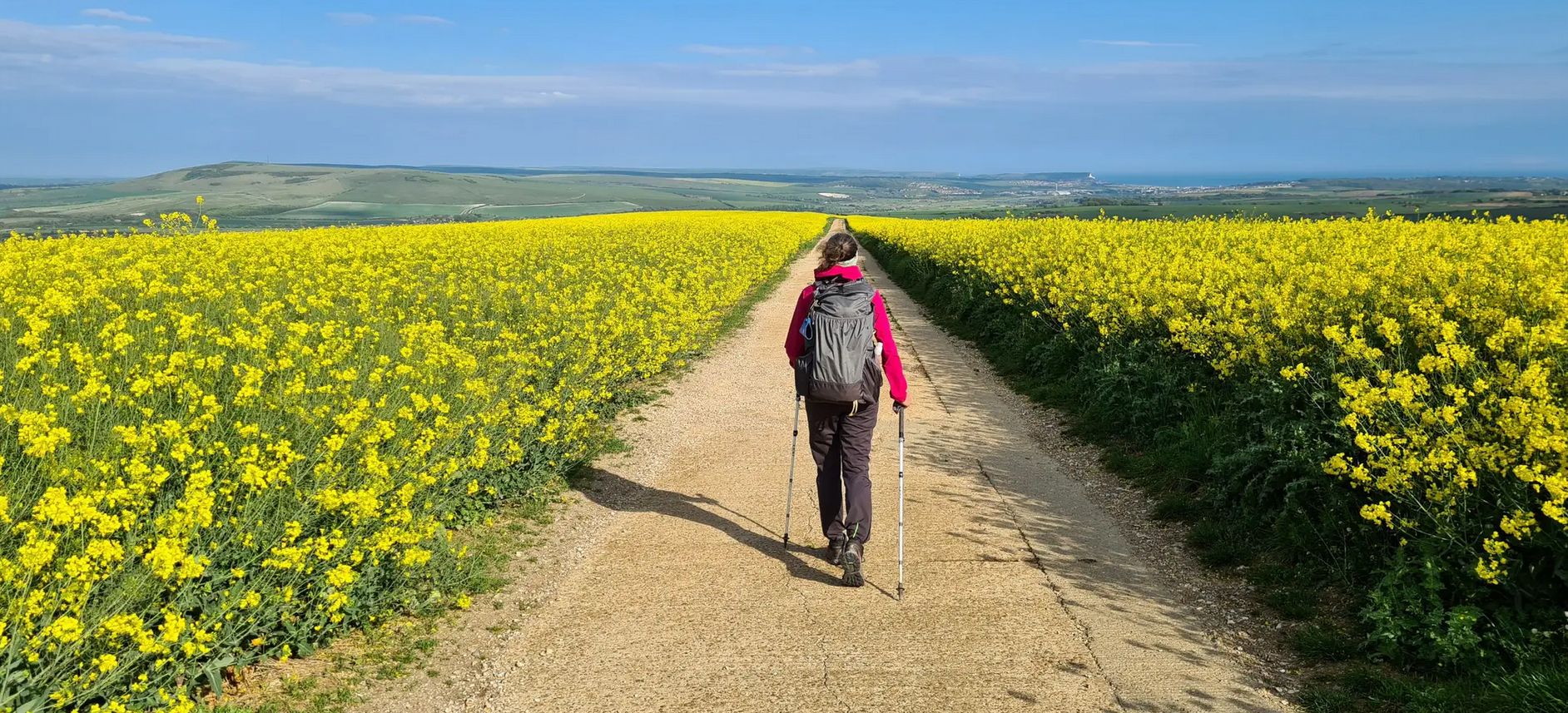
South Downs Way – A captivating hike across Southern England
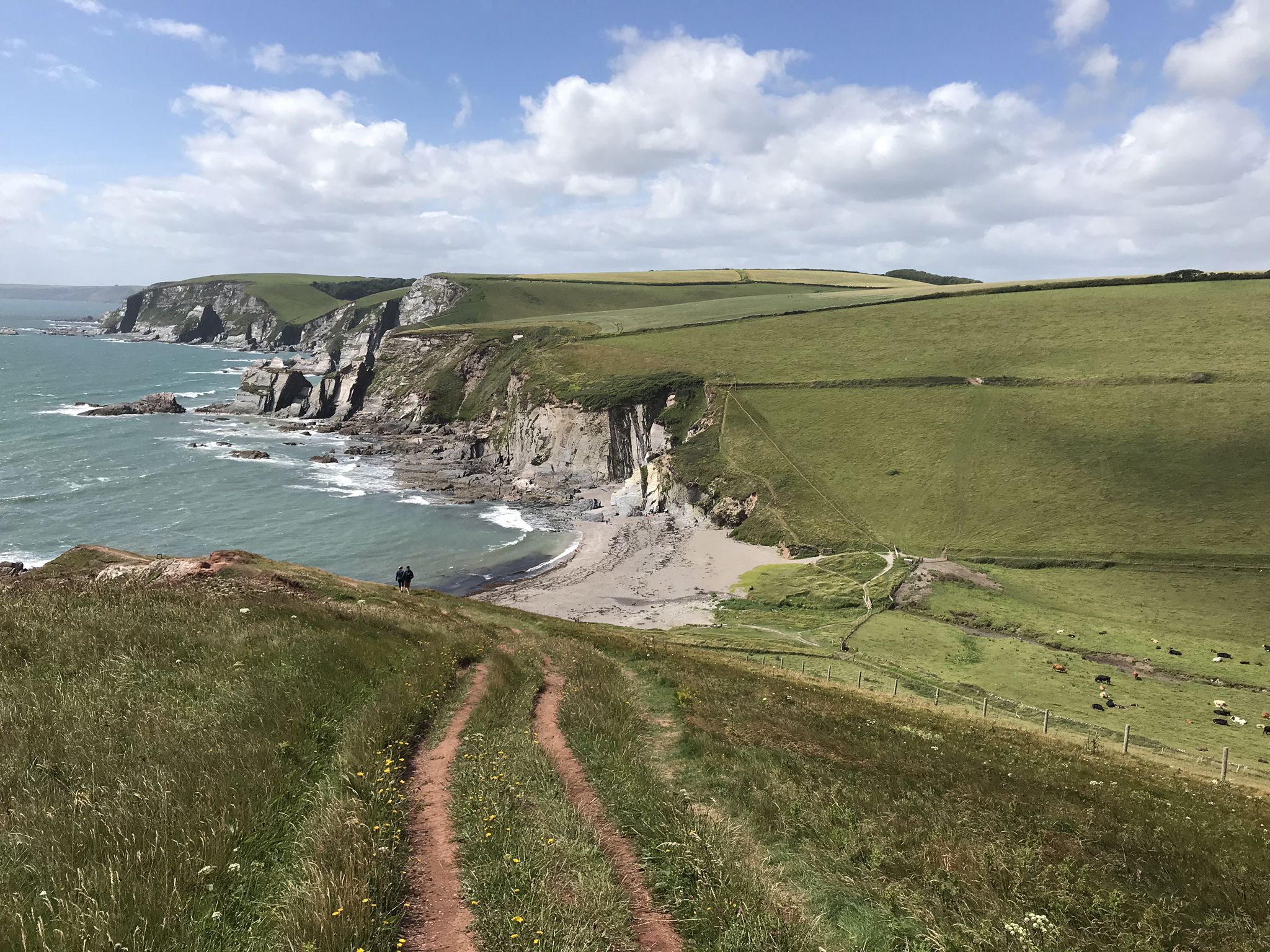
E9 Plymouth to Dover — An epic exploration of England's south coast
South Downs Way — Hike ancient paths and unique landscapes
Running Trails around Cocking
Cycling around Cocking
MTB Trails around Cocking
Gravel biking around Cocking
Hiking around Cocking
Other adventures around Cocking


Tips from the Community

The Cowdray Heritage Ruins are one of England’s most important early Tudor houses and Cowdray is known to have been visited by both King Henry VIII and Queen Elizabeth I. In September 1793, whilst undergoing repairs and refurbishments for the impending marriage of the 8th Viscount Montague, a devastating fire took hold and most of the property was destroyed. The Kitchen Tower is the only part of the mansion to remain intact. https://www.cowdray.co.uk/historic-cowdray/
0
0

Midhurst is a historic market town, parish and civil parish in West Sussex. It lies on the River Rother 20 miles (32 km) inland from the English Channel, and 12 miles (19 km) north of the county town of Chichester. The town has a history that dates back to the Saxon times, and has been the site of a castle, a monastery, a royal residence, and a parliamentary borough. The town is also known for its association with the Cowdray Estate, which includes the ruins of the Tudor Cowdray House and the famous polo club. Midhurst is a charming and picturesque town that offers a wealth of attractions, activities, and amenities for visitors. You can explore the town’s heritage by visiting the parish church of St Mary Magdalene and St Denis, the Norman St Ann’s Castle, the Old Library, and the South Pond. You can also enjoy some retail therapy by browsing the independent shops, galleries, and markets along the town’s streets. You can sample some delicious food and drink at the various pubs, cafes, and restaurants in and around the town.
3
0

In view of the South Downs sits Midhurst, a town rich in architectural history with Tudor, Georgian and Victorian buildings all through the streets. You might also notice the yellow painted wnidow frames on houses in the town and the surrounding area. These properties below to the Cowdray Estate and a visit to the Cowdray Farm Shop and Cafe to the north of the town is well worth it. The town also boasts two ruined castles, Cowdray Castle and a motte and bailey castle on St Ann's Hill. HG Wells attended Midhurst Grammar School and returned to teach there as an adult. 'The Invisible Man' is set in the town. Look out for the blue plaque showing where he worked in a chemists.
2
0

You will find this quaint little castle off the beaten track at the top of the park. It is occupied, so don't stray too close.
1
0

Petworth is a village that plays host to the 17th-century stately home Petworth House and its magnificent deer park. The famous landscape architect Lancelot 'Capability' Brown designed the grounds. Whilst the pleasure gardens and house require advance booking, the 700-acre (283 ha) park does not. Here you can see the largest fallow deer herd in England.
1
0

Uppark House is a magnificent stately home perched high on the South Downs ridge. The Grade I-listed property dates to the 17th century and is surrounded by beautiful gardens. Uppark is in the care of the National Trust. Entry cost £5 for adults, £2.50 for children, £12.50 for families, and £7.50 for a one-adult family. For more information, visit: https://www.nationaltrust.org.uk/uppark-house-and-garden.
2
0
Frequently Asked Questions
What types of castles can I explore near Cocking?
The area around Cocking offers a diverse range of historical fortifications. You can find significant Tudor ruins like the Cowdray Heritage Ruins, ancient motte and bailey castles such as the one on St Ann's Hill near Midhurst Town Centre, and even smaller, quaint structures like the Folly Tower in the South Downs National Park.
Are there any well-preserved castles or stately homes to visit near Cocking?
While the Cowdray Heritage Ruins offer a poignant glimpse into a grand Tudor house largely destroyed by fire, the broader region is home to the magnificent Arundel Castle. Arundel Castle is a restored medieval castle and stately home, providing a comprehensive experience with extensive gardens, impressive State Rooms, and a rich collection of art.
What is the history behind the Cowdray Heritage Ruins?
The Cowdray Heritage Ruins are the remains of one of England’s most important early Tudor houses, known to have been visited by King Henry VIII and Queen Elizabeth I. Tragically, a devastating fire in 1793 destroyed most of the property, leaving only the Kitchen Tower intact. Despite being a ruin, it offers a powerful historical experience and an unexpected peek into Tudor life.
Can I visit the Folly Tower in the South Downs National Park?
The Folly Tower is a quaint historical structure located off the beaten track at the top of the South Downs National Park. It is occupied, so visitors should admire it from a distance and not approach too closely.
Are there family-friendly historical sites near Cocking?
Yes, several sites are suitable for families. The Cowdray Heritage Ruins are listed as family-friendly, offering a fascinating historical experience. Additionally, Uppark House and Garden, a magnificent stately home, is also family-friendly and managed by the National Trust.
What outdoor activities can I do near these castles?
The area around Cocking, including the locations of these historical sites, is excellent for outdoor activities. You can find numerous hiking routes, MTB trails, and gravel biking routes. Many of these trails offer views of the stunning South Downs National Park landscape, often passing by or near historical landmarks.
Are there any hidden gem castles or lesser-known historical sites?
Beyond the prominent ruins, you can explore the Remains of Verdley Castle, which was a 13th-century hunting lodge. Today, only some dressed stones in the undergrowth remain, making it a true archaeological discovery for those who enjoy exploring off the beaten path.
What can I expect when visiting Midhurst Town Centre?
Midhurst Town Centre is a historic market town rich in architectural history, featuring Tudor, Georgian, and Victorian buildings. It boasts the ruins of Cowdray Castle and a motte and bailey castle on St Ann's Hill. The town offers independent shops, galleries, pubs, cafes, and restaurants, making it a charming stop for visitors.
Is Uppark House and Garden worth visiting?
Yes, Uppark House and Garden is a magnificent 17th-century stately home perched high on the South Downs ridge. Managed by the National Trust, it features beautiful gardens and offers a glimpse into historical grandeur.
What is the best time to visit castles and historical sites in this region?
The South Downs National Park, where these castles are located, is beautiful year-round. Spring and summer offer pleasant weather for exploring the ruins and gardens, while autumn provides stunning foliage. Winter visits can be atmospheric, though some facilities might have reduced hours. Always check specific opening times for individual sites before your visit.
Are there any historical sites that are particularly good for viewpoints?
Yes, the Folly Tower in the South Downs National Park is noted as a historical site and a viewpoint, offering scenic vistas of the surrounding landscape.
Most popular routes around Cocking
Most popular attractions around Cocking

Get inspired with the komoot mobile app


Explore more
Looking for the best castles somewhere else? Discover other guides around Cocking:
