Top 20 Caves in the Sistema Central Mountains
Best caves in the Sistema Central Mountains are found within this prominent range of the Iberian Peninsula. The region features diverse geological formations, including limestone and karst landscapes, which have led to the creation of numerous caves over millions of years. These natural features offer insights into the area's geological history and provide varied exploration opportunities. The Sistema Central Mountains are characterized by their rugged terrain and natural beauty, making them a notable destination for outdoor activities.
Best caves in…
Last updated: October 4, 2026
Monk's Cave
Highlight • Cave
Translated by Google •
Tip by

Bear Cave
Highlight • Natural Monument
Translated by Google •
Tip by

Sign up now to discover places like this
Get recommendations on the best single tracks, peaks, & plenty of other exciting outdoor places.
Entrance to Cueva Valiente
Highlight • Cave
A popular route starts from San Rafael and takes approximately 4 hours in total …
Translated by Google •
Tip by
Tooth Cave
Highlight • Cave
Translated by Google •
Tip by

Enchanted City of Tamajón
Highlight • Natural Monument
Translated by Google •
Tip by

View of El Escorial and the Monastery
Highlight • Viewpoint
Translated by Google •
Tip by

Hoces del Jarama
Highlight • Gorge
Translated by Google •
Tip by
Cueva Mingubela Rock Art
Highlight • Cave
Translated by Google •
Tip by
Canchal del Zarzalón
Highlight • Historical Site
Translated by Google •
Tip by
Cueva del Águila
Highlight • Cave
Translated by Google •
Tip by
Sign up for free to discover even more caves in the Sistema Central Mountains.
Already have an account?
Start today with a free account
Your next adventure awaits.
Popular around Sistema Central Mountains
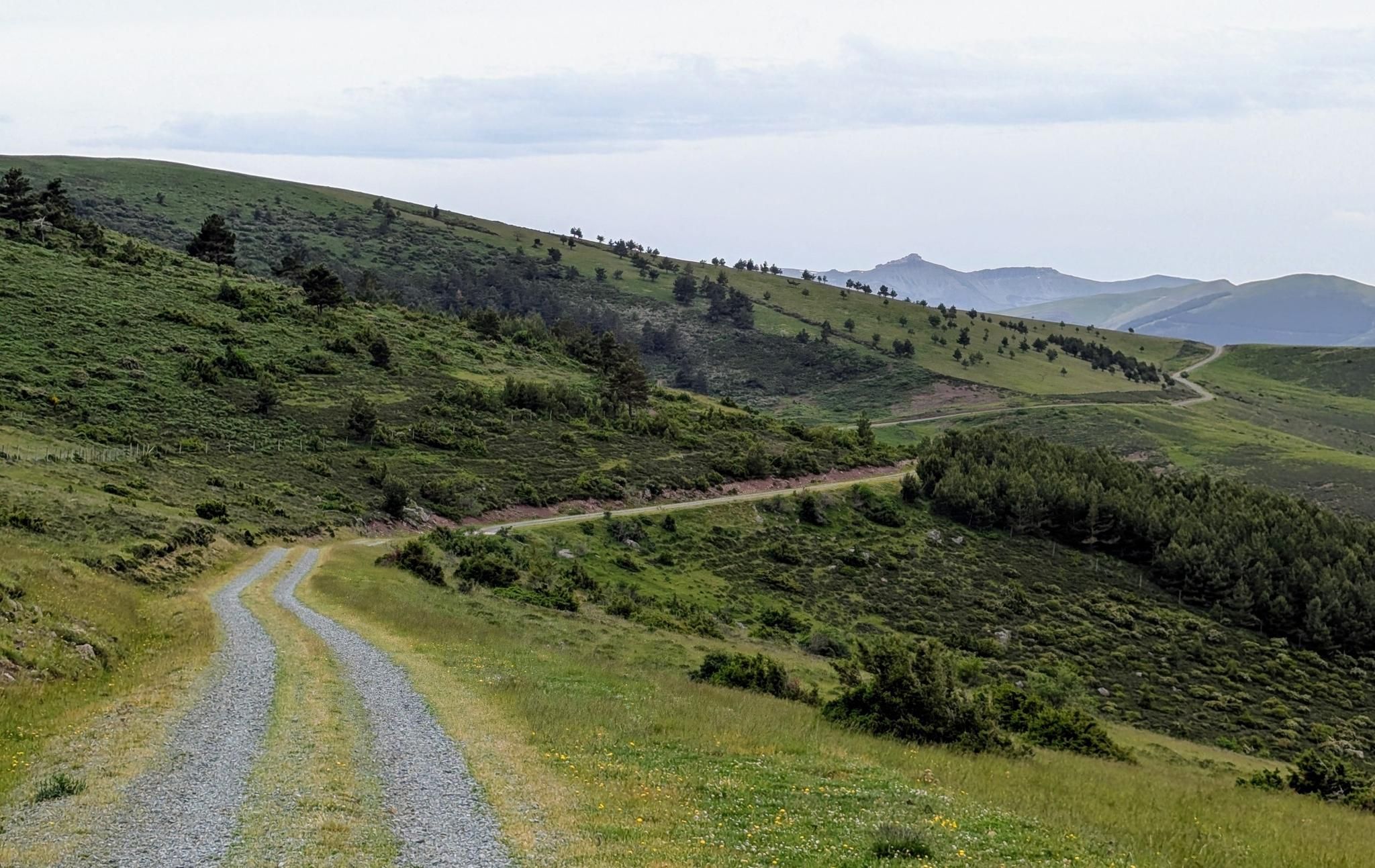
MTB Transhumance — Cañada Real Soriana Occidental
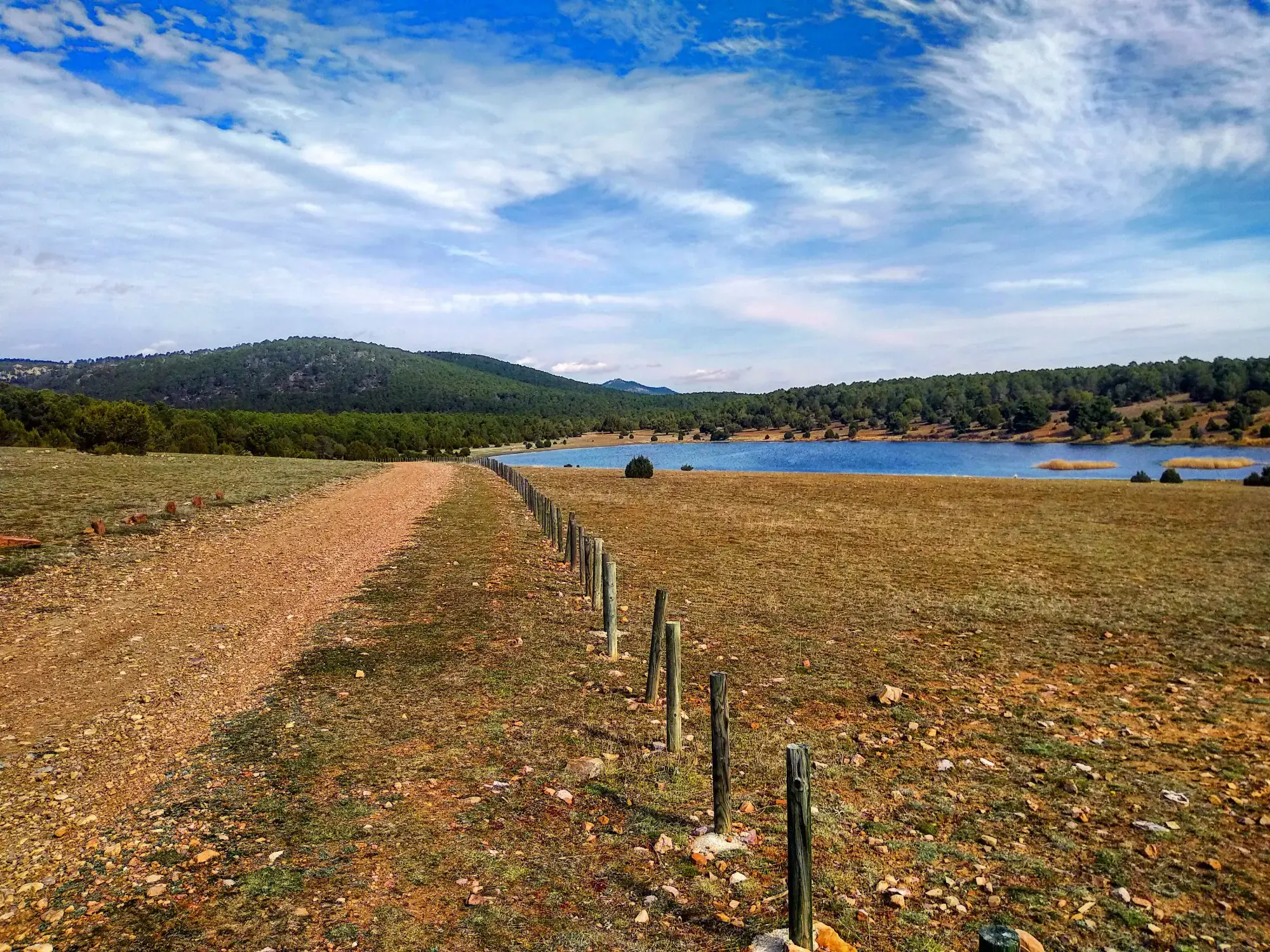
Sendero Español GR 10 — De este a oeste
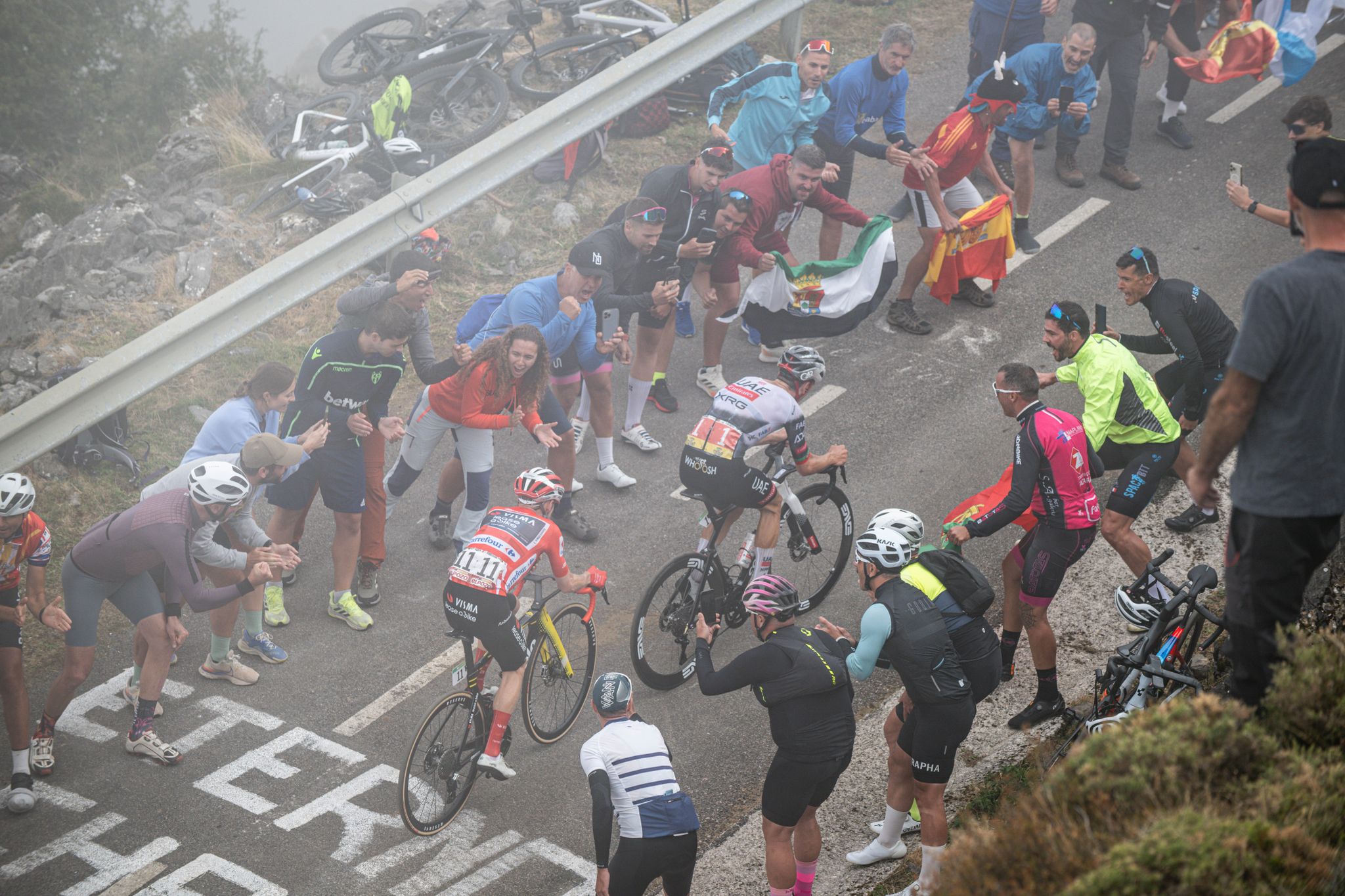
Mythical Passes and Sections of La Vuelta
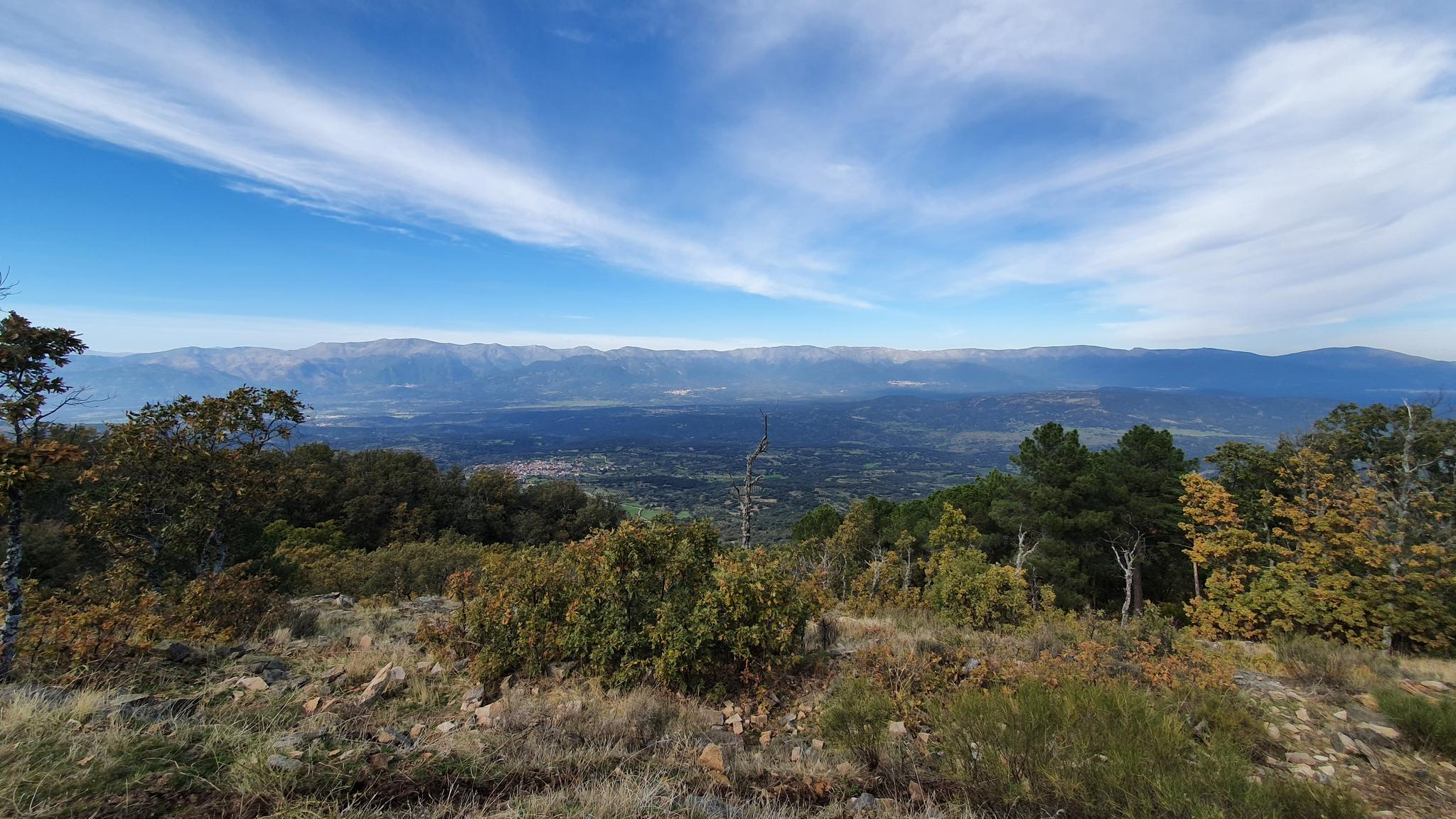
Following in the footsteps of the Lusitanian leader — Viriato Path GR 63
Height Challenges — Ports in Castilla y León
Monumental and Natural History — The Way of La Vera GR-111
Sierra del Rincón, Biosphere Reserve — On Foot along the GR 303
Six routes to discover Extremadura on foot
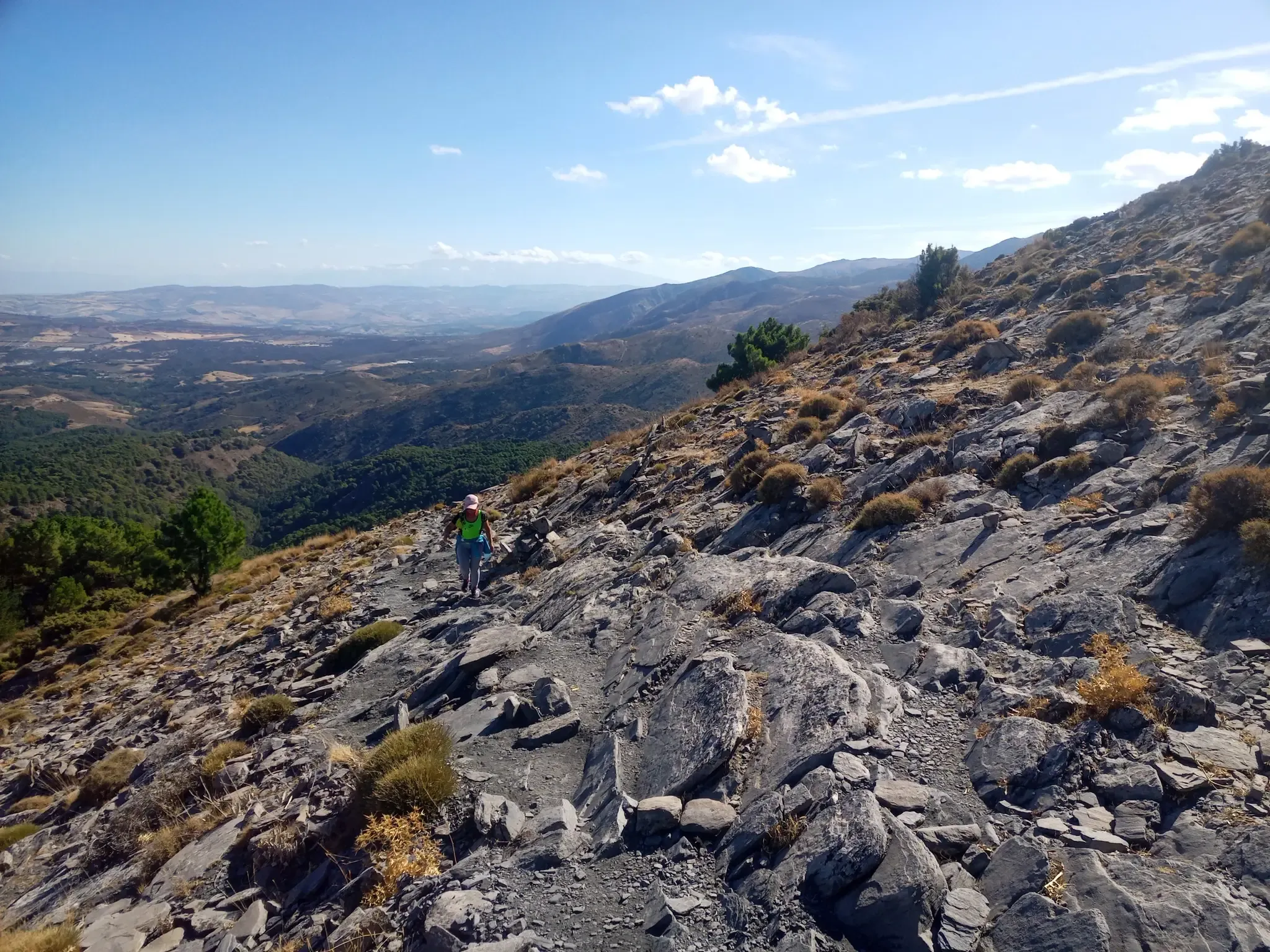
12 hiking gems throughout Spain
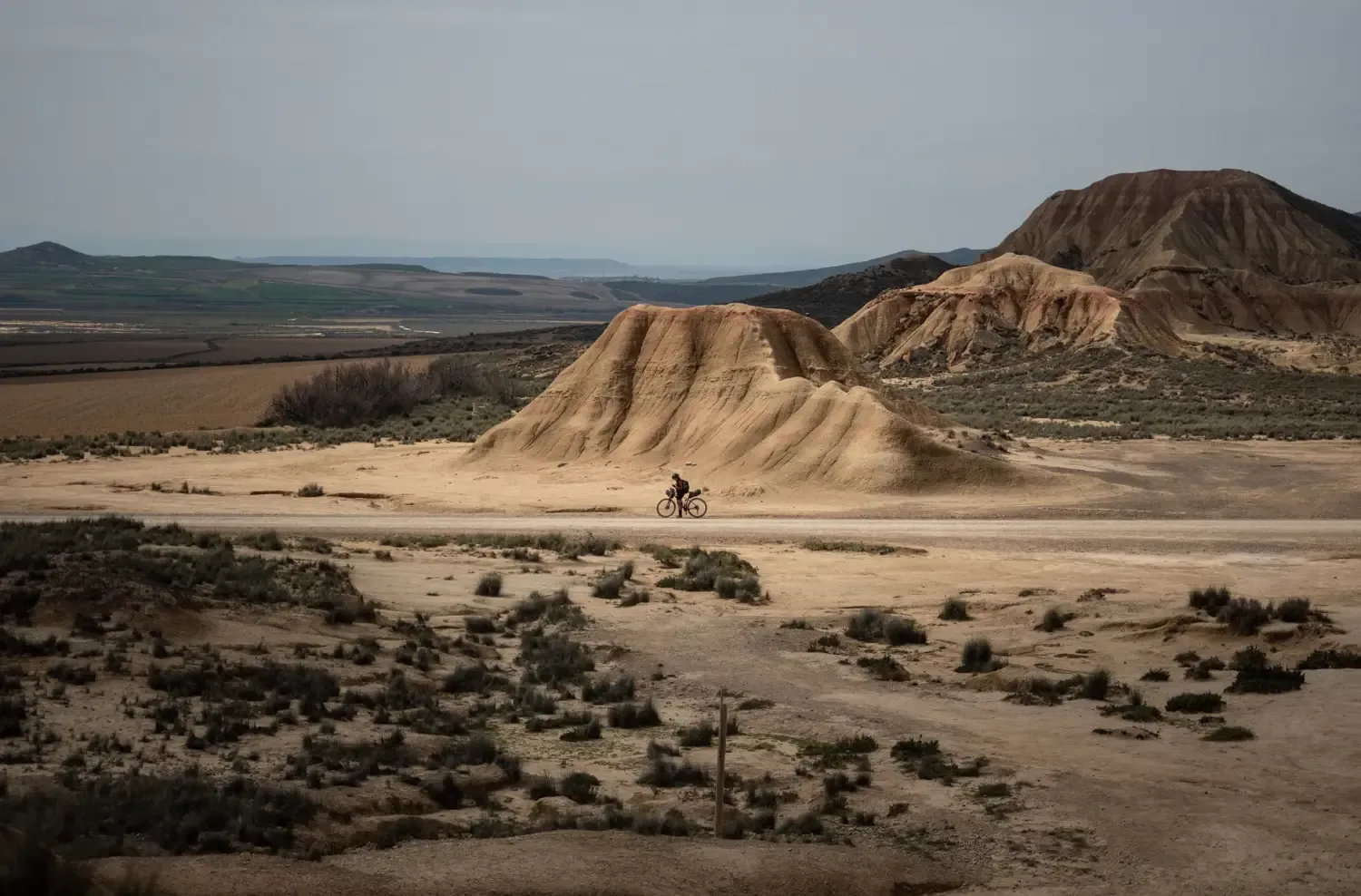
9 mountain biking routes in undiscovered Spain
Other adventures in the Sistema Central Mountains


Tips from the Community

The Chair of Philip II is a famous granite viewpoint in San Lorenzo de El Escorial, near Madrid. Legend has it that King Philip II used it to view the construction of the Monastery of El Escorial. However, experts believe it was actually an ancient Celtic altar, possibly used for rituals. Today, it's a popular hiking spot with stunning views of the monastery and its surroundings.
4
0

The Bear Cave in San Lorenzo de El Escorial is not a real, deep cave in the geological sense, but rather a peculiar rock formation in the Bosque de la Herrería. It is a natural cavity formed by the arrangement of large granite boulders that create a kind of shelter or "cave." It is located in the Bosque de la Herrería, a protected natural area declared a UNESCO World Heritage Site. It is on a very popular hiking trail, relatively close to the Chair of Philip II and the Fuente de los Hermanitos. Its name comes from the fact that its shape and size might evoke the idea of a bear's den, although no real bear ever lived there. Rather, it is a visual attraction, especially for children. Beyond being a "real" cave, it is a point of interest on the hiking trails in the Bosque de la Herrería.
0
0

Mingubela Cave, also known as Peña Mingubela, is a fascinating rock shelter located near the small village of Ojos Albos in Ávila, Spain. This site is known for its ancient cave paintings, which depict various figures, including warriors, some of whom are shown holding shields or in prayer positions. The cave is divided by a stone column, which adds to its unique structure. If you are interested in visiting, it is important to note that the cave is only accessible on foot and the path can be quite steep, so it is advisable to bring a flashlight and seek precise directions from locals. Additionally, there are several hiking trails in the area, such as the circular trail from Ojos Albos that includes La Atalaya and Mingubela Cave.
5
0

Here is the fountain of the Guards of the Monk's Cave, it has fresh, drinkable water.
1
0

The climb to visit it is quite hard, I would consider it alpine due to its slope and roughness.
0
0
Cueva Valiente is a mountain located in the Sierra de Guadarrama, part of the Central System. A popular route starts from San Rafael and takes approximately 4 hours in total to reach Cueva Valiente and return. The trail follows a network of paths, some of which can be difficult to follow, so carrying a map or GPS is recommended. The total distance is 11.2 kilometers, with an ascent of 689 meters and an equal descent. The maximum altitude reached is 1903 meters. If you are interested in exploring this beautiful mountain, I encourage you to take the hike! 😊
2
0

Eroded rocks with shapes of great beauty.
1
0
Curious cave of a hermit.
1
0
Frequently Asked Questions
Which caves in the Sistema Central Mountains are most accessible for visitors?
The Cueva del Águila (El Águila Caves) in Ramacastañas, Ávila, offers an extensive and accessible route, with a 1,000-meter path that descends 50 meters and is almost entirely paved. This makes it suitable for a wide range of visitors to experience its spectacular formations.
What unique geological formations can I expect to see in the caves of the Sistema Central Mountains?
The caves in the Sistema Central Mountains, particularly Cueva del Águila, are renowned for their spectacular formations. You can marvel at a wide variety of stalactites and stalagmites, columns, eccentric formations, anthodites, shields, needles, and even moon milk, all displaying a multitude of colors, shapes, and sizes enhanced by natural lighting.
Are there family-friendly cave options in the Sistema Central Mountains?
Yes, Cueva del Águila is considered family-friendly due to its accessible route. Additionally, the Bear Cave, while not a deep geological cave, is a peculiar rock formation in the Bosque de la Herrería that is popular with families and children as part of a hiking trail.
What is the best time to visit the caves in the Sistema Central Mountains?
The caves, such as Cueva del Águila, maintain a stable temperature of around 17°C throughout the year. This makes them a comfortable destination regardless of the season, offering a cool escape in summer and a warmer retreat in winter. However, surrounding hiking trails might be more pleasant in spring or autumn.
Are there guided tours available for the caves in the Sistema Central Mountains?
Yes, for developed tourist caves like Cueva del Águila, guided tours are available. The typical tour lasts around 40 minutes, providing insights into the caves' geology and history. For other natural shelters or less developed caves, exploration might be self-guided or require specialized caving permits and equipment.
What historical or cultural significance do some of the caves hold?
Some caves in the Sistema Central Mountains are steeped in local folklore and history. For instance, Monk's Cave is associated with a legend of a hermit and a pact with the devil. Cueva Valiente is linked to local legends of bandoleros (bandits) and historical elements like Civil War bunkers found along its hiking trails.
What outdoor activities can I do near the caves in the Sistema Central Mountains?
The Sistema Central Mountains offer a variety of outdoor activities near the caves. You can find numerous hiking trails, including easy hikes like the Valsaín Blue Itinerary Loop or the Garganta de las Nogaleas Trail. For cycling enthusiasts, there are options for cycling and gravel biking, with routes like the La Morcuera and Canencia Passes Loop. Many caves, such as Entrance to Cueva Valiente, are integrated into challenging hiking routes.
Are there any caves that are part of larger natural rock formations?
Yes, the Enchanted City of Tamajón features limestone rock formations with numerous caves, cavities, rock arches, and sinkholes. This area allows visitors to explore small caves and admire the beauty of eroded rocks with unique shapes.
What do visitors enjoy most about exploring the caves in the Sistema Central Mountains?
Visitors frequently praise the breathtaking beauty and impressive geological formations, especially the vibrant colors and diverse mineral-rich draperies found in caves like Cueva del Águila. The accessibility of many routes and the sense of discovery, coupled with local folklore, also contribute to an unforgettable experience.
Is there parking or public transport available for visiting the caves?
For popular tourist caves like Cueva del Águila, parking facilities are typically available nearby. For other, less developed caves or those accessed via hiking trails, parking might be at trailheads in nearby towns. Public transport options vary by location, so checking specific routes to the cave's vicinity is recommended.
Are there any challenging caves for experienced explorers?
While many caves are accessible, some, like Tooth Cave, are categorized as challenging. Additionally, accessing caves such as Entrance to Cueva Valiente often involves challenging hiking routes with significant ascent, requiring good navigation skills or a GPS.
Most popular routes in the Sistema Central Mountains
Most popular attractions in the Sistema Central Mountains

Get inspired with the komoot mobile app


Explore more
Extend your search for the best caves by checking out these guides of the top ones in the Sistema Central Mountains:
