Top 4 Castles around Lancaster
Best castles around Lancaster offers a journey through centuries of history in a region known for its diverse landscapes and cultural heritage. The area features historically significant castles, many with origins dating back to medieval times. These structures often stand in strategic locations, providing insights into England's past. Visitors can explore a mix of architectural styles and historical narratives across the region.
Best castles around Lancaster
- The most popular castles is St Michael the Archangel Church, a historical site…
Last updated: July 25, 2026
Lancaster Castle
Highlight • Historical Site
Tip by

Cockersand Abbey Chapter House and Ruins
Highlight • Monument
Tip by

Sign up now to discover places like this
Get recommendations on the best single tracks, peaks, & plenty of other exciting outdoor places.
Sign up for free
Borwick Hall
Highlight • Other
Tip by
St Michael the Archangel Church
Highlight • Historical Site
Tip by

Castle Stede Motte and Bailey Earthworks
Highlight • Castle
Tip by
Hornby Castle
Highlight • Historical Site
Tip by
Start today with a free account
Your next adventure awaits.
Login or Signup
Popular around Lancaster

Lancashire Coastal Way — Hike amidst scenic gold and wildlife treasures
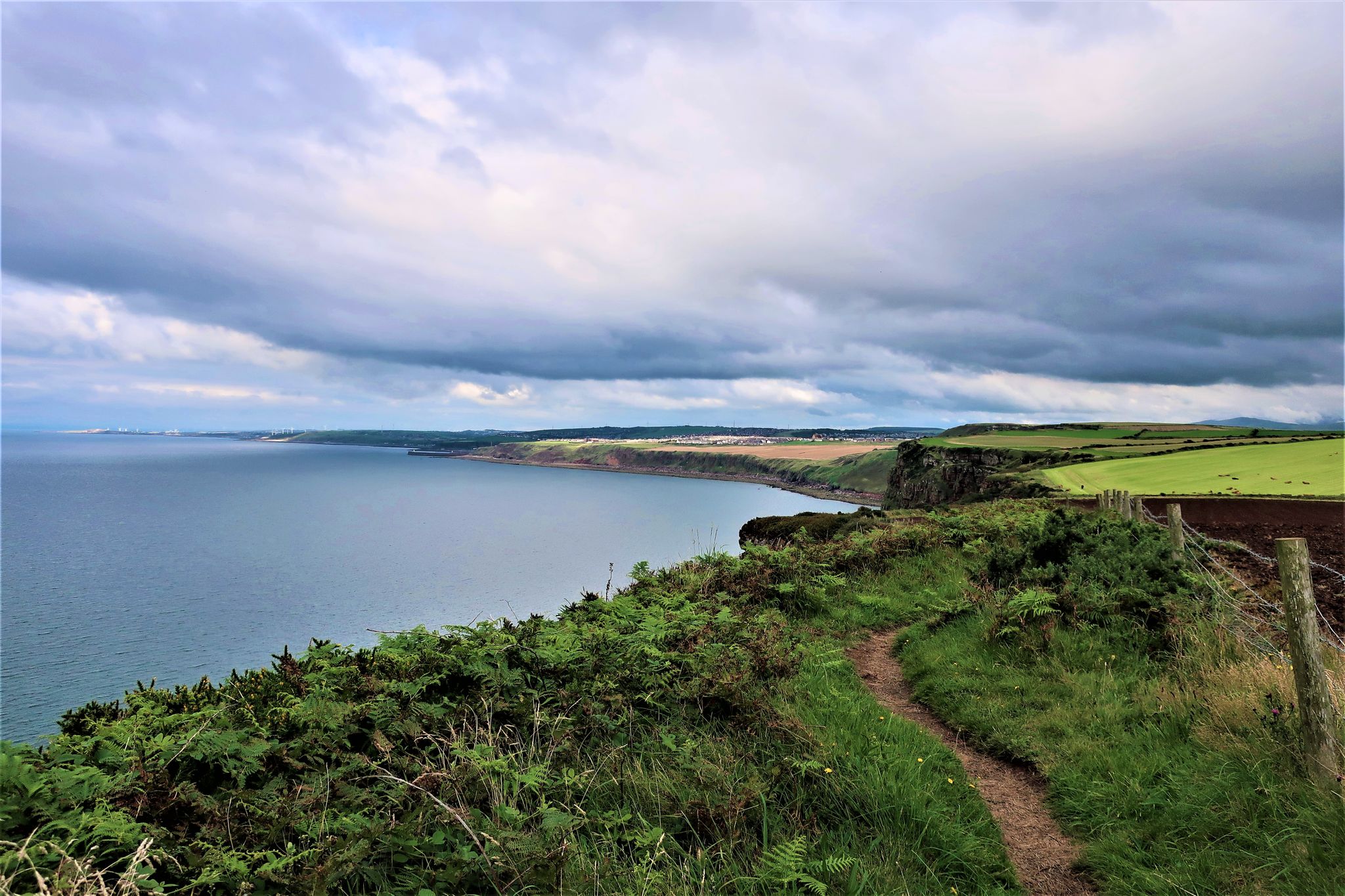
The Cumbria Coastal Way — Hike vibrant estuaries and historic coastline
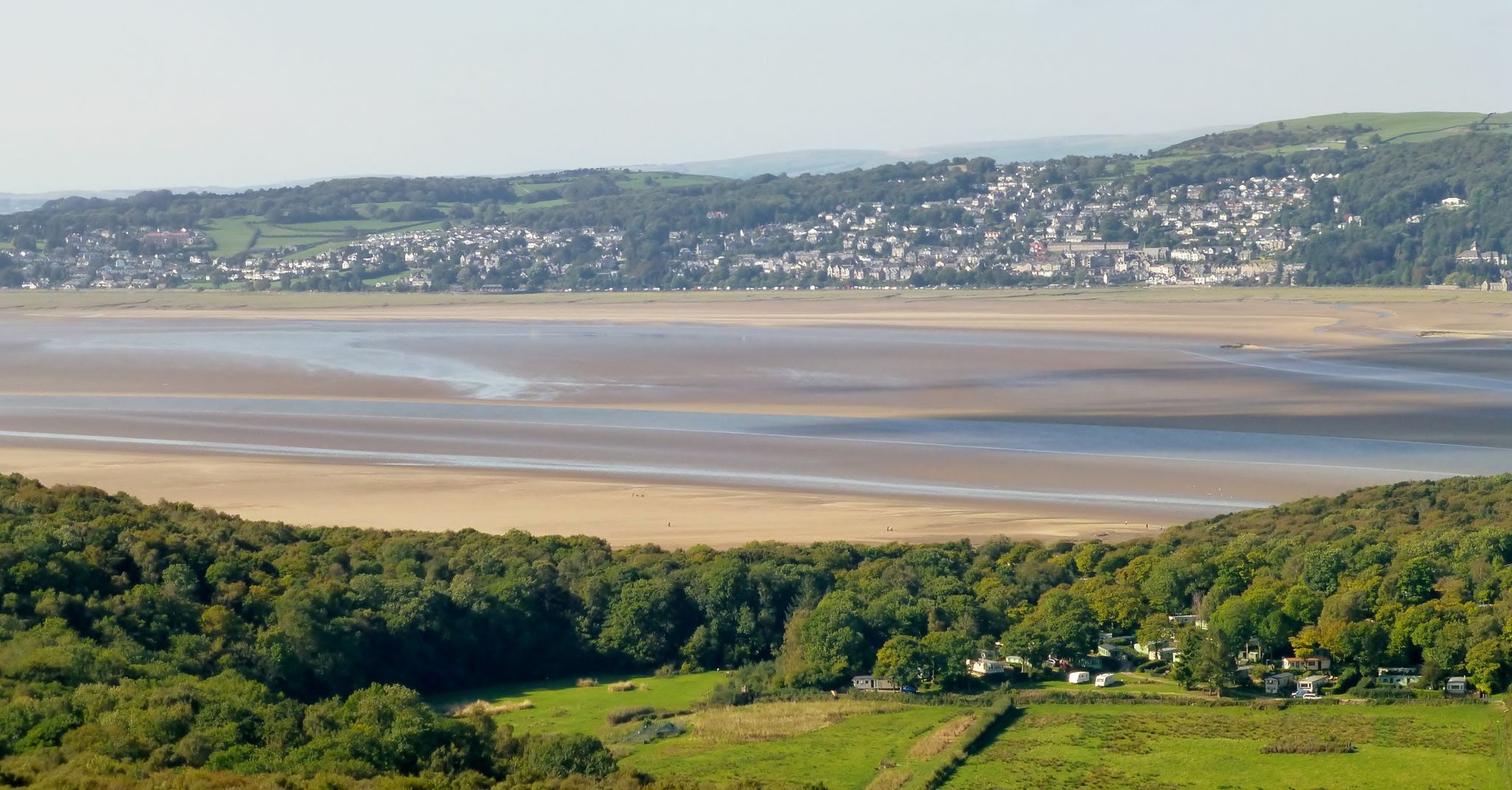
Bay Cycle Way – The perfect ride for first-time adventurers
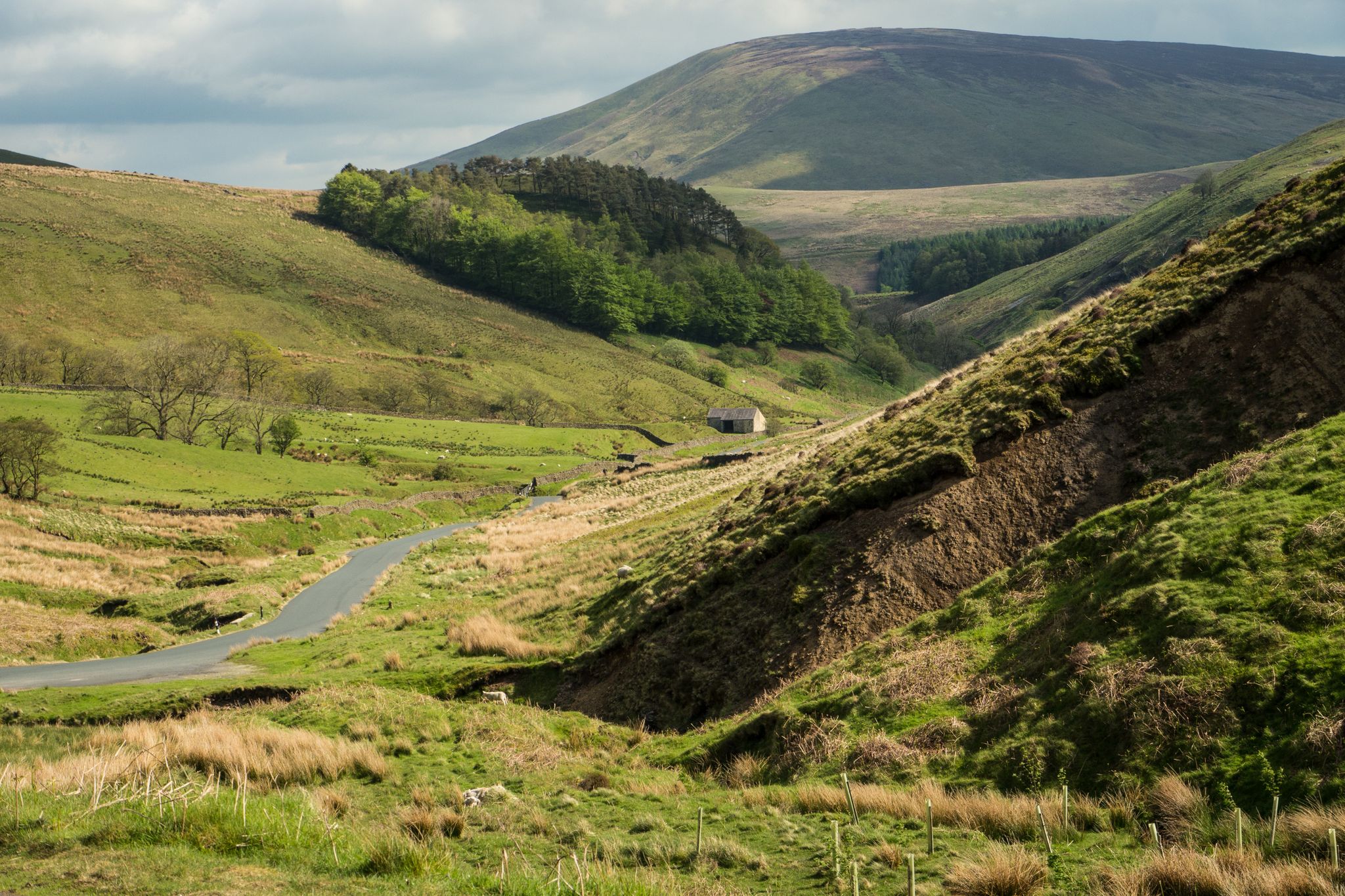
Lancashire Cycleway loop – From the countryside to the coast
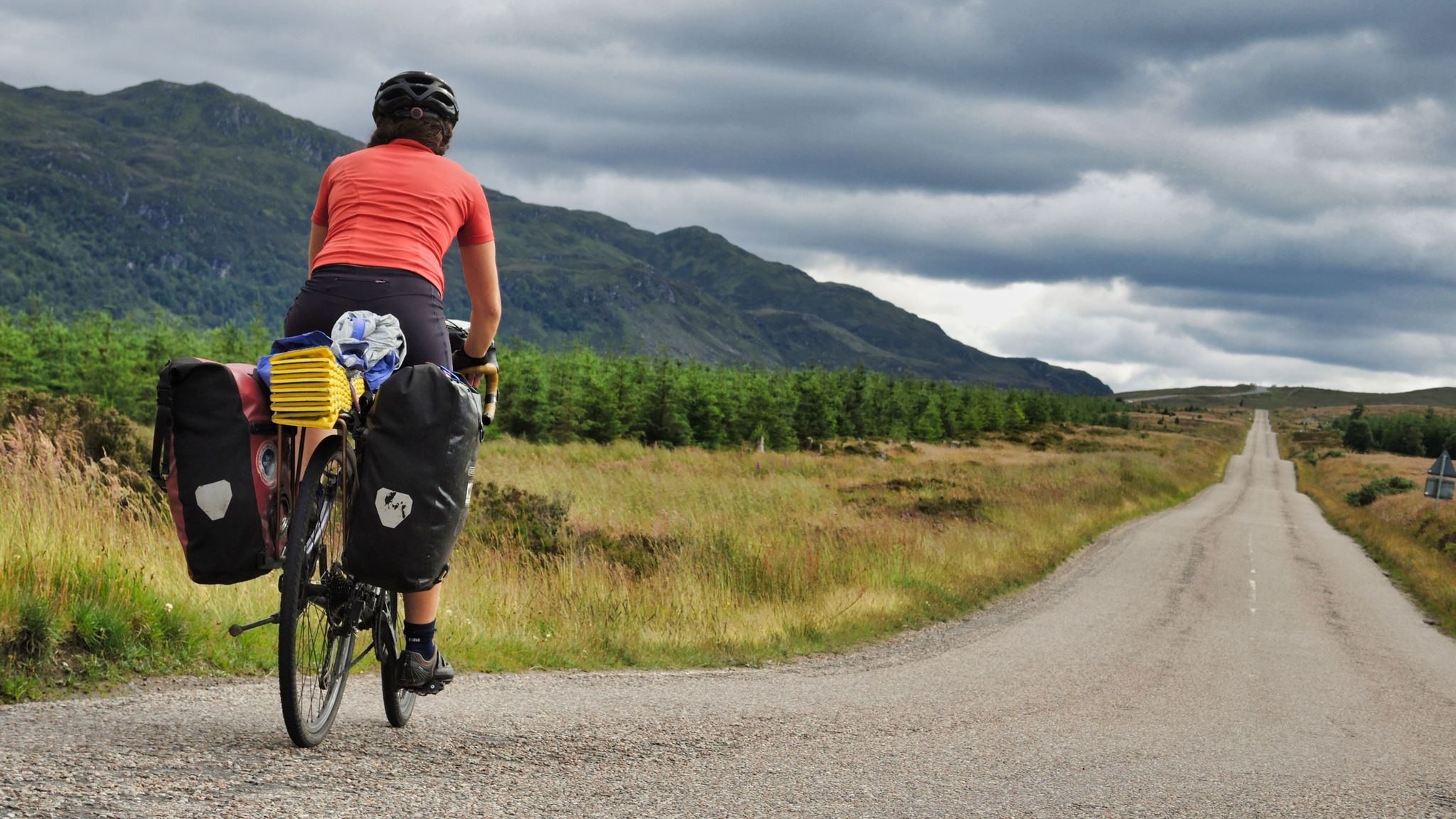
Land's End to John O'Groats – an unforgettable ride
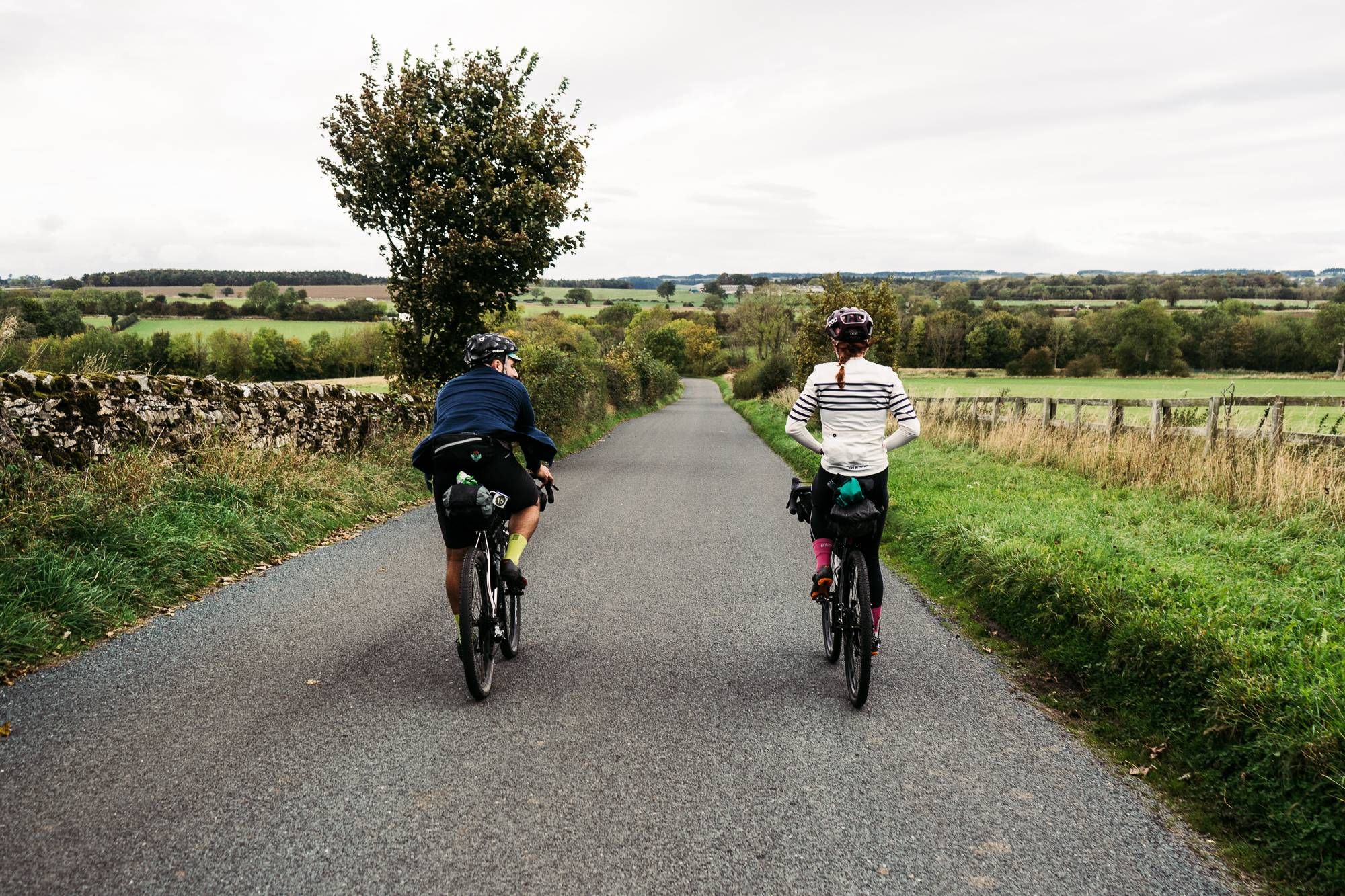
Cycle the Way of the Roses – Historic cities to rolling hills
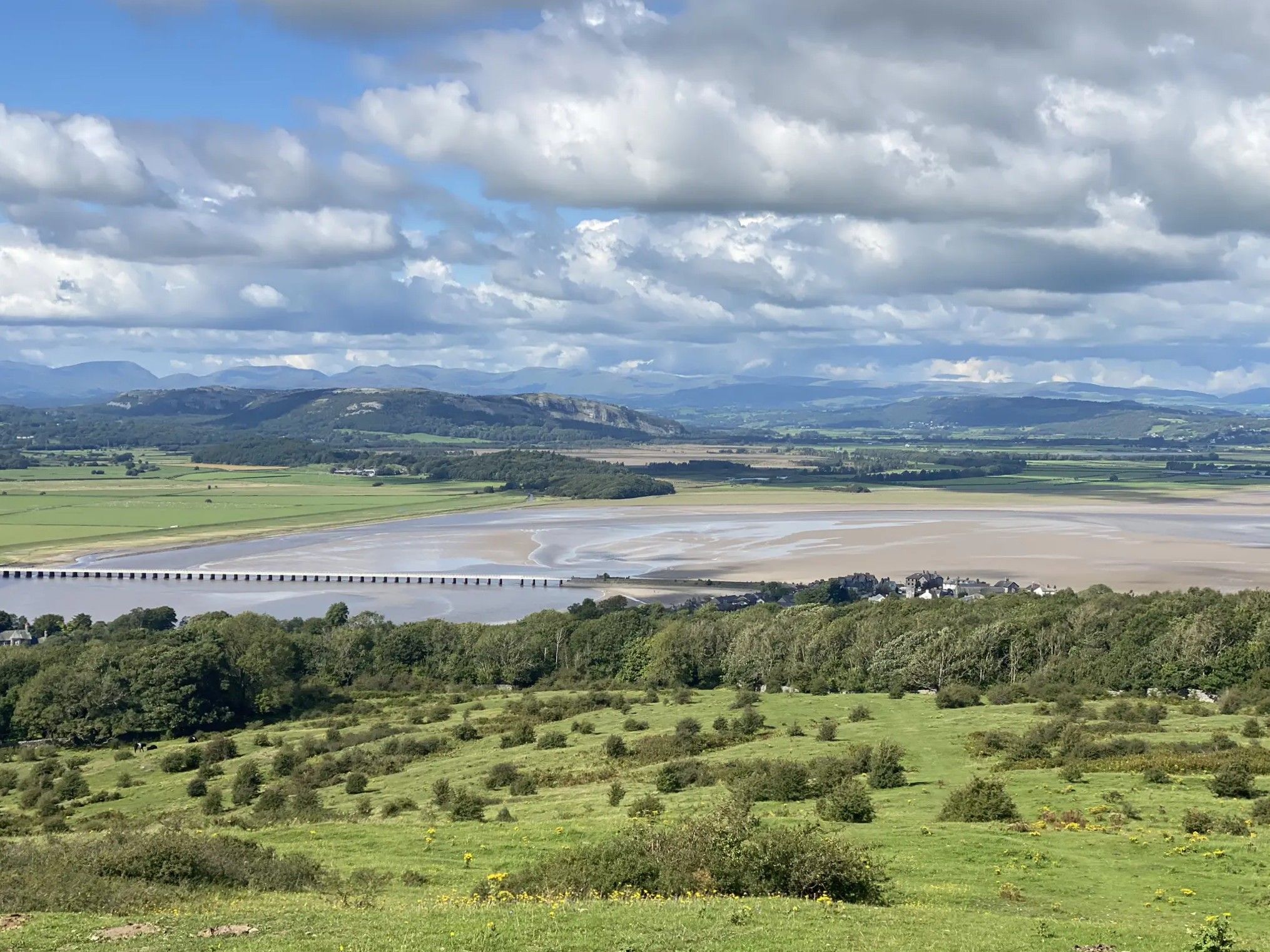
Hiking adventures in South Cumbria along the Furness Line
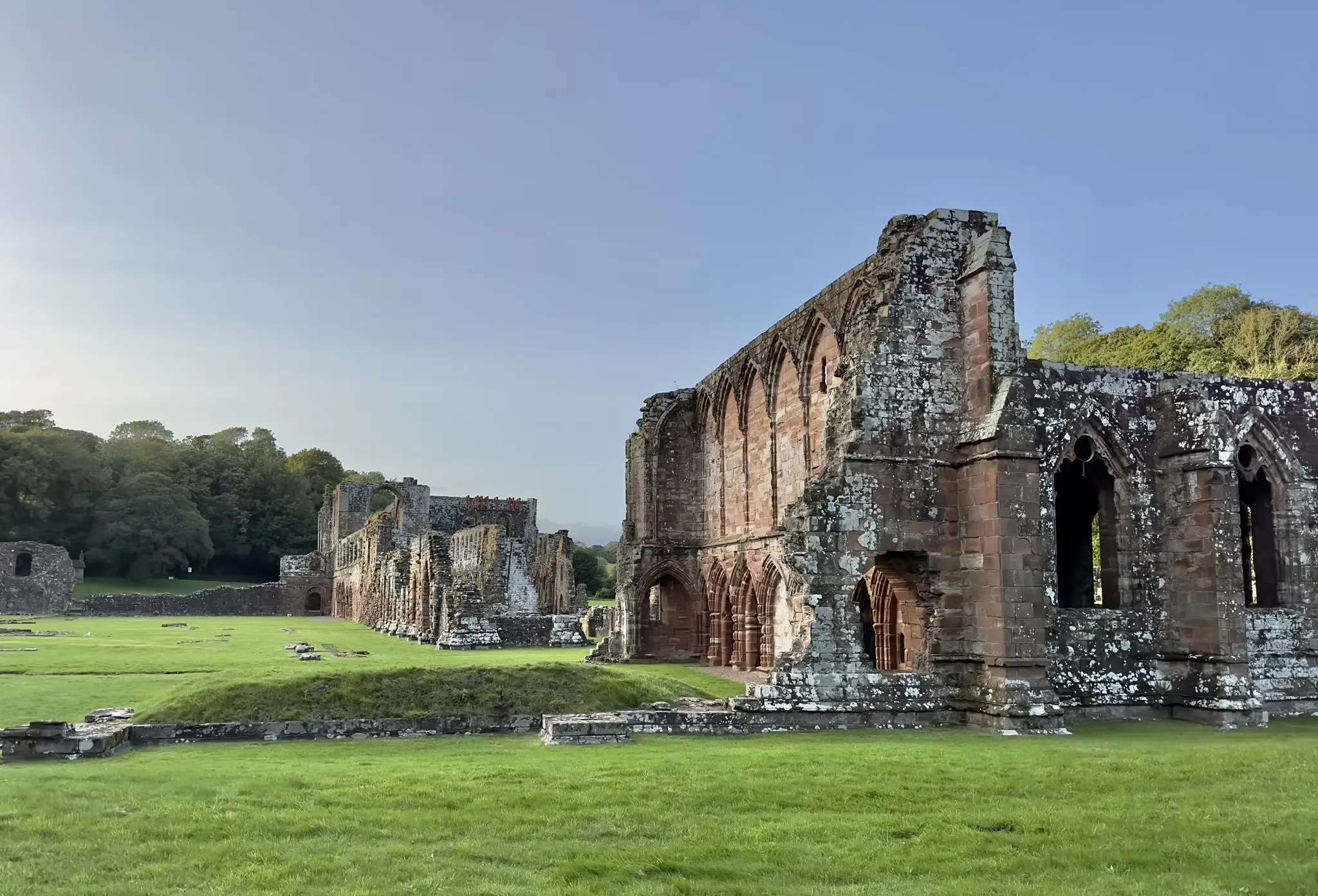
Train and bike in South Cumbria — Cycling along the Furness Line
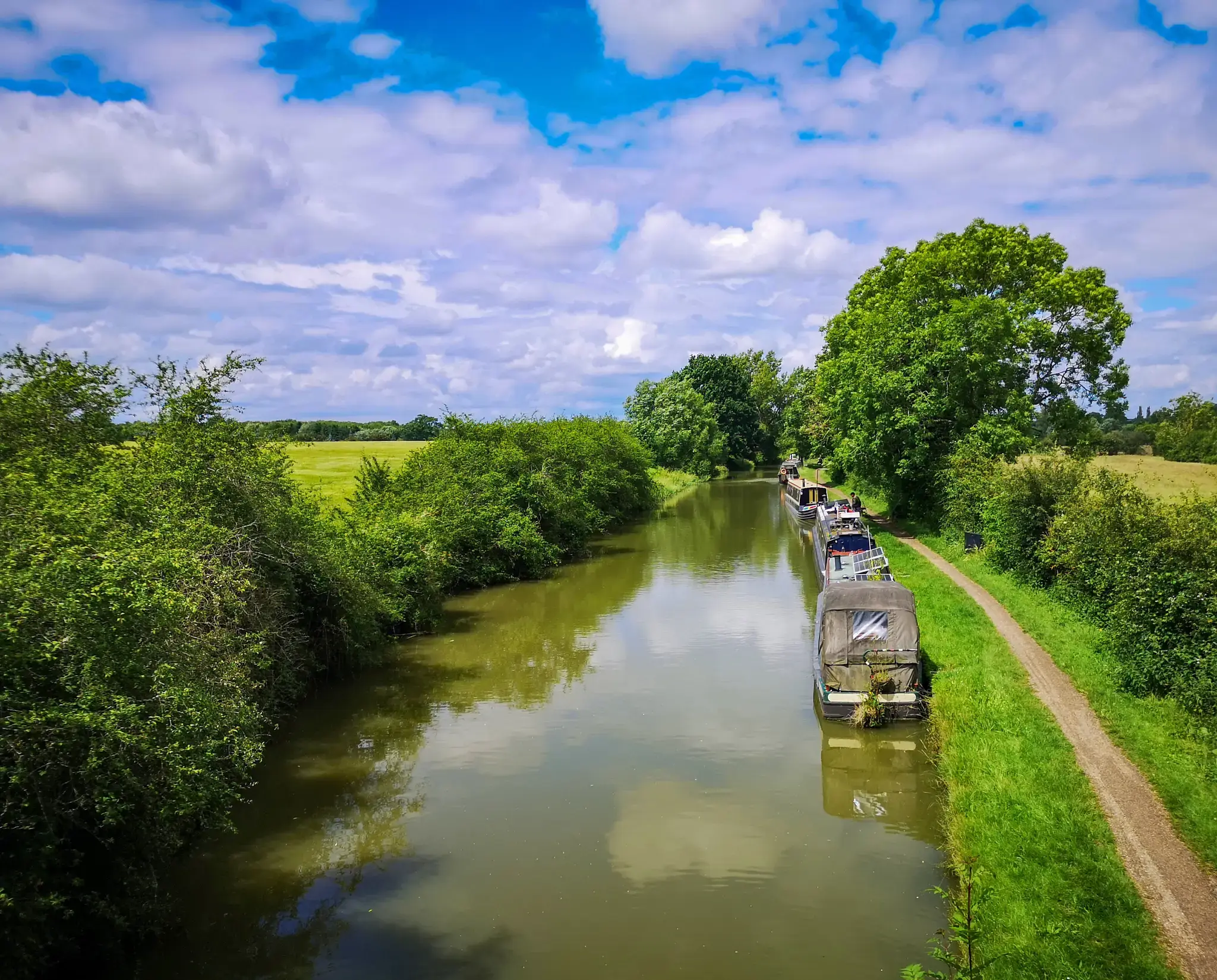
London to Carlisle – National Cycle Network Route 6
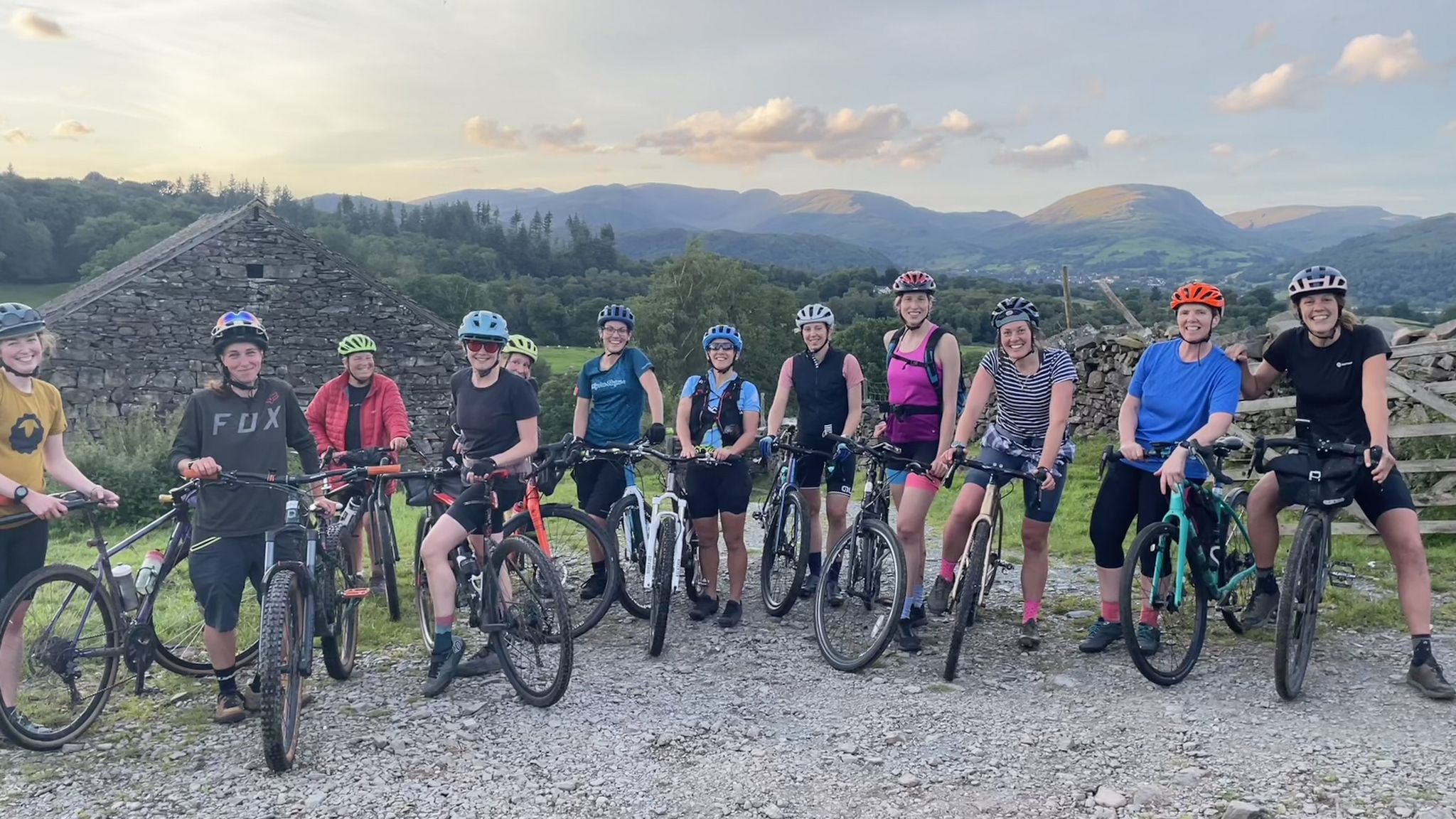
Beginner-friendly gravel rides in the Lake District
Other adventures around Lancaster


Tips from the Community


I can highly recommend Atkinson's, blue sky tea is lovely if you want a twist on earl grey!
0
0


Cockersand Abbey is a former abbey situated near the mouth of the River Cocker. The abbey was dissolved in 1539 and the only significant part still intact is the vaulted Cockersand Abbey chapter house, which was built in 1230.
0
0
Castle Steed was deserted at the beginning of the 13th century after the construction of the castle at nearby Hornby. The earthworks of Castle Stede remain visible and is a great example of a motte and Bailey. It was built to oversee a fording point of the river and its strategic importance was shown nine centuries later with the construction of a pill box during the Second World War.
2
0
A medieval castle that was used as a prison in various forms up to 2010. The castle is thought to have been founded in the 11th century and first used as a prison in 1196.
0
0

Lancaster Castle is a real hidden gem! An archetypal medieval castle where you can get on the day tours for a reasonable price - a great way to break up a day of touring the area on your bike. Be mindful you can’t take your bike through to the Castle bailey but there are free to use bike stands just around to the right as you’re facing the gatehouse.
0
0
The church stands within the bailey of a former castle. It is thought that a church has been on this site since 1200. The oldest part of the present church is the tower, which dates from the early 16th century. The rest of the church was largely rebuilt in 1875.
0
0
Frequently Asked Questions
What are the most historically significant castles to visit near Lancaster?
The region around Lancaster is rich in history. Lancaster Castle stands out with over 1,000 years of history, serving as a court and prison. Further afield, Sizergh Castle offers 800 years of family history with unique architectural styles, while Skipton Castle is one of England's best-preserved medieval castles, dating back to 1090.
Are there family-friendly castles around Lancaster?
Yes, Lancaster Castle is considered family-friendly, offering guided tours that provide insights into its past as a court and prison. Skipton Castle also provides an immersive experience into medieval life, with almost every corner of the fortress accessible, which can be engaging for families.
What outdoor activities can I do near these castles?
The area around Lancaster offers various outdoor activities. You can find several gravel biking routes, waterfall hikes, and general cycling routes. For example, the Conder Green Gravel Trail is an easy gravel biking option, and there are moderate waterfall hikes near Ingleton.
What unique historical features can I expect to see at Lancaster Castle?
Lancaster Castle features an imposing Norman keep, an early 15th-century gatehouse with semi-octagonal towers, and Adrian's Tower. Its Shire Hall, completed in 1802, is adorned with over 650 heraldic shields. The castle also served as Europe's longest-serving operational prison, and its courtrooms hosted trials like those of the Lancashire Witches.
Are there any castles near Lancaster with notable gardens or natural surroundings?
Sizergh Castle, located south of Kendal, is renowned for its extensive Grade II listed gardens. These include a lake, a kitchen garden, and the largest limestone rock garden owned by the National Trust, which hosts part of the National Collection of Ferns. The estate also features wetlands and woodlands, attracting diverse wildlife.
Can I visit castle ruins or earthworks in the Lancaster area?
Yes, you can explore the Cockersand Abbey Chapter House and Ruins, a Grade I-listed site on a low island of clay. Additionally, the Castle Stede Motte and Bailey Earthworks offer a visible example of an early medieval fortification, deserted after the construction of Hornby Castle.
What is the best time to visit castles around Lancaster?
While castles can be visited year-round, spring and summer generally offer the most pleasant weather for exploring both the indoor and outdoor areas, including castle grounds and nearby walking routes. Many castles also host special events during these seasons. Always check specific opening times as they can vary seasonally.
Are there any lesser-known historical sites with castle connections near Lancaster?
Beyond the main castles, you can visit St Michael the Archangel Church, which stands within the bailey of a former castle, with parts dating from the early 16th century. Borwick Hall, a 16th-century manor house, also has a rich history of aristocratic ownership and now serves as an outdoor education center.
What do visitors enjoy most about the castles around Lancaster?
Visitors appreciate the deep historical insights offered by sites like Lancaster Castle, especially its past as a prison and court. The well-preserved nature of castles like Skipton allows for an immersive experience of medieval life. Many also enjoy the blend of architectural styles and the beautiful natural settings, such as the gardens at Sizergh Castle.
Are there any castles near Lancaster that were involved in significant historical events?
Lancaster Castle is famous for hosting the trials of the Lancashire Witches in 1612 and serving as a prison for centuries. Skipton Castle was a Royalist stronghold during the English Civil War and withstood a three-year siege, a testament to its formidable defenses.
What kind of architectural styles can be seen in the castles near Lancaster?
The castles in the region display a range of architectural styles. Lancaster Castle combines medieval and Victorian elements, including a Norman keep and a 15th-century gatehouse. Sizergh Castle showcases a mix of medieval, Tudor, Elizabethan, and Georgian styles, reflecting centuries of modifications. Skipton Castle is a prime example of medieval military architecture with its six round drum towers and Norman gatehouse.
Most popular routes around Lancaster
Most popular attractions around Lancaster

Get inspired with the komoot mobile app


Didn’t find what you were looking for?
Explore Lancaster’s best castles region by region:
