Top 20 Castles in Pomeranian Voivodeship
Best castles in Pomeranian Voivodeship are predominantly Gothic brick structures built by the Teutonic Knights, offering a glimpse into medieval history. This region in Poland features a diverse landscape, including the Vistula Delta and coastal areas. The castles are notable landmarks that reflect the area's strategic importance and rich cultural heritage. Visitors can explore these historical sites, which often house museums and host cultural events.
Best castles in Pomeranian Voivodeship
- The most popular castles is Malbork Castle, a castle…
Last updated: May 12, 2026
Malbork Castle
Highlight • Castle
Translated by Google •
Tip by

Jan III Sobieski Castle in Rzucewo
Highlight • Castle
Tip by

Sign up now to discover places like this
Get recommendations on the best single tracks, peaks, & plenty of other exciting outdoor places.
Sign up for free
The Unfinished Castle in Łapalice
Highlight • Castle
Translated by Google •
Tip by

Swan Tower (Baszta Łabędź), Gdańsk
Highlight • Historical Site
Source: Wikipedia
Translated by Google •
Tip by

Krokowo - Castle
Highlight • Castle
Today nice hotel and nice restaurant.
More information: zamekkrokowa.pl/de and de.wikipedia.org/wiki/Schloss_Krockow
Translated by Google •
Tip by

Kwidzyn Castle
Highlight • Castle
Translated by Google •
Tip by

Słupsk Castle
Highlight • Castle
Translated by Google •
Tip by

Gniew Castle
Highlight • Castle
Translated by Google •
Tip by
Bytów Castle
Highlight • Castle
From the castle we could not see everything …
Translated by Google •
Tip by

Wisłoujście Fortress
Highlight • Castle
Translated by Google •
Tip by
Sign up for free to discover even more castles in Pomeranian Voivodeship.
Sign up for free
Already have an account?
Start today with a free account
Your next adventure awaits.
Login or Signup
Popular around Pomeranian Voivodeship
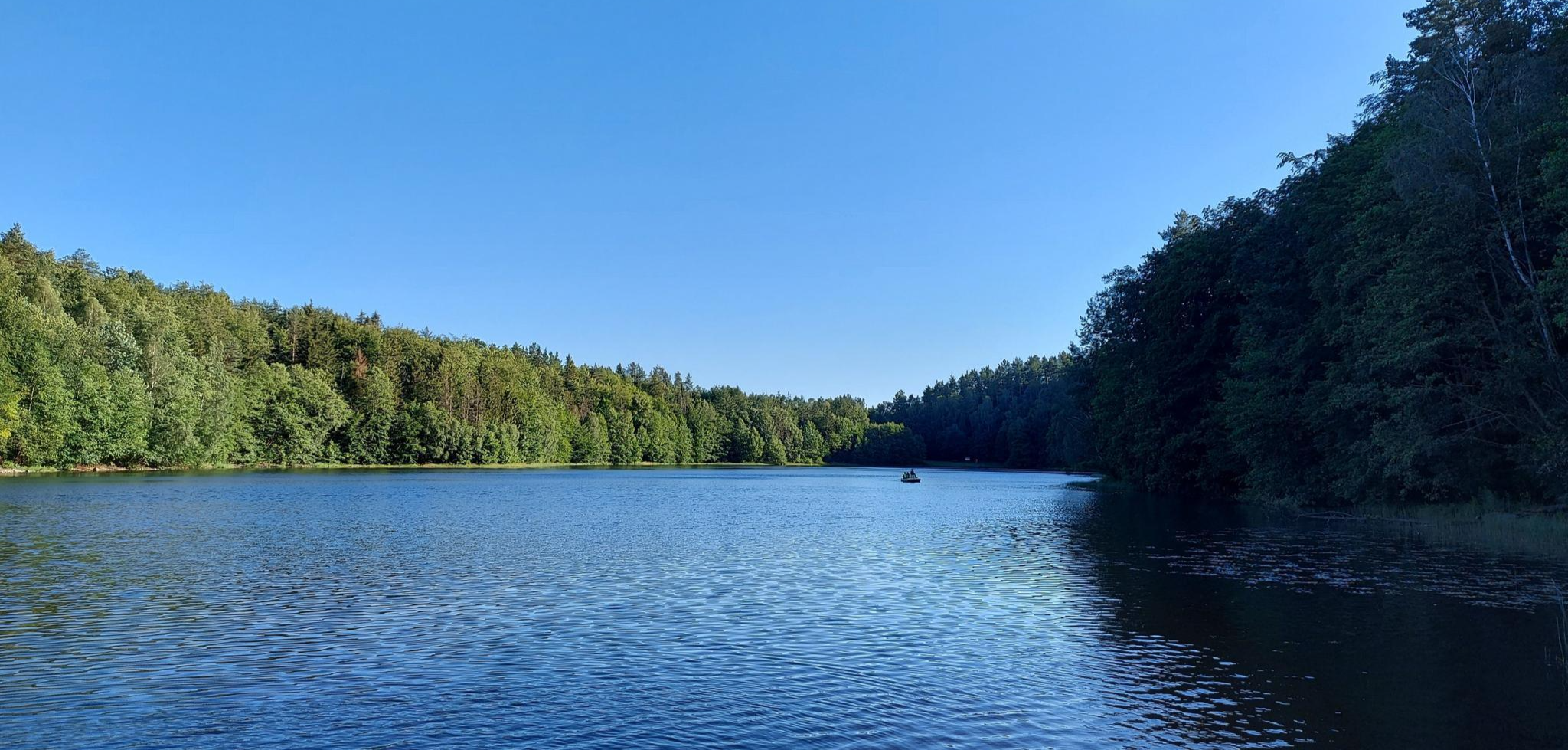
Kashubian Trail - captivating landscapes and beautiful lakes
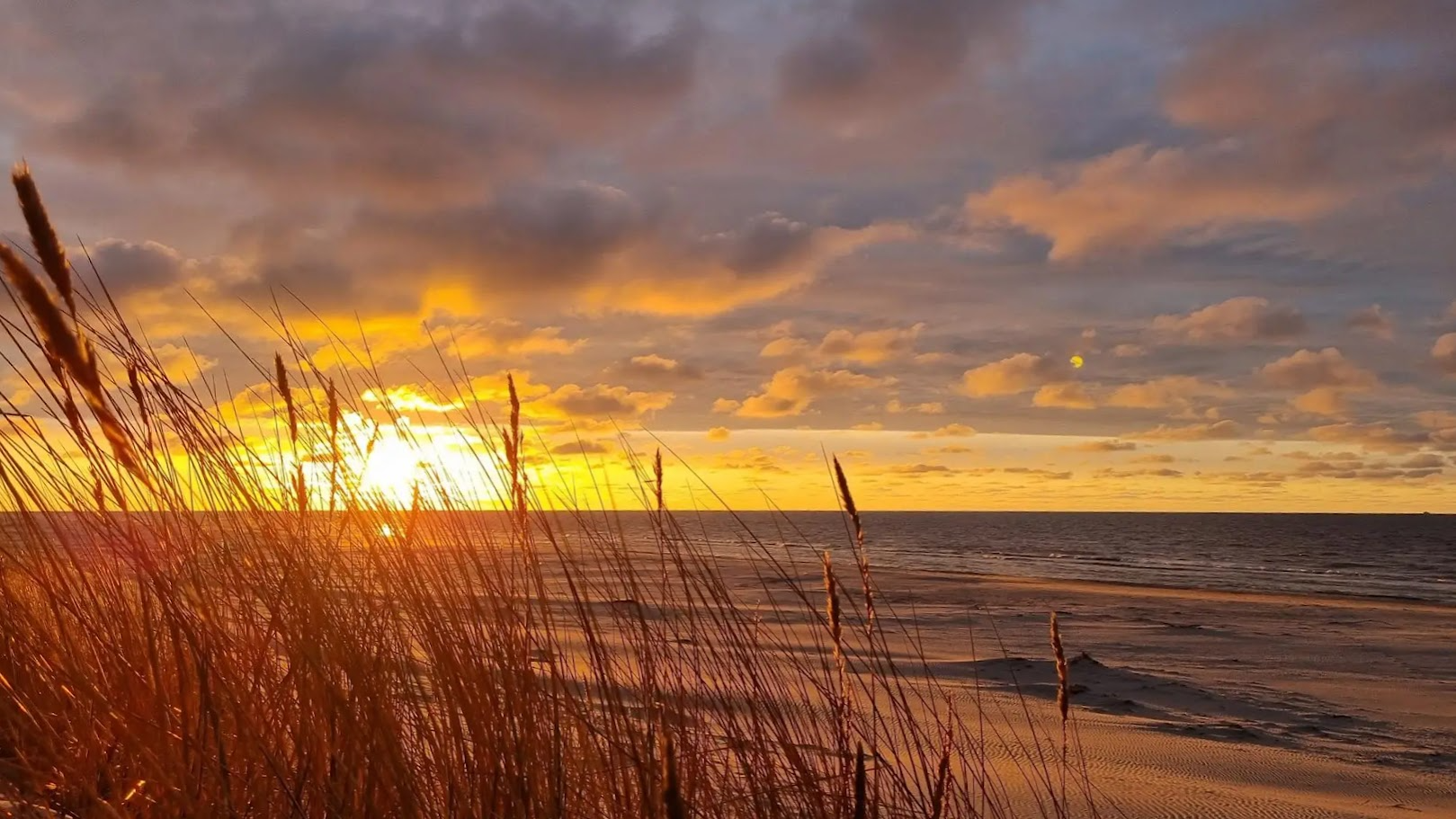
Seaside Trail – the beauty and majesty of the Baltic beaches
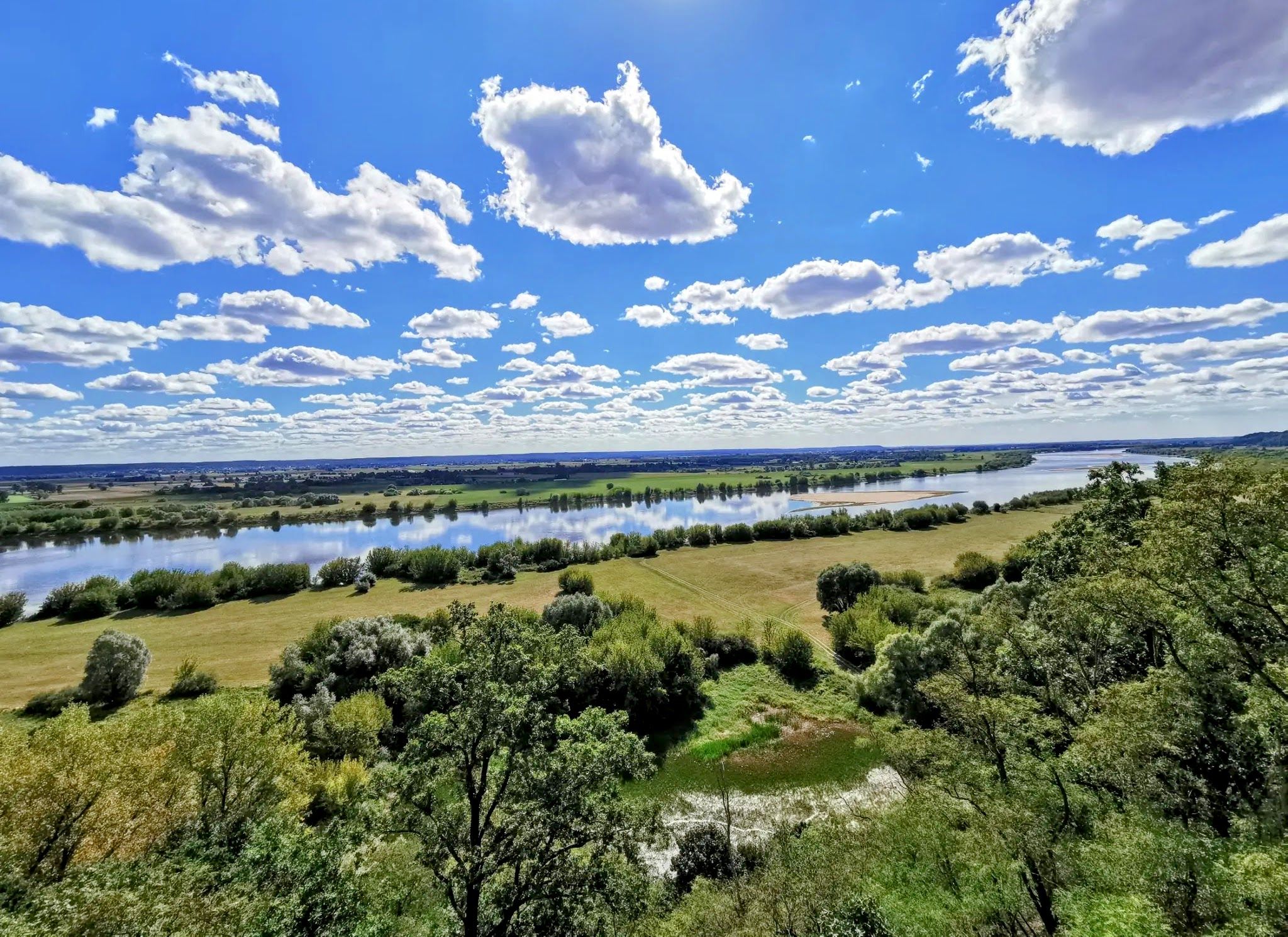
Vistula Cycle Route – The Queen of Polish Rivers in the Spotlight
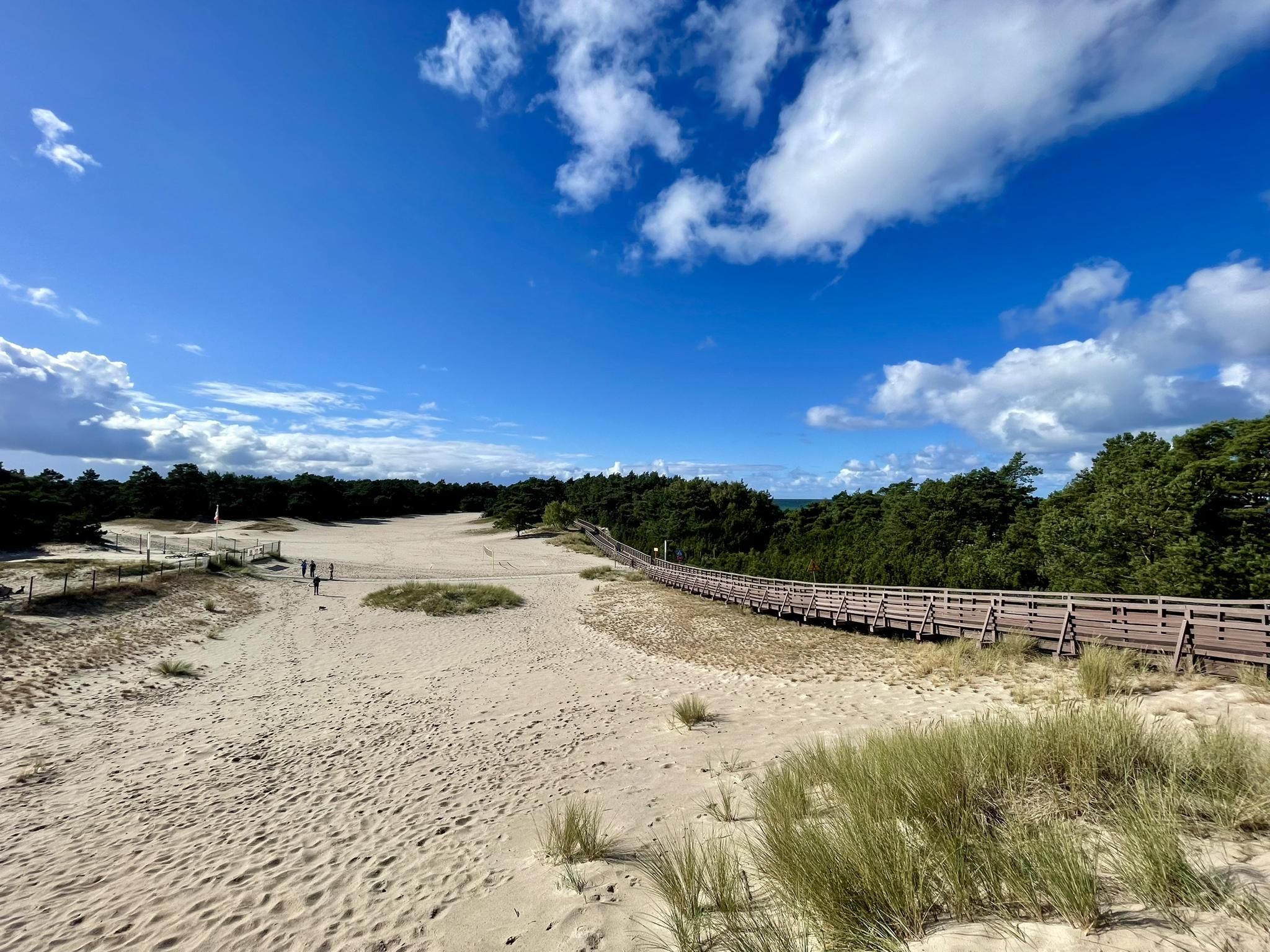
Velo Baltica – Seaside classic for the summer
EuroVelo 9 – The Amber Route from the Baltic to Adriatic Sea
Kashubia, the Baltic and the forests of Pomerania - Wanoga Gravel
Winter bikepacking along the Pommersche Küste
Diverse Poland — explore five regions by mountain bike
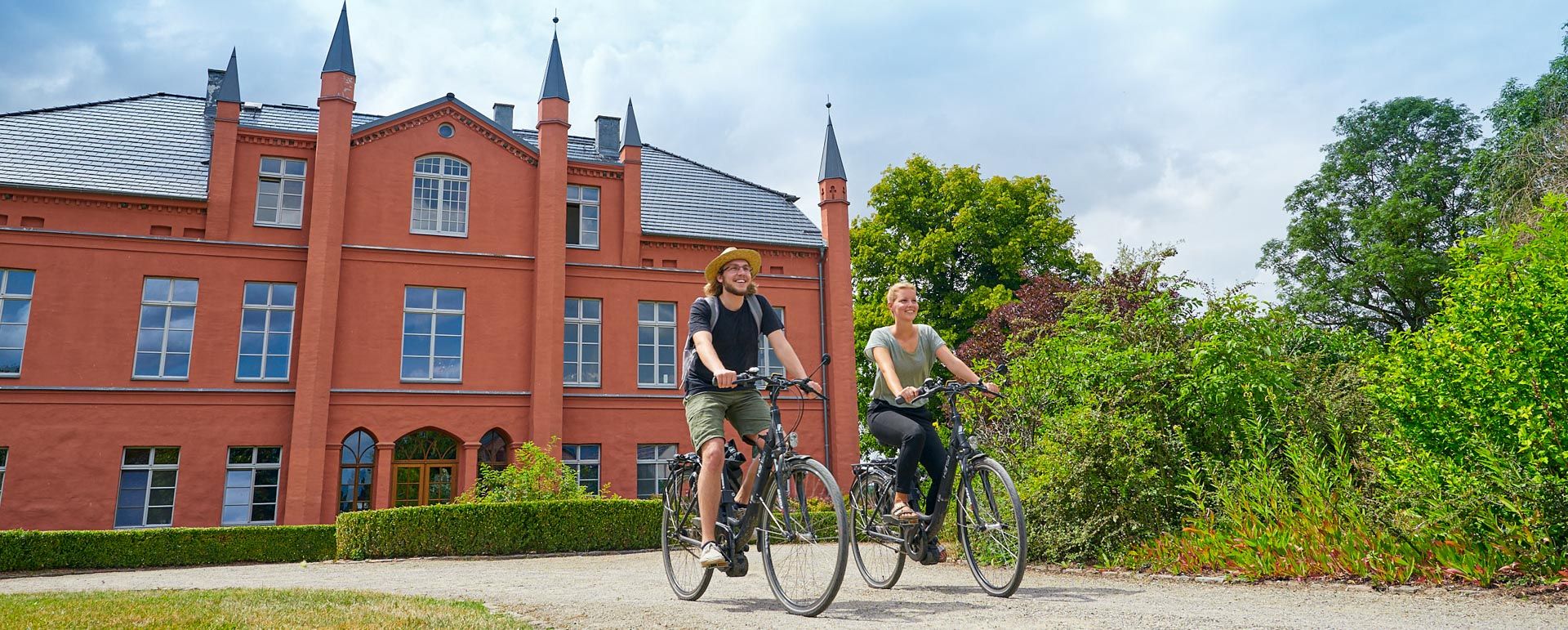
Baltic Manors – Exploring historic manor houses along the South Baltic coast
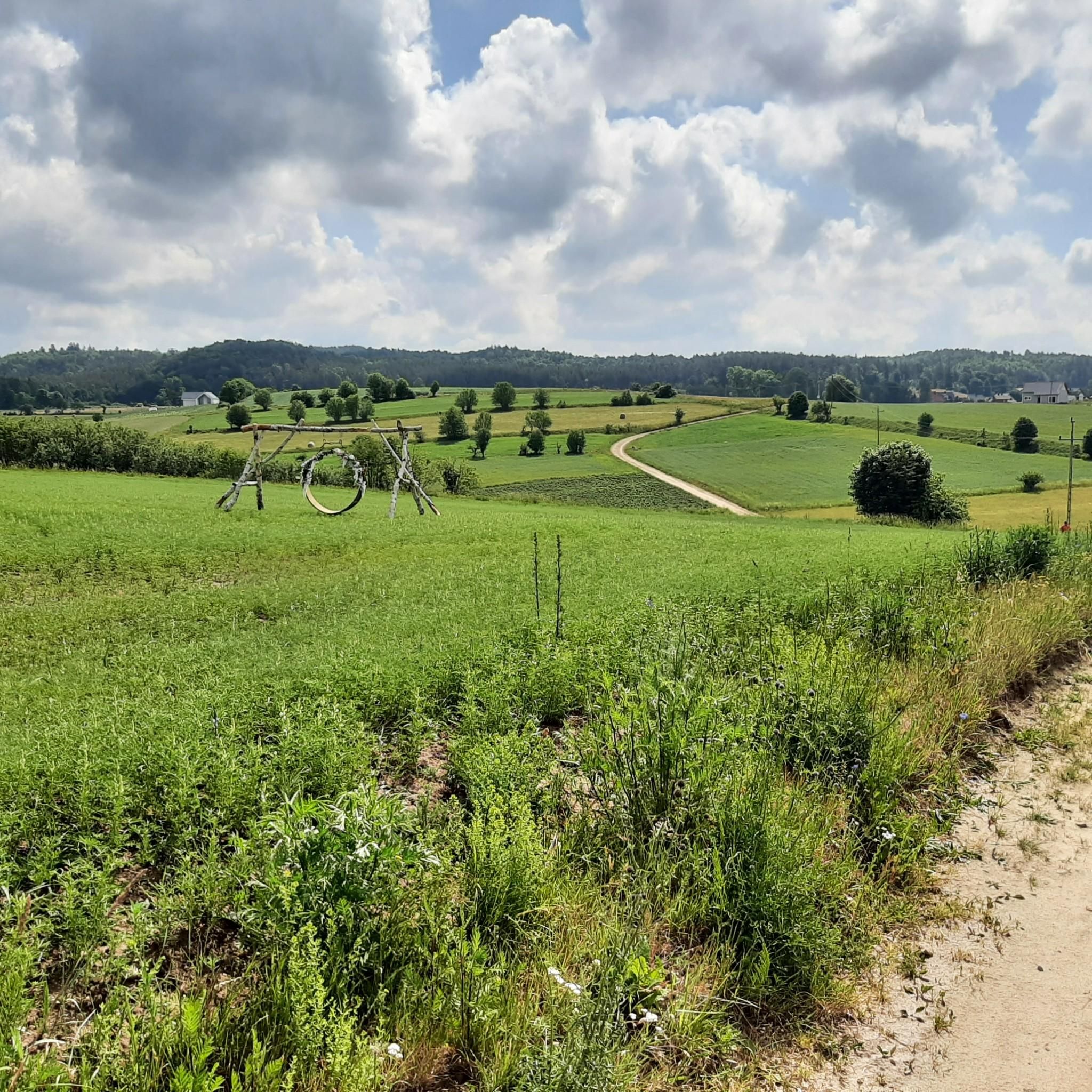
Cycling in Pomeranian Voivodeship
Other adventures in Pomeranian Voivodeship


Tips from the Community

The area is still officially considered a construction site, which is why entry is prohibited — anyone who dares to do so does so at their own risk. However, seeing the former magnificent building from the outside is an experience in itself. Furthermore, according to „Troj Miasto”, there is now hope that Lapalice Castle could eventually be completed in the not-too-distant future: According to reports, the city council has approved the development of ideas for future use, almost 40 years after the dream began to take shape. Kazimierczak is said to have already expressed interest in a collaboration.
1
0

Rightly a World Heritage Site⭐️⭐️⭐️
0
0

Gdansk is incredibly beautiful, I can only recommend the city, but one day is almost not enough!
1
0

A flower garden with benches at the back of the Jan III Sobieski Castle in Rzucewo
0
0

A great place to relax and go on trips.
0
0
I recommend it, good food, rooftop jacuzzi. You wake up to birdsong.
0
0

The castle in Kwidzyn is an impressive Gothic stronghold from the 14th century, the former seat of the Pomesanian chapter. Its massive walls and characteristic sanitary-defense tower, connected to the castle by the longest covered porch in the world, are a symbol of medieval defensive architecture in these areas. The castle was not only a religious and administrative center, but also played an important role in the Polish-Teutonic conflicts and in the Priests' War. Rebuilt and adapted many times over the centuries, today it houses a museum and is one of the most important historical attractions in the region.
3
0
The castle in Gniew is one of the most powerful Teutonic strongholds on the left bank of the Vistula, built at the turn of the 13th and 14th centuries. For centuries, it played an important military and administrative role in the Teutonic state, and after being incorporated into Poland, it became the seat of royal starosts. In the 17th century, it was associated with the figure of Jan Sobieski. The castle played an important role during the Polish-Teutonic wars and the so-called War for the Vistula Mouth. Today, the castle is beautifully restored and is a tourist attraction with numerous historical events, such as knight tournaments and battle reenactments. Visitors can see the recreated interiors and spend the night in the castle apartments.
2
0
Frequently Asked Questions
What makes the castles in Pomeranian Voivodeship unique?
The castles in Pomeranian Voivodeship are predominantly Gothic brick structures built by the Teutonic Knights. They offer a profound glimpse into medieval history, reflecting the region's strategic importance and rich cultural heritage. Many feature unique architectural elements like the distinctive 'gdanisko' (latrine tower) and have played significant roles in European history.
Which castles are a must-visit for history enthusiasts in Pomeranian Voivodeship?
For history enthusiasts, Malbork Castle is essential, being the world's largest brick building and a UNESCO World Heritage site. Kwidzyn Castle, with its unique connection to a cathedral, and Gniew Castle, known for its historical reenactments, also offer deep dives into the region's past.
What is the best time of year to visit the castles in Pomeranian Voivodeship?
The best time to visit is typically during the warmer months, from late spring to early autumn (May to September). During this period, the weather is pleasant for exploring the extensive castle grounds, and many castles host outdoor events, festivals, and historical reenactments. Winter visits are possible, especially for indoor museum exploration, but some outdoor areas or events might be limited.
Are there family-friendly castles in Pomeranian Voivodeship?
Yes, many castles in the region are family-friendly. Malbork Castle offers comprehensive tours and a museum that engages all ages. Gniew Castle is particularly popular for its knight tournaments, workshops, and medieval-themed events. Kwidzyn Castle features diverse exhibitions, including a 'Nature of Northern Poland' display with realistic animal scenes that children often enjoy.
Can I experience medieval events or reenactments at these castles?
Absolutely! Gniew Castle is renowned for its historical reenactments, knight tournaments, and medieval-themed events, including a European Historical Park. Sztum Castle also hosts knight tournaments and historical shows organized by the Brotherhood of the Knights of the Sztum Region, bringing its past to life.
Are any castles in Pomeranian Voivodeship wheelchair accessible?
While many historic castles present accessibility challenges due to their age and architecture, efforts are often made to provide some level of access. For specific information on wheelchair accessibility, especially for larger sites like Malbork Castle, it is recommended to check their official websites or contact them directly before your visit.
How can I get to the Teutonic castles using public transport?
Many of the major Teutonic castles, such as Malbork Castle and Kwidzyn Castle, are accessible by train or bus from larger cities like Gdańsk. Malbork, for instance, has a train station within walking distance of the castle. For smaller or more remote castles, public transport options might be less frequent, and a combination of train/bus with a local taxi or car rental may be necessary.
What outdoor activities can I do near the castles in Pomeranian Voivodeship?
The Pomeranian Voivodeship offers a variety of outdoor activities near its castles. You can find numerous hiking trails, including easy hikes like the 'Five Lakes Trail' or the 'Nature trail "Light of the Lighthouse"' in Słowiński National Park. For cycling enthusiasts, there are extensive routes such as the 'Kaszubska Marszruta' or sections of the 'EuroVelo 9: Vistula River Route'. You can explore more options in our guides for easy hikes and cycling routes in Pomeranian Voivodeship.
Which castles offer insights into local culture, like Kashubian heritage?
Słupsk Castle and Krokowo Castle are notable for their connection to local culture. Bytów Castle, in particular, houses the West Pomerania Museum (Museum of Western Kashubia), showcasing furnishings, religious art, and exhibitions on Kashubian material culture, hunting, archaeology, and crafts, actively preserving this unique regional heritage.
Are there any castles that also offer accommodation or dining?
Yes, some castles in the region have been adapted to offer modern amenities. Jan III Sobieski Castle in Rzucewo has been restored and converted into a hotel and restaurant. Krokowo Castle also operates as a hotel with a restaurant. Gniew Castle combines its historical appeal with modern tourism, featuring the Marysieńka Palace and the Rycerski Hotel, where visitors can even spend the night in castle apartments.
How much time should I allocate for visiting Malbork Castle?
Given its immense scale and comprehensive museum, a thorough visit to Malbork Castle typically requires a minimum of 3-4 hours. Many visitors choose to spend half a day or even a full day to fully explore its three sections (High, Middle, and Lower Castle), the numerous exhibitions, and to take advantage of guided tours which are highly recommended.
Are there any lesser-known or 'hidden gem' castles worth visiting?
While not entirely 'hidden,' Człuchów Castle, though largely in ruins, offers a fascinating historical site with a regional museum. Sztum Castle, originally a summer residence for Grand Masters and now part of the Malbork Castle Museum structure, is also gaining recognition for its ongoing restoration and cultural events, revealing its surprisingly luxurious past.
Most popular routes in Pomeranian Voivodeship
Most popular attractions in Pomeranian Voivodeship

Get inspired with the komoot mobile app


Didn’t find what you were looking for?
Explore Pomeranian Voivodeship’s best castles region by region:
Explore more
Looking for the best castles somewhere else? Discover other guides in Pomeranian Voivodeship:
