Top 5 Castles around Llanfair
Best castles around Llanfair offers 5 castles to explore, primarily located in South Wales, including areas like the Vale of Glamorgan. This region is characterized by its historical landscapes and cultural heritage, providing a setting for various medieval and later architectural structures. Visitors can discover a range of historical sites, from fortified manor houses to castle ruins. The area provides insight into Welsh history and architectural evolution.
Best castles around Llanfair
- The most popular castles is St Fagans Castle and…
Last updated: November 13, 2026
St Fagans National Museum of History
Highlight • Historical Site
Tip by

St Fagans Castle
Highlight • Castle
Tip by
Sign up now to discover places like this
Get recommendations on the best single tracks, peaks, & plenty of other exciting outdoor places.
Llanblethian Village and St Quentin's Castle
Highlight • Castle
It's an ancient village, outdating the nearby market town of Cowbridge, and …
Tip by

Penryn Bay
Highlight • Viewpoint
The bay features a huge …
Tip by
Old Beaupre Castle
Highlight • Historical Site
Tip by

Sign up for free to discover even more castles around Llanfair.
Already have an account?
Start today with a free account
Your next adventure awaits.
Tips from the Community

See also https://cadw.gov.wales/visit/places-to-visit/llanblethian-castle Quentin's Castle, also known as Llanblethian Castle was probably built by English nobleman and military commander Gilbert de Clare in the early 14th century, the most notable remnants of this castle are its huge, twin-towered gatehouse and high stretch of curtain wall on the north of the site. In the centre of what was once a large fortress is an earthen mound with the remains of a thick-walled building on top of it, which may be all that’s left of an earlier keep. Links to Caerphilly Castle too - see plaque in the gatehouse.
0
0

Despite the name and its medieval origins, Old Beaupre is really more manor house than castle. Built in two stages, the older part was constructed around 1300 while a major renovation in the 16th century by the Bassett family produced some of its most impressive remaining features. These include the well-preserved three-storeyed gatehouse and striking porch, decorated with columns inspired by the architecture of ancient Greece and bearing the family’s heraldic crest carved in stone
1
0

Lllanblethian is a quaint and picturesque village that sits above the River Thaw in the Vale of Glamorgan. It's an ancient village, outdating the nearby market town of Cowbridge, and hosting a number of beautiful historic buildings. The village is home to St Quentin's Castle, a 14th-century castle perched upon a hill, a church that dates back to the 12th-century dedicated to St John the Baptist, and an early 18th-century great house that sits along the river.
4
0
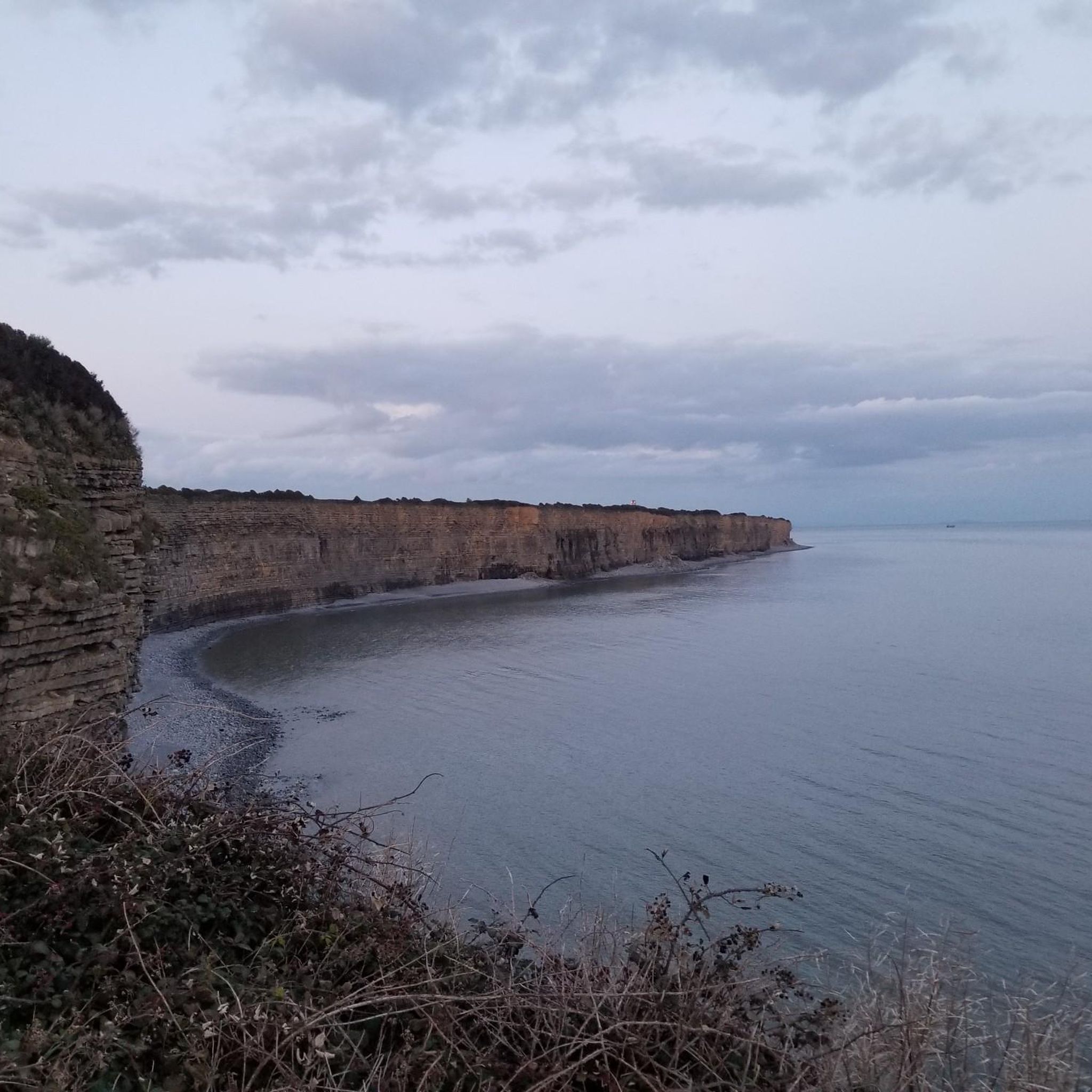
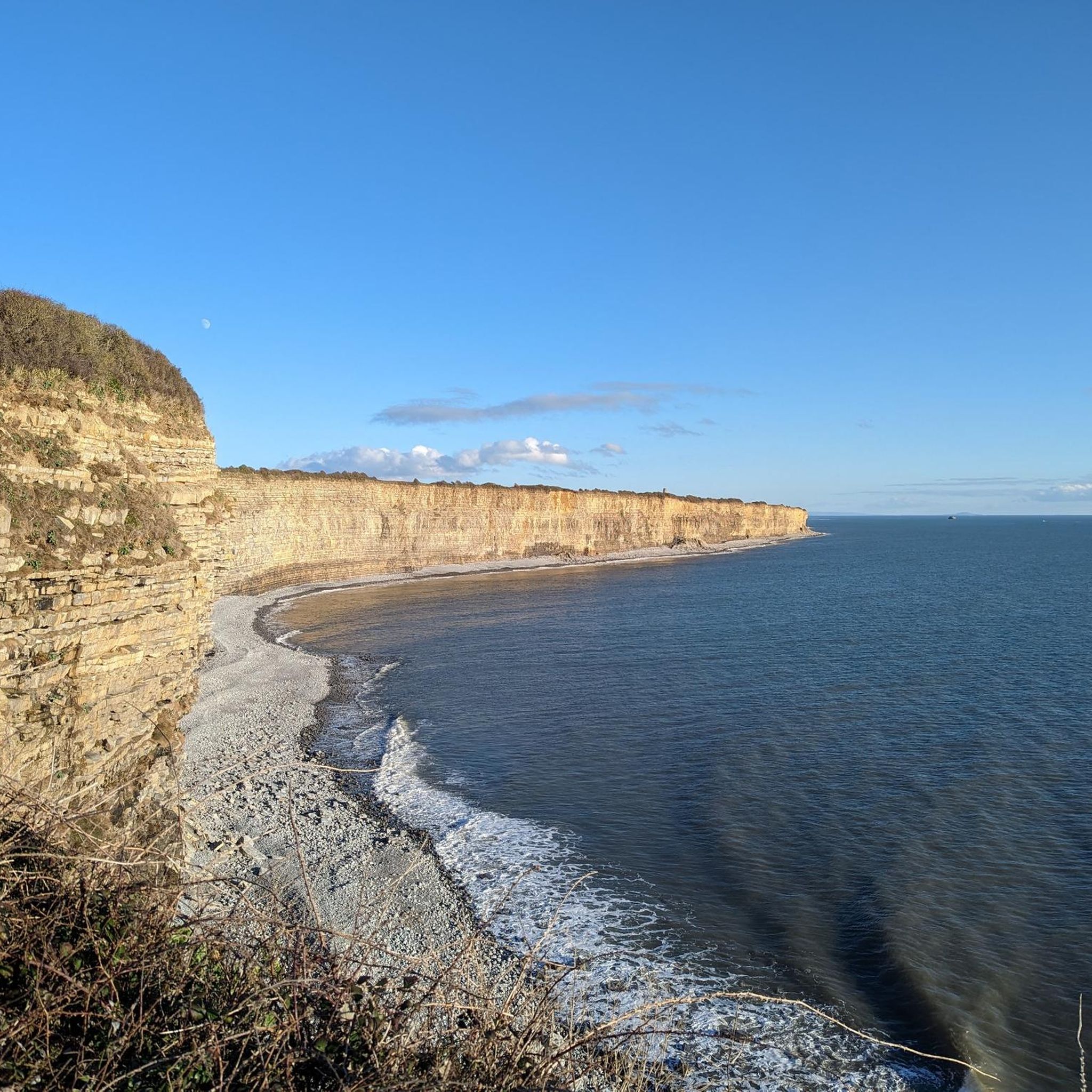
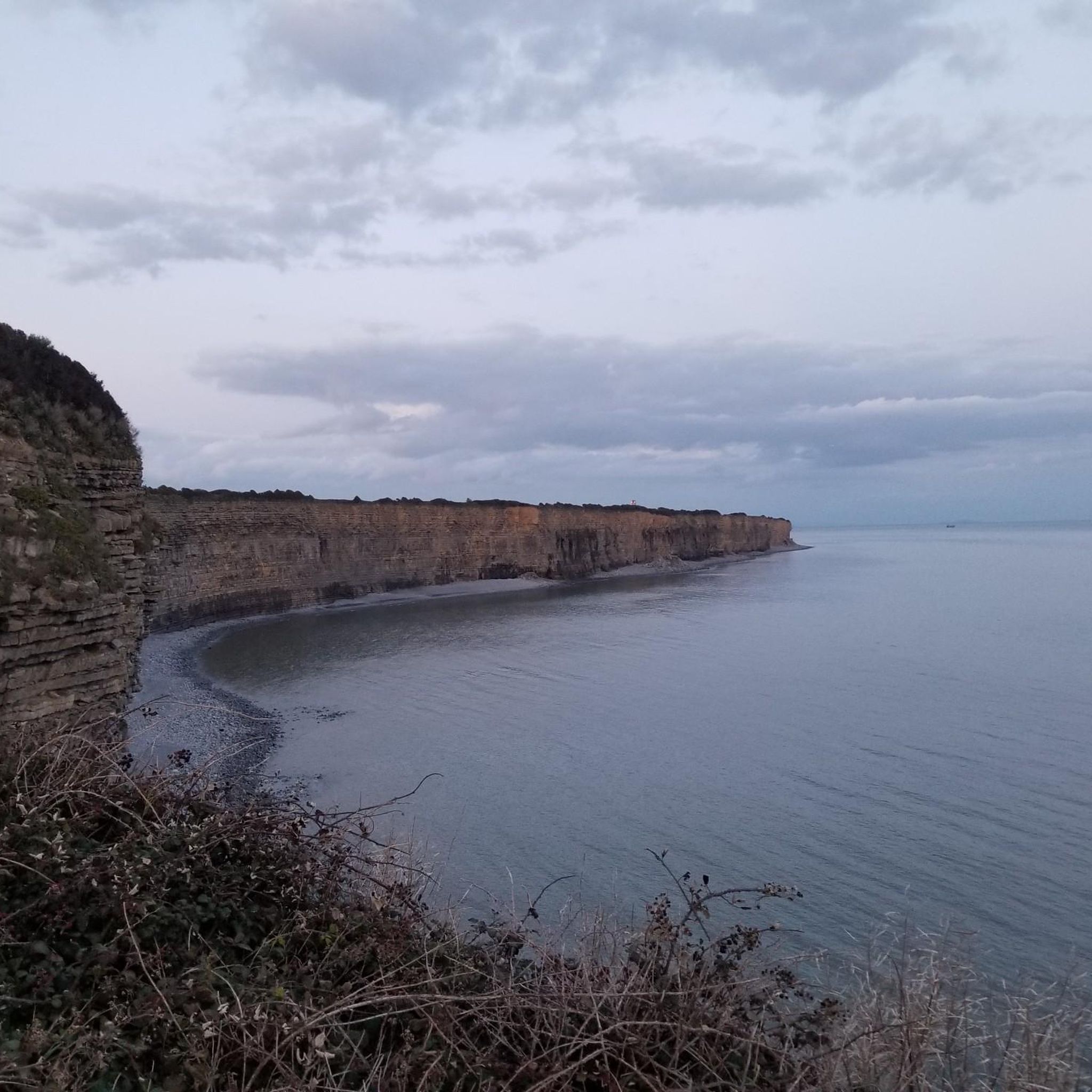
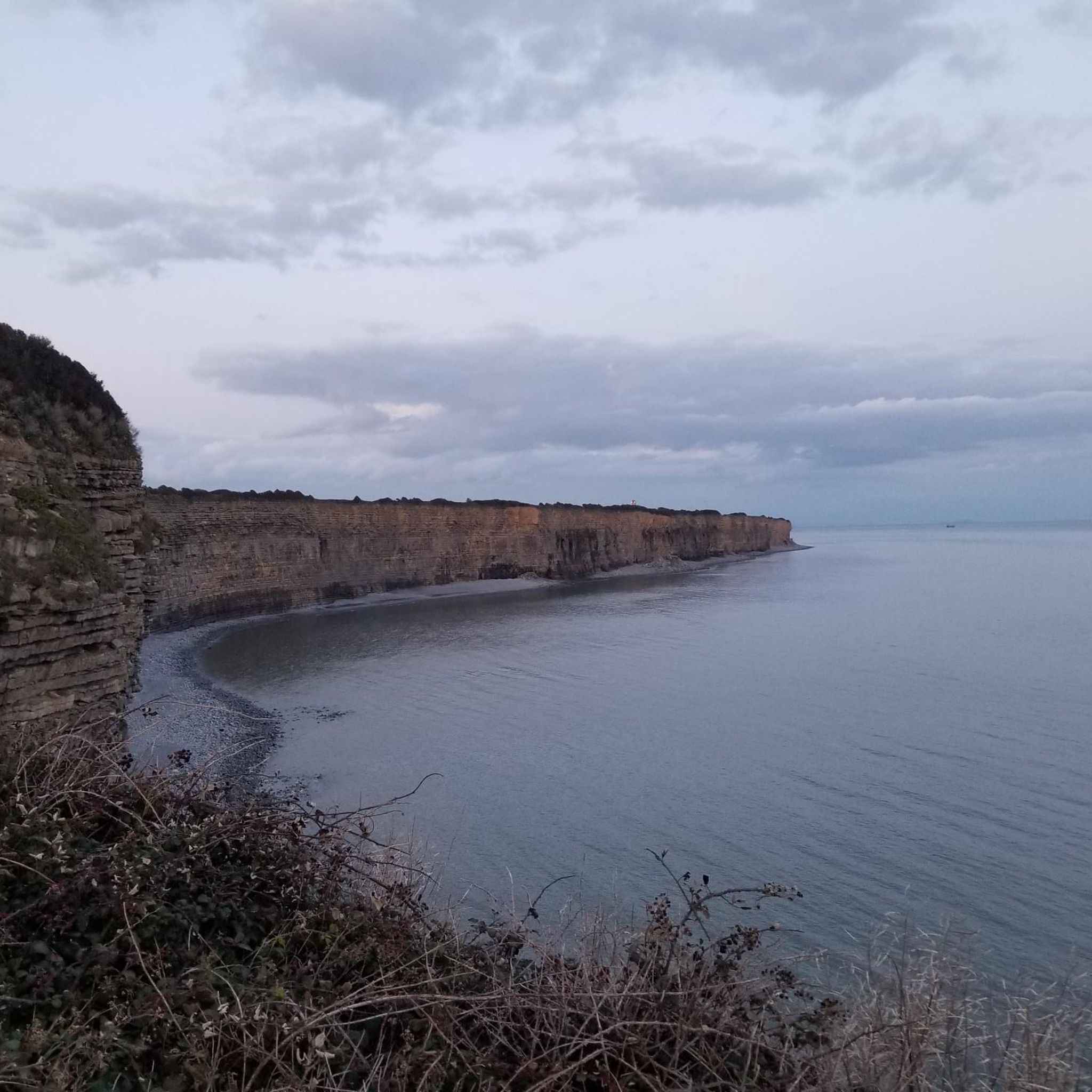
Penryn Bay is a secluded cove located a stone's throw away from the magnificent St Donats Castle and Arts Centre on the Glamorgan Heritage Coast. The bay features a huge slab of rock which makes a great place to sit and gaze across the beautiful Bristol Channel.
1
0
St Fagans is an affluent village situated to the west of Cardiff in South Wales. The village is home to St Fagans National Museum of History, Wales' most popular heritage attraction that beautifully showcases the history of Welsh life. Whilst in St Fagans, a visit to the museum is a must. There are endless fascinating places to discover inside the grounds, including an old sweet shop, a chapel, a Workmen's Institute, a set of traditional cottages laid out in their original style, and a late 16th-century manor house and gardens. It is free to enter the grounds, and you can check out the opening times here https://museum.wales/stfagans/visit/
2
0

A FANTASTIC DAY OUT .Wear COMFORTABLE SHOES 👞. AS A LOT OF WALKING INVOLVED.
1
0

If you are lucky you can buy honey or make jewelry yourself at the small craft market.
0
0

A medieval castle dating from the 13th century previously existed on the site. By 1536 it lay in ruins. By 1563 the site had been sold to a Dr John Gibbon. A new house was built on the site either by Gibbon or by Nicholas Herbert, who bought the site from Gibbon in 1586. Part of the D-shaped medieval boundary fortifications remain, forming a wall around the current house. Sir Edward Lewis of The Van, Caerphilly, bought the house in 1616 and the interior dates partly from then and partly from after 1850, when it became the summer residence of the Windsor-Clive family. The property was part of the estate of the Earls of Plymouth and, in 1833, was inherited by Lady Harriet Clive who proceeded to restore the building. The sequence of terraces in the gardens was created for the Windsor-Clives in 1865–6 and extended in the early 20th century. The house became a convalescent hospital for soldiers during World War I, with the banqueting hall containing a ward of 40 beds. In 1947 the Windsor-Clives gave the house and grounds to the Amgueddfa Cymru - National Museum Wales and the grounds subsequently became the site of the Welsh Folk Museum, now St Fagans National Museum of History. St Fagans Castle became a Grade I listed building in 1977. The lead water cistern in the courtyard of the castle is Grade II* listed, while a number of features in the gardens are listed as Grade II.
2
0
Frequently Asked Questions
What types of castles can I explore around Llanfair?
The Llanfair region, primarily in South Wales, offers a diverse range of historical structures. You can find medieval castles, fortified manor houses, and historical sites. Examples include the 14th-century St Quentin's Castle with its twin-towered gatehouse, and St Fagans Castle and Gardens, an Elizabethan manor house.
Are there any historical sites that offer a broader view of Welsh life near Llanfair?
Yes, St Fagans National Museum of History is a must-visit. It's an open-air museum showcasing the history of Welsh life, featuring an old sweet shop, a chapel, traditional cottages, and a late 16th-century manor house. It's free to enter and open daily from 10 am to 5 pm.
Which castles around Llanfair are particularly family-friendly?
Several sites are great for families. St Fagans Castle and Gardens and St Fagans National Museum of History are both listed as family-friendly and offer plenty of space and exhibits for all ages. Llanblethian Village and St Quentin's Castle also provides an interesting historical exploration for families.
What outdoor activities can I do near the castles around Llanfair?
The region offers various outdoor activities. You can find numerous hiking and cycling routes. For example, there are easy hikes like the 'Hensol Forest loop' or moderate hikes such as the 'St Quentin's Castle – Cowbridge Physic Garden loop'. Cycling options include moderate routes like 'St Quentin's Castle – Llanmihangel House loop'. You can explore more options in the hiking guide or cycling guide for Llanfair.
Are there any castles that are more like fortified manor houses?
Yes, Old Beaupre Castle is a notable example. Despite its name, it's primarily a ruined medieval fortified manor house. It features a well-preserved three-storeyed gatehouse and a striking Renaissance porch, showcasing a blend of medieval and Tudor architecture.
Where can I find scenic viewpoints near the castles?
Near the Glamorgan Heritage Coast, you can visit Penryn Bay. It's a secluded cove close to St Donats Castle, offering a large rock slab perfect for sitting and gazing across the beautiful Bristol Channel.
What is the best time of year to visit castles around Llanfair?
While specific opening times vary, visiting during spring or autumn often provides pleasant weather for exploring both indoor and outdoor castle grounds. Summer is also popular, but can be busier. Winter visits are possible, but some outdoor areas might be less accessible due to weather.
Are there any hidden gem castles or lesser-known historical sites in the broader region?
Beyond the immediate Llanfair area, Llanvair Discoed Castle in Monmouthshire is considered a 'hidden gem'. It's a 13th-century ruin with two cylindrical corner towers and fragments of defensive walls, largely reclaimed by nature, offering a sense of discovery for those interested in less-preserved medieval sites.
What are the notable architectural features of Beaumaris Castle?
Beaumaris Castle, located near Llanfair Pwllgwyngyll in North Wales, is a UNESCO World Heritage site known for its concentric design with walls within walls. It features an almost perfect symmetrical layout, a broad moat, 16 towers, and two main gatehouses, showcasing sophisticated medieval military engineering.
What makes Penrhyn Castle unique?
Penrhyn Castle, also near Llanfair Pwllgwyngyll, is a 19th-century neo-Norman country house built in the style of a Norman castle. It boasts lavish Gothic interiors, an extensive art collection, and beautiful grounds including a walled garden and a railway museum. It also has a significant history tied to the slave trade and industrial disputes.
Can I find accommodation or places to eat near the castles?
The villages and towns surrounding the castles, such as Cowbridge near St Quentin's Castle, offer various amenities including cafes, pubs, and accommodation options. For specific details, it's best to check local listings for the area you plan to visit.
How long should I allocate for visiting the castles around Llanfair?
The time needed varies by site. For a comprehensive experience at a larger site like St Fagans National Museum of History, you could easily spend half a day or more. Smaller ruins or manor houses like Old Beaupre Castle might take 1-2 hours to explore. Consider combining visits to nearby attractions to make a full day.
Most popular attractions around Llanfair

Get inspired with the komoot mobile app


Explore more
Looking for the best castles somewhere else? Discover other guides around Llanfair:
