Top 4 Castles around Llansannan
Best castles around Llansannan are found in the surrounding North Wales region, an area rich in historical sites and natural landscapes. While Llansannan itself features historical points like St Sannan's Church and prehistoric sites, the broader vicinity offers impressive fortresses. This part of Wales is characterized by its rolling hills, river valleys, and proximity to the coast, providing a scenic backdrop for exploring medieval architecture. The region's history is deeply intertwined with these structures, reflecting centuries of Welsh heritage and strategic importance.
Best castles around Llansannan
- The most popular castles is Denbigh Castle and Town Walls, a historical site that was built to control the lordship of Denbigh after the Conquest of Wales. This mighty fortress features extensive town walls and a history of Welsh resistance and English control.
- Another must-see spot is Gwrych Castle, an imposing gothic ruin on the picturesque North Wales coastline. Visitors can explore its impressive architecture and enjoy spectacular sea views.
- Visitors also love Bodelwyddan Castle, a handsome castle that was once a 19th-century country house and art gallery. It is now a luxury hotel, surrounded by formal gardens and 16 acres of woodland.
- Llansannan is known for its medieval fortresses, gothic ruins, and fortified manor houses. The area offers a variety of castles to see and explore, from well-preserved historical sites to impressive architectural ruins.
- The castles around Llansannan are appreciated by the komoot community, with more than 10 upvotes and 5 photos shared across the highlights.
Last updated: May 2, 2026
Denbigh Castle and Town Walls
Highlight • Historical Site
Tip by

Gwrych Castle
Highlight • Historical Site
Tip by
Sign up now to discover places like this
Get recommendations on the best single tracks, peaks, & plenty of other exciting outdoor places.
Sign up for free
Pensarn Pier and View of Gwrych Castle
Highlight • Beach
Tip by
Gwydir Castle
Highlight • Castle
After a restoration period of over twenty years by its current owners it is now open to the public. It is a unique experience in country house visiting. See the link for opening times and prices;
gwydircastle.co.uk
Tip by

Bodelwyddan Castle
Highlight • Historical Site
Tip by
Start today with a free account
Your next adventure awaits.
Login or Signup
Tips from the Community

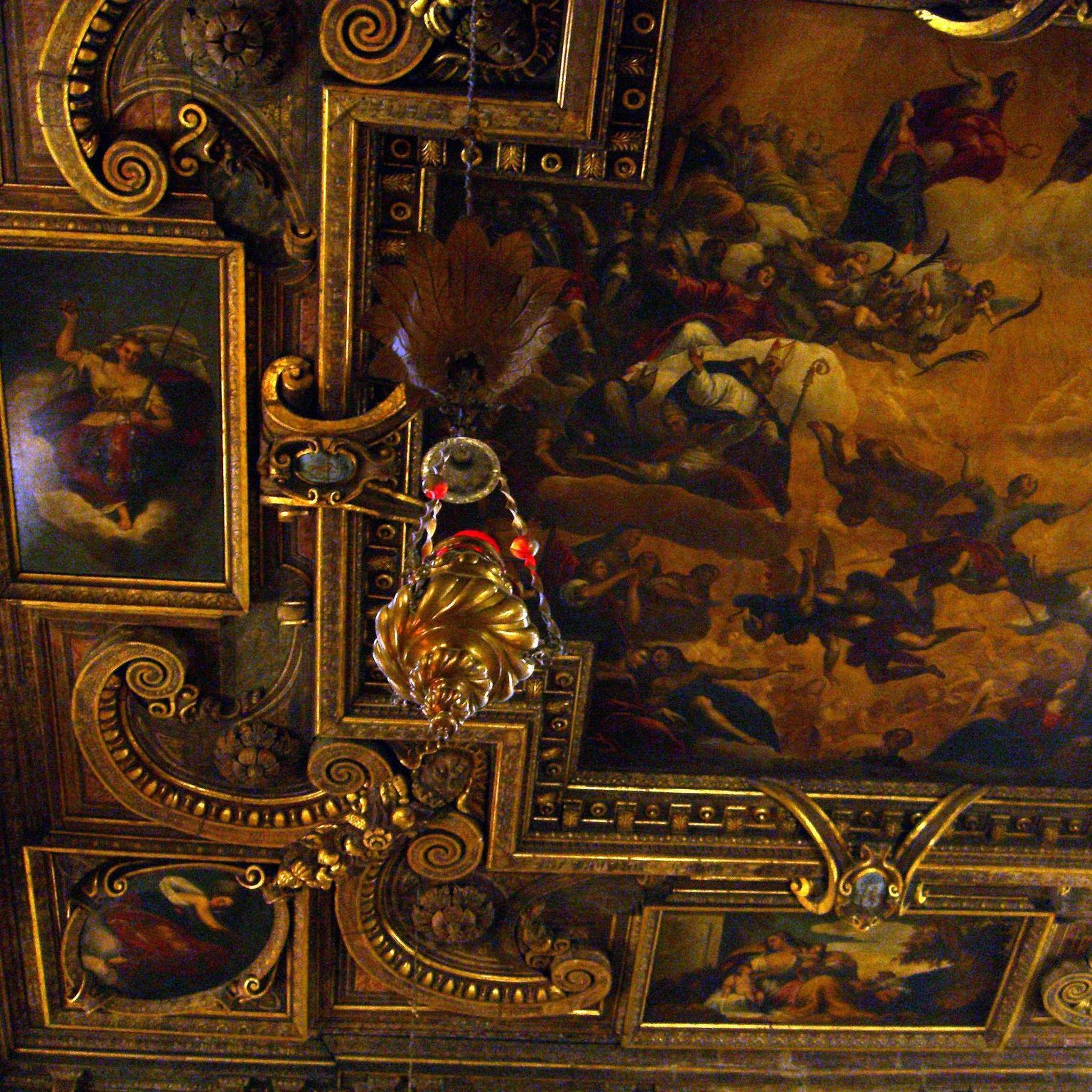
Gwydir Castle is a magnificent and atmospheric historical gem located in the Conwy Valley, North Wales, nestled in the foothills of Snowdonia, near the town of Llanrwst. It is perhaps best described as a fortified manor house or Tudor courtyard house, rather than a traditional Norman-style fortress. The Wynn Family: Gwydir was the ancestral home of the Wynn family, one of the most powerful and influential families in North Wales during the Tudor and Stuart periods. They were descended from the ancient Princes of Gwynedd. Salvaged Materials: The castle incorporates re-used medieval materials, including a spiral staircase, taken from the dissolved Maenan Abbey in the 16th century. Royal Connections: King Charles I stayed at the castle in 1645. The future King George V and Queen Mary stayed here in 1899.
0
0

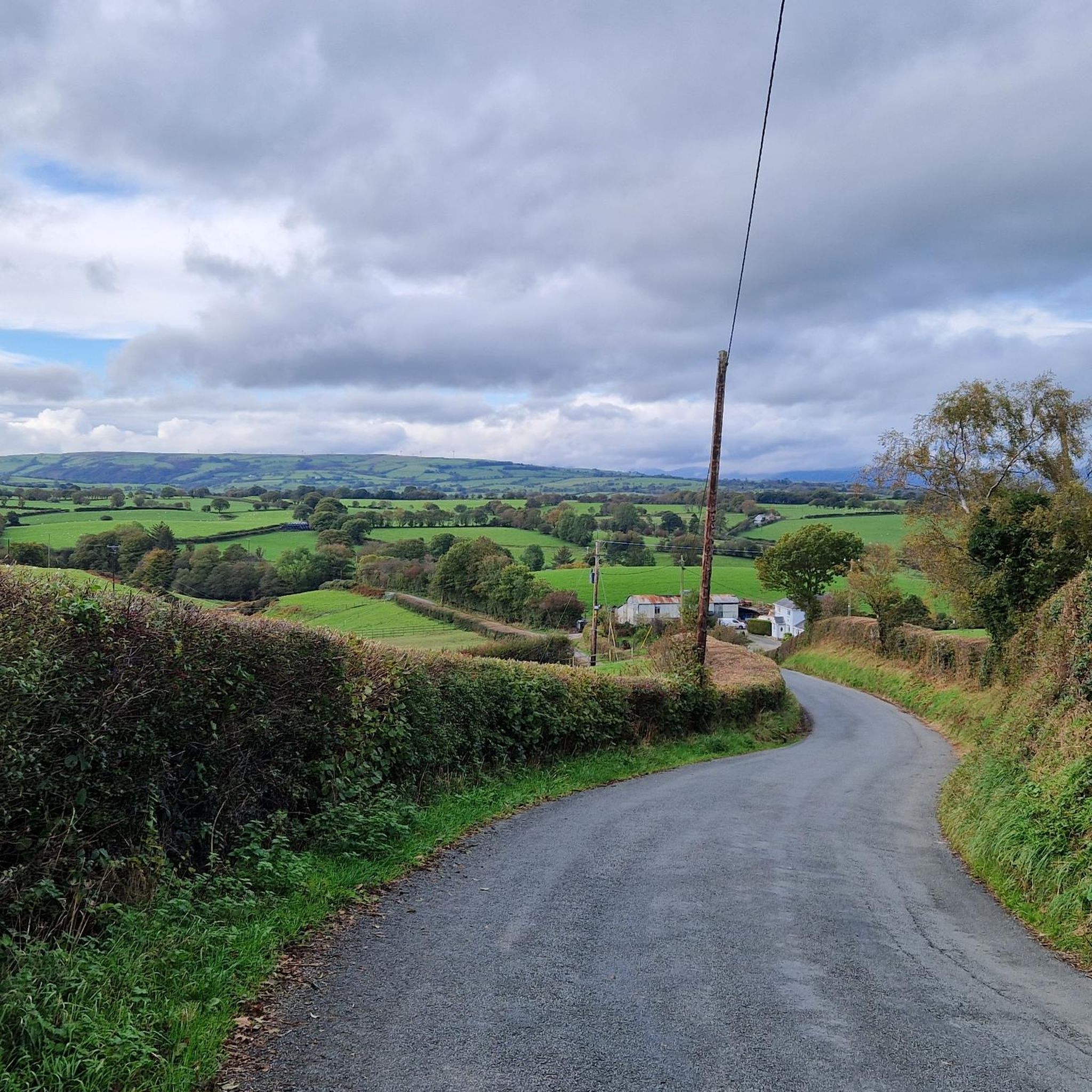
A lovely market town with pubs and shops and bakeries. Hilly routes into town but a number of good places for a stop mid ride.
0
0

You can enter the grounds and carpark for free. You can take amazing photos of the castle at the front, but if you wish to go inside the castle, there is a fee
2
0

Gwrych Castle is an imposing gothic ruin on the picturesque North Wales coastline, with spectacular sea views and impressive architecture around every corner. Really nice place to visit.
0
3
The castle passed between various owners in the first half of the 14th century, before coming under the control of the Mortimer family. Meanwhile, the walled town had proved impractical to live in, and a newer, much larger, settlement developed outside the defences. In 1400, the walled town was raided during the Glyndŵr Rising, although the castle itself remained secure throughout the rebellion. During the Wars of the Roses, Denbigh was attacked by Lancastrian forces; the walled town was attacked and burnt. In the aftermath, the old town was largely abandoned by its inhabitants, the walled area becoming an extension of the castle's defences.
3
0
Denbigh Castle and town walls (/ˈdɛnbi/ DEN-bee; Welsh: Castell Dinbych a waliau tref [ˌkastɛɬ ˈdɪnbɨχ]) were built to control the lordship of Denbigh after the Conquest of Wales by Edward I of England in 1282. The lands were granted to Henry de Lacy, Earl of Lincoln, who began to build a new walled town, colonised by immigrants from England, protected by a substantial castle and surrounded by deer parks for hunting. The work had not been completed by 1294, when the Welsh temporarily seized the castle during the Madog ap Llywelyn revolt. The defences continued to be improved, although the castle was not completely finished by the time of Henry's death in 1311.
3
0
Gwrych Castle is a Grade I listed country house near Abergele in Conwy County Borough, Wales. On an ancient site, the current building was created by Lloyd Hesketh Bamford-Hesketh and his descendants over much of the 19th and early 20th centuries.
5
0
Gwrych Castle is a Grade I listed country house in North Wales, one of the first attempts at replicating true medieval architecture in Europe. It stands in 250 acres of gardens and grounds and has extensive views over former parkland including a deer park and the Irish Sea. Gwrych Castle was built between 1812 and 1822 by Lloyd Hesketh Bamford-Hesketh as a memorial to his mother’s ancestors, the Lloyds of Gwrych. Upon the site was an Elizabethan house named ‘Y Fron (rounded hill) which by 1810 had fallen into dereliction. When Lloyd married Lady Emily Esther Ann Lygon, daughter of the 1st Earl of Beauchamp in 1825, the main building was complete.
4
1
Frequently Asked Questions
What are the most significant castles to visit near Llansannan?
While Llansannan itself doesn't have traditional castles, the surrounding North Wales region is home to several impressive historical fortresses. Key recommendations include Denbigh Castle and Town Walls, a mighty fortress built by Edward I, and Gwrych Castle, an imposing Gothic ruin with spectacular sea views. Other notable castles in the broader area include Conwy Castle and Beaumaris Castle, both UNESCO World Heritage Sites.
Are there any family-friendly castles or historical sites in the area?
Yes, several castles near Llansannan offer a great experience for families. Bodelwyddan Castle, now a luxury hotel, features formal gardens and 16 acres of woodland, which can be enjoyable for a family stroll. Gwrych Castle, with its dramatic appearance and extensive grounds, also appeals to families. Additionally, the historical significance and exploration opportunities at Denbigh Castle can be engaging for children.
What kind of outdoor activities can I do near these castles?
The area around Llansannan and its castles offers a variety of outdoor activities. You can find numerous hiking trails, including moderate routes like the 'Alwen Reservoir – Bryn y Gors-goch loop' near Llyn Brenig. For cyclists, there are extensive road cycling routes, such as 'A loop around the Clocaenog Forest from Denbigh Castle to Llyn Brenig', and gravel biking options like the 'Brenig cycle trail'. You can explore more options on the hiking guide, road cycling guide, and gravel biking guide for Llansannan.
Which castles offer the best views or natural surroundings?
Gwrych Castle stands out with its imposing Gothic architecture set against the picturesque North Wales coastline, offering spectacular sea views. Pensarn Pier also provides excellent views of Gwrych Castle from a coastal perspective. While not a traditional castle, the medieval St Sannan's Church in Llansannan is situated on a terrace above the River Aled, offering a scenic historical setting.
Are there any lesser-known or 'hidden gem' historical sites near Llansannan?
Beyond the prominent castles, Llansannan itself holds historical interest. St Sannan's Church, dating back to the thirteenth century, offers a glimpse into medieval religious architecture. The parish also contains prehistoric sites like 'Bwrdd Arthur' (Arthur's Round Table) and various round barrows, indicating ancient human activity in the area.
What is the best time of year to visit castles in North Wales?
The best time to visit castles in North Wales, including those near Llansannan, is generally during the spring (April-May) and autumn (September-October) months. The weather is typically milder, and the landscapes are beautiful, with fewer crowds than in peak summer. Summer (June-August) offers longer daylight hours but can be busier. Winter visits are possible, but some sites may have reduced opening hours, and the weather can be more unpredictable.
Are there any castles near Llansannan that are wheelchair accessible?
Accessibility varies greatly between historical sites. While many medieval castles, due to their age and design, have limited wheelchair access, some modern visitor centers and ground-level areas may be accessible. It is always recommended to check the official websites of specific castles like Denbigh Castle or Gwrych Castle for their most up-to-date accessibility information before planning your visit.
Can I bring my dog to the castles or on nearby trails?
Many outdoor trails and some castle grounds in North Wales are dog-friendly, often requiring dogs to be on a lead. For example, the trails around Llyn Brenig, which are accessible from Llansannan, are generally dog-friendly. However, specific rules vary for each castle. It's best to check individual castle websites for their dog policies, as some may only allow assistance dogs inside buildings or have restrictions in certain areas.
What historical significance do the castles around Llansannan hold?
The castles in the region, such as Denbigh Castle, are deeply intertwined with Welsh history, particularly the conflicts between the Welsh and English. Denbigh Castle, for instance, was built by Edward I to assert control after the Conquest of Wales and played a role in various rebellions and wars, including the English Civil War. Gwydir Castle, a fortified manor, was the ancestral home of the powerful Wynn family, influential during the Tudor and Stuart periods.
Are there cafes or pubs near the castles for refreshments?
Yes, you'll find options for refreshments near the castles. Many towns hosting these historical sites, such as Denbigh near Denbigh Castle, have local cafes and pubs. For example, the Llyn Brenig Visitor Centre, located near some of the cycling and hiking routes, also has a cafe. It's advisable to check opening hours in advance, especially for smaller local establishments.
What are the parking facilities like at the castles?
Most major castles in North Wales, including Denbigh Castle and Gwrych Castle, provide dedicated parking facilities for visitors, often for a fee. Parking availability and charges can vary, so it's recommended to check the specific castle's official website for the most current information before your visit.
How can I get to the castles near Llansannan using public transport?
Public transport options to castles from Llansannan can be limited, as Llansannan is a rural village. However, larger towns like Denbigh (for Denbigh Castle) and Abergele (for Gwrych Castle) are generally better served by bus routes. From these towns, you might be able to reach the castles directly or with a short taxi ride. Planning your journey in advance using local bus timetables is recommended.
Most popular attractions around Llansannan

Get inspired with the komoot mobile app


Explore more
Looking for the best castles somewhere else? Discover other guides around Llansannan:
