Top 4 Lakes around Aughton
Lakes around Aughton, located in West Lancashire, England, are characterized by natural areas featuring ponds and wetland habitats rather than large, expansive lakes. These locations offer ecological significance and serene environments for visitors. The region provides opportunities to explore diverse wildlife and plant species within these water bodies and surrounding natural landscapes.
Best lakes around Aughton
- The most popular lakes is Lunt Meadows Nature Reserve, a nature reserve that features an 8,000-year-old Mesolithic settlement. It is also known for…
Last updated: October 3, 2026
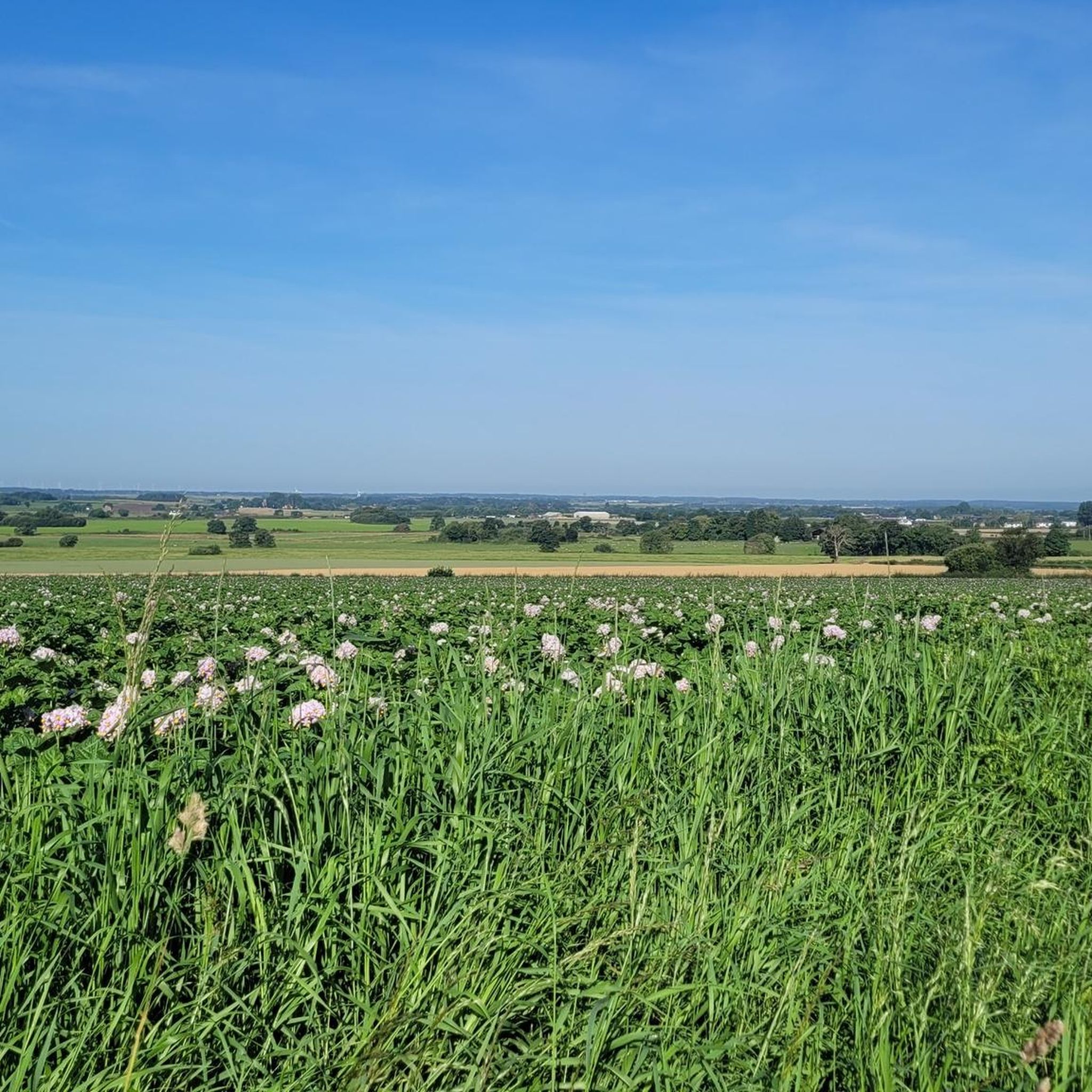
Martin Mere Wetland Centre
Highlight (Segment) • Lake
Tip by

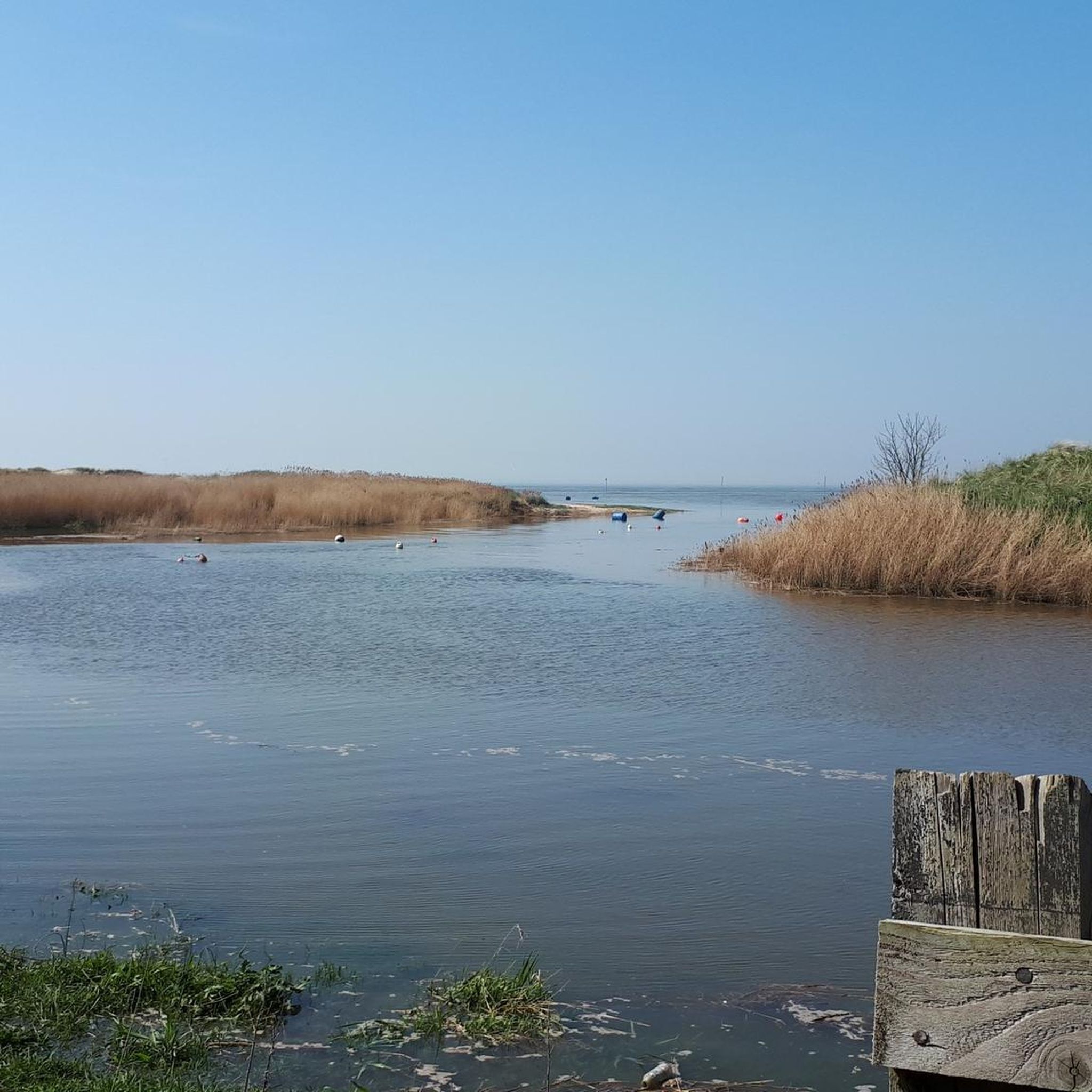
Lunt Meadows Nature Reserve
Highlight • Natural
Tip by

Sign up now to discover places like this
Get recommendations on the best single tracks, peaks, & plenty of other exciting outdoor places.
Bench at Pinfold Path Pond
Highlight • Lake
Tip by

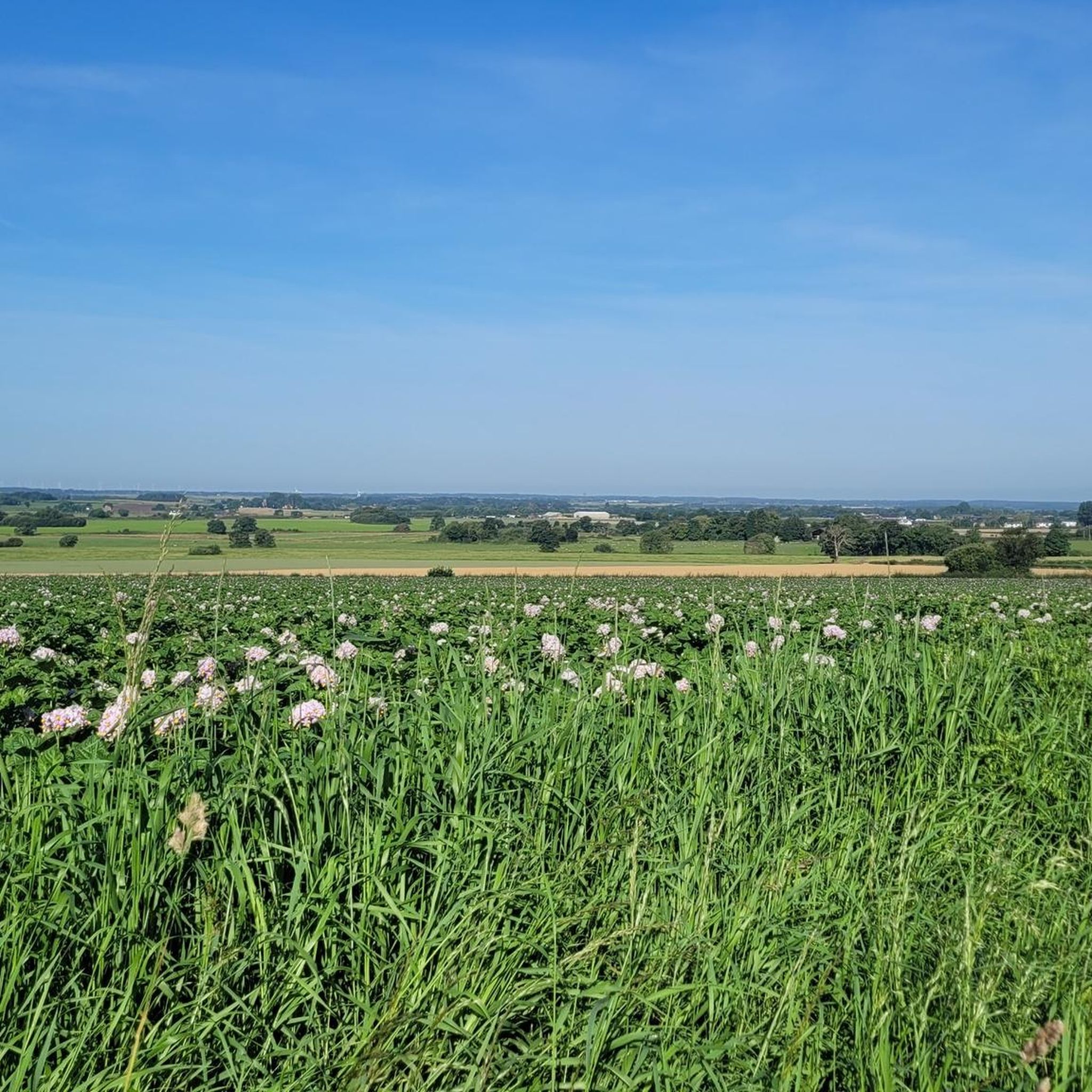
Little Wood Greenway, Stockbridge Village
Highlight • Cycleway
The cycle path runs along Mab Lane community woodland. The start of the trail is by Paddy's Memorial.
Tip by
Start today with a free account
Your next adventure awaits.
Tips from the Community

Be advised that the car park now has a fee.
0
0

If you go very early, there is a barn owl that you may catch a glimpse of. The last time I visited she was teaching her young how to hunt.
2
0
Around 8000 years ago as Britain was becoming the island that we recognise today the earliest people living here were hunter-gatherers in what is known as the Mesolithic period. Evidence for where they lived is widespread in Britain and many sites have been archaeologically excavated. However, good surviving evidence for how these people lived is restricted to a very few sites. The common view has been that they were scattered nomadic people who lived in small groups with little evidence for them building substantial settlements. In the last ten years or so understanding of the period has begun to improve slowly with new discoveries that have modified this view. The most recent discovery in 2012-13 of rare 8,000 year old houses at Lunt Meadows, Sefton, north of Liverpool, is another important development in our understanding of a way of life that began to disappear about 6000 years ago with the introduction of farming into Britain.
2
1

A lovely tranquil spot. The only bench at this pond. I sat here for 45 minutes for a coffee break and a rest at lunchtime on the first Saturday in June and only one couple passed by. Beautiful.
1
0
Martin Mere was formed at the end of the last ice age, when water filled a depression in the glacial drift. Since then its size has varied as water levels have risen and fallen. The original giant lake can be seen on Christopher Saxton's map from 1579 and stretched from Rufford in the east, to Churchtown (then known as North Meols) in the west. To the north of the lake were the villages of Mere Brow and Holmeswood, the site of Holmeswood Hall, built by the Heskeths as a hunting lodge. South of the lake was the Scarisbrick Hall estate, Martin Hall and Tarlefarwood, now known as Tarlscough
8
2
Martin Mere is a mere near Burscough, in Lancashire, England, on the West Lancashire Coastal Plain. The mere is a vast marsh, around grid reference SD 41 15 that was, until it was drained, the largest body of fresh water in England.
8
2
Martin Mere was formed at the end of the last ice age, when water filled a depression in the glacial drift. Since then its size has varied as water levels have risen and fallen. The original giant lake can be seen on Christopher Saxton's map from 1579 and stretched from Rufford in the east, to Churchtown (then known as North Meols) in the west. To the north of the lake were the villages of Mere Brow and Holmeswood, the site of Holmeswood Hall, built by the Heskeths as a hunting lodge. South of the lake was the Scarisbrick Hall estate, Martin Hall and Tarlefarwood, now known as Tarlscough. The mere originally drained out in two places; at the western end the arm of the mere known as the Wyke drained into the Pool (or Old Pool) at what is now Crowland Street, Blowick, while at its eastern end it flowed into the river Douglas at Rufford. Active management of the mere began in 1692 when Thomas Fleetwood of Bank Hall cut a channel in an attempt to drain it.
7
2
Little Wood Greenway is in Stockbridge Village and you can start your ride from Deysbrook Lane past The famous Brookside Close. The cycle path runs along Mab Lane community woodland. The start of the trail is by Paddy's Memorial. It's a beautiful traffic free space with ponds and lakes for some fishing. It was amazing wildlife like Owls , woodpeckers Squirrels and many birds and plenty of berry's to pick.
8
0
Frequently Asked Questions
What kind of natural landscapes can I expect around Aughton's lakes?
The Aughton area, while not known for vast natural lakes, features significant wetland habitats, ponds, and ancient woodlands. You'll find diverse ecosystems at places like Gorse Hill Nature Reserve, which boasts restored ponds, reed beds, and associated wetlands. Additionally, areas like Aughton Woods offer tranquil woodland paths and open fields, providing a mix of environments for exploration.
Are there good walking trails near the lakes in Aughton?
Yes, there are several walking opportunities. Gorse Hill Nature Reserve offers trails through woodlands and meadows, providing scenic views. For more structured routes, you can explore various hiking trails around Aughton, including family-friendly hikes and hikes accessible from bus stations. An easy 2.4 km loop around Old Gorse Hill Reservoir is also available.
Which lakes are suitable for families with children?
Several spots are family-friendly. The Martin Mere Wetland Centre is a popular choice, offering extensive wetlands and wildlife viewing. Lunt Meadows Nature Reserve is also suitable for families, with opportunities for bird watching and exploring historical sites. Additionally, Bench at Pinfold Path Pond and Little Wood Greenway, Stockbridge Village are noted as family-friendly locations.
Can I bring my dog to the lakes around Aughton?
Many outdoor areas around Aughton are dog-friendly, though specific rules may apply to nature reserves to protect wildlife. Gorse Hill Nature Reserve and Aughton Woods are generally welcoming to dogs on leads. Always check local signage for any restrictions, especially around sensitive habitats or bird nesting areas.
What historical or archaeological sites are there near the lakes?
The area has notable historical significance. Lunt Meadows Nature Reserve is home to a rare 8,000-year-old Mesolithic settlement, where evidence of some of Britain's first houses has been found. Martin Mere Wetland Centre itself has a rich history, formed at the end of the last ice age and subject to drainage efforts since the 17th century, with its original vast size depicted on 16th-century maps.
What wildlife can I see at the lakes and wetlands in the Aughton area?
The wetlands and ponds are rich in wildlife. Gorse Hill Nature Reserve is a haven for amphibians, including smooth, palmate, and the rare Great Crested Newts, as well as toads and frogs. It also supports diverse wetland wildflowers and various insect species, including five types of dragonflies. Lunt Meadows Nature Reserve is excellent for bird watching, with barn owls often spotted early in the morning. Aughton Woods is known for bird species like chiffchaffs, chaffinches, nuthatches, and breeding pied flycatchers.
Are there any accessible paths for wheelchairs or strollers near Aughton's lakes?
While specific wheelchair-accessible paths are not widely highlighted for all lake areas, some nature reserves and greenways may offer flatter, well-maintained sections. For instance, Little Wood Greenway, Stockbridge Village, is a traffic-free cycle path that might be suitable for strollers. It's always advisable to check the specific conditions of trails before visiting, especially after adverse weather.
When is the best time of year to visit the lakes around Aughton?
Spring and summer are generally excellent for visiting, offering pleasant weather for walks and optimal wildlife viewing. Spring is particularly beautiful in Aughton Woods, when carpets of bluebells bloom. The wetlands and ponds are vibrant with wildflowers and active insects during these warmer months. However, the serene beauty of these areas can be enjoyed year-round for peaceful walks.
Where can I find parking for lake walks in the Aughton area?
Parking availability varies by location. Lunt Meadows Nature Reserve offers a free car park, welcoming donations. For other areas like Gorse Hill Nature Reserve or Aughton Woods, roadside parking might be available, or designated car parks in nearby villages. Always check local signage for parking regulations.
Are there opportunities for cycling near the lakes?
Yes, cycling is a popular activity. Little Wood Greenway, Stockbridge Village, is a dedicated traffic-free cycle path that runs along Mab Lane community woodland, featuring ponds and lakes. For more extensive routes, you can explore MTB trails around Aughton, which include routes along the Leeds and Liverpool Canal.
What are the opening hours for nature reserves like Lunt Meadows?
Lunt Meadows Nature Reserve typically operates from 9:30 am to 6:30 pm during summer and 9:30 am to 4:30 pm during winter. Access is possible on foot or by bike from various directions. It's always a good idea to check the Lancashire Wildlife Trust's website for the most current information before planning your visit.
Can I find cafes or pubs near the lakes for refreshments?
While the immediate vicinity of some nature reserves might be remote, nearby villages and towns like Aughton and Ormskirk offer a selection of cafes, pubs, and accommodation options. You'll find places to refresh and refuel after your walks, often just a short drive away from the natural areas.
Most popular routes around Aughton
Most popular attractions around Aughton

Get inspired with the komoot mobile app


Explore more
Still not found your perfect lake around Aughton? Check out the guides of these regions to see even more beautiful places.
