Top 4 Castles around Avich And Kilchrenan
Best castles around Avich And Kilchrenan are situated in Argyll, Scotland, an area known for its historic castles and ruins. This region features a landscape of lochs and woodlands, providing scenic backdrops for these historical sites. The castles offer insights into the area's past, including the history of powerful clans. Visitors can explore both well-preserved structures and picturesque ruins.
Best castles around Avich And Kilchrenan
- The most popular castles is Kilchurn Castle, a historical site that is a ruined castle on the northeastern shore of Loch Awe. This five-story tower house is still largely intact and is one of the most photographed castles in Scotland.
- Another must-see spot is Kilchurn Castle and Loch Awe, a viewpoint offering views of the castle situated at the head of Loch Awe. Visitors can observe the castle's dramatic setting against the backdrop of the loch and surrounding mountains.
- Visitors also love Ardmaddy Castle Gardens, a castle site known for its tranquil gardens. The gardens are shielded by mature woodlands and feature rhododendrons, rare shrubs, and water gardens with damp-loving plants.
- Avich And Kilchrenan is known for its ruined castles, historic tower houses, and castle gardens. The area offers a variety of historical sites to explore, from ancient strongholds to serene horticultural displays.
- The castles around Avich And Kilchrenan are appreciated by the komoot community, with 1 highlight featuring 91 photos and receiving 49 upvotes.
Last updated: August 9, 2026
Kilchurn Castle
Highlight • Historical Site
Beautiful ruins that are picturesquely set on the shore of Loch Awe. Free Entry. The viewing platform in the tower was closed at May 2018.
Translated by Google •
Tip by

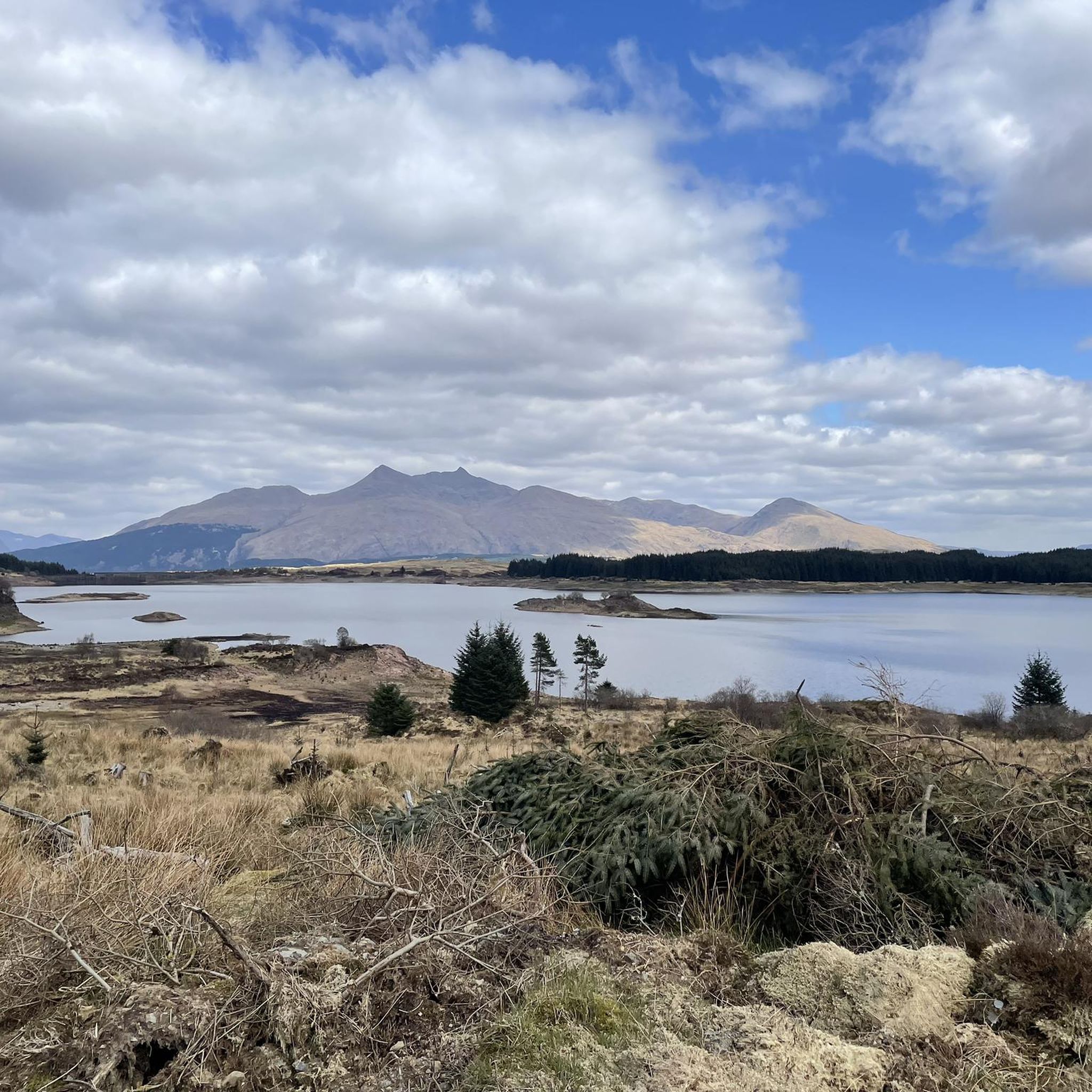
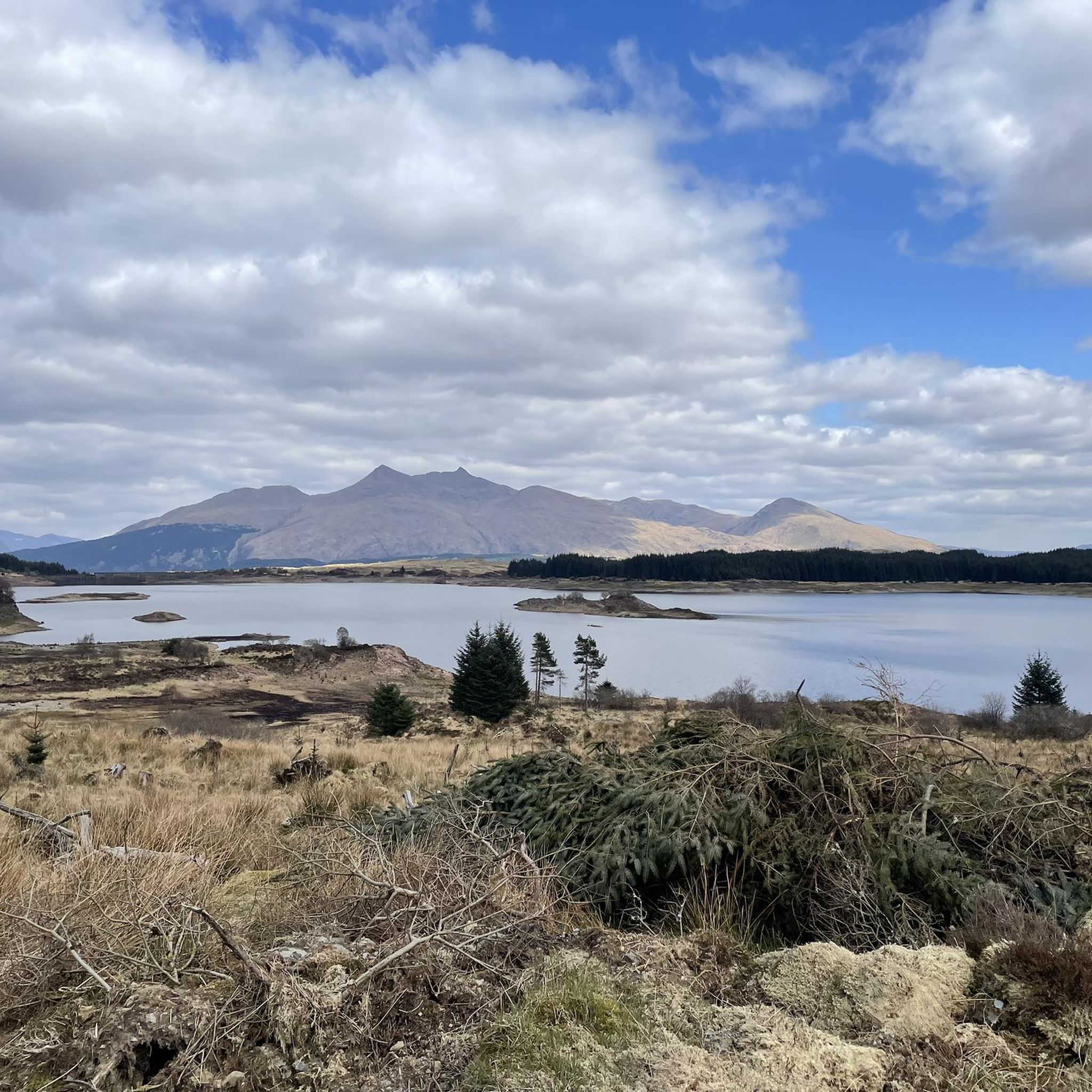
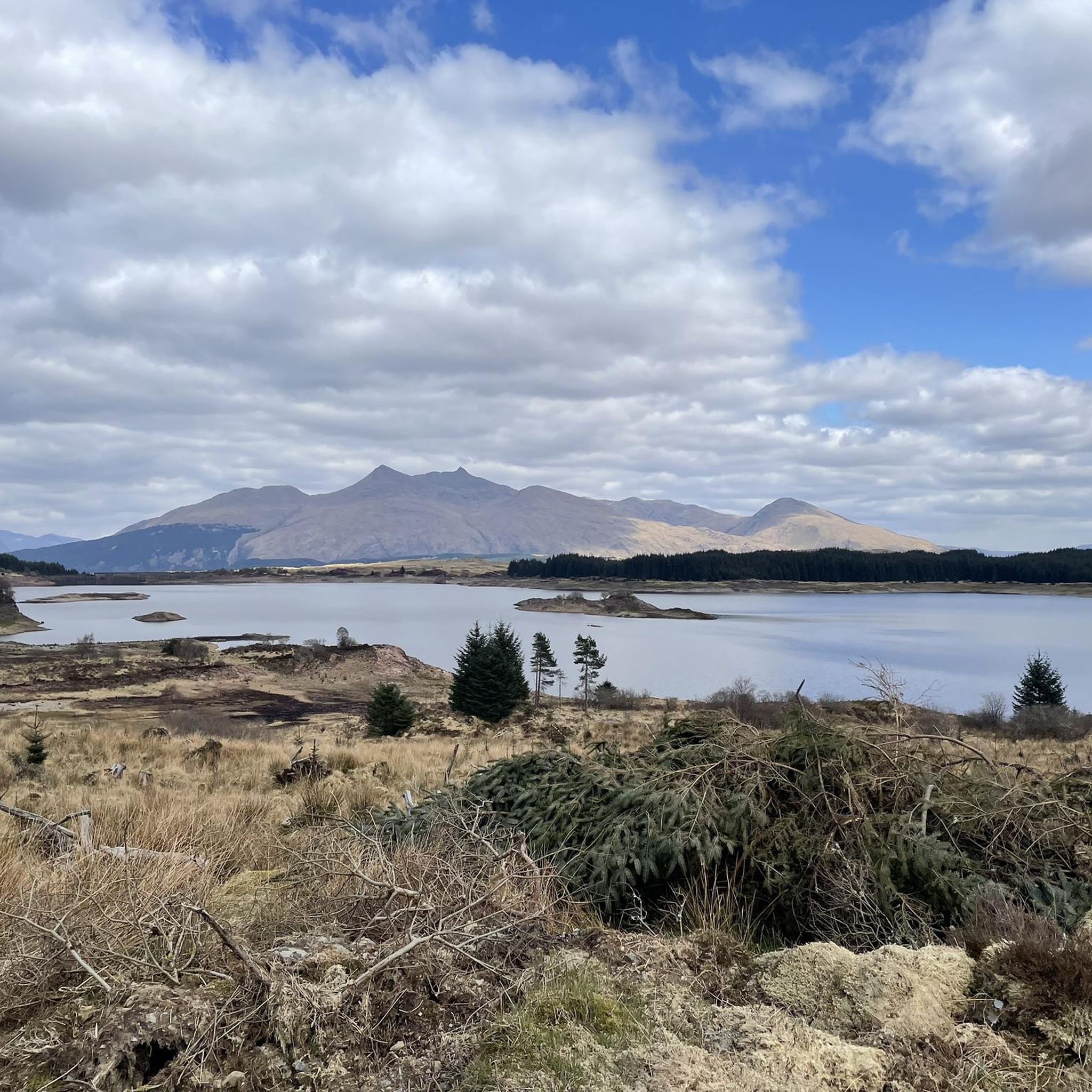
Kilchurn Castle and Loch Awe
Highlight • Viewpoint
The land surrounding the loch would once have belonged to the Macarthurs family who established themselves as a powerful clan from its banks.
Today, Loch Awe is a peaceful nature spot known for its trout and salmon fishing.
Tip by

Sign up now to discover places like this
Get recommendations on the best single tracks, peaks, & plenty of other exciting outdoor places.
Sign up for free
Ardmaddy Castle Gardens
Highlight • Castle
The gardens are next open 1st Jan - 31st December 9am to dusk. Check candide.com/GB/places/ardmaddy-castle-gardens for their next open day.
Tip by

Start today with a free account
Your next adventure awaits.
Login or Signup
Tips from the Community

The Armaddy Castle gardens are set in the most spectacular and quiet setting, where one can find peace and tranquility from the outside world. The castle gardens are shielded from the north by mature woodlands, covered with bluebells and daffodils where it is protected from the Atlantic winds by the elevated castle. The walled garden is full of rhododendrons, sometimes huge, and an increasing collection of rare shrubs and plants. Beyond the woodland walk leads of water gardens that have a gorgeous mixture of candelabra primulas, irises, rodgersias and other damp loving plants and grasses. The gardens are next open 1st Jan - 31st December 9am to dusk. Check https://candide.com/GB/places/ardmaddy-castle-gardens for their next open day.
1
0

A long picturesque Loch and ideal for paddling in. Views across the loch are extensive and Kilchurn Castle can be seen on its shoreline.
0
0

Plenty of parking to see the castle. Easy walk. At certain times of the year the castle is open and you can go inside and wonder its walls.
1
0


With a surface area of 14.9 square miles (38.5 sq km), Loch Awe is the third-largest freshwater loch in Scotland. The stunning stretch water flows into the River Awe and Loch Etive, eventually draining into the Atlantic Ocean. The land surrounding the loch would once have belonged to the Macarthurs family who established themselves as a powerful clan from its banks. Today, Loch Awe is a peaceful nature spot known for its trout and salmon fishing.
1
0

One of the most beautiful Castles in Scotland
1
1

Kilchurn Castle is a ruined castle on the northeastern shore of Loch Awe in the Argyll and Bute region of Scotland. Originally built as a five-story tower house, the castle, which is still almost intact today, is home to a series of renovations spanning almost 250 years of history. In 1432, Colin, second son of Duncan Campbell (later 1st Lord Campbell), Glenorchy, was granted at the northern end of Loch Awe. This gesture was intended to ensure Colin's loyalty to the sudden death of his older brother Gillespic. Colin's descendants, the Campbells of Glenorchy (later Earl of Breadalbane), were the most powerful of the numerous cadets of Clan Campbell. Indeed, there were times when this branch almost rivaled the clan chiefs, the Earl of Argyll, for supremacy. Kilchurn remained their power base for 150 years. It was not abandoned until the year 1700. The Charter of 1449 Sir Colin Campbell built the castle on 'Elankylquhurne' (Kilchurn Island) before his death in 1475. A charter of 14 March 1449 "Apud Castrum de Glenurquhay" (at the castle of Glenurquhay) confirms its existence to this Time. The castle consisted of a five-story tower house at the corner of an irregularly shaped courtyard. The tower house is still essentially complete and overshadows the rest of the complex. On the ground floor of the tower was a cellar and a prison. There was a hall on the first floor and a private room above. Colin's son, Duncan, the 2nd Lord, added the spawning (lower) hall in the yard before his death at the Battle of Flodden in 1513. The 3rd and 4th Lords both died in Kilchurn, 1523 and 1536 respectively. Colin, the 6th Lord, added the four fine angle turrets on the top of the tower house. However, he was also responsible for relocating the Campbells of Glenorchy to their new home - Balloch (now Taymouth), in Perthshire - before his death in 1583. Thereafter, Kilchurn played second fiddle to the Perthshire Family Residences. Garrison Fortress In the troubled times of the late 17th century, after the fall of the Stuart dynasty in 1689, Kilchurn found a new role. This year, Sir John Campbell of Glenorchy, 1st Earl of Breadalbane, retired to his ancestral home. He set about turning it into a garrison stronghold, a project that lasted the better part of a decade. The old tower house was converted into accommodations for the officers who commanded a garrison of 200 men. For this garrison, a specially constructed barracks was built on the north side of the courtyard. The barracks block is still relatively complete and is the oldest surviving barracks in mainland Britain. Little use was made of the garrison stronghold except as an outpost for government soldiers during the Jacobite revolts of 1715 and 1745. Highlights The dramatic situation of the castle - at the top of Loch Awe, with the summit of Ben Cruachan visible; one of the most photographed castles in Scotland. Kilchurn Castle is a ruined castle on the northeastern shore of Loch Awe in the Argyll and Bute region of Scotland. Originally built as a five-story tower house, the castle, which is still almost intact today, is home to a series of renovations spanning almost 250 years of history 1432, Colin, second son of Duncan Campbell (later 1st Lord Campbell), which granted Glenorchy, at the north end of Loch Awe. Colin's loyalty following the sudden death of his elder brother, Gillespic. Colin's descendants, the Campbells of Glenorchy (later earls of Breadalbane), were the most powerful of the numerous cadets of Clan Campbell. Indeed, there were times when this branch almost rivaled the clan chiefs, the ears of Argyll, for supremacy. Kilchurn remain their power base for 150 years. It was not abandoned until the 1700s. The charter of 1449 Sir Colin Campbell built the castle on 'Elankylquhurne' (Island of Kilchurn) before his death in 1475. A charter dated March 1449 'Apud Castrum de Glenurquhay' (at the Castle of Glenurquhay) confirms its existence by that date. The castle has a five-storey tower-house at one corner of an irregular-shaped courtyard. The tower house stands still completely, overshadowing the rest of the complex. On the ground level of the tower were a cellar and prison. There is a hall on the first floor and private chambers above. Colin's son, Duncan, the 2nd Lord, added the laich (lower) hall in the courtyard before his death at the Battle of Flodden in 1513. The 3rd and 4th Lords both died at Kilchurn, in 1523 and 1536 respectively. Colin, the 6th Lord, added the four fine-angle turrets on top of the tower house. However, he was responsible for relocating the Campbells of Glenorchy to their new home - Balloch (now Taymouth), in Perthshire - before his death in 1583. Thereafter Kilchurn played second fiddle to the family's Perthshire residences. Garrison stronghold During the troubled times of the late 1600s, following the overthrow of the Stuart dynasty in 1689, Kilchurn found a new role. Sir John Campbell of Glenorchy, 1st Earl of Breadalbane, retired to his ancestral seat. He set about converting it into a garrison stronghold, a project which took the best part of a decade. The old tower house was converted into an officer's command and a garrison of 200 men. For that garrison, a purpose-built barracks was erected along the north side of the courtyard. The barrack block still stands relatively complete, and is the oldest surviving barracks on the British mainland. Little use was made of the garrison stronghold, other than as an outpost for government soldiers during the Jacobite rebellions of 1715 and 1745. Highlights The castle's dramatic situation - at the head of Loch Awe, with the peak of Ben Cruachan visible; One of the most photographed castles in Scotland.
3
2
Frequently Asked Questions
What are the most notable castles and ruins to visit in the Avich and Kilchrenan area?
The region offers several historic sites. Kilchurn Castle is a prominent ruin known for its picturesque setting on Loch Awe. You can also explore the ruins of Caisteal na Nighinn Ruaidhe on Innis Luana in Loch Avich, known for its folklore, and Ardchonnell Castle on Innis Chonnell, an earlier Campbell stronghold. For a different experience, Ardmaddy Castle Gardens offers tranquil horticultural displays.
What is the best time of year to visit the castles around Avich and Kilchrenan?
The period from April to October is generally ideal for visiting, especially for sites like Kilchurn Castle, which is typically open during these months. During spring, Ardmaddy Castle Gardens are particularly beautiful with bluebells and daffodils. Visiting in autumn can offer dramatic scenery with changing foliage, while a misty day can enhance the atmospheric folklore of Caisteal na Nighinn Ruaidhe.
Are there family-friendly activities at the castles in this region?
Yes, several castles offer family-friendly experiences. Kilchurn Castle is free to visit and its dramatic setting can spark imagination. Ardmaddy Castle Gardens provide a peaceful and beautiful natural escape for families to explore. The remote setting of Caisteal na Nighinn Ruaidhe on Loch Avich also includes a car park and picnic area nearby, perfect for a family outing.
Can I bring my dog to the castles in the Avich and Kilchrenan area?
While specific dog policies vary, many outdoor historical sites in Scotland, including castle ruins, are generally dog-friendly, especially if dogs are kept on a lead. Kilchurn Castle, being an open ruin, is often accessible for dogs. It's always advisable to check specific site regulations before your visit, particularly for managed gardens like Ardmaddy Castle Gardens.
What natural features and viewpoints can I find near the castles?
The castles are set amidst stunning natural beauty. Kilchurn Castle offers spectacular views of Loch Awe and the surrounding mountains, making it one of Scotland's most photographed castles. There's a dedicated viewpoint, Kilchurn Castle and Loch Awe, for observing its dramatic setting. Caisteal na Nighinn Ruaidhe is located on an island in the peaceful Loch Avich, providing a serene natural backdrop. The region is characterized by lochs and woodlands, offering numerous scenic spots.
Are there walking or hiking trails near the castles?
Yes, the area around Avich and Kilchrenan offers various outdoor activities. You can find several hiking routes, including challenging options like the Cruachan Horseshoe, or moderate trails such as the Cruachan Dam loop. For more options, explore the hiking guide for Avich And Kilchrenan. There are also MTB and road cycling routes available in the vicinity.
How accessible are the castles for visitors?
Kilchurn Castle is accessible on foot from a car park near the A85 or by boat from the village of Lochawe. Caisteal na Nighinn Ruaidhe is on an island in Loch Avich, requiring a boat or a walk to reach. Ardchonnell Castle, also on an island in Loch Awe, typically requires hiring a boat, often from LochAweside Marine at Dalavich, adding an adventurous element to the visit. Ardmaddy Castle Gardens are generally accessible, though specific details on paths and terrain should be checked.
Where can I find parking when visiting the castles?
For Kilchurn Castle, there is a car park near the A85, and a layby on the eastern shore of Loch Awe offers excellent views and parking. Caisteal na Nighinn Ruaidhe on Loch Avich also has a car park nearby. For other sites, parking availability may vary, and it's recommended to check local information or signage upon arrival.
What historical significance do the castles in Avich and Kilchrenan hold?
The castles in this region are deeply rooted in Scottish history, particularly with the powerful Campbell Clan. Kilchurn Castle, built in the 1400s, served as a fortress, residence, and later a garrison stronghold, housing the oldest surviving barracks on the British mainland. Ardchonnell Castle dates back to the 1200s and was an earlier Campbell home and prison. Caisteal na Nighinn Ruaidhe, a 13th-century ruin, also has ties to the Campbells and is steeped in local folklore.
Are there cafes, pubs, or accommodation options near the castles?
While the immediate vicinity of some castle ruins might be remote, the broader Avich and Kilchrenan area, and nearby villages like Lochawe and Dalavich, offer various amenities. You can find cafes, pubs, and accommodation options within a reasonable driving distance, allowing you to combine your castle visits with local hospitality.
How long should I plan for a visit to the castles?
The time needed depends on the castle. For Kilchurn Castle, you might spend 1-2 hours exploring the ruins and enjoying the views. Visiting Caisteal na Nighinn Ruaidhe or Ardchonnell Castle, due to their island locations, could take longer, including travel time by boat. Ardmaddy Castle Gardens might require 1-3 hours to fully appreciate the horticultural displays. If you plan to visit multiple sites, allocate a full day.
Most popular routes around Avich And Kilchrenan
Most popular attractions around Avich And Kilchrenan

Get inspired with the komoot mobile app


Explore more
Looking for the best castles somewhere else? Discover other guides around Avich And Kilchrenan:
