Top 11 Lakes in the Wind River Range
Best lakes in the Wind River Range feature over 1,300 named lakes carved by ancient glaciers. These pristine waters are set against a backdrop of jagged granite peaks, offering opportunities for backpacking, hiking, and fishing. The region is characterized by its high alpine scenery and diverse natural landscapes. Visitors can explore a variety of terrain, from dense woodlands to open meadows and rocky fields.
Best lakes in the Wind River Range
- The most popular lakes is Seneca Lake, a lake that is a popular backcountry destination in the heart of the Wind River Range. It offers stunning campsites along its shoreline, with views of Mount Lester and surrounding granite ridges.
- Another must-see spot is Island Lake, a lake with tiny rock islands. It is situated just below Fremont Peak and offers views of the majestic peaks of the Cirque of the Towers in the distance.
- Visitors also love Shadow Lake, a beautiful alpine lake with views of the Cirque of the Towers. The hike to Shadow Lake takes visitors through pine forests and meadows, with chances to spot wildlife.
- Wind River Range is known for its alpine lakes, glacial lakes, and high-elevation tarns. These waters offer diverse settings for exploration, from accessible shores to remote backcountry basins.
- The lakes in the Wind River Range are appreciated by the komoot community, with 1 upvote and 2 photos shared by visitors.
Last updated: October 4, 2026
Shadow Lake
Highlight • Lake
Tip by

North Lake
Highlight • Lake
Tip by

Sign up now to discover places like this
Get recommendations on the best single tracks, peaks, & plenty of other exciting outdoor places.
Cirque of the Towers
Highlight • Natural Monument
Tip by
Lowline Trail
Highlight (Segment) • Trail
Tip by
Seneca Lake
Highlight • Lake
Tip by
Big Sandy Lake
Highlight • Lake
Tip by
Island Lake
Highlight • Lake
Tip by
Temple Lake and Temple Peaks
Highlight • Lake
Tip by
Fiddlers Lake
Highlight • Lake
Tip by
Clear Lake Trail
Highlight • Trail
Tip by
Sign up for free to discover even more lakes in the Wind River Range.
Already have an account?
Start today with a free account
Your next adventure awaits.
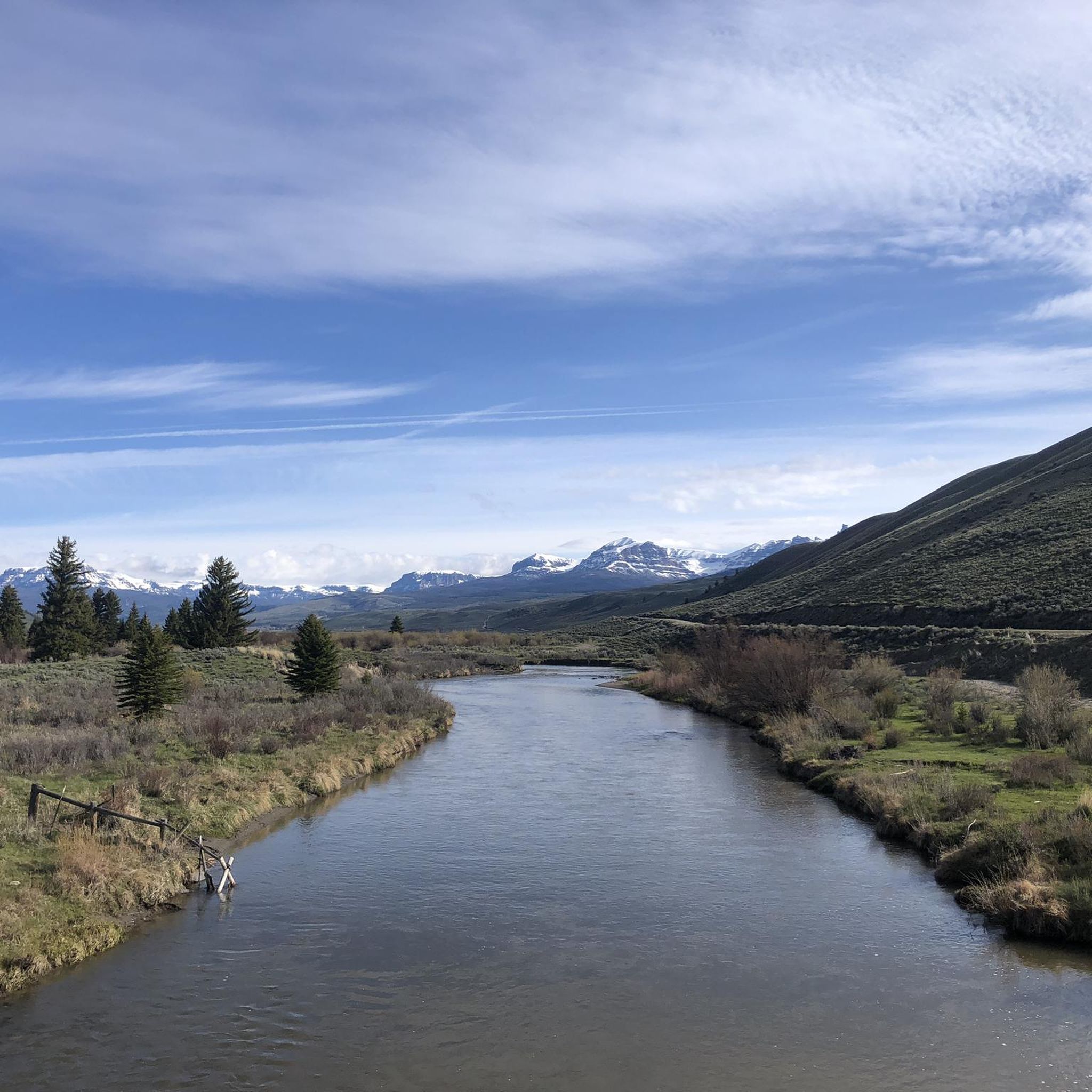
Tips from the Community

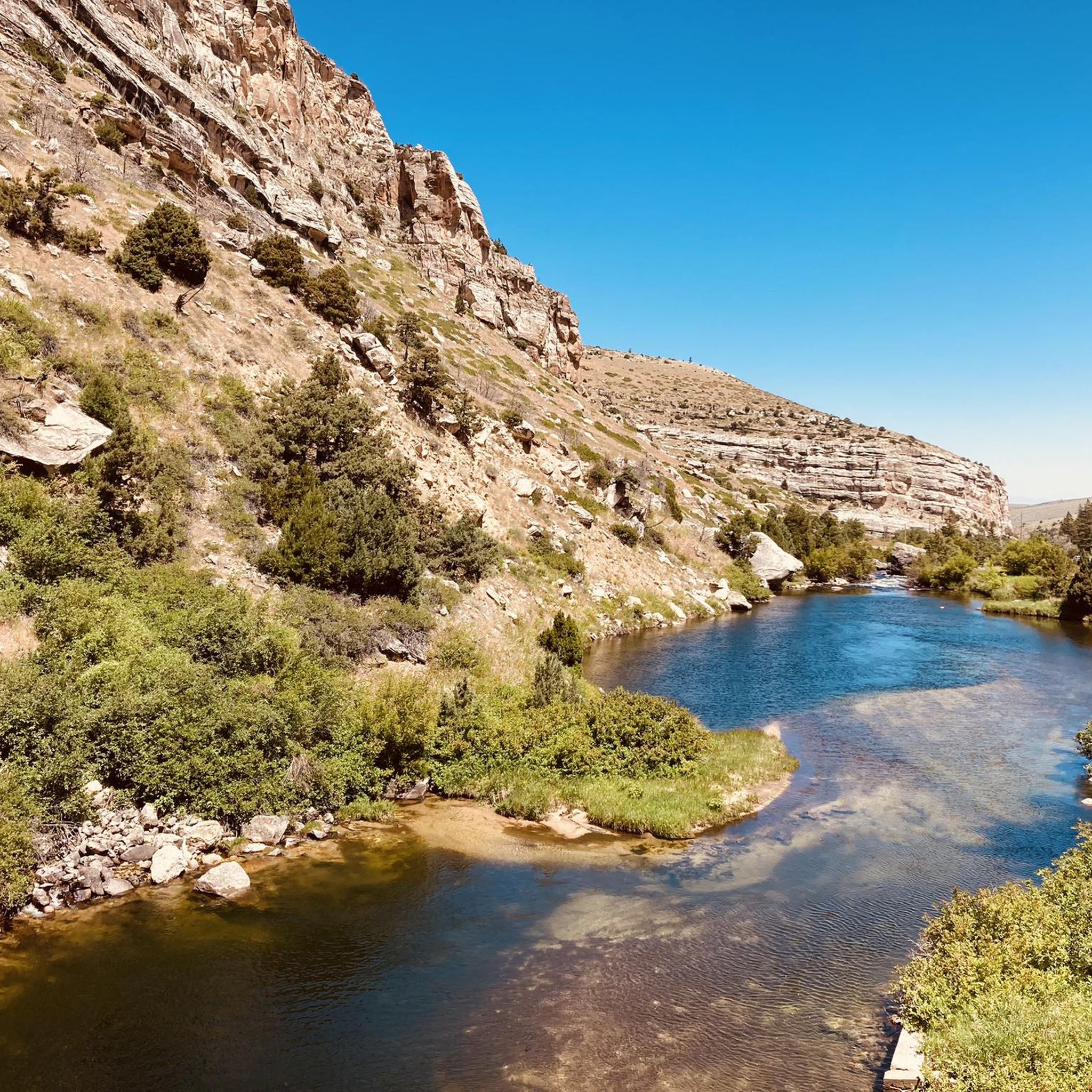
Lowline Trail passes by several lakes, including Divide Lake, a large alpine lake. It’s not a popular destination in the area, so you might enjoy some peace and quiet. The hike is challenging but rewarding, taking you through alpine meadows, rocky terrain, and pristine wilderness. Divide Lake is an excellent spot for fishing or camping. The trail is best hiked in summer or early fall—just be prepared for mosquitoes.
0
0
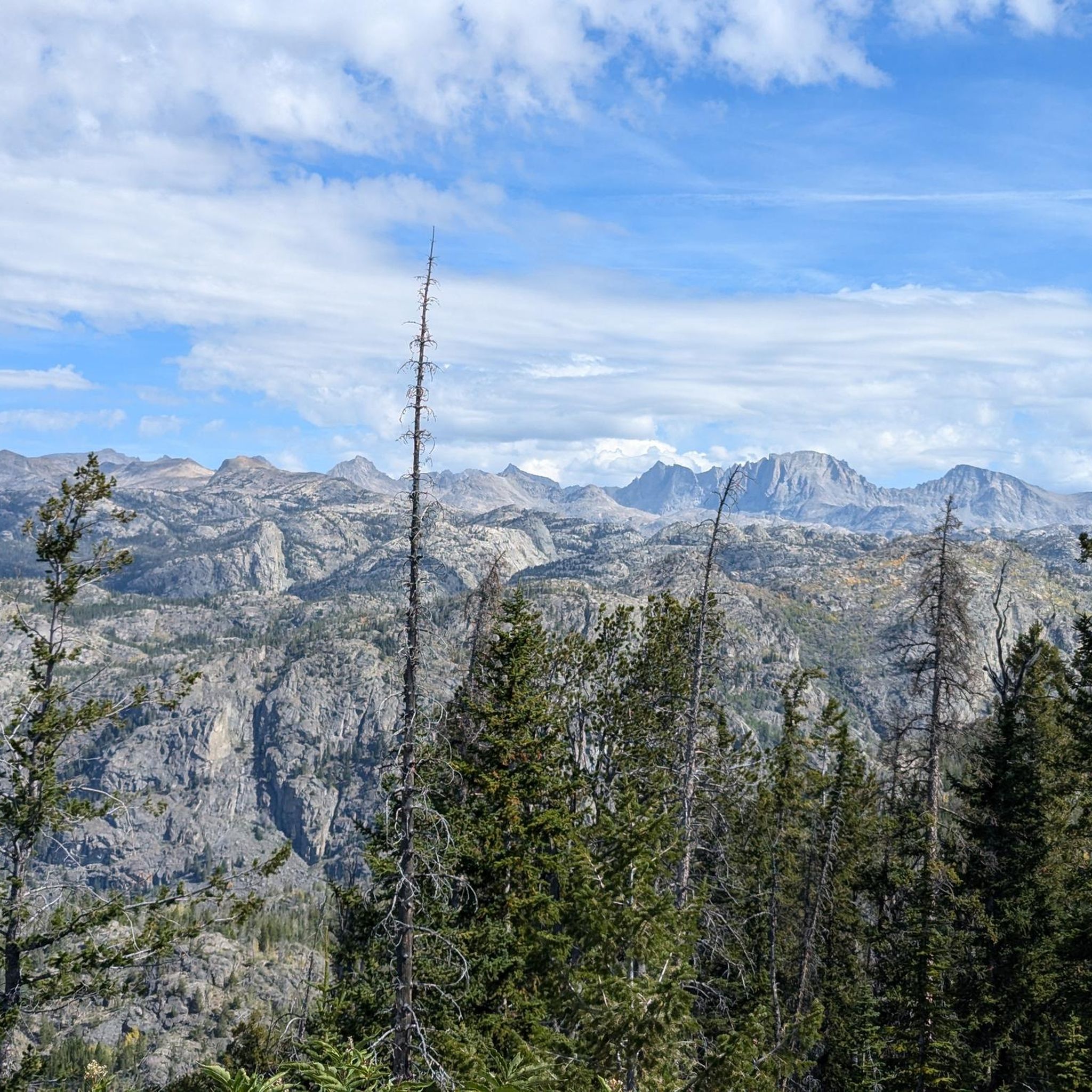
Shadow Lake is a beautiful alpine lake with views of the Cirque of the Towers, reached via the Fremont Trail. The hike takes you through pine forests and meadows, passing other lakes along the way, with chances to spot wildlife. It’s moderately challenging due to its length, but the trail itself is not difficult. You can complete it as a long day hike or a two-day trip combined with the Cirque of the Towers loop. Late summer and early fall are the best times to visit, as the trail can be muddy or snow-covered in spring.
0
0

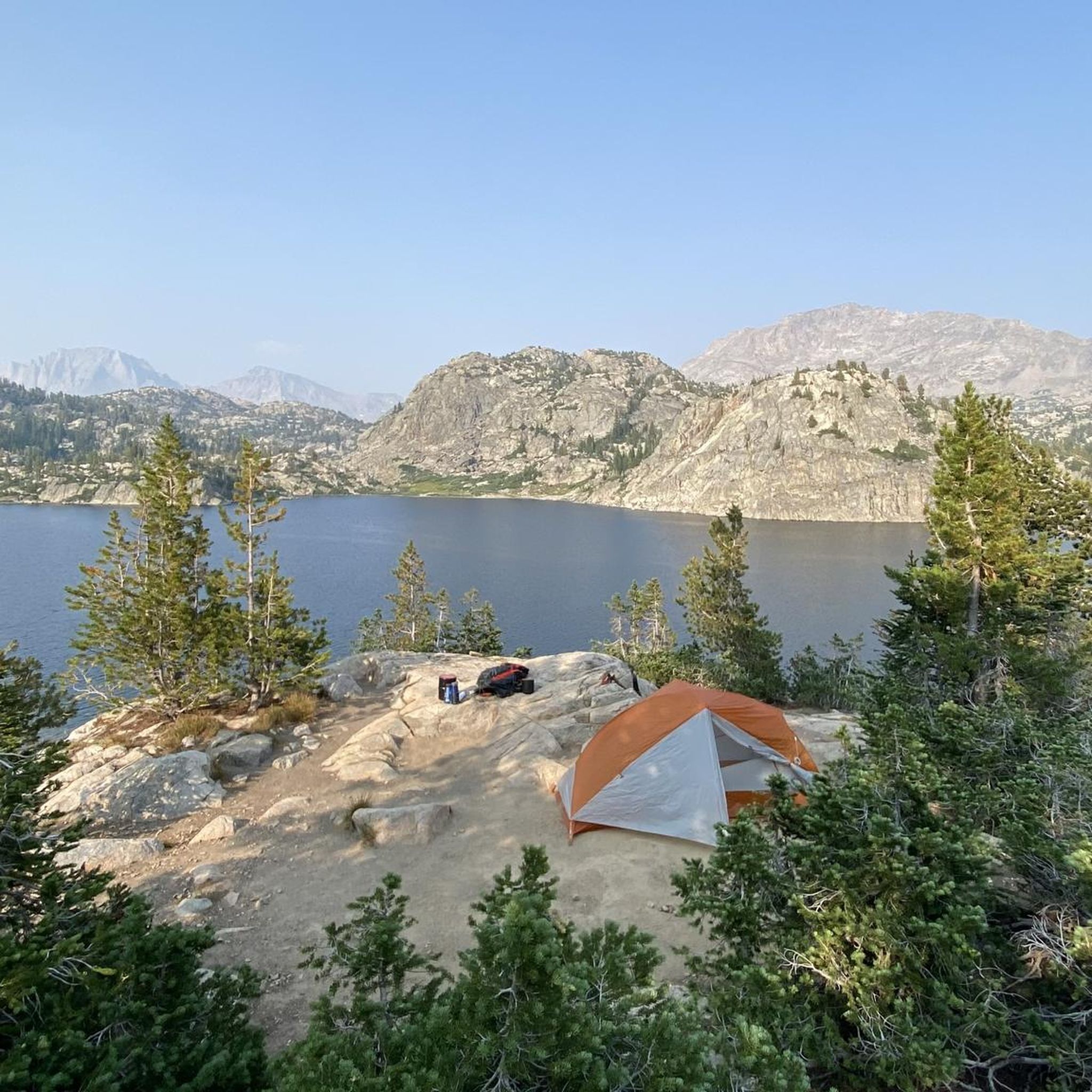
Seneca Lake is a popular backcountry destination in the heart of the Wind River Range. There are some stunning campsites along the shoreline.
2
0
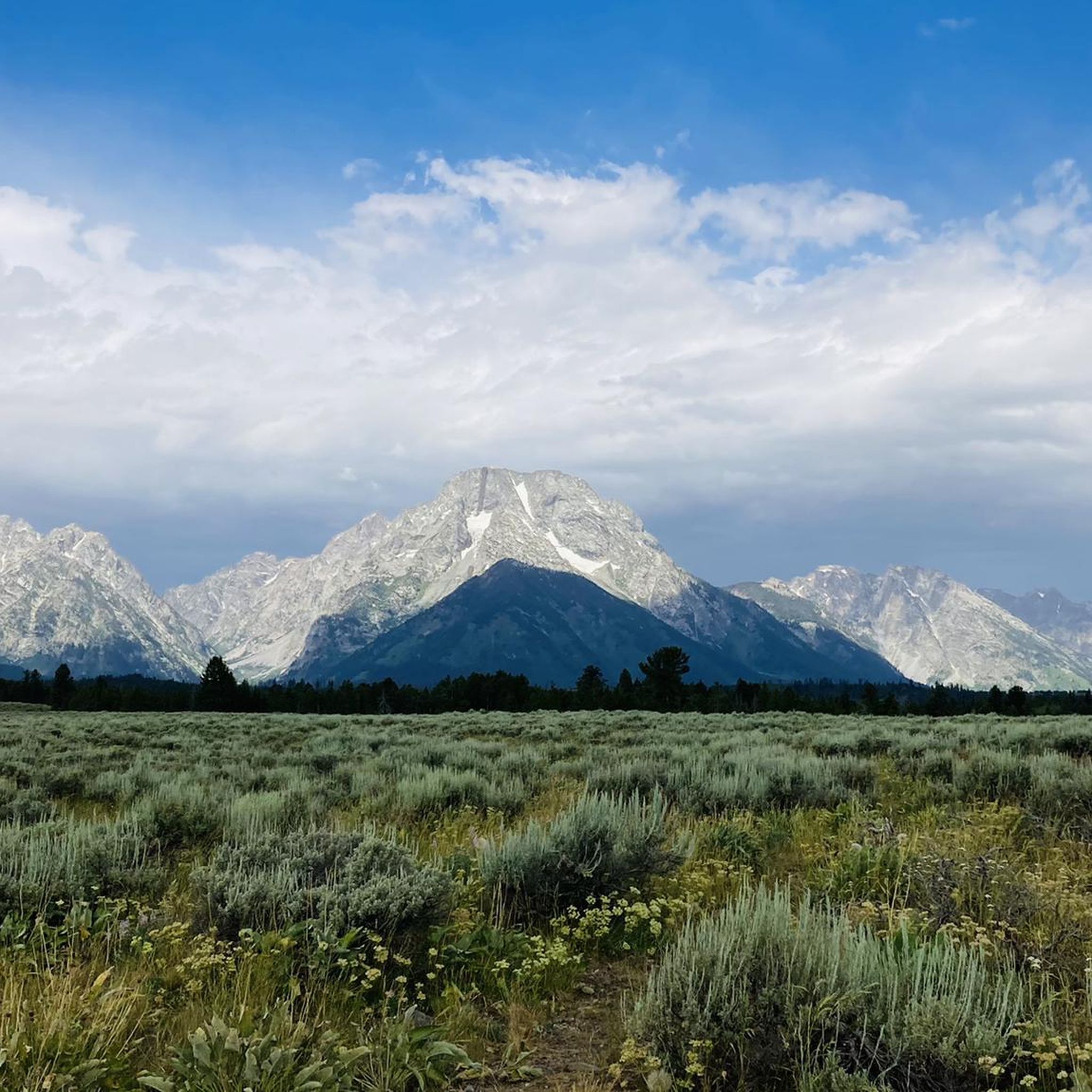
Island Lake is a beautiful alpine lake with tiny rock islands in the lake and the majestic peaks of the Cirque of the Towers in the distance.
2
0
This trail takes you along the east shoreline of Deep Lake and along Clear Lake right below towering Haystack Mountain. It connects with the Continental Divide Trail again.
2
0
At this junction, where the Continental Divide Trail meets with the Clear Lake Trail, you are surrounded by beautiful lakes like Temple Lake and majestic peaks such as East Temple Peak and Temple Peak. If you continue south, you will reach Temple Pass.
3
0
North Lake is a pristine alpine lake with stunning views of rising War Bonnet Peak and Dog Tooth Peak. It sits along the Continental Divide in the Wind River Range. Due to its beauty, it is a popular hike, so you might start a little early for more solitude.
3
0
Big Sandy Lake is a picturesque alpine lake that is fed by streams coming from Black Joe Lake, North Lake, Blue Lake and Clear Lake. It is the source for Big Sandy River.
3
0
Frequently Asked Questions
What are some of the most popular lakes for visitors in the Wind River Range?
Many visitors are drawn to the stunning beauty of Island Lake, known for its tiny rock islands and views of the Cirque of the Towers. Seneca Lake is another popular backcountry destination, offering beautiful campsites. For those seeking dramatic alpine scenery, the lakes within Titcomb Basin, set against towering peaks, are a premier destination.
When is the best time to visit the lakes in the Wind River Range?
The best time to visit the lakes in the Wind River Range is typically during late summer and early fall. During these months, snow has usually melted, and trails are more accessible. Early fall also sees fewer mosquitoes, making for a more pleasant experience. Be aware that trails can still be muddy or snow-covered in spring.
Are there any family-friendly lakes or trails in the Wind River Range?
Yes, Fiddlers Lake is noted as a family-friendly option, offering a pleasant experience amidst forests and viewpoints. While many trails in the Wind River Range can be challenging, some areas offer shorter, less strenuous options suitable for families.
What kind of wildlife can I expect to see around the lakes?
The Wind River Range is rich in wildlife. Around lakes like Green River Lakes, you might spot moose, elk, deer, and pronghorn. The region is also home to black bears and grizzly bears, so proper food storage and bear spray are recommended, especially for overnight stays.
What are the best lakes for backpacking in the Wind River Range?
For backpacking, Island Lake is an excellent base, often reached as a two-day trip with a stop at Seneca Lake. The lakes of Titcomb Basin also offer a challenging but rewarding backpacking experience amidst dramatic alpine scenery. Big Sandy Lake is another popular starting point for routes into the Cirque of the Towers.
Are there any specific regulations for camping near the lakes?
Yes, regulations are in place to protect the pristine environment. For instance, campfires are generally not permitted at high elevations, such as around Island Lake, which is above the timberline. Near Lonesome Lake in the Cirque of the Towers, camping is restricted within a quarter-mile of its shores, with designated camping areas nearby. Always practice Leave No Trace principles.
What are some notable natural features or viewpoints around the lakes?
The Wind River Range is characterized by jagged granite peaks and glacial features. The iconic Squaretop Mountain looms over Green River Lakes, offering a spectacular photographic subject. The Cirque of the Towers presents a semi-circle of craggy peaks, with lakes like Lonesome Lake offering breathtaking views of spires like Pingora Peak. North Lake provides stunning views of War Bonnet Peak and Dog Tooth Peak.
Are there challenging hiking trails that pass by lakes in the Wind River Range?
Absolutely. The Lowline Trail, for example, passes by Divide Lake and is described as challenging but rewarding, taking you through alpine meadows and rocky terrain. The hike to Shadow Lake is moderately challenging due to its length, but offers stunning views of the Cirque of the Towers.
What outdoor activities can I do near the lakes in the Wind River Range?
Beyond hiking and backpacking, the lakes offer excellent opportunities for fly fishing. The surrounding area also provides various outdoor activities. You can find numerous MTB trails, waterfall hikes, and running trails throughout the Wind River Range.
Are there any lakes that are less frequented for a more peaceful experience?
While many lakes are popular, the Lowline Trail, which passes by Divide Lake, is noted as not being a popular destination, offering a chance for peace and quiet. Exploring some of the smaller, unnamed tarns or less accessible lakes might also provide a more secluded experience.
What should I know about accessing the lakes in the Wind River Range?
Access to many of the pristine lakes, such as Island Lake, often involves challenging hikes from trailheads like Elkhart Park. Green River Lakes, at the northern end of the range, are considered more accessible. Always check trail conditions and be prepared for backcountry travel, as many lakes require significant hiking to reach.
Most popular routes in the Wind River Range
Most popular attractions in the Wind River Range

Get inspired with the komoot mobile app


