Attractions and Places To See around Santo Aleixo - Top 12
Attractions around Santo Aleixo in Portugal offer a glimpse into the rich history and cultural heritage of the Alentejo region. This area is characterized by historical sites, traditional settlements, and significant monuments. Visitors can explore a variety of landmarks that reflect centuries of Portuguese history. The region provides opportunities to discover architectural treasures and cultural experiences.
Best attractions and places to see around Santo Aleixo
- The most popular attraction is Town of Borba, a settlement known for its wine…
Last updated: October 28, 2026
Town of Borba
Highlight • Settlement
Translated by Google •
Tip by

Vila Viçosa Castle
Highlight (Segment) • Castle
Translated by Google •
Tip by

Sign up now to discover places like this
Get recommendations on the best single tracks, peaks, & plenty of other exciting outdoor places.
Tribute to the Epiphany Carols
Highlight • Monument
👑 The Tradition of the "Santos Reses"
Showing Translation
Tip by

Statue of King João IV
Highlight • Monument
Translated by Google •
Tip by
Chapel of Our Lady of Nazaré in Barbacena
Highlight • Religious Site
Main Features
Architecture: It is an example of 18th-century religious architecture (18th century).
Showing Translation
Tip by
Sign up for free to discover even more attractions around Santo Aleixo.
Already have an account?
Start today with a free account
Your next adventure awaits.
Popular around Santo Aleixo

Tips from the Community

The Cantar dos Santos Reses ("Singing of the Three Holy Kings") is an old Epiphany tradition in the village of Barbacena near Elvas in the Portuguese region of Alentejo. Every year on the night of January 6th, men wearing traditional berets and capes go from house to house singing. Their polyphonic songs are part of the regional Cante Alentejano tradition. The residents first listen from behind closed doors before inviting the singers inside and treating them to food, drinks, and small monetary donations.
4
0

The Chapel of Nossa Senhora da Nazaré (or Hermitage of Nossa Senhora da Nazaré) is located in Barbacena, in the municipality of Elvas, district of Portalegre. Main Features Architecture: It is an example of 18th-century religious architecture (18th century). Plan: It has a centralizing plan with a circular nave and a semicircular chancel, with a masonry dome ceiling. The circular shape refers to Renaissance ideas of perfection. Facade: It features a portal with a perfect arch in black and white marble. Setting: Next to the exit of the village, there is also the monumental Fountain of Nossa Senhora da Nazaré, built in 1935 and 1936, which forms the heritage site with the chapel in the background.
13
0
In the village of Barbacena (municipality of Elvas, in Alentejo), the tradition of Cantar dos Reis takes on a unique and deeply rooted identity, being locally known as Cantar dos Santos Reses 👑 The Tradition of the "Santos Reses" The Protagonists: On the night of January 5th (the eve of Epiphany), a choir of about 20 to 25 local men gathers to walk the streets. The Costume: The group is strictly dressed in the Alentejo fashion, wearing the traditional Alentejo cloak (or samarra) and beret to protect themselves from the cold of the plains. The Ritual: The men go from door to door singing the begging songs (historically called "descantes"). The residents reciprocate the singing by offering money, wine, and food products. In the past, these goods were used to support the most disadvantaged families in winter; today, the focus is on the pure preservation of heritage and community spirit.
14
0

Vila Viçosa is known as the "Marble City" and often referred to as the "Royal City." It is located in the heart of the Alentejo region. This charming town is known for its magnificent palaces, marble production, and rich history. Vila Viçosa is a place to relax and discover the region's cultural treasures. A real highlight of Vila Viçosa is the Paço Ducal, the Ducal Palace. This magnificent 16th-century palace was once the residence of the Dukes of Bragança and is a true highlight of Portuguese Renaissance architecture. The palace is surrounded by extensive gardens and houses an impressive collection of works of art, furniture, and historical artifacts. Visitors can explore the palace's magnificent interiors and opulent furnishings, giving them a glimpse into the lives of Portuguese noble families. The Igreja de Nossa Senhora da Conceição is one of the city's most important churches and a truly impressive building. Also known as the "Marble Sanctuary," the church was built from Vila Viçosa's famous marble. It is particularly noted for its elaborate altarpieces and richly decorated interiors. The church is an important place of pilgrimage and a place for reflection and prayer. Vila Viçosa also has a Carriage Museum, the Museu Nacional dos Coches. The museum houses one of the most important collections of historic carriages and coaches in Portugal. The exhibition features magnificent state carriages, hunting carriages, and ceremonial coaches. This provides a wonderful insight into the history and culture of royal journeys and processions. The old town of Vila Viçosa is characterized by narrow, cobblestone streets and white houses with flower-decorated balconies.
2
0
The monument, which faces the Ducal Palace, stands on a platform of six steps and dominates the otherwise completely empty square. The equestrian statue of King João IV, located in the Praça do Paço Ducal, is a bronze work by the sculptor Francisco Franco (1885-1955). Franco began work on the statue in 1938, building on sketches he had made in Italy in 1925. The statue was completed and erected in 1943.
3
0

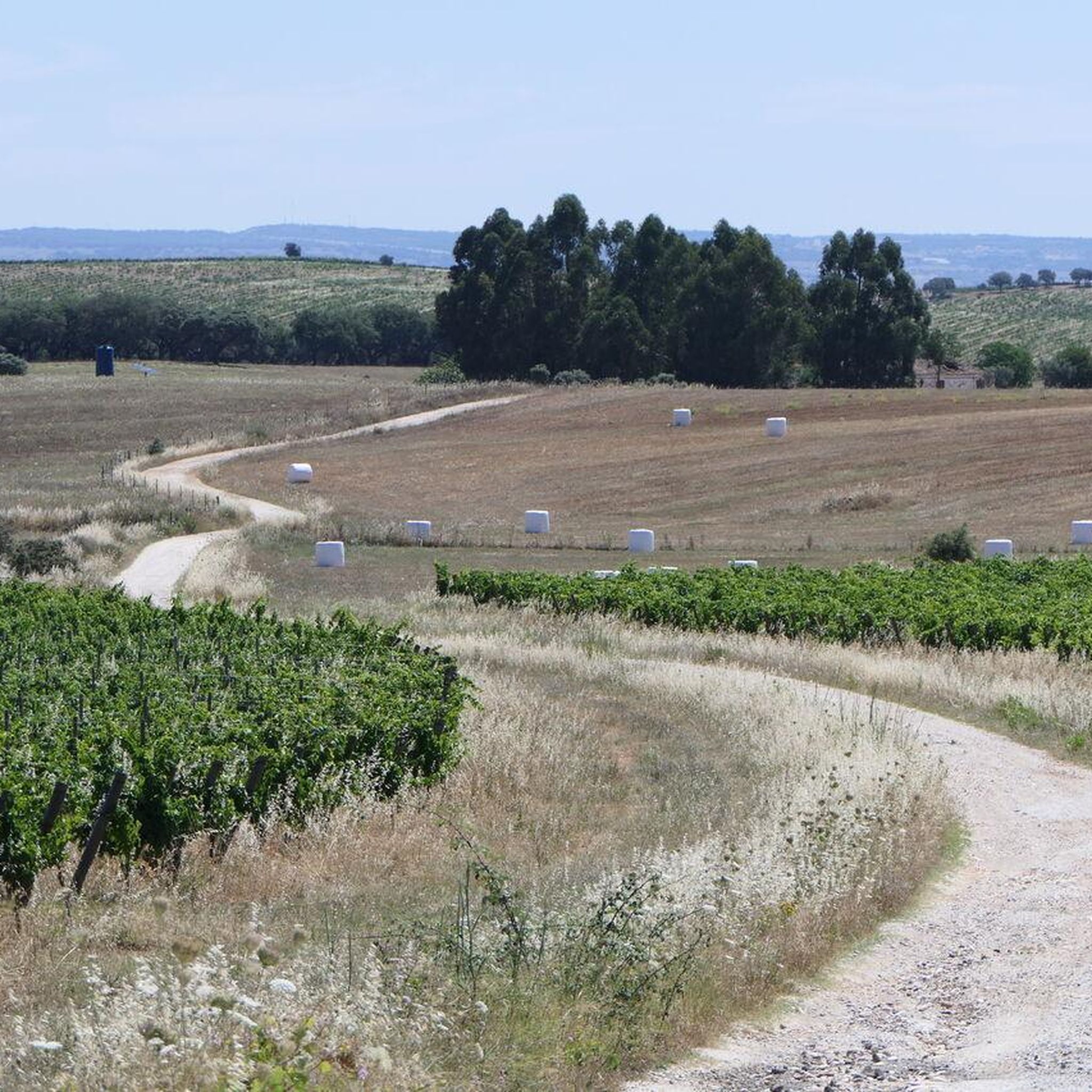
Borba is a city in the Alentejo in Portugal. Borba is a wine town and is located on the wine route of the Alentejo. Here, excellent wines are produced that have been exported to international countries for years.
7
1
Frequently Asked Questions
What kind of attractions can I expect to find around Santo Aleixo?
The area around Santo Aleixo, particularly in the Alentejo region of Portugal, is rich in historical sites, traditional settlements, and significant monuments. You'll discover a variety of architectural treasures and cultural experiences, including castles, churches, and charming towns.
Are there any historical castles or palaces to visit?
Absolutely. A must-see is Vila Viçosa Castle, a magnificent 16th-century palace that was once the residence of the Dukes of Bragança. It's a prime example of Portuguese Renaissance architecture and offers a glimpse into the lives of Portuguese noble families.
Which towns are worth exploring for their historical significance?
The Town of Borba is a notable settlement known for its wine production and historical charm. Another significant town is Vila Viçosa, often called the 'Marble City' or 'Royal City,' famous for its palaces, marble production, and rich history, including its narrow, cobblestone streets and flower-decorated balconies.
Are there any religious sites or monuments in the area?
Yes, the Church of the Augustinians and Pantheon of the Dukes of Bragança in Vila Viçosa is a significant religious and historical site. Founded in 1267, it was the first religious house established in Vila Viçosa and houses the Pantheon of the Dukes of Bragança. The Igreja de Nossa Senhora da Conceição, also in Vila Viçosa, is another impressive church built from the region's famous marble.
What kind of outdoor activities can I do near these attractions?
While the immediate area focuses on historical sites, there are excellent cycling opportunities. You can explore the region on two wheels with various routes, including those around Borba and Estremoz. For more details on routes, check out the Cycling around Santo Aleixo guide or the Road Cycling Routes around Santo Aleixo guide.
Are there family-friendly attractions around Santo Aleixo?
Many of the historical sites are suitable for families. The Town of Borba, Vila Viçosa Castle, Statue of King João IV, and Porta dos Nós are all categorized as family-friendly, offering engaging experiences for all ages.
What are some unique architectural features or monuments to look out for?
Don't miss the Porta dos Nós (Dos Nos Gate), a 16th-century monument commissioned by the Duke of Bragança, featuring distinct Manueline influences with marble and slate construction. Also, the bronze equestrian Statue of King João IV in Praça do Paço Ducal is a prominent man-made monument.
What is the best time of year to visit Santo Aleixo and the Alentejo region?
The Alentejo region generally experiences hot, dry summers and mild, wet winters. Spring (April to June) and autumn (September to October) are often considered the best times to visit, offering pleasant temperatures for exploring historical sites and enjoying outdoor activities without the intense summer heat.
What do visitors enjoy most about the attractions in this area?
Visitors particularly appreciate the rich history and cultural heritage. The region's historical sites, like the Ducal Palace in Vila Viçosa with its extensive gardens and art collections, and the charming, wine-producing Town of Borba, are frequently highlighted for their beauty and historical significance.
Are there any viewpoints offering scenic views of the region?
Yes, Vila Viçosa Castle not only offers historical insights but also serves as a viewpoint, providing scenic perspectives of the surrounding area. Exploring the towns themselves, with their elevated positions, can also offer picturesque views.
Can I learn about the local wine production in Santo Aleixo's vicinity?
Absolutely. The Town of Borba is a key destination for wine enthusiasts. It's located on the Alentejo's wine route and is renowned for producing excellent wines that are exported internationally. You can explore the town and learn about its viticultural heritage.
Most popular routes around Santo Aleixo

Get inspired with the komoot mobile app


Explore more
Still not found the Highlight you’re looking for? See guides of the top attractions in other regions:
