Top 20 Waterfalls in the Absaroka Range
Best waterfalls in the Absaroka Range are found within a rugged mountain range spanning parts of Montana and Wyoming. This region is known for its wild beauty and diverse landscapes, including the Absaroka-Beartooth Wilderness. The area features numerous waterfalls, many of which are accessible via hiking trails. These natural formations are a result of the region's geology and water flow.
Best waterfalls in the Absaroka Range
- The most popular waterfalls is Upper Yellowstone Falls, a waterfall that has a…
Last updated: October 4, 2026
Upper Yellowstone Falls
Highlight • Waterfall
Tip by

Lower Yellowstone Falls
Highlight • Waterfall
The Lower Falls of the Yellowstone River are a majestic sight, plunging dramatically into the Grand Canyon of the …
Tip by

Sign up now to discover places like this
Get recommendations on the best single tracks, peaks, & plenty of other exciting outdoor places.
Brink of the Lower Falls Trail
Highlight (Segment) • Waterfall
Tip by

South Rim Trail
Highlight (Segment) • Trail
Translated by Google •
Tip by

Lookout Point
Highlight • Viewpoint
Tip by

Tower Fall Overlook
Highlight • Viewpoint
Translated by Google •
Tip by
Wraith Falls
Highlight • Waterfall
Translated by Google •
Tip by

Pine Creek Trail
Highlight (Segment) • Trail
Tip by

Red Rock Point
Highlight • Viewpoint
Translated by Google •
Tip by
Passage Creek Falls
Highlight • Waterfall
Tip by

Sign up for free to discover even more waterfalls in the Absaroka Range.
Already have an account?
Start today with a free account
Your next adventure awaits.
Tips from the Community

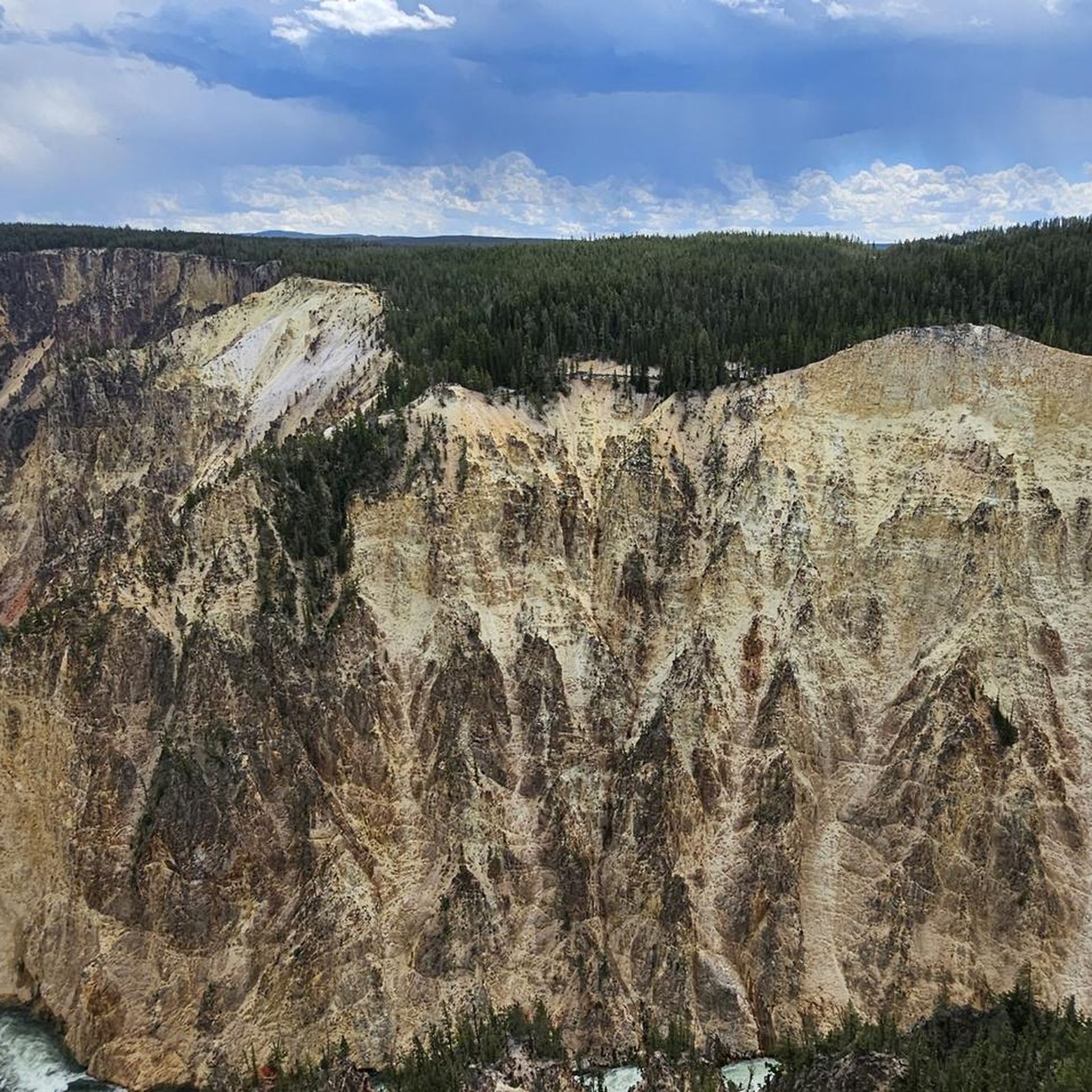
Lower Falls Of The Yellowstone River, Yellowstone National Park, United States 🇺🇸 The Grand Canyon of the Yellowstone stretches for roughly twenty miles and offers some of the most breathtaking vistas in the entire American West. Carved by the power of the Yellowstone River, the canyon walls display a stunning array of colors ranging from deep oranges and reds to brilliant yellows and whites, caused by the chemical weathering of iron compounds in the rhyolite rock. To get the best views of the Lower Falls, visitors should head to Artist Point or Lookout Point, which provide sweeping perspectives of the 308-foot waterfall as it plunges into the canyon below. Timing is essential when planning a visit to this iconic landmark, as the roar of the falls is most thunderous during the late spring and early summer when snowmelt increases the river's volume. It is highly recommended to arrive early in the morning to beat the large crowds and to witness the soft morning light illuminating the canyon walls. For those interested in a closer look, the Brink of the Lower Falls trail offers a steep but rewarding hike that leads directly to the edge of the precipice, allowing you to feel the mist and hear the deafening power of the water. Beyond the main overlooks, travelers should explore the various trails that line both the North and South Rims to find quieter spots for photography and wildlife viewing. The area is home to diverse fauna, including osprey that nest on the towering rock pinnacles and the occasional grizzly bear or elk wandering through the nearby forests. Always carry bear spray and stay on designated paths to protect the fragile geothermal environment. Because Yellowstone is a high-altitude park, it is wise to drink plenty of water and wear layers to accommodate the rapidly changing weather conditions common in the mountains. Faheem Hunarwar
0
0
Lower Falls of the Yellowstone, Yellowstone National Park, United States 🇺🇸 The Lower Falls of the Yellowstone River are a majestic sight, plunging dramatically into the Grand Canyon of the Yellowstone. This iconic waterfall, nearly twice the height of Niagara Falls, is a testament to the raw power of nature and the volcanic forces that shaped this unique landscape. Visitors can marvel at its grandeur from various viewpoints, each offering a distinct perspective on the cascading water and the vibrant hues of the canyon walls. The Grand Canyon of the Yellowstone itself is a geological wonder, carved by the mighty Yellowstone River over thousands of years. Its rhyolite rock, altered by hot water and steam, displays a dazzling array of colors, from fiery reds and oranges to soft yellows and browns. Hiking trails wind along the rim and descend into the canyon, providing opportunities for intimate encounters with this breathtaking natural artistry. Exploring this area offers incredible photographic opportunities and a chance to truly connect with the wild heart of Yellowstone. Remember to stay on marked trails for safety and to protect the delicate ecosystem. Early mornings or late afternoons often provide the best light for photography and fewer crowds, allowing for a more serene experience.
1
0

Pine Creek Trail in the Absaroka-Beartooth Wilderness leads you through dense forest, wildflower meadows, and past cascading waterfalls on the way to a high alpine lake. It’s a challenging but rewarding hike, with sweeping mountain views that open up as you gain elevation.
0
0

This point looks out from the north rim of the Grand Canyon of Yellowstone. Look upstream, and you'll see the thundering, 308-foot drop of Lower Yellowstone Falls.
0
0
This 110-foot waterfall is only small in comparison to the lower falls, which are almost 330 feet high. Needless to say the upper falls are still magnificent, and the interesting colors in the canyon walls are the result of this region's constant hydrothermal activity.
0
0

The hiking trail along the rim from the Upper Falls to the Lower Falls is definitely worth it. It offers spectacular views that are less crowded.
0
0

The Brink of the Lower Falls Trail offers a close-up experience with the Lower Falls, allowing hikers to experience water plunging between 5,000 and 60,000 gallons per second over a 308-foot drop. You can enjoy distant views of the falls from overlooks near the parking lot or descend the steep 0.4-mile Brink of the Lower Falls Trail, which drops 600 feet to reach the falls. This trail, located in the Canyon Village Area, is open during summer and fall but closed in winter. No reservations or activity fees are required, and pets are not allowed.
0
0

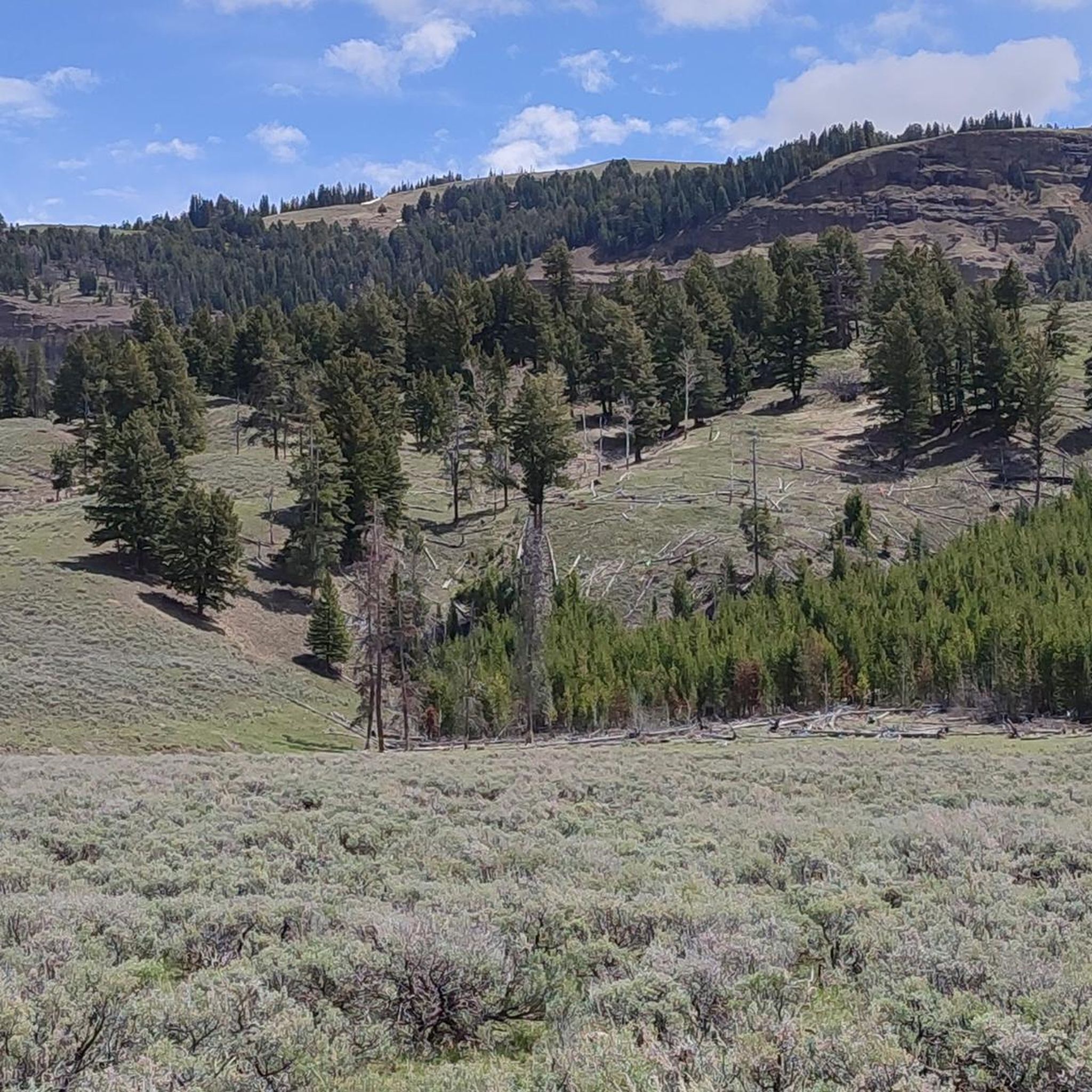
Beautiful falls with a relatively easy hike from the trailhead through old burn areas with a creek crossing. However, bring hiking poles and sturdy hiking shoes, since the switchbacks down the canyon wall to the falls viewpoint at the creekside are very loose and steep. Don't forget to take a look at the impressive falls from above by taking the small unmarked side-branch trail.
1
0
Frequently Asked Questions
What are some easy or family-friendly waterfall hikes in the Absaroka Range?
For an accessible option, Wraith Falls offers a relatively mild walk suitable for families. The Tower Fall Overlook is also wheelchair accessible, providing views of the falls without a strenuous hike. Additionally, the hike to Passage Falls is considered relatively easy, covering 4.2 miles with low elevation gain, making it suitable for various experience levels.
When is the best time to visit the waterfalls in the Absaroka Range?
The best time to visit is typically between mid-May and mid-June when water levels are at their peak due to snowmelt, offering the most dramatic views of the falls. During this period, the hike to Passage Falls is particularly rewarding. Summer months also provide pleasant hiking conditions, though water flow might be slightly reduced.
Are there opportunities for wildlife spotting near the waterfalls?
Yes, the Absaroka Range, especially within the Absaroka-Beartooth Wilderness, is known for its diverse wildlife. While hiking to waterfalls like Woodbine Falls or along trails such as the East Rosebud Trail, you might encounter various animals. Always maintain a safe distance and be aware of your surroundings.
What kind of natural features can I expect to see besides waterfalls?
Beyond the impressive waterfalls, the region boasts diverse natural beauty. On the trail to Pine Creek Falls, you'll pass through dense forests and wildflower meadows. The area around Woodbine Falls is characterized by lush greenery, and many trails offer sweeping mountain views, alpine landscapes, and opportunities to find petrified wood and interesting rocks, especially along Passage Creek.
What outdoor activities can I do near the Absaroka Range waterfalls?
The Absaroka Range offers a wealth of outdoor activities. Besides waterfall viewing, you can explore numerous hiking trails. For instance, the Passage Falls Trail is a popular option. More challenging hikes like the East Rosebud Trail also feature cascades. For road cycling enthusiasts, there are challenging routes like the Beartooth Pass from Red Lodge.
Are there any particularly tall or impressive waterfalls in the region?
Yes, Woodbine Falls is one of the tallest and most impressive waterfalls in Montana outside of Glacier National Park, plunging between 260 and 280 feet in several levels. Its top section is particularly dramatic, making it a must-see for those seeking grand natural spectacles.
What makes the Absaroka-Beartooth Wilderness unique for waterfall exploration?
The Absaroka-Beartooth Wilderness, which encompasses many of the region's falls, offers a wild and remote experience. It's known for opportunities for solitude, diverse wildlife, and dramatic alpine landscapes. Trails like the Pine Creek Trail lead through this stunning environment.
Are there any viewpoints that offer panoramic views of the waterfalls and surrounding canyons?
Yes, the region is rich with stunning viewpoints. While Artist Point offers iconic views of the Lower Yellowstone Falls, Lookout Point provides a different perspective from the north rim of the Grand Canyon of Yellowstone. For a more immersive experience, the South Rim Trail offers numerous overlooks of the Grand Canyon of the Yellowstone.
What should I pack for a waterfall hike in the Absaroka Range?
Given the varied terrain and potential for mist, it's advisable to pack waterproof layers, sturdy hiking boots, and plenty of water. Depending on the season, layers for warmth are also recommended. Don't forget a camera to capture the breathtaking scenery, and binoculars for wildlife spotting.
Can I find secluded waterfalls away from crowds in the Absaroka Range?
The Absaroka-Beartooth Wilderness is known for its remote character, offering opportunities for solitude. While some waterfalls are popular, exploring trails deeper into the wilderness, such as continuing past Pine Creek Falls towards Pine Creek Lake, can lead to a more secluded experience amidst the dramatic alpine landscapes.
Are there any waterfalls that are particularly good for photography?
Many waterfalls in the Absaroka Range offer fantastic photographic opportunities. The dramatic plunge of Woodbine Falls and the misty whirlwind of Passage Falls are particularly photogenic. For grand canyon vistas alongside waterfalls, viewpoints like Red Rock Point provide unique perspectives, especially during early mornings or late afternoons for optimal light.
Most popular routes in the Absaroka Range
Most popular attractions in the Absaroka Range

Get inspired with the komoot mobile app


Explore more
Happy to travel a little further afield? Then browse these guides for the best waterfalls in the Absaroka Range:
