Top 10 Mountain Passes around Hemberg
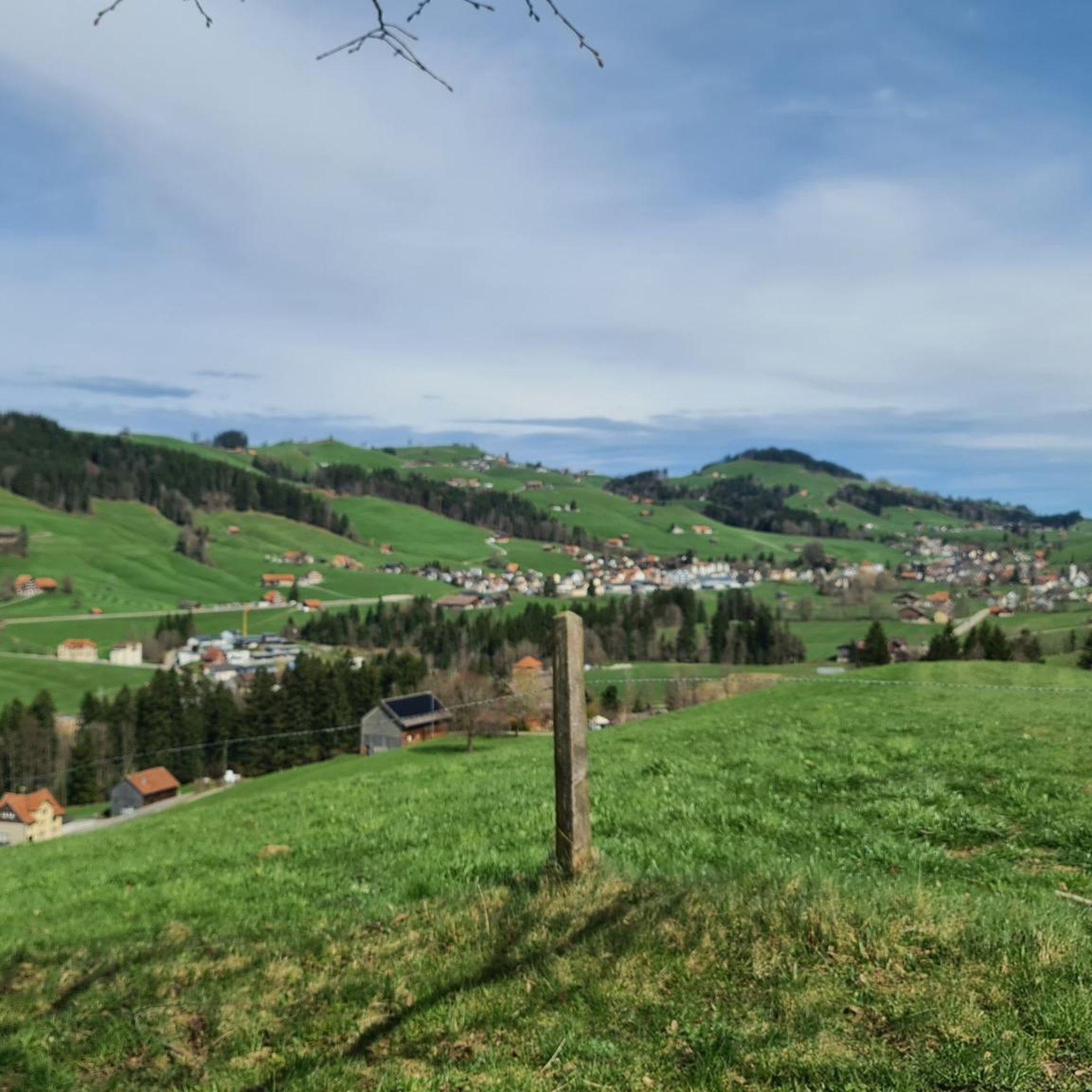
Best mountain passes around Hemberg are found in a mountainous region of Eastern Switzerland, part of the Toggenburg area. This region is characterized by scenic landscapes offering panoramic views over the Toggenburg valley and the Alpstein massif. While not featuring traditionally named high-alpine passes, the area provides numerous opportunities for challenging ascents and descents, as evidenced by the annual Bergrennen Hemberg hillclimb race. The local roads and trails offer significant mountainous experiences for outdoor enthusiasts.
Best mountain passes around Hemberg
- The most popular mountain passes is Schwägalp, a facilities and mountain pass highlight known for its early morning tranquility and clear air. Visitors can watch the sunrise from its summit and explore the Alpine Show Dairy, which details traditional cheese production.
- Another must-see spot is Chrüzegg Summit, a summit and mountain pass offering expansive views. This spot is particularly rewarding for its vistas, despite not having a restaurant directly on the summit.
- Visitors also love Risipass Trail, an intermediate trail and mountain pass. This route features a beautiful climb with views to the north and south, and a place to stop for refreshments near the pass.
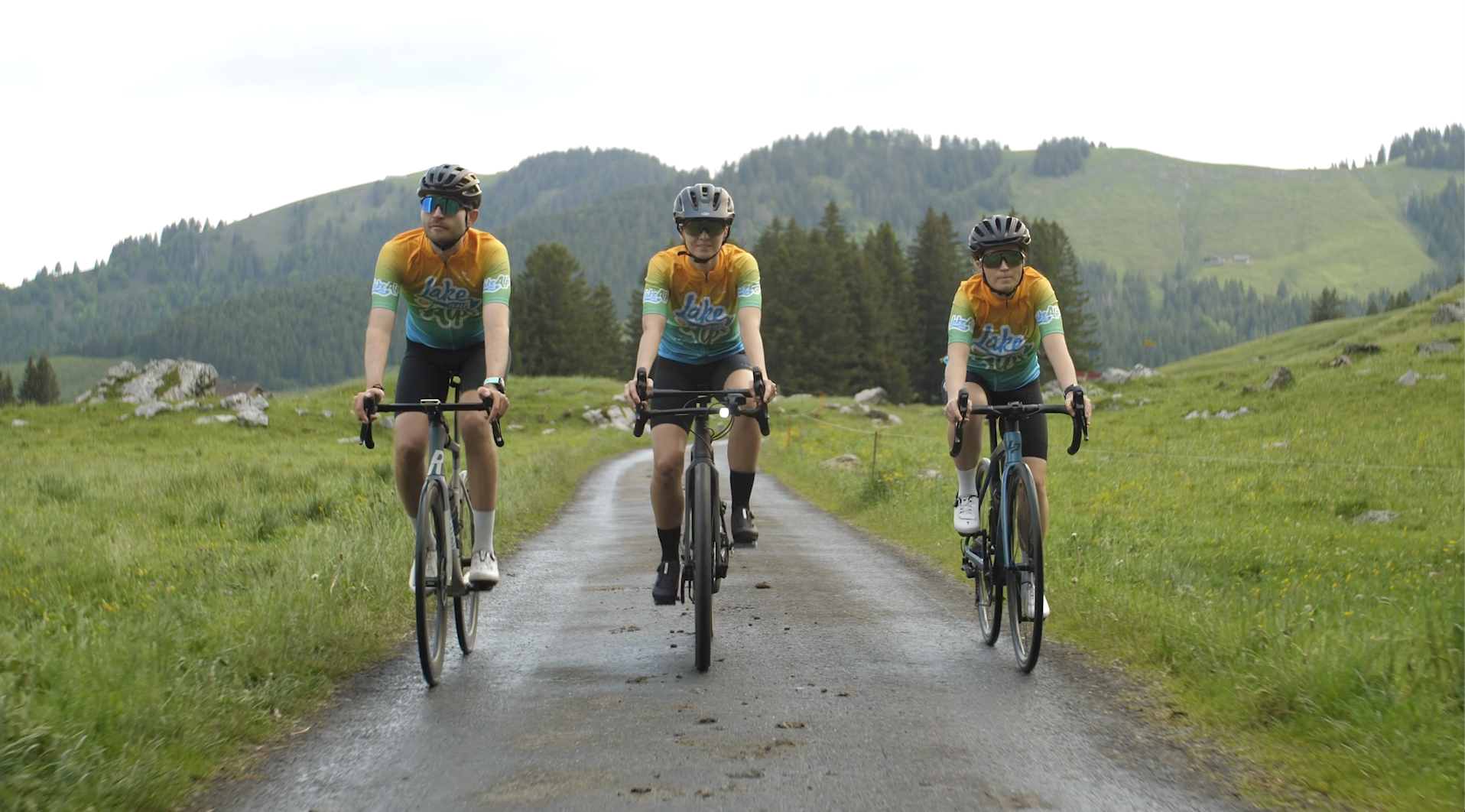
- Hemberg is known for scenic roads, summit trails, and saddles. The region offers a variety of routes for cycling and hiking, providing diverse mountainous experiences to see and explore.
- The mountain passes around Hemberg are appreciated by the komoot community. With more than 800 upvotes and over 290 photos, the community has shared their experiences.
Last updated: September 29, 2026
Schwägalp
Highlight • Rest Area
Translated by Google •
Tip by

Chrüzeggalp
Highlight • Summit
Translated by Google •
Tip by

Sign up now to discover places like this
Get recommendations on the best single tracks, peaks, & plenty of other exciting outdoor places.
Chrüzegg Mountain Inn
Highlight • Mountain Hut
chruezegg.ch
Translated by Google •
Tip by

Risipass
Highlight • Mountain Pass
Showing Translation
Tip by

Risipass Trail
Highlight (Segment) • Trail
Showing Translation
Tip by

Sign up for free to discover even more mountain passes around Hemberg.
Already have an account?
Start today with a free account
Your next adventure awaits.
Other adventures around Hemberg

Tips from the Community

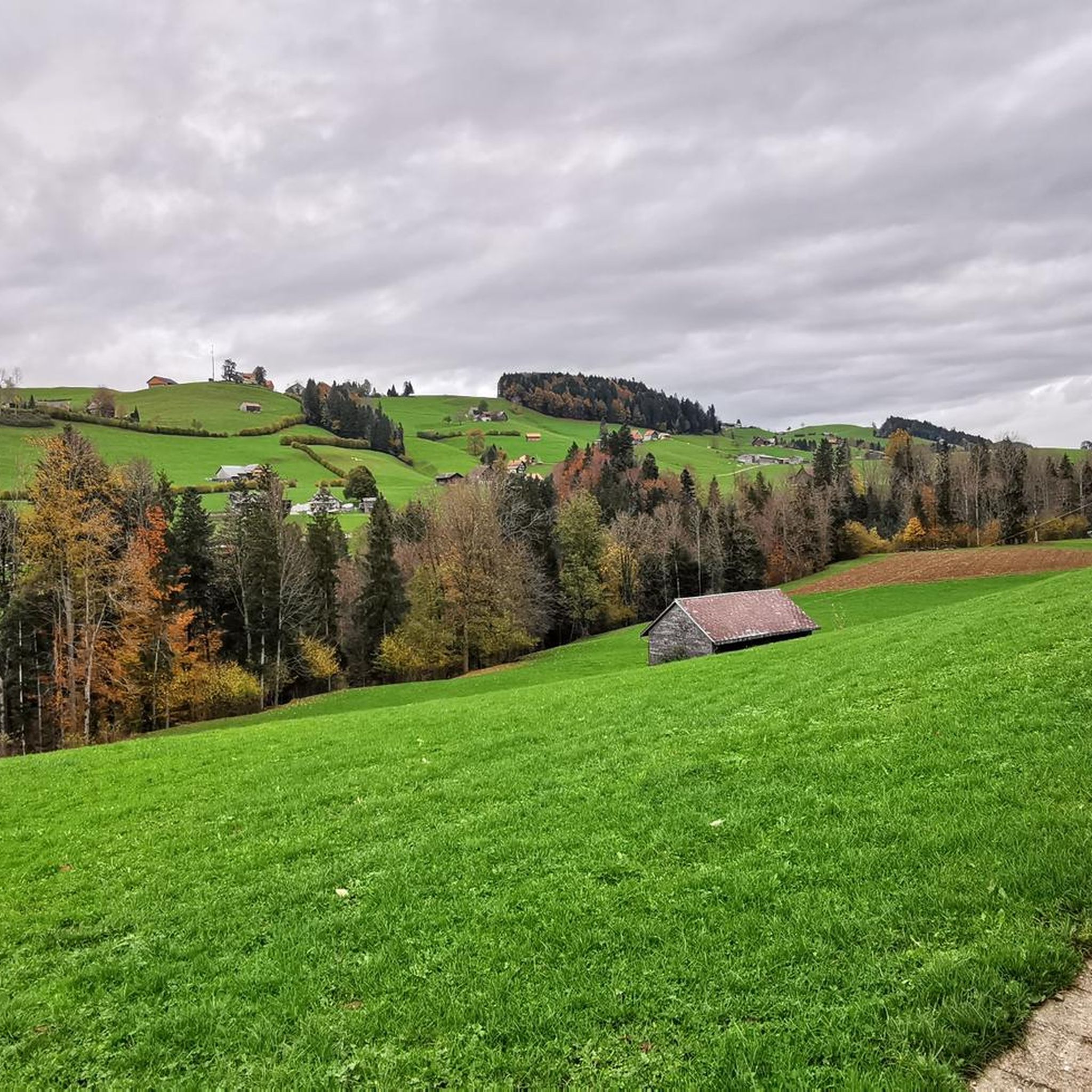
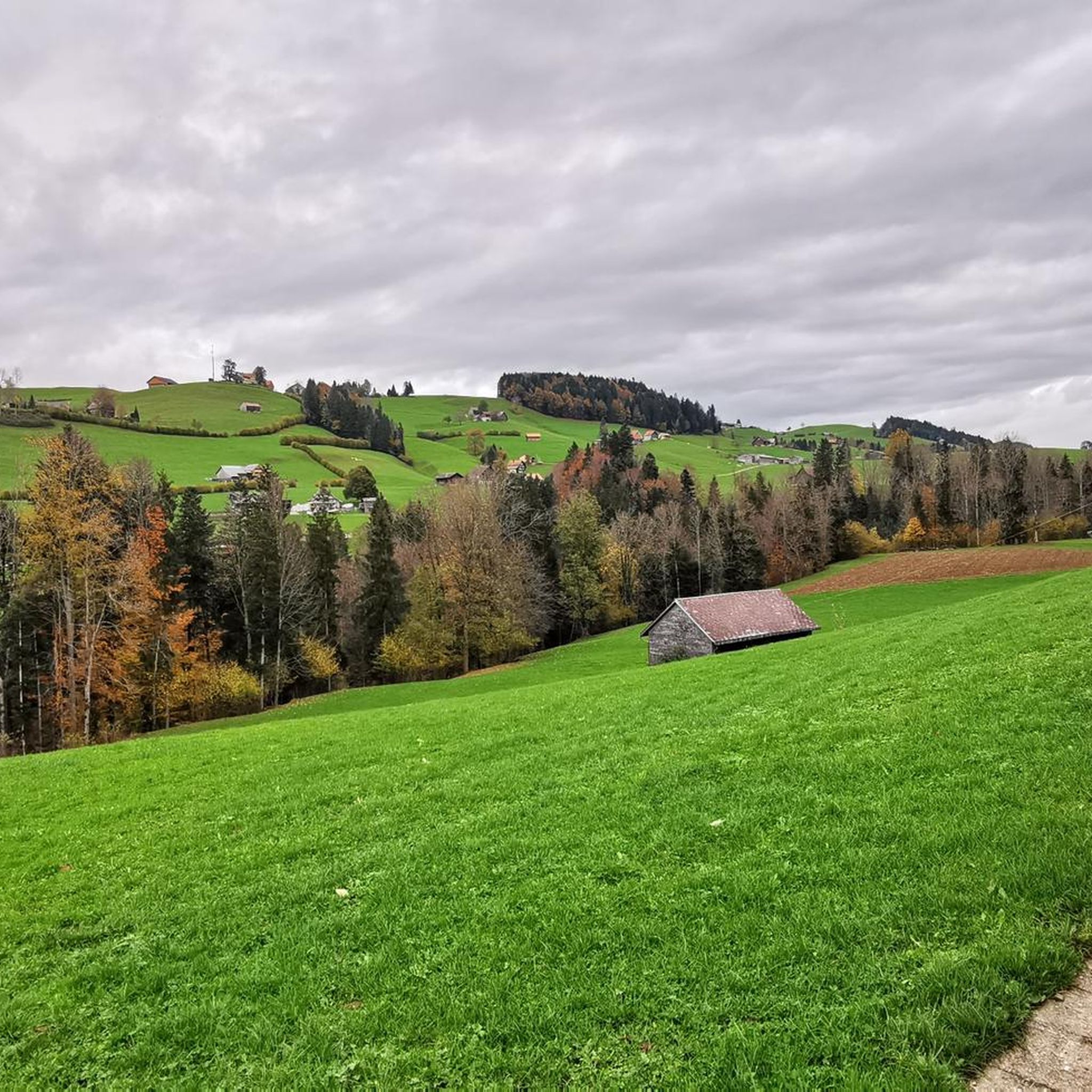
Away from the hustle and bustle. Relatively challenging and beautiful.
0
0

Fantastically great view of Säntis, Electors...
2
0

Alpine Show Dairy, Schwägalp Rich in history and unique Alpine cheese represents an open and welcoming way of life and is deeply rooted in the ancient Swiss alpine farming tradition. Originally, cheese was only produced on the alpine pastures to preserve the summer's milk for the winter. It wasn't until the 19th century that farmers in the valleys also began producing cheese. Thus, Swiss cheese originated in the alpine farms. Even today, every alpine valley has its own alpine cheese. Each alpine cheese is different, as locally varying herbs, production methods, and traditions shape the cheese in aroma, color, shape, ripeness, and hardness. Alpine cheese is part of the vibrant alpine culture. Carefully handcrafted Alpine cheese is made from natural Swiss alpine milk. The alpine pastures with up to 100 different herbs and grasses give it its unique flavor. A cheese may only bear the designation "alpine cheese" if the milk production and cheesemaking take place on the alpine pasture. Alpine cheese, unlike mountain cheese, is a seasonal product, only produced from May to September. Alpine Ascent As soon as spring arrives in the mountains, the herdsmen, dressed in traditional costumes and accompanied by their elaborately decorated animals, leave the valley farms. Their route is lined with spectators and folklore enthusiasts. For 80 to 120 days, their home is the alpine hut. Then the alpine cheese season begins, along with a demanding life with little comfort. Busy Days From early morning until late at night, it's all about milking, cheesemaking, butter churning, feeding the animals, trimming their hooves, cleaning pastures, preparing firewood, cooking, and searching for lost animals. And this goes on seven days a week. Nevertheless, there's still time now and then for a relaxing evening or for music and dancing. Alpine Descent When the days grow shorter in autumn and the grass and herbs grow more slowly, it's time to drive the cows down to the lower pastures and later down into the valley. With a touch of melancholy, the herds begin their descent. The festive alpine descent of the decorated animals and herdsmen is accompanied by spectators and numerous celebrations. Text / Source: Schwägalp Alpine Show Dairy https://www.alpschaukaeserei.ch/
17
0

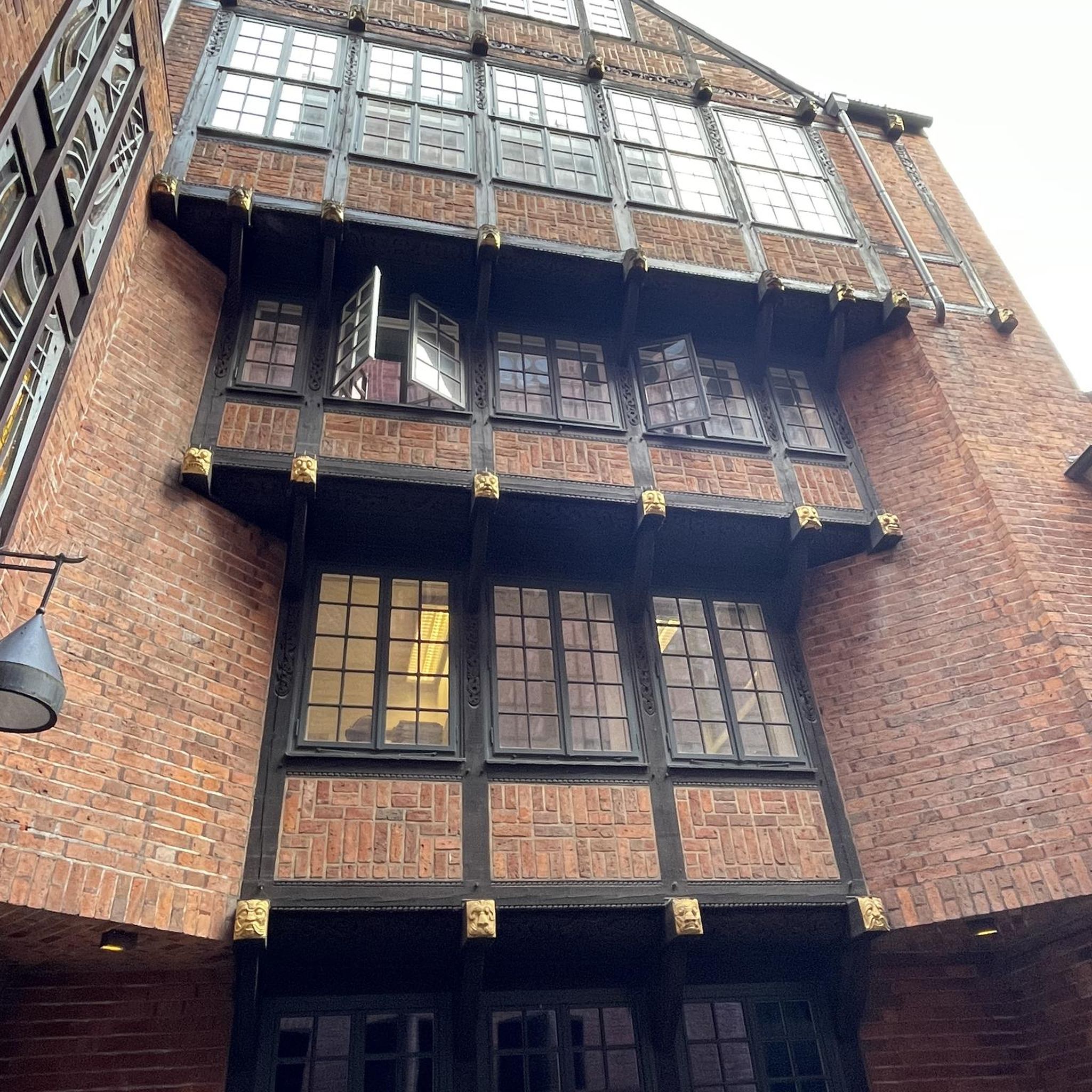
A beautifully situated mountain inn with wonderful views of Lake Zurich and the surrounding mountains. The inn is accessible via many paths and is therefore often well-attended. https://chruezegg.ch/
2
0

Directly on the Toggenburger Höhenweg .... a dream
2
0

It is always nice to see how easy it is to make cheese and how many tricks you have to attend to make it good.
5
0
Schwägalp Alpine Show Dairy Rich in history and unique Alpine cheese represents an open and welcoming way of life and is deeply rooted in the ancient Swiss alpine farming tradition. Originally, cheese was only produced on the alpine pastures to preserve the summer's milk for the winter. It wasn't until the 19th century that farmers in the valleys also began producing cheese. Thus, Swiss cheese originated in the alpine farms. Even today, every alpine valley has its own alpine cheese. Each alpine cheese is different, as locally varying herbs, production methods, and traditions shape the cheese in aroma, color, shape, maturity, and hardness. Alpine cheese is part of the vibrant alpine culture. Carefully handcrafted Alpine cheese is made from natural Swiss alpine milk. The alpine pastures with up to 100 different herbs and grasses give it its unique flavor. A cheese may only bear the designation "alpine cheese" if the milk production and cheesemaking take place on the alpine pasture. Alpine cheese, unlike mountain cheese, is a seasonal product, only produced from May to September. Alpine Ascent As soon as spring arrives in the mountains, the herdsmen, dressed in traditional costumes and accompanied by their elaborately decorated animals, leave the valley farms. Their route is lined with spectators and folklore enthusiasts. For 80 to 120 days, their home is the alpine hut. Then the alpine cheese season begins, along with a demanding life with little comfort. Busy Days From early morning until late at night, it's all about milking, cheesemaking, butter churning, feeding the animals, trimming their hooves, cleaning pastures, preparing firewood, cooking, and searching for lost animals. And this goes on seven days a week. Nevertheless, there's still time now and then for a relaxing evening or for music and dancing. Alpine Descent When the days grow shorter in autumn and the grass and herbs grow more slowly, it's time to drive the cows down to the lower pastures and later down into the valley. With a touch of melancholy, the herds begin their descent. The festive alpine descent of the decorated animals and herdsmen is accompanied by spectators and numerous celebrations. Text / Source: Schwägalp Alpine Show Dairy https://www.alpschaukaeserei.ch/
16
0
Frequently Asked Questions
What kind of mountain pass experiences can I expect around Hemberg?
The Hemberg region, part of Eastern Switzerland's Toggenburg area, offers scenic mountain roads and challenging ascents rather than traditionally named high-alpine passes. You'll find opportunities for panoramic views, such as from Chrüzegg Summit, and routes that provide significant mountainous experiences for cycling and hiking enthusiasts.
Are there any family-friendly mountain pass areas in the Hemberg region?
Yes, Schwägalp is noted as a family-friendly highlight. It offers facilities and is known for its tranquility, making it a pleasant spot for families. You can also explore the Alpine Show Dairy there, which details traditional cheese production.
What are some popular viewpoints or summits around Hemberg?
Besides Schwägalp, which offers great sunrise views, Chrüzegg Summit is highly regarded for its expansive vistas. The Nusshalde (pass, saddle, and border) also provides a very nice view of the Alpstein massif.
What outdoor activities can I do near these mountain passes?
The Hemberg region is excellent for various outdoor activities. You can find numerous routes for mountaineering, mountain biking, and touring cycling. For detailed routes, explore the Mountain Hikes around Hemberg, MTB Trails around Hemberg, and Cycling around Hemberg guides.
Are there specific hiking trails that lead over these mountain passes?
Yes, the Risipass Trail is an intermediate route featuring a beautiful climb with views to the north and south. Another option is the Ascent to Schwägalp via Säntisfluh, which offers a spectacular landscape with alpine pastures and dairies.
What is the best time to visit the Hemberg region for mountain experiences?
The region is beautiful year-round. For hiking and cycling, spring through autumn (May to September) is ideal, especially if you wish to experience the seasonal Alpine cheese production at places like Schwägalp. Early mornings are recommended for tranquility and clear air at viewpoints.
Are there places to eat or get refreshments near the mountain passes?
Yes, Schwägalp has a restaurant and the Alpine Show Dairy. Near the Risipass Trail, there's a place to stop for refreshments just before the pass. While Chrüzegg Summit doesn't have a restaurant directly on top, there are options nearby.
What makes the Hemberg region unique for mountain pass enthusiasts?
The Hemberg region is unique for its blend of scenic landscapes, challenging ascents, and access to stunning panoramic views over the Toggenburg valley and the Alpstein massif. It's also home to the annual Bergrennen Hemberg hillclimb race, showcasing the challenging nature of its mountain roads, even without traditional named passes.
Can I find parking at these mountain pass locations?
Yes, Schwägalp offers parking facilities, making it a convenient starting point for exploring the surrounding area.
What do visitors particularly enjoy about the mountain experiences around Hemberg?
Visitors frequently praise the spectacular landscapes, especially when ascending out of the forest towards alpine pastures. The tranquility of early mornings at spots like Schwägalp, the expansive views from summits like Chrüzegg Summit, and the beautiful climbs on trails like the Risipass Trail are often highlighted.
Are there any historical or cultural aspects to explore in the Hemberg mountain region?
While not directly historical sites, the region offers insights into traditional Swiss alpine farming culture. The Alpine Show Dairy at Schwägalp provides a rich history of alpine cheese production, which is deeply rooted in the ancient Swiss alpine farming tradition and is a significant part of the local culture.
Most popular routes around Hemberg
Most popular attractions around Hemberg

Get inspired with the komoot mobile app


Explore more
See even more epic mountain passes by checking out these guides around Hemberg:
