Top 20 Natural Monuments around Sluis
Best natural monuments around Sluis feature a unique coastal landscape, characterized by a dynamic interplay between land and sea. The region is known for its "slufter" environments, where beach plains behind dunes maintain an open connection with the sea. This area encompasses diverse habitats, including sandy beaches, dunes, salt marshes, and polders. It is ecologically significant, supporting a rich array of plant and animal life.
Best natural monuments around Sluis
- The most popular natural monuments is The Zwin Nature Reserve…
Last updated: May 13, 2026
The Zwin Nature Reserve
Highlight • Natural Monument
The Zwin is a slufter: a beach plain behind the dunes that is …
Translated by Google •
Tip by

The Zwin
Highlight • Natural Monument
Translated by Google •
Tip by

Sign up now to discover places like this
Get recommendations on the best single tracks, peaks, & plenty of other exciting outdoor places.
Sign up for free
View of the Zwin Nature Reserve
Highlight • Viewpoint
Translated by Google •
Tip by

The Drowned Zwarte Polder
Highlight • Natural
Translated by Google •
Tip by
Zwin Dunes and Polders
Highlight • Natural
Until the end of the 19th century, these dunes, forests, …
Translated by Google •
Tip by

Sign up for free to discover even more natural monuments around Sluis.
Sign up for free
Already have an account?
Start today with a free account
Your next adventure awaits.
Login or Signup
Popular around Sluis
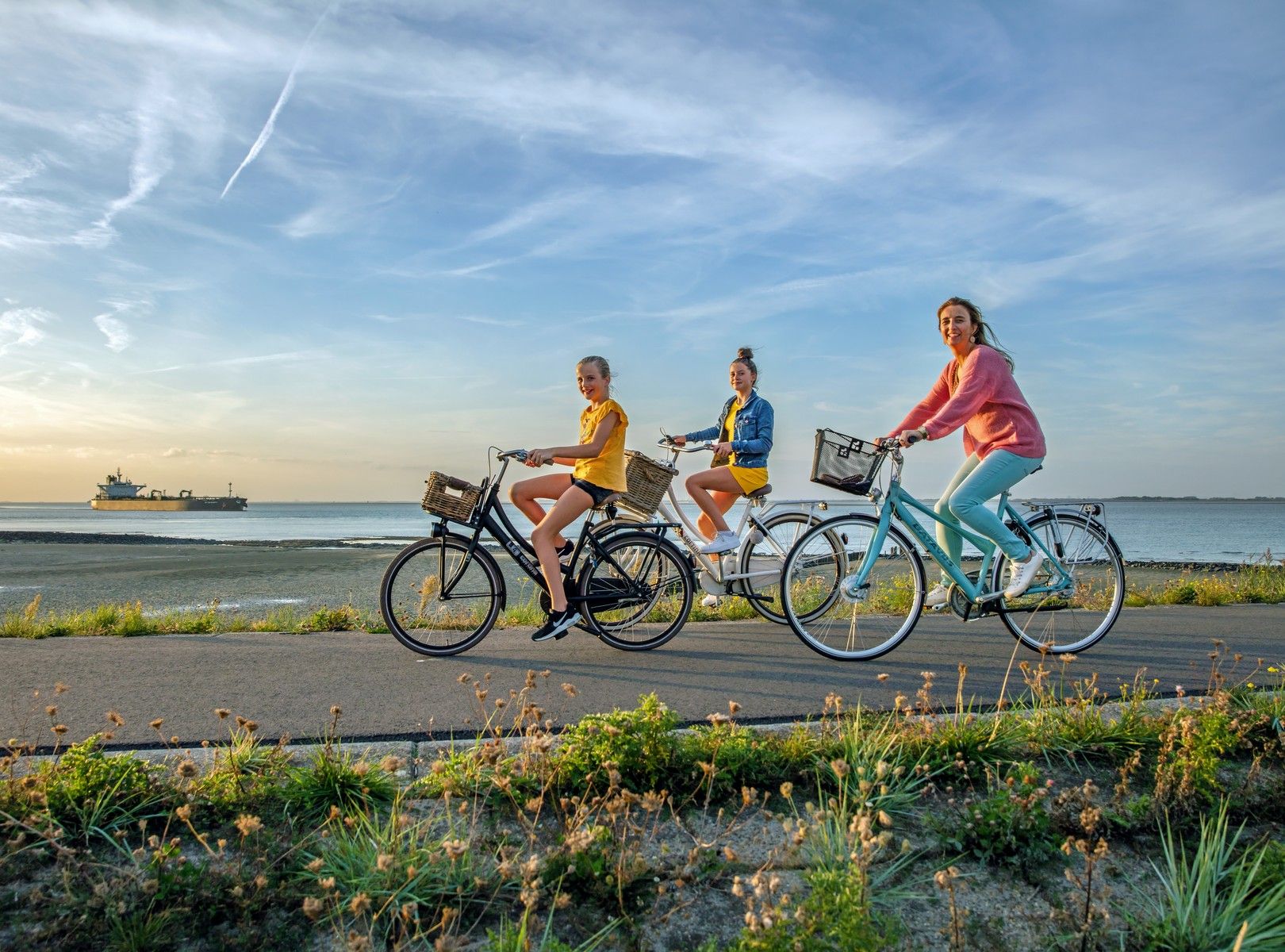
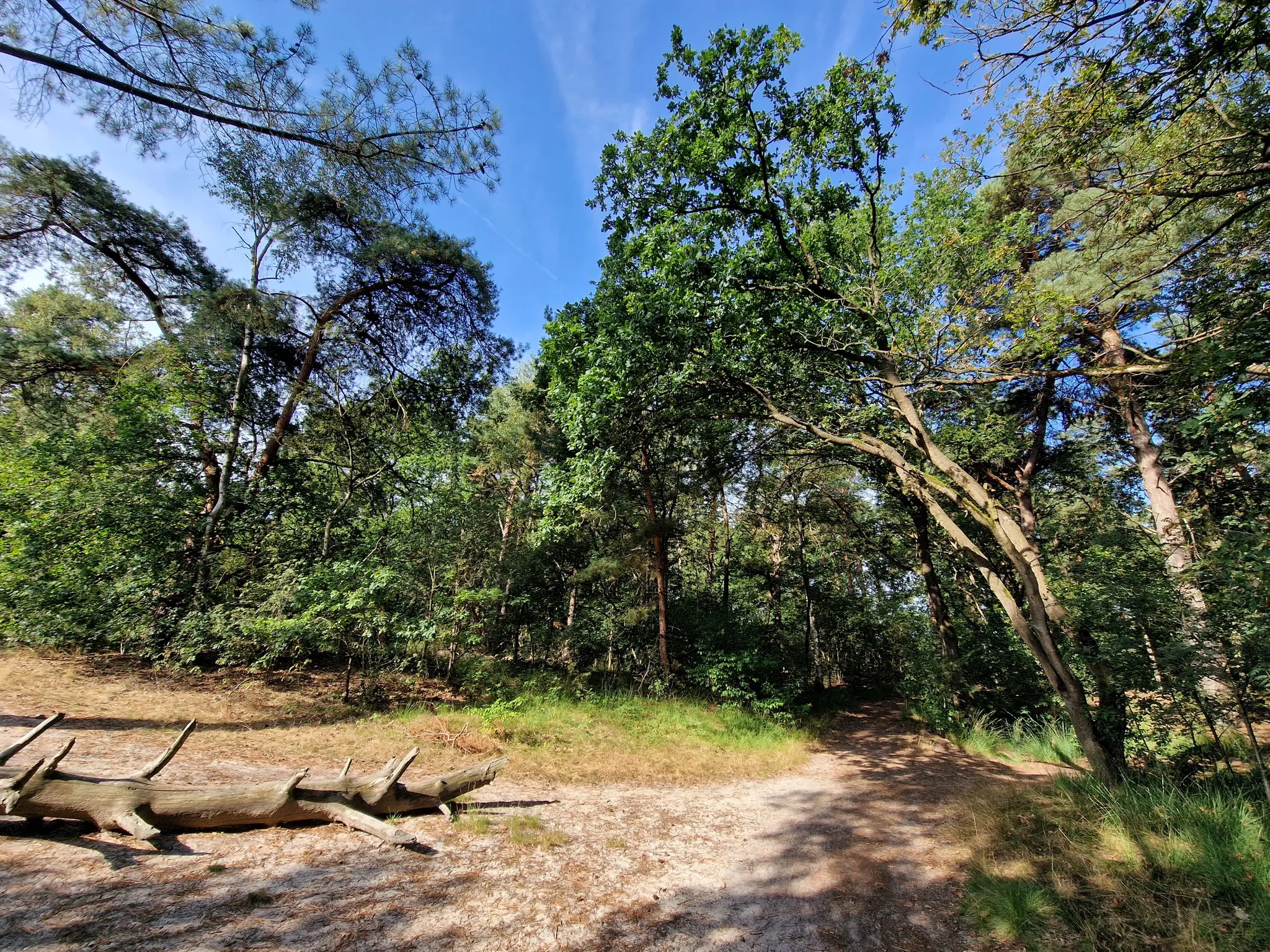
Five routes in Zeeland — the dunes, the woods and the sea
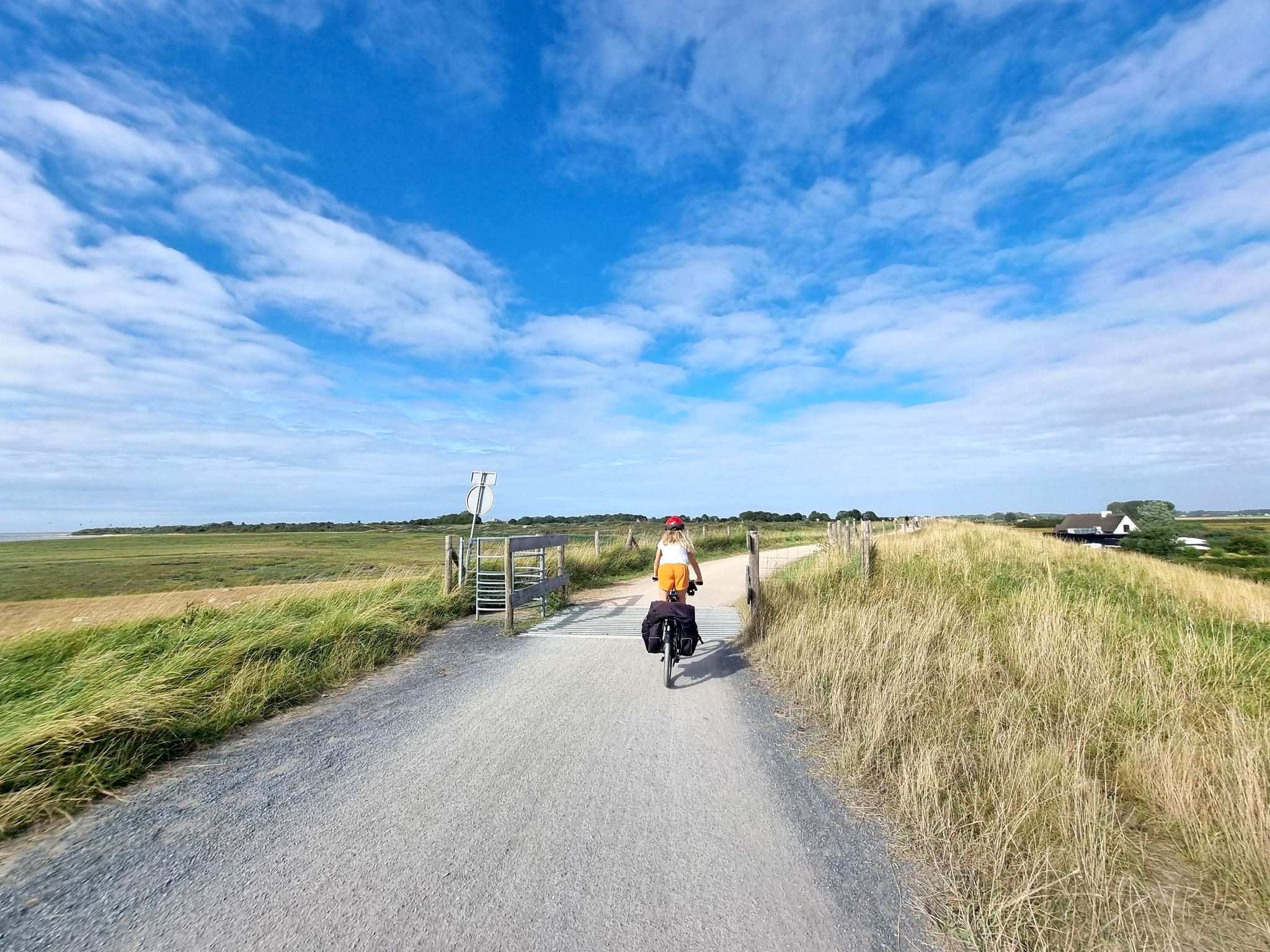
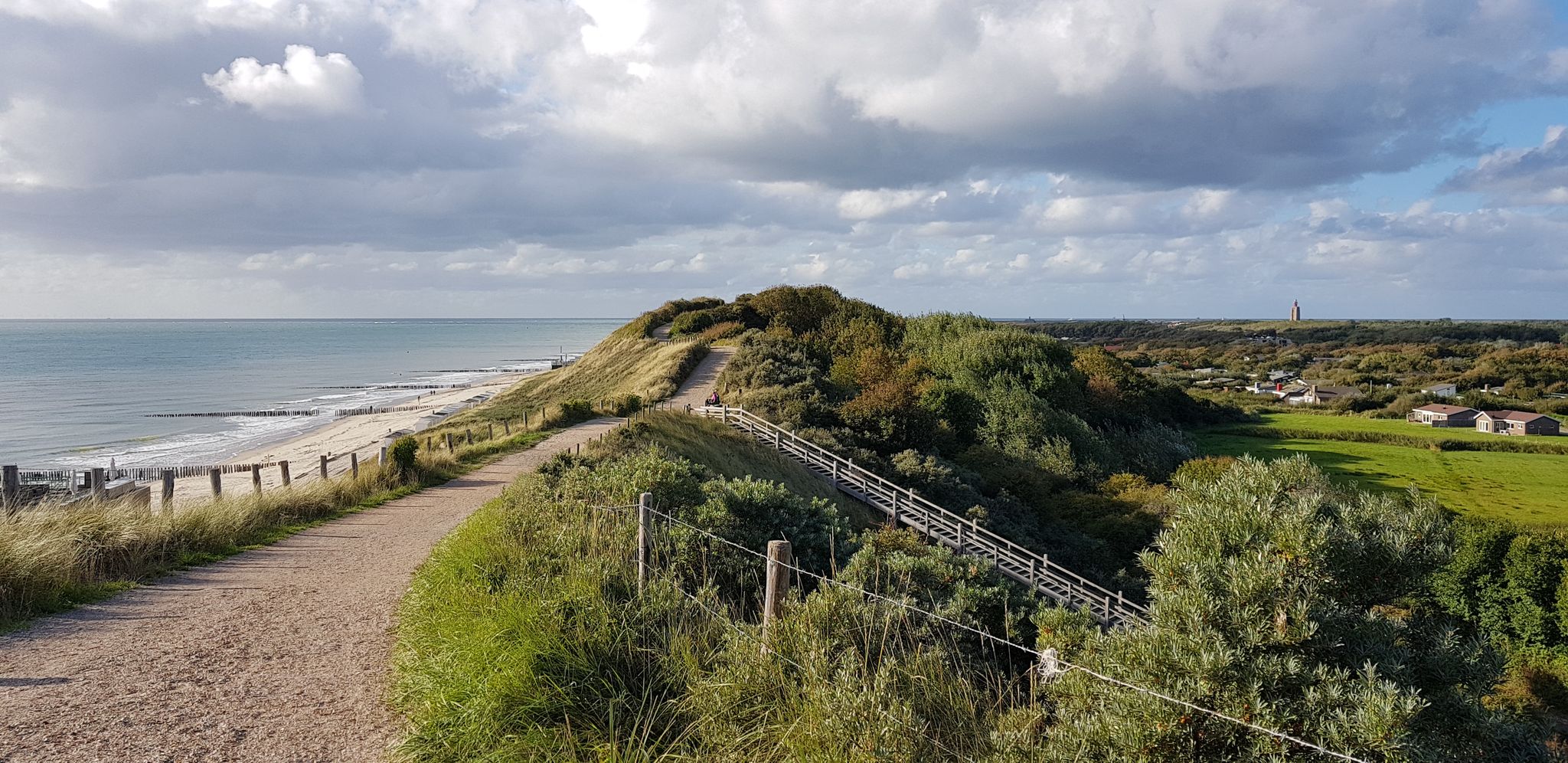
Sea, sand, and saddle – Coastal Route
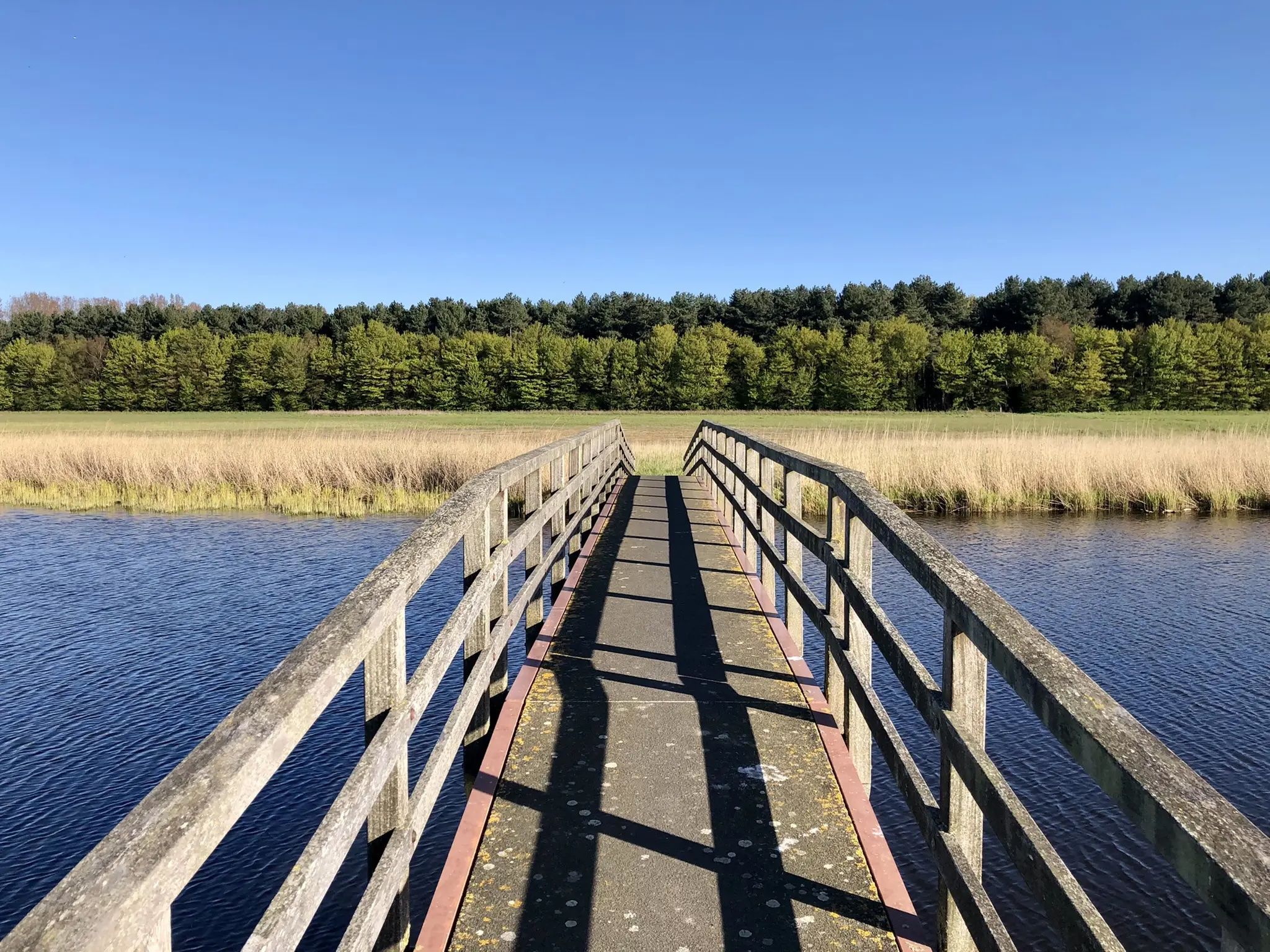
By West, East and Zeeuws-Vlaanderen — GR Uilenspiegel
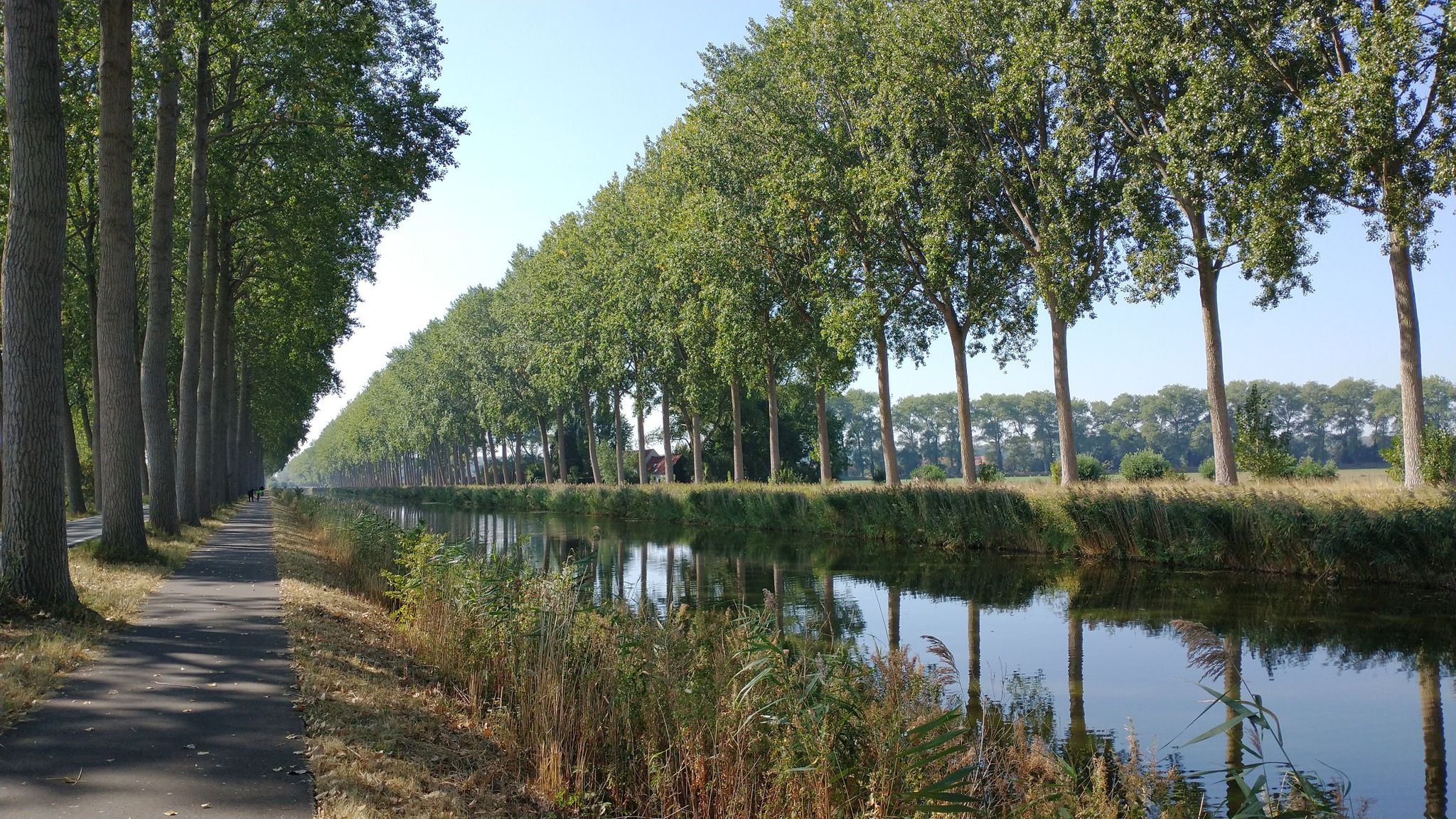
Coast and canals – travelling in Flanders and Zeeland Flanders
Along the border between the Netherlands and Belgium – the Grenslandpad
Along the Zeeland Coast — part 1: Dutch Coastal Path (formerly Deltapad)
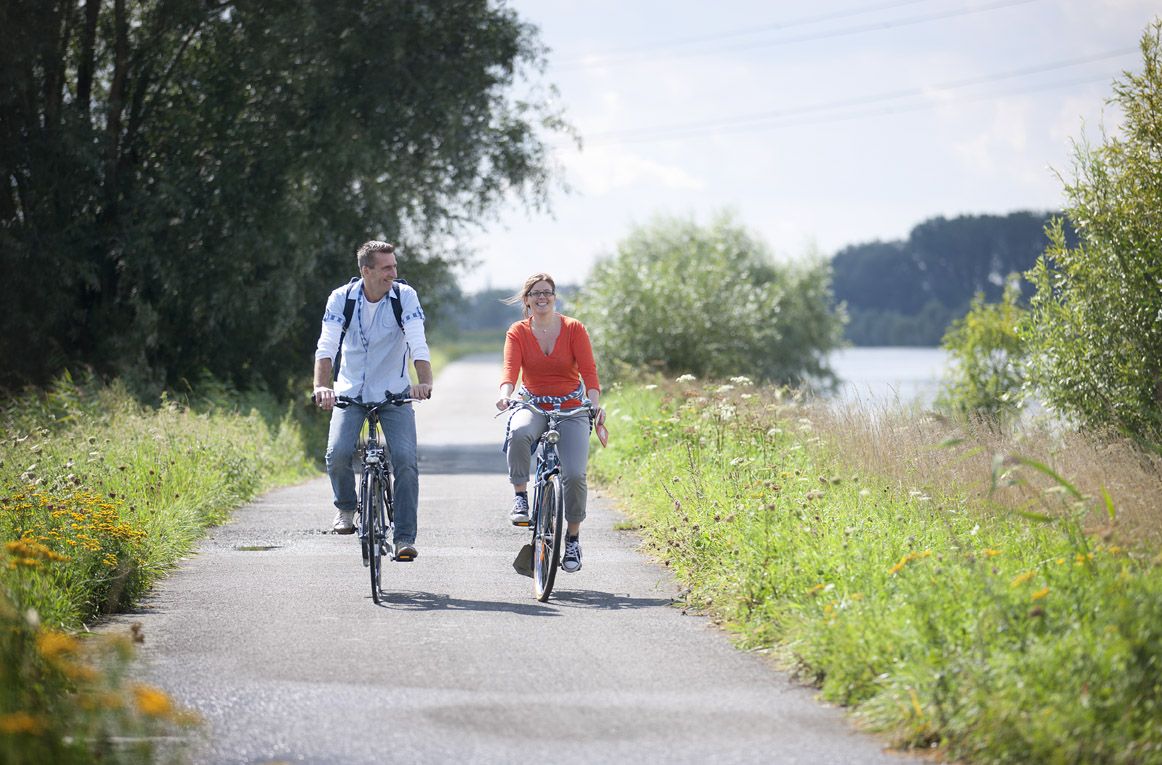
Flanders by bike: cycling along the water
LF-routes
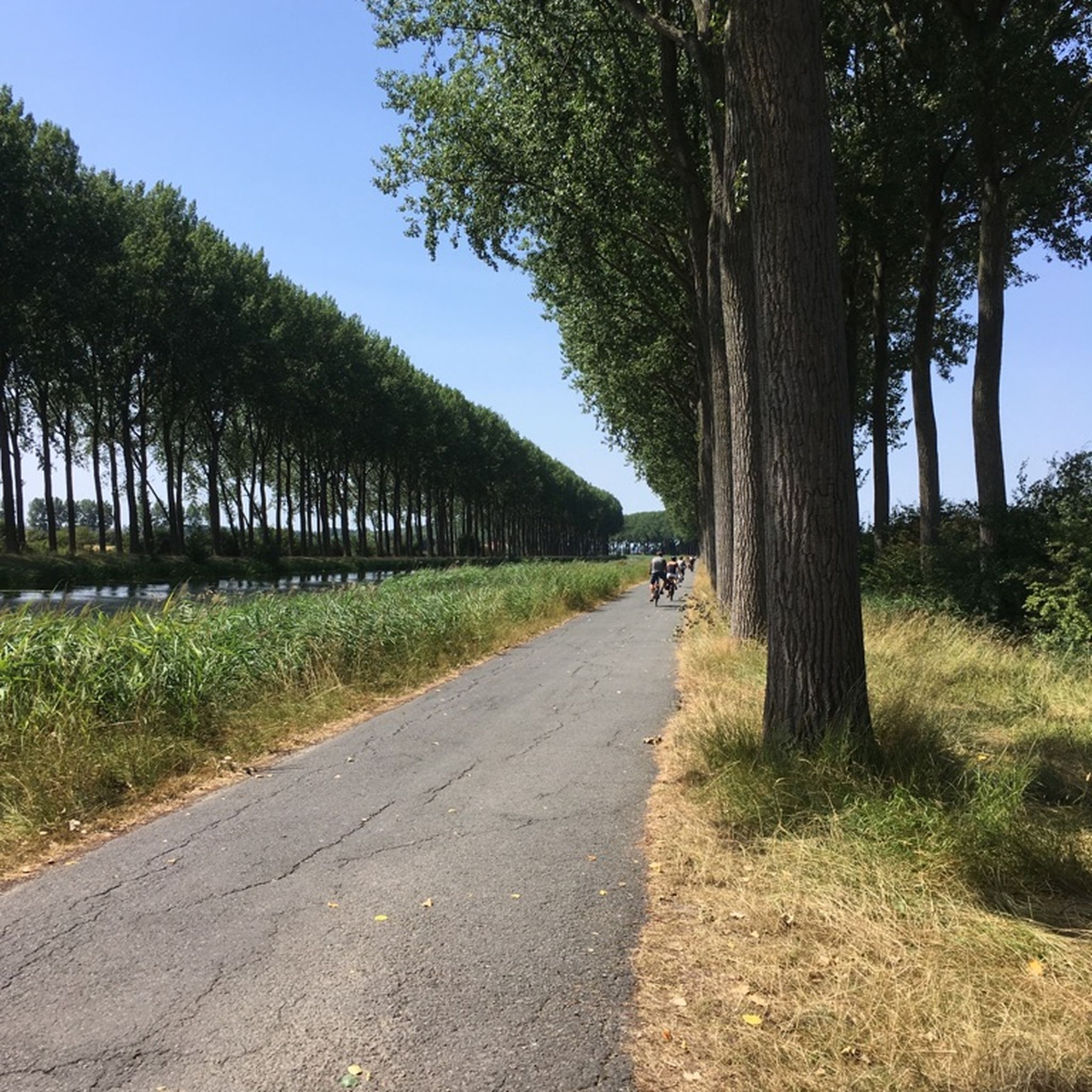
Cycling around Sluis
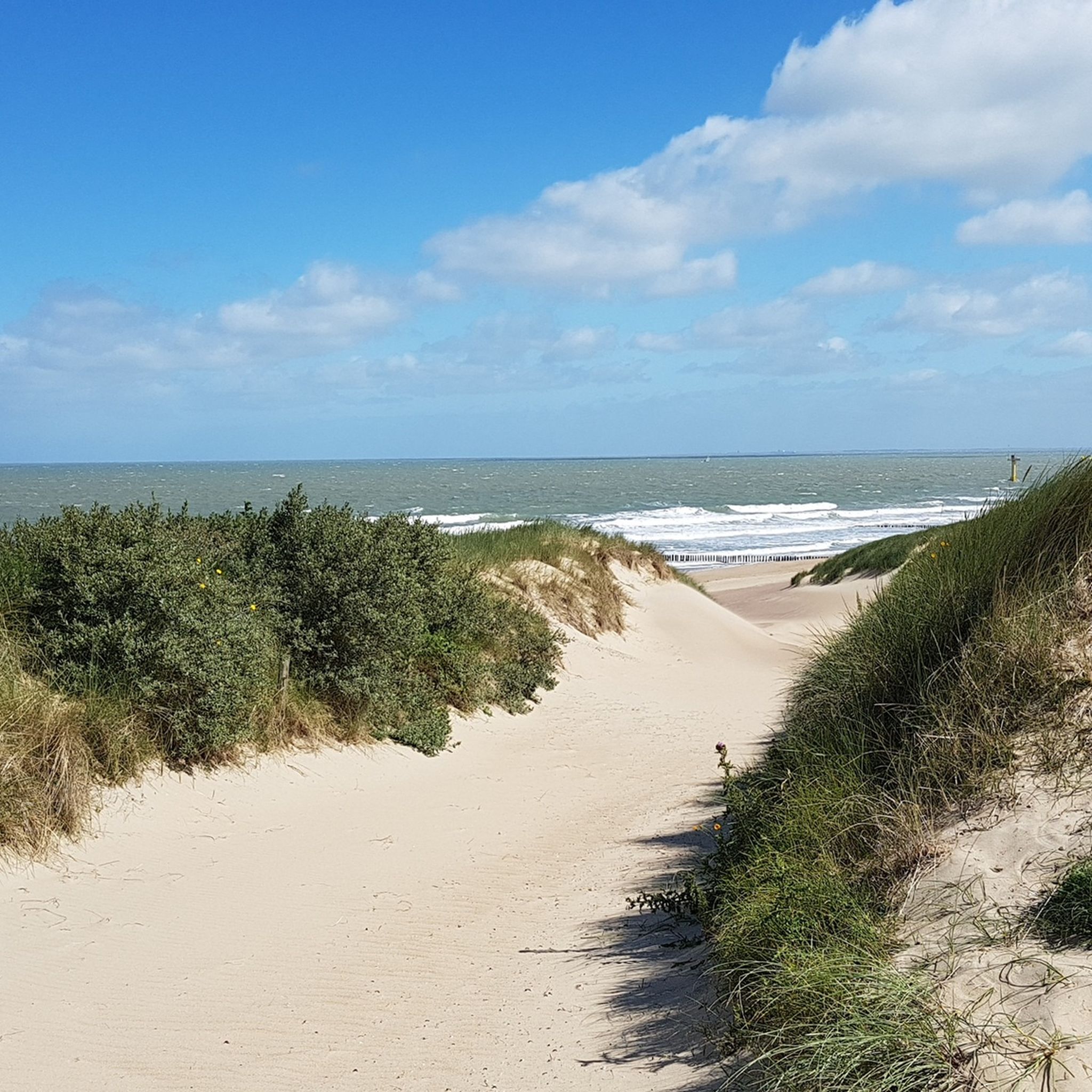
Hiking around Sluis
Other adventures around Sluis


Tips from the Community

Beautiful viewpoint of the nature reserve
0
1

Very beautiful vast nature reserve very close to beach and sea. Walking, running, cycling, horse riding...
2
0

The drowned black polder near Nieuwvliet-Bad is a polder that was reclaimed from the sea and dammed in 1623, but which the North Sea reclaimed in a major storm surge in 1802: the dyke broke and the resulting hole flooded the land.
6
0

During quiet moments you can cycle through it with wide tires, otherwise you can take a walk, which is beautiful to see.
11
0
Easy connection between houses and the drowned polder
10
0

In the 13th and 14th centuries, this sea arm - ’t Zwyn - was an important waterway to Bruges. This waterway was created after the sea had penetrated the land around the beginning of the Christian era. The cities of Bruges, Damme and Sluis were located on the Zwin and became flourishing trading centres. But the channel became increasingly shallow and eventually unnavigable. That is why the Zwin was later largely poldered. Nature then took over here. Source: https://www.hetzeeuwselandschap.nl/natuurgebieden/het-zwin
6
1

The Zwin, whether it is Belgian or Dutch, does not matter, it is a beautiful nature reserve. The Zwin is a slufter: a beach plain behind the dunes that is in open connection with the sea. Directly behind the gully mouth lies a sandy beach, further inward lie dunes and salt marshes. Behind the row of dunes lie two small polders, the Kievittepolder and the Oudelandsepolder.
10
0
Frequently Asked Questions
What unique natural features define the monuments around Sluis?
The natural monuments around Sluis are primarily characterized by their unique "slufter" landscapes. This means beach plains located behind dunes that maintain an open connection with the sea, allowing seawater to flow in twice daily. This dynamic environment creates diverse habitats including sandy beaches, dunes, salt marshes, and polders, supporting specialized plant life and a rich array of animal species, especially birds. A prime example is The Zwin Nature Reserve, known for its saline environment and unique biotope.
Are there any natural monuments around Sluis that are particularly good for birdwatching?
Yes, the region is renowned for its exceptional birdlife. Zwin Nature Reserve is often referred to as an "International Airport for Birds" due to the vast number of species that visit or breed there. It's one of the most important mudflat and salt marsh areas for bird migration in Belgium and the Netherlands, making it a prime spot for observing a wide variety of seabirds, waterfowl, and even storks.
What kind of geological significance do the natural monuments near Sluis hold?
The area around Sluis, particularly within the Zwin region, has geological significance. It's known for ancient shark teeth that can sometimes be found, locally referred to as "black gold." Furthermore, The Zwin is recognized as one of the 40 Geosites that are part of the UNESCO Geopark Schelde Delta, highlighting its unique geological and geomorphological value.
Are there family-friendly natural monuments or activities around Sluis?
Many natural monuments in the Sluis area are family-friendly. The Zwin Natuur Park, which encompasses areas like The Zwin Nature Reserve, offers interactive exhibits at its visitor center, educational workshops, and nature programs. There are also various walking and hiking trails suitable for families. The categories for highlights like The Zwin Nature Reserve and Zwin Dunes and Polders often include "family_friendly" indicating their suitability for all ages.
Can I bring my dog to the natural monuments around Sluis?
Yes, some natural areas around Sluis are dog-friendly. For instance, Zwin Dunes and Polders explicitly mentions that dogs are welcome on its sufficient walking paths. However, it's always advisable to check specific regulations for each reserve, as some sensitive ecological areas might have restrictions or require dogs to be on a leash to protect wildlife.
What outdoor activities can I do near these natural monuments?
The region around Sluis offers a variety of outdoor activities. You can enjoy extensive cycling routes, with options for road cycling and touring bicycle trips, often running parallel to nature parks like the Zwin. There are also MTB trails available. Many natural monuments, including The Drowned Zwarte Polder, are excellent for walking and hiking, offering picturesque views of the coastal landscape.
What is the best time of year to visit the natural monuments around Sluis?
The natural monuments around Sluis, particularly those with significant birdlife like Het Zwin, are excellent to visit during spring and autumn. These seasons offer prime bird migration viewing opportunities. Spring also brings unique flora into bloom. The coastal environment makes it enjoyable during warmer months for walking and cycling, but even in quieter moments, areas like The Drowned Zwarte Polder are beautiful to see.
Are there accessible trails for visually impaired individuals or wheelchair users?
Yes, the Zwin Natuur Park, which includes parts of the natural monuments, is committed to accessibility. It features special paths like the "Blindenpad" (Blind Path) which is accessible for visually impaired individuals and wheelchair users. This ensures that a wider range of visitors can experience the unique natural beauty of the area.
What facilities are available at the natural monuments, especially for visitors?
The Zwin Natuur Park offers modern visitor facilities. This includes a visitor center with interactive exhibits, a bird park where rehabilitated birds are cared for, and educational programs. There are also amenities like a panorama pier near Retranchement offering spectacular views. Some areas, like Zwin Dunes and Polders, are noted to have facilities available.
What do visitors enjoy most about the natural monuments around Sluis?
Visitors frequently praise the stunning natural beauty and the tranquility of the area. Many appreciate the unique coastal landscapes, the opportunity for birdwatching, and the well-maintained walking and cycling paths. The dynamic interplay of land and sea, as seen in the slufter environments, is a recurring highlight, offering a sense of peace and connection with nature.
How long does it typically take to explore the natural monuments near Sluis?
The time required to explore depends on the specific monument and your chosen activity. For instance, the Zwin Natuur Park offers a 4-kilometer route that can take a couple of hours to walk leisurely. Other areas might be explored as part of longer cycling or hiking tours, which can range from a few hours to a full day. Many visitors spend half a day or more immersing themselves in the diverse habitats and enjoying the birdlife.
Are there any specific regulations or rules to be aware of when visiting these natural areas?
When visiting natural monuments, especially sensitive ecological areas like the Zwin, it's important to respect local regulations. This typically includes staying on marked paths to protect delicate ecosystems, refraining from disturbing wildlife, and disposing of waste properly. If you bring a dog, ensure it is kept on a leash where required. Specific rules for areas like Het Zwin are often posted at visitor centers or trailheads.
Most popular attractions around Sluis

Get inspired with the komoot mobile app


Explore more
Extend your search for the best caves by checking out these guides of the top ones around Sluis:
